The Meaning Behind Tufted Titmouse Suddenly Appearing At Your Pennsylvania Feeder
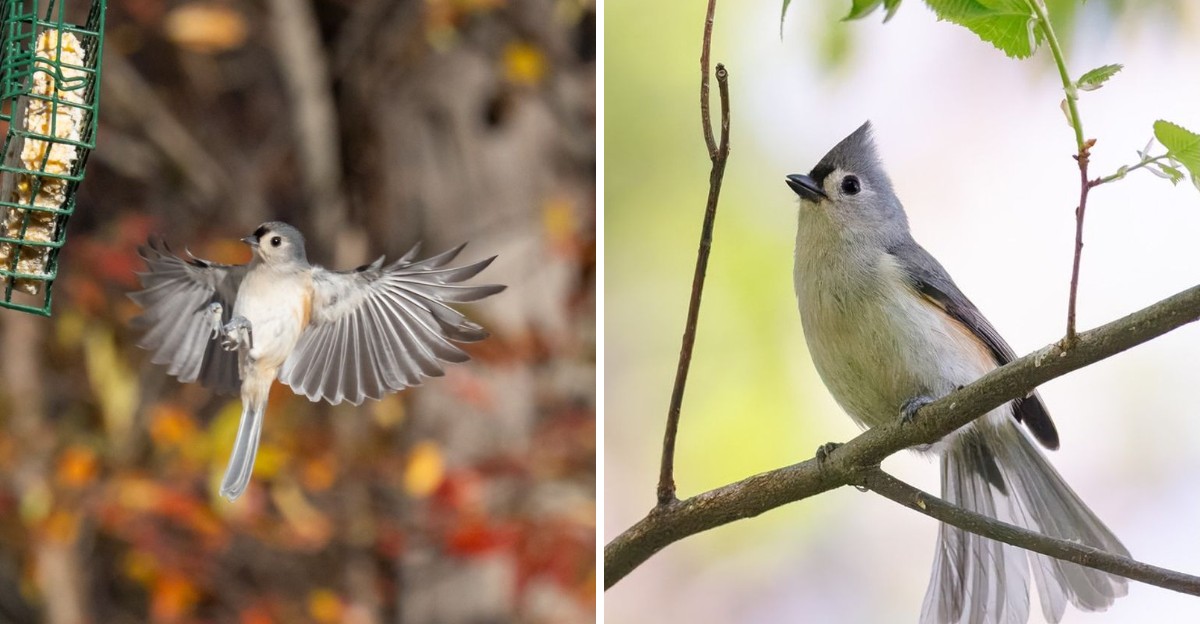
Have you noticed a small, crested gray bird appearing at your Pennsylvania feeder recently with a boldness that seems disproportionate to its size? That’s a tufted titmouse, and if it’s been showing up with new regularity as September settles in, it’s not a coincidence.
Tufted titmice are present in Pennsylvania year round, but their behavior shifts noticeably in fall, and the feeders they suddenly prioritize at this time of year are the ones offering something specific they need heading into the colder months.
A titmouse appearing at your feeder right now is responding to real seasonal pressures, and understanding what’s driving that behavior makes the encounter considerably more interesting than a simple bird sighting.
Here’s what a tufted titmouse suddenly appearing at your Pennsylvania feeder really means and why this small, determined bird deserves more attention than it usually gets.
1. Cold Weather Is On The Way
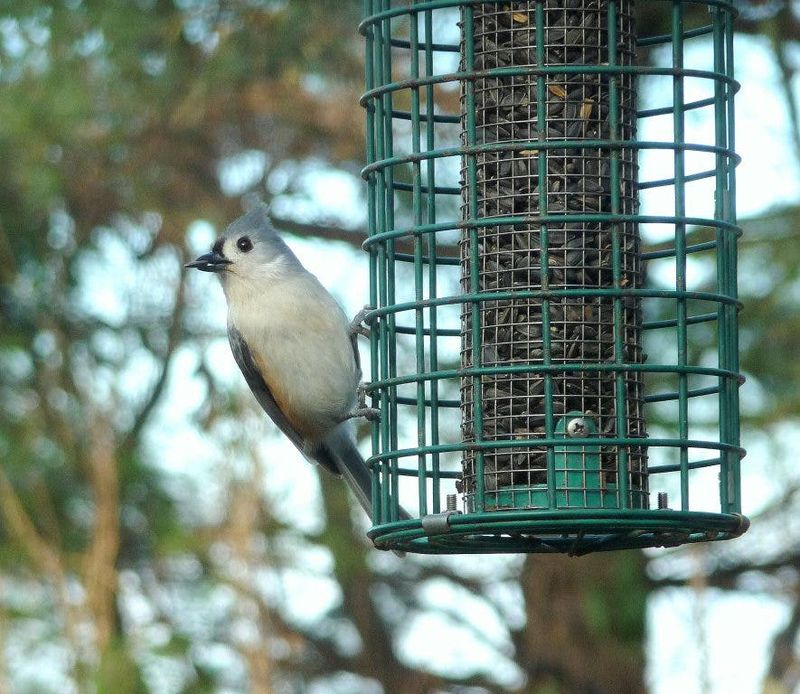
One of the most practical reasons titmice flock to feeders is a drop in temperature. When Pennsylvania weather starts to cool, these birds get busy searching for reliable food.
Cold air burns their energy fast. A tiny body loses heat quickly, so they need to eat more often just to stay warm.
Your feeder becomes an easy stop where they can grab high-fat seeds without wasting effort.
Many backyard birders notice titmice appearing right before a big cold front rolls in. Birds seem to sense shifts in air pressure and prepare early.
If your feeder suddenly gets busy, check your weather app. You might spot a chilly stretch coming.
To help these visitors, offer foods packed with energy. Black oil sunflower seeds, peanuts, and suet are perfect choices.
These give titmice the fuel they need to survive frosty mornings.
Keeping your feeder full during cold snaps matters most. Birds remember which spots are dependable and return again and again.
An empty feeder in freezing weather sends them searching elsewhere.
Fresh water also makes a huge difference. When puddles and streams freeze over, a heated birdbath can be a lifesaver.
Titmice will visit yards that offer both food and drink.
Watching them puff up their feathers is a clue too. Fluffed feathers trap warm air like a cozy jacket.
That round, chubby look tells you the bird is fighting the chill.
So when a titmouse shows up unexpectedly, nature might be whispering that winter is near. Stocking your feeder now keeps these little neighbors happy through the cold months ahead.
2. A Sign Of Good Luck And Positivity
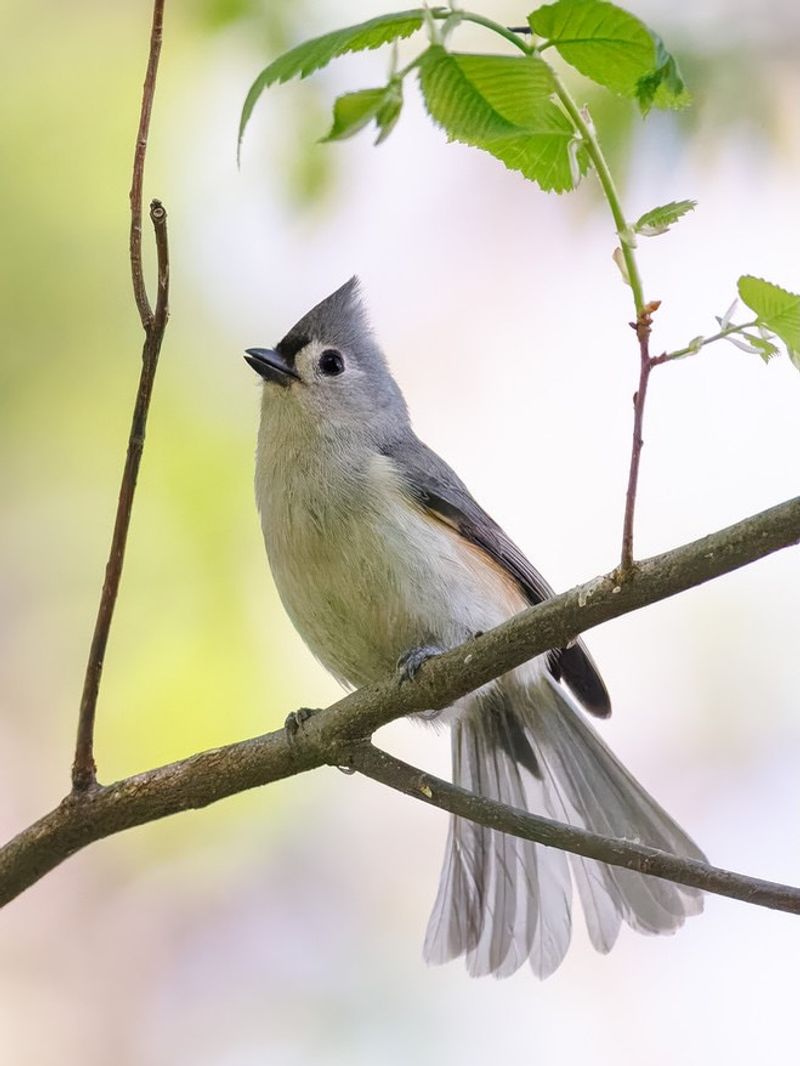
Across many cultures, small songbirds are seen as messengers of good things to come. A titmouse landing near your home is often taken as a friendly wink from the universe.
These birds are known for their bold, curious personalities. They chatter, explore, and rarely seem shy.
Folklore ties that lively spirit to happiness, hope, and fresh starts.
Some old beliefs say a titmouse near your window means good news is on its way. Others connect the bird to courage, since it faces bigger creatures without backing down.
Your Pennsylvania Garden Changes Every Week. Your Plan Should Too.
Gardening in Pennsylvania changes quickly throughout the season. Every Friday you’ll receive a simple weekly plan showing exactly what to plant, prune, fertilize, harvest, and protect so you never miss the right timing.
Its brave attitude reminds people to keep pushing forward.
You do not have to believe in signs to enjoy the feeling. Simply watching a cheerful bird bounce around your yard can lift your mood.
Nature has a gentle way of easing worries and stress.
If you like the idea of inviting positive energy, treat your feathered guest with kindness. Keep the area calm and quiet so the bird feels welcome.
A peaceful yard tends to attract more of these upbeat visitors.
Pay attention to when the titmouse appears. Some people notice them during big life moments, like starting a new job or making a tough choice.
Whether coincidence or meaning, it adds a little wonder to the day.
Sharing the sighting with family can turn it into a fun tradition. Kids especially love the idea that a bird might carry lucky messages.
It sparks curiosity about nature and storytelling at once.
Next time this crested friend drops by, take a breath and smile. A tiny burst of joy might be exactly what you needed.
3. Your Feeder Offers Their Favorite Foods
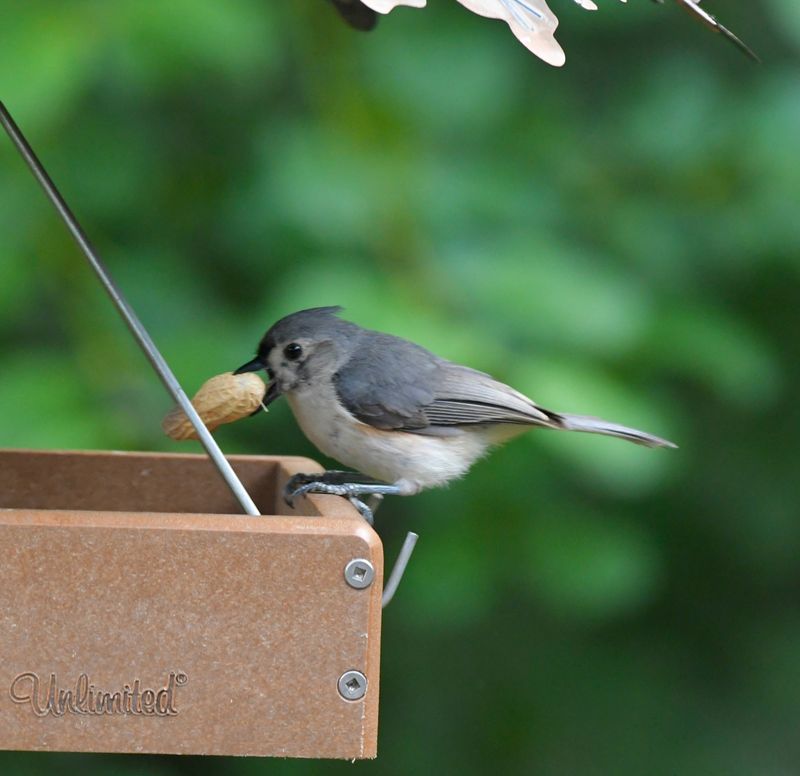
Sometimes the answer is simple. Your feeder holds exactly what titmice crave, so they keep coming back for more.
These birds go wild for black oil sunflower seeds. The shells crack easily, and the seeds inside are loaded with the fat they love.
Peanuts and peanut pieces rank high on their menu too.
Titmice have a fun feeding habit worth watching. Instead of eating right at the feeder, they grab one seed and fly to a branch.
There they hold it with their feet and hammer it open with their beak.
If you recently switched to better seeds, that could explain the sudden crowd. Word spreads fast in the bird world through calls and behavior.
One happy titmouse often brings friends and family along.
Freshness plays a big role in what birds choose. Old, moldy, or dusty seed gets ignored quickly.
Keeping your supply clean and dry keeps picky eaters interested.
Suet is another treat these birds enjoy, especially in cooler months. It gives them quick energy and pairs well with seeds.
Offering variety turns your yard into a five-star stop.
Feeder style matters as well. Titmice like tube feeders and platform trays where they can perch and grab seeds fast.
A sturdy setup makes them feel secure while eating.
Try storing extra seed in a sealed container to keep pests out. Fresh food attracts more visitors and fewer unwanted critters.
A little care goes a long way.
When you match their tastes, titmice reward you with regular visits. Good food really is the fastest way to a bird’s heart.
4. They Are Storing Food For Later
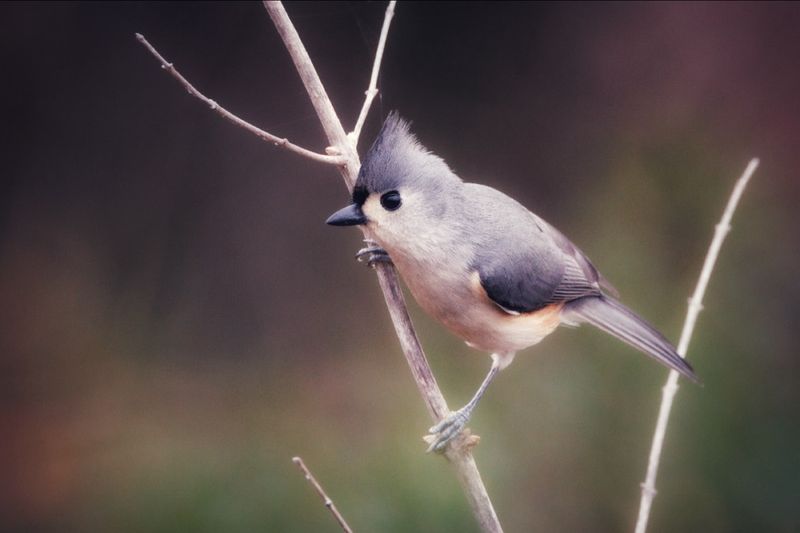
Ever notice a titmouse grab a seed and zip away, then return moments later for another? That busy back-and-forth is more than snacking.
These clever birds are stashing food for tough times.
Titmice practice a habit called caching. They hide seeds in bark cracks, under leaves, and in tiny nooks around their territory.
Later, when food is scarce, they return to their secret stashes.
Their memory is surprisingly sharp. A single titmouse can remember hundreds of hiding spots.
That skill helps them survive when snow covers the ground and natural food disappears.
If your feeder suddenly draws lots of trips, the birds may be building a winter pantry. Fall is prime storing season, so activity often spikes as leaves change color.
Watching this can feel like seeing tiny squirrels with wings.
You can support their storing efforts by keeping the feeder stocked. A steady supply means they can gather plenty before harsh weather hits.
Peanuts and sunflower seeds are ideal for hiding because they last.
Leaving parts of your yard a little wild helps too. Rough tree bark and brush piles give birds natural spots to tuck away their finds.
A tidy, bare yard offers fewer hiding places.
This behavior also explains why one bird makes so many quick visits. It is not eating everything at once.
Each seed is carefully placed for a future meal.
Understanding caching makes feeder-watching more exciting. Those speedy trips are a smart survival plan in action.
By keeping seeds available, you become part of their clever routine and help them face winter prepared.
5. Nesting Season Has Begun
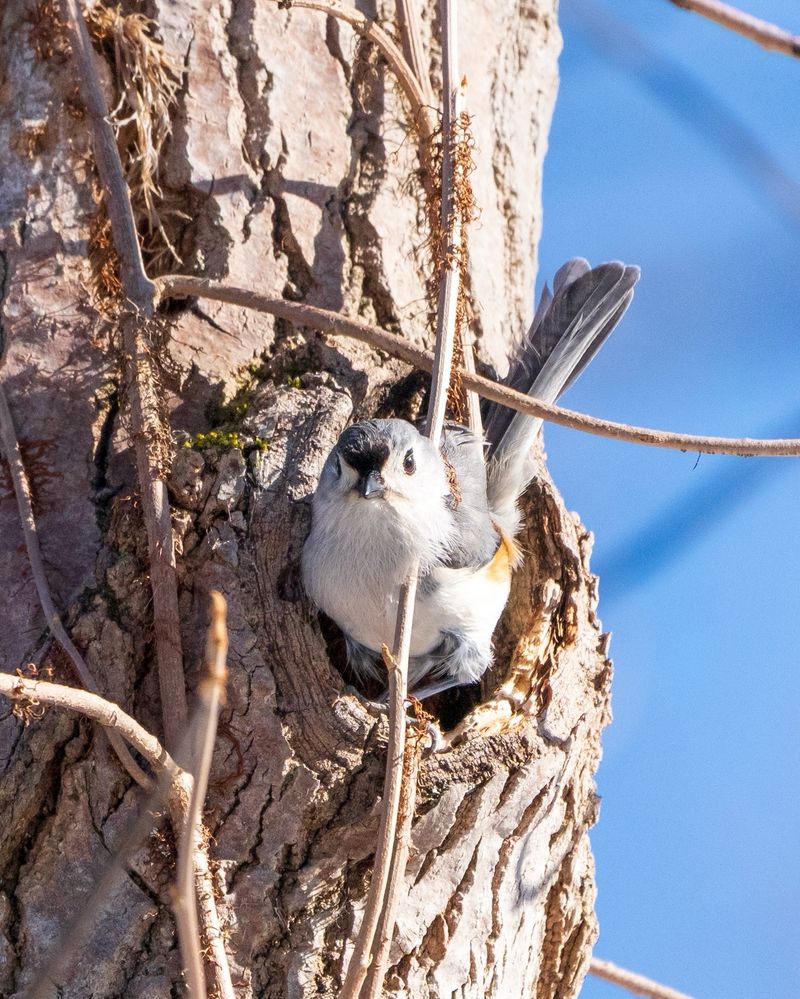
Spring changes everything in the bird world. When titmice suddenly appear more often, they might be gearing up to raise a family.
During nesting season, these birds need lots of extra energy. Building a nest and feeding hungry chicks takes serious work.
Your feeder becomes a handy fuel station close to home.
Titmice usually nest in tree holes or old woodpecker cavities. They also happily use nest boxes placed in quiet spots.
If you put one up, you might attract a breeding pair right to your yard.
You may notice pairs traveling together in spring. One bird often follows the other, staying close as they search for food.
That teamwork is a clear sign of the nesting mood.
Offering protein-rich foods helps growing families the most. Mealworms, peanuts, and suet give parents the nutrients needed to feed their young.
Healthy adults raise stronger chicks.
Some titmice even use soft materials for their nests. They collect fur, moss, and bits of fluff to line the inside.
Leaving out clean pet fur can be a welcome gift.
Keeping the area peaceful matters even more during this time. Loud noise or constant activity can scare nervous parents away.
A calm yard encourages them to settle nearby.
Watch for repeated visits by the same birds. Nesting titmice often become regulars, popping in throughout the day.
Their routine visits are fun to follow as the season unfolds.
When spring visitors increase, take it as a happy sign. A titmouse family may be moving in close by, turning your Pennsylvania backyard into a lively nursery full of chirps.
6. Their Natural Habitat Is Changing
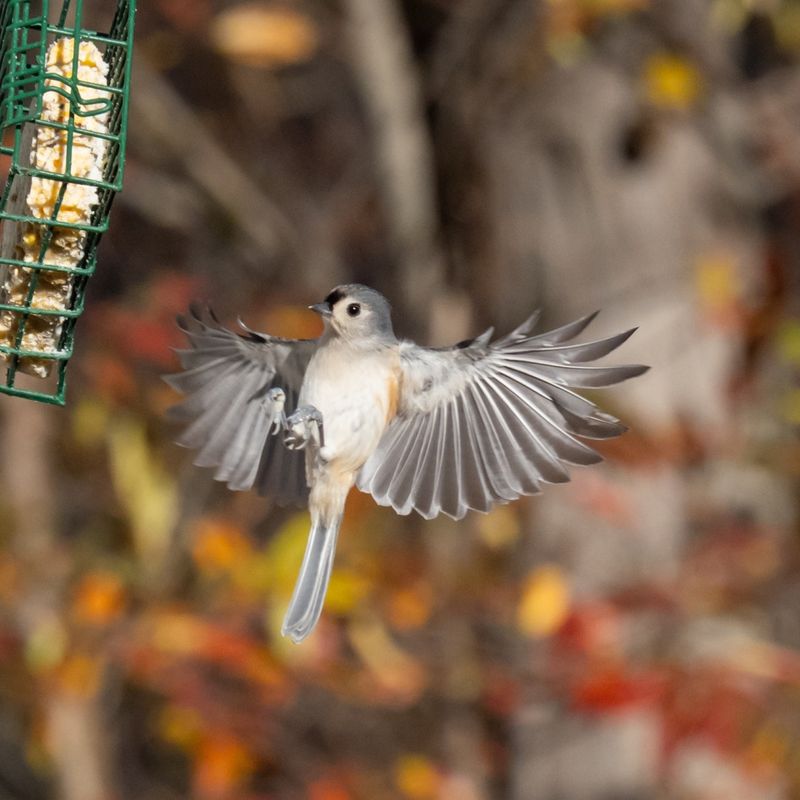
Not every reason for a new visitor is cheerful. Sometimes titmice show up because their usual home is shrinking or shifting.
Pennsylvania is full of woodlands, but development keeps changing the land. When trees are cut for houses or roads, birds lose natural feeding and nesting spots.
Displaced titmice often search nearby yards for help.
Your feeder can be a lifeline during these changes. It offers steady food when wild sources become harder to find.
That reliable supply keeps birds healthy while they adjust.
Weather patterns also push birds into new areas. Long dry spells or unusual storms can reduce insects and seeds in the wild.
Titmice then wander into neighborhoods looking for backup meals.
Habitat loss affects more than just food. Birds also need cover to hide from predators and rest safely.
Yards with shrubs and trees suddenly become valuable shelter.
You can make your space more welcoming by adding native plants. Trees like oaks and shrubs that produce berries give birds natural resources.
A mix of food and cover mimics their lost habitat.
Leaving a few dry branches or brush piles helps as well. These spots hold insects and offer hiding places.
What looks messy to us can be a treasure to wildlife.
Seeing titmice more often may hint that their surroundings are under stress. Your yard becomes a small refuge in a changing landscape.
That role is more important than many people realize.
By offering food, water, and shelter, you help these birds cope. A backyard can act like a tiny nature reserve, supporting titmice as their world shifts around them.
7. A Spiritual Message Or Reminder
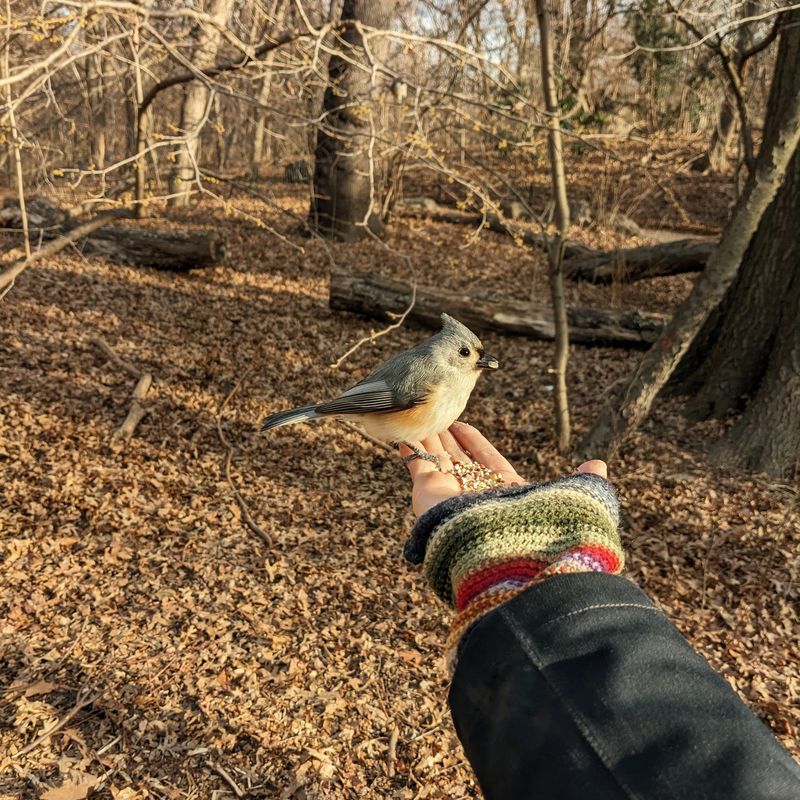
For those who feel connected to nature’s signs, a titmouse visit can carry deeper meaning. Many believe these birds show up to share a quiet message.
The titmouse is often linked to being present and paying attention. Its alert eyes and constant movement remind people to stay aware of the moment.
Slowing down to notice small joys is part of that lesson.
Some traditions view the bird as a symbol of self-expression. Titmice are loud and confident despite their tiny size.
They encourage us to speak up and be true to ourselves.
You might notice one during a stressful stretch of life. People often report titmice appearing when they need comfort or courage.
Whether real or imagined, the timing can feel meaningful.
These birds also represent resourcefulness. The way they store food and solve problems inspires clever thinking.
Their example nudges us to prepare and adapt.
You do not need special beliefs to gain something here. Even as a simple reminder, a bird can spark reflection.
Pausing to watch nature calms a busy mind.
Keeping a small journal of sightings can be rewarding. Jot down when the bird appears and how you feel that day.
Patterns you notice might surprise you over time.
Sharing these moments with loved ones adds meaning too. Stories about backyard birds create warm memories and gentle traditions.
They connect us to the natural world in a personal way.
However you understand it, a titmouse at your feeder invites you to slow down. Take the visit as a soft nudge to breathe, notice, and appreciate the little wonders around you.