The Micro Green Shelf Trend Taking Over New York Homes
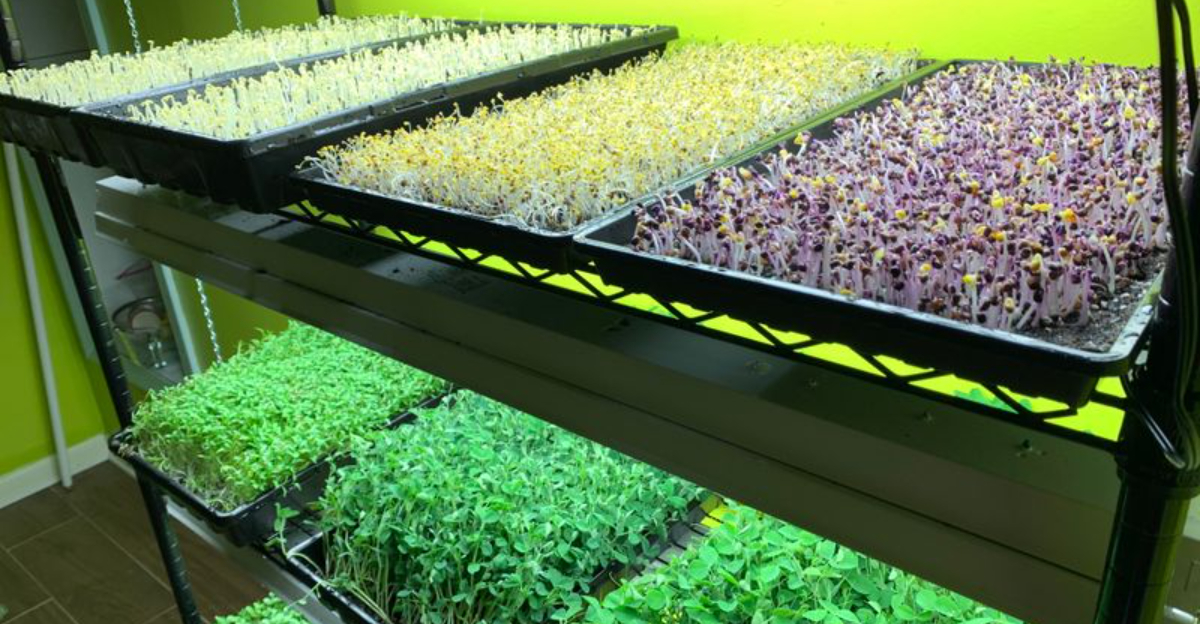
New Yorkers are finding creative ways to bring fresh, healthy food right into their apartments.
Micro green shelves are popping up everywhere, from tiny studios to spacious lofts, transforming kitchens and living spaces into mini farms.
These compact growing systems let people harvest nutrient-packed greens year-round without needing a backyard or garden plot.
What started as a small movement among health enthusiasts has exploded into a full-blown trend that’s changing how city dwellers think about food.
Space-Saving Solutions For Tiny Apartments
New York apartments aren’t known for being spacious, which makes every square foot precious.
Micro green shelves solve this problem beautifully by growing upward instead of outward.
Most units stand about three to five feet tall and take up less floor space than a small side table.
You can tuck these shelves into corners, against kitchen walls, or even inside closets if they have grow lights.
The vertical design means you’re using air space that would otherwise go to waste.
Some models have wheels, making them easy to move around when you need to vacuum or rearrange furniture.
Apartment dwellers love that they can grow dozens of plants without sacrificing precious counter space or blocking windows.
Unlike traditional gardening that requires sprawling beds or pots scattered everywhere, everything stays neat and organized.
The compact footprint makes it possible for even studio apartment residents to enjoy fresh greens.
Many shelving systems are designed specifically with small spaces in mind, featuring slim profiles and adjustable heights.
This flexibility means you can customize the setup to fit your exact space constraints while maximizing your growing potential.
Fresh Produce Available Year-Round
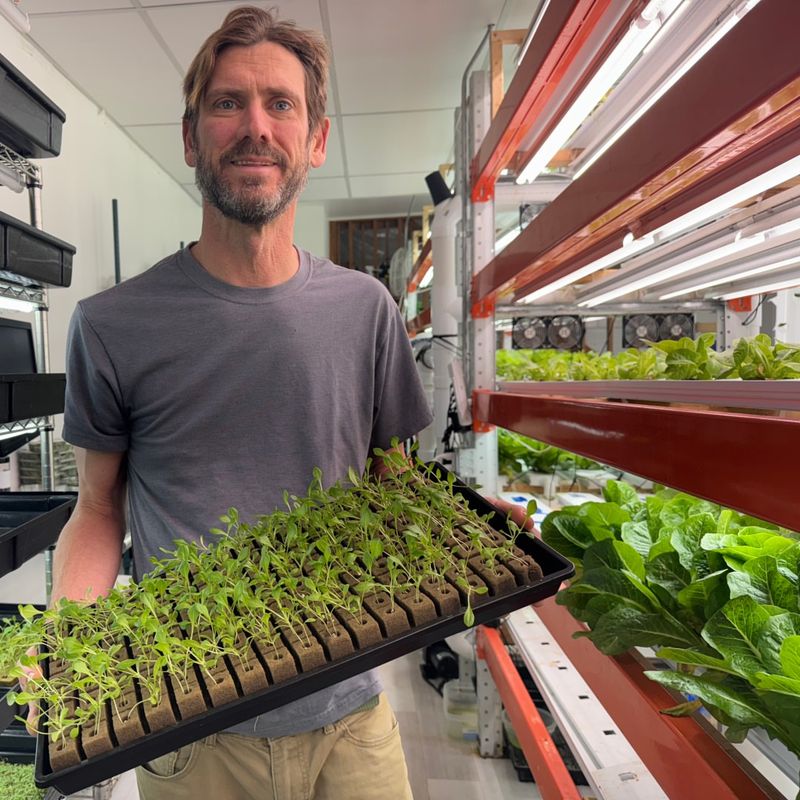
Seasonal eating sounds romantic until you’re craving fresh salad greens in February.
With micro green shelves, the calendar becomes irrelevant because you control the growing environment.
Indoor systems with grow lights and temperature control mean your plants don’t care about snowstorms or heat waves outside.
Imagine snipping fresh arugula for your sandwich on a freezing January morning while your neighbors scrape ice off their windshields.
That’s the reality for micro green growers.
The consistent indoor conditions actually produce more reliable harvests than outdoor gardens, where weather can destroy entire crops overnight.
You’ll never experience that disappointment of finding wilted, brown lettuce at the grocery store again.
Instead, you harvest exactly what you need, when you need it, at peak freshness.
The greens stay alive on your shelf until the moment you cut them, preserving maximum flavor and nutrition.
This year-round availability also means you can experiment with varieties that might not grow well during certain outdoor seasons.
Delicate greens that struggle in summer heat or cold-sensitive varieties thrive in your climate-controlled home environment.
Dramatically Lower Grocery Bills
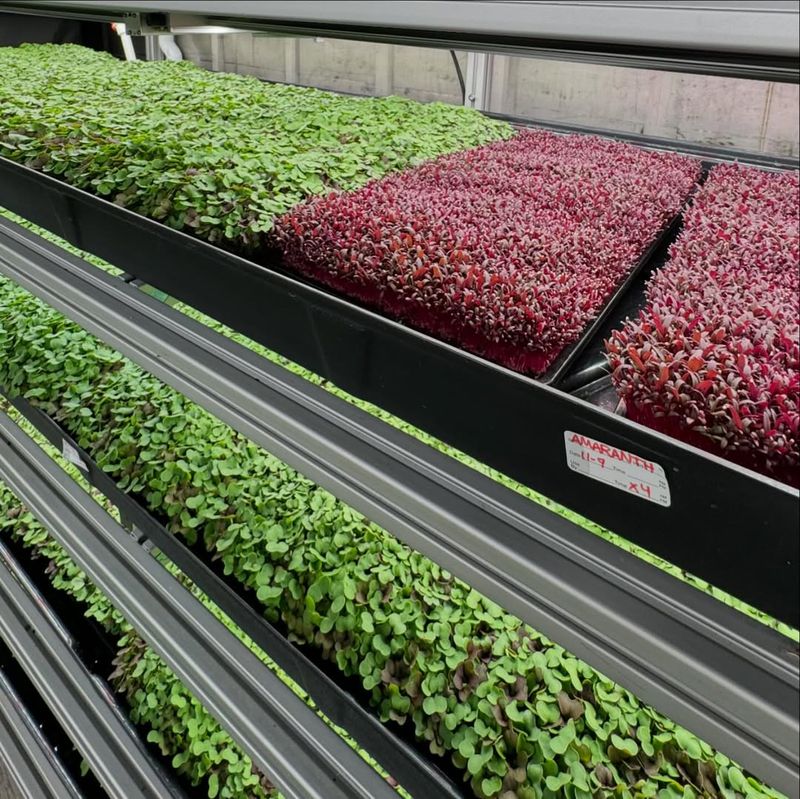
Anyone who shops in Manhattan knows that a tiny clamshell of organic micro greens can cost eight to twelve dollars.
That same container holds maybe two salads worth of greens, making it one of the most expensive produce items per pound.
Growing your own flips this equation completely in your favor.
After the initial investment in shelving and supplies, your ongoing costs drop to just seeds and occasional nutrients.
A packet of seeds costing three dollars can produce dozens of harvests over time.
Within a few months, most people recoup their setup costs and start seeing real savings.
The math gets even better when you consider how much store-bought greens you typically throw away.
Packaged micro greens often wilt within days, forcing you to toss half the container.
Your shelf-grown greens stay fresh because they’re still growing until you harvest them.
Families who eat salads regularly report saving fifty to one hundred dollars monthly by growing their own greens.
Those savings add up to over a thousand dollars yearly, which could cover a nice vacation or other expenses.
Plus, you’re getting organic quality without paying premium organic prices.
Nutrient Density That Beats Mature Vegetables
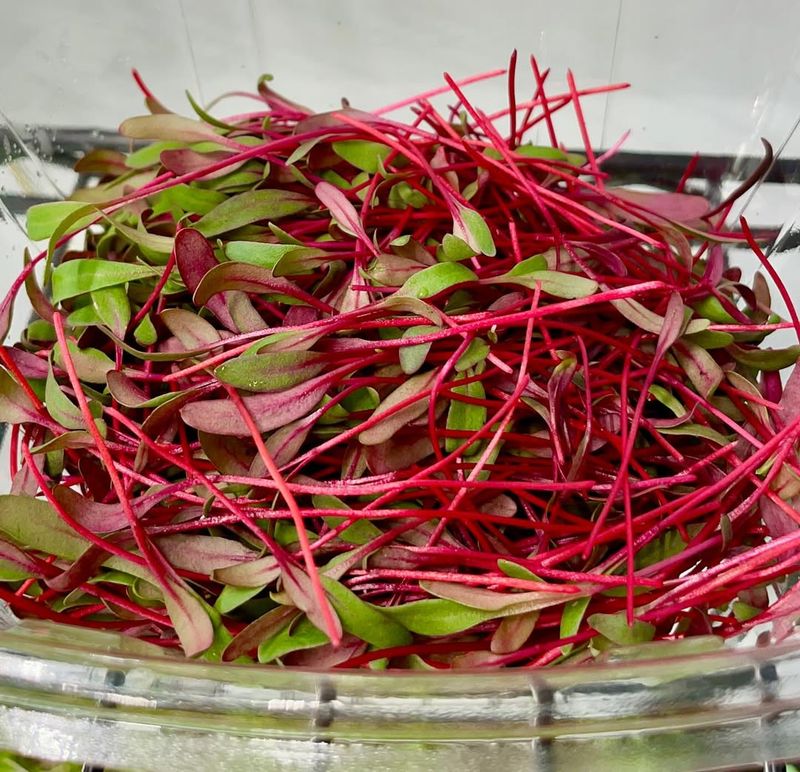
Here’s something that surprises most people: micro greens pack way more vitamins and minerals than their fully grown counterparts.
Research shows they can contain four to forty times higher nutrient levels than mature plants.
That tiny handful of radish micro greens delivers more vitamin C than a full-sized radish.
The secret lies in timing.
Young plants concentrate nutrients in their first leaves to fuel rapid growth.
When you harvest micro greens at their peak, you’re capturing all those concentrated vitamins, minerals, and antioxidants before the plant dilutes them through further growth.
Health-conscious New Yorkers love knowing they’re getting maximum nutritional bang for their buck.
Just a small portion added to meals provides significant amounts of vitamins A, C, E, and K, plus beneficial compounds like carotenoids and polyphenols.
These nutrients support everything from immune function to healthy skin.
Athletes and fitness enthusiasts particularly appreciate the high protein content and amino acids in certain varieties.
Pea shoots, for example, offer impressive protein levels in a fresh, raw form that’s easy to digest and absorb.
Zero Pesticides Or Questionable Chemicals
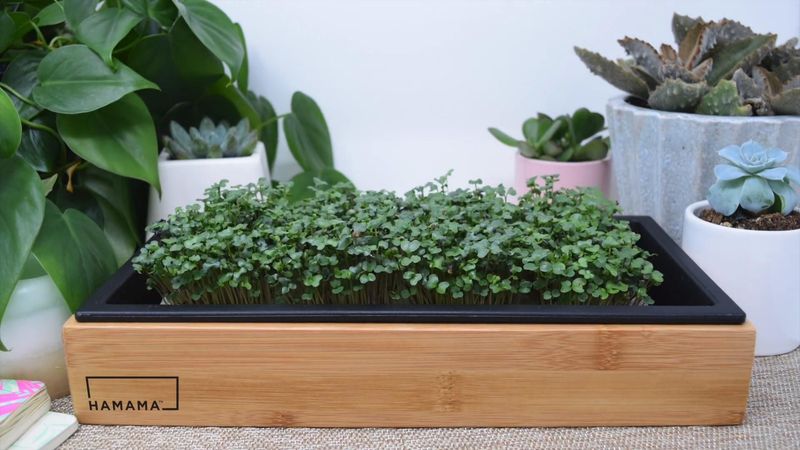
Conventional farming relies heavily on pesticides, herbicides, and fungicides to protect crops from insects and disease.
Even organic produce sometimes requires approved chemical treatments.
When you grow micro greens at home, you know exactly what touches your food because you control every input.
Most indoor micro green setups don’t attract pests since they’re isolated from outdoor environments where bugs live.
Without pest pressure, there’s simply no reason to use any chemicals.
Your greens grow in clean conditions using just seeds, water, and growing medium.
This matters especially for families with young children or people with chemical sensitivities.
You’ll never wonder whether residues remain on your food or worry about washing thoroughly enough.
The peace of mind alone makes many growers feel the setup is worthwhile.
Commercial micro greens labeled organic still might be grown in facilities using sanitizers or other processing aids.
Your home operation stays completely pure and natural.
The only things touching your plants are your hands and clean water, resulting in the cleanest possible produce.
Many New Yorkers also appreciate avoiding the plastic packaging that store-bought greens come in, reducing both chemical exposure and environmental waste.
Incredibly Quick Growing Cycles
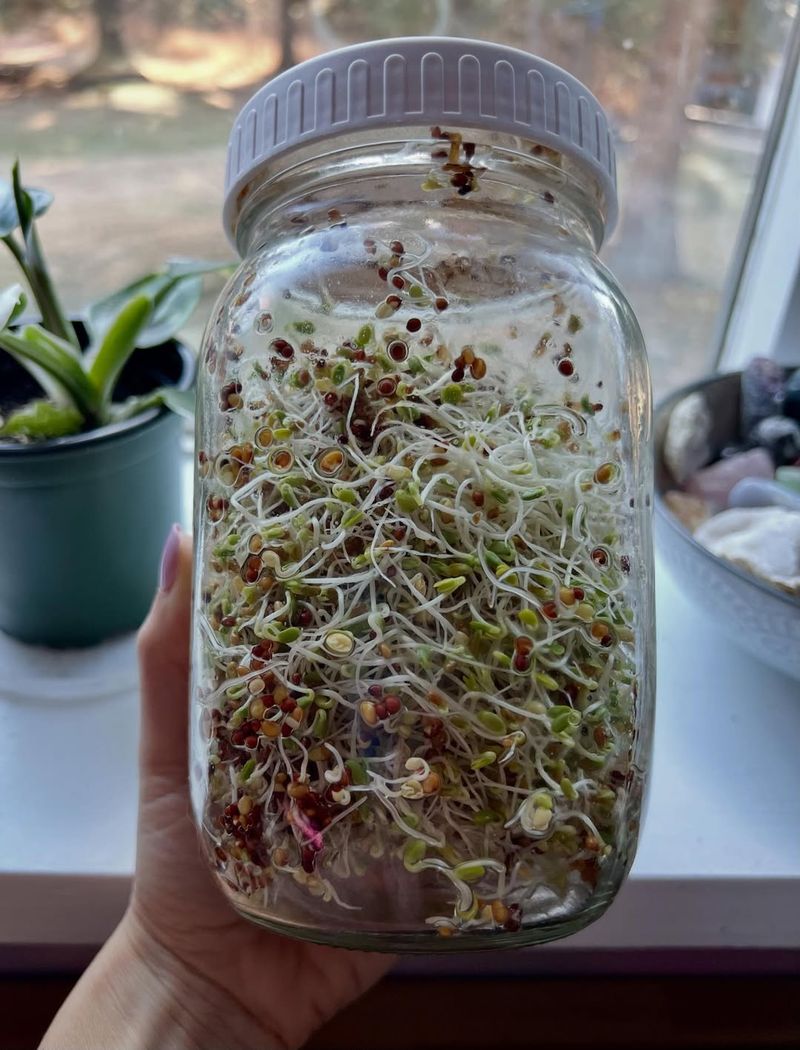
Patience isn’t exactly a New York virtue, which makes micro greens perfect for city dwellers.
Unlike traditional gardening where you wait months for tomatoes or squash, micro greens go from seed to harvest in seven to fourteen days.
That’s faster than most people finish a Netflix series.
This rapid turnaround means you can experiment freely without long-term commitment.
Try a new variety, and if you don’t love it, you’ll know within two weeks and can plant something different.
The quick feedback loop makes learning fast and fun rather than frustrating.
Families with kids find this especially valuable for teaching about plant growth and nutrition.
Children’s attention spans match perfectly with micro green timelines.
They plant seeds on Monday and see visible growth by Wednesday, maintaining interest throughout the entire process until harvest day.
The speed also means you can stagger plantings to ensure continuous harvests.
Plant a new tray every few days, and you’ll always have fresh greens at various stages of growth.
This rotation system prevents feast-or-famine situations where everything ripens at once or you run out completely.
Busy New York professionals appreciate not having to maintain plants for months, making micro greens ideal for hectic lifestyles.
Educational Opportunities For Children
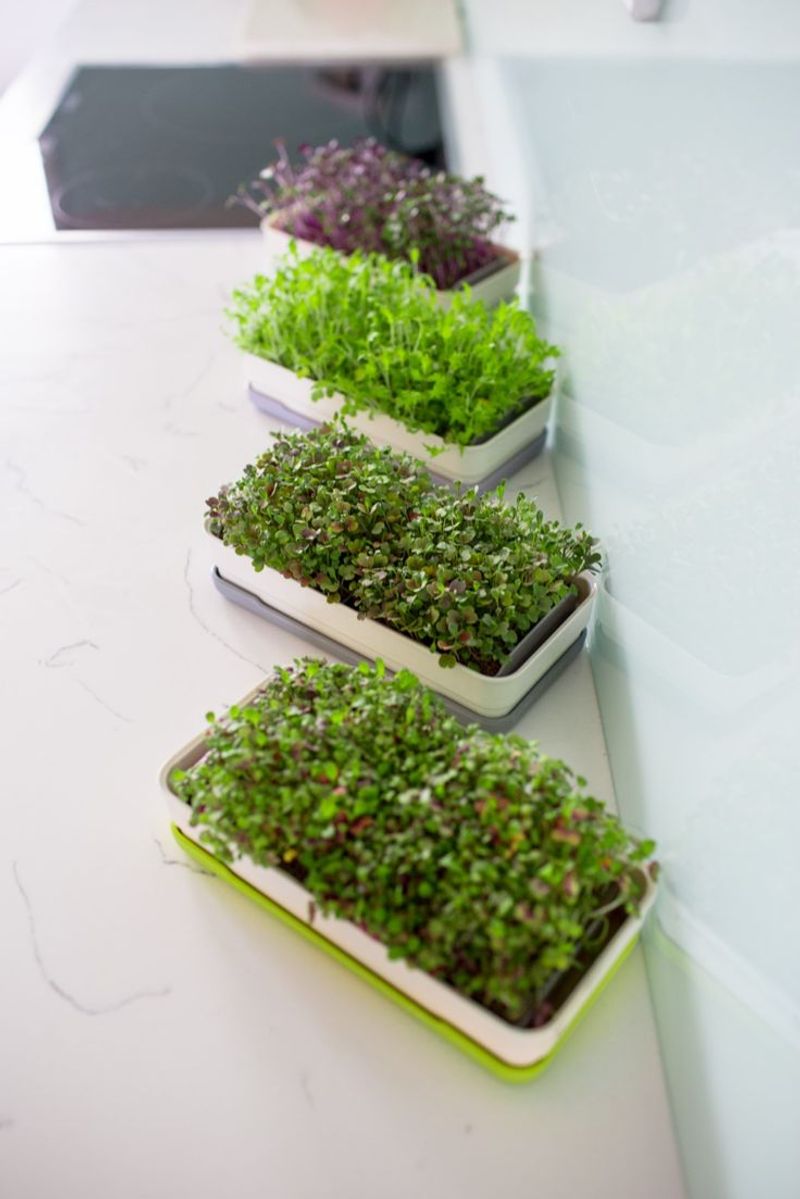
City kids often grow up disconnected from where food comes from, thinking vegetables magically appear in grocery stores.
Micro green shelves bring agriculture into the home, creating powerful learning moments.
Children see firsthand how seeds transform into edible plants, connecting dots between farming and eating.
The hands-on experience teaches responsibility as kids water plants, monitor growth, and harvest greens.
These tasks build life skills while keeping them engaged with something living and changing daily.
Many parents report that children who help grow micro greens become more willing to eat vegetables, even varieties they previously rejected.
Science lessons come naturally when growing plants.
Kids observe germination, photosynthesis, and plant anatomy without textbooks or lectures.
They learn about different growing conditions, experimenting with light, water, and temperature to see what produces the best results.
Schools in New York have even started incorporating micro green projects into classrooms, recognizing their educational value.
The compact size and quick growth make them perfect for school environments where space and time are limited.
Students gain agricultural knowledge while developing patience and nurturing skills.
For families, tending micro greens together creates bonding time away from screens and structured activities.
Aesthetic Appeal That Enhances Interiors
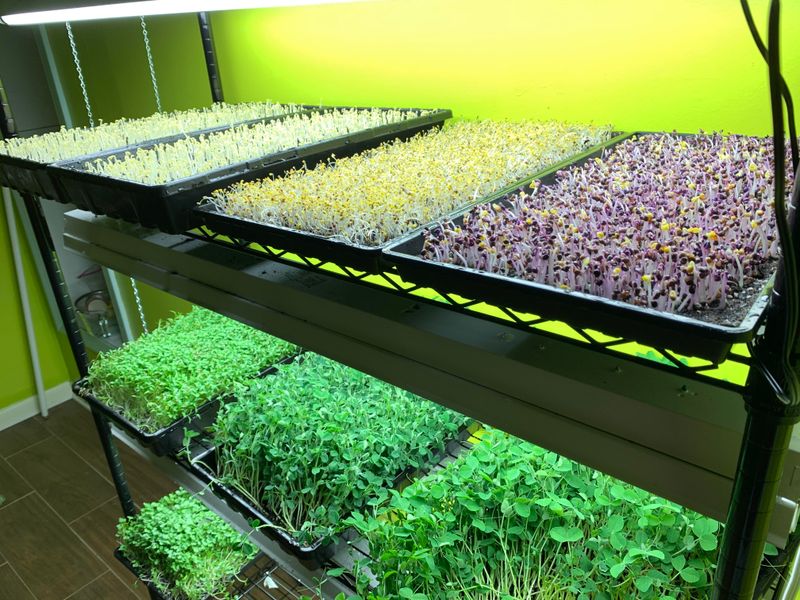
Instagram-worthy homes aren’t just about furniture and art anymore.
Living greenery adds warmth and life to spaces, and micro green shelves deliver serious visual impact.
The lush, vibrant greens create a focal point that draws the eye and softens hard urban edges found in most New York apartments.
Interior designers have caught onto this trend, incorporating growing systems into their plans.
The combination of natural wood shelving, green plants, and modern grow lights creates an appealing blend of organic and contemporary aesthetics.
Some systems look more like stylish furniture pieces than farming equipment.
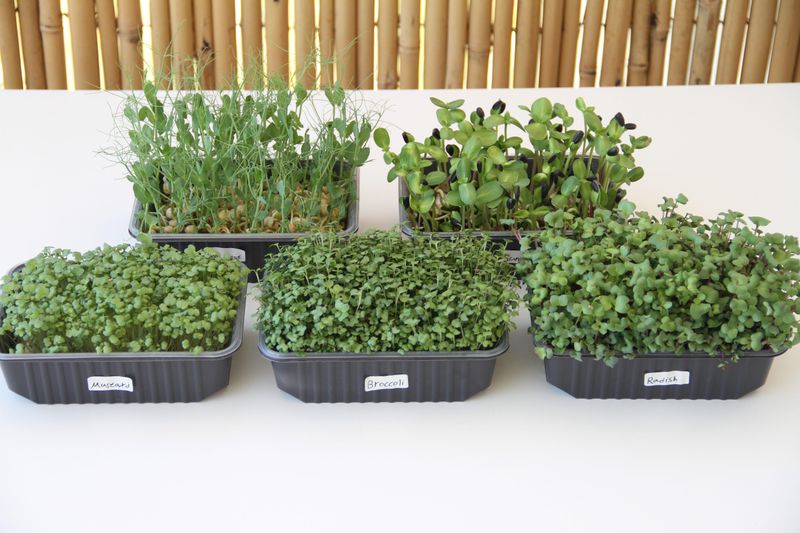
Different micro green varieties offer varying colors and textures, from deep purple basil to feathery dill and bright red amaranth.
Arranging these creates living art that changes as you harvest and replant.
The dynamic nature means your decor never gets stale or boring.
Many people position their shelves near dining areas or in kitchen corners where guests can see them.
The setup becomes a conversation starter, impressing visitors with both beauty and functionality.
It signals that the homeowner values health, sustainability, and innovative living solutions.
The gentle glow from grow lights also adds ambient lighting during evening hours, creating cozy atmosphere.
Minimal Maintenance Requirements
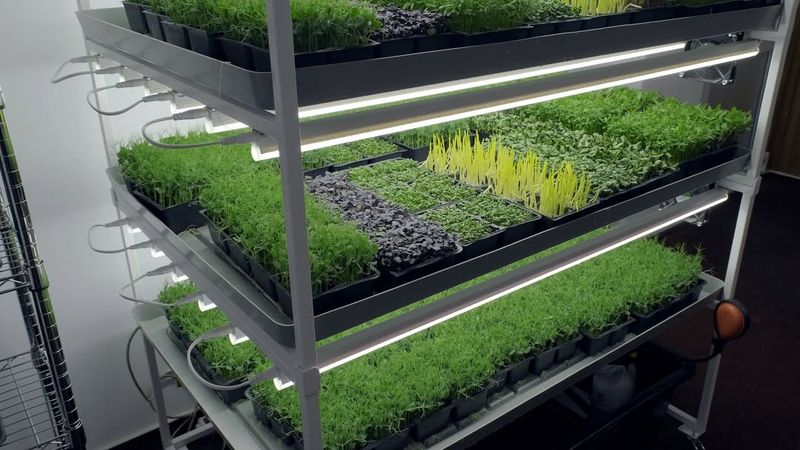
Busy New Yorkers juggling careers, social lives, and everything else don’t have hours to spend on plant care.
Micro greens require surprisingly little attention compared to traditional gardens or even houseplants.
Most varieties need just a light watering once or twice daily and adequate light from built-in grow lamps.
Automated systems take maintenance even further down, with timers controlling lights and some models featuring self-watering mechanisms.
You might spend only five to ten minutes daily on your entire setup.
There’s no weeding, no pest control, no pruning, and no complicated fertilizing schedules to remember.
The simplicity makes micro greens accessible even for people who’ve destroyed every plant they’ve ever owned.
The forgiving nature of these fast-growing greens means small mistakes rarely cause total failure.
If something goes wrong, you’re only out a week or two before you can try again with lessons learned.
Travelers appreciate that micro greens can handle a few days of neglect better than many houseplants.
While you wouldn’t want to abandon them for weeks, a long weekend away won’t spell disaster.
Some growers ask neighbors to water once during longer trips, a much simpler request than detailed plant care instructions.
Environmental Benefits For Urban Sustainability
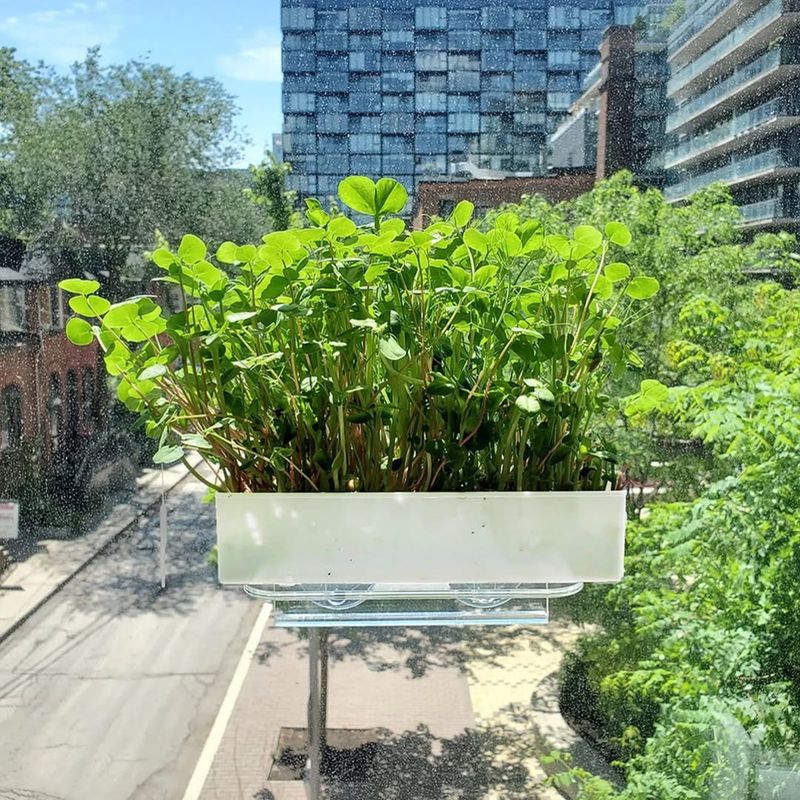
Every micro green you harvest at home is one less item traveling hundreds or thousands of miles to reach you.
Commercial greens often journey from California, Mexico, or even overseas, burning fossil fuels and generating emissions along the way.
Your shelf-grown greens travel exactly zero miles from farm to table.
The carbon footprint reduction extends beyond transportation.
Commercial operations use massive amounts of water, energy for climate control, and resources for packaging and distribution.
Home growing systems use minimal electricity, especially LED grow lights which are extremely efficient.
Water usage stays low since you’re not irrigating large fields.
Packaging waste disappears entirely when you grow your own food.
No plastic clamshells, no produce bags, no cardboard boxes ending up in landfills.
You simply cut what you need and eat it immediately, creating zero waste from farm to fork.
Urban agriculture advocates see micro green shelves as part of building more resilient, sustainable cities.
When more people grow some of their own food, it reduces strain on supply chains and makes communities less vulnerable to disruptions.
Small individual actions collectively create significant environmental impact.
Many New Yorkers feel empowered knowing their daily choices contribute to planetary health.