The 5-Minute Habit That Keeps Weeds From Taking Over Your Garden
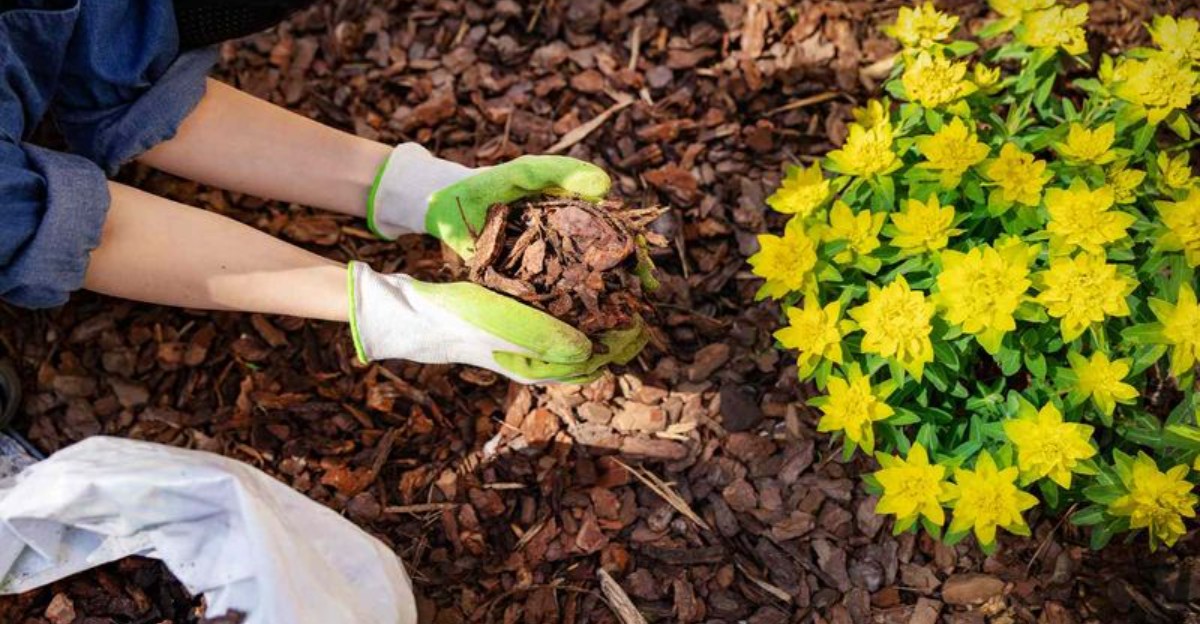
Your garden changed within days, without much warning. Something crept in while you slept, roots stretching before sunrise. Warm days paired with cool nights turned your soil into a growth zone.
Rain sealed the deal quickly, feeding seeds you didn’t plant. Gardeners point fingers at luck, bad weather, or a careless neighbor’s constant overflow. Truth hides somewhere quieter, tucked into the few minutes after your last shovel pass.
Those minutes quietly decide the outcome, though few gardeners ever realize their true power. Ignoring them invites trouble that spreads faster than expected. Bare soil gives new weeds an easy opening. Each sprout you see now started as a missed opportunity.
Fixing this stubborn problem takes surprisingly little effort, just precise timing. What you do next determines whether your garden thrives or falls short all season.
Fresh Mulch On Freshly Cleared Ground
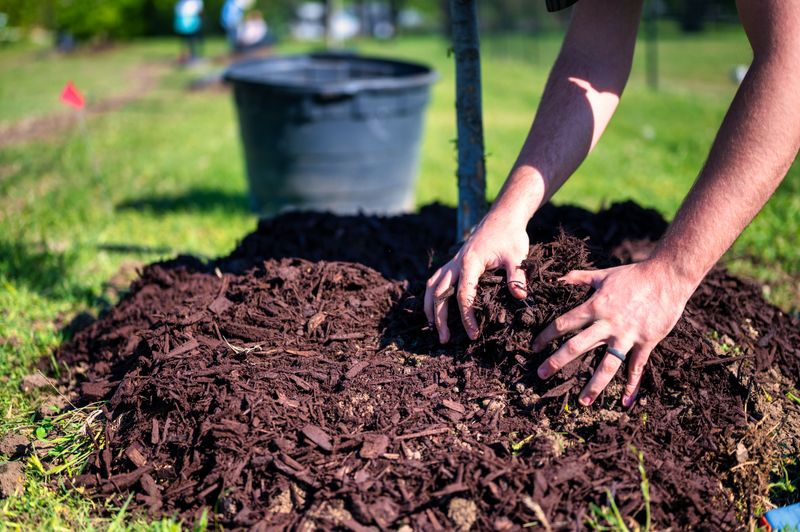
Here is the entire secret, and it fits neatly between two sips of morning coffee. Once a patch of ground is weeded, cover that naked soil before you walk away.
Weeding removes plants, but it also opens the soil to sunlight, which seeds have been waiting for. Mulch closes that window fast, so the tiny sprouts underneath stay in the dark and stall out.
Five minutes is honestly enough for a small bed, a border strip, or one vegetable row. Keep a bag or bucket of mulch nearby, because a trip to the shed ruins momentum.
Straw, shredded leaves, bark chips, grass clippings, and compost all work well for this quick habit. Choose whatever you can reach easily, since the timing matters more than the fancy material.
Gardeners who mulch later often find fresh green fuzz already spreading across the cleared surface. Those seedlings are small, yet they root quickly and become stubborn within about ten days.
Think of mulch as a lid on a pot that you just finished cleaning out. Leave the lid off and the kitchen fills with things you did not order.
Bare ground is an invitation in any season, and gardens read invitations very seriously. Cover the soil while your gloves are still dirty, and the work mostly stays finished.
The habit is simple, which may be why it’s easy to skip. One bucket, one bed, five minutes, and the difference shows up weeks later.
The Seed Bank Hiding Beneath Your Beds
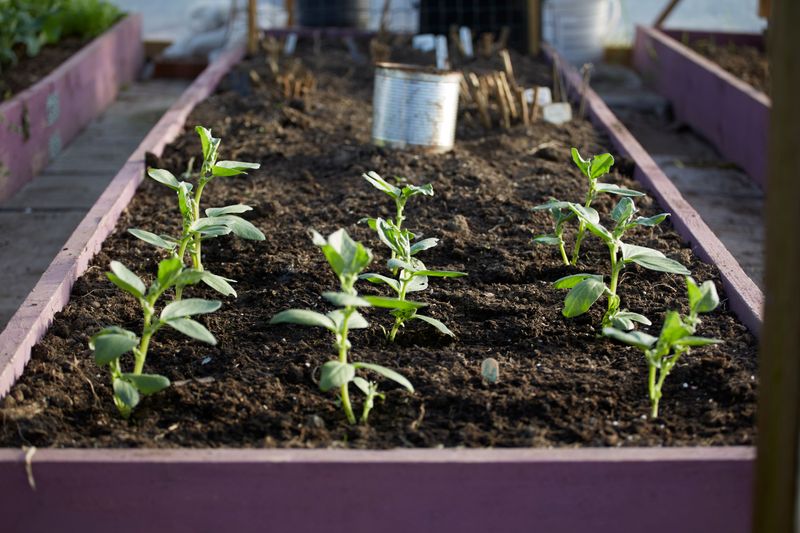
Beneath every garden bed sits a hidden storage room stuffed with seeds you did not plant. Soil scientists note that ordinary garden soil often holds a surprising number of viable seeds, even in a small area.
Those seeds arrived by wind, birds, muddy boots, bagged compost, and years of previous plants. Most sit quietly, waiting for a signal that light and open space have finally arrived.
Pulling a weed gives exactly that signal, because your hand disturbs soil and lets sunshine pour in. Within a few days, a fresh batch of sprouts answers the call with cheerful enthusiasm.
That is the reason a weeded bed can look worse three weeks later than before. You did not fail at gardening; you simply woke up the neighbors living under the surface.
Mulch works because it blocks that light signal without disturbing anything else living down there. Seeds stay dormant when they sense steady darkness, and dormant seeds cause nobody any trouble.
Soil scientists call the whole underground collection a seed bank, which is a fitting name. Every time you dig, you make a withdrawal, and the account holds far more than expected.
Perennial roots like bindweed and quackgrass add another layer, since small fragments resprout from below. Deep shade slows them too, though those tougher plants may need repeat visits all season.
Understanding that hidden seed bank turns weeding from a frustrating chore into a simple strategy. Stop feeding the bank sunlight, and the withdrawals shrink noticeably with each passing year.
September Warmth And The Autumn Germination Rush
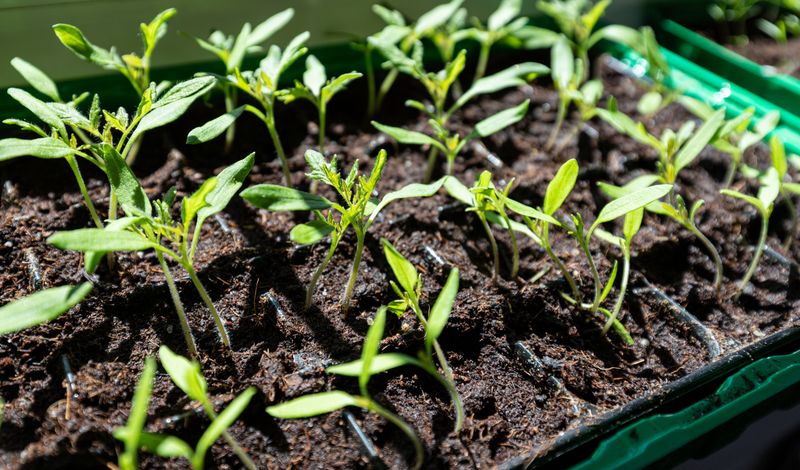
Autumn tricks a lot of gardeners into thinking the growing pressure is finally over. Cool nights and still warm soil actually create ideal conditions for a whole new crowd of weeds.
Chickweed, henbit, annual bluegrass, and shepherd’s purse sprout now and settle in for the winter. They stay low, grow slowly, then bloom quickly before your tulips even stretch awake.
September rain also softens the ground, making the whole weeding job easier than it was in August. Roots slide out whole, which is a small seasonal gift worth using while it lasts.
Because germination is happening right now, the gap between weeding and mulching matters even more. A bed left bare through one rainy September week can green over surprisingly fast.
Mulch applied in early fall also insulates the soil, keeping roots comfortable through the first frosts. Earthworms stay active longer underneath, pulling organic matter down and quietly improving soil structure.
Fallen leaves make the timing even more convenient, since the mulch arrives free on your lawn. Run a mower over a small pile, and shredded leaves become excellent bedding cover.
Gardeners in warmer regions get a longer window, sometimes stretching into late November evenings. Northern gardeners should aim for the weeks before the ground truly begins to freeze.
Doing the job now means far fewer chores in April, when everything demands attention at once. Future you will send thanks, probably while holding a coffee and looking rather smug.
The Costly Habit Of Waiting Until Tomorrow
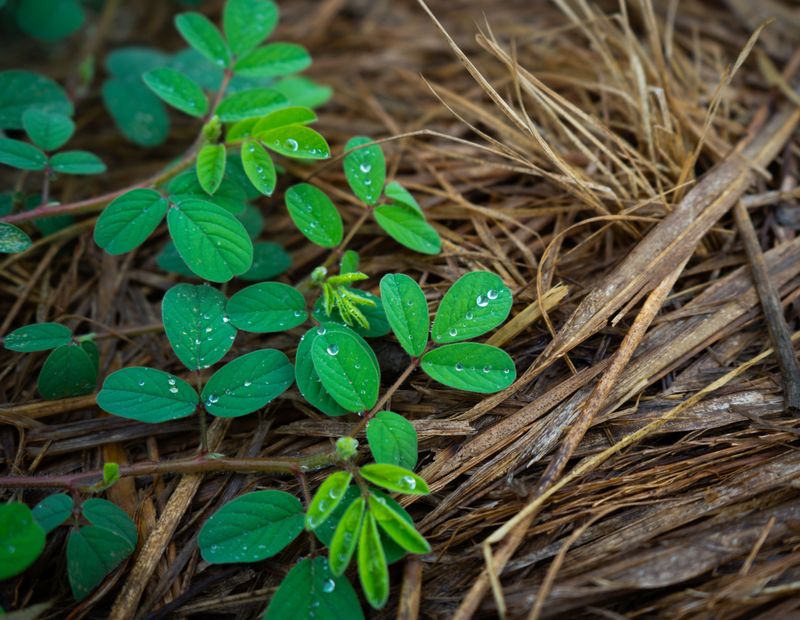
Almost everyone does it, including seasoned gardeners who know better and own plenty of mulch. You finish weeding, admire the clean soil, and promise to spread mulch this coming weekend.
Then life happens, rain arrives, the weekend fills up, and two whole weeks quietly disappear. By then the bed has restocked itself with seedlings about the size of your thumbnail.
Clean bare soil looks so satisfying that covering it feels almost like hiding your work. That pride is the trap, because nature reads tidy bare ground as free real estate.
Another common slip involves spreading mulch over living weeds instead of removing them first. Thick stems and established roots push right through, and you end up doing everything twice.
Spreading mulch across bone dry soil creates a different problem worth avoiding here. Water beads off the dry crust, so soak the bed lightly before you cover it.
Some gardeners also stack mulch against stems and trunks, which invites rot and hungry rodents. Leave a small breathing gap around each plant, roughly the width of your palm.
Waiting also means your next weeding session takes much longer, which drains motivation fast. Short tasks tend to get finished, while long ones get postponed into next season.
Pairing the two jobs into one smooth motion solves the scheduling problem entirely. Weed a section, mulch that same section, then move on with a clear conscience.
None of these mistakes seriously harm a garden, they just quietly add hours to your summer. Fix the timing first, and the rest becomes much more forgiving.
Depth, Edges, And The Right Mulch Material
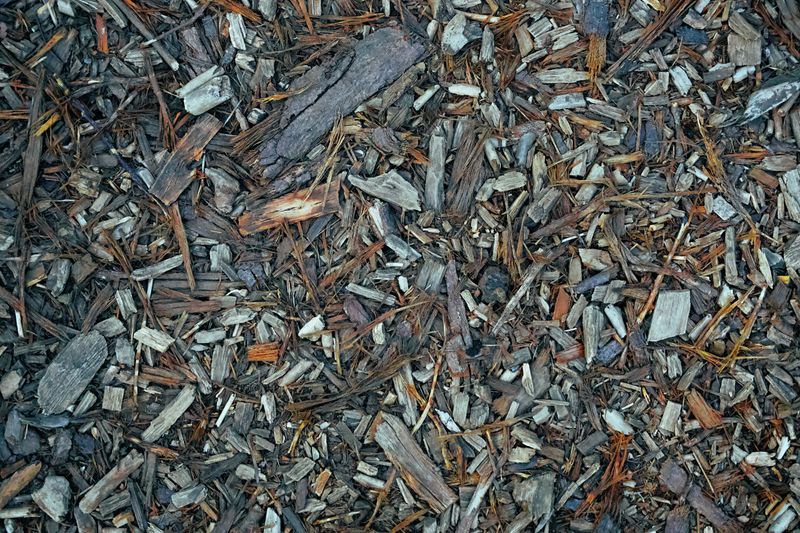
Getting mulch right takes less thought than people expect, though a few details help. Aim for two to three inches across open soil, and no more than four.
Too thin lets light sneak through, while too thick can smother roots and hold water. A depth roughly equal to two stacked fingers works well for most flower beds.
Edges deserve extra attention, since weeds love the seam where mulch meets grass or path. Carry the layer fully to the border, and consider a shallow trench for stubborn spots.
Shredded bark and wood chips last longest, making them ideal around shrubs and trees. Straw and shredded leaves break down faster, feeding vegetable beds as they thin out.
Grass clippings work nicely in thin layers, though thick piles turn slimy and smell sour. Spread them dry, an inch at a time, and let each layer settle first.
Compost feeds soil beautifully but blocks light poorly, so pair it with a coarser topping. Think compost underneath for nutrition and bark above for shade and steady coverage.
Landscape fabric and plastic tempt many gardeners, yet both tend to disappoint after a season or two. Weeds root in the mulch above, and the fabric eventually surfaces in ugly shreds.
Keep a filled bucket or wheelbarrow near the beds you visit most often. Convenience decides whether the five minute habit survives past the first busy week.
Refresh the layer once it flattens, usually every spring and again in early fall. Mulch settles, so a quick top up keeps the shade working without extra effort.
Quieter Beds And Easier Springs Ahead
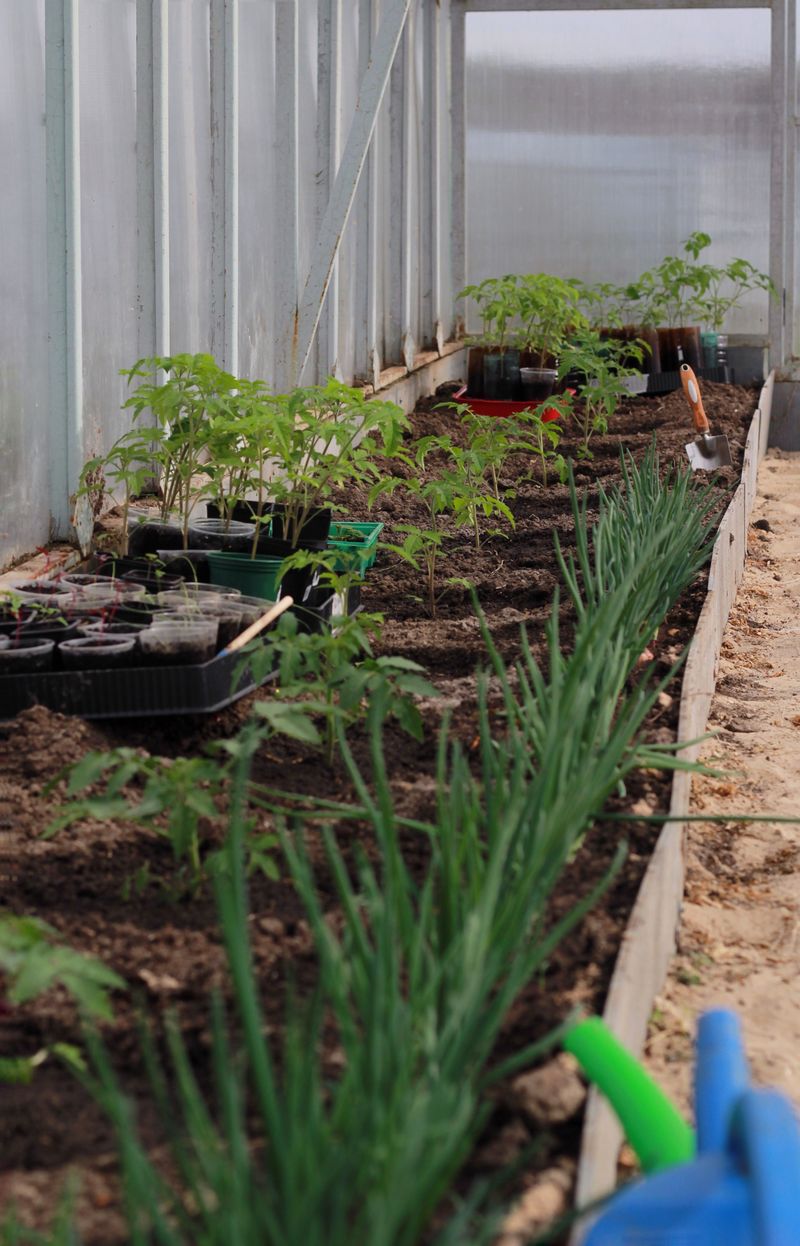
Something unexpected happens after a season or two of mulching immediately after every weeding session. The weeding sessions themselves start shrinking, until they feel almost like a pleasant stroll.
Fewer seeds reach sunlight, so fewer plants set new seed, and the cycle winds down. Gardeners who mulch consistently often notice weeding becomes noticeably easier over time.
Soil underneath changes too, staying moist, crumbly, and far friendlier to shovels and trowels. Watering needs drop noticeably because mulch slows evaporation during hot, windy summer stretches.
Earthworms and beneficial microbes multiply under the cover, turning old mulch into rich dark humus. Your plants respond with stronger roots, steadier growth, and better resistance to drought stress.
Rain hits mulch instead of bare dirt, which prevents crusting, splashing, and soil loss. Vegetable leaves stay cleaner, and fungal problems spread less easily during wet weeks.
Come spring, mulched beds wake up softer and clearer than neglected ones nearby. Planting becomes the first job instead of the fourth, which changes the whole season.
Prevention really is just this small habit repeated, one manageable section at a time. Nothing heroic, nothing expensive, simply a bucket of mulch and a few spare minutes.
Gardens reward steady consistency more than raw effort, which is comforting news for busy people. Cover the soil, walk away, and let the quiet work happen without your supervision.
One bed today, another tomorrow, and the garden slowly stops fighting you. That is a fair trade for five minutes and slightly dirtier gloves.