The 7 Mistakes Oregon Gardeners Make With Rhododendrons
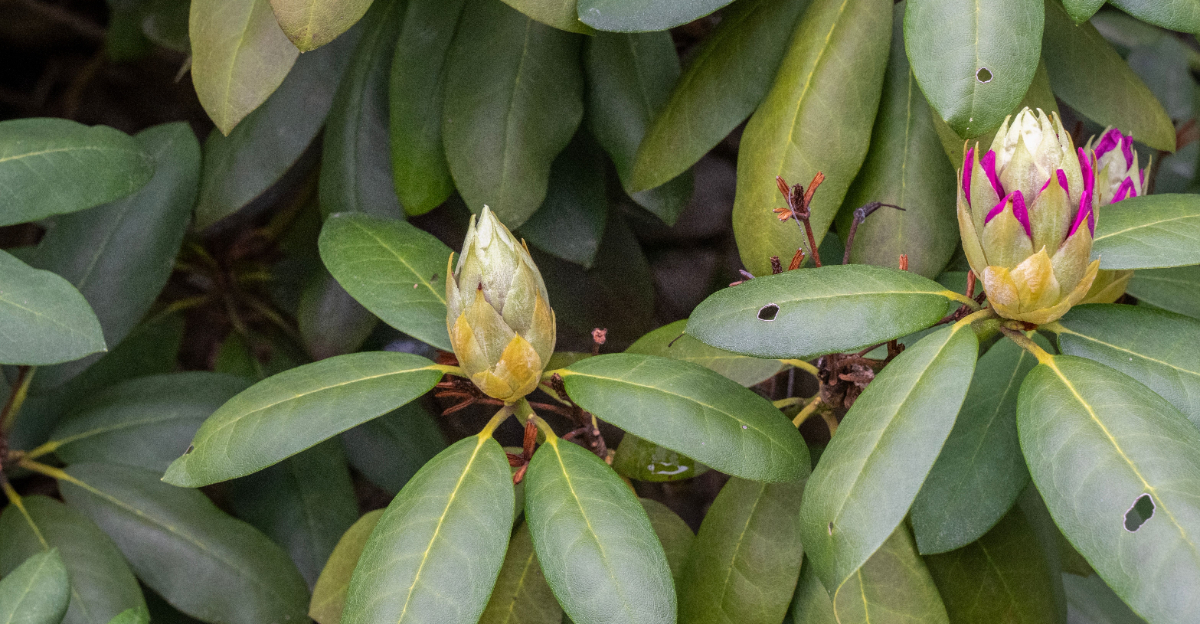
Rhododendrons are practically garden celebrities in Oregon. They love the climate, they produce those huge, colorful blooms, and they can make a yard look absolutely stunning in spring.
So planting one should be easy, right? Well… not always. A lot of Oregon gardeners assume rhododendrons will just thrive on autopilot. After all, you see them everywhere.
But these plants can be a little picky, and a few common mistakes can leave them looking sad, leggy, or refusing to bloom at all. Frustrating, especially when you know how gorgeous they can be.
The good news is most rhododendron problems are surprisingly easy to fix once you know what to watch for.
A few simple adjustments can make a huge difference in how healthy and vibrant your plant becomes. If your rhododendron is struggling, one of these common mistakes might be the reason.
1. Planting In Full Sun
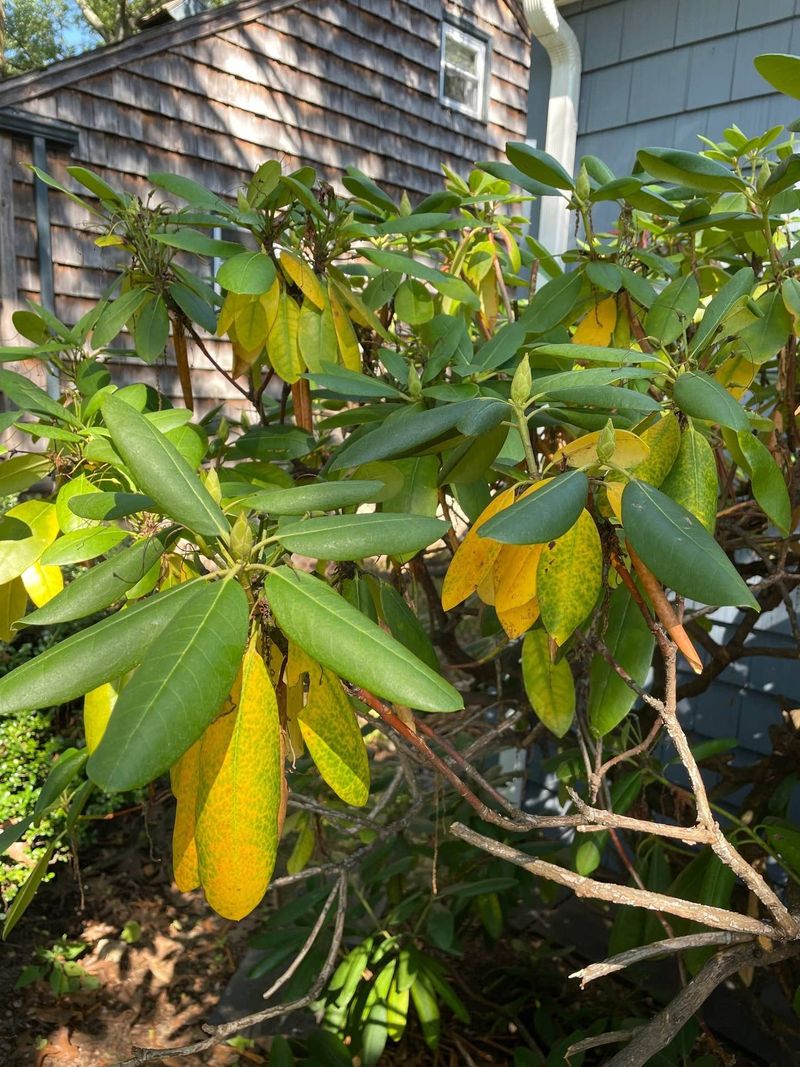
Sunburn is not just a problem for people at the beach. Rhododendrons planted in full sun in Oregon can suffer just as much, showing yellowed or scorched leaves within a single season.
Many gardeners assume that more sun means better blooms, but that is simply not true for this plant.
Rhododendrons are woodland plants by nature. In their natural habitat, they grow beneath taller trees that filter out harsh afternoon light.
That dappled shade is exactly what they prefer, and Oregon gardens can easily recreate that environment with a little planning.
The ideal spot gets morning sun and afternoon shade. East-facing garden beds work especially well.
Planting near taller shrubs, fences, or the north side of a building can also help block the most intense rays of the day.
In Oregon’s Willamette Valley, summer temperatures can climb higher than people expect, making afternoon shade even more important. Without it, leaves can develop brown edges and the plant may stop producing new growth altogether.
If your rhododendron is already planted in too much sun, consider adding a shade cloth during the hottest months. You can also transplant it to a better location in early fall when temperatures cool down.
Moving it carefully and keeping the root ball intact gives it the best chance of settling in smoothly. With the right light conditions, your rhododendron will reward you with fuller foliage and more blooms each year.
2. Planting In Poorly Drained Soil
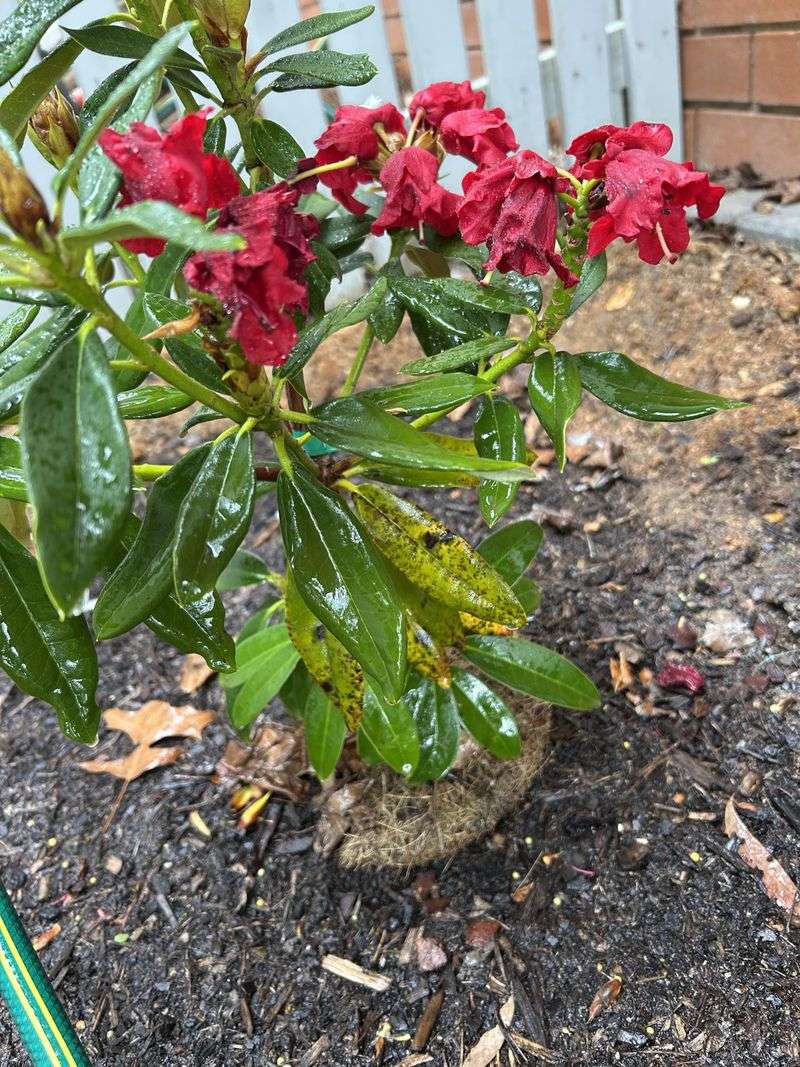
Wet feet are a rhododendron’s worst enemy. These plants simply cannot tolerate sitting in waterlogged soil for long periods of time.
Oregon’s rainy season, which runs from fall through early spring, makes poor drainage one of the most common and damaging problems in local gardens.
When water pools around the roots, oxygen cannot reach them. The roots begin to struggle, and the plant shows signs of stress through yellowing leaves, wilting, and stunted growth.
Many gardeners mistake these symptoms for drought stress and add even more water, which only makes things worse.
Before planting, check your drainage by digging a hole about 12 inches deep and filling it with water. If it drains within an hour, you are good to go.
If water is still sitting there after several hours, you need to improve drainage before planting anything.
Raised beds are a fantastic solution for Oregon gardeners dealing with heavy soils. Building up the planting area by even 8 to 12 inches can make a huge difference.
You can also mix in compost or aged bark to loosen the soil and help water move through more freely.
Choosing a naturally elevated spot in your yard is another smart option. Hillsides and sloped areas drain on their own without any extra effort.
Whatever approach you take, getting the drainage right before planting saves you a lot of frustration down the road and gives your rhododendrons a much stronger start in the Oregon climate.
3. Overwatering The Plants
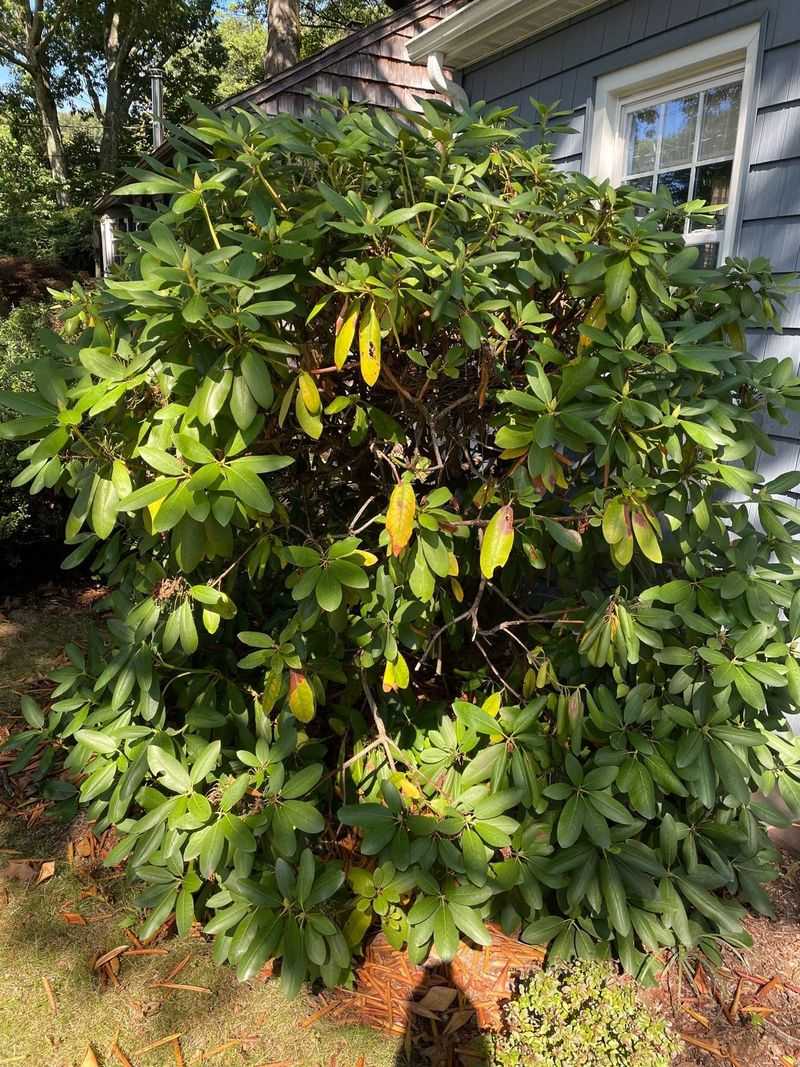
More water does not always mean a happier plant. Overwatering is actually one of the top reasons rhododendrons struggle in Oregon gardens, and it happens more often than most gardeners realize.
The cool, damp climate of western Oregon already provides a lot of natural moisture, so adding too much irrigation on top of that can push roots past their limit.
A well-intentioned watering schedule can quickly become a problem if it does not account for rainfall. During Oregon’s wet months, many rhododendrons do not need supplemental watering at all.
Checking the soil before reaching for the hose is always a good habit to build.
Stick your finger about two inches into the soil near the plant’s base. If it still feels moist, hold off on watering.
If it feels dry at that depth, give the plant a deep, slow soak and then let the soil dry out a bit before watering again. This approach encourages roots to grow deeper and become more resilient.
During Oregon’s drier summer months, watering once or twice a week is usually enough for established plants. Newly planted rhododendrons may need a little more attention during their first season while they settle in and develop a strong root system.
Using a drip irrigation system or soaker hose can help deliver water slowly and evenly without saturating the soil. This method also keeps moisture off the leaves, which helps reduce the risk of fungal issues that are already common in Oregon’s humid conditions.
4. Using Heavy Clay Soil Without Amendments
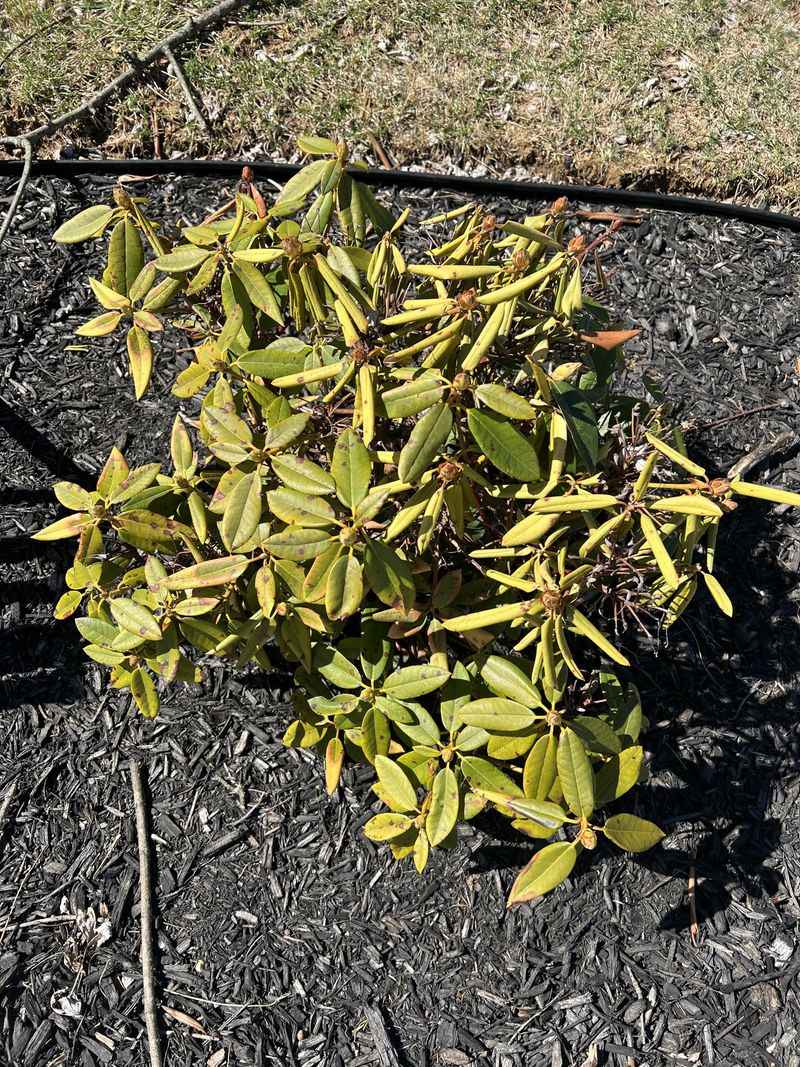
Oregon is famous for many things, and unfortunately, heavy clay soil is one of them. Much of the Willamette Valley and surrounding areas have dense, compacted clay that holds water like a sponge and makes it nearly impossible for rhododendron roots to spread out and breathe.
Planting directly into unamended clay is one of the most common errors Oregon gardeners make.
Clay soil becomes rock hard when dry and turns into a sticky, airless mess when wet. Rhododendron roots are shallow and fibrous, meaning they need loose, airy soil to thrive.
When those roots cannot expand freely, the plant becomes stressed, grows slowly, and struggles to absorb nutrients.
The fix is straightforward. Before planting, work in generous amounts of organic matter such as compost, aged bark fines, or peat moss.
A good rule of thumb is to mix in at least four to six inches of organic material into the top foot of soil. This improves both drainage and aeration at the same time.
For gardens with especially dense clay, raised beds are a game changer. Filling a raised bed with a custom blend of compost, bark, and sandy loam gives rhododendrons exactly the fluffy, acidic, well-draining environment they love.
Many Oregon nurseries sell soil mixes specifically designed for acid-loving plants.
Adding amendments is not a one-time fix. Topping off beds with fresh compost each spring helps maintain soil structure over the years and keeps your rhododendrons growing strong season after season.
5. Fertilizing Too Heavily
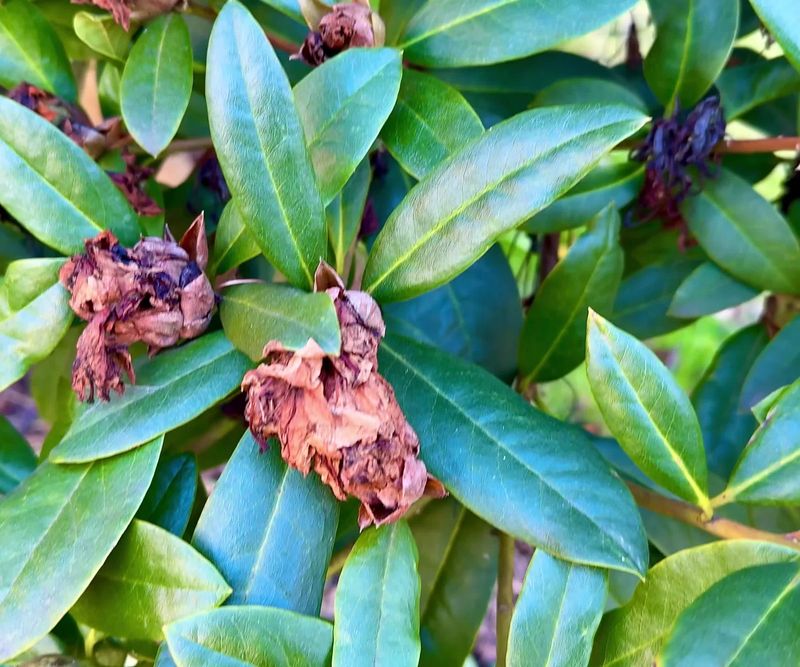
Feeding your plants feels like an act of kindness, but with rhododendrons, too much of a good thing can backfire fast. Over-fertilizing is a surprisingly common mistake in Oregon gardens, and the damage it causes can take months to reverse.
These plants are not heavy feeders, and pushing them with too much fertilizer often does more harm than good.
Excess nitrogen, in particular, encourages rapid leafy growth at the expense of blooms. You might end up with a big, bushy plant that barely flowers.
Even worse, high concentrations of fertilizer salts can burn the roots and cause leaf tips to turn brown and crispy, a condition gardeners sometimes call fertilizer burn.
Rhododendrons only need to be fertilized once a year, right after they finish blooming in late spring. This timing gives the plant nutrients to support new growth and set buds for the following season.
Using a slow-release fertilizer formulated for acid-loving plants is the safest and most effective approach.
Oregon’s naturally acidic soils in many areas actually reduce the need for heavy fertilization to begin with. Before adding any fertilizer, it is worth doing a simple soil test to find out what your garden actually needs.
Many Oregon State University Extension offices offer affordable soil testing services.
Always follow the package directions and resist the urge to add extra. A light, well-timed feeding goes a long way toward keeping your rhododendrons blooming beautifully year after year without stressing the plant out.
6. Pruning At The Wrong Time
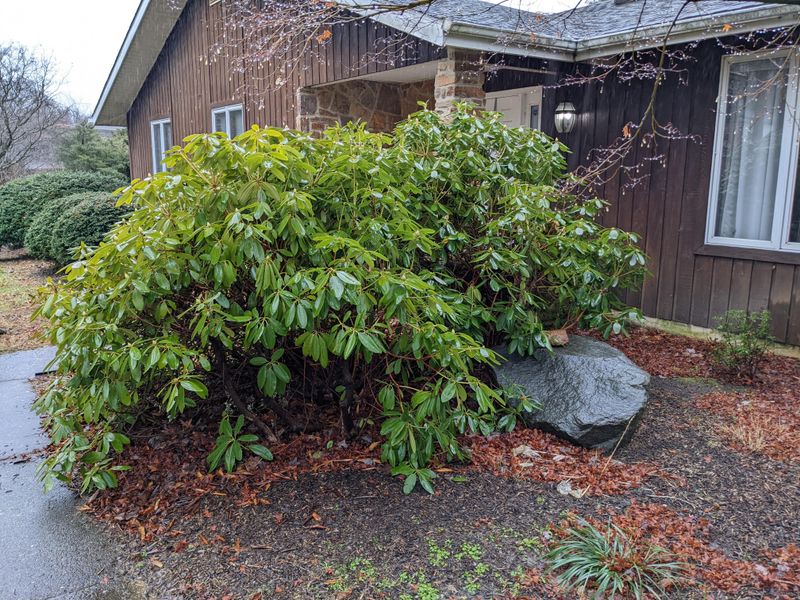
Grab your pruning shears at the wrong time of year, and you could be accidentally removing next season’s flower buds without even knowing it.
Timing is everything when it comes to pruning rhododendrons, and this is a mistake that many Oregon gardeners make, especially those who are newer to growing these plants.
Rhododendrons set their buds for the following year shortly after they finish blooming in late spring or early summer. If you wait until fall or winter to do your pruning, those buds are already in place and will be snipped right off.
The result is a plant that looks healthy but produces very few flowers the following spring.
The best time to prune is right after the blooms fade, typically between late May and early July in most parts of Oregon. At that point, the plant has finished flowering but has not yet started setting next year’s buds.
You have a short but reliable window to shape the plant and remove any dead or crossing branches.
Light pruning is usually all that is needed. Rhododendrons do not require heavy cutting to stay healthy.
Removing spent flower clusters, called deadheading, is also a good habit that encourages the plant to put more energy into new growth rather than seed production.
For overgrown plants that need a more dramatic trim, do it gradually over two or three seasons rather than all at once.
This gentler approach keeps the plant from going into shock and helps it bounce back with strong, healthy growth each season in the Oregon garden.
7. Planting Too Deep
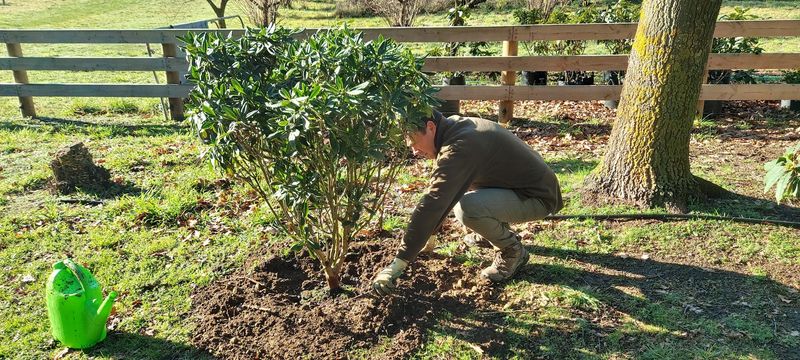
Here is a mistake that is easy to make and hard to spot until real damage has already been done. Planting a rhododendron too deep in the ground is one of those errors that sneaks up on gardeners slowly.
The plant may look fine at first, but over time it begins to decline in ways that are puzzling if you do not know what to look for.
Rhododendrons have shallow root systems that need oxygen just as much as they need water. When the crown of the plant, the spot where the trunk meets the roots, is buried too far below the soil surface, the plant struggles to breathe.
Bark can begin to rot, and the roots may not develop properly, leading to a weakened plant that is more vulnerable to disease.
When planting, the top of the root ball should sit slightly above the surrounding soil level, roughly one to two inches higher than grade. This allows for natural soil settling over time without burying the crown.
In Oregon’s rainy climate, where soils can compact and shift over wet winters, planting slightly high is especially smart.
After planting, avoid piling mulch directly against the base of the stem. Keep a small gap of a few inches between the mulch layer and the trunk to allow for airflow and prevent moisture from sitting against the bark.
Taking a few extra minutes to get the planting depth right from the start saves a lot of trouble later. A properly planted rhododendron settles in quickly and grows with confidence through every Oregon season.