The Most Beautiful Ways To Design A California Native Plant Garden
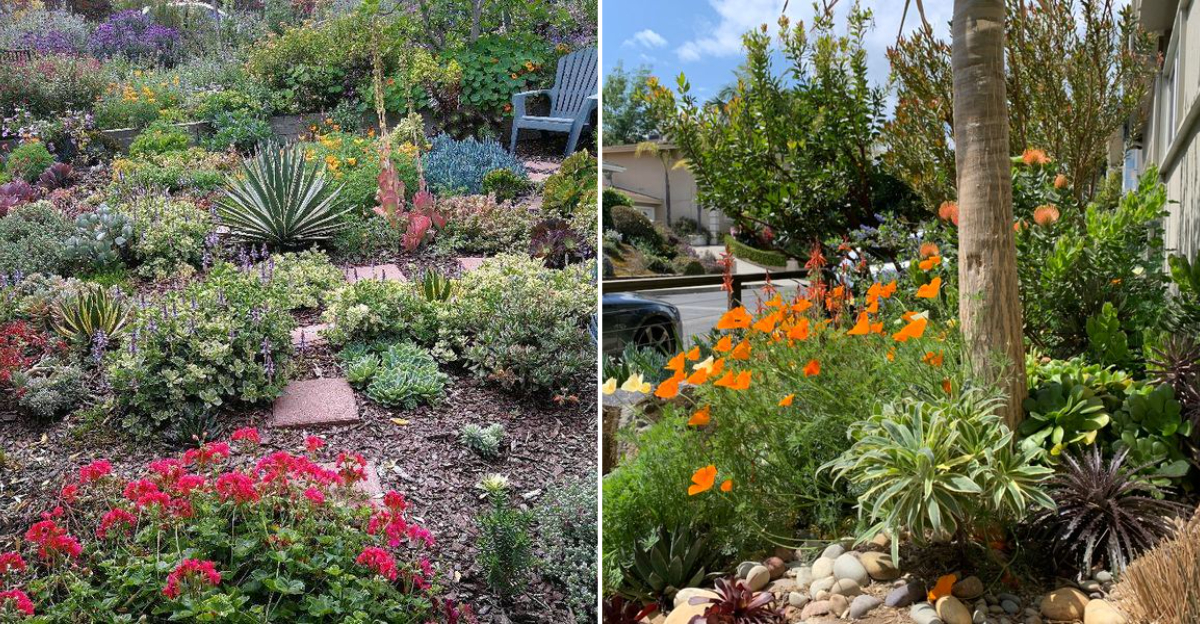
A California native plant garden has a way of making other yards look like they are trying too hard.
While thirsty lawns and fussy flower beds beg for constant attention, native plants settle in, show off, and make the whole space feel beautifully in sync with the landscape around it.
This is where a garden starts to feel less like a chore and more like a little slice of wild California magic. Color pops in all the right places, textures play off each other, and every corner feels alive with movement.
Bees buzz, butterflies drift through, and hummingbirds show up like tiny VIP guests. Great design is what turns that natural beauty into something unforgettable.
A smart mix of height, shape, color, and structure can make a yard feel polished without losing that easy, laid-back charm.
The result is a space that looks gorgeous, supports local wildlife, and actually makes sense for California’s climate. That is the kind of beauty worth planting.
1. Pick Plants That Thrive
Not every plant belongs in every yard, and that is actually good news for California gardeners. Choosing plants that are native to your specific region means they are already built for your local conditions.
They know your soil, your rain patterns, and your sun. That kind of natural fit makes all the difference.
Start by figuring out your garden’s sun exposure and soil type. Then look for plants that match those conditions.
In Southern California, try Cleveland sage or black sage for dry, sunny spots. In Northern California, coffeeberry and western redbud do beautifully in a mix of sun and shade.
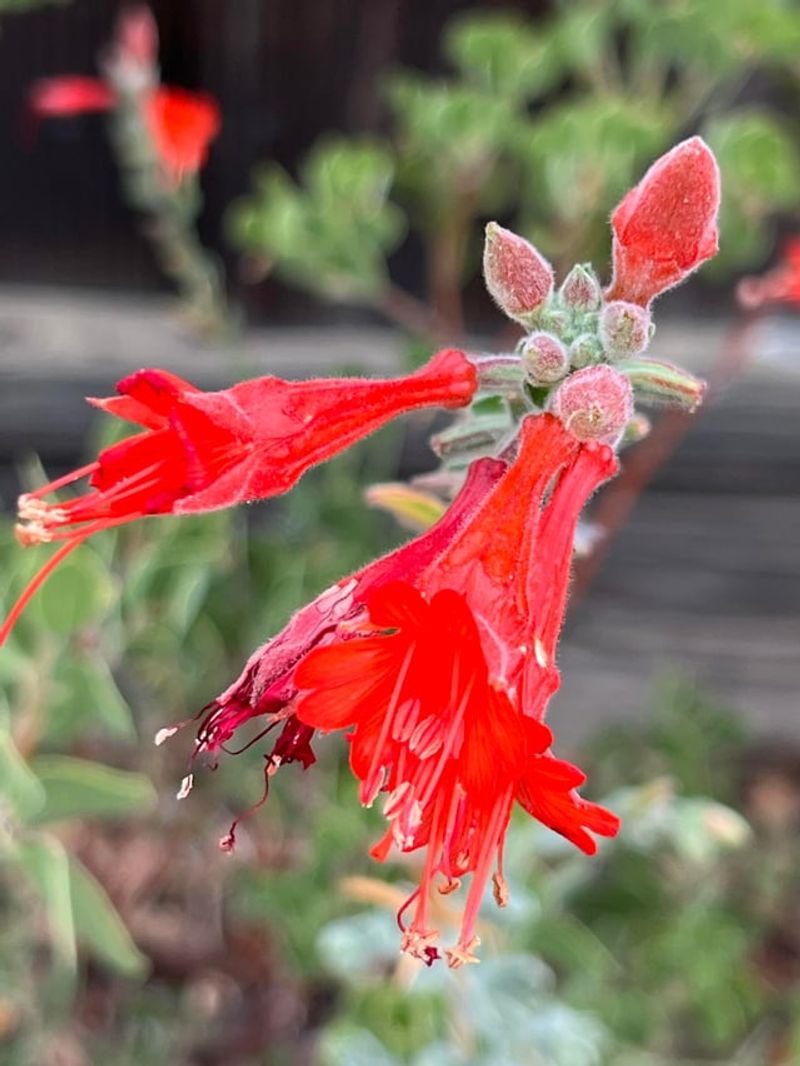
Native plants like ceanothus, toyon, and California fuchsia are not just survivors. They are showstoppers.
Ceanothus bursts into brilliant blue or purple flowers in spring. Toyon brings bright red berries in winter.
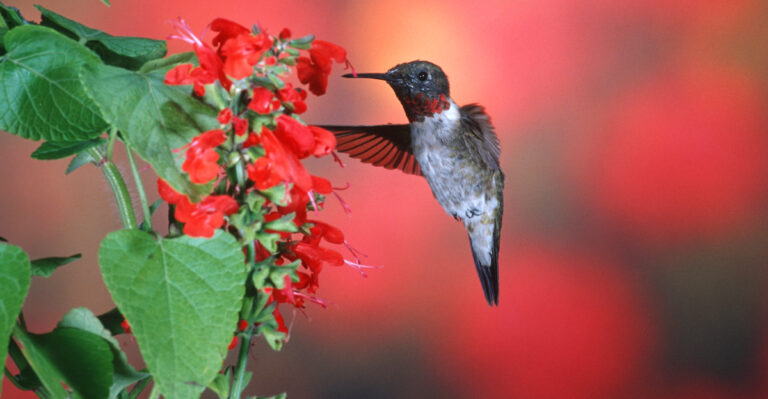
California fuchsia blazes with red-orange blooms in late summer, which hummingbirds absolutely love. Matching the right plant to the right place means your garden will look amazing without a lot of extra effort.
A little research upfront saves you a lot of headaches later, and the results speak for themselves across every California season.
2. Layer Colors And Textures
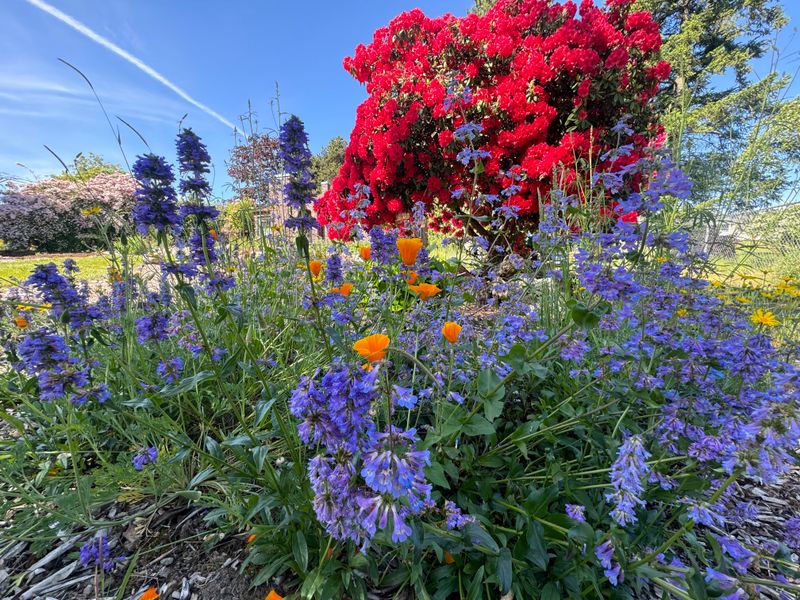
One of the most rewarding parts of designing a native plant garden in California is playing with color and texture.
When you layer plants thoughtfully, the garden feels full, dynamic, and almost alive with movement. It is like painting with plants.
Think in three layers: tall shrubs in the back, medium perennials in the middle, and low ground covers up front. This simple structure creates depth and makes even a small yard feel lush.
Try pairing the feathery silver leaves of artemisia with the bold purple spikes of native salvia. That contrast in texture alone makes a big visual impact.
Color can shift with the seasons, which keeps things exciting. In spring, poppies and lupines bring bursts of orange and blue.
In summer, monkeyflower and buckwheat add warm yellows and pinks. Even in fall and winter, plants like manzanita keep things interesting with their rich red bark and deep green leaves.
California native gardens never have to look boring or bare. With smart layering, you get a garden that looks professionally designed but feels completely natural, like a piece of the wild California landscape brought right into your own backyard.
3. Add Drought-Tolerant Grasses
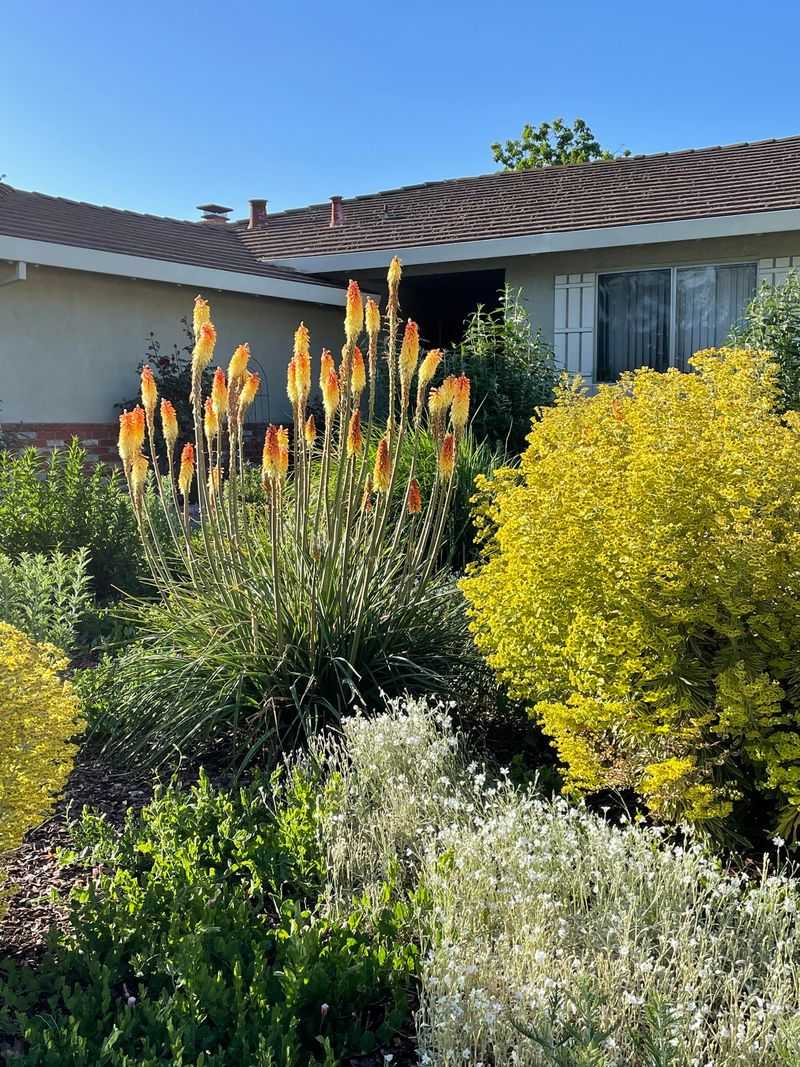
Grasses might not be the first thing that comes to mind when you think of a beautiful garden, but California native grasses are genuinely stunning.
They move with the breeze, catch the light in magical ways, and give the garden a relaxed, natural feel that is hard to replicate with any other plant.
Purple needlegrass is California’s official state grass, and it earns that title. It forms graceful clumps with fine, airy blades that shimmer in the afternoon sun.
Deer grass is another fan favorite. It grows in a beautiful rounded shape and stays green even through dry summers, which is a big win in water-conscious California.
Adding native grasses between flowering plants creates a soft, flowing look that ties everything together. They also provide shelter for small birds and beneficial insects, which adds life to your garden beyond just looks.
Because these grasses evolved right here in California, they handle summer heat and winter rain with ease. They rarely need fertilizer and can go long stretches without extra watering once they are established.
For anyone looking to reduce water use without sacrificing beauty, native grasses are one of the smartest design choices you can make.
4. Paths That Flow Naturally
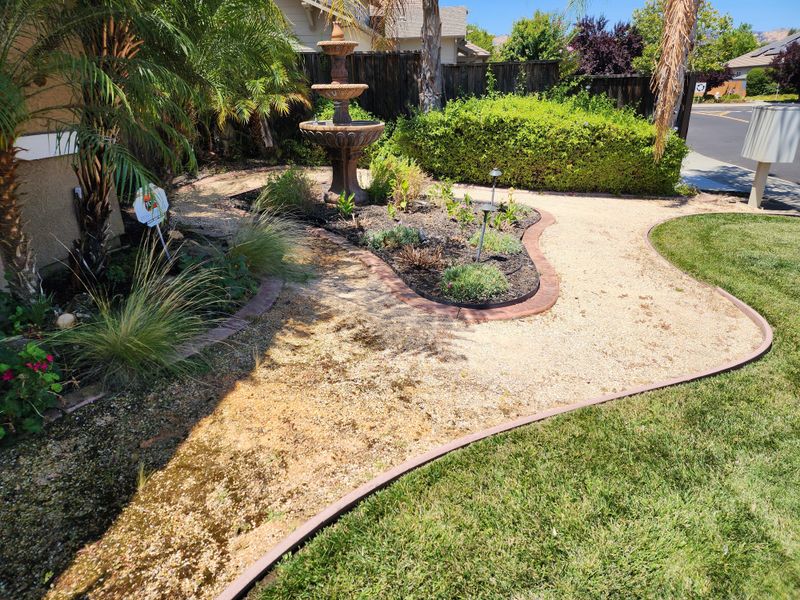
A well-designed path does more than just get you from point A to point B. It invites you into the garden, slows you down, and lets you notice all the little details around you.
In a California native plant garden, a path that curves and winds feels much more natural than one that goes perfectly straight.
Decomposed granite is a popular choice for paths in California because it drains well, looks earthy and warm, and pairs beautifully with native plants. Flagstone and stepping stones are also great options.
They give a rustic, organic feel and let low-growing plants like creeping sage or lippia fill in the gaps between stones, softening the edges.
When planning your path, think about where you naturally walk in your yard. Follow those lines instead of forcing a rigid layout.
Let the path curve around a large shrub or sweep past a grouping of poppies. Border the edges with low-growing native ground covers like yarrow or woolly thyme to create a seamless blend between path and planting bed.
A thoughtfully placed path makes your garden feel intentional and inviting, not just like a collection of random plants. It turns a walk through your yard into a small but lovely California adventure.
5. Invite Wildlife In
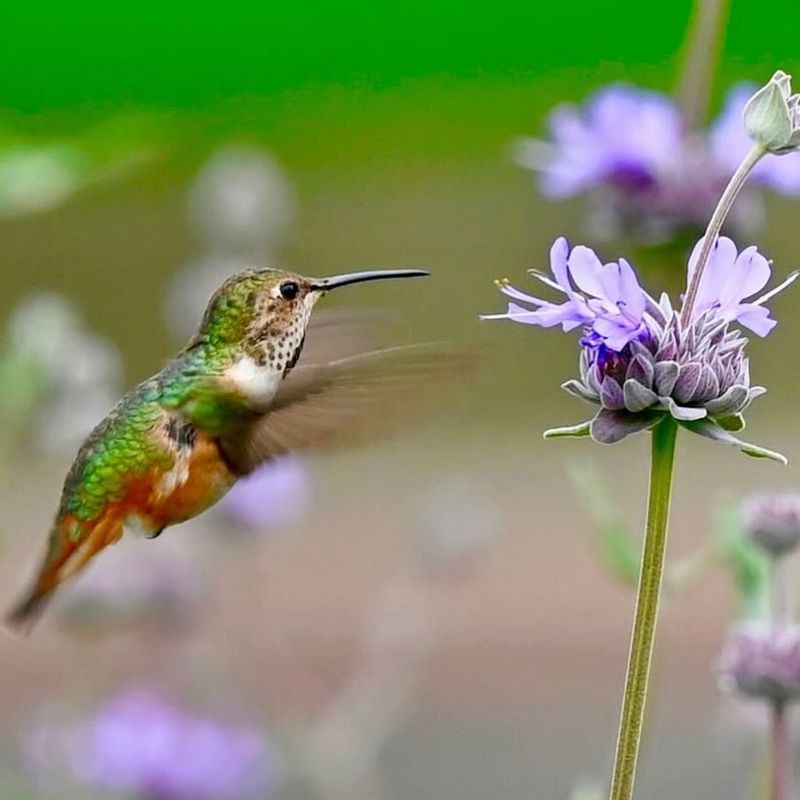
Something magical happens when you plant native species in California. The wildlife shows up.
Hummingbirds hover near California fuchsia. Monarch butterflies float through patches of milkweed.
Native bees buzz busily around buckwheat and salvia. A garden that supports wildlife is not just beautiful, it is alive in a way that feels genuinely exciting.
To attract the most visitors, think about what different animals need. Pollinators like bees and butterflies need nectar-rich flowers and safe places to rest.
Birds need berries, seeds, and shrubs for shelter. You can meet all these needs by choosing a variety of native plants that bloom at different times throughout the year.
Adding a shallow bird bath is one of the easiest ways to bring more wildlife into your California garden. Keep the water fresh and place it near some shrubs so birds feel safe while drinking.
Leaving a small brush pile in a corner gives insects and lizards a cozy hiding spot. Avoid using pesticides, which can harm the very creatures you are trying to attract.
When your garden becomes a refuge for local wildlife, it gains a whole new level of beauty that no fancy decoration could ever match. Nature truly does the decorating for you.
6. Rocks And Mulch Magic
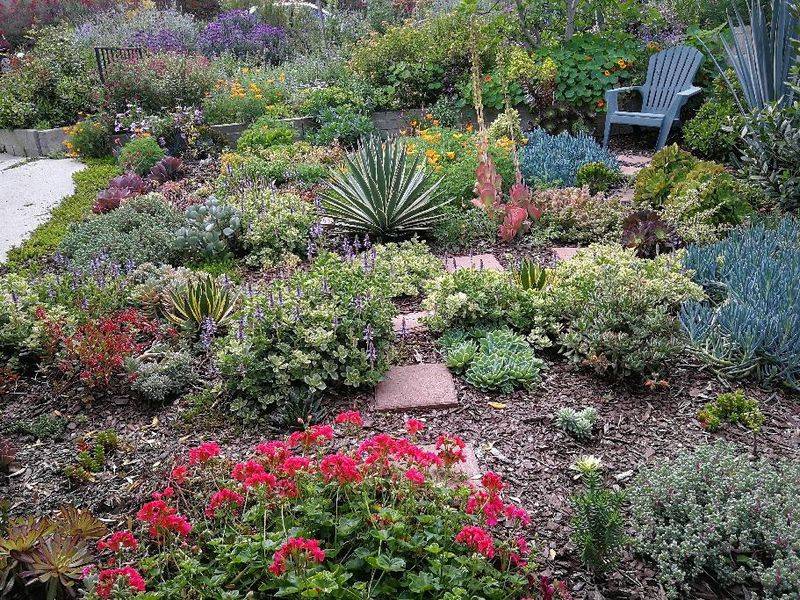
Rocks and mulch might sound like boring practical stuff, but in a California native garden, they are secret design superstars. Used well, they can completely transform the look and feel of a garden, tying everything together while also doing important work beneath the surface.
Large boulders or clusters of river rocks add structure and a sense of permanence to a garden. They look like they have always been there, which is exactly the feel you want in a native plant design.
Place rocks near drought-tolerant plants like penstemon or manzanita to create a scene that mimics the natural California landscape you might see on a hiking trail.
Mulch is just as important. A thick layer of wood chip mulch around your plants keeps moisture in the soil, which means you water less.
It also keeps weeds from taking over and slowly breaks down to feed the soil. In California, where water conservation is always on everyone’s mind, mulch is one of the best tools a gardener can use.
Choose natural-looking wood chips or shredded bark that blends in with the plants around it. Together, rocks and mulch create a garden that looks polished, feels natural, and works hard for you every single day without demanding much in return.
7. Seasonal Interest Tips
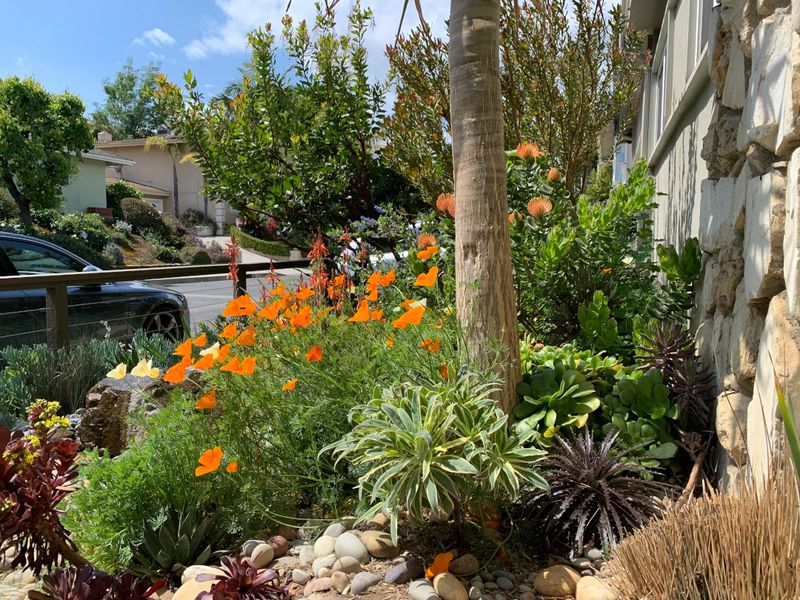
One of the biggest myths about California native gardens is that they only look good in spring. That is simply not true.
With a little planning, your garden can offer something beautiful in every season of the year, from winter bark to summer blooms to fall berries.
Spring is the showiest season, no question. Poppies, lupines, and clarkia put on a wildflower display that stops people in their tracks.
But summer brings its own magic with California fuchsia, monkeyflower, and buckwheat. These plants bloom right through the heat, giving your garden color when many traditional gardens start to fade.
Fall and winter are where thoughtful plant choices really pay off. Toyon shrubs load up with bright red berries that birds love and that look festive and cheerful through the holidays.
Manzanita shows off its gorgeous coppery-red bark when other plants go quiet. Ornamental grasses catch the low winter light and glow golden in the afternoon sun.
Planning for seasonal interest means thinking about your garden as a year-round experience rather than just a spring project. Visit a local California native plant nursery in each season to see what is blooming and get inspired by what could look great in your own yard.
8. Blend With Your Yard
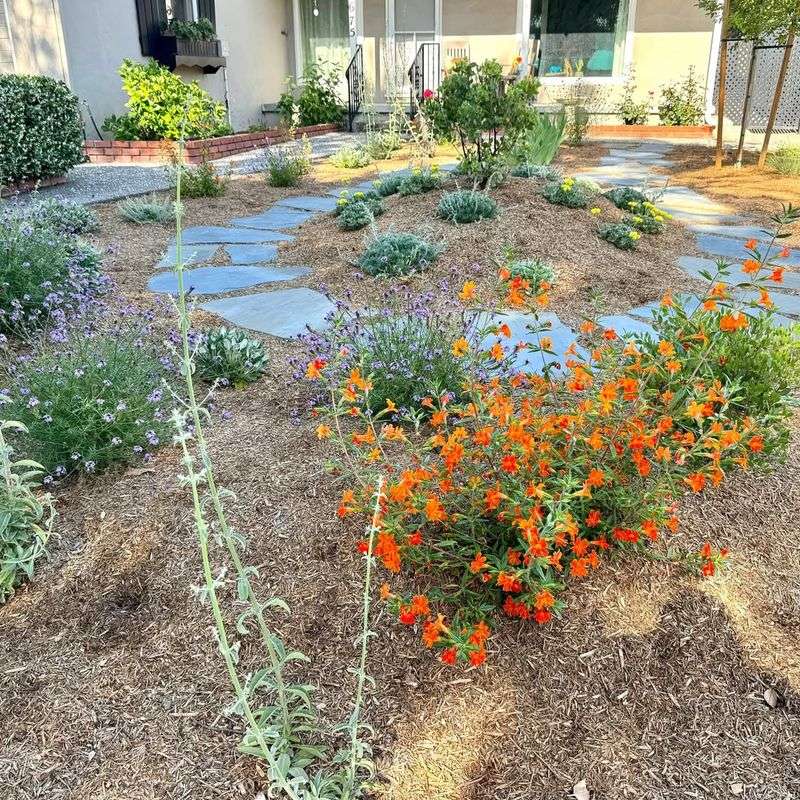
Going fully native all at once can feel overwhelming, and honestly, you do not have to. One of the smartest approaches is to blend native plants gradually into your existing yard.
Start with a border, a raised bed, or a strip along the fence. Let the native plants prove themselves before you expand.
Mixing native plants with your current garden does not have to look messy or mismatched. Many California natives have a clean, sculptural quality that pairs well with traditional garden plants.
Try planting a row of native salvias along a pathway you already have, or replace a struggling lawn section with a mix of native ground covers like coyote brush or creeping snowberry.
Think about your home’s style too. A bungalow in Oakland might suit a cottage-style mix of native wildflowers and grasses.
A modern home in San Diego might look stunning with bold, architectural natives like agave or toyon pruned into a clean shape. The goal is to create a yard that feels cohesive, where the native plants look like they belong rather than like an afterthought.
When your garden blends beautifully with your home and neighborhood, it becomes something you are genuinely proud to show off every single day.