The 9 Most Common Garden Problems California Gardeners Face This Month
Gardens rarely stay trouble free for long, and this month in California brings a familiar mix of challenges.
Changing temperatures, shifting moisture, and fast moving plant growth can quickly create small issues that turn bigger if ignored.
Pests begin to stir, watering needs start to change, and some plants react to stress in surprising ways. What looks like a minor problem today can affect blooms, harvests, and overall plant health in just a short time.
The key is spotting early signs and adjusting care before damage spreads. Early fixes go a long way, protecting plant health and keeping your garden performing at its best as conditions shift.
1. Winter Weeds Are Taking Over Fast
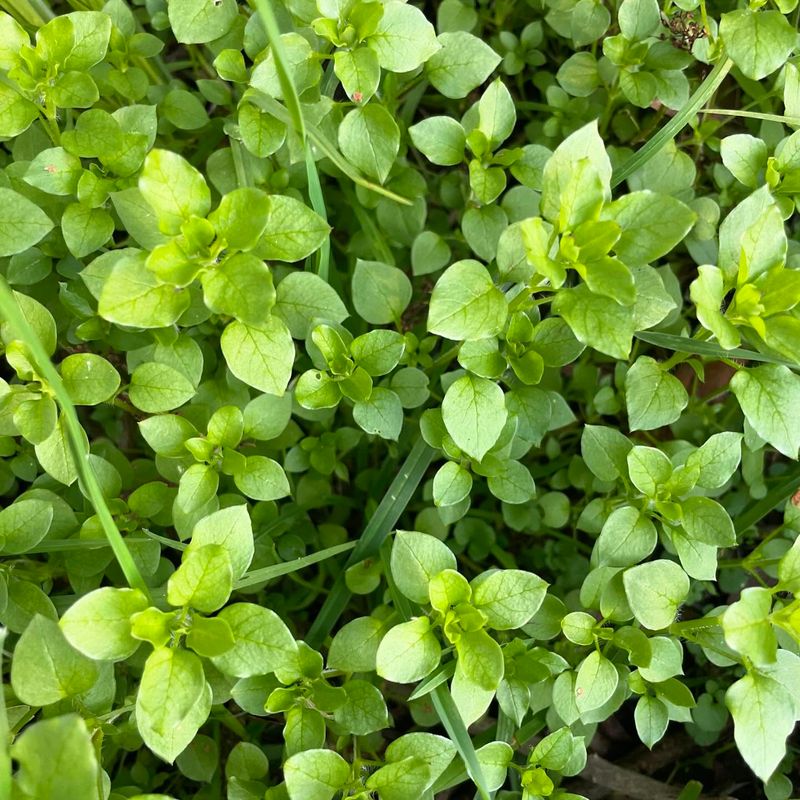
After a few good rains, you might step outside and find your garden beds suddenly carpeted in bright green growth that definitely wasn’t there last week. Winter weeds love California’s mild winter weather, and they grow fast when the soil stays moist and cool.
Chickweed, annual bluegrass, and bittercress are the usual culprits, and they spread quickly if you ignore them.
The trick is catching them early, while they’re still small and their roots haven’t gone deep. Pull them by hand after a rain when the soil is soft, or use a hoe to slice them off just below the surface.
If you wait too long, they’ll set seed and create next year’s problem for you.
Mulch is your best friend here. A fresh two-to-three-inch layer of wood chips or straw blocks sunlight and makes it much harder for weed seeds to sprout.
You can also use pre-emergent herbicides designed for winter weeds, but timing matters, they work best before seeds germinate.
Don’t let these weeds stick around. They compete with your vegetables and flowers for water and nutrients, and some even harbor pests.
A little effort now saves you hours of weeding later when the weather warms up and everything starts growing even faster.
2. Aphids Are Already Showing Up
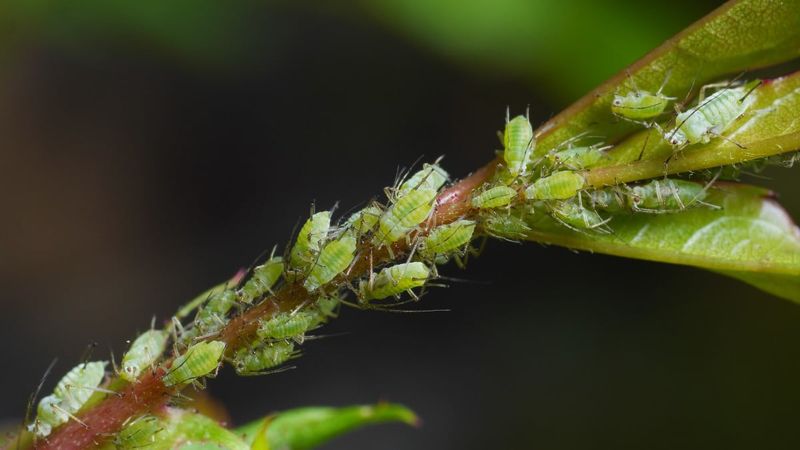
Warm winter days bring out aphids way earlier than most gardeners expect. You’ll spot them clustered on tender new shoots, especially on citrus, roses, and cool-season vegetables like kale and broccoli.
These tiny soft-bodied insects multiply incredibly fast, and a small group can become a serious infestation within days.
Aphids suck sap from plants, which weakens growth and can spread viral diseases. They also leave behind sticky honeydew that attracts ants and encourages sooty mold.
The good news is they’re easy to manage if you catch them early enough.
Start with a strong spray of water from the hose to knock them off leaves and stems. Do this in the morning so plants dry quickly.
For tougher cases, insecticidal soap or neem oil works well and won’t harm beneficial insects if used carefully.
Encourage natural predators like ladybugs, lacewings, and hoverflies by planting flowers such as alyssum and yarrow nearby. These helpful bugs will keep aphid populations in check without any effort from you.
Avoid using broad-spectrum pesticides, which kill the good insects along with the bad and often make aphid problems worse in the long run.
3. Slugs And Snails
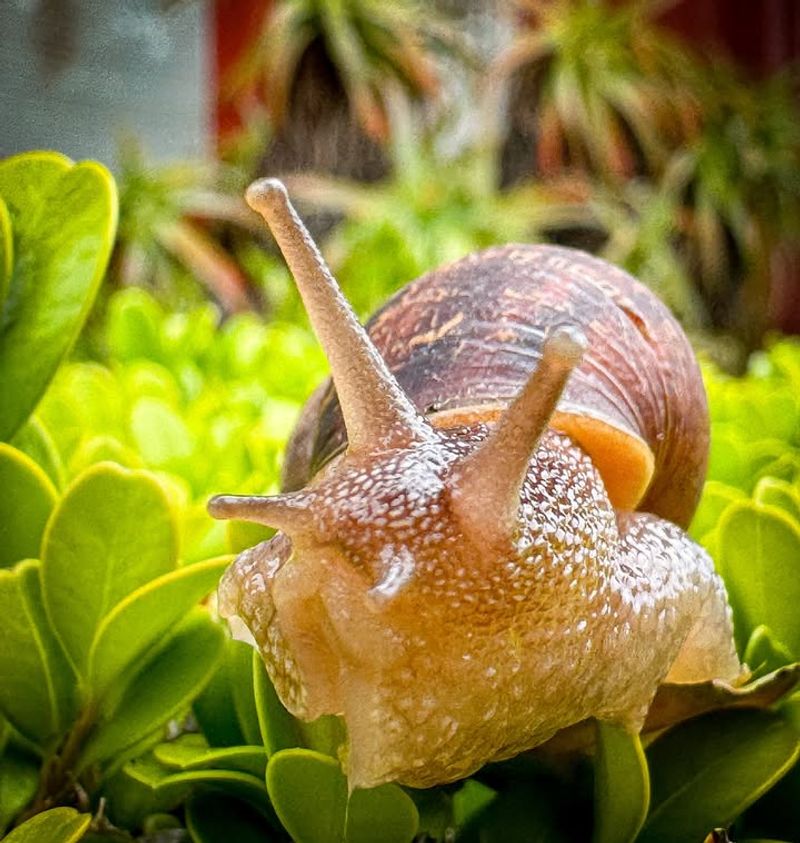
Cool nights and damp soil create perfect conditions for slugs and snails, and winter rain showers give them exactly what they need to thrive. You’ll notice the telltale slime trails across pathways and ragged holes chewed through your lettuce, hostas, and seedlings.
These pests come out at night to feed, so you rarely see them during the day.
Hand-picking works surprisingly well if you’re willing to go out after dark with a flashlight. Drop them into soapy water or relocate them far from your garden.
You can also set out shallow dishes of beer, which attracts and drowns them, though you’ll need to refresh the traps regularly.
Copper tape around raised beds or pots creates a barrier they won’t cross, and diatomaceous earth sprinkled around plants cuts their soft bodies and deters them. Just reapply after rain since it loses effectiveness when wet.
Reduce hiding spots by clearing away dense mulch, boards, and garden debris where they shelter during the day. Keep your garden a little tidier, and you’ll see fewer slugs and snails overall.
Iron phosphate baits are another safe option that won’t harm pets, wildlife, or beneficial insects.
4. Overwatering During Rainy Weeks
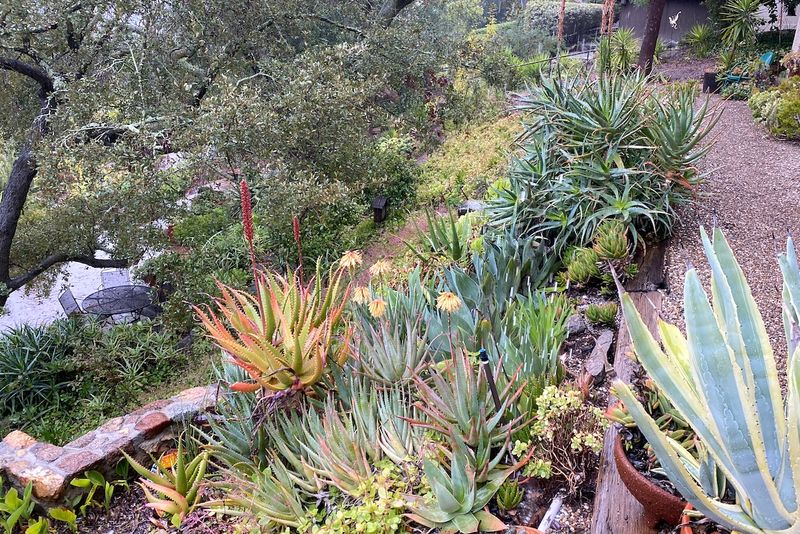
When winter storms roll through, it’s tempting to keep your irrigation schedule running as usual. But California’s winter rains can saturate soil fast, and adding more water on top of that drowns roots and invites fungal diseases.
Overwatered plants often show yellow leaves, wilting despite wet soil, and stunted growth.
Most established plants need very little supplemental water during rainy stretches. Turn off your automatic timers and let nature do the work.
Check soil moisture by sticking your finger a few inches down, if it feels damp, skip watering entirely.
Container plants are trickier because they can’t drain excess water as easily. Make sure pots have drainage holes and aren’t sitting in saucers full of water.
Move them under eaves or cover them during heavy downpours if they’re getting too much rain.
Root rot is a real risk in poorly draining soil, especially with clay-heavy ground common in many California yards. Improve drainage by mixing compost or sand into beds, or consider building raised beds for better control.
Watch for fungal problems like powdery mildew and rust, which thrive in humid, wet conditions. Good air circulation and proper spacing between plants help reduce these issues.
5. Frost Damage On Tender Plants
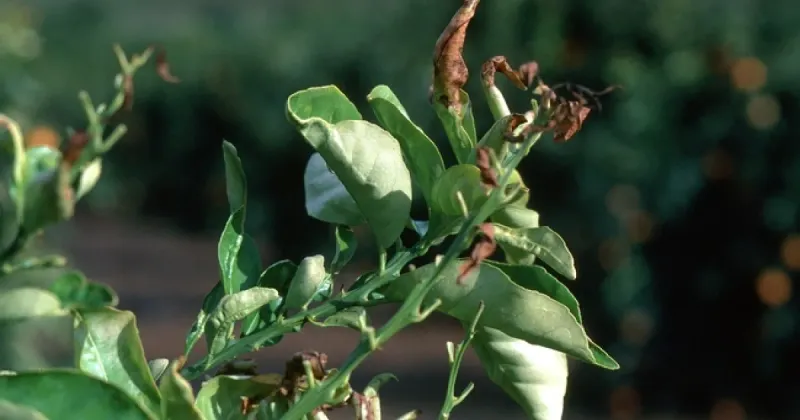
California’s mild reputation can lull you into forgetting that frost still happens here, especially in inland valleys and foothill areas. A sudden cold snap catches tender plants off guard, leaving blackened leaves and damaged stems by morning.
Citrus, avocado, tomatoes, and tropical ornamentals are especially vulnerable.
Frost happens on clear, still nights when temperatures drop and heat radiates away from the ground. Even a light frost can damage sensitive growth, so it’s worth keeping an eye on weather forecasts throughout February.
Cover vulnerable plants with frost cloth, old sheets, or even cardboard boxes before sunset when frost is predicted. Remove coverings in the morning once temperatures rise so plants don’t overheat.
Avoid using plastic, which can trap moisture and cause more damage.
Watering the soil before a frost helps because moist soil holds heat better than dry soil. Don’t prune frost-damaged growth right away, wait until spring when you can see what’s truly dead.
Cutting too early can encourage new growth that’s even more susceptible to future frosts.
Plant frost-sensitive species in warmer microclimates near south-facing walls or under eaves where they get extra protection. Mulching around the base also insulates roots and helps them survive cold snaps better.
6. Pruning At The Wrong Time
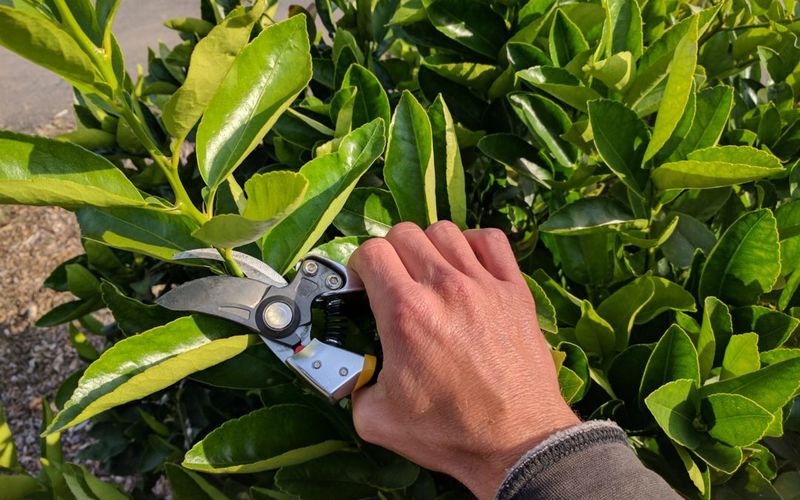
Pruning at the wrong time can cost you spring blooms or weaken plants just when they need strength. Knowing what to prune now and what to leave alone makes a big difference.
Fruit trees like apples, pears, and stone fruits benefit from winter pruning while they’re dormant. This encourages strong growth and better fruit production.
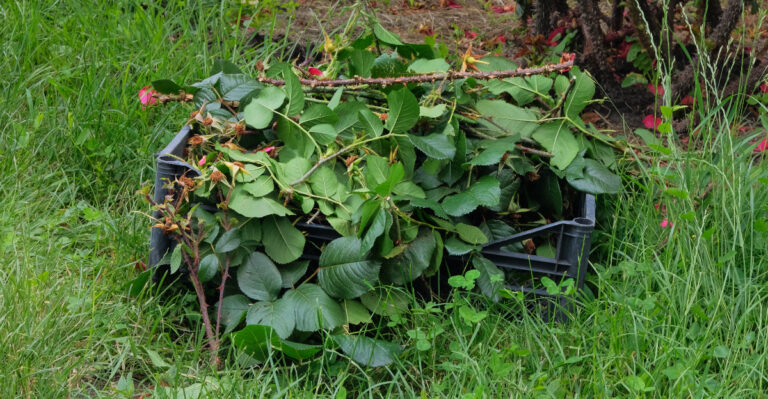
Roses also do well with February pruning in most California regions, especially hybrid teas and floribundas.
However, spring-blooming shrubs like lilacs, azaleas, and camellias should not be pruned now. They’ve already set their flower buds, and cutting them back means losing this year’s blooms.
Wait until right after they finish flowering to shape them.
Avoid heavy pruning on plants that are actively growing or about to break dormancy. Citrus trees, for example, should be pruned lightly and only to remove dead or crossing branches.
Never remove more than one-third of a plant’s growth in a single session.
Always use clean, sharp tools to make smooth cuts that heal quickly. Sterilize blades between plants to avoid spreading diseases.
If you’re unsure about timing, research each plant’s specific needs or wait until late winter when more pruning is universally safe.
7. Yellow Leaves
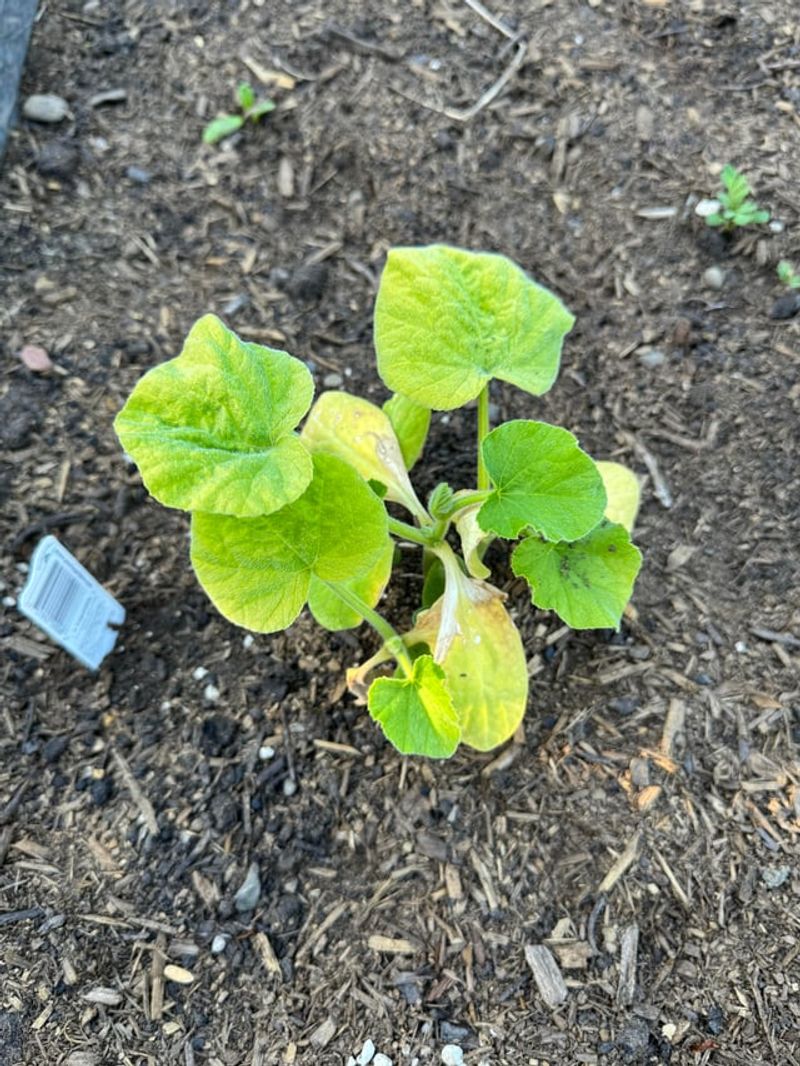
Yellow leaves can mean a lot of things, but in winter, nutrient imbalances are often the culprit. Cool soil temperatures slow down microbial activity, which means plants struggle to absorb nutrients even when they’re present.
Nitrogen, iron, and magnesium deficiencies show up as yellowing leaves, especially on citrus, roses, and vegetables.
Nitrogen deficiency usually causes older leaves to yellow first, starting from the bottom of the plant. Iron deficiency, common in alkaline California soils, creates yellow leaves with green veins, especially on new growth.
Magnesium deficiency shows up as yellowing between leaf veins on older leaves.
Test your soil to confirm what’s missing before adding fertilizers blindly. Organic compost improves overall soil health and provides slow-release nutrients.
For quick fixes, use chelated iron for iron deficiency or Epsom salts for magnesium.
Avoid over-fertilizing, which can burn roots and create more problems. February isn’t a heavy feeding time for most plants since growth is slow.
Light applications of balanced fertilizer or compost tea are usually enough to support what’s actively growing.
Improve soil pH if it’s too alkaline by adding sulfur or acidic compost. Better pH helps plants access nutrients more easily.
Mulching also moderates soil temperature and keeps roots healthier, which improves nutrient uptake naturally.
8. Struggling Seedlings
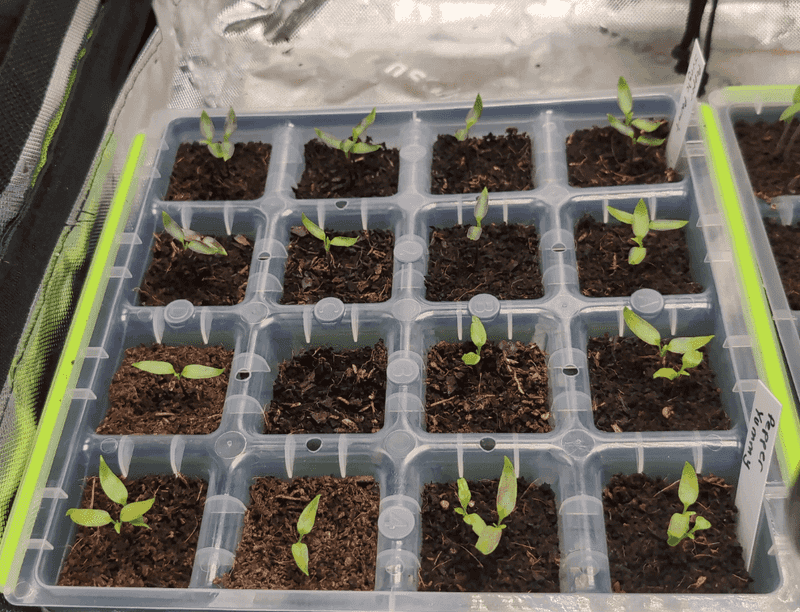
You might be eager to start seeds for spring vegetables, but winter soil temperatures can stall germination and weaken young seedlings.
Most seeds need soil temps between 60 and 70 degrees Fahrenheit to sprout reliably, and California’s winter ground often stays cooler than that, especially in the mornings.
Seeds planted too early either rot in cold, damp soil or take forever to germinate. Even if they sprout, seedlings grow slowly and become more vulnerable to pests and diseases.
Patience pays off when it comes to direct seeding outdoors.
Start warm-season crops like tomatoes, peppers, and squash indoors under grow lights where you can control temperature. Use seed-starting mix and keep trays in a warm spot or on a heat mat.
Transplant them outside only after soil warms up in late winter or early spring.
Cool-season crops like lettuce, peas, and spinach can handle winter planting better, but even they benefit from warmer microclimates. Try raised beds, which warm up faster than ground-level soil, or use black plastic mulch to absorb heat.
Check soil temperature with a simple thermometer before planting. If it’s below 55 degrees, wait a few weeks or start seeds indoors instead.
Covering beds with clear plastic for a week before planting can also warm the soil and give seeds a better start.
9. Active Gophers
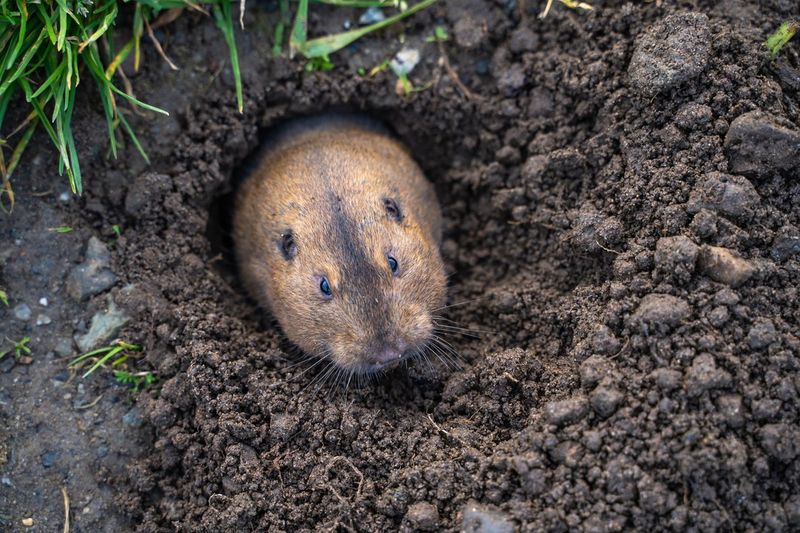
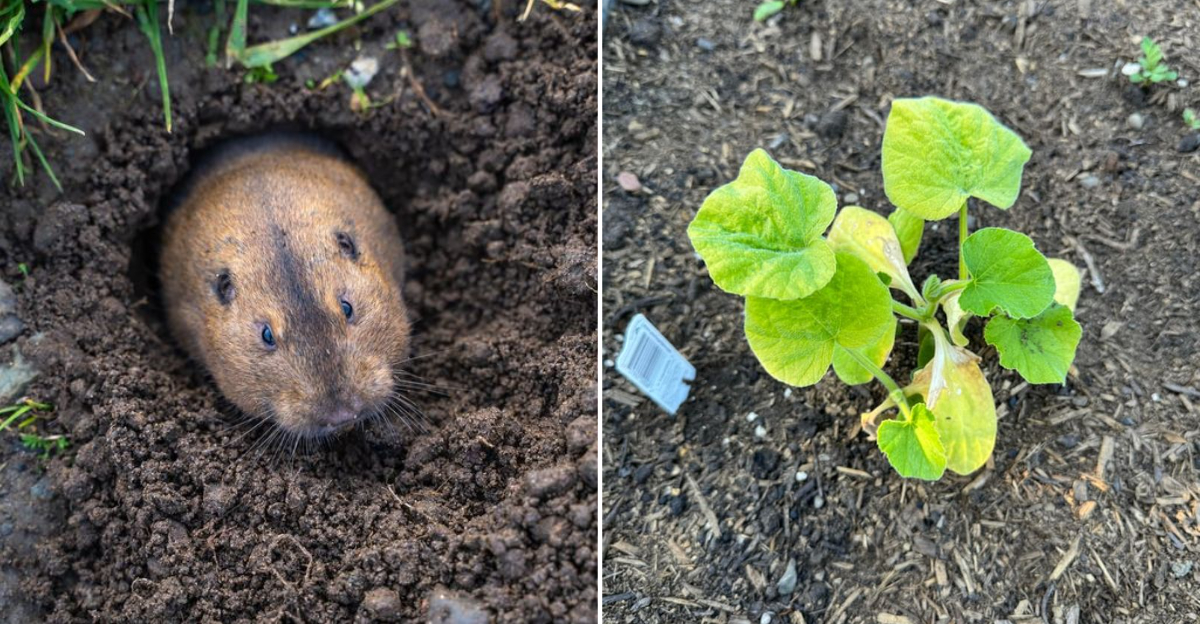
While your garden rests, gophers stay busy underground, tunneling through soft, moist soil and munching on roots, bulbs, and tubers. You’ll notice fresh crescent-shaped mounds of dirt appearing overnight, and plants that suddenly wilt or disappear entirely.
These persistent rodents can destroy a garden faster than you’d think.
Gophers are especially active after rains when digging is easier. They target root vegetables, flower bulbs, and even tree roots, causing damage that’s hard to spot until it’s too late.
One gopher can create an extensive tunnel system covering thousands of square feet.
Trapping is the most effective control method. Use gopher-specific traps placed in main tunnels, which you can find by probing the ground near fresh mounds.
Follow instructions carefully for best results, and check traps daily.
Exclusion works for smaller areas or raised beds. Bury hardware cloth at least two feet deep and a few inches above ground to create a barrier they can’t penetrate.
This protects new plantings and valuable perennials.
Castor oil repellents and sonic devices have mixed results and usually only push gophers to another part of your yard. Encourage natural predators like owls and hawks by installing nest boxes.
Keep your garden tidy to reduce cover, making it less appealing to these underground pests.