The 9 Most Overplanted Shrubs In Oregon (And Smarter Low-Maintenance Swaps)
Oregon is home to some stunning landscapes, but when it comes to landscaping, there are a few shrubs that have become so popular, they’re almost everywhere you look. While these plants are reliable and easy to find, they’re also a bit overdone.
If you’re looking to shake things up and add some variety to your garden, why not swap out the old standbys for something a little more unique and low-maintenance?
These overplanted shrubs can be replaced with smarter, more interesting alternatives that will thrive without all the fuss.
The best part? These swaps not only add fresh character to your yard but also require less upkeep, giving you more time to enjoy your garden and less time spent trimming and watering.
1. Boxwood

Walk through almost any neighborhood in Oregon and you will spot the classic boxwood trimmed into perfect little balls or neat hedges. It looks tidy at first, but keeping it that way is a lot of work.
Regular pruning, pest treatments, and disease management eat up your weekends fast.
The biggest headache with common boxwood is boxwood blight, a fungal disease that spreads quickly and can wipe out an entire hedge. Oregon’s wet winters make this problem even worse.
Many gardeners spend more money on treatments than they ever expected when they first planted the shrub.
Korean Boxwood is a smarter choice for Oregon yards. It handles cold temperatures better, resists blight more effectively, and holds its shape with far less pruning.
The leaves are slightly smaller and just as attractive, giving your garden that clean, structured look without the constant fuss.
Switching to Korean Boxwood means spending more time enjoying your garden and less time babying it. It grows slowly and steadily, making it a reliable long-term addition to any Oregon landscape.
Nurseries across the state carry it, so finding one near you should not be difficult at all.
2. Forsythia
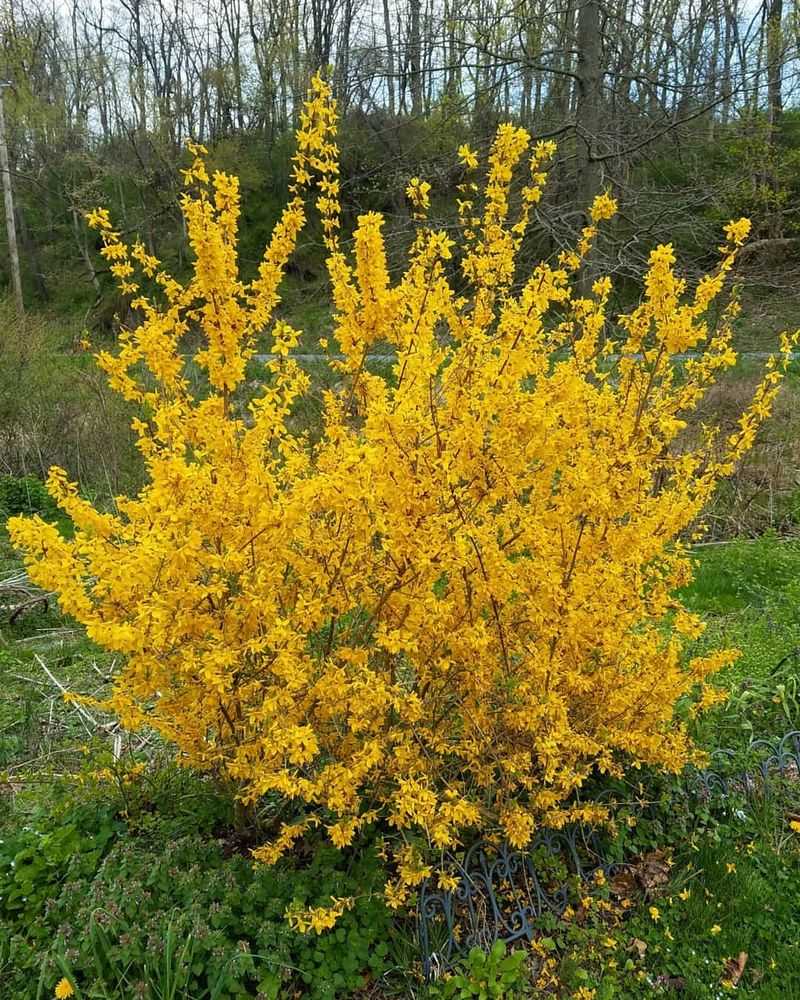
Forsythia puts on a showstopping burst of yellow flowers every spring, and for about two weeks, it is the star of the garden. Then the blooms drop, and you are left with a large, sprawling shrub that looks plain and overgrown for the rest of the year.
Many Oregon gardeners end up regretting the amount of space it takes up.
Pruning forsythia correctly is trickier than most people expect. Cut it at the wrong time and you lose next year’s blooms entirely.
It also spreads aggressively and can crowd out other plants in smaller Oregon yards.
Red-Osier Dogwood is a native Oregon alternative that offers year-round visual interest. In spring and summer, it produces clusters of small white flowers.
In fall, the leaves turn shades of red and purple. But the real magic happens in winter, when the bare stems glow a brilliant, fiery red against Oregon’s gray skies.
Beyond its good looks, Red-Osier Dogwood supports local birds and pollinators. It thrives in Oregon’s wet soils and requires very little maintenance once established.
It is a true four-season shrub that earns its space in the garden every single month of the year.
3. Rhododendrons
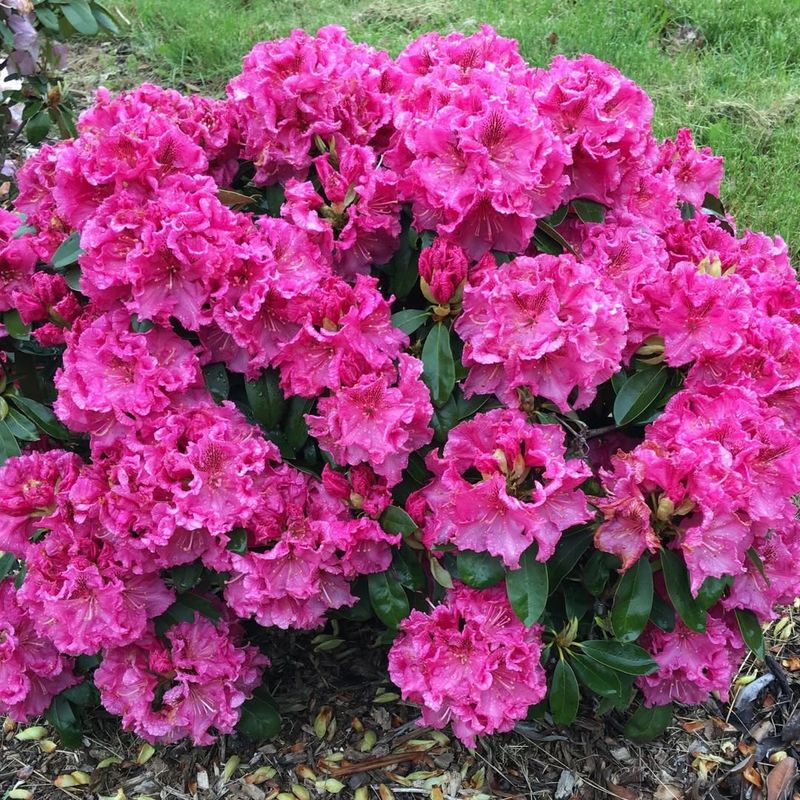
They bloom beautifully in spring and look lush and green year-round. But over the years, they have been planted so heavily across the state that entire neighborhoods start to look identical.
Beyond the visual monotony, rhododendrons can be surprisingly demanding.
Root rot is a common problem in Oregon’s rainy climate, especially when rhododendrons are planted in heavy clay soil. They also attract lace bugs, which leave the leaves looking faded and sickly by midsummer.
Getting the soil pH just right takes time, effort, and often a lot of added amendments.
Viburnum tinus is a refreshing alternative that thrives in Oregon’s conditions without all the fuss. It produces clusters of delicate pink buds that open into white flowers, often blooming from late winter through spring.
The dark, glossy leaves stay attractive all year long.
One of the best things about Viburnum tinus is how adaptable it is. It handles sun, partial shade, and a range of soil types without complaint.
Birds love the small metallic-blue berries it produces after flowering. For Oregon gardeners looking to break free from the rhododendron routine, this swap is an easy and rewarding upgrade.
4. Spirea
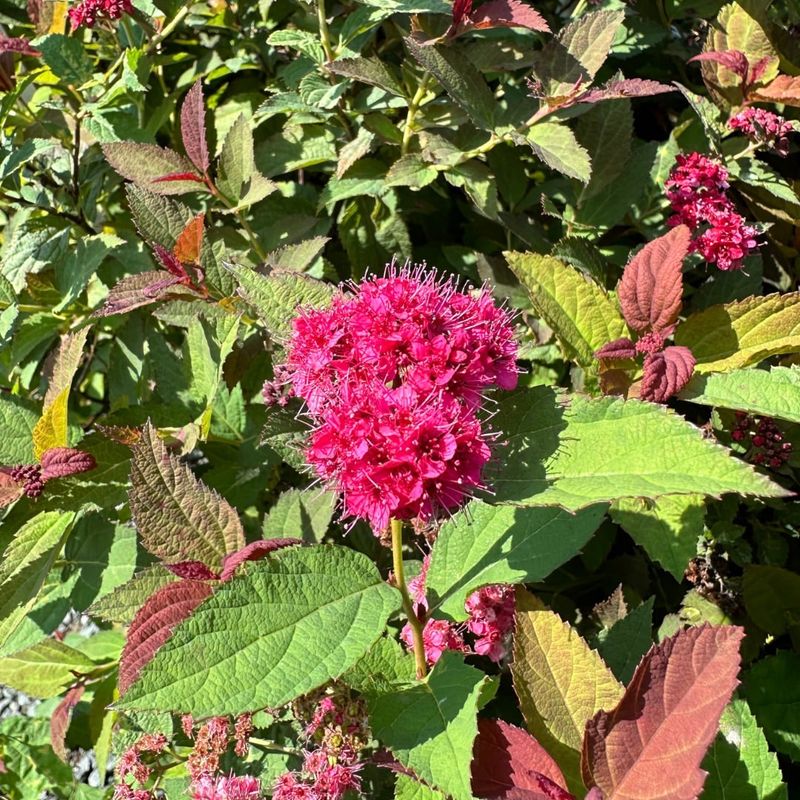
Drive through any suburb from Salem to Medford and you will see it lining driveways, filling foundation beds, and edging walkways. It is cheap, easy to find, and flowers reliably.
So what is the problem? Mostly, it is just incredibly overused, and it can become weedy if not kept in check.
Many spirea varieties spread by self-seeding and suckering, which means they slowly creep beyond where you originally planted them. In some parts of Oregon, certain non-native spirea species have escaped into natural areas and displaced native plants.
That is not what any gardener wants to be responsible for.
Ninebark is a fantastic native swap that brings bold color and texture to the garden. The foliage comes in shades ranging from golden yellow to deep burgundy, depending on the variety.
In late spring, it covers itself in clusters of small white or pink flowers that attract bees and butterflies.
The peeling, layered bark gives Ninebark its name and adds winter interest when the leaves have fallen. It is drought-tolerant once established, making it a great fit for drier parts of Oregon like Bend and Ashland.
Ninebark is tough, beautiful, and genuinely low-maintenance in a way that spirea rarely is.
5. Hydrangea
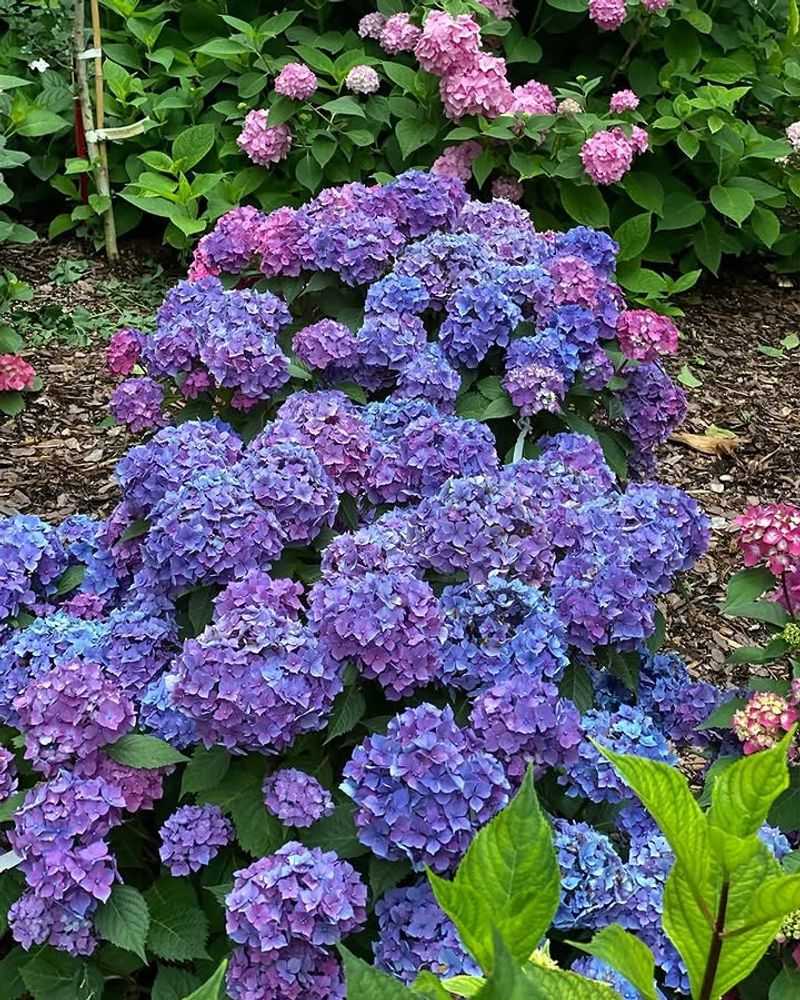
Few shrubs get as much attention in Oregon garden centers as hydrangeas. The big, fluffy blooms are hard to resist, and they photograph beautifully for social media.
But hydrangeas have a reputation for being temperamental, especially when it comes to soil pH, pruning timing, and summer watering needs.
In Oregon’s hotter inland valleys, hydrangeas often scorch in the summer heat unless they get consistent irrigation. The big-leaf varieties are especially sensitive and can look wilted and sad by August.
Many gardeners find themselves watering, feeding, and fussing over them far more than they planned.
Pieris japonica, also known as Japanese Andromeda, offers a more relaxed alternative. It is an evergreen shrub with elegant, drooping clusters of small bell-shaped flowers that appear in late winter or early spring.
The new growth emerges in shades of bright red and pink before maturing to glossy green.
Pieris thrives in the acidic soils that are common throughout western Oregon. It handles shade well, making it a great choice for those tricky spots under trees where little else grows happily.
Once established, it needs very little water or attention. It is a sophisticated, low-effort shrub that looks great in every season without demanding much in return.
6. Privet
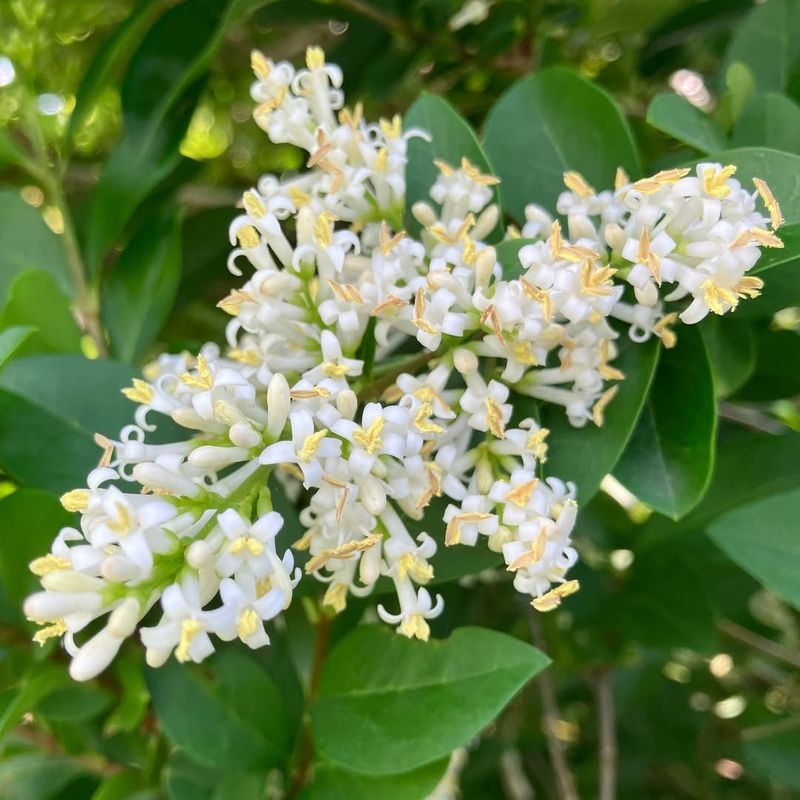
Privet has been a go-to hedge shrub in Oregon neighborhoods for decades. It grows fast, fills in quickly, and creates a dense privacy screen.
Those qualities sound great on paper, but privet comes with a serious downside that many gardeners do not realize until it is too late.
Birds eat the small black berries and spread the seeds into natural areas throughout Oregon, especially around the Portland metro region. Privet has shown up in forests, wetlands, and along riverbanks where it crowds out native vegetation.
Oregon nurseries and conservation groups have been warning about this problem for years.
Aronia, also called chokeberry, is a native-friendly alternative that delivers privacy and good looks without the ecological baggage. It produces clusters of small white flowers in spring and follows up with glossy black berries in late summer.
The fall foliage turns a stunning deep red that rivals any ornamental shrub on the market.
Aronia is tough, adaptable, and thrives in both wet and dry Oregon soils. It supports pollinators during bloom time and provides food for birds in fall and winter.
Unlike privet, it stays where you plant it and does not spread aggressively. For hedges, borders, or naturalized areas, Aronia is a responsible and beautiful choice across Oregon.
7. Lilac
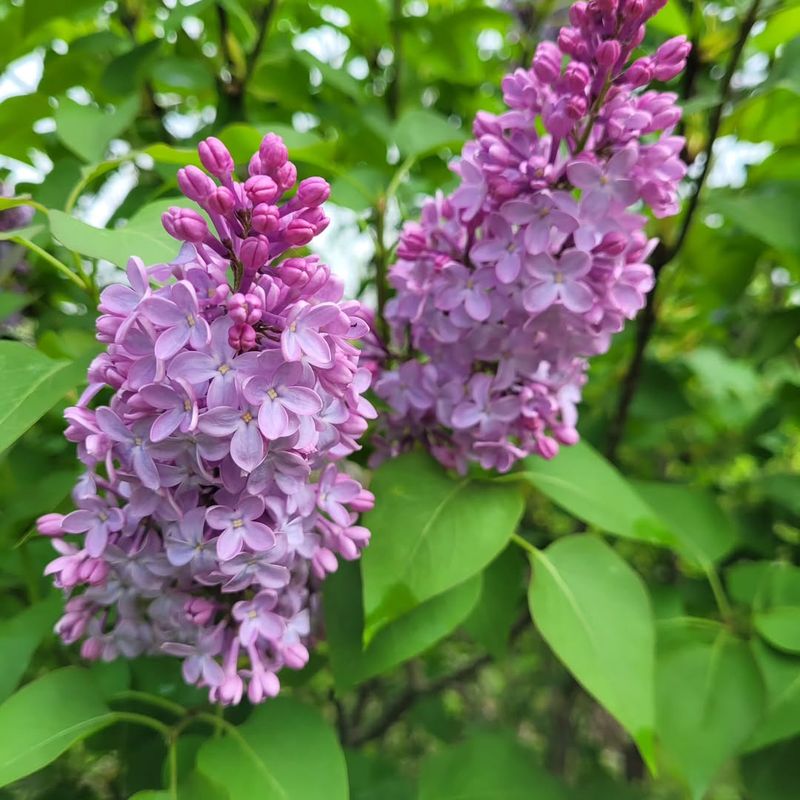
There is something undeniably nostalgic about lilacs. The fragrance alone is enough to stop you in your tracks.
But lilacs are not exactly native to Oregon, and they tend to struggle in the warmer, drier parts of the state. In places like the Willamette Valley, they can be hit or miss depending on the year’s weather pattern.
Lilacs need a certain amount of winter cold to bloom well, and Oregon’s mild coastal winters do not always deliver that. When they do not bloom, you are left with a large, unremarkable shrub that takes up a lot of space.
They also have limited wildlife value compared to native alternatives.
Serviceberry, known locally as Saskatoon, is a wonderful Oregon native that blooms with clouds of white flowers in early spring before the leaves even fully open. The flowers are followed by small berries that ripen from red to deep purple by early summer.
Birds absolutely love them, and they are edible for people too.
Serviceberry handles Oregon’s varied climates well, from the rainy coast to the drier high desert regions near Bend. The fall foliage turns brilliant shades of orange and red.
It grows as a large shrub or small tree, making it versatile for many garden sizes. Best of all, it thrives with almost no extra care once established.
8. Juniper
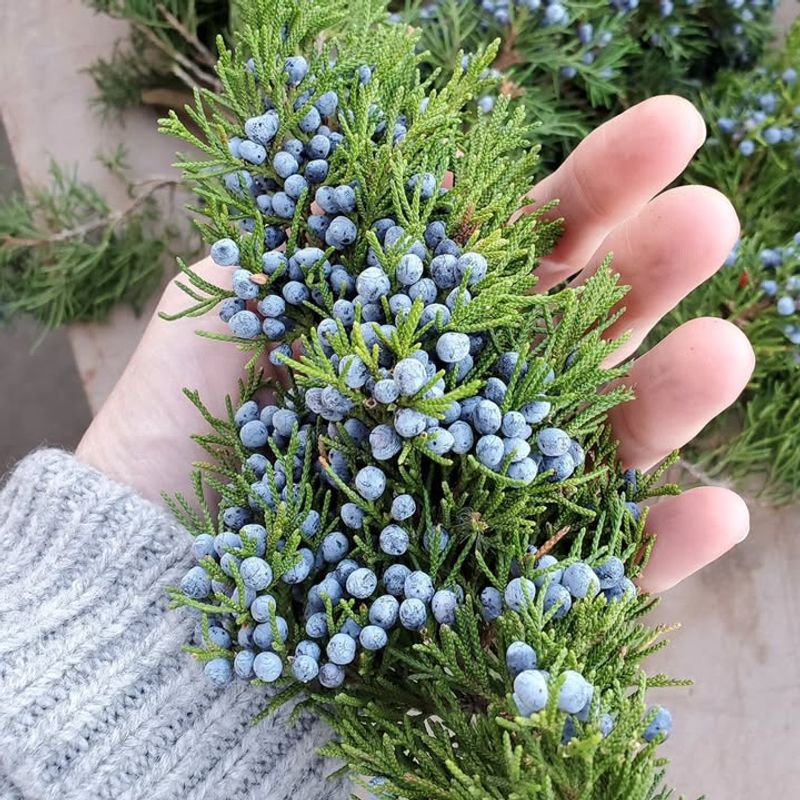
Junipers were once considered the ultimate low-maintenance landscaping shrub, and for a while, Oregon yards were full of them. The sprawling blue-green varieties became a symbol of 1970s and 1980s landscaping.
Today, many homeowners are ripping them out because they have become overgrown, harbor pests, and look dated.
Certain juniper varieties are also known to be highly flammable, which is a real concern in fire-prone areas of eastern and southern Oregon. They collect dead material inside their dense branches, and once a fire catches, they go up fast.
That is a safety issue that has made many Oregon fire departments nervous.
Manzanita is a stunning native alternative that is perfectly adapted to Oregon’s climate, especially in the drier regions of the state. The smooth, cinnamon-red bark is one of the most beautiful features of any shrub you can grow.
Small, urn-shaped flowers appear in late winter and attract early-season pollinators when little else is blooming.
Manzanita is incredibly drought-tolerant once established, making it ideal for water-wise landscapes in central and southern Oregon. It does not need pruning, fertilizing, or much attention at all.
Several native Oregon species are available at specialty nurseries, and each one brings unique character and texture to the garden. It is a true conversation-starter plant.
9. Barberry
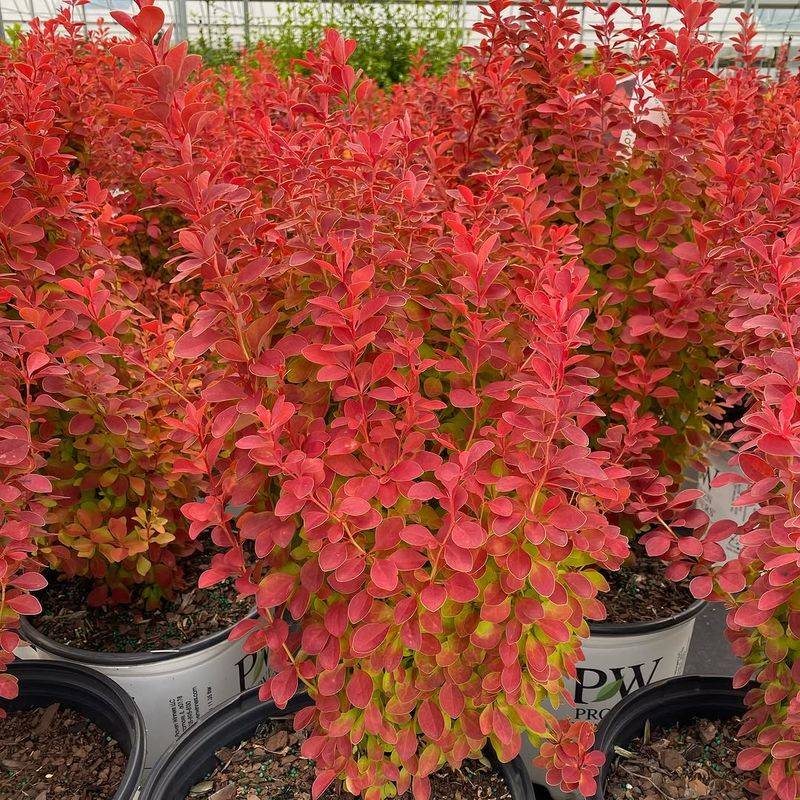
This has been a popular landscaping shrub across Oregon for years, mostly because of its colorful foliage and spiny branches that deter deer. The deep purple or red varieties look striking in the garden, and many homeowners love the low-maintenance reputation.
But barberry has a growing list of problems that are hard to ignore.
Research has shown that barberry thickets create ideal habitat for ticks, including species that carry Lyme disease. The dense, thorny branches protect ticks from predators and provide a moist microclimate they love.
Several states have already banned or restricted the sale of barberry, and Oregon gardeners are paying closer attention to this issue.
Oregon Grape is the perfect homegrown swap. It is literally named after Oregon and serves as the state flower.
The glossy, holly-like leaves stay green all year, and in early spring, the shrub bursts into clusters of bright yellow flowers that bees and other pollinators flock to eagerly.
After flowering, Oregon Grape produces clusters of small blue-purple berries that birds love and that can even be used to make jelly. It handles shade, drought, and poor soil without complaint.
It is one of the most versatile and ecologically valuable shrubs you can grow anywhere in Oregon. Replacing barberry with Oregon Grape is one of the best swaps a gardener can make.