The Most Photogenic Plants Adding Charm To Oregon Gardens
Oregon gardens have a way of stealing the spotlight, and the most photogenic plants take that charm to a whole new level.
These beauties shine from every angle, catching the light just right and turning simple corners into picture-perfect scenes.
Some dazzle with bold blooms, others glow with soft textures that play off the region’s misty mornings and golden afternoons.
Each plant adds its own spark, creating a garden that feels lively, inviting, and full of character.
With the right mix of color and form, an ordinary yard transforms into a space that begs to be admired again and again.
1. Rhododendron
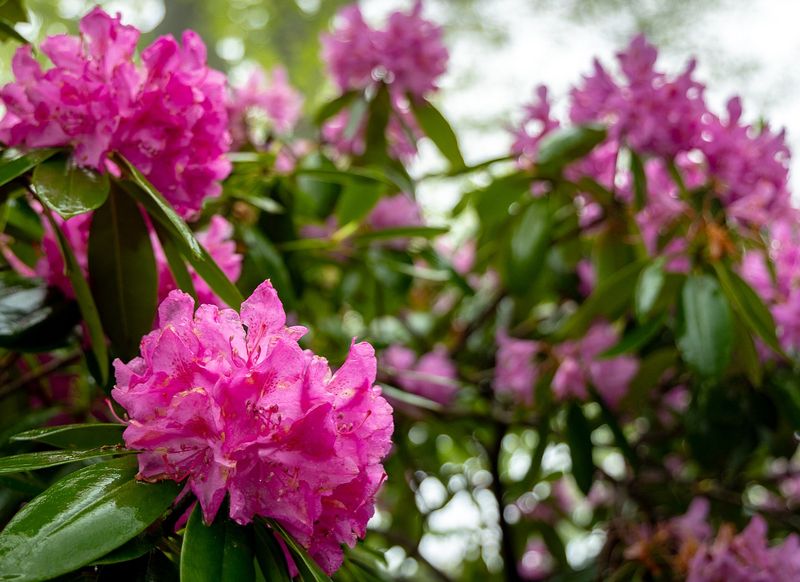
Oregon’s state flower deserves its honored position, offering spectacular spring displays that transform gardens into colorful wonderlands.
Rhododendrons produce massive clusters of trumpet-shaped flowers that practically demand to be photographed, with blooms ranging from pure white to deep purple and every shade of pink in between.
The glossy, evergreen foliage provides year-round structure and beauty, but when spring arrives and buds burst open, these shrubs become absolute photography gold.
Each flower cluster contains dozens of individual blooms that create impressive spheres of color, sometimes measuring six inches or more across.
The contrast between the vibrant flowers and dark green leaves makes for striking compositions that capture the essence of Pacific Northwest gardens.
These plants absolutely love Oregon’s acidic soil and appreciate the region’s natural rainfall patterns.
Gardens throughout the state, particularly in coastal areas and the Willamette Valley, showcase magnificent rhododendron specimens that have been growing for decades.
Many reach impressive sizes, becoming focal points that anchor entire garden designs.
Photographers appreciate how rhododendrons provide multiple opportunities for different shots, from close-ups showing individual flower details to wider views capturing entire shrubs covered in blooms.
Morning dew clinging to petals adds extra sparkle to photographs, while overcast days prevent harsh shadows and allow the true colors to shine through beautifully.
2. Bleeding Heart
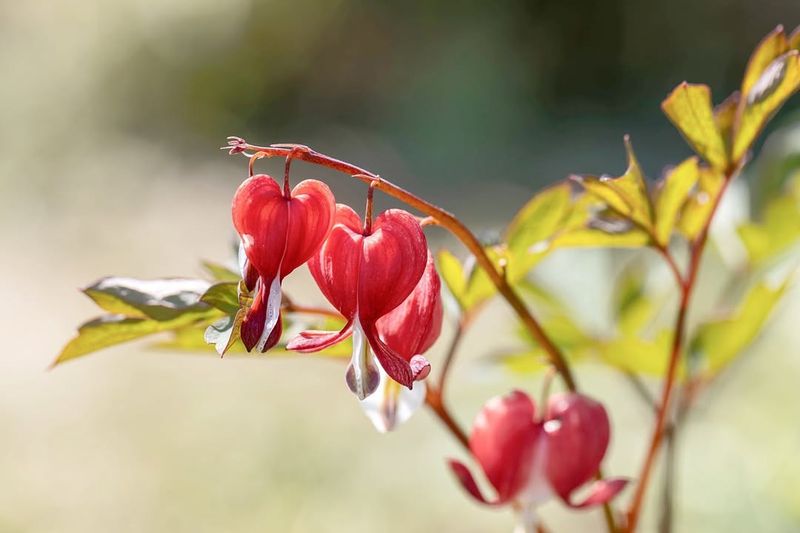
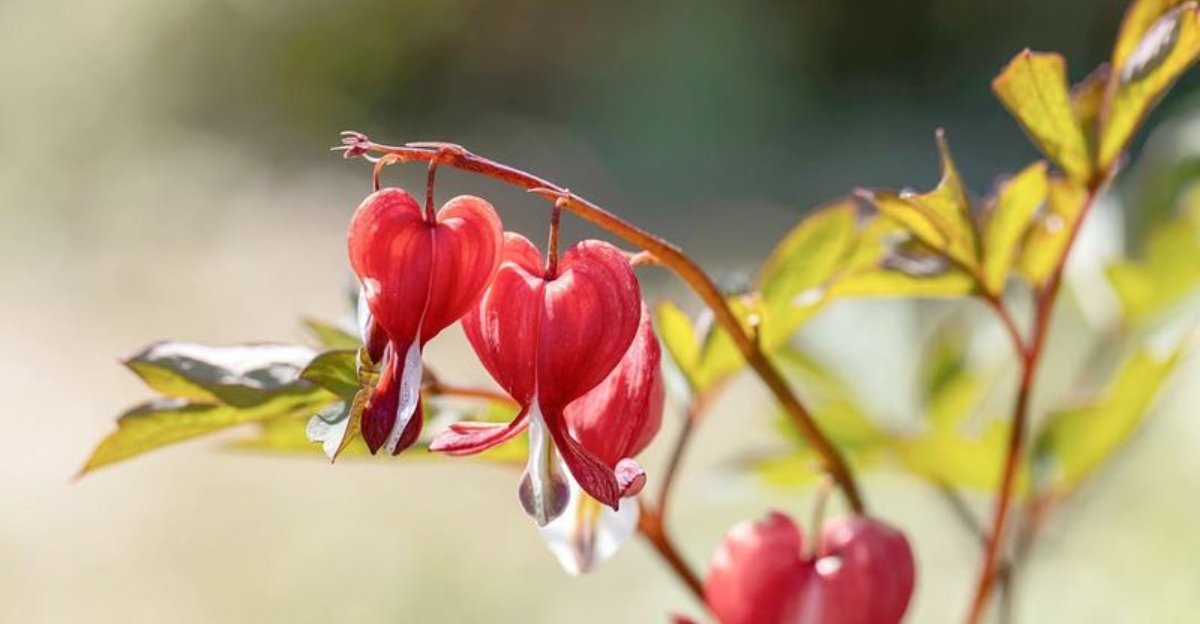
Romance lives in Oregon gardens wherever bleeding hearts grow, their distinctive heart-shaped flowers dangling like tiny lockets from gracefully arching stems.
Each bloom features an outer layer of pink or white petals that form a perfect heart shape, with inner petals creating what looks like a small drop beneath, giving this plant its evocative name.
Shade-loving and utterly charming, bleeding hearts thrive in the woodland conditions that Oregon gardens often provide naturally.
The delicate appearance of their flowers contrasts beautifully with their ferny, blue-green foliage, creating layered visual interest that photographs exceptionally well.
These plants bring an old-fashioned cottage garden feel to modern landscapes, evoking nostalgia and gentle beauty in every image.
Spring brings the main flowering period when stems become lined with rows of pendant blooms that sway gently in breezes.
Photographers love capturing these flowers backlit by filtered sunlight, which makes them appear almost translucent and ethereal.
The plants naturally grow in mounded forms that work beautifully in compositions, whether photographed individually or as part of larger garden scenes.
Oregon gardeners appreciate how bleeding hearts fill shady spots where many flowering plants struggle, bringing color and charm to areas beneath trees and along north-facing walls.
The plants go dormant in summer heat, but during their active season, they provide countless photographic opportunities that capture the gentle, romantic spirit of Pacific Northwest gardens.
3. Lavender
Fragrance and beauty combine perfectly in lavender, making it one of Oregon’s most beloved garden plants for both visual appeal and sensory delight.
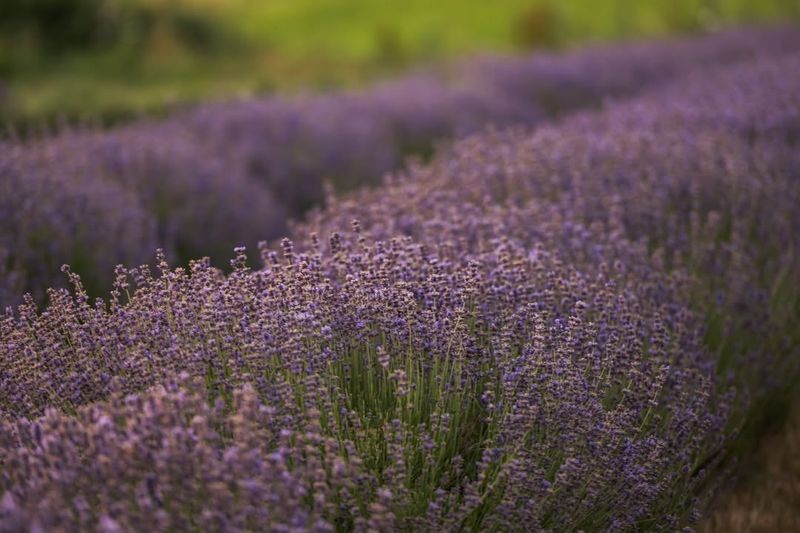
The purple-blue flower spikes rise above silvery-green foliage, creating stunning color combinations that photograph beautifully against Oregon’s often dramatic skies.
Sunny spots in Oregon gardens become purple paradises when lavender blooms from early summer through fall.
The individual flowers cluster densely along tall spikes, creating vertical elements that add height and structure to garden compositions.
Bees and butterflies flock to lavender, providing photographers with wonderful opportunities to capture pollinators in action, adding life and movement to garden photographs.
Eastern Oregon’s drier climate proves particularly suitable for lavender cultivation, though gardeners throughout the state achieve success by providing well-drained soil and sunny locations.
The silvery foliage looks attractive even when plants aren’t blooming, offering year-round photographic interest.
Mass plantings create dramatic effects, with rows of purple creating waves of color that rival any famous lavender field.
The texture of lavender adds another dimension to photographs, with the soft, fuzzy flower spikes contrasting against the linear foliage.
Morning and evening light make lavender glow, while overcast days bring out the true depth of the purple hues.
Whether captured close-up to show individual flower details or photographed from a distance to showcase massed plantings, lavender consistently delivers photogenic results that embody the beauty of Oregon gardens.
4. Hydrangea
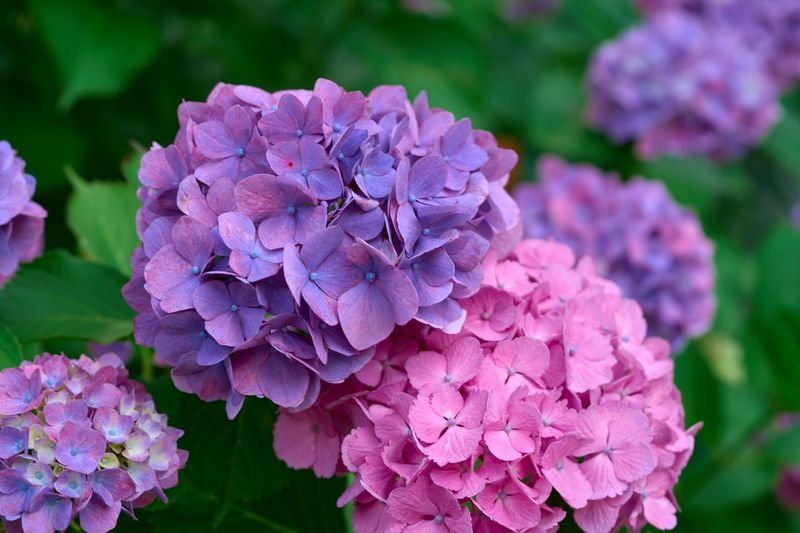
Few plants offer the sheer flower power that hydrangeas deliver, with blooms so large and abundant they sometimes seem almost unreal.
These spectacular shrubs produce flower heads that can reach the size of dinner plates, creating bold statements in Oregon gardens that photograph with impressive impact.
The color-changing abilities of some hydrangea varieties add an extra element of fascination, with blooms shifting from pink to blue depending on soil acidity.
Oregon’s naturally acidic soil often produces beautiful blue hydrangeas, though gardeners can adjust pH levels to achieve their desired colors.
White varieties offer classic elegance, while newer cultivars provide shades of lime green, deep purple, and even bicolor combinations.
Portland and other Oregon cities with moderate climates see hydrangeas performing exceptionally well, producing abundant blooms from summer into fall.
The large, rounded flower clusters photograph beautifully from any angle, offering photographers easy subjects that consistently deliver stunning results.
Even as flowers age and dry on the plant, they maintain visual interest, developing antique tones that look beautiful in photographs.
The lush foliage of hydrangeas provides excellent backdrops for their showy flowers, creating complete compositions within single plants.
Morning light catching dew on petals creates sparkling effects, while soft afternoon light brings out subtle color variations within individual flower heads.
Whether you photograph a single spectacular bloom or capture an entire shrub covered in flowers, hydrangeas bring undeniable charm to Oregon garden photography.
5. Hellebore
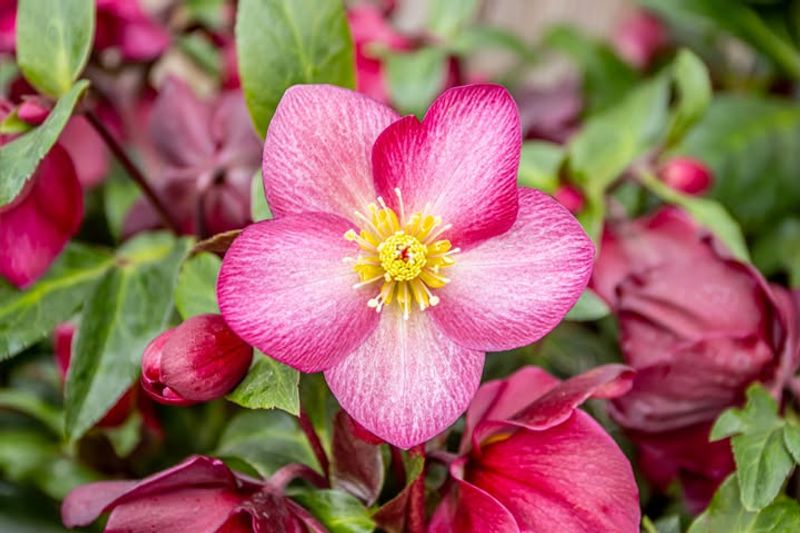
When most plants still sleep through winter, hellebores brave Oregon’s coldest months to produce flowers of remarkable beauty and resilience.
Often called Christmas roses or Lenten roses depending on their blooming time, these evergreen perennials bring much-needed color to gardens during the darkest season, making them precious subjects for photographers seeking winter beauty.
The nodding flowers come in an incredible range of colors, from pure white and soft pink to deep purple, burgundy, and even near-black shades.
Many varieties feature speckled or picotee patterns that add extra visual interest when captured in close-up photographs.
The prominent central stamens create beautiful focal points, and the way flowers hang downward gives photographers the perfect excuse to get low and shoot upward, creating unique perspectives.
Oregon’s mild winters suit hellebores perfectly, allowing them to bloom reliably when little else offers flowers.
The evergreen foliage remains attractive year-round, with deeply divided leaves that add texture to garden beds.
These plants thrive in the partially shaded conditions common in Pacific Northwest gardens, making them ideal for woodland settings and shady borders.
Photographers appreciate how hellebores provide early-season opportunities when most gardens look dormant.
The flowers hold up remarkably well in Oregon’s winter rain, and capturing water droplets clinging to petals adds extra magic to images.
Whether photographed individually to showcase their delicate beauty or grouped to show their impact in garden settings, hellebores prove that Oregon gardens offer photogenic treasures even in winter.
6. Astilbe
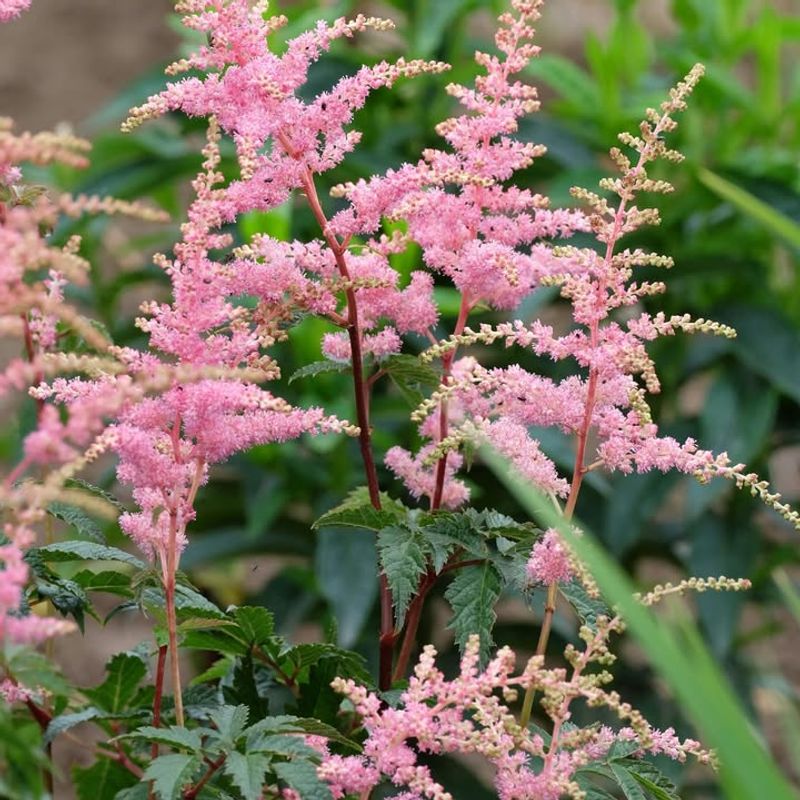
Feathery plumes of color rise like colorful smoke above lush foliage when astilbes bloom, creating ethereal beauty in Oregon’s shadier garden spaces.
The fluffy flower spikes come in shades of white, pink, red, and lavender, bringing soft texture and gentle color to areas where many flowering plants refuse to perform.
Shade gardens across Oregon benefit enormously from astilbes, which thrive in the moist, cool conditions that the region naturally provides.
The fern-like foliage looks attractive throughout the growing season, but when summer brings the flowering period, these plants transform into fountains of feathery blooms that photograph with dreamy, romantic appeal.
The individual tiny flowers cluster densely along tall spikes, creating texture that adds depth and interest to garden photographs.
Gardeners in the Willamette Valley and coastal regions find astilbes particularly rewarding, as these areas provide the consistent moisture these plants appreciate.
Mass plantings create impressive displays, with multiple colors blooming together to produce tapestries of soft hues.
The way plumes catch light creates beautiful photographic opportunities, especially when backlit or photographed in morning or evening golden hours.
The extended blooming period means photographers have weeks to capture astilbes at their peak, and even after flowers fade, the seed heads maintain visual interest.
These plants bring cottage garden charm to Oregon landscapes while solving the common challenge of finding attractive flowering options for shady spots.
Their reliable performance and photogenic qualities make them essential additions to any garden designed with photography in mind.
7. Coral Bells
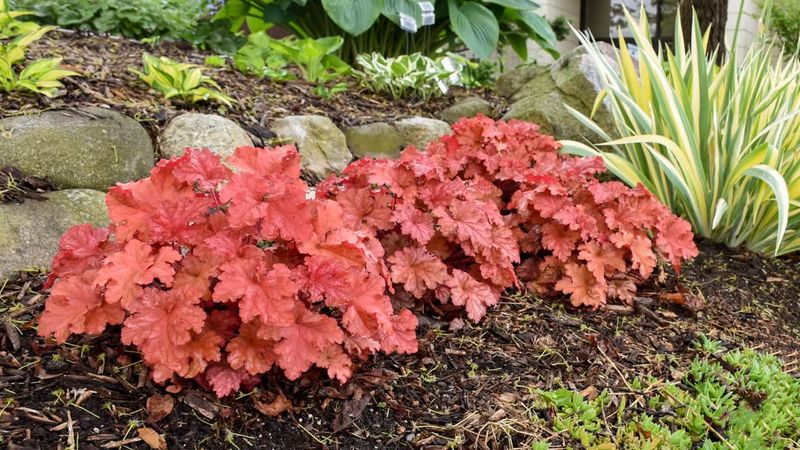
Foliage takes center stage with coral bells, plants that prove leaves can be just as photogenic as flowers.
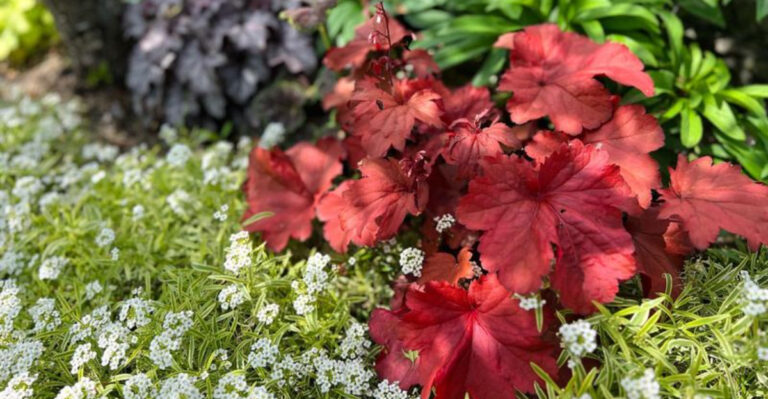
Also known as heuchera, these versatile perennials offer an incredible array of leaf colors and patterns, from deep purple and burgundy to bright lime green, silver, and multicolored combinations that seem almost too vibrant to be real.
Oregon gardeners treasure coral bells for their year-round foliage interest and adaptability to various growing conditions throughout the state.
The leaves form attractive mounds that work beautifully in garden compositions, whether planted as edging, grouped in masses, or tucked into mixed borders.
Delicate flower stems rise above the foliage in late spring and early summer, bearing tiny bell-shaped blooms that attract hummingbirds and add vertical interest to photographs.
The incredible variety of foliage colors means photographers can find coral bells to complement any color scheme or create striking contrasts in garden images.
Purple-leaved varieties look stunning against lime green companions, while silver-leaved types brighten shady corners.
Many varieties feature leaves with multiple colors or patterns, including veining, marbling, and ruffled edges that photograph beautifully in close-up shots.
These plants perform well throughout Oregon, adapting to both sun and shade depending on the variety selected.
The foliage holds its color and appeal from spring through fall, providing consistent photographic opportunities across seasons.
Rain droplets bead up beautifully on the leaves, adding sparkle to photographs taken after Oregon’s frequent showers.
Coral bells prove that sometimes the most photogenic garden elements aren’t flowers at all.
8. Clematis
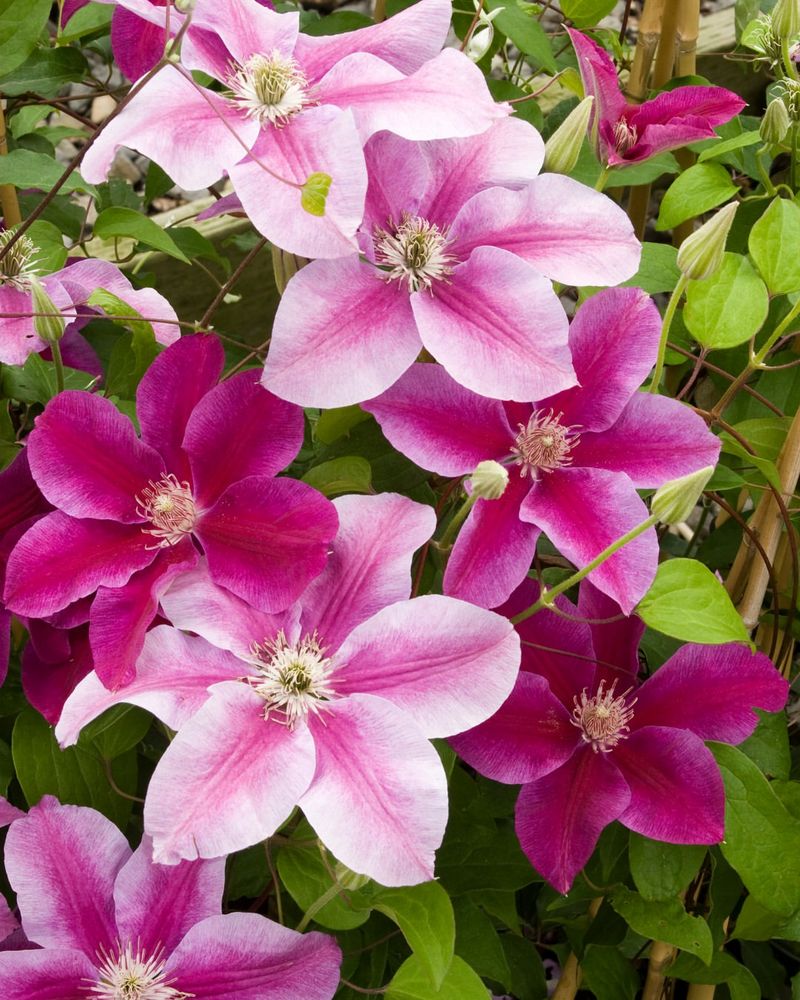
Climbing vines reach for the sky in Oregon gardens, and few do it with more floral flair than clematis.
These spectacular climbers produce flowers ranging from delicate two-inch blooms to dinner-plate-sized showstoppers, in colors spanning white, pink, purple, blue, and red, making them incredibly versatile subjects for garden photography.
The star-shaped flowers feature prominent centers filled with contrasting stamens that create beautiful focal points in photographs.
Many varieties bloom repeatedly throughout the growing season, providing extended opportunities to capture their beauty.
Some clematis types produce small, nodding bell-shaped flowers that offer a different but equally charming aesthetic, proving this genus provides diverse photographic possibilities.
Oregon’s climate suits clematis cultivation perfectly when gardeners follow the old advice about keeping roots cool and tops in sun.
These vines transform vertical spaces, covering arbors, trellises, and fences with flowers that photograph beautifully against architectural elements.
Gardens throughout the state, from Portland to Bend, showcase magnificent clematis specimens that become focal points during blooming periods.
Photographers love how clematis flowers present themselves perfectly for portraits, with blooms often facing outward for easy capture.
The way vines weave through supports creates natural compositions, and capturing flowers at various heights adds depth to garden photographs.
Whether you photograph a single perfect bloom showing intricate details or step back to capture an entire vine covered in flowers, clematis consistently delivers photogenic results that showcase the vertical beauty possible in Oregon gardens.
9. Crocosmia
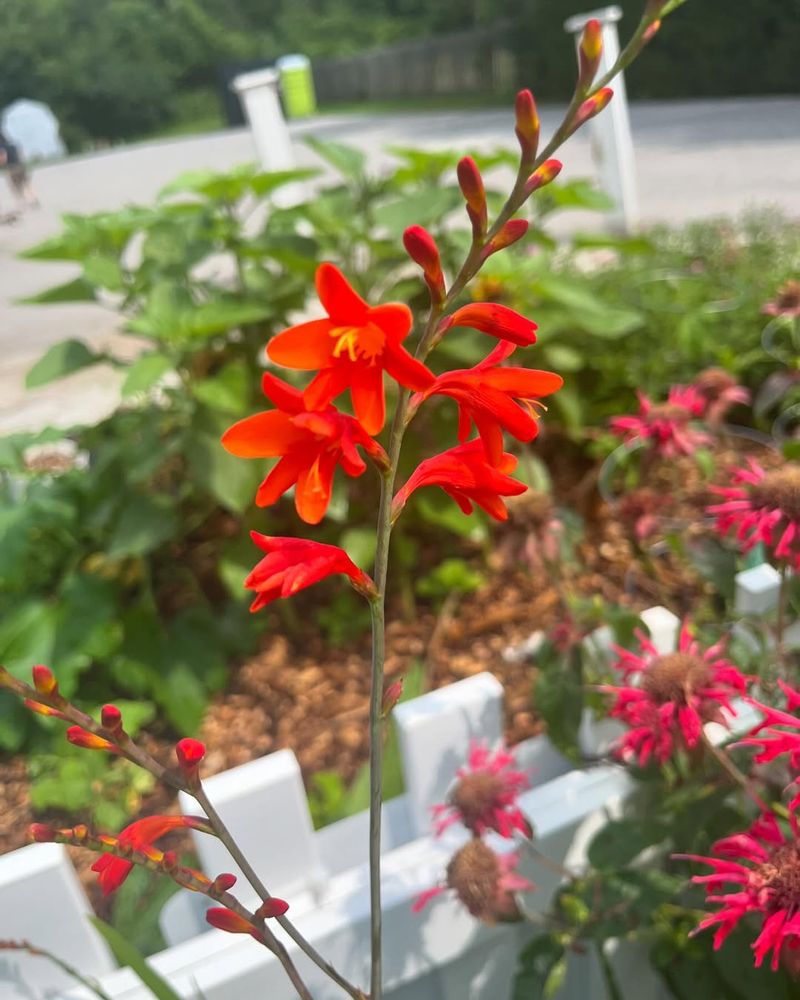
Fiery colors explode across Oregon gardens when crocosmia bursts into bloom, sending up arching stems topped with vibrant orange, red, or yellow flowers that seem to dance above sword-like foliage.
Also called montbretia, these bold perennials bring tropical flair to Pacific Northwest landscapes, creating dramatic focal points that photograph with intense visual impact.
The tubular flowers open progressively along one side of arching stems, creating graceful sprays that photograph beautifully from multiple angles.
Each stem produces dozens of blooms that attract hummingbirds, adding movement and life to garden photographs.
The hot colors stand out brilliantly against Oregon’s often lush green backgrounds, creating the kind of bold contrast that makes images pop.
These tough, reliable plants thrive throughout Oregon, spreading gradually to form impressive clumps that deliver bigger displays each year.
The foliage emerges in spring, creating attractive fans of blade-like leaves before flower stems shoot up in mid to late summer.
This timing means crocosmia provides color when many spring bloomers have finished, extending the photogenic season in Oregon gardens.
Photographers appreciate how crocosmia’s arching form creates natural curves and lines that add compositional interest to images.
The flowers photograph beautifully whether captured as close-ups showing individual bloom details or as wider shots showcasing entire clumps in full flower.
Morning and evening light make the warm colors absolutely glow, while even overcast days bring out the rich, saturated hues that make crocosmia one of the most photogenic late-season performers in Oregon gardens.