The Most Underrated Native Ohio Tree For Yellow Fall Color
Every fall, the same trees get all the attention. Maples get the glory, oaks get the praise, and everyone’s camera roll fills up with the same red and bronze shots.
Meanwhile, one quietly incredible native tree is standing right there in the shady corners of the woods, turning the most beautiful buttery gold you have ever seen, and almost nobody is paying attention. Rude, honestly.
What makes this tree even more remarkable is that it also produces fruit that tastes like someone mixed a banana with a mango and hid it in the forest. It is strange, delicious, and completely real.
The pawpaw is one of Ohio’s best kept secrets and it is long overdue for its moment in the spotlight. Let’s fix that right now.
1. Meet The Pawpaw, Ohio’s Hidden Golden Gem
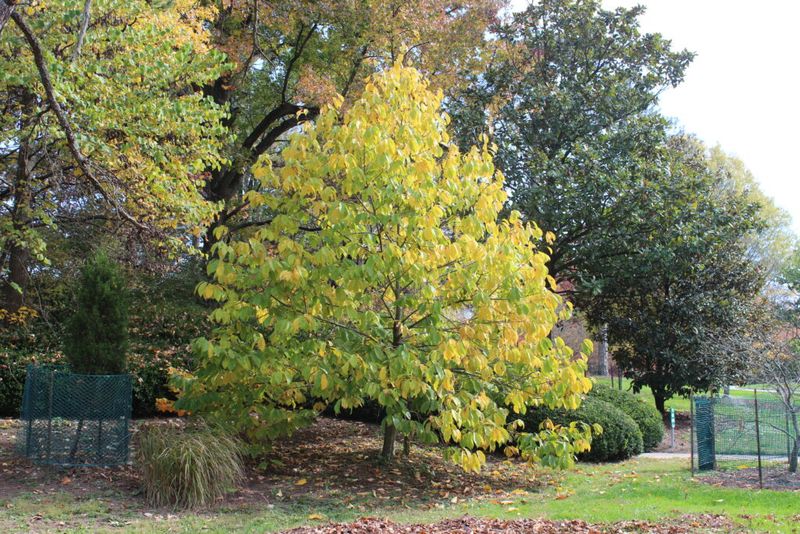
Some trees shout for attention, but the pawpaw prefers to whisper. Known to scientists as Asimina triloba, it is a small native tree found acrossthe state.
Most pawpaws grow about 15 to 25 feet tall. They often form little groves called patches, because new shoots pop up from the roots.
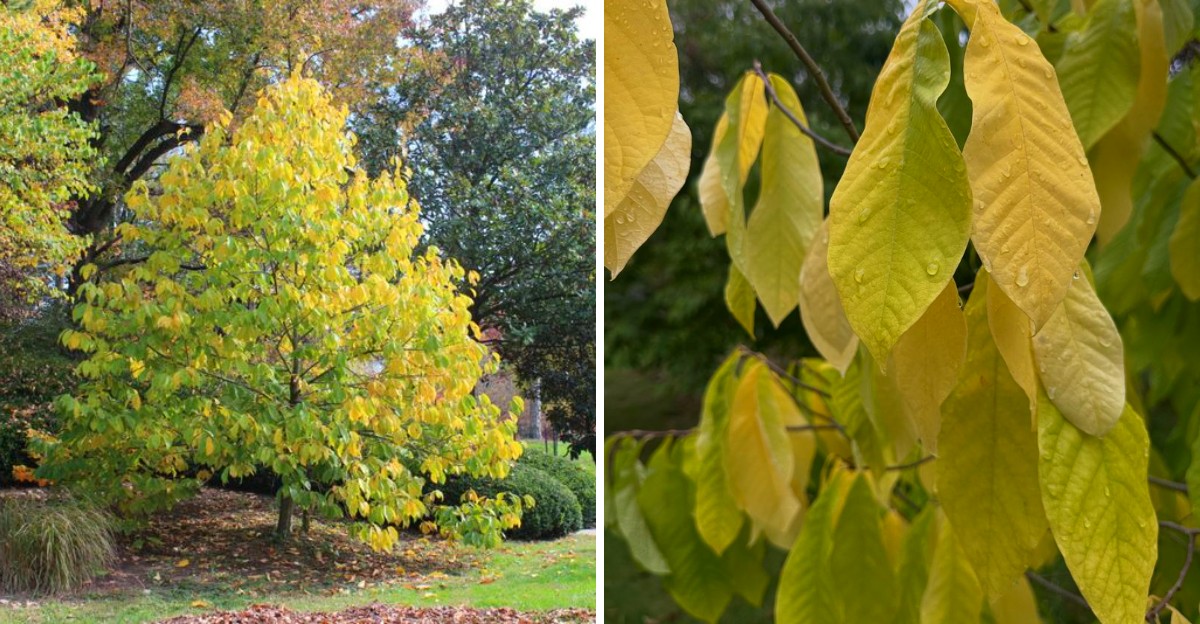
In fall, the leaves shift from deep green to a rich, buttery yellow. The color can look like lamplight glowing under the taller trees around it.
Here is a fun fact for your next trivia night. The pawpaw produces the largest edible fruit native to North America.
Its fruit tastes like a mix of banana, mango, and custard. Many people call it the Ohio banana because of that tropical flavor.
So why do so few folks know about it? Pawpaws tend to hide in shady creek bottoms, far from busy roads and parking lots.
Their fruit also bruises easily and spoils fast. Because of that, you rarely see pawpaws sold in big grocery stores.
That hidden lifestyle keeps the tree off most planting lists. Still, gardeners who discover it often become loyal fans for life.
If you want something different from the usual maple or pear, give the pawpaw a look. It offers color, flavor, and a great story all in one tree.
Once you spot your first golden pawpaw patch, you will start noticing them everywhere on your hikes.
2. Why Pawpaw Leaves Glow So Bright In Fall
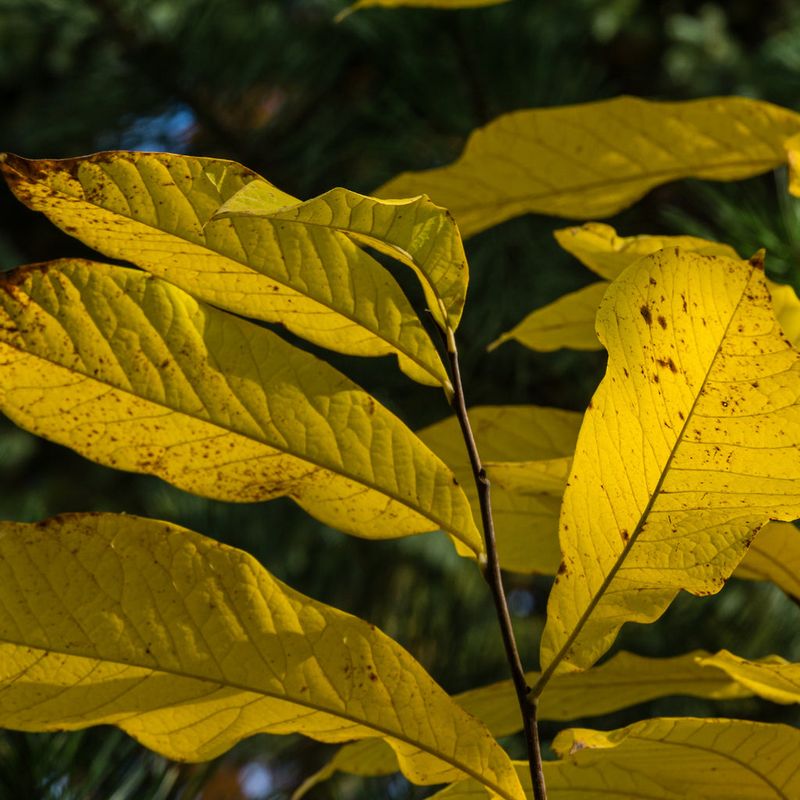
Hold a pawpaw leaf up to the sun in October, and it almost seems to light up. That glow comes from the leaf’s size and its thin, smooth surface.
Pawpaw leaves can grow up to 12 inches long. They hang down in a droopy way, a bit like tropical plants you might see in a greenhouse.
As days get shorter, the tree stops making green chlorophyll. Once the green fades, yellow pigments called carotenoids finally get their moment.
Those pigments were hiding in the leaf all summer long. Fall simply pulls back the curtain so you can see them.
Weather in Ohio plays a big part in how bright the show gets. Sunny days and cool, crisp nights usually bring the boldest gold.
Your Ohio Garden Changes Every Week. Your Plan Should Too.
Gardening in Ohio changes quickly throughout the season. Every Friday you’ll receive a simple weekly plan showing exactly what to plant, prune, fertilize, harvest, and protect so you never miss the right timing.
A very wet or very warm fall can make the color softer. Even then, pawpaws often hold their yellow better than many other trees.
Here is a helpful tip for photographers. Shoot pawpaw leaves in the late afternoon when sunlight comes in low and from the side.
The light shines right through the leaves and makes them glow. Your photos will look like they were taken inside a jar of honey.
Try placing a pawpaw where the setting sun can hit it. You will get a free golden lantern show every autumn evening.
It is one of the easiest ways to add drama to a yard without much effort.
3. Where Pawpaws Grow Wild Across Ohio
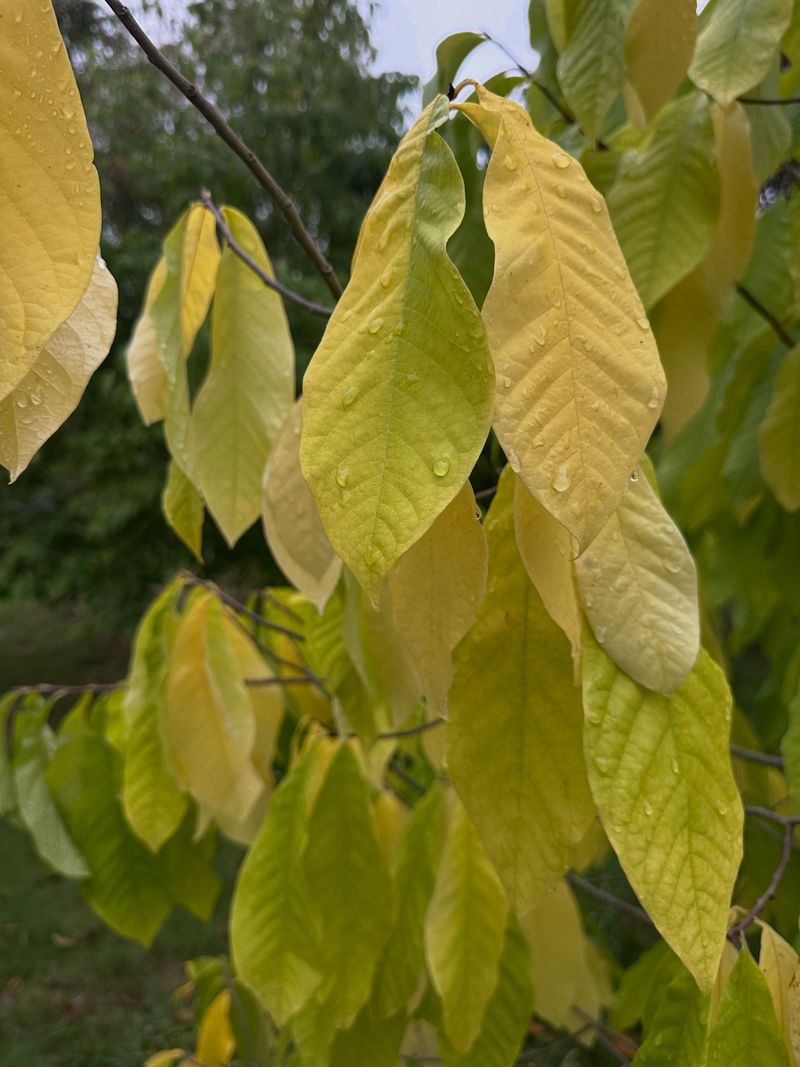
Ask an old-timer from the southern hills where to find pawpaws, and they might just smile and point toward the creek. These trees love rich, moist soil near streams and rivers.
You can find wild pawpaws in nearly every county in Ohio. They are most common in the southern and central parts of the state.
Look along river valleys like the Hocking, Scioto, and Muskingum. Floodplain forests there often hold large, thick patches.
Pawpaws usually grow beneath taller trees like sycamores, beeches, and maples. They are happy living in the shade as young plants.
When hiking, scan for leaves that look oversized and tropical. Pawpaw patches often look like a little jungle growing under the forest roof.
Fall is actually the easiest time to spot them. Their bright yellow leaves stand out clearly against brown and green surroundings.
State parks and nature preserves are great places to start searching. Just remember that picking plants or fruit in protected areas may not be allowed.
Always check the rules before you gather anything. Many parks are happy to let you look and take pictures instead.
Bring a notebook and mark where you find good patches. Next year you can return in September for fruit and October for color.
It turns a simple walk into a fun treasure hunt for the whole family.
4. Planting A Pawpaw In Your Yard
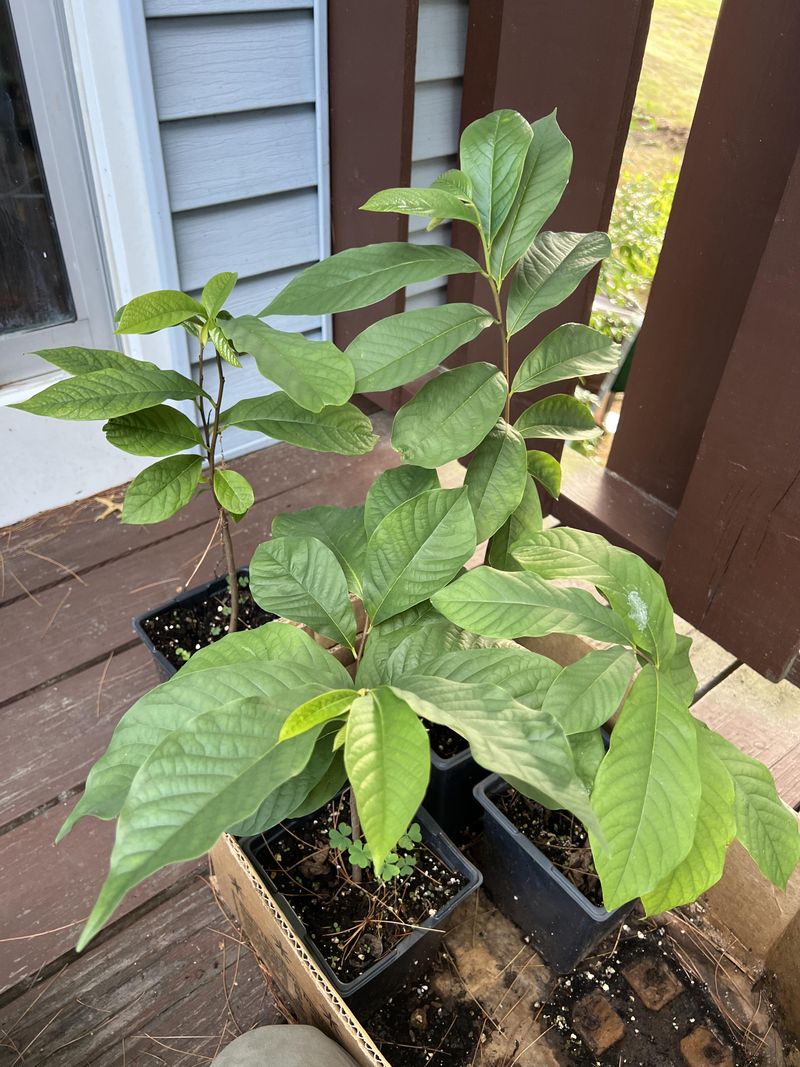
Good news for busy gardeners: pawpaws are not fussy about much. With a smart start, they can thrive in most Ohio backyards.
Pick a spot with rich soil that drains well. Pawpaws enjoy moisture, but they do not like sitting in soggy puddles.
Young trees prefer some shade for their first year or two. Strong afternoon sun can scorch tender leaves on baby pawpaws.
Older trees, on the other hand, love sunshine. More sun means more fruit and brighter yellow color in fall.
A clever trick is to plant on the east side of a building. The tree gets soft morning light and some protection from harsh afternoon rays.
You can also add a simple shade cloth for the first summer. Remove it once the tree looks sturdy and healthy.
Pawpaws grow a long taproot, so they dislike being moved. Buy small potted trees instead of bare-root ones whenever you can.
Dig a hole twice as wide as the pot. Fill around the roots gently and water deeply right away.
Spread a layer of mulch around the base to hold moisture. Keep the mulch a few inches away from the trunk itself.
Be patient, because pawpaws can grow slowly at first. After a few seasons, they usually take off with surprising speed.
5. Tasting The Tropical Fruit Of Ohio
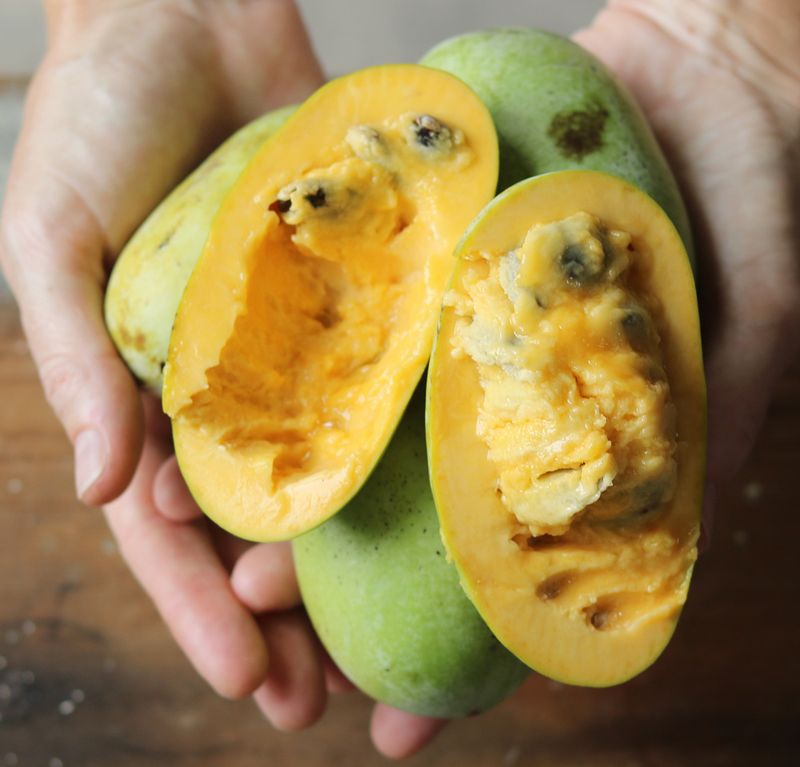
One bite of a ripe pawpaw, and you might think someone snuck a mango into the woods. The flesh is soft, creamy, and sweet like custard.
Pawpaw fruit ripens in late summer to early fall. In Ohio, that generally means somewhere in the September through early October window, though timing can shift depending on the variety, the specific location within the state, and how the season played out weather-wise.
Southern Ohio tends to see fruit ripen earlier, while northern areas may run a week or two later.
Ripe fruit feels soft, like a ripe peach. It often smells fruity and sweet, which is your best clue.
To eat one, simply cut it in half. Scoop out the yellow flesh with a spoon and set the seeds aside.
Avoid eating the seeds or skin. Pawpaw seeds contain natural compounds called acetogenins that can cause significant digestive distress and potentially stronger reactions in some people.
The creamy center is the part you want, and it is absolutely worth the effort of avoiding everything else.
Pawpaws do not last long after picking. They usually stay fresh for only two or three days at room temperature.
You can keep them in the fridge for about a week. For longer storage, freeze the scooped pulp in small bags.
Frozen pulp works great in smoothies, ice cream, and quick breads. Some bakers swap it in for bananas in their favorite recipes.
Here is a sweet bit of history. The town of Albany hosts a yearly Ohio Pawpaw Festival that celebrates this fruit each September.
Visitors can sample pawpaw beer, pies, and even contests for the biggest fruit. It is a tasty way to learn more.
6. Butterflies Love Pawpaw Patches
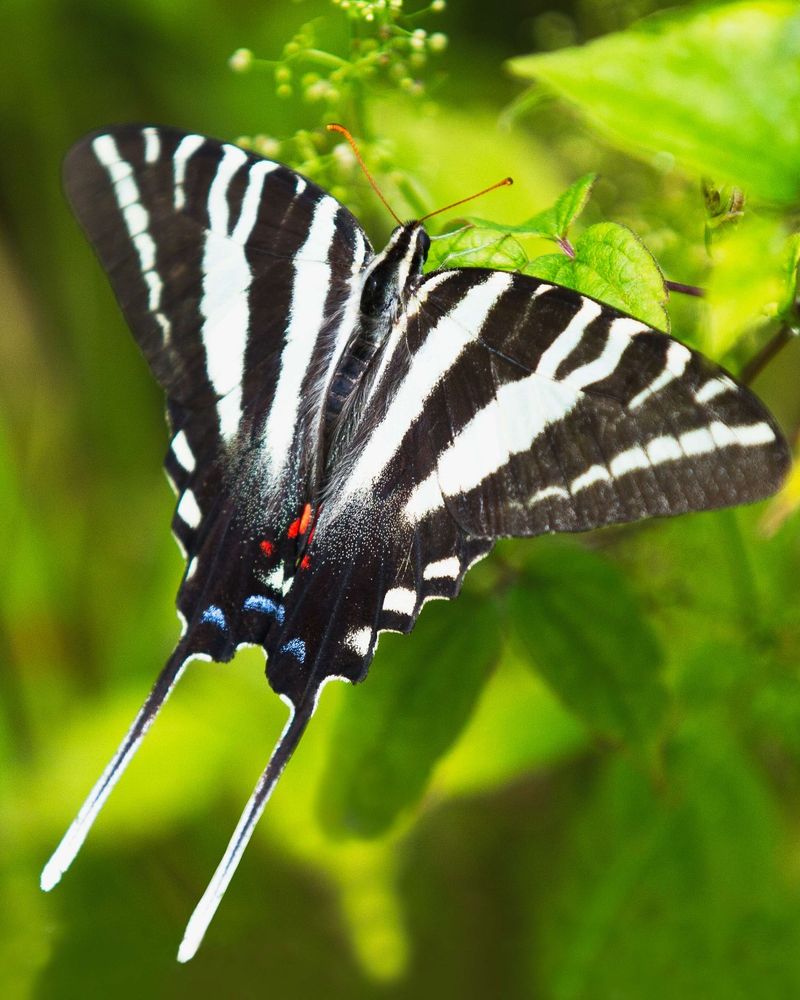
Flutter, flutter, swoop. If you see a striped butterfly near a pawpaw, you just met one of its best friends.
The zebra swallowtail butterfly depends on pawpaw leaves. Its caterpillars feed on pawpaw and its close relatives in the Annonaceae family, making pawpaw an essential host plant for this beautiful species.
Without pawpaws, these lovely butterflies could not raise their young. Planting one tree can help them thrive right in Ohio neighborhoods.
Zebra swallowtails have black and white stripes with long tails. Small red and blue spots near the tail make them extra pretty.
Do not panic if you notice a few chewed leaves. A handful of hungry caterpillars will not harm a healthy pawpaw.
Skip spraying chemicals on your tree. Those sprays can hurt the very butterflies you hope to attract.
Pawpaw flowers also have a funny secret. They smell a little like rotting fruit, which attracts flies and beetles instead of bees.
Some gardeners even hang fruit scraps nearby to bring in more pollinators. It sounds silly, but it can help fruit set.
Wildlife enjoys the fruit as well. Raccoons, opossums, foxes, and squirrels often race you to the ripe ones.
A pawpaw patch becomes a busy little wildlife hub. Your yard will feel more alive from spring through fall.
7. Pairing Pawpaws With Other Natives
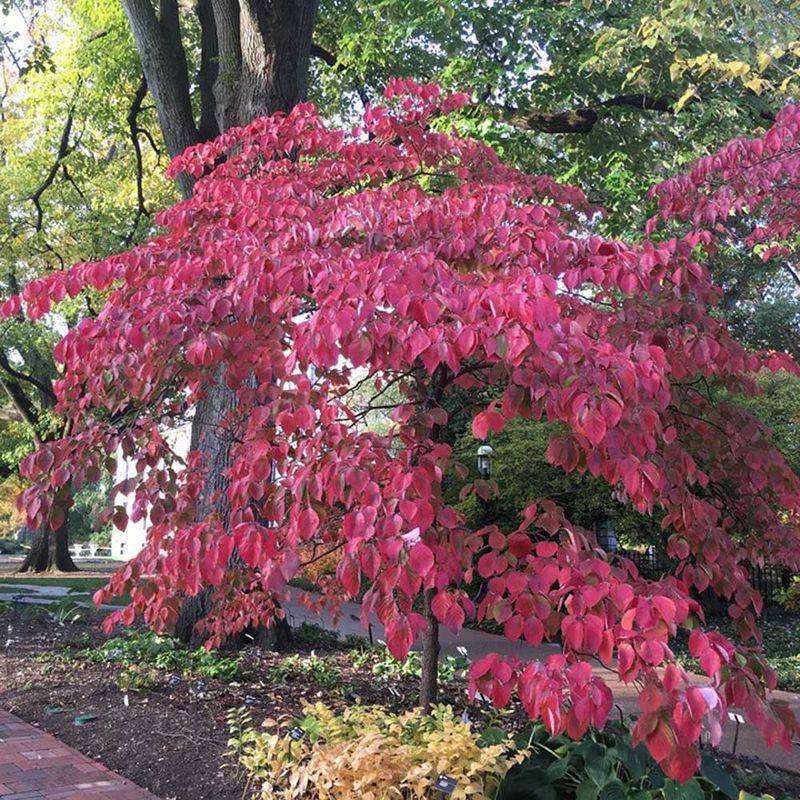
A single pawpaw is lovely, but a well-planned group feels like a painting. Mixing it with other natives makes your fall colors pop.
Try planting red flowering dogwood nearby. Its scarlet leaves look amazing beside the pawpaw’s golden yellow.
Spicebush is another smart partner. It grows in similar shady spots and turns a bright yellow of its own.
For a splash of purple, add native asters at ground level. Their late blooms make the yellow leaves above seem even brighter.
Tall trees like sugar maple or black gum can frame the scene. Their orange and red tones finish the classic Ohio autumn palette.
Think in layers when you design. Put tall trees in back, pawpaws in the middle, and flowers or ferns up front.
Wild ginger and Christmas fern make great ground covers under pawpaws. They handle shade well and keep the soil covered.
This layered style copies how real forests grow. It also gives birds and insects more places to hide and feed.
Native plants usually need less water once established. They are also adapted to local weather, so they tend to handle surprises better.
Start small with three or four plants. You can add more each season as your budget and confidence grow.
8. Caring For Pawpaws Through Seasons
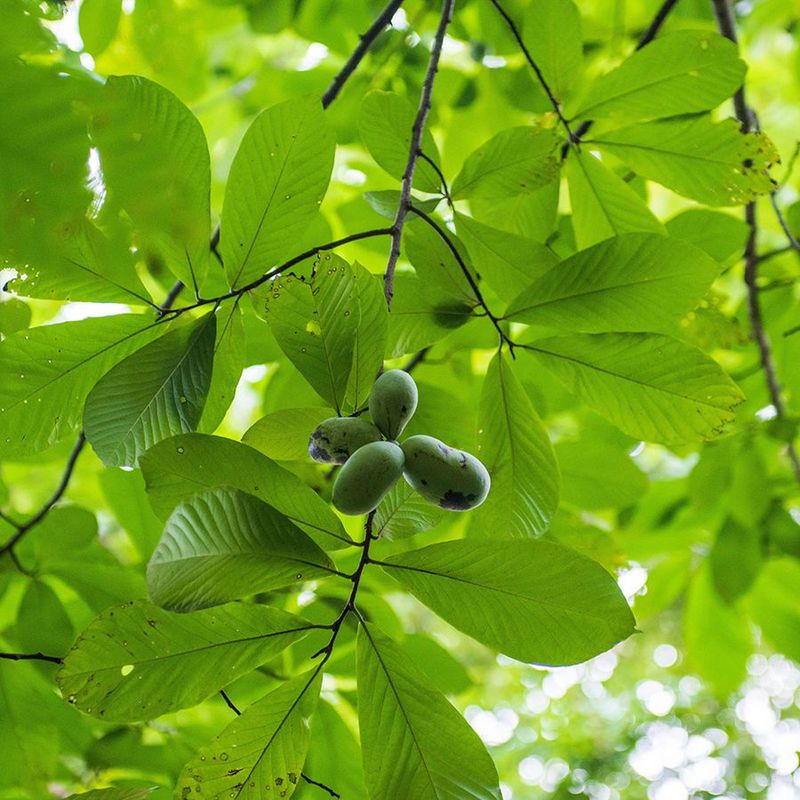
Low drama, big rewards. That is the easiest way to describe caring for a pawpaw once it settles in.
In spring, watch for small maroon flowers before the leaves fully open. They are easy to miss, so take a close look.
Water young trees once a week during dry spells. A slow, deep soak is better than a quick sprinkle.
Summer is when fruit starts to swell. Keep the mulch layer fresh to help hold moisture in the soil.
Pawpaws rarely need much fertilizer. A thin layer of compost each spring is usually plenty.
Fall brings the golden leaf show. Let some leaves stay on the ground, since they feed the soil as they break down.
Winter in Ohio is not a problem for this tough tree. Pawpaws handle cold temperatures well and usually need no wrapping.
Prune lightly in late winter if needed. Remove broken or crossing branches to keep the tree tidy.
Root suckers may pop up around the base. Clip them if you want one tree, or let them grow if you want a patch.
Pests and diseases seldom bother pawpaws much. Deer usually leave the leaves alone too, which is a big bonus for many gardeners.
9. Buying The Best Pawpaw Varieties
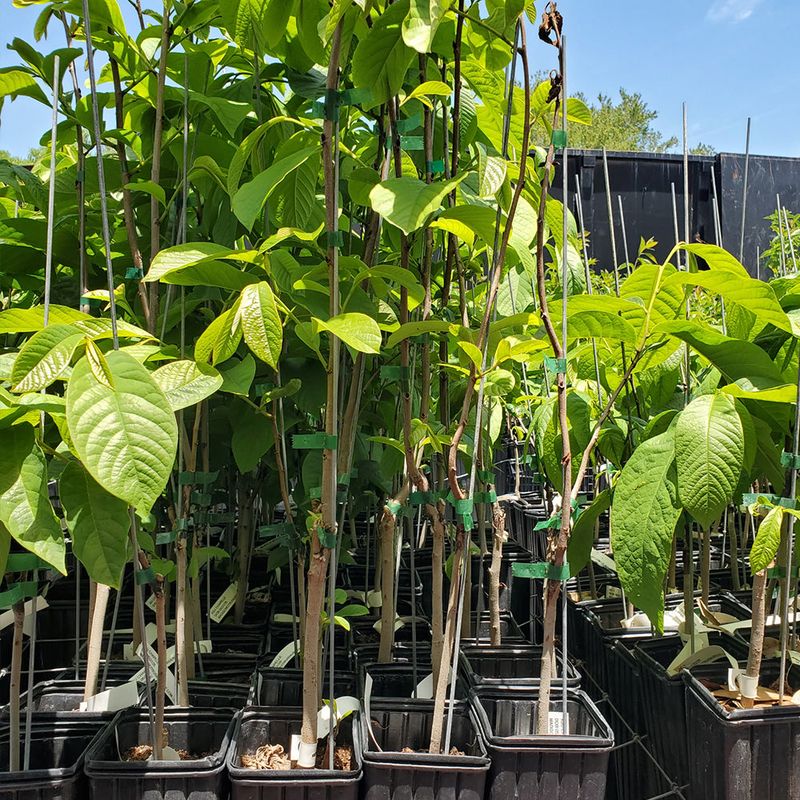
Shopping for a pawpaw feels a bit like picking ice cream flavors. There are wild types and named varieties bred for better fruit.
Here is one of the most useful tips to keep in mind. Pawpaws generally produce better fruit with a pollination partner, so planting at least two different unrelated varieties close together is strongly recommended.
Most named pawpaw varieties do not pollinate themselves reliably on their own. While some seedling trees can produce limited fruit without a partner, cross-pollination between two unrelated trees consistently delivers a much better harvest.
Two different varieties growing within range of each other give you the best chance of a reliable crop each season.
Popular named types include Sunflower, Shenandoah, and Susquehanna. Many of these grow well in Ohio gardens.
Some varieties were developed with help from researchers at Kentucky State University. They focused on bigger fruit with fewer seeds.
If fall color matters most to you, any healthy pawpaw will do. Wild seedlings often turn just as golden as fancy types.
Look for local native plant nurseries first. Their trees are often grown nearby and adapted to regional weather.
Spring plant sales from parks and conservation groups are another great choice. Prices are often lower, and the staff love sharing advice.
Choose trees grown in deep pots to protect the taproot. Avoid plants with circling roots or yellowing leaves in summer.
Plant your pair about 15 feet apart. In a few years, you will enjoy fruit, butterflies, and a glowing yellow fall show.