The Most Visited Botanical Gardens In Massachusetts Confirmed By Google Maps Activity
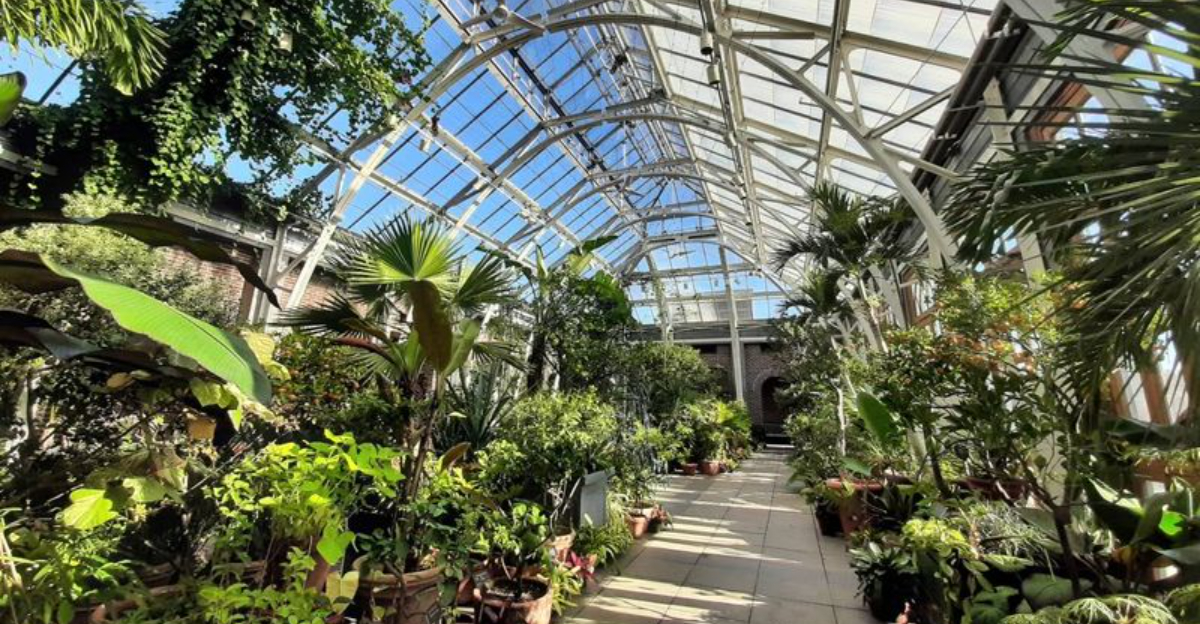
Massachusetts is home to some of the most beautiful botanical gardens in the country, where visitors can explore stunning plant collections, peaceful walking paths, and vibrant seasonal displays.
These green spaces offer a perfect escape from busy city life and provide educational opportunities for people of all ages.
Google Maps activity reveals which gardens attract the most visitors throughout the year, giving us valuable insight into the most popular destinations.
From historic estates with carefully preserved landscapes to modern conservation centers focused on native plants, each garden has its own unique character and charm.
Families enjoy these spaces for picnics and educational programs, while photographers find endless inspiration among the colorful blooms and carefully designed landscapes.
Exploring these gardens allows you to connect with nature while learning about plant science, conservation efforts, and horticultural practices.
Many of these locations host special events, seasonal festivals, and workshops that make each visit memorable.
Ready to discover which botanical gardens in Massachusetts draw the biggest crowds?
1. New England Botanic Garden At Tower Hill
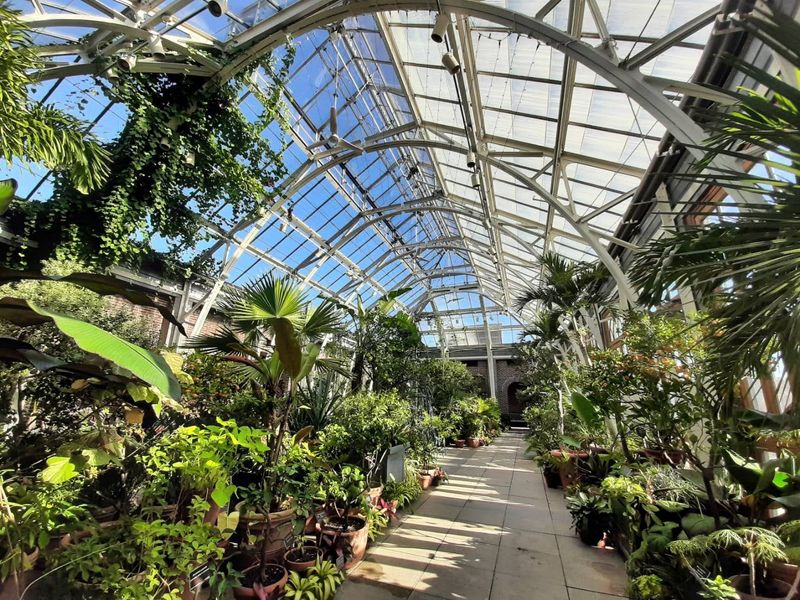
Located at 11 French Dr in Boylston, Massachusetts, this sprawling botanical paradise has earned its reputation as one of the state’s most beloved garden destinations.
With an impressive 4.7-star rating from nearly 4,000 Google reviews, visitors consistently praise the diverse plant collections and breathtaking views.
The garden opens daily at 10 AM and welcomes guests until 3 PM, making it accessible for morning explorers and afternoon wanderers alike.
Nature lovers find themselves surrounded by meticulously maintained gardens that showcase both native and exotic plant species throughout the seasons.
The property features an orchard where fruit trees bloom spectacularly in spring, creating picture-perfect moments for photography enthusiasts.
Walking trails wind through various themed gardens, each offering unique educational opportunities about plant science and conservation.
What sets this location apart is its combination of natural beauty and historical significance, creating an enriching experience for all ages.
The on-site library provides resources for curious minds wanting to learn more about horticulture and botany.
Special events and outdoor programs make every visit different, whether you’re attending a seasonal festival or simply enjoying a peaceful afternoon among the flowers.
Families appreciate the educational programs designed specifically for children, while serious gardeners value the expert advice available from knowledgeable staff members.
2. Arnold Arboretum Of Harvard University
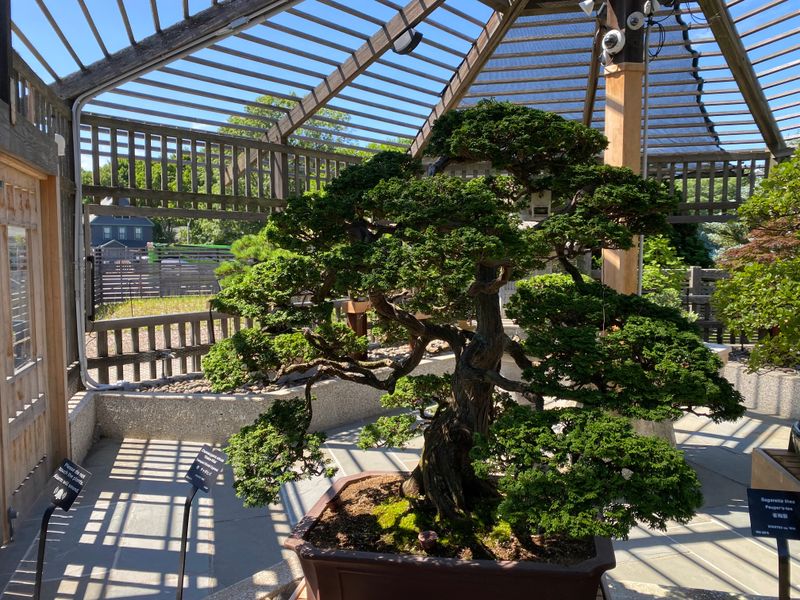
Harvard University’s Arnold Arboretum stands as America’s oldest public arboretum, established in 1872 in the Jamaica Plain neighborhood of Boston.
This 281-acre living museum houses one of the world’s most comprehensive collections of temperate woody plants, with over 15,000 specimens representing thousands of different species.
Admission remains free year-round, making it an accessible treasure for everyone from serious botanists to families seeking outdoor adventures.
Walking through the arboretum feels like traveling through different continents without leaving Massachusetts.
The carefully curated collections include plants from Asia, Europe, and North America, arranged both scientifically and aesthetically.
Spring brings magnificent displays of lilacs, while autumn transforms the landscape into a spectacular canvas of reds, oranges, and golds that photographers dream about capturing.
Research conducted here contributes significantly to global plant conservation efforts and climate change studies.
The Hunnewell Visitor Center provides maps, educational materials, and friendly staff ready to answer questions about the collections.
Miles of paved and unpaved paths accommodate walkers, joggers, and even cross-country skiers during winter months.
Bird watchers frequently spot rare species among the diverse habitats, while children enjoy scavenger hunts organized throughout the year.
The arboretum’s commitment to free public access reflects Harvard’s dedication to community engagement and environmental education for all.
3. Garden in the Woods
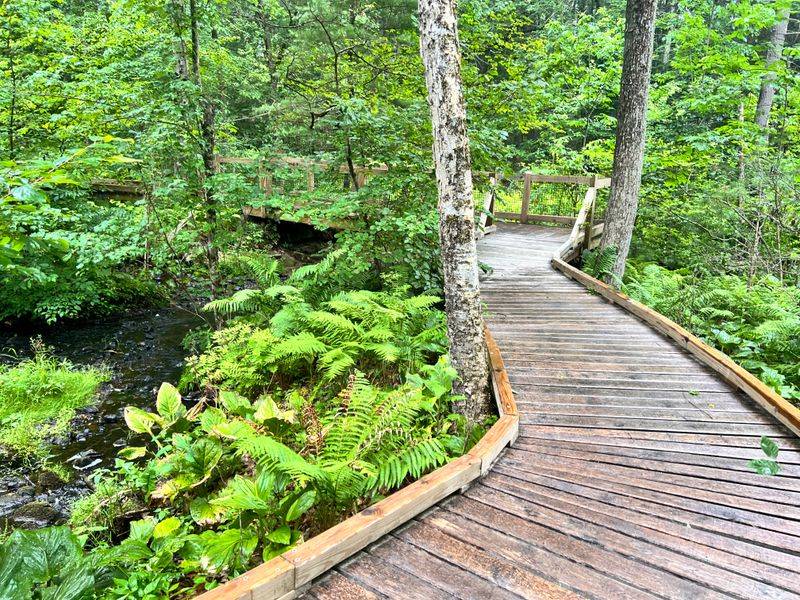
Tucked away in Framingham, Garden in the Woods specializes exclusively in native New England plants, making it a unique destination among Massachusetts botanical gardens.
Operated by the Native Plant Trust, this 45-acre garden showcases over 1,500 varieties of plants that naturally occur in the northeastern United States.
Visitors discover how beautiful and diverse native landscaping can be while learning about ecological gardening practices that benefit local wildlife.
Meandering trails lead through various habitat types, from sunny meadows to shaded woodland areas, each demonstrating how native plants thrive in their natural conditions.
Spring wildflower displays rival any cultivated garden, with trilliums, bloodroot, and lady’s slippers creating magical forest scenes.
Educational signage throughout the property helps visitors identify plants and understand their ecological roles in supporting pollinators and other wildlife.
The garden serves as both a conservation facility and an inspiration for home gardeners wanting to create environmentally friendly landscapes.
Staff members offer expert advice on selecting native plants suitable for various yard conditions and maintenance levels.
Workshops and classes teach propagation techniques, garden design principles, and sustainable landscaping practices.
Photography enthusiasts appreciate the natural, informal garden design that creates authentic woodland scenes impossible to replicate in formal gardens.
The gift shop sells native plants propagated on-site, allowing visitors to bring home pieces of New England’s natural heritage for their own gardens.
4. Berkshire Botanical Garden
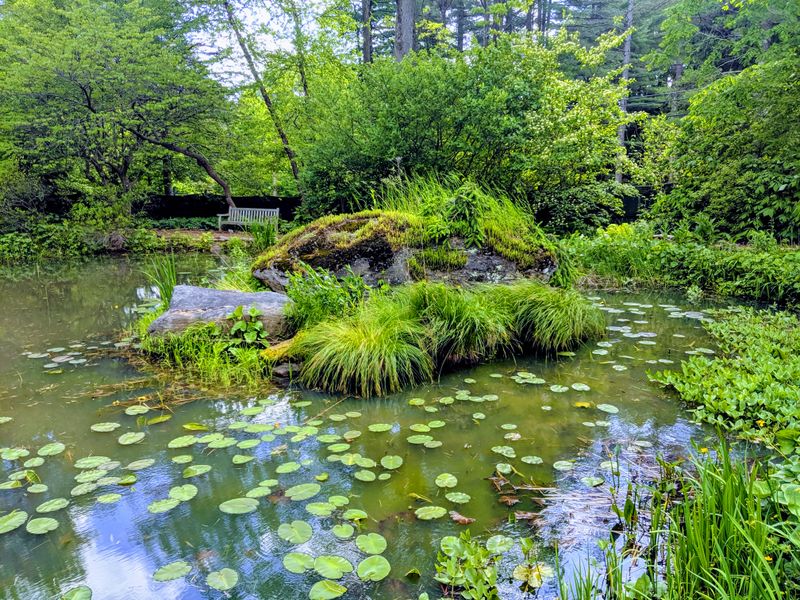
Nestled in the picturesque town of Stockbridge in western Massachusetts, Berkshire Botanical Garden has delighted visitors since 1934 with its charming blend of formal and informal garden spaces.
The oldest botanical garden in the Berkshires region spans 24 acres filled with themed gardens, each offering different experiences throughout the growing season.
From rose gardens to herb collections, every corner reveals thoughtful design and horticultural excellence.
Summer brings peak bloom times when perennial borders explode with color and fragrance, attracting butterflies and hummingbirds that dance among the flowers.
The vegetable garden demonstrates productive food-growing techniques suitable for home gardeners in New England’s challenging climate.
Children particularly enjoy the pond area, where they can observe frogs, dragonflies, and aquatic plants up close.
Educational programs range from beginner gardening workshops to advanced botanical art classes, serving the community’s diverse interests and skill levels.
The garden’s greenhouse showcases tropical and tender plants that couldn’t survive outdoors in Massachusetts winters.
Special events throughout the year, including plant sales and harvest festivals, create opportunities for community gathering and learning.
Visitors often comment on the garden’s intimate scale, which feels more personal than larger botanical institutions.
The knowledgeable volunteer corps shares gardening tips and plant recommendations based on years of experience.
Located in the heart of the Berkshires cultural region, the garden pairs perfectly with visits to nearby museums and performing arts venues.
5. Elm Bank Reservation And Massachusetts Horticultural Society Gardens
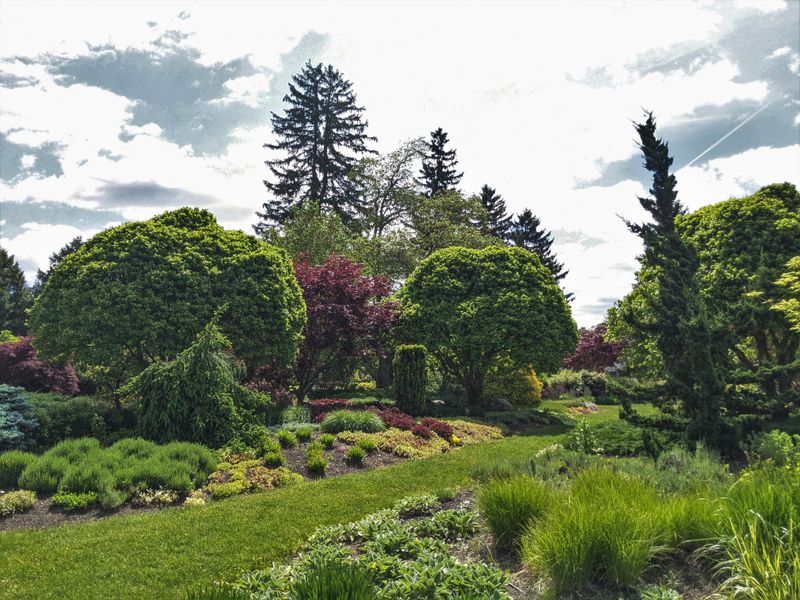
Elm Bank Reservation in Wellesley combines natural beauty with horticultural excellence across 36 acres along the Charles River.
The Massachusetts Horticultural Society maintains spectacular display gardens here, including the renowned Italian Garden with its classical design and stunning seasonal plantings.
This partnership between a conservation organization and a horticultural society creates a unique destination where natural landscapes meet cultivated garden artistry.
Walking trails wind through woodlands and meadows before opening onto carefully designed garden rooms that showcase different planting styles and techniques.
The Weezie’s Garden for Children engages young visitors with interactive features and plants selected specifically to spark curiosity about the natural world.
Demonstration vegetable gardens provide practical ideas for home food production, while ornamental borders inspire creative landscape design.
Historic buildings on the property add architectural interest and house educational programs throughout the year.
The society’s library contains rare horticultural books and resources available to members and researchers.
Photography workshops take advantage of the diverse backdrops, from formal garden structures to naturalistic river views.
Seasonal festivals celebrate everything from spring bulbs to autumn harvests, drawing crowds who appreciate both nature and community traditions.
The location’s proximity to Boston makes it convenient for urban residents seeking green space without long drives.
Free admission to the trails encourages regular visits, while special garden areas require modest fees that support ongoing maintenance and programming.
6. Naumkeag Garden
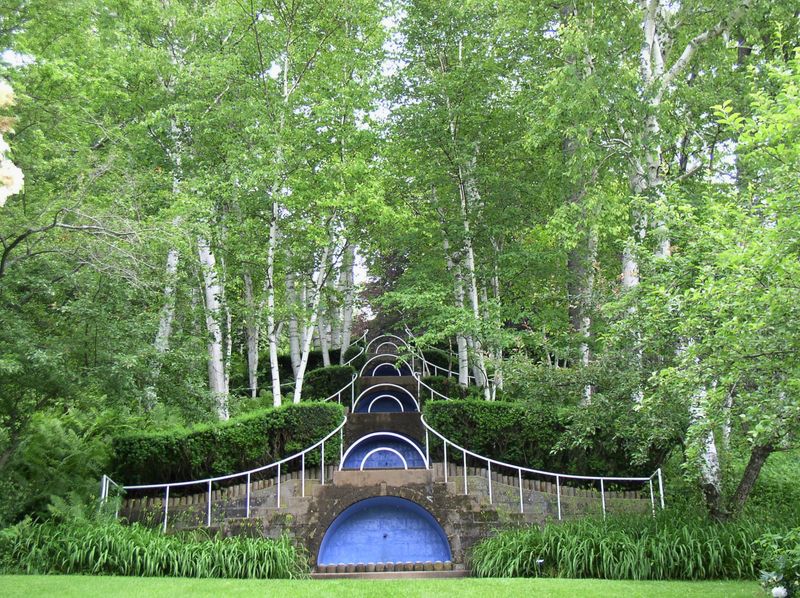
Naumkeag represents one of America’s finest examples of landscape design evolution, with gardens developed over several decades in the early 20th century on a Stockbridge hillside estate.
The property’s most iconic feature, the Blue Steps, showcases Art Deco style with white birch trees flanking blue-painted concrete steps and fountains.
Designed by renowned landscape architect Fletcher Steele, these gardens demonstrate how artistic vision can transform challenging terrain into unforgettable outdoor spaces.
Each garden room within the property tells a different story, from the formal Rose Garden to the whimsical Chinese Garden with its pagoda and moon gate.
The Afternoon Garden provides shaded seating areas perfect for contemplation, while the cutting garden supplied fresh flowers for the mansion during the estate’s residential years.
Topiary specimens and carefully pruned hedges showcase traditional horticultural skills passed down through generations of gardeners.
The mansion itself, preserved by The Trustees of Reservations, offers tours that contextualize the gardens within the Gilded Age lifestyle of the Choate family.
Views across the Berkshire hills remind visitors why wealthy families chose this region for summer retreats.
Garden enthusiasts study the plant combinations and hardscape features for inspiration in their own landscape projects.
Visiting during different seasons reveals how Steele designed for year-round interest, with spring bulbs, summer perennials, autumn foliage, and winter structure all contributing to the garden’s beauty.
The property exemplifies how gardens can be both historically significant and continually relevant to contemporary visitors.
7. Smith College Botanic Garden
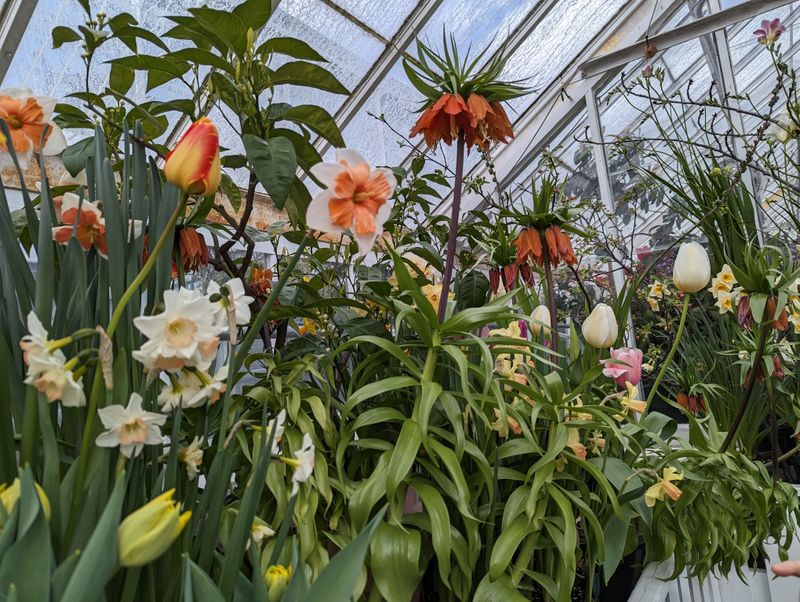
Smith College in Northampton integrates botanical collections throughout its entire campus, creating a 147-acre arboretum where students and visitors constantly encounter beautiful and educational plant displays.
Unlike traditional botanical gardens with defined boundaries, these collections blend seamlessly with academic buildings and residence halls, making botany part of daily campus life.
The Lyman Plant House conservatory complex contains extensive collections of tropical and desert plants that thrive year-round regardless of New England weather.
More than 12,000 accessioned plants representing thousands of species make this one of the most comprehensive college botanical collections in the country.
Specialized collections include bulbs, rock garden plants, and woody ornamentals carefully selected for both educational value and aesthetic appeal.
The systematic garden arranges plants by family relationships, helping students and visitors understand plant evolution and classification.
Spring transforms the campus into a spectacular display when flowering trees and shrubs reach peak bloom, drawing photographers and nature lovers from across the region.
The greenhouse’s seasonal displays change throughout the year, with spring bulb shows and winter exhibitions providing colorful escapes during cold months.
Educational programs welcome community members, not just students, fostering connections between the college and surrounding neighborhoods.
Campus maps guide self-guided tours highlighting significant specimens and garden areas worth visiting.
The garden staff’s expertise supports both academic research and public education, demonstrating how botanical gardens contribute to multiple missions simultaneously.
Free access encourages repeat visits to observe seasonal changes in the collections.
8. Heritage Museums And Gardens
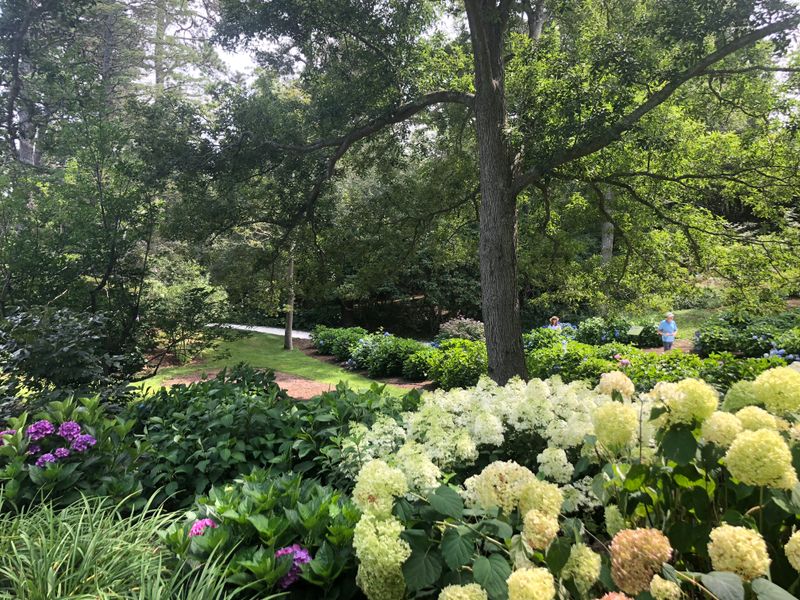
Located in Sandwich on Cape Cod, Heritage Museums and Gardens combines horticultural excellence with fascinating museum collections across 100 acres of beautifully landscaped grounds.
The property’s origins as the estate of horticulturist Charles Dexter gave it a strong botanical foundation, particularly in rhododendron and daylily breeding.
Today, visitors experience both world-class gardens and museums dedicated to American history, art, and automobiles in an unexpected but delightful combination.
The rhododendron collection reaches spectacular peak bloom in late May and early June, when thousands of plants create a riot of colors ranging from pure white to deep purple.
Daylily collections extend the bloom season into summer, with hundreds of varieties showcasing this versatile perennial’s diversity.
Hydrangea gardens provide late-summer interest, while the grounds’ mature trees offer year-round structure and beauty.
Families appreciate how the gardens provide outdoor exploration between museum visits, giving children space to run and discover nature.
The carousel and outdoor play areas make this destination particularly appealing for younger visitors who might find traditional botanical gardens less engaging.
Educational programs connect garden topics with broader themes of environmental stewardship and cultural heritage.
The Cape Cod location makes Heritage Museums and Gardens a perfect addition to beach vacations, offering a different type of outdoor experience.
Seasonal events and exhibitions ensure that repeat visitors always find something new to explore and enjoy throughout the property’s extensive grounds.