The Mulching Approach That Keeps Your Georgia Soil Moist
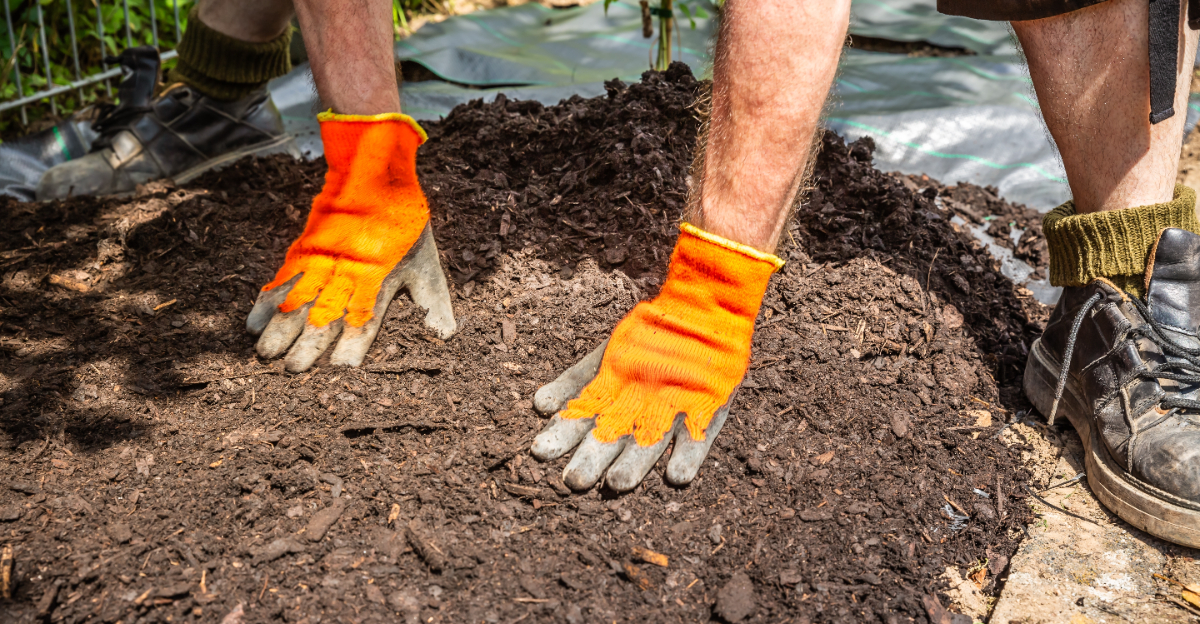
Georgia soil can dry out faster than expected, even when rainfall feels consistent. One week it holds moisture well, and the next it looks tired and uneven.
That’s where the right mulching approach quietly makes a difference. Mulch isn’t just about appearance.
It affects how long moisture stays in the soil, how evenly temperatures hold, and how well roots stay protected as conditions shift. In Georgia, using mulch the wrong way can waste water, while using it correctly helps soil stay balanced with far less effort.
Keeping soil moist isn’t about piling mulch on thick or redoing beds constantly. It comes down to timing, placement, and choosing an approach that matches Georgia’s climate.
When mulch is handled right, soil stays cooler, moisture lasts longer, and plants settle in more comfortably throughout the season.
1. Apply Mulch After Soil Has Fully Warmed In Spring
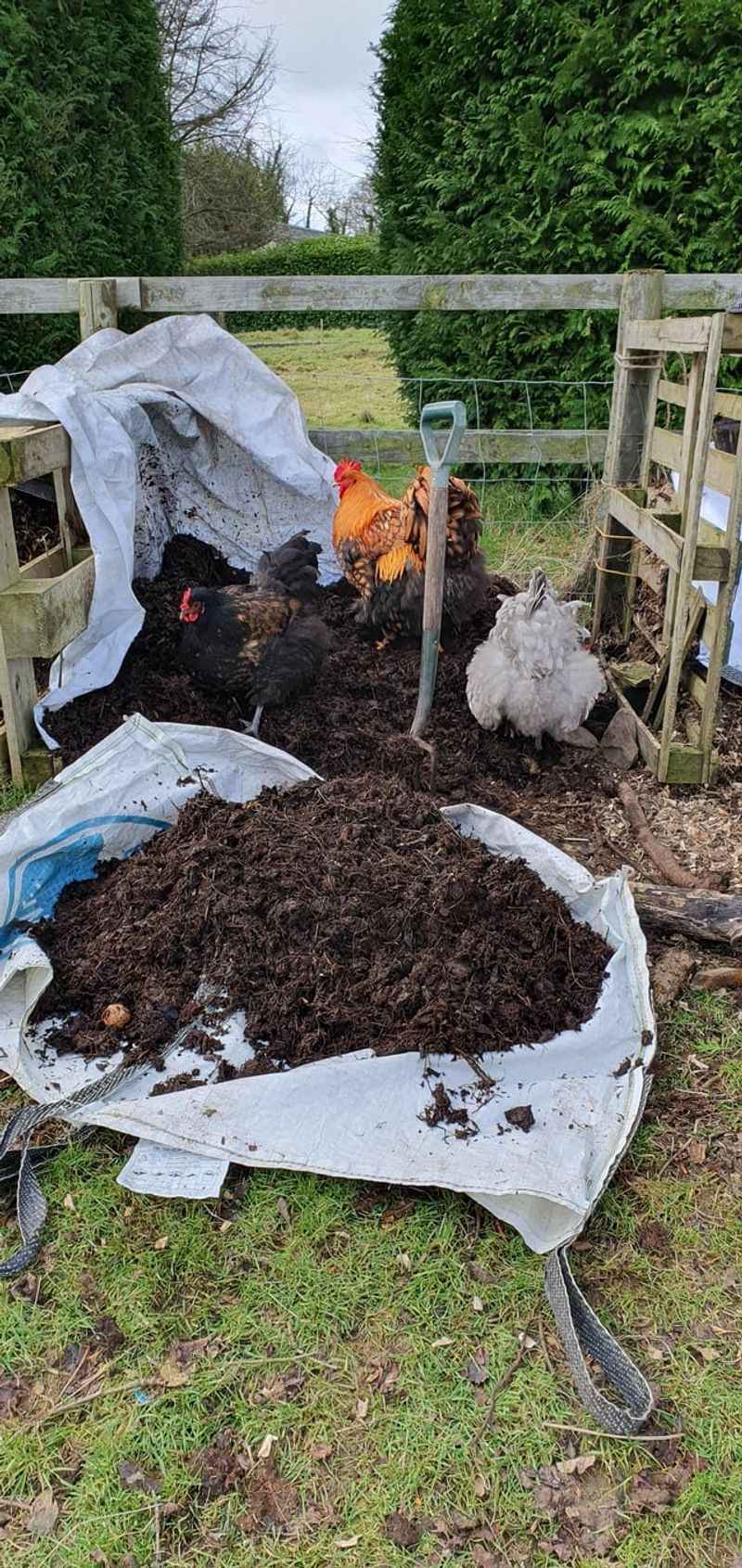
Timing makes all the difference when you start mulching in Georgia. This timing mainly applies to warm-season vegetable beds, not established trees, shrubs, or perennial plantings.
Many gardeners rush to spread mulch too early, but cold soil covered with a thick layer takes even longer to warm up. Your plants need that warmth to wake up their roots and start growing strong.
Wait until late April or early May across most of Georgia before you put down your first layer. By then, the ground has had plenty of sunshine to heat up naturally.
You can check by sticking your hand into the top few inches of soil. If it feels comfortably warm, not chilly or damp, your timing is right.
In North Georgia, where spring arrives a bit later, you might wait until mid-May. Southern parts of the state warm up faster, so you could start in mid-April.
Watch your local weather patterns and soil temperature instead of following a strict calendar date.
Early mulching can actually slow down plant growth because roots stay cold longer. Tomatoes, peppers, and squash especially need warm soil to thrive.
Once you apply mulch at the right time, it locks in that warmth and moisture throughout the growing season.
Some gardeners prepare their beds in early spring but hold off on mulch until temperatures stay consistently above 65 degrees. This approach gives you the best of both worlds.
2. Use Organic Mulch That Breaks Down Slowly
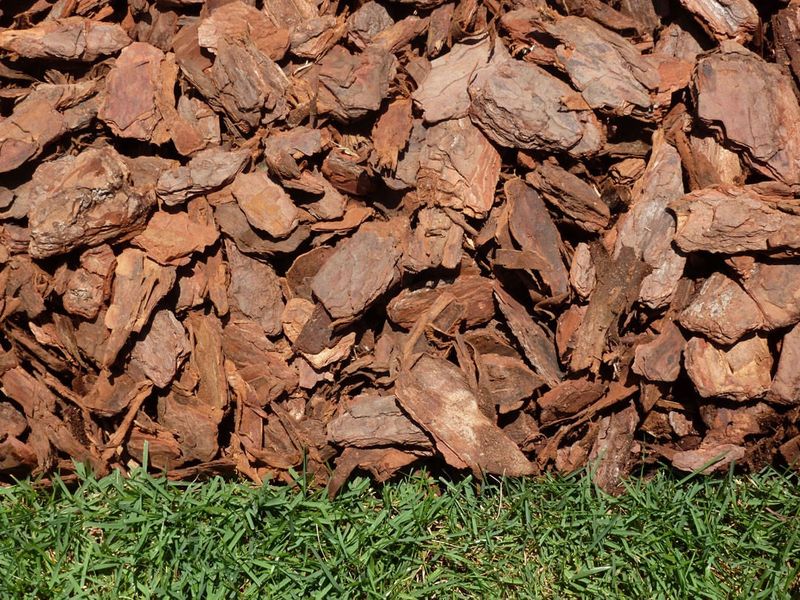
Not all mulch works the same way in Georgia gardens. Organic options like pine bark, hardwood chips, and pine straw give you the best results because they feed your soil while protecting it.
These materials decompose gradually, adding nutrients and improving texture over months and years.
Pine bark mulch is particularly popular across Georgia because it comes from local trees and lasts longer than many alternatives. The chunks break down slowly, usually staying effective for two to three years.
This means less work for you and more consistent moisture retention for your plants.
Hardwood chips offer another excellent choice, especially if you can source them locally. They decompose a bit faster than pine bark but add wonderful organic matter to your soil.
As they break down, they create a rich, dark layer that earthworms love, which improves drainage and fertility naturally.
Pine straw works beautifully in Georgia landscapes, especially around azaleas, camellias, and other acid-loving plants. It knits together to resist washing away during heavy rains.
The needles break down more quickly than bark, so you’ll need to refresh it more often, but it costs less and looks natural in Southern gardens.
Avoid mulches that decompose too quickly, like grass clippings or fresh leaves used alone. These materials mat down, block air and water, and need constant replacement.
Stick with chunky, woody organic mulches that give your Georgia soil long-term benefits while keeping moisture where your plants need it most.
3. Spread Mulch Evenly Without Piling It Against Plants
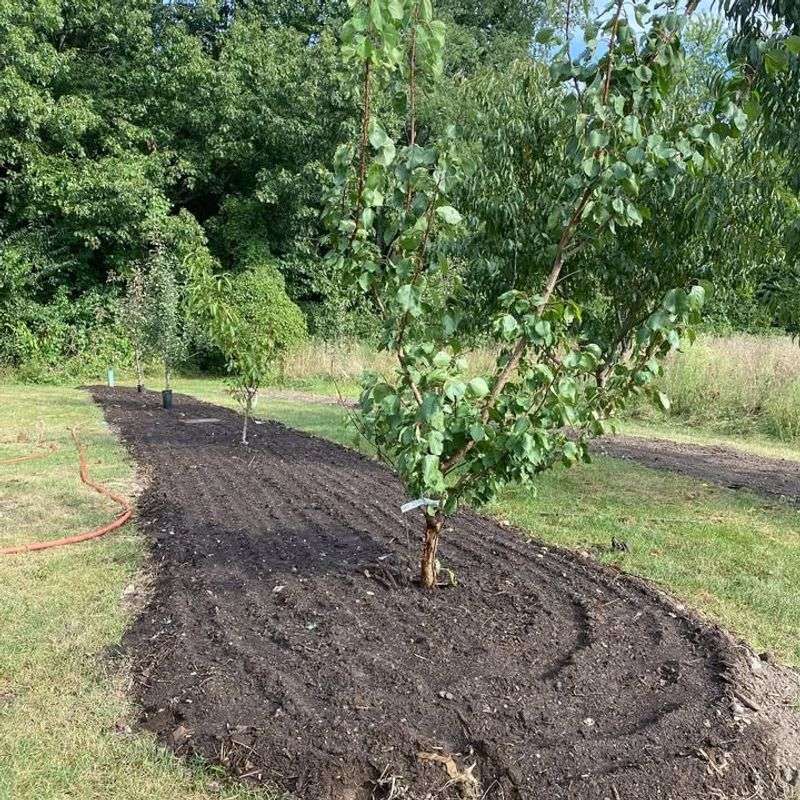
How you spread mulch matters just as much as what kind you use. Many gardeners make the mistake of piling it high around plant stems and tree trunks, creating what experts call “mulch volcanoes.” This traps moisture against bark and stems, inviting rot, disease, and insect problems that can seriously damage your Georgia plants.
Aim for a consistent layer about two to three inches deep across your garden beds. This thickness blocks sunlight from reaching weed seeds while still allowing water and air to move through easily.
Measure with your fingers if you need to, getting a feel for what two or three inches looks like so you can eyeball it as you work.
Pull mulch back several inches from the base of every plant, shrub, and tree. Leave a small bare circle around stems so air can circulate and water can drain away properly.
For trees, keep mulch at least six inches away from the trunk. This simple step prevents countless problems and keeps your plants healthy through Georgia’s humid summers.
Spread mulch evenly using a rake or your hands, smoothing out high spots and filling in thin areas. An uneven layer creates dry patches where weeds sprout and moisture escapes.
Take your time to get it right the first time, and you’ll save yourself extra work later.
Check your mulch layer every few weeks during the growing season. Heavy Georgia rains can wash it around, and wind can pile it up against plants.
A quick five-minute inspection and adjustment keeps everything working properly and your garden looking neat and professional.
4. Adjust Mulch Depth For Georgia’s Rainfall Patterns
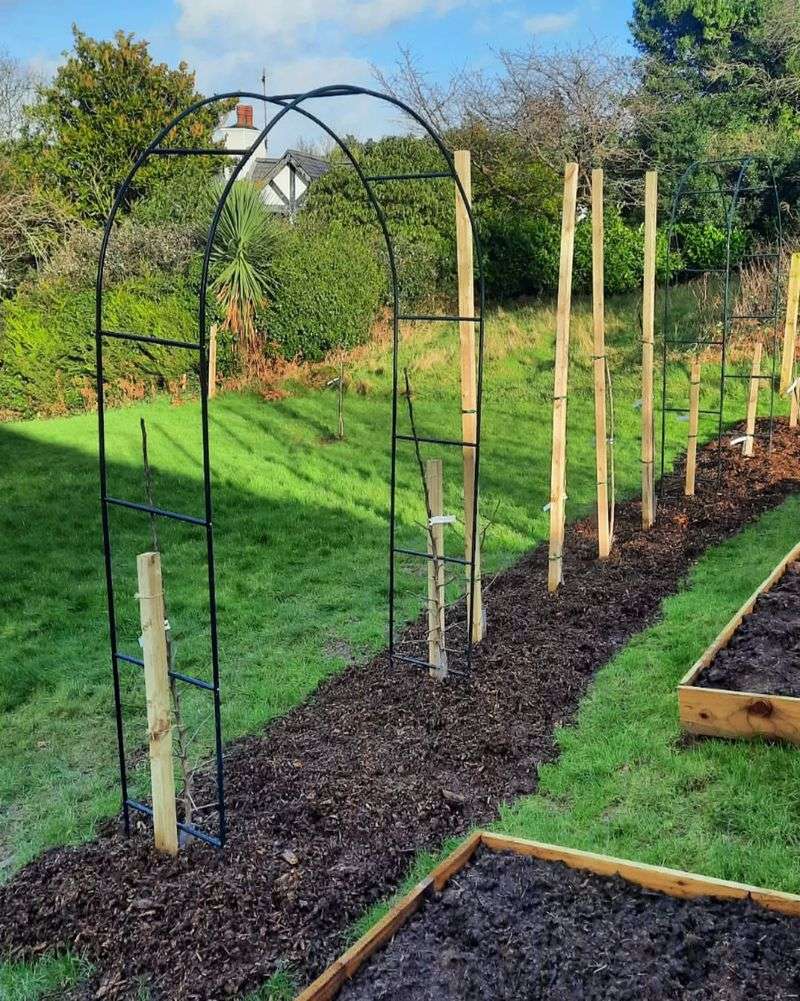
Georgia weather changes dramatically throughout the year, and your mulch strategy should change with it. Summer often brings weeks of drought broken by sudden downpours, while spring and fall deliver more consistent rainfall.
Adjusting your mulch depth helps you work with these patterns instead of fighting them.
During dry summer months, a full three-inch layer makes sense for most Georgia gardens. This thickness reduces evaporation dramatically, keeping precious moisture in the root zone where plants can use it.
You’ll water less often and see better growth even during hot, rainless stretches.
When fall rains arrive, you might reduce depth slightly to around two inches in areas that stay wet. Too much mulch during rainy periods can keep soil soggy longer than healthy.
This matters especially in clay soils common across Georgia, which drain slowly anyway.
In vegetable gardens, adjust depth based on what you’re growing. Tomatoes and peppers appreciate thicker mulch during summer heat, while lettuce and greens in fall gardens do fine with lighter coverage.
Watch how your specific beds hold moisture and make small adjustments as you learn.
North Georgia gardeners deal with more rainfall overall and might use slightly less mulch year-round. South Georgia’s sandier soils and hotter temperatures often benefit from maximum depth.
Your local conditions matter more than general rules, so observe your own garden carefully.
Keep a small pile of extra mulch handy so you can add more during unexpected dry spells. Similarly, rake some aside temporarily if heavy rains are forecast and your beds already feel damp.
This flexibility helps you maintain ideal moisture levels no matter what Georgia weather throws at you.
5. Refresh Mulch Where It Thins Or Washes Away
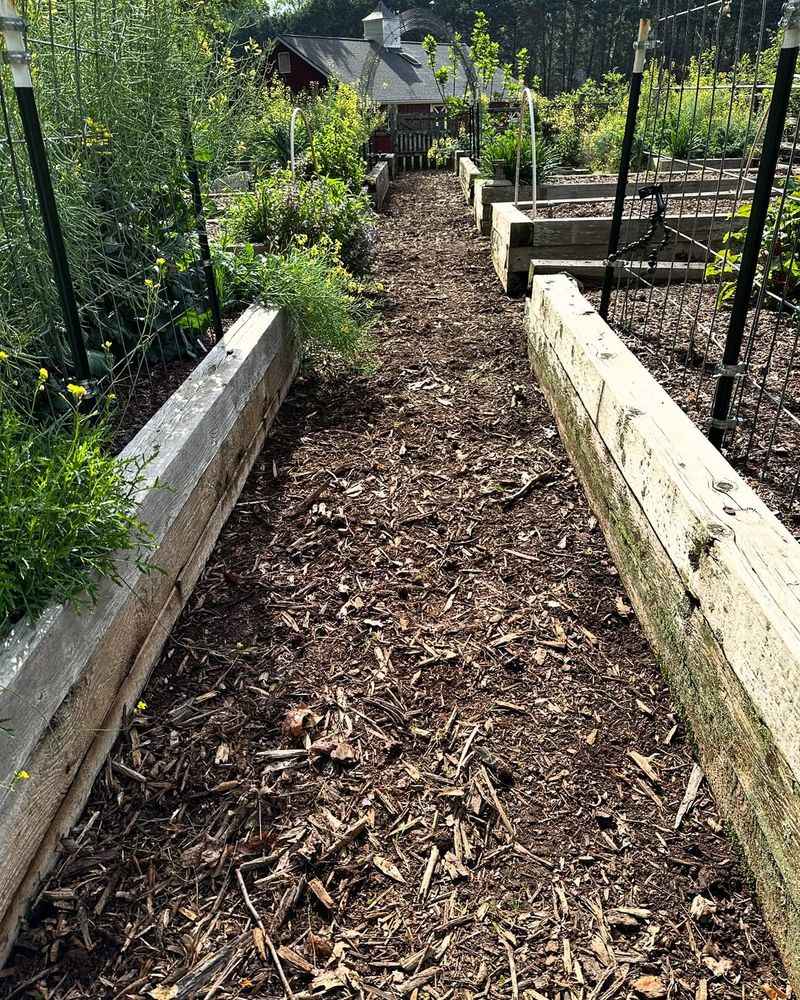
Even the best mulch won’t last forever in Georgia gardens. Rain washes it downhill, wind scatters it around, and decomposition gradually turns it into soil.
Bare spots start appearing where your protective layer used to be, and that’s when weeds move in and moisture escapes faster.
Walk through your garden every month or so and look for thin areas. Slopes and edges tend to lose mulch first because water carries it away during heavy rains.
Around large trees, mulch breaks down faster because roots and microbes are actively working on it. These spots need attention before problems develop.
Keep a bag or pile of mulch ready for quick touch-ups throughout the season. You don’t need to redo entire beds, just fill in the gaps as you notice them.
This approach costs less and works better than waiting until everything looks bad before refreshing.
In Georgia, plan to add a fresh layer of mulch once or twice a year. Many gardeners do a major refresh in late spring after planting and a smaller touch-up in fall.
This schedule keeps your beds looking good and functioning well without constant fussing.
Pay special attention after big storms, which are common across Georgia. Heavy rain can wash mulch into piles or completely off sloped areas.
A quick check and redistribution after each major weather event prevents bare soil from baking in the sun or sprouting weeds.
Don’t just pile new mulch on top of old indefinitely. If your existing layer still looks good but seems thin, add an inch or so to bring it back to proper depth.
If old mulch has mostly decomposed into dark, crumbly material, you can add a full fresh layer knowing the old stuff is enriching your soil below.
6. Choose Mulch That Improves Soil Over Time
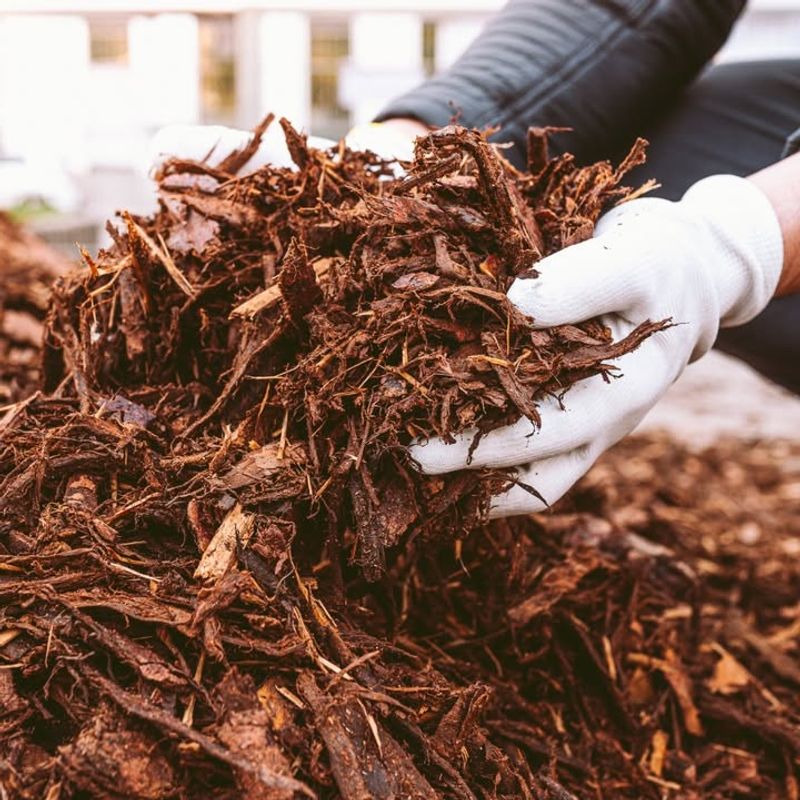
The smartest mulch does double duty in your Georgia garden. While it sits on top protecting moisture, it should also be slowly breaking down and making your soil better underneath.
This transformation happens naturally with organic mulches, turning what started as tree bark or pine needles into rich, fertile growing medium.
As organic mulch decomposes, it adds carbon and nutrients that feed beneficial microbes and earthworms. These tiny workers improve soil structure, making clay soils drain better and sandy soils hold moisture longer.
Over several seasons, you’ll notice your dirt becoming darker, richer, and easier to work.
Compost makes excellent mulch for vegetable gardens because it breaks down quickly while adding lots of nutrients. Mix it with longer-lasting materials like wood chips for the best results.
You get immediate feeding for your plants plus long-term moisture retention.
Shredded leaves collected in fall create wonderful free mulch that improves Georgia soil beautifully. Run your mower over them to shred them fine, then spread them around perennials and shrubs.
By spring, they’ll have mostly decomposed into dark humus that plants love.
Avoid inorganic mulches like rubber or rocks if your goal is soil improvement. These materials never break down and add nothing to your dirt.
They might control weeds and hold some moisture, but they don’t build the living, healthy soil that makes Georgia gardens truly thrive.
Think of mulch as a slow-release soil amendment rather than just a covering. Each year, as the bottom layer feeds your soil, you add a fresh layer on top.
This cycle creates increasingly better growing conditions without expensive fertilizers or soil additives.
7. Combine Mulching With Smart Watering For Best Results
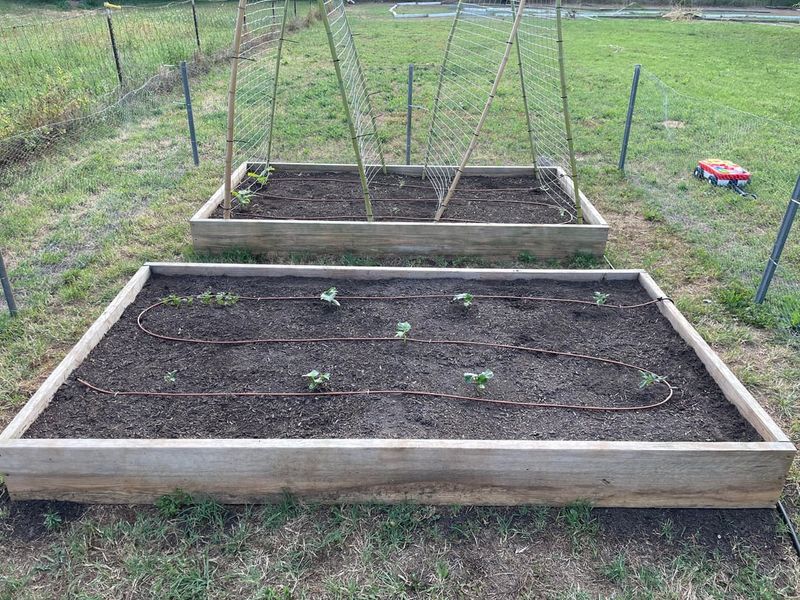
Mulch works its magic by holding moisture in your soil, but you still need to water correctly to see the full benefits. The combination of good mulch and smart watering practices creates the ideal environment for Georgia plants to flourish even during challenging weather.
Water deeply but less frequently when you have proper mulch coverage. Instead of quick daily sprinkles, soak your beds thoroughly every few days.
The mulch prevents that deep moisture from evaporating, so roots grow down searching for water instead of staying shallow and weak.
Check soil moisture under your mulch before watering. Stick your finger down through the layer into the dirt below.
If it feels moist two or three inches down, you can wait another day or two. Many gardeners water too often because they only look at the dry mulch surface without checking underneath.
Drip irrigation or soaker hoses work beautifully under mulch in Georgia gardens. These systems deliver water right to the root zone without wasting any to evaporation.
Mulch hides the hoses and keeps them from degrading in sunlight, making your whole setup more efficient and longer-lasting.
During Georgia’s summer heat, morning watering combined with mulch gives plants moisture when they need it most. The mulch prevents afternoon sun from baking soil dry, so your morning watering lasts all day.
This timing also reduces disease problems compared to evening watering.
In fall and winter, mulched beds need far less water because cooler temperatures and frequent rains keep them naturally moist. Adjust your schedule with the seasons, always checking under the mulch before you water.
This prevents overwatering, which causes just as many problems as letting soil dry out completely.