The Mulching Tips That Improve Georgia Landscapes In Early Spring
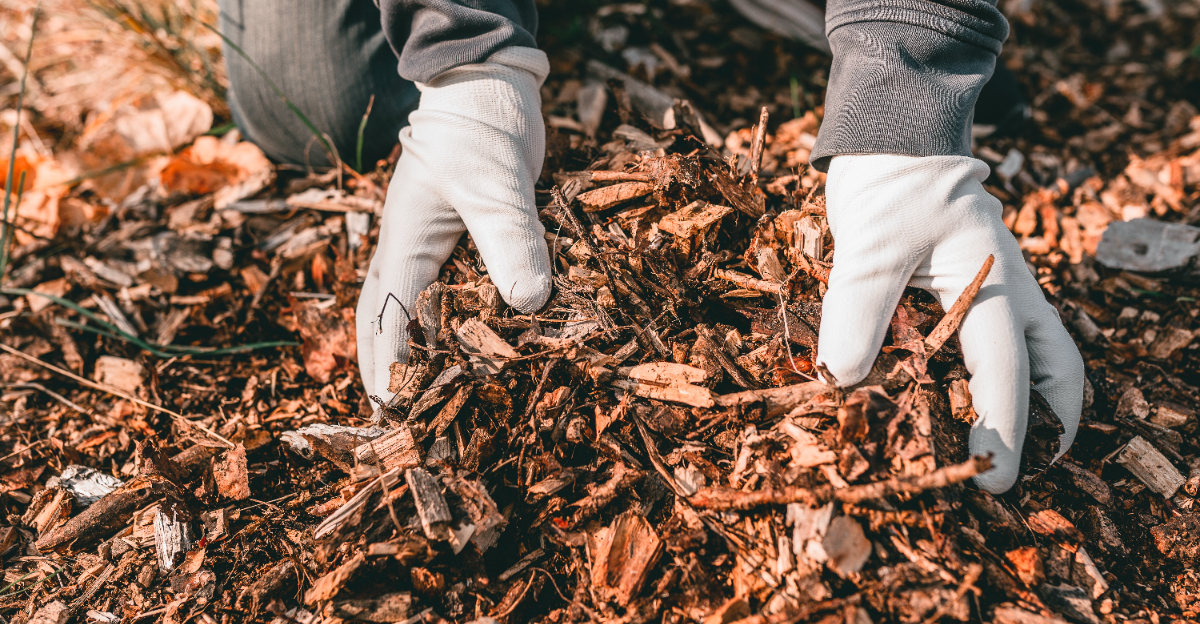
Early spring is when Georgia landscapes begin waking up again. Beds that looked quiet through winter slowly fill with fresh growth, and it becomes clear which areas of the yard need a little attention.
One simple task can make a surprisingly big difference at this moment.
Mulch does more than make a garden look neat. When used the right way in early spring, it helps soil hold moisture, keeps roots protected as temperatures shift, and gives plants a much better start to the growing season.
The key is knowing how to apply it properly so it actually helps instead of causing problems.
With a few smart mulching habits, garden beds can look cleaner, healthier, and far more polished as Georgia moves into the busy spring growing season.
1. Apply Fresh Mulch After The Soil Begins To Warm
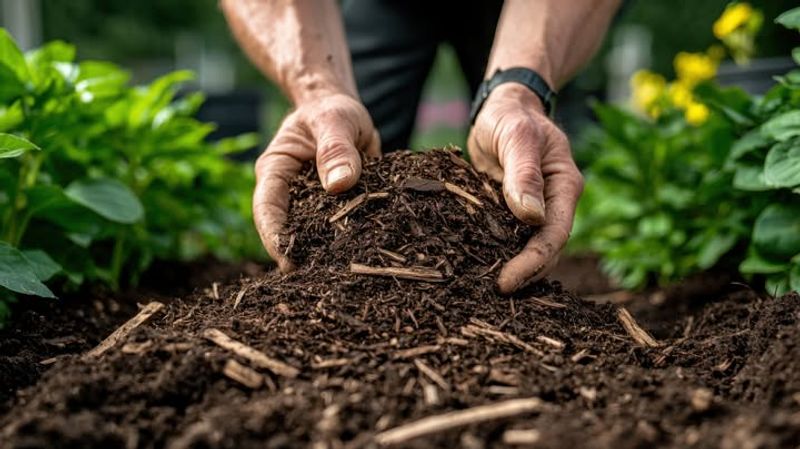
Timing matters more than most people realize when it comes to mulching in Georgia. Spread mulch too early in the season, and you trap cold soil underneath, slowing down root activity and delaying growth.
Wait until the ground has had a few warm days in a row before you reach for the wheelbarrow.
In central and north Georgia, that window usually opens up in late February or early March. Down south near Savannah or Valdosta, the soil warms faster, so you can often start a couple of weeks earlier.
Pay attention to what the weather is actually doing rather than going strictly by the calendar.
A quick way to check is by pressing your hand flat on the bare soil for about ten seconds. If it feels cool but not cold, and overnight temperatures are staying above 40 degrees, you are in good shape to apply.
Spreading mulch at the right moment locks in that warming moisture and gives your plants a strong head start heading into spring. Getting the timing right is honestly one of the smartest moves you can make for a Georgia landscape.
Aim for a mulch layer about two to three inches deep so it protects the soil without smothering it. Keep the mulch a few inches away from tree trunks and plant stems to prevent moisture from sitting against the bark.
Pine bark, pine straw, and shredded hardwood all work well in Georgia landscapes and gradually improve the soil as they break down.
2. Keep Mulch A Few Inches Away From Tree Trunks And Plant Stems
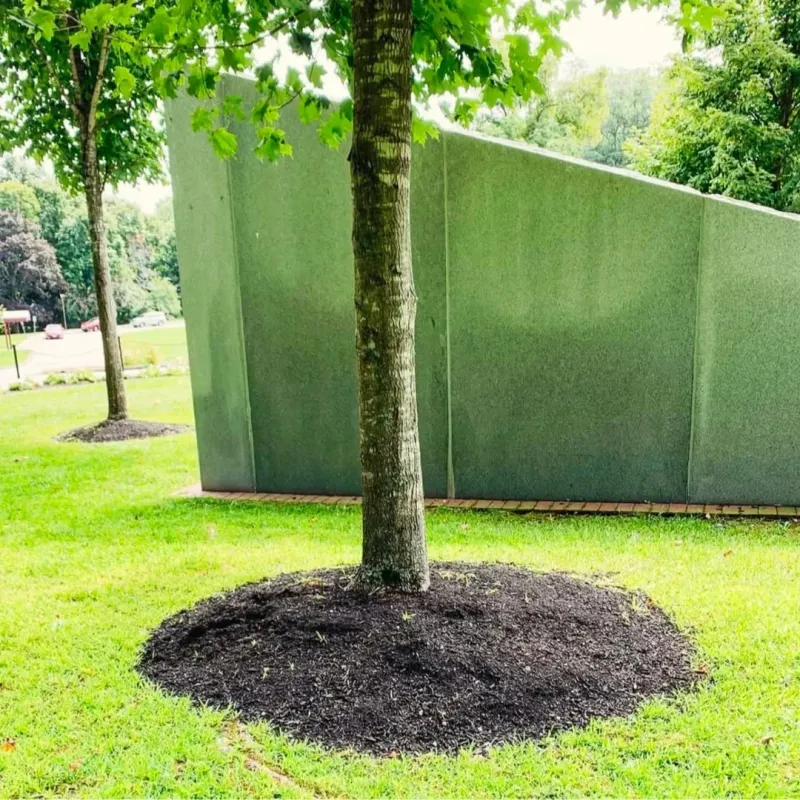
Piling mulch directly against tree trunks is one of the most common mistakes Georgia gardeners make, and it causes real problems over time. When bark stays constantly moist, it softens and becomes vulnerable to rot, insects, and fungal issues.
Keeping a clear gap of at least two to three inches around the base of any tree or shrub protects the plant at its most sensitive point.
Around perennials and flowering plants, the same rule applies. Stems need air circulation, especially during Georgia springs when humidity starts climbing early.
Mulch pushed right up against stems traps moisture and warmth in a spot that should stay relatively dry and open.
Pull mulch back slightly from each plant as you spread it, almost like creating a small donut shape rather than a volcano mound. It takes only a few extra seconds per plant, but the payoff is significant.
Roots still get all the benefits of moisture retention and temperature regulation without the bark or stem sitting in a wet, smothered environment.
Walk through your landscape after mulching and double-check the base of each plant before calling the job done.
This one habit alone can keep your Georgia yard looking healthier through the long, humid months ahead.
Many arborists even have a name for the problem — mulch volcanoes — because of how often they see soil and mulch piled high against trunks. Correcting it is simple and often makes an immediate difference in the long-term health of the plant.
3. Spread Mulch Two To Three Inches Thick For Better Moisture Control
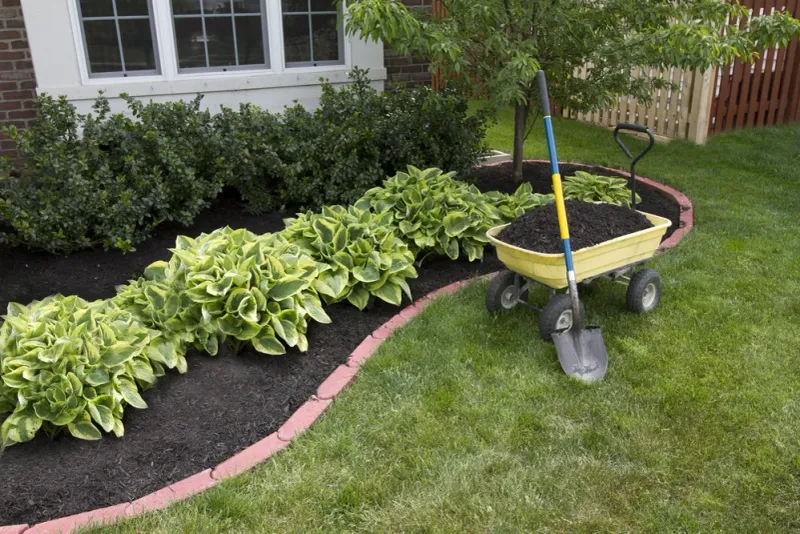
Depth is everything when it comes to how well mulch actually performs. Too thin and it dries out fast, barely slowing down weeds or holding any real moisture.
Too thick and water struggles to reach the roots at all, leaving plants stressed even after a good rain.
Two to three inches is the sweet spot for most Georgia landscapes. At that depth, mulch blocks sunlight from hitting weed seeds while still allowing rainwater and irrigation to filter down into the soil naturally.
Georgia summers get brutal fast, and a proper mulch layer in spring is your best defense against that early moisture loss once the heat kicks in.
Use a simple hand trowel or gloved hand to check depth as you spread. It is easy to go overboard without realizing it, especially when filling in spots that look sparse.
Uneven coverage is actually pretty common in larger beds, so take a few minutes to level things out as you work. Flower beds, vegetable gardens, and shrub borders all benefit from this same two-to-three-inch rule.
Spreading mulch at a consistent depth throughout your Georgia yard means every plant gets the same level of protection, and the whole landscape looks more intentional and polished heading into the growing season.
4. Refresh Old Mulch That Broke Down Over Winter
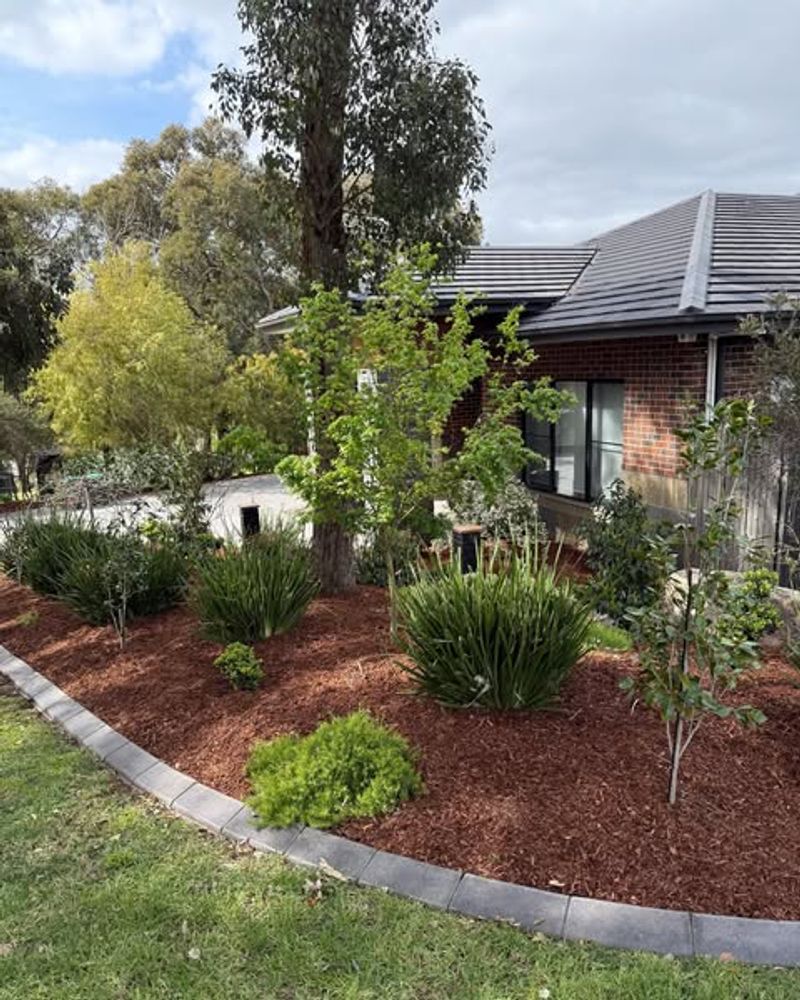
After a Georgia winter, old mulch often looks more like dark soil than anything else. It has broken down, compacted, and lost most of its ability to insulate or suppress weeds effectively.
Before adding anything new on top, take a few minutes to assess what is already there.
Grab a rake and loosen up the existing layer. Compacted mulch can form a crust that actually repels water, sending rain sheeting off the bed surface instead of soaking in.
Breaking it up first improves drainage and air flow before any fresh material goes down.
Once the old layer is loosened, measure how much depth you actually have left. If it is under an inch, plan to add a full two inches on top to get back to that ideal range.
If there is still a solid inch or more, a light top-up is all you need. Refreshing rather than completely replacing is both practical and cost-effective, especially for larger Georgia properties with extensive planting beds.
Partially decomposed mulch also adds organic matter to the soil as it continues to break down, which benefits soil structure and fertility over time.
A quick refresh every spring keeps your landscape looking well-maintained without requiring a major overhaul each year.
5. Choose Natural Mulch That Improves Soil Over Time
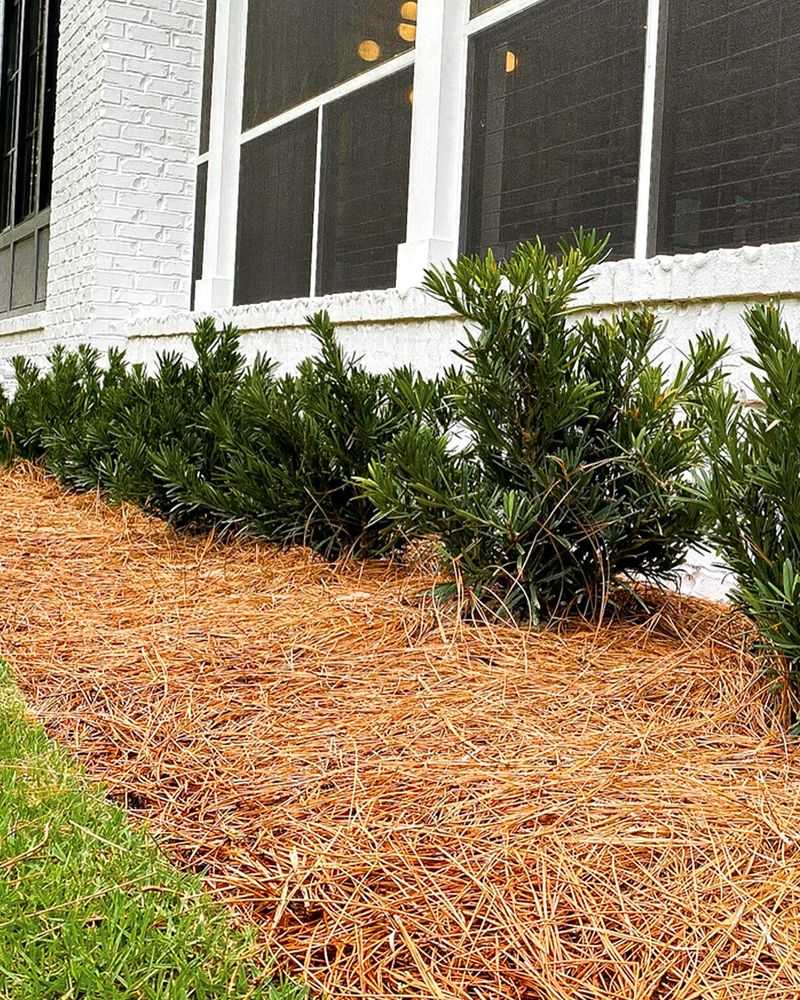
Not all mulch is created equal, and the type you choose makes a real difference for Georgia soil. Shredded hardwood, pine bark, and pine straw are all solid choices that break down gradually and feed the soil with organic matter as they do.
Rubber or dyed mulches might look tidy, but they do not give your soil anything useful in return.
Pine straw is especially popular across Georgia because it is abundant, affordable, and works well around acid-loving plants like azaleas, blueberries, and gardenias.
It knits together nicely once settled, which means it stays put better during heavy spring rains than loose wood chip mulches sometimes do.
Shredded hardwood is a strong choice for mixed perennial beds and foundation plantings. It breaks down at a moderate pace, adding nutrients back to the soil without disappearing too quickly.
Whichever natural mulch you choose, you are essentially feeding your landscape slowly and steadily throughout the season.
Georgia clay soil in particular benefits from that steady addition of organic material, which gradually improves drainage and root penetration over several seasons.
Choosing the right mulch from the start is a small decision that pays off in a noticeably healthier, more productive landscape year after year.
Apply mulch evenly so the soil stays covered but not buried too deeply. A layer of about two to three inches usually provides the best balance between moisture retention and proper airflow.
6. Extend Mulch Around Shrubs To Protect Shallow Roots
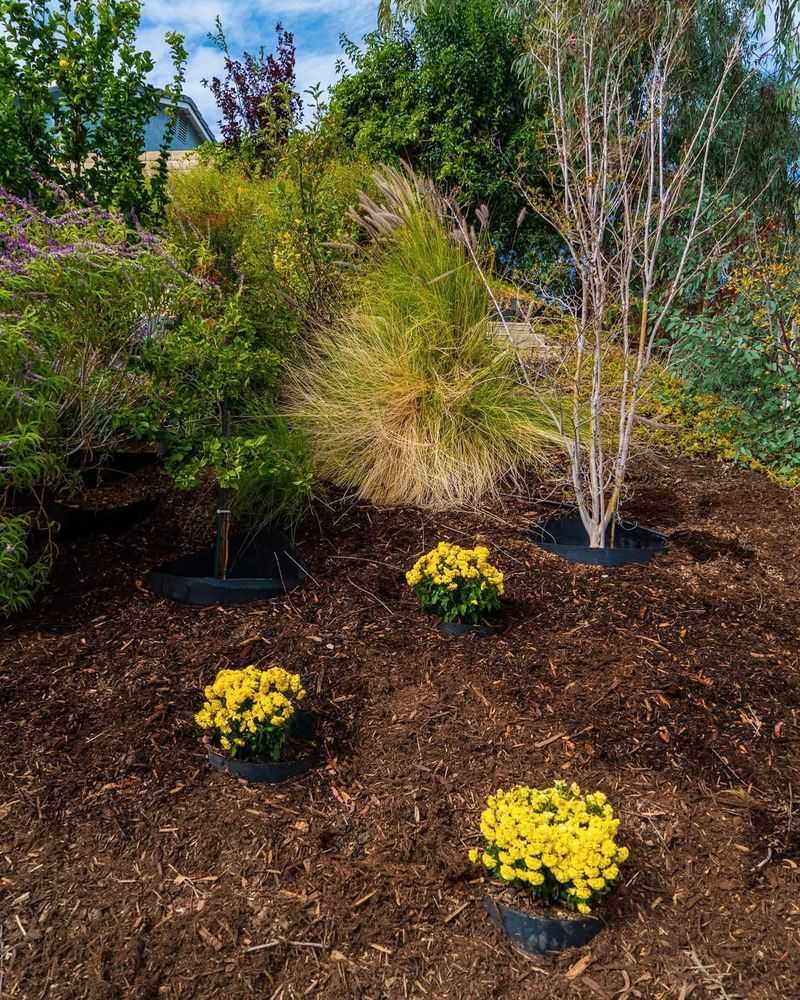
Shallow-rooted shrubs are more vulnerable to temperature swings than most gardeners give them credit for. In Georgia, late winter cold snaps can hit well into March, and unprotected roots close to the soil surface feel those fluctuations directly.
Extending the mulch ring out to the drip line of the shrub gives those roots a meaningful buffer.
Most people mulch only a small circle right at the base of a shrub, but that misses where the active feeder roots actually are. Those roots spread outward, not downward, and they need protection across a wider area to really benefit from mulching.
Push your mulch ring out to match roughly the width of the shrub canopy above. For larger foundation shrubs around Georgia homes, that might mean a ring three to four feet wide.
It looks intentional and clean while giving the root zone real coverage. Camellias, loropetalas, Indian hawthorns, and other common Georgia landscape shrubs all respond well to this treatment.
You will notice stronger, more consistent growth through spring and summer when the root zone has been properly insulated heading into the warm season.
A wider mulch ring also reduces competition from grass and weeds, which is a constant battle in Georgia yards where everything grows fast and aggressively once temperatures rise.
Mulch spread across that wider root zone also helps the soil hold moisture longer between rains. That becomes especially helpful once Georgia’s warmer spring weather starts drying the top layer of soil more quickly.
7. Clear Away Winter Debris Before Adding New Mulch
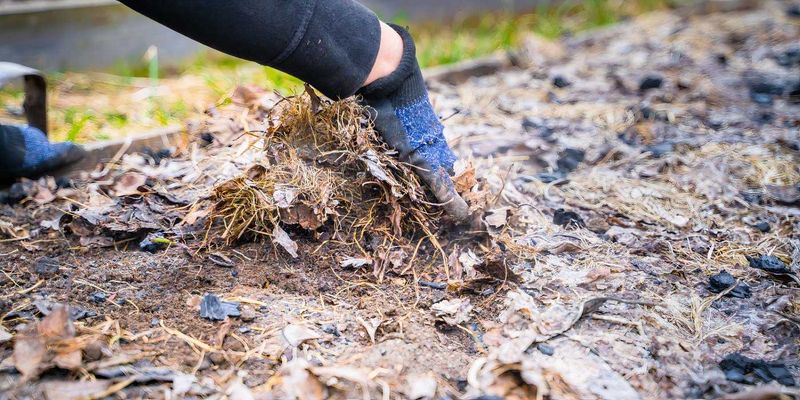
Starting fresh matters. Spreading new mulch over a layer of soggy leaves, broken twigs, and old plant debris is a shortcut that usually backfires.
Debris trapped under mulch creates pockets of moisture and organic decay that can harbor fungal problems and attract insects looking for damp hiding spots.
Take the time to rake out each bed thoroughly before adding anything new.
Georgia winters are mild enough that plenty of organic debris accumulates without fully breaking down, especially fallen leaves from oaks and sweetgums that tend to mat together into dense, wet layers.
Getting those out first gives you a clean, even surface to work on.
Clearing debris also gives you a chance to spot any early weed seedlings that have germinated over winter. Pulling them out now, before mulch goes down, is far easier than trying to remove weeds after the bed has been freshly covered.
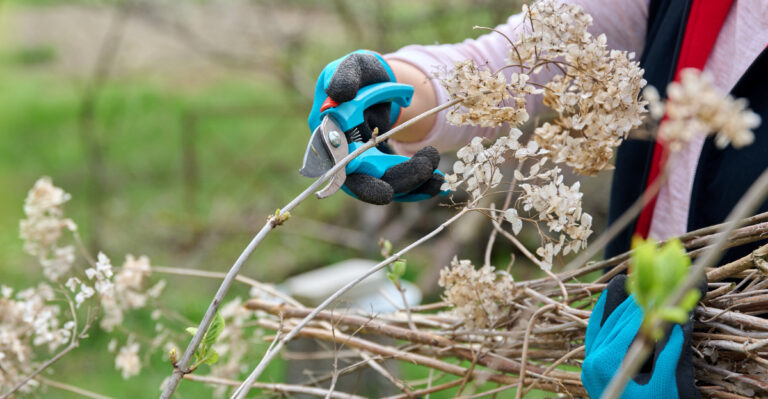
Check for any plant damage or winter injury while you are in there, since early spring is the right time to prune out any problem areas before new growth gets underway.
A clean bed before mulching sets the whole landscape up for a stronger, healthier season across Georgia yards of every size and style.
8. Avoid Piling Mulch Too Deep Around Plants And Trees
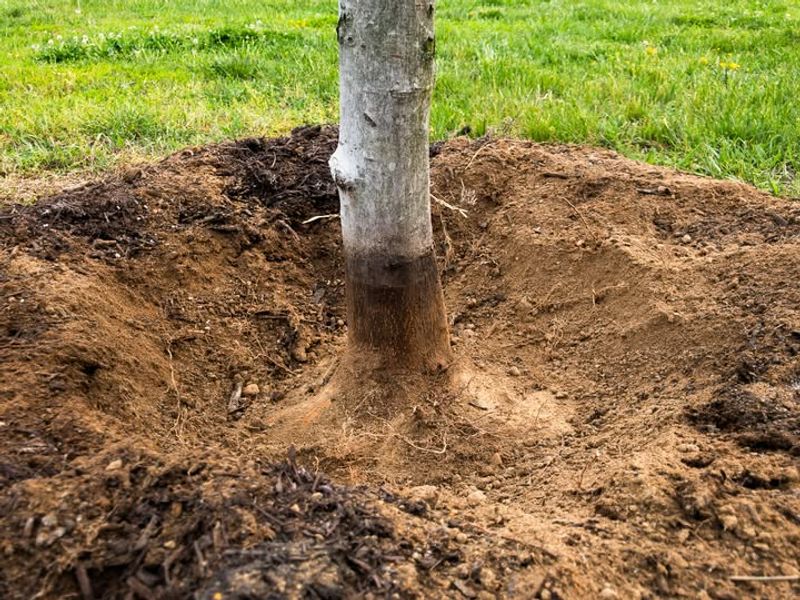
More is not better when it comes to mulch depth. Piling it four, five, or six inches deep might seem like extra protection, but it actually creates more problems than it solves.
Roots begin growing upward into the thick mulch layer looking for oxygen and moisture, which weakens the plant structure over time.
Overly deep mulch also stays wet much longer than a thinner layer would, and that constant moisture at the base of a plant or tree is exactly the kind of environment that leads to bark softening, crown rot, and fungal growth.
Georgia summers add heat and humidity to that equation, making the conditions even more damaging.
Stick to that two-to-three-inch target across all your beds and tree rings, and resist the urge to pile it higher just because you have extra material.
If you have leftover mulch after finishing your beds, spread it in a thin layer along pathways or save it for a mid-summer refresh when the first application has started to break down.
Keeping mulch depth consistent across a Georgia landscape is one of those small discipline habits that separates a yard that just looks good in spring from one that stays healthy and strong all the way through summer and into fall.
A quick check with your hand or a small garden trowel makes it easy to see how deep the mulch layer really is. If it looks thicker than three inches, simply spread some of it outward until the depth is more even across the bed.