The Must-Do February Care That Helps Your Phoenix, Arizona Roses Thrive
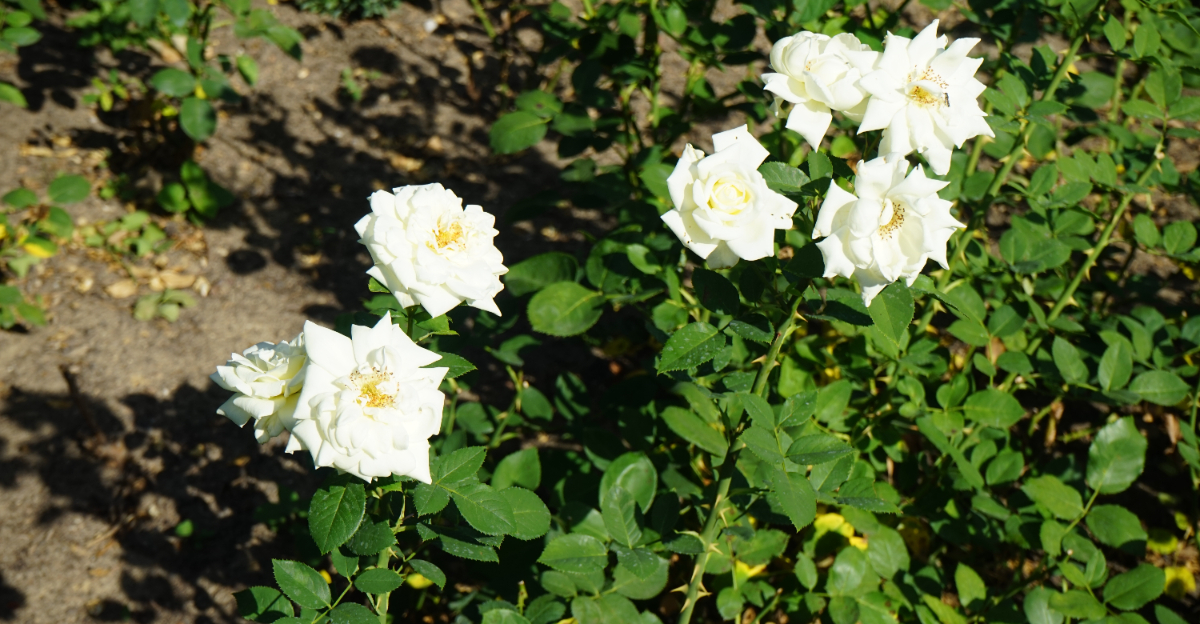
February doesn’t look like a turning point for roses in Phoenix, Arizona, but this is when they quietly decide how the season will go. What happens now often matters more than what you do once growth is obvious.
Cool mornings and mild afternoons give roses a short window where small care steps have a big payoff. This is when plants reset, respond to pruning, and prepare for their strongest growth before heat arrives.
Skipping February care usually shows up later as uneven growth, fewer blooms, or stressed plants once temperatures climb fast.
The right February care isn’t complicated or time-consuming. It’s about timing a few must-do tasks while conditions are still forgiving.
Roses that get attention now tend to wake up balanced, grow more evenly, and handle Phoenix’s spring and early heat with far less stress.
1. Finish Pruning Before Strong New Growth Begins
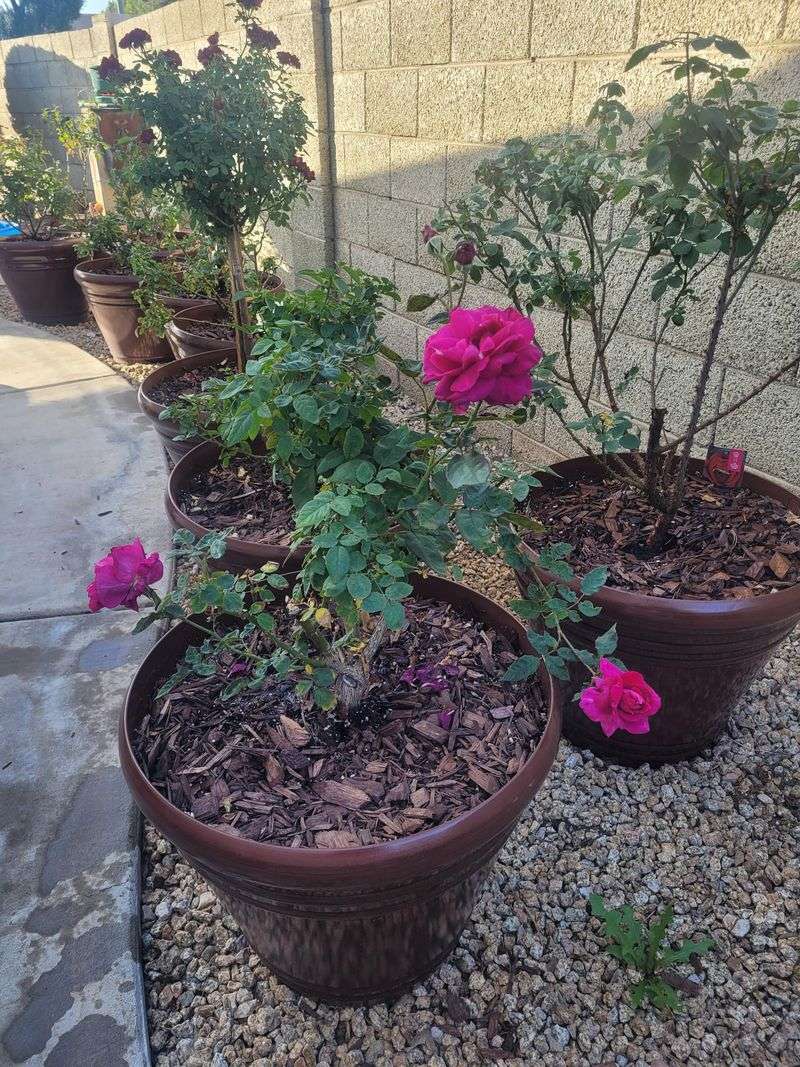
Your roses are waking up from their brief winter rest, and Phoenix gardeners need to complete pruning before those tender new shoots get too far along. February represents your last comfortable chance to shape your roses properly without sacrificing the spring bloom cycle.
Watch for those small reddish buds swelling along the canes, which signal that active growth is about to accelerate rapidly.
Hybrid teas and grandifloras should be cut back to about 18 to 24 inches from the ground, removing about half to two-thirds of their height. Floribundas can stay slightly taller at around 24 to 30 inches, while shrub roses need only light shaping to maintain their natural form.
Always make your cuts at a 45-degree angle about a quarter inch above an outward-facing bud eye, which encourages the plant to grow open rather than creating a crowded center.
Sharp, clean pruning tools make all the difference in Phoenix rose care, so take time to sterilize your shears between plants with rubbing alcohol or a bleach solution. Remove any canes thinner than a pencil, as these rarely produce quality blooms and just drain energy from the plant.
The Arizona sun can be intense even in February, so try to prune on a slightly overcast morning or during the cooler parts of the day.
Once you finish cutting, gather up all the pruned material and dispose of it in your green waste bin rather than composting it. This simple step helps prevent any lingering disease spores or pest eggs from cycling back into your garden throughout the growing season ahead.
2. Remove Weak Or Crossing Canes To Improve Structure
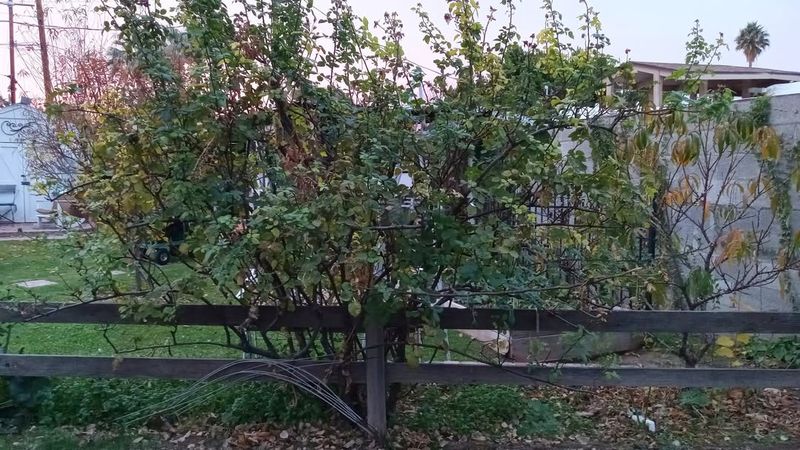
Strong rose structure starts with eliminating canes that work against the plant’s health and productivity. Weak, spindly growth rarely produces worthwhile flowers and actually competes with vigorous canes for water and nutrients that Phoenix roses need to handle our demanding climate.
Crossing canes create another problem by rubbing against each other in the wind, creating wounds that invite disease and pest problems.
Look carefully at the base of each rose plant to identify canes that seem noticeably thinner or paler than the main structural branches. These weak growers often appear after mild Phoenix winters when roses never fully went dormant.
Trace each questionable cane back to its origin point and remove it cleanly at the bud union, that swollen knob where the grafted rose meets the rootstock.
Crossing canes present a trickier decision because you need to choose which one stays and which goes. Keep the cane that grows in a better direction for the plant’s overall shape, typically one that heads outward rather than toward the center.
Arizona rose growers aim for a vase-shaped plant with an open middle that allows air circulation, which becomes critically important during our hot, humid monsoon season.
After removing weak and crossing wood, step back and evaluate the plant’s silhouette from several angles. You want three to five strong, well-spaced canes forming the framework of hybrid teas and grandifloras, while floribundas and shrub roses can support a few more.
This February cleanup session in Phoenix sets up your roses for explosive spring growth that channels energy into flowers rather than wasted vegetation.
3. Clear Old Leaves From Around The Base Of Plants
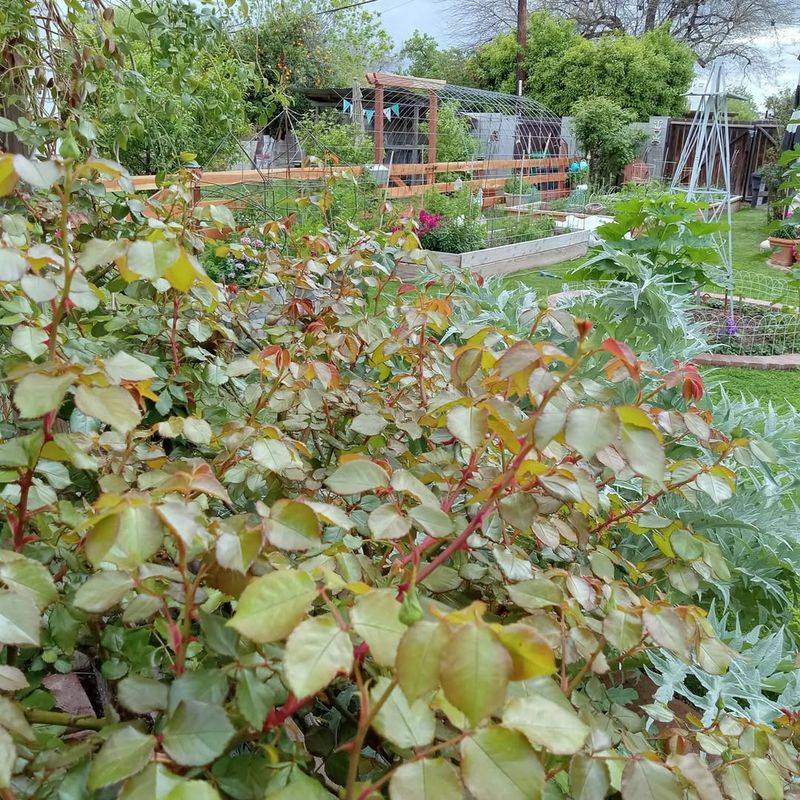
Old leaves scattered around your Phoenix rose bushes might seem harmless, but they actually harbor overwintering fungal spores and insect eggs waiting for warmer weather to cause problems. February offers the perfect opportunity to clean up this debris before spring growth begins and temperatures rise enough to activate these dormant troublemakers.
Even roses that held onto their foliage through our mild Arizona winter need this thorough cleanup to start fresh.
Start by gently raking away all fallen leaves, spent flower petals, and any other plant debris that accumulated around the base of each rose. Pay special attention to material tucked under lower branches where it tends to collect and stay damp from irrigation.
Phoenix gardeners sometimes forget that even our dry climate creates enough moisture near the soil surface to support fungal growth, especially during cooler months when evaporation rates drop.
Check the remaining foliage still attached to your roses, removing any leaves that show spots, discoloration, or unusual markings that might indicate disease. These compromised leaves will only decline further as temperatures warm up, and they serve as launching pads for infections to spread to fresh new growth.
Strip them off and add them to your debris pile for disposal rather than leaving them to drop naturally.
Once you have cleared all the old material, bag it up for your regular trash or green waste pickup service. Never add potentially diseased rose leaves to your home compost pile, as most backyard composting systems in Phoenix do not reach temperatures high enough to destroy fungal spores and pest eggs effectively.
4. Apply A Light Early-Season Feeding
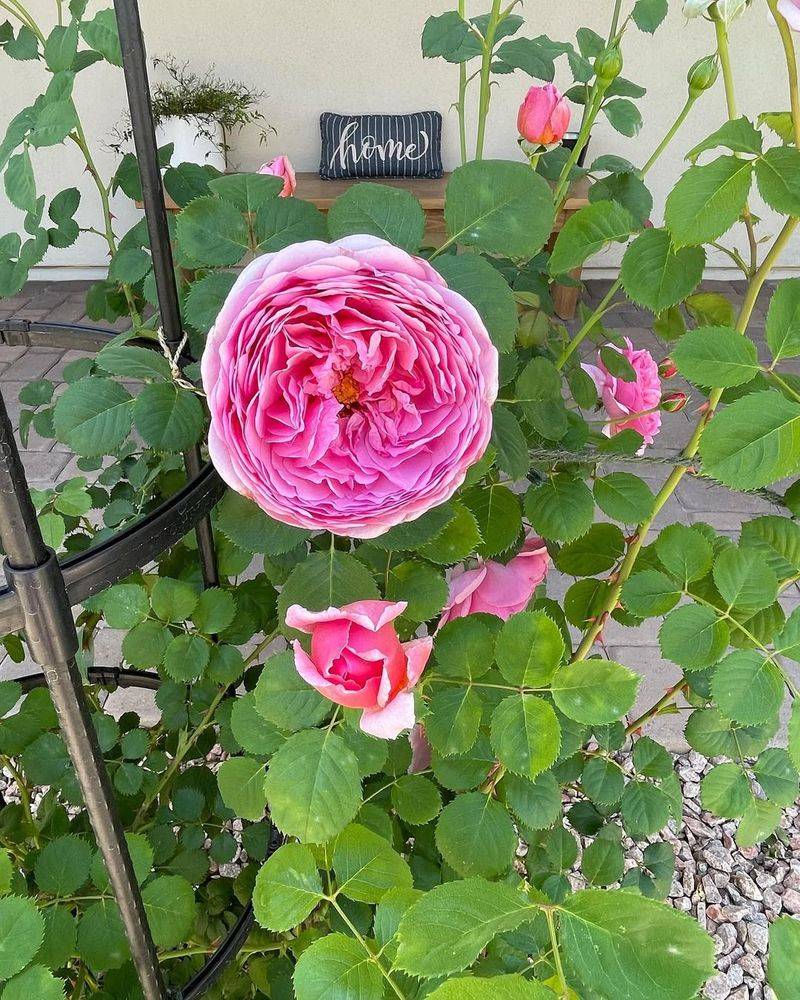
Roses emerging from winter dormancy need a nutritional boost to fuel the explosive growth that Phoenix’s lengthening days and warming soil temperatures trigger. February marks the ideal time to apply that first feeding of the season, giving your plants exactly what they need as their root systems become active again.
However, restraint matters here because overfertilizing early can push too much soft growth that struggles when summer heat arrives.
Choose a balanced rose fertilizer with roughly equal amounts of nitrogen, phosphorus, and potassium, such as a 10-10-10 or similar formulation. Organic options like alfalfa meal, fish emulsion, or composted manure work beautifully in Phoenix gardens and release nutrients gradually as soil microbes break them down.
Apply fertilizer in a circle around each plant, starting about six inches from the base and extending out to the drip line where feeder roots actively absorb nutrients.
Water thoroughly after fertilizing to help move those nutrients into the root zone where roses can access them. Arizona’s alkaline soil sometimes locks up certain nutrients, particularly iron, so consider adding a chelated iron supplement if your roses have shown yellowing leaves with green veins in previous seasons.
This chlorosis commonly affects Phoenix roses and addressing it early prevents the problem from intensifying as growth accelerates.
Mark your calendar to feed again in about six weeks, as roses in our climate benefit from regular light applications rather than heavy doses that can burn roots or create excessive vegetative growth. February’s feeding essentially primes the pump, giving your roses the resources they need to develop strong stems and abundant flower buds for spring’s spectacular display.
5. Check Soil Drainage And Adjust Watering As Needed
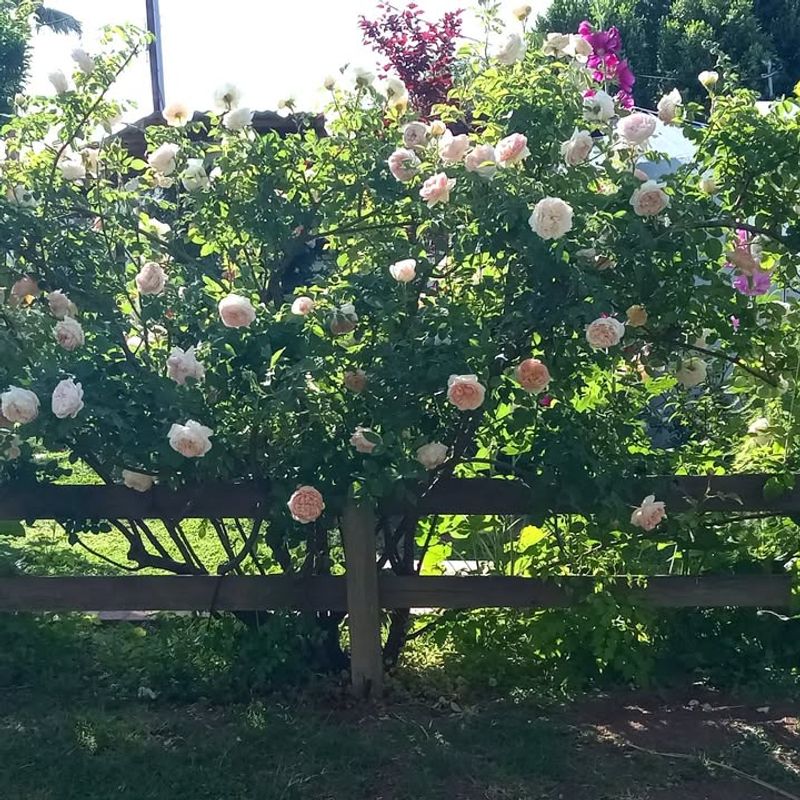
Proper soil drainage becomes absolutely critical for Phoenix roses as we transition from winter into spring and eventually into our scorching summer months. February provides an excellent opportunity to evaluate how well water moves through your rose beds and make necessary adjustments before the growing season intensifies.
Roses need consistent moisture but cannot tolerate soggy soil that suffocates their roots and encourages rot.
Test your drainage by watering a rose deeply and then checking the soil six to eight hours later. Dig down about six inches near the plant and feel the soil texture.
It should feel moist but not muddy, and water should have percolated down rather than sitting in a puddle on the surface. Arizona’s caliche layer often lurks beneath the topsoil, creating an impermeable barrier that traps water and causes drainage nightmares for rose growers.
If you discover drainage problems, consider creating raised beds or mounds for your roses, which allows excess water to drain away from the root zone. Adding generous amounts of compost or other organic matter helps break up heavy clay soils common in many Phoenix neighborhoods.
Some local gardeners successfully amend their rose beds with pumice or perlite to improve drainage while maintaining moisture retention.
Adjust your irrigation schedule for February’s cooler temperatures by reducing watering frequency compared to summer’s demands. Most established Phoenix roses need deep watering once or twice weekly during February, depending on your specific soil type and microclimate.
Install a moisture meter if you struggle to judge when roses truly need water, as this inexpensive tool takes the guesswork out of irrigation decisions.
6. Refresh Mulch Without Covering The Crown
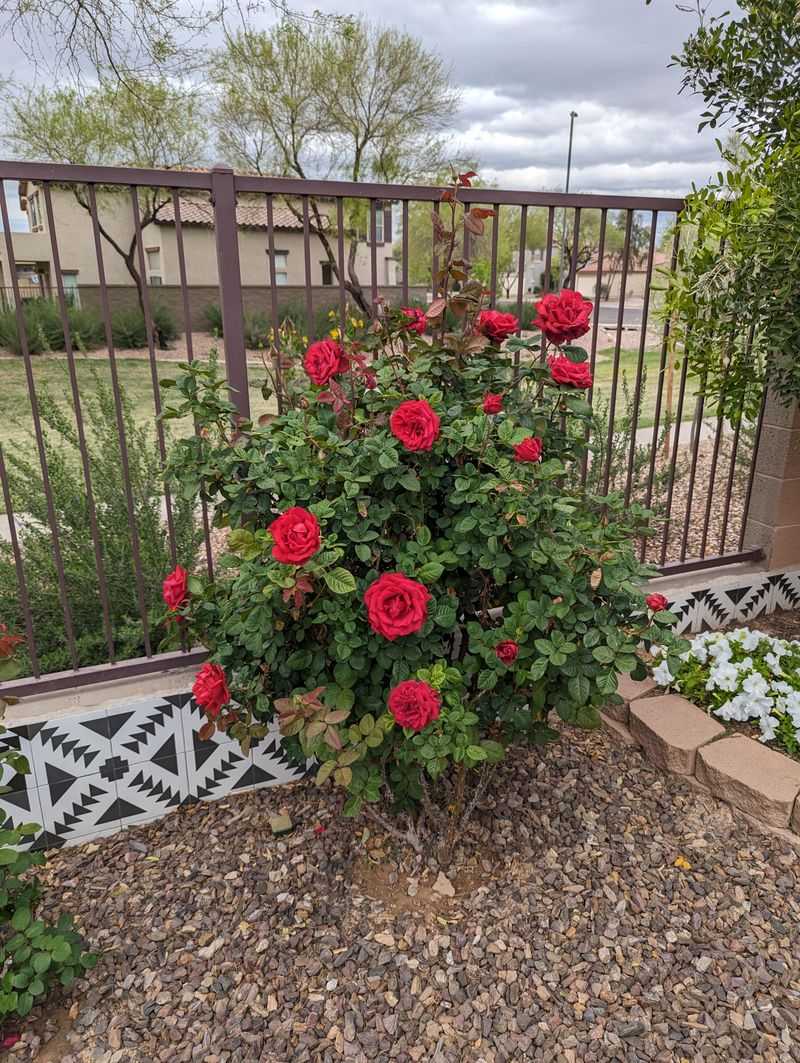
Mulch serves as your secret weapon for maintaining healthy Phoenix roses throughout the challenging months ahead, but applying it correctly makes all the difference between help and harm. February offers perfect timing to refresh the mulch layer around your roses while they are still relatively dormant and before spring growth explodes.
A proper mulch layer conserves precious moisture, moderates soil temperature swings, and suppresses weeds that compete with roses for resources.
Spread two to three inches of organic mulch around each rose, extending from about six inches away from the plant’s base out to the drip line. Wood chips, shredded bark, or composted mulch all work well in Arizona gardens, breaking down gradually to improve soil structure over time.
Never pile mulch directly against the rose’s crown or main stems, as this creates a moist environment that encourages crown rot and provides hiding places for destructive insects.
That bare zone around the plant’s base allows air circulation and lets you easily monitor for problems like borers or fungal issues that sometimes affect Phoenix roses. Many local gardeners make the mistake of creating volcano-shaped mulch mounds around their roses, which looks neat but actually harms the plant by trapping moisture against vulnerable tissue.
Keep the mulch layer flat and maintain that important gap around the crown.
Replenish mulch as needed throughout the year, as our intense Arizona sun and dry air cause organic materials to decompose faster than in other climates. Quality mulch pays dividends all season long by reducing water needs, keeping roots cooler during summer, and feeding beneficial soil organisms that support rose health.
7. Monitor For Early Insect Activity During Warm Days
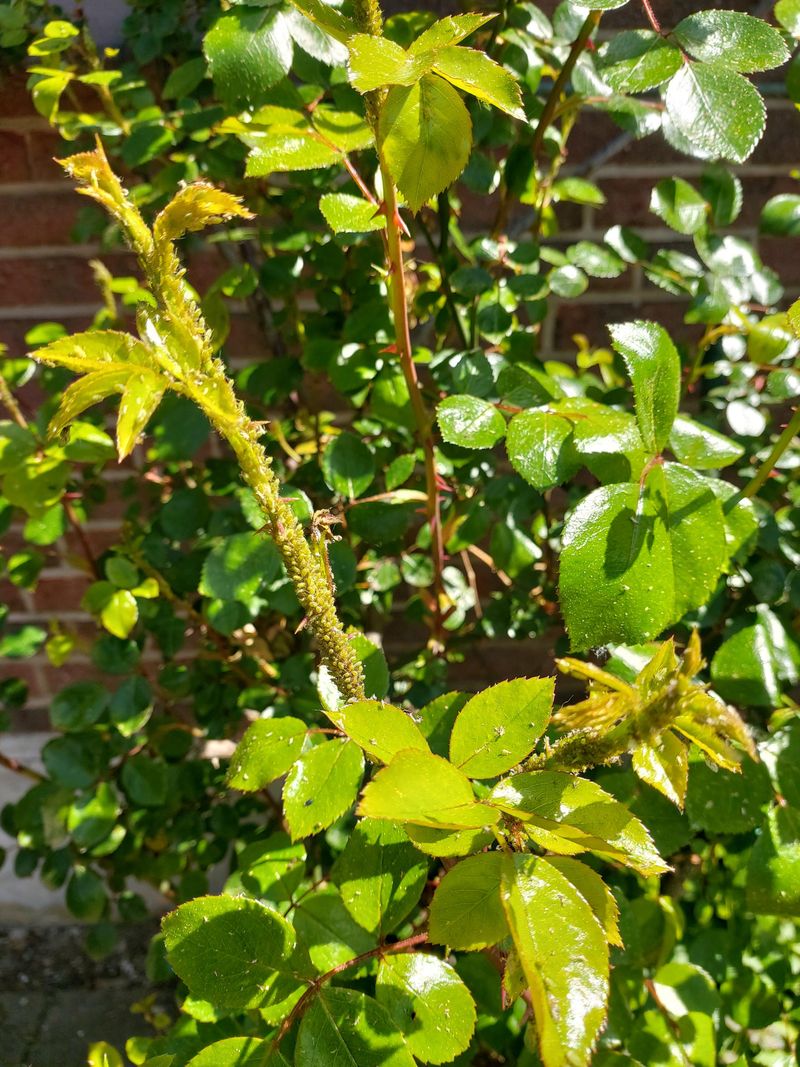
Phoenix’s mild February weather wakes up more than just your roses, as various insect pests begin stirring from winter dormancy during warm afternoon hours. Early detection makes pest management infinitely easier than waiting until populations explode and cause visible damage to your prized roses.
Spending just a few minutes each week inspecting your plants can prevent major headaches down the road when temperatures rise and insect reproduction accelerates.
Aphids often appear first, clustering on tender new growth and flower buds where they suck plant juices and leave behind sticky honeydew. These soft-bodied pests multiply rapidly in Phoenix’s spring weather, so catching them early allows you to simply blast them off with a strong spray from the hose.
Check the undersides of leaves carefully, as many insects hide there to avoid detection and harsh sunlight.
Spider mites become increasingly active as February progresses, especially during those unseasonably warm stretches that Phoenix experiences. These tiny pests cause stippling on leaves that eventually turn bronze or yellow if infestations go unchecked.
Thrips may also appear, leaving silvery streaks on petals and distorting flower buds before they open. Arizona rose growers often deal with these pests by increasing humidity around plants through regular misting, as thrips and spider mites prefer hot, dry conditions.
Beneficial insects like ladybugs and lacewings also emerge during February, and these natural predators provide free pest control if you avoid broad-spectrum insecticides that harm them. Consider keeping a simple garden journal to track when specific pests appear each year, helping you anticipate problems and respond proactively in future seasons.