The 2026 Must-Grow Plant List For California Gardens
Every year, a few plants rise to the top and suddenly everyone wants them in their yard. Sometimes it’s because they grow faster, look better, or just make life easier for busy gardeners.
Other times, it’s simply because once you see them thriving in someone else’s garden, you start thinking… yeah, I need that too.
This year’s standout plants are all about big impact without the extra fuss. Think bold color, interesting textures, and plants that actually pull their weight instead of sitting there looking pretty and demanding attention.
Even better, many of them are surprisingly easy to grow once you get them settled in. If your garden is feeling a little predictable or you’re just ready to try something new, this is a great time to switch things up.
A few smart plant choices can completely change the look and feel of your space, and make gardening a lot more fun along the way.
1. Tomato ‘BadaBing’
If you have ever wished for a tomato plant that does not take over your whole garden, this might be exactly what you have been looking for.
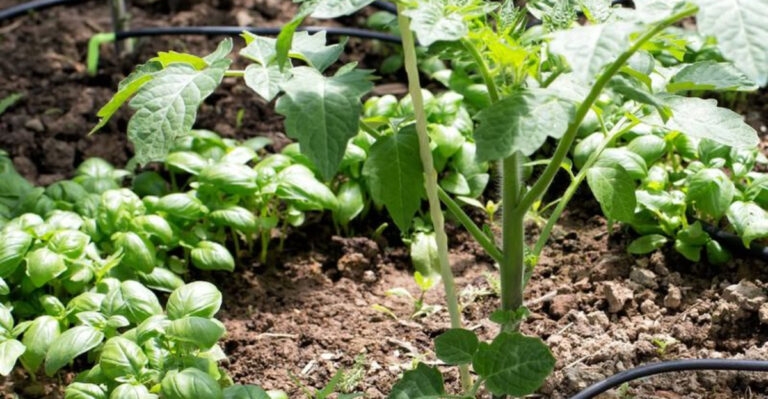
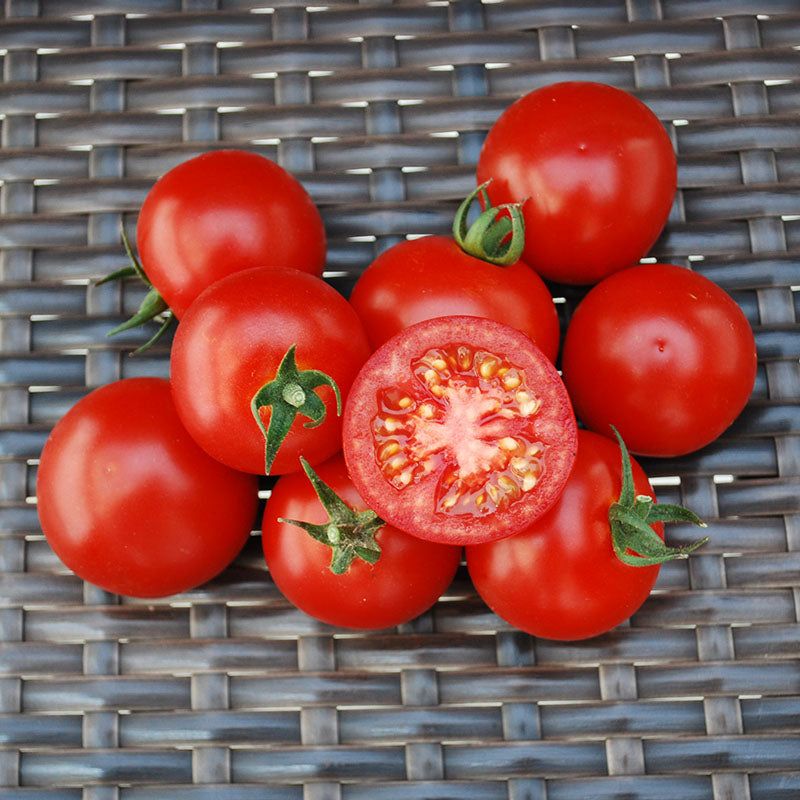
Tomato ‘BadaBing’ is a compact, determinate variety that stays tidy and manageable, making it perfect for raised beds, containers, or small garden spaces across California.
The fruit is round, smooth, and loaded with flavor. You can expect a generous harvest of bite-sized tomatoes that are great fresh off the vine or tossed into salads.
The plant ripens relatively quickly, which is a huge plus for gardeners in cooler coastal areas of California who have shorter warm seasons.
Plant it in full sun and give it consistent watering for the best results. A little tomato fertilizer every few weeks will keep production going strong.
This variety also holds up well in summer heat, which means gardeners in the Central Valley and Southern California can count on a reliable crop.
It is a fun, low-fuss tomato that beginners and experienced growers alike will appreciate adding to their 2026 garden lineup.
2. Basil ‘Treviso’
Fresh basil has a smell that can instantly make a garden feel alive, and Basil ‘Treviso’ takes that experience to a whole new level.
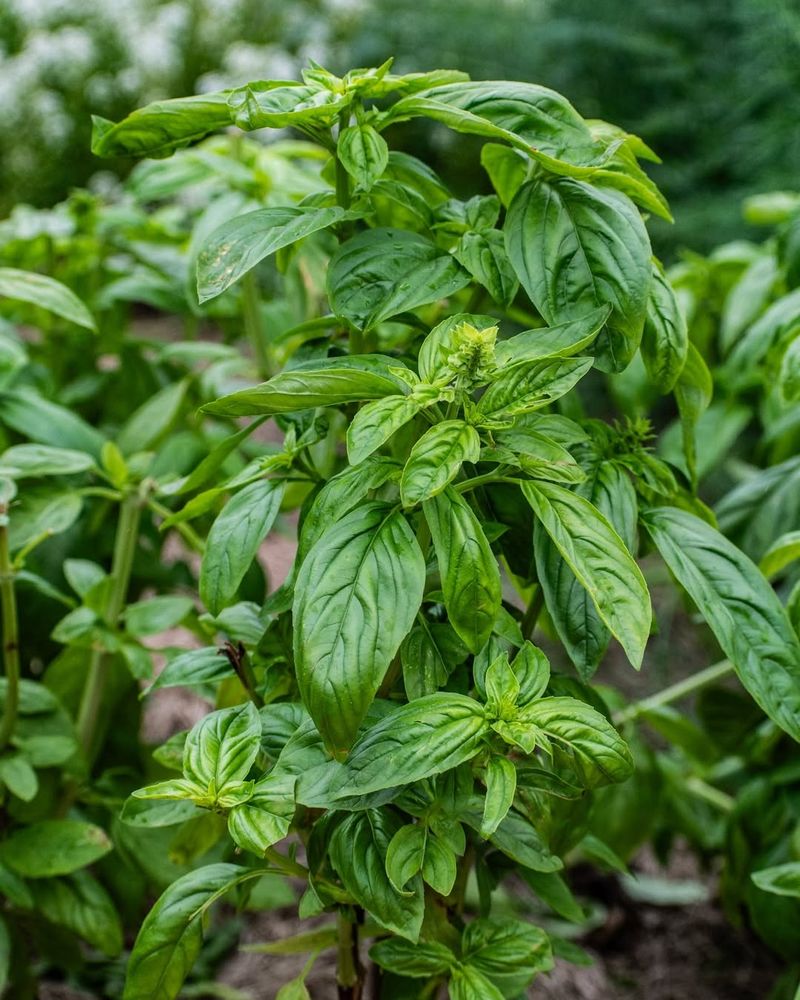
Named after a region in Italy, this variety produces large, deeply fragrant leaves that are packed with that classic sweet basil aroma California home cooks absolutely love.
What makes ‘Treviso’ stand out is its slow-bolting habit. Many basil varieties rush to flower and lose their flavor fast, but this one stays leafy and productive for a longer stretch of the season.
That means more fresh leaves for your pasta, pizza, and pesto all summer long.
It grows well in containers on sunny patios or directly in garden beds throughout California. Give it well-drained soil, plenty of warmth, and regular watering at the base of the plant rather than overhead.
Pinching off any flower buds as they appear will keep the plant bushy and flavorful.
Gardeners in warmer inland areas of California will find that ‘Treviso’ thrives especially well, producing generous harvests from late spring right through early fall with very little fuss.
3. Pole Bean ‘Majesty’
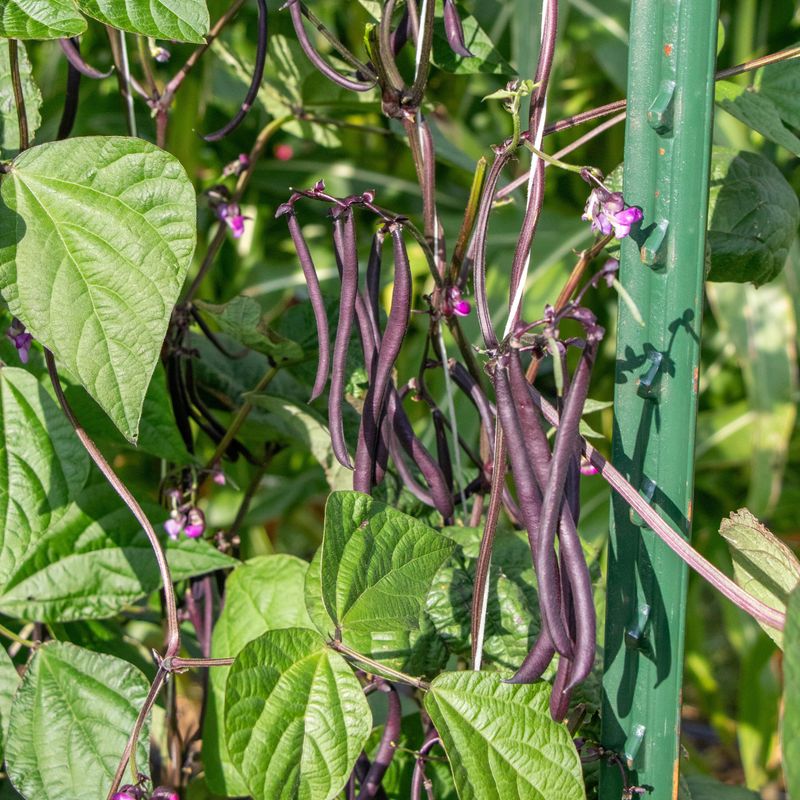
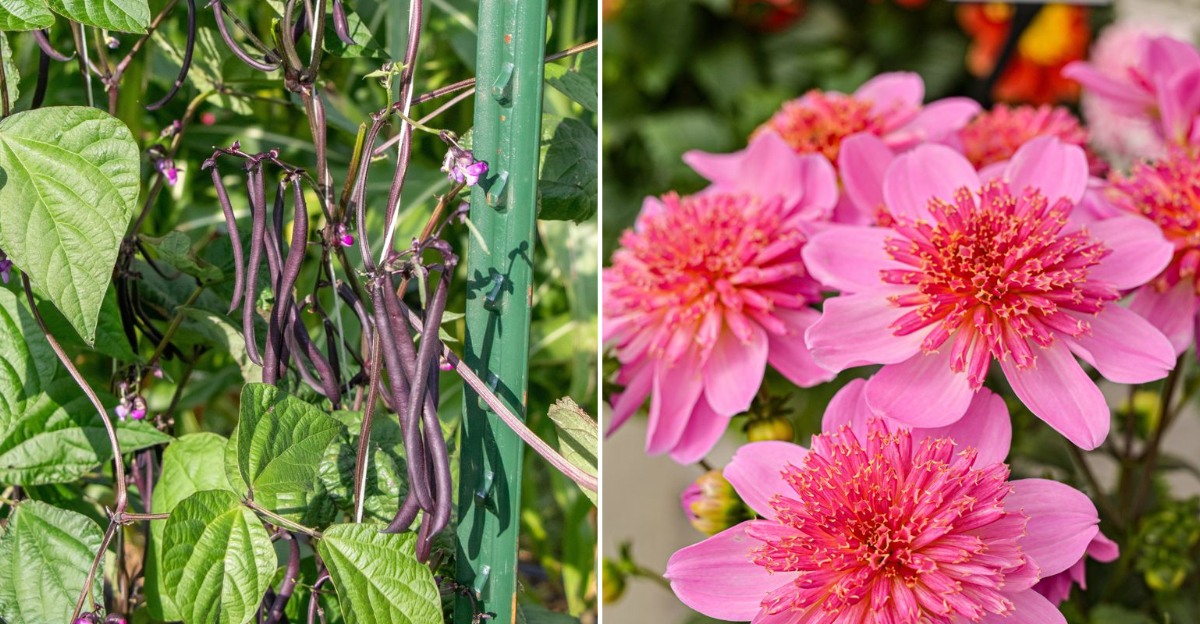
There is something deeply satisfying about watching a bean plant climb. Pole Bean ‘Majesty’ does exactly that, reaching upward with impressive energy and producing a striking harvest of deep purple pods that turn green when cooked.
It is one of the most visually exciting vegetable varieties heading into 2026.
Growing vertically means it saves space in your California garden while still delivering a big yield. Set up a simple trellis or teepee of stakes, and ‘Majesty’ will do the rest.
The vines can reach six feet or more, so give them something sturdy to hold onto.
The beans are best harvested young and tender, when they snap cleanly and have a mild, slightly sweet flavor. Regular picking encourages the plant to keep producing, so check your vines every couple of days during peak season.
This variety performs beautifully in the warm summers of inland California but also handles coastal conditions with ease. It is a high-producing, low-maintenance crop that rewards even first-time vegetable gardeners.
Plus, those purple pods make the garden look incredible, giving you a harvest that is just as pretty as it is delicious.
4. Kale ‘Rubybor’
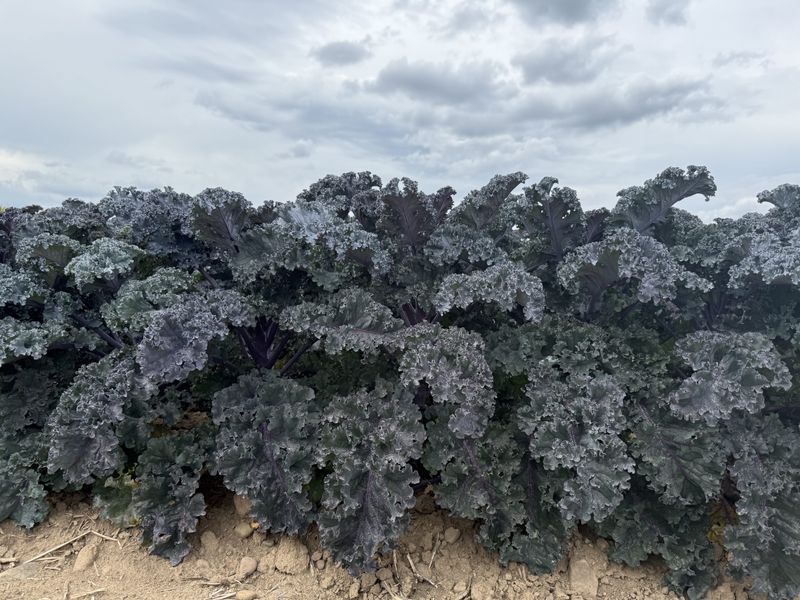
Not all kale looks the same, and ‘Rubybor’ is proof of that. This curly kale variety shows off deep reddish-purple leaves with tightly ruffled edges that make it one of the most beautiful edible plants you can grow in a California garden.
It is as much a visual showpiece as it is a nutritious powerhouse.
The color deepens after a light frost, which means California gardeners in cooler regions like the Bay Area or higher elevation foothills get an especially stunning display in fall and winter.
Even in warmer Southern California gardens, the color holds up nicely through the cooler months.
Kale ‘Rubybor’ is packed with vitamins and holds its texture well whether eaten raw in salads or cooked in soups and stir-fries. It is a tough plant that handles both heat and cold better than many other leafy greens.
Plant it in well-amended soil with good drainage and water consistently. It grows well in raised beds or large containers.
Harvest outer leaves regularly to encourage fresh new growth from the center. This is a kale variety that earns its spot in the 2026 garden on looks and flavor both.
5. Dahlia ‘Venti PinkBurst’
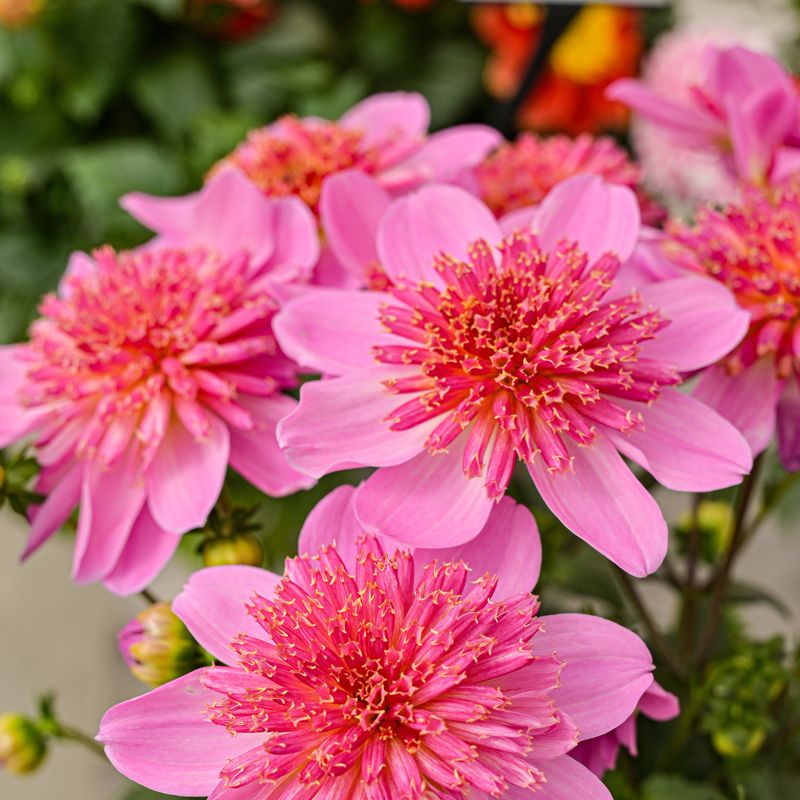
Picture a flower that looks like it belongs in a trendy coffee shop display, and you have Dahlia ‘Venti PinkBurst.’
The name alone turns heads, and the blooms absolutely deliver. These anemone-type flowers come in gorgeous bi-color pink tones ranging from soft blush to deeper rose, and they measure between three and a half to six inches wide.
One of the best things about this variety is its size. Growing only about 16 inches tall and wide, it fits perfectly in containers, window boxes, or small garden beds, making it a fantastic choice for California gardeners with limited space.
It blooms steadily from summer through fall, giving you months of color.
Pollinators go crazy for these blooms. Bees and butterflies flock to ‘Venti PinkBurst’ throughout the season, which is great news for the overall health of your garden.
It also shows solid resistance to powdery mildew, a common issue in some parts of California. Plant it in full sun with well-drained soil and feed it regularly with a balanced fertilizer.
Deadhead spent blooms to encourage continuous flowering. This dahlia is compact, cheerful, and completely irresistible.
6. Pentas ‘Beehive’
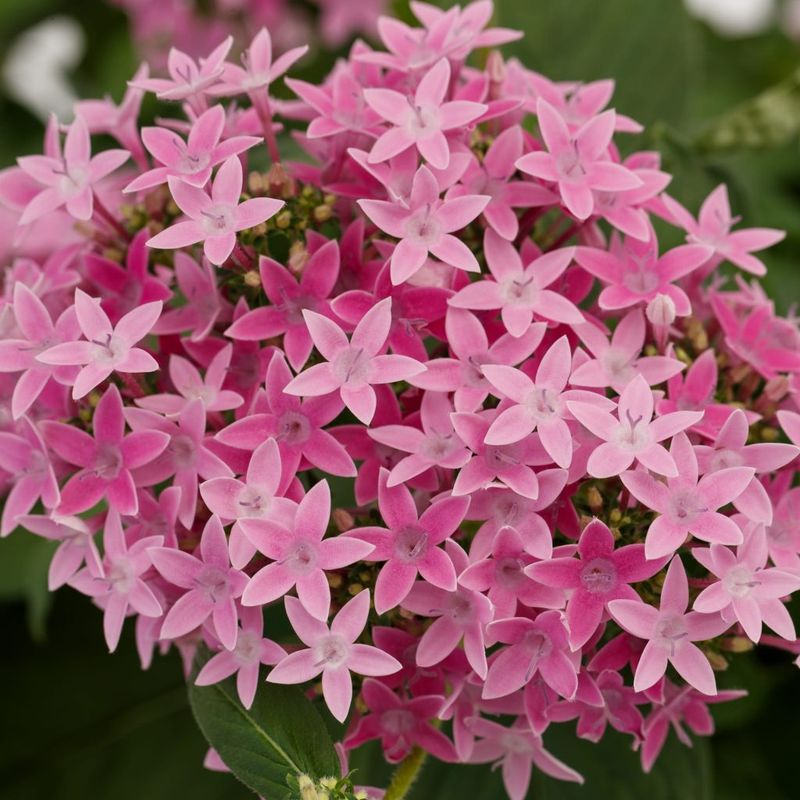
If your goal is to turn your California garden into a pollinator paradise, Pentas ‘Beehive’ is the plant to do it. True to its name, this compact, mounding variety draws in bees, butterflies, and hummingbirds like a magnet.
The clusters of small, star-shaped flowers bloom in rich shades of red, pink, and white throughout the warm season.
What makes ‘Beehive’ especially appealing is how easy it is to grow. It loves heat, handles humidity, and keeps blooming even when temperatures climb high, which is great news for gardeners in Southern California and the Central Valley.
It does not ask for much beyond full sun and regular watering.
Plant it along borders, in containers, or as a colorful ground cover in sunny spots. It pairs beautifully with other summer-blooming plants and adds a lively, layered look to any garden bed.
Deadheading is not strictly required, but trimming back spent flower heads will keep the plant looking full and tidy. Pentas ‘Beehive’ stays compact and well-shaped without a lot of pruning, making it one of the most low-maintenance flowering plants on this year’s list.
It is a true crowd-pleaser in every sense.
7. Coreopsis ‘SunGlobe’
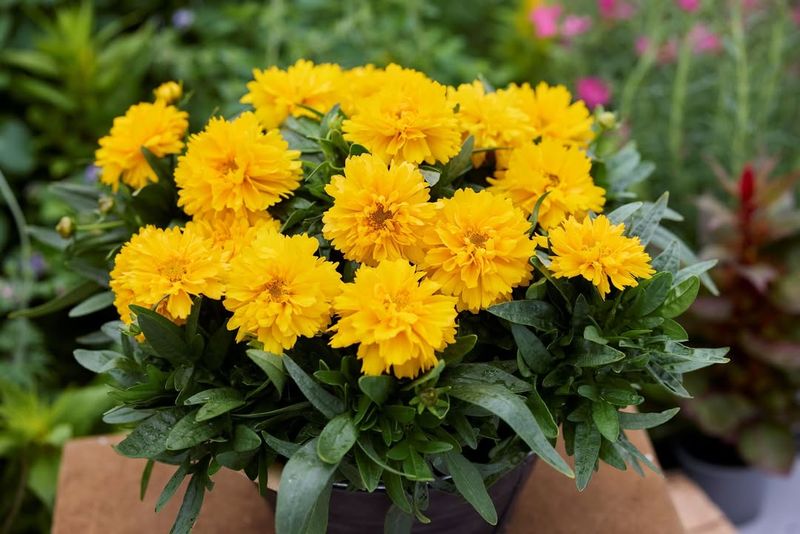
Bright, cheerful, and completely unfussy, Coreopsis ‘SunGlobe’ is the kind of plant that makes even a beginner feel like a gardening expert.
Starting from seed, this compact perennial begins blooming in about 90 days, which means California gardeners do not have to wait long before their garden lights up with sunshine-yellow color.
The double flowers are bold and full, sitting on sturdy stems that do not flop over even in coastal breezes. Plants stay neat at around 12 inches tall and wide, making them ideal for borders, containers, or mixed flower beds throughout California.
The long blooming season stretches from summer well into fall.
Coreopsis is naturally drought-tolerant once established, which makes it a smart choice for water-conscious California gardeners. It thrives in full sun and prefers well-drained soil but adapts to a variety of garden conditions.
Deadheading spent flowers encourages even more blooms to follow. This variety performs reliably across a wide range of climate zones, from cooler coastal gardens to hot inland landscapes.
It also attracts beneficial insects, adding ecological value beyond just looking beautiful. ‘SunGlobe’ is one of those plants that earns its keep all season long without any drama.
8. Sedum ‘Spectacular’
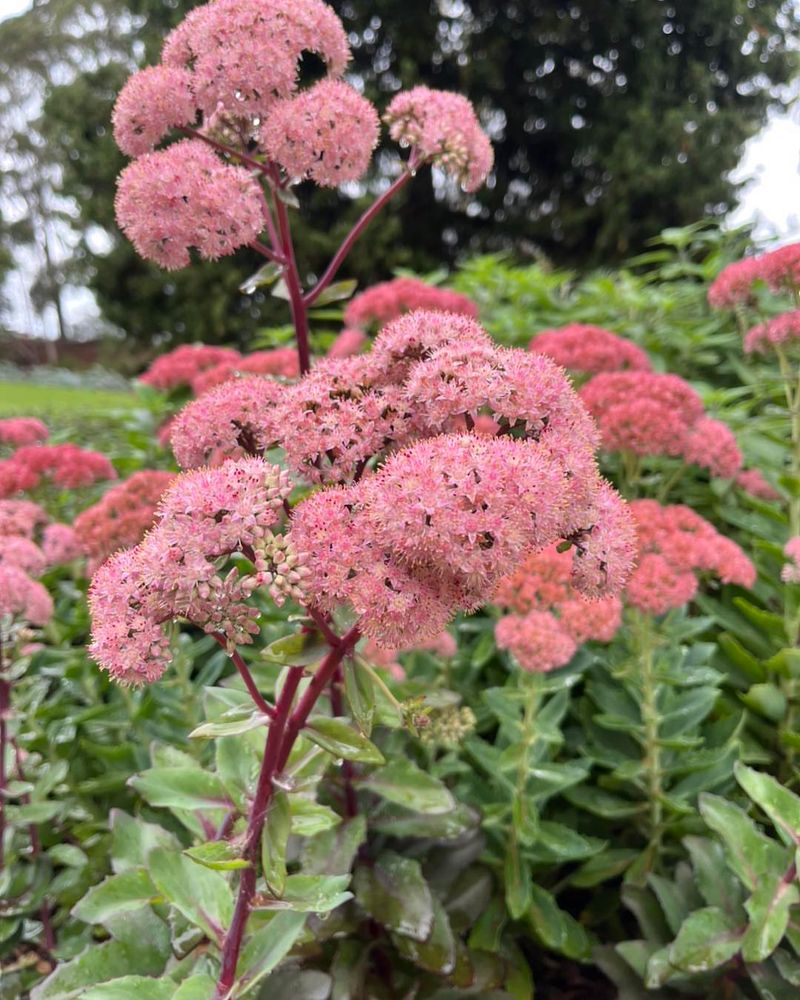
When fall rolls around in California and most summer flowers start to fade, Sedum ‘Spectacular’ is just getting started.
This tough, reliable perennial puts on one of the most impressive late-season shows in the garden, producing large, flat-topped clusters of deep pink flowers that gradually deepen to a rich rosy red as the season progresses.
Beyond the blooms, the thick, fleshy blue-green leaves add texture and interest even when the plant is not in flower. Sedum is a succulent, which means it stores water in its leaves and handles dry spells with ease.
For California gardeners dealing with water restrictions or simply wanting a low-water landscape, this is an ideal choice.
Plant it in full sun with well-drained soil, and it will reward you with almost zero maintenance. It does not need frequent watering once established, and it rarely has pest or disease issues.
Butterflies and bees love the late-season blooms, which is a bonus for gardens that need a pollinator boost heading into fall. The dried flower heads also look beautiful through winter, adding structure to the garden long after the growing season wraps up.
A truly spectacular plant in every way.
9. Dianthus ‘Supra Cherry Picotee’
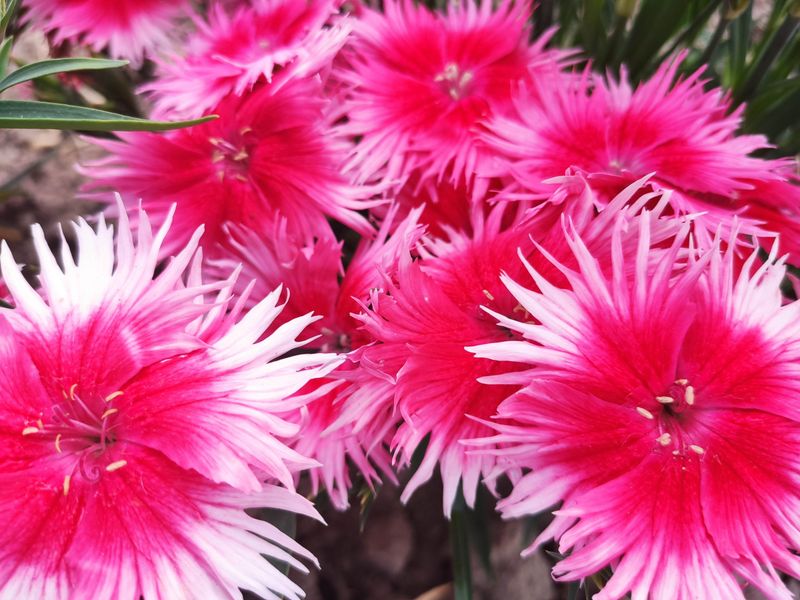
Bold, spicy-sweet fragrance and striking two-toned blooms make Dianthus ‘Supra Cherry Picotee’ one of the most eye-catching additions to a California garden in 2026.
The flowers are a vivid cherry red with a crisp white picotee edge, creating a contrast that looks almost painted.
They bloom in generous flushes and carry a clove-like scent that drifts through the garden on warm afternoons.
This dianthus variety is compact and tidy, growing well in containers, window boxes, and front-of-border plantings. It handles both cool and warm conditions, making it versatile enough for gardens across California from the foggy coast to the sunnier inland valleys.
Full sun to light partial shade suits it best, and it prefers well-drained, slightly alkaline soil. Regular deadheading keeps the blooms coming in strong waves throughout the season.
It is also deer-resistant, which is a huge advantage for gardeners in foothill and rural areas of California where deer browsing can be a real challenge.
‘Supra Cherry Picotee’ is a fresh, vibrant take on a classic garden flower. It brings old-fashioned charm with modern performance, and it absolutely earns its spot on any 2026 must-grow list.
10. Bush Cherry ‘Easy As Pie’
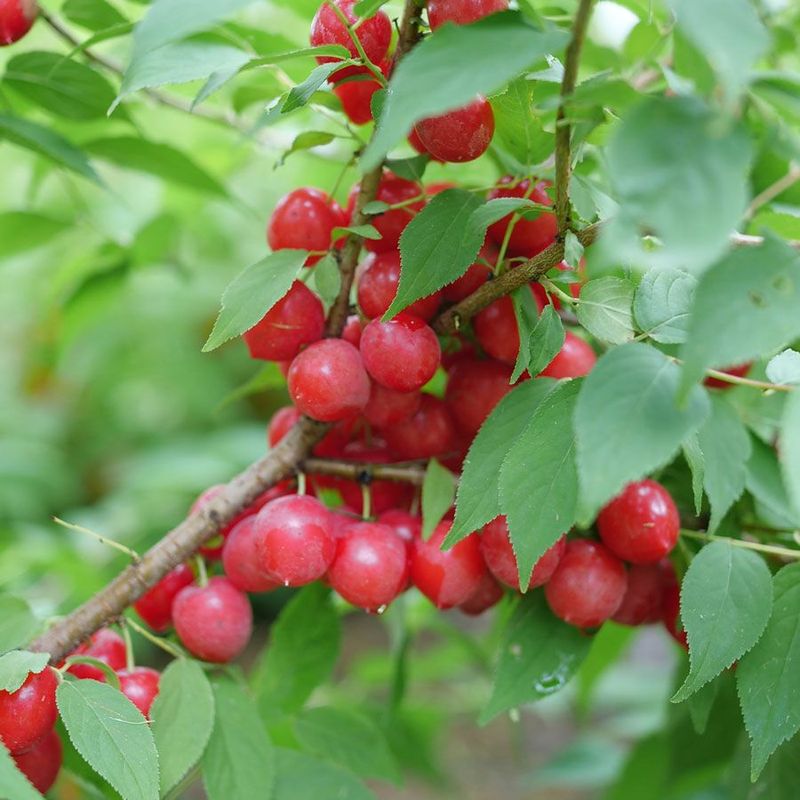
Growing your own fruit does not have to mean planting a full-sized orchard. Bush Cherry ‘Easy As Pie’ is a compact, self-fruiting shrub that produces an impressive crop of sweet-tart cherries on a manageable plant that fits even smaller California gardens.
The name says it all: this is fruit growing made genuinely simple.
The plant blooms with pretty white spring flowers before setting clusters of glossy red cherries that ripen in early summer. It is self-pollinating, so you only need one plant to get fruit, which is a big convenience for gardeners with limited space.
It grows well in large containers or directly in garden beds.
California’s mild winters and warm summers create excellent conditions for this cherry variety to thrive. Plant it in full sun with well-drained, fertile soil and water consistently during the fruiting period for the best crop.
A light layer of mulch helps retain soil moisture and keeps roots cool during summer heat. Birds love the cherries too, so a simple netting cover will help protect your harvest.
Whether you are in a suburban neighborhood in the Bay Area or a sunny backyard in the Inland Empire, ‘Easy As Pie’ makes homegrown cherries a real possibility in 2026.
11. Mock Orange ‘Pearls Of Perfume’
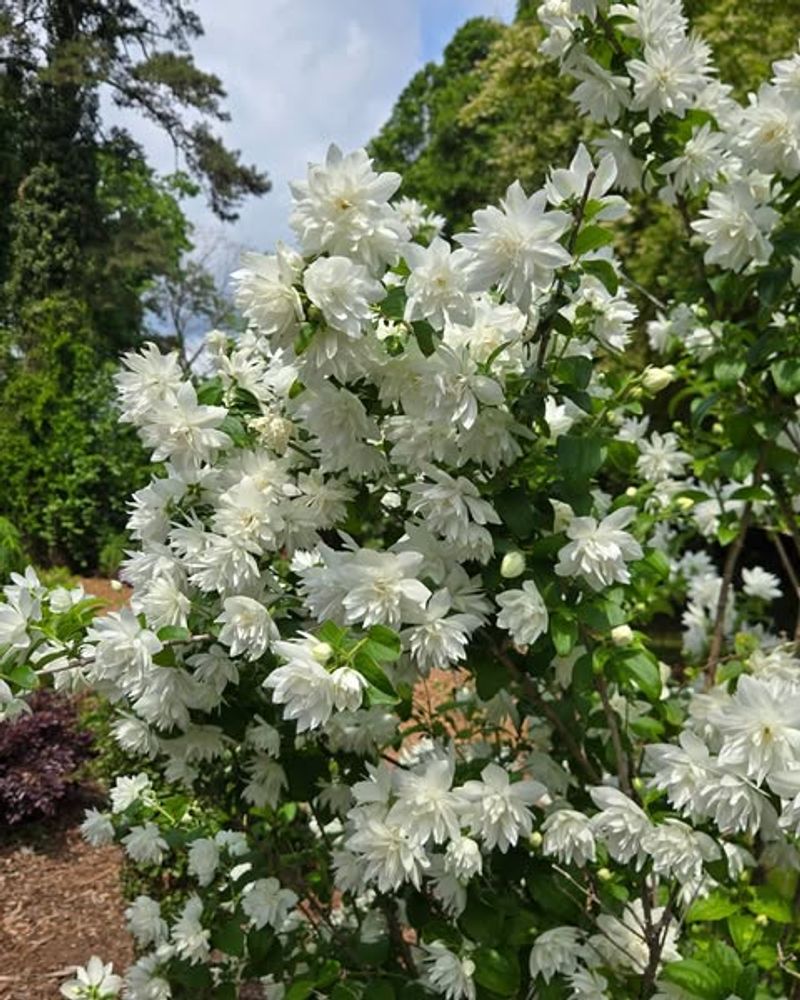
Few things in a garden are as purely delightful as catching a wave of sweet fragrance on a warm California evening, and Mock Orange ‘Pearls of Perfume’ delivers exactly that.
This elegant shrub is covered in clusters of small, creamy white flowers each spring, and the scent is rich, sweet, and unmistakably orange-blossom-like.
It is the kind of fragrance that stops you mid-step.
Beyond the incredible scent, this is a tough and adaptable shrub. It handles a range of soil types and tolerates both heat and occasional cold snaps, making it a reliable performer across many California growing regions.
Once established, it needs relatively little water, which aligns well with California’s conservation-minded gardening culture.
Plant it near a patio, walkway, or window where the fragrance can be fully enjoyed. It grows into a graceful, arching shape that looks beautiful as a standalone specimen or as part of a mixed shrub border.
Prune it lightly right after flowering to maintain a tidy form and encourage next year’s bloom.
‘Pearls of Perfume’ is a standout shrub that brings both beauty and sensory pleasure to the garden. It is the kind of plant that makes neighbors stop and ask what that amazing smell is.