The Native Flowering Plant You’ll See In More And More Pennsylvania Yards
Some plants seem to check every box without even trying too hard. They can handle changing weather, look good for a long stretch, and bring the kind of easy color that makes a yard feel more alive.
In Pennsylvania, that kind of plant is getting a lot more attention, especially from homeowners who want something beautiful but also practical.
People are looking for flowers that do more than sit there and look pretty for a week or two. They want plants that feel at home in the landscape and give something back.
That is a big reason purple coneflower keeps showing up in more Pennsylvania yards. This native favorite has a strong, cheerful look that stands out in garden beds, borders, and natural-style plantings without feeling fussy or overdone.
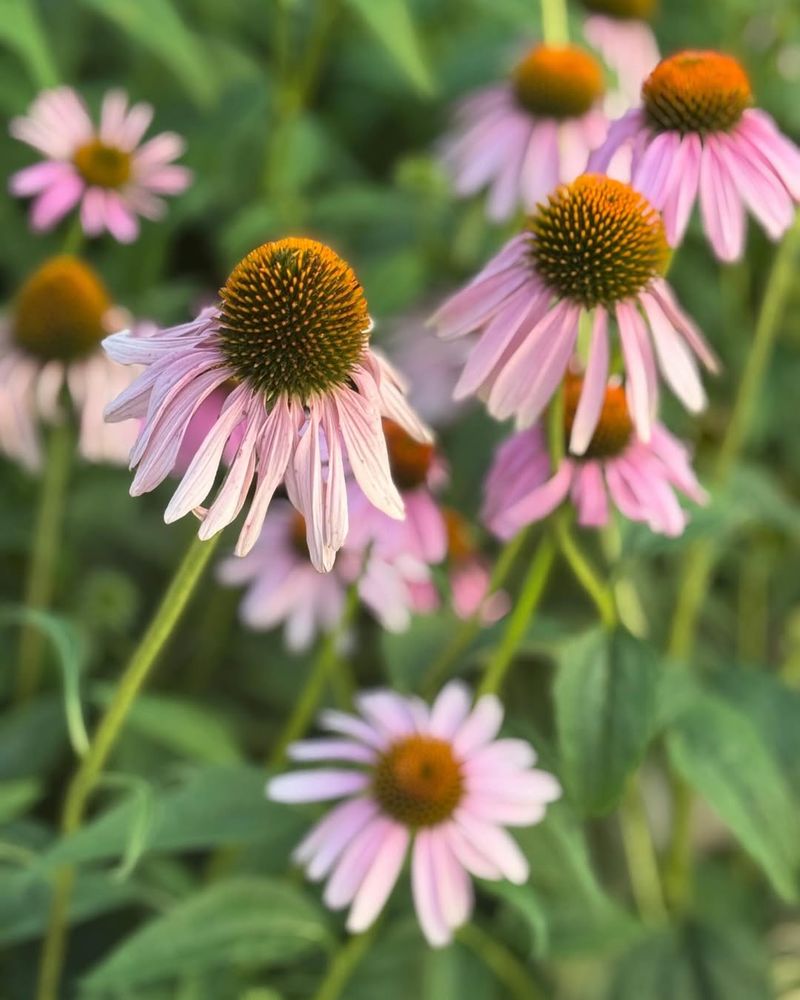
It is known for its daisy-like blooms, sturdy stems, and long season of color, but its appeal goes beyond looks.
It is also a magnet for pollinators, a reliable performer in summer, and a smart fit for gardeners who want a yard that feels both beautiful and connected to the local environment.
1. Why Purple Coneflower Is Showing Up Everywhere
Purple coneflower has become something of a quiet superstar in Pennsylvania yards over the past few years.
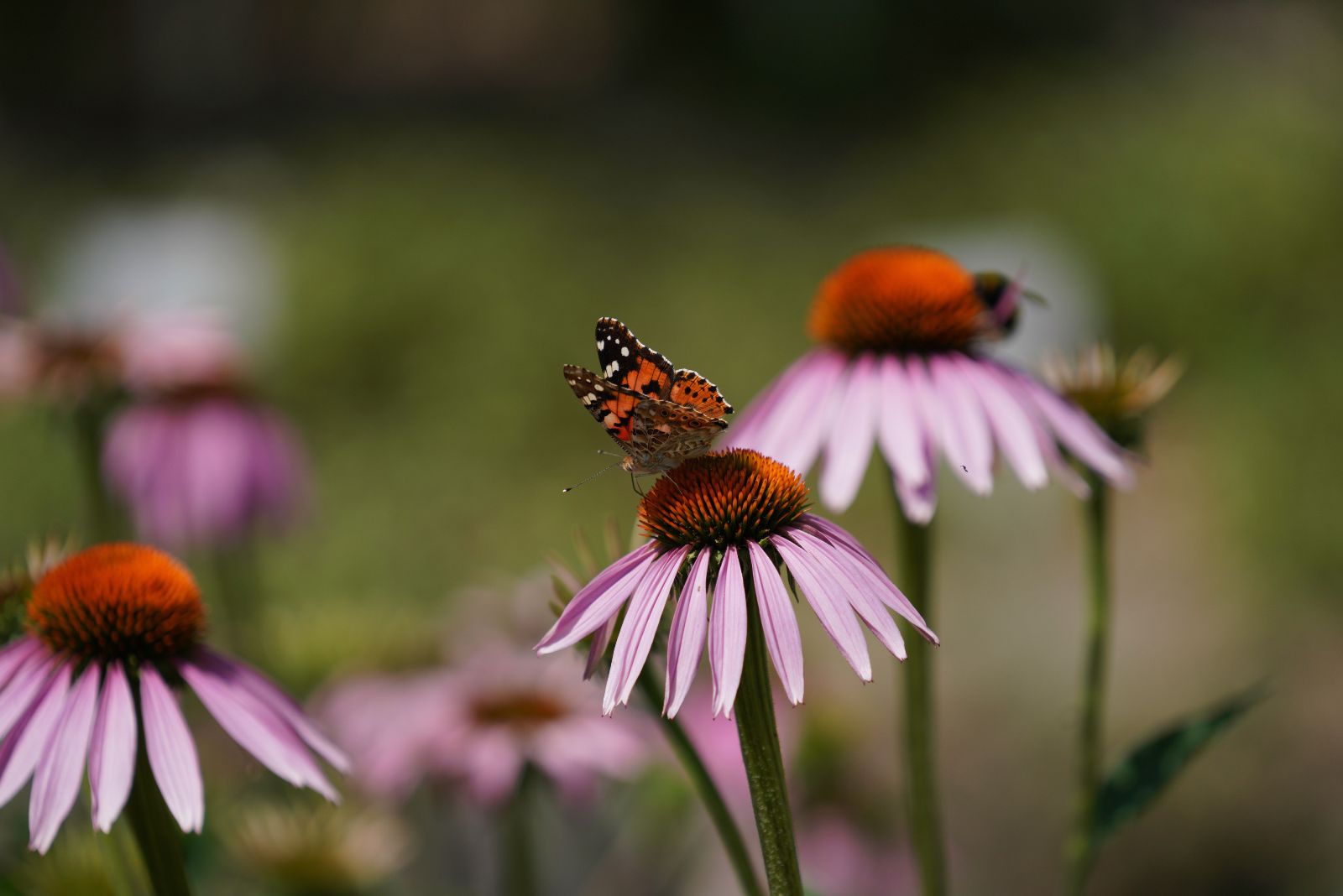
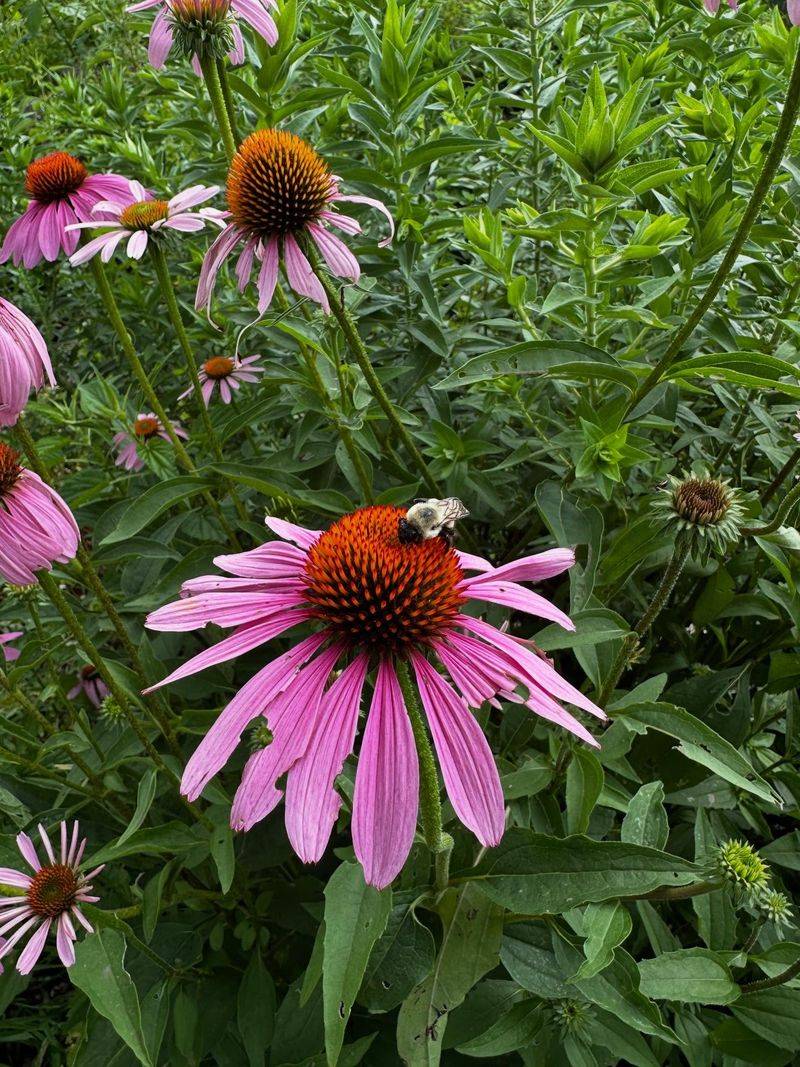
Drive through any neighborhood from Pittsburgh to Philadelphia, and you are likely to spot its bright, daisy-like blooms nodding in the summer breeze. It is hard to miss those vivid pink-purple petals surrounding a spiky orange-brown cone.
Homeowners are choosing this plant for good reason. It blooms from June all the way through September, giving yards a long stretch of color during the warmest months of the year.
That kind of staying power is something most flowering plants simply cannot match. Beyond its looks, purple coneflower is remarkably easy to care for. You do not need to be an experienced gardener to grow it successfully.
Once it is settled into the ground, it largely takes care of itself. That low-maintenance quality is a big part of why it has caught on so quickly with busy Pennsylvania families who want a beautiful yard without spending every weekend doing garden work.
Garden centers across Pennsylvania have noticed the growing demand. Many shops now stock multiple varieties of Echinacea, including dwarf forms and ones with deeper or lighter flower colors.
Social media has also played a role, with gardeners sharing photos of their coneflower patches and inspiring neighbors to try it themselves.
The plant also looks great in photos. Its bold color and interesting cone shape make it a natural focal point in any garden.
Whether planted in a small cluster or spread across a wide border, purple coneflower consistently delivers a visual punch that keeps people coming back for more.
2. What Makes It Native And Why That Matters
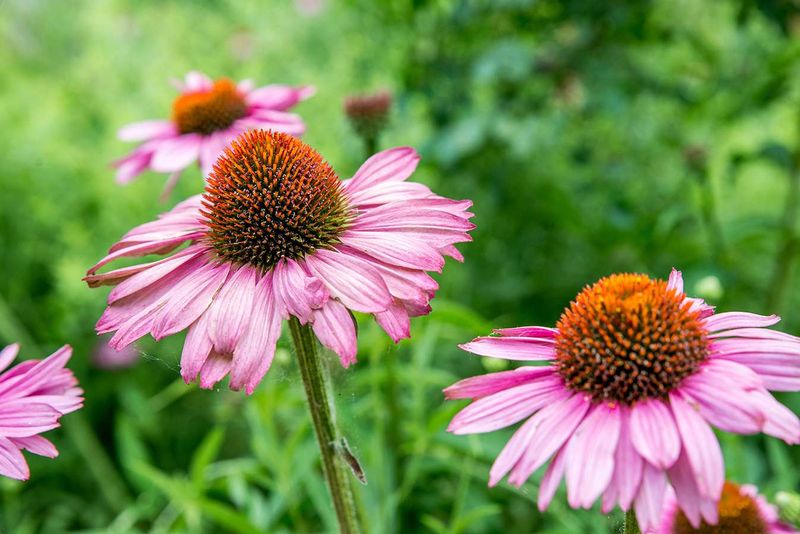
Not every pretty flower belongs in a Pennsylvania garden. Some plants are imported from other parts of the world and can actually cause problems for local ecosystems.
Purple coneflower is different because it is native, meaning it evolved right here in eastern North America over thousands of years.
Being native matters more than most people realize. Native plants are already adapted to Pennsylvania’s soil, rainfall patterns, and seasonal temperature swings.
They do not need constant fertilizing or heavy watering because the local environment is essentially their home. That natural fit makes them far more reliable than many non-native ornamentals that struggle through hot summers or cold winters.
Pennsylvania’s climate can be unpredictable. Some summers bring long dry stretches, while winters can be brutally cold.
Purple coneflower handles both extremes without complaint. Its deep root system helps it access moisture even during dry spells, and it goes dormant in winter without losing its ability to return strong the following spring.
There is also an ecological reason to care about native plants. When you grow plants that belong to the local landscape, you support the entire web of life that depends on them.
Native insects, birds, and other wildlife have evolved alongside these plants and rely on them for food and shelter in ways that imported species simply cannot provide.
Pennsylvania’s Department of Conservation and Natural Resources actively encourages homeowners to choose native plants for their yards. Purple coneflower is one of the top recommendations on their list.
Choosing a native plant like this one is a small decision that creates a meaningful ripple effect throughout your local environment.
3. Why Pennsylvania Gardeners Love It
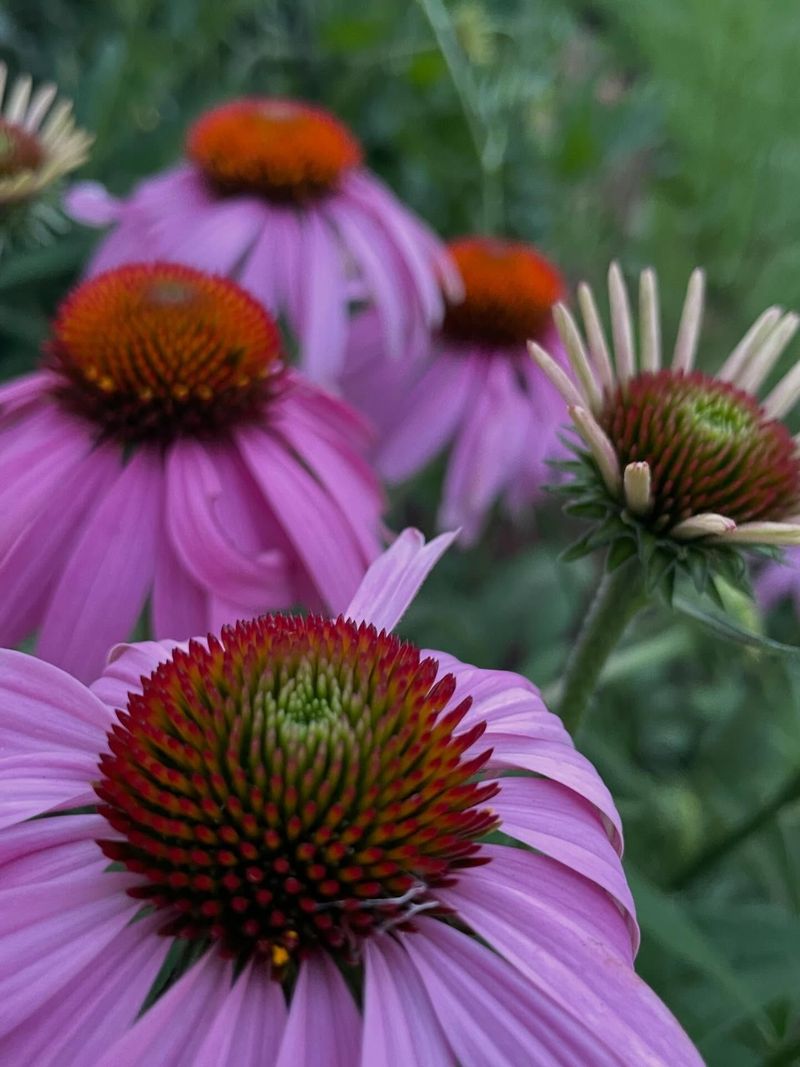
Ask any experienced Pennsylvania gardener what they love most about purple coneflower, and the answer usually comes back to one word: reliability.
Year after year, this plant comes back without much help from the gardener. That dependability is something that seasoned growers truly appreciate.
Summer in Pennsylvania can get hot and humid, especially in July and August. Many flowering plants struggle or stop blooming altogether when temperatures climb.
Purple coneflower barely flinches. It keeps producing fresh flowers through the hottest stretches of summer, making it one of the most consistent performers in the garden during those tough months.
Dry spells are another challenge that Pennsylvania gardeners face regularly. Once purple coneflower is established, usually after its first full growing season, it handles drought remarkably well.
Its thick taproot reaches deep into the soil to find moisture that shallower-rooted plants cannot access. You may need to water it during its first summer, but after that, it largely manages on its own.
Another thing gardeners appreciate is how little fuss it requires. No complicated pruning schedules, no special soil amendments, and no fussy feeding routines.
A bit of deadheading can encourage more blooms, but even that step is optional. If you leave the seed heads in place, they add winter interest and feed birds.
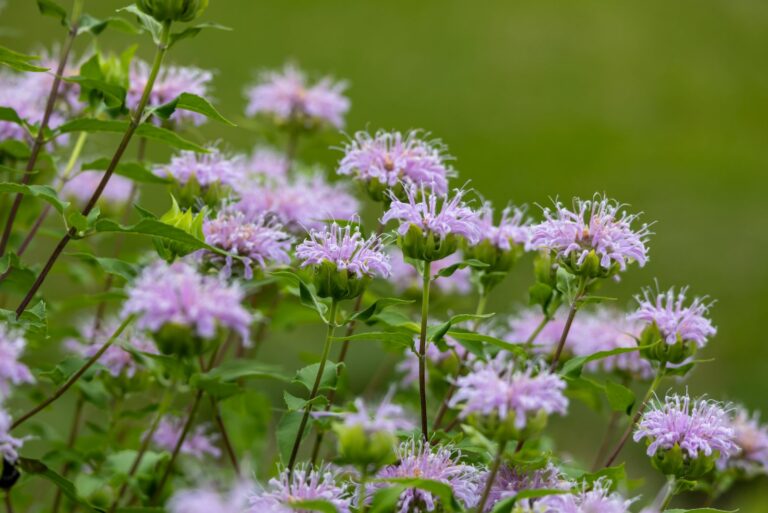
Purple coneflower also plays well with other common Pennsylvania garden favorites like black-eyed Susans, ornamental grasses, and wild bergamot. Mixing these plants creates a layered, naturalistic look that stays attractive across multiple seasons.
For gardeners who want beauty without constant effort, it is hard to find a better match than this tough, cheerful native perennial.
4. The Pollinator Bonus
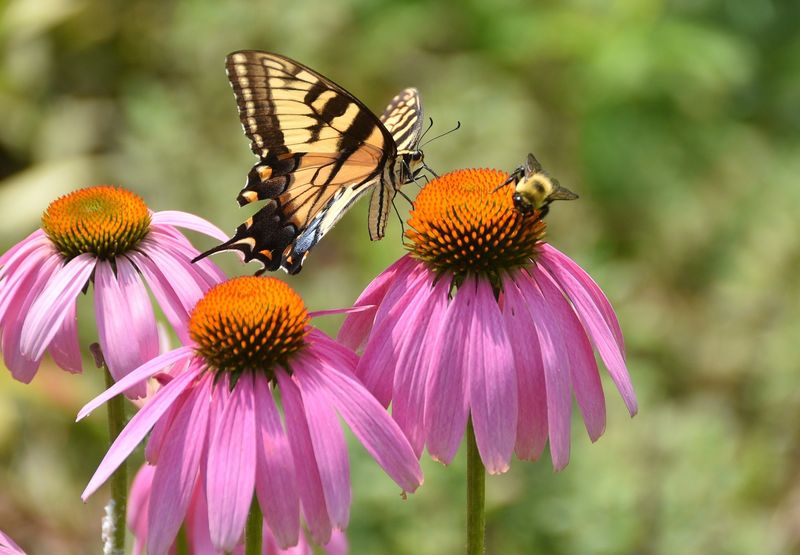
Few plants in Pennsylvania attract as much wildlife activity as purple coneflower does during the summer months. Step near a patch in full bloom, and you will almost certainly hear it before you see it.
The buzzing of bees moving from flower to flower is a familiar soundtrack around these plants from June through September.
Bees of all kinds are drawn to coneflower. Honeybees, bumblebees, and many native bee species visit the blooms regularly to collect both nectar and pollen.
Supporting native bees is especially important right now, as many species face population pressures from habitat loss and pesticide exposure. Planting coneflower is a concrete way to help.
Butterflies are equally enthusiastic visitors. Monarchs, swallowtails, skippers, and fritillaries all use purple coneflower as a nectar source during their active seasons.
For gardeners in Pennsylvania who want to support monarch butterflies on their migration routes, coneflower is an excellent plant to include alongside milkweed species.
The benefits do not end when the flowers fade. As summer turns to fall, the spiky seed cones become a food source for goldfinches and other seed-eating birds.
Leaving the cones standing through winter gives birds a reliable snack during colder months, adding another layer of wildlife value to an already impressive plant.
Creating a pollinator-friendly yard in Pennsylvania does not require a large space or a complicated plan. A small cluster of purple coneflowers planted in a sunny spot can attract dozens of beneficial insects and birds throughout the growing season.
That kind of ecological return from a single easy-care plant is genuinely remarkable and makes every bloom feel like a gift to the local environment.
5. How It Fits Into Modern Yards
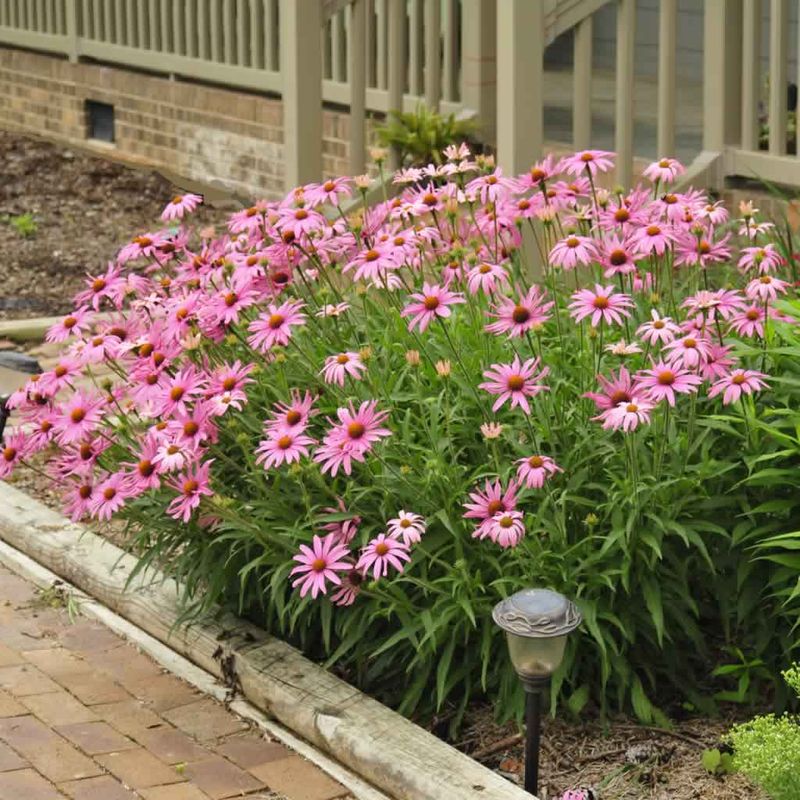
One of the reasons purple coneflower has spread into so many different types of Pennsylvania yards is its design flexibility. It does not belong to just one style of garden.
Whether your yard leans toward formal, casual, or somewhere in between, this plant can find a natural place in it.
Cottage garden enthusiasts love it. Mixed with roses, lavender, and other classic cottage favorites, purple coneflower adds height, color, and a relaxed charm that feels timeless.
Its informal shape fits right into the loose, layered look that cottage-style gardens are known for.
Pollinator gardens are another popular setting for this plant across Pennsylvania. Many homeowners are intentionally designing spaces to support bees and butterflies, and purple coneflower is almost always part of that plan.
Paired with native plants like wild bergamot, butterfly weed, and New England aster, it helps create a season-long buffet for beneficial insects.
Naturalized borders along fences, driveways, or property edges are also a great fit. In these settings, purple coneflower can spread gradually over time, filling in gaps and creating a low-maintenance, high-impact border that looks intentional without requiring constant attention.
Even more polished front-yard plantings in Pennsylvania neighborhoods are starting to include coneflower. When planted in neat groupings with clean edges and complementary plants, it looks sophisticated rather than wild.
Landscape designers have taken notice, and many now recommend it as a go-to perennial for clients who want curb appeal with environmental benefits.
Its vertical height, typically two to four feet, gives it a strong presence without overwhelming smaller plants nearby. That balance makes it easy to layer into almost any garden design in Pennsylvania with great results.
6. Why It’s A Smart Long-Term Choice
Planting purple coneflower in a Pennsylvania yard is not just a one-season decision. It is an investment that pays off for years.
Unlike annual flowers that need to be replanted every spring, purple coneflower comes back on its own each year as a hardy perennial. Over time, individual plants grow larger and more impressive, and they also self-seed to gradually fill in surrounding areas.
From a practical standpoint, that means less money spent on replacement plants and less time prepping beds each spring.
A well-placed coneflower can thrive in the same spot for a decade or longer with minimal intervention. That kind of long-term performance is hard to find in the gardening world.
There is also real environmental value in choosing a native plant for the long haul. Every year that purple coneflower grows in a Pennsylvania yard, it supports local pollinators, feeds birds, and contributes to a healthier local ecosystem.
Those benefits compound over time in a way that annual plants simply cannot replicate. Water conservation is another long-term advantage. Once established, purple coneflower rarely needs supplemental watering in most parts of Pennsylvania.
During summers when water restrictions are in place or when homeowners simply want to reduce their outdoor water use, a yard full of drought-adapted native plants becomes a real asset.
Ultimately, the growing popularity of purple coneflower in Pennsylvania yards makes perfect sense. It offers beauty, resilience, wildlife value, and low maintenance all wrapped up in one cheerful, easy-going plant.
More Pennsylvania gardeners are recognizing that choosing native plants like this one is not just a trend. It is a smarter, more sustainable way to enjoy a yard that looks good and does good at the same time.