The Native Georgia Tree Homeowners Are Choosing Over Bradford Pear
Bradford pear once seemed like an easy choice for adding spring flowers to a yard. Now, many homeowners are looking for something that offers beauty without bringing the same concerns.
One native tree deserves attention if you want colorful seasonal interest and a better fit for your landscape. It can bring plenty of character without feeling like a compromise.
Before choosing another familiar flowering tree, consider what will work well in your space for years. The right alternative can completely change how that area looks and feels.
Homeowners throughout Georgia have native options that can provide attractive flowers while supporting a more thoughtful landscape.
You do not have to sacrifice spring beauty when moving away from Bradford pear.
Choosing a suitable replacement can give your yard lasting appeal while bringing something different to the landscape.
1. Eastern Redbud Is A Strong Native Alternative
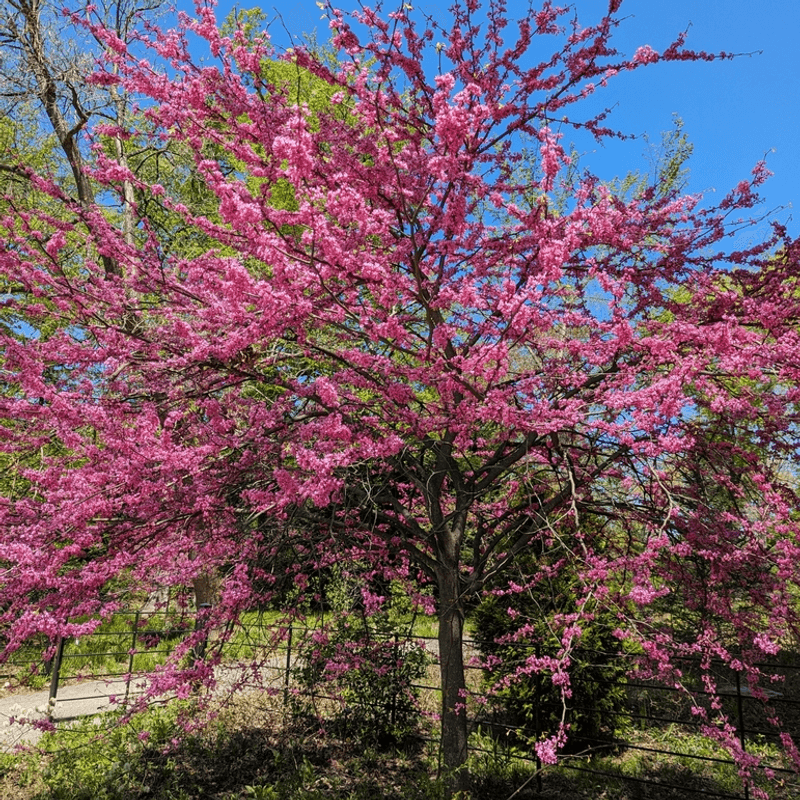
Not every pretty tree is a good tree, and Bradford Pear proved that the hard way. Eastern Redbud, on the other hand, has been growing across the eastern United States for thousands of years.
It belongs here, and the landscape knows it.
Cercis canadensis is the botanical name, but most gardeners just call it Redbud. It grows naturally from New Jersey down through the Southeast and into parts of Texas.
In Georgia, it shows up in forests, along creek banks, and at woodland edges without any help from humans.
Being native matters more than most people realize. Native trees are already adapted to local soil conditions, rainfall patterns, and temperature swings.
Bradford Pear was imported from Asia and never quite fit into the ecology here, even if it looked fine from the curb.
Redbud supports native bees, birds, and insects in ways that non-native trees simply cannot match. Its roots hold soil well, and it rarely needs extra fertilizer once it gets going.
Compared to Bradford Pear, the maintenance difference is noticeable.
Choosing a native tree is not just a feel-good decision. It is a practical one.
Redbud costs less to maintain, causes fewer problems over time, and genuinely improves the yard ecosystem. For homeowners ready to move past Bradford Pear, Redbud is a logical and rewarding first choice.
2. Bradford Pear Comes With Some Serious Drawbacks
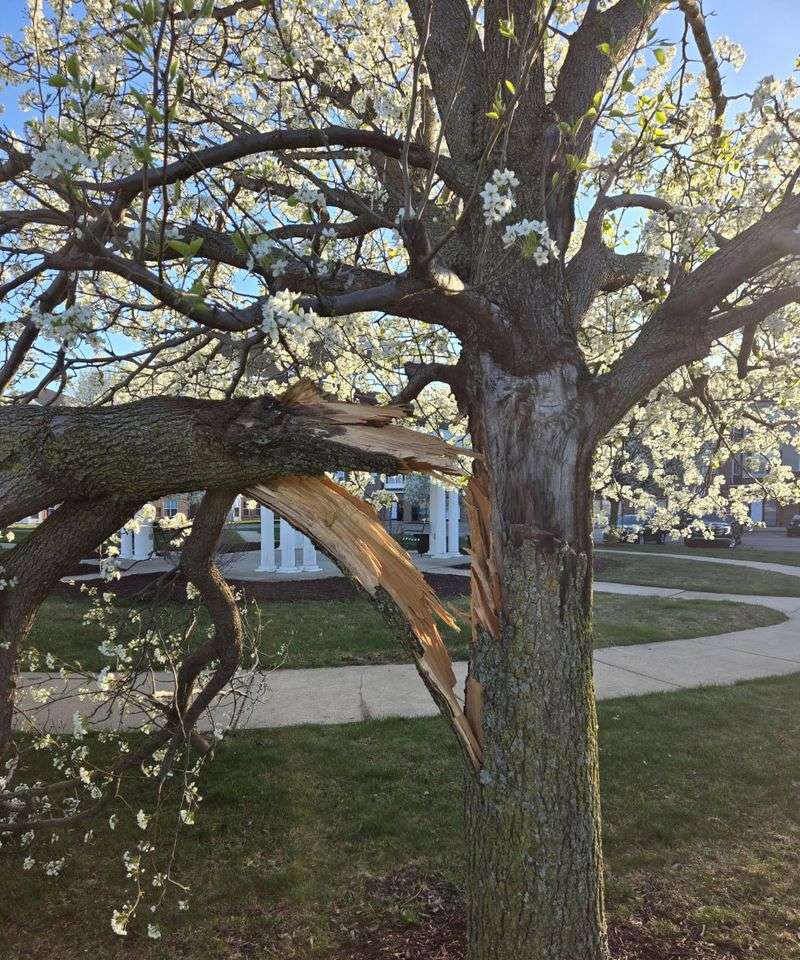
Bradford Pear looks harmless in spring, but spend a few years with one and the problems become obvious. Weak branch structure is the biggest complaint.
The branches grow at narrow angles, which makes them prone to splitting during storms or under heavy snow or ice loads.
Structural failure is not the only issue. Bradford Pear is considered invasive in many southeastern states.
Birds eat the fruit and spread seeds into natural areas, where the trees crowd out native plants. Wild Bradford Pears pop up along roadsides and forest edges across the region.
Georgia has recognized the problem. The species has been flagged by conservation groups as a threat to native plant communities.
Some states have already moved to ban its sale at nurseries, and similar conversations are happening across the South.
Your Georgia Garden Changes Every Week. Your Plan Should Too.
Gardening in Georgia changes quickly throughout the season. Every Friday you’ll receive a simple weekly plan showing exactly what to plant, prune, fertilize, harvest, and protect so you never miss the right timing.
There is also the smell. Bradford Pear flowers have a strong, unpleasant odor that many homeowners find off-putting during bloom season.
It is not subtle, especially on warm spring days when windows are open.
Add it all together, and Bradford Pear starts to look like a bad deal. Short lifespan, storm damage risk, invasive spread, and a rough smell.
Switching to a native tree like Eastern Redbud avoids all of those headaches while still giving you a beautiful, flowering tree in the yard.
3. Pink Blooms Put On An Early Spring Show
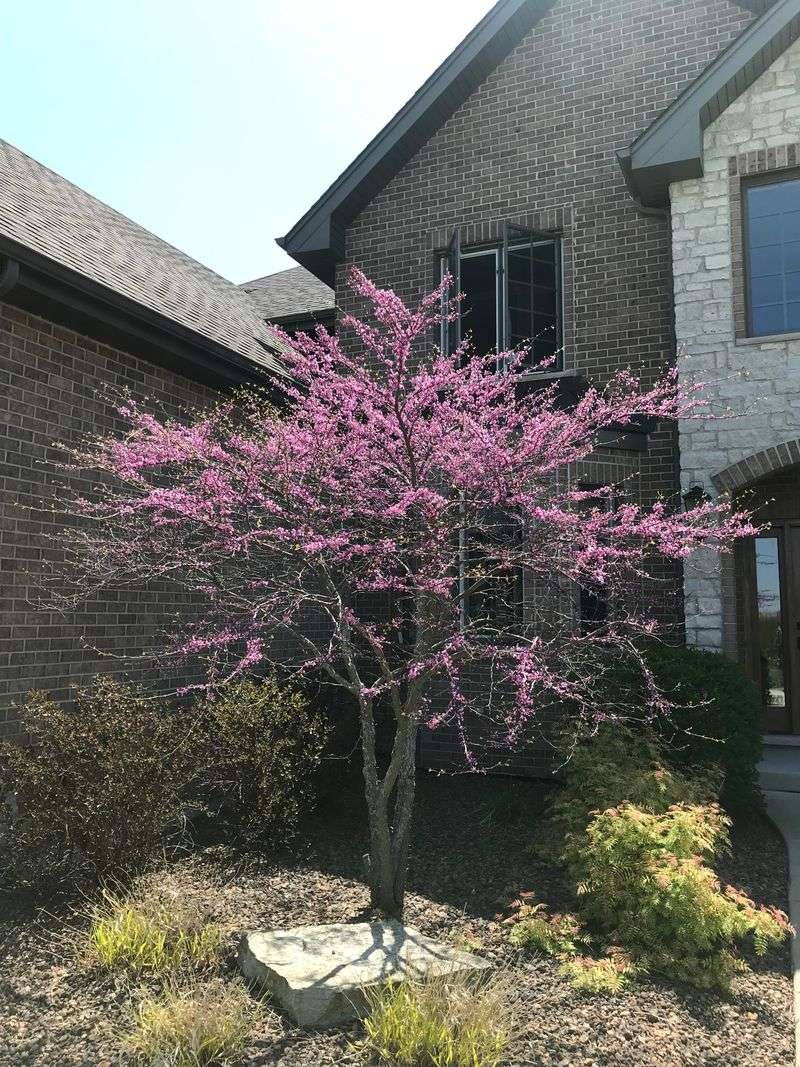
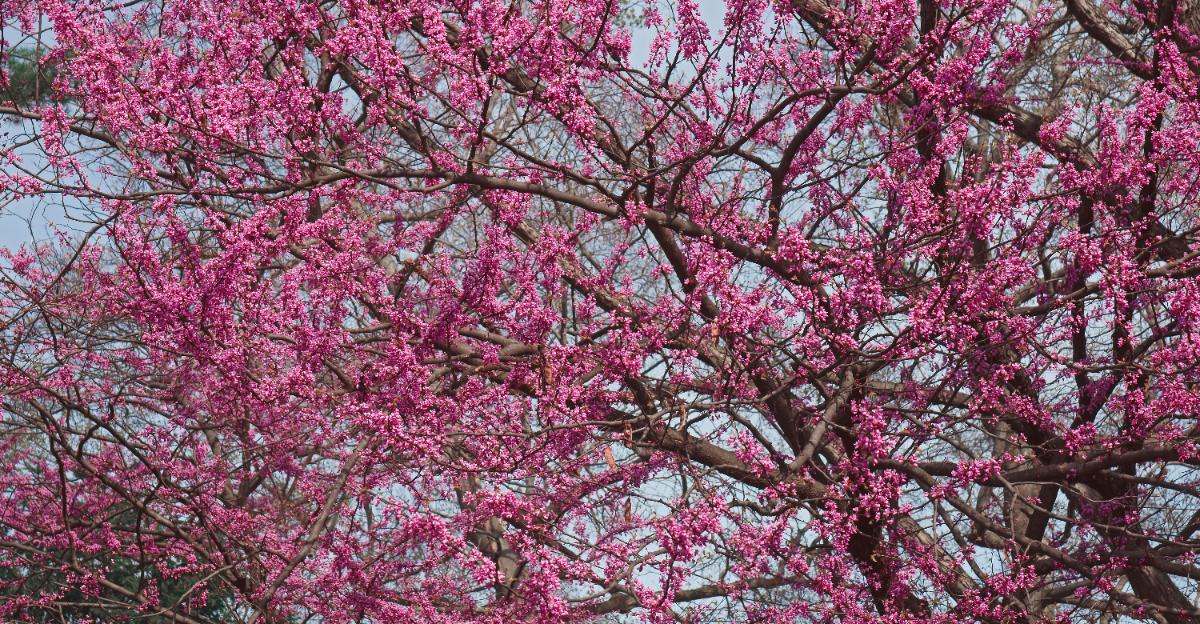
Before any leaves appear, Redbud goes all in. Clusters of small, bright pink flowers cover every branch from late February into April, depending on where you live and how mild the winter was.
It is one of the earliest flowering trees to bloom each year.
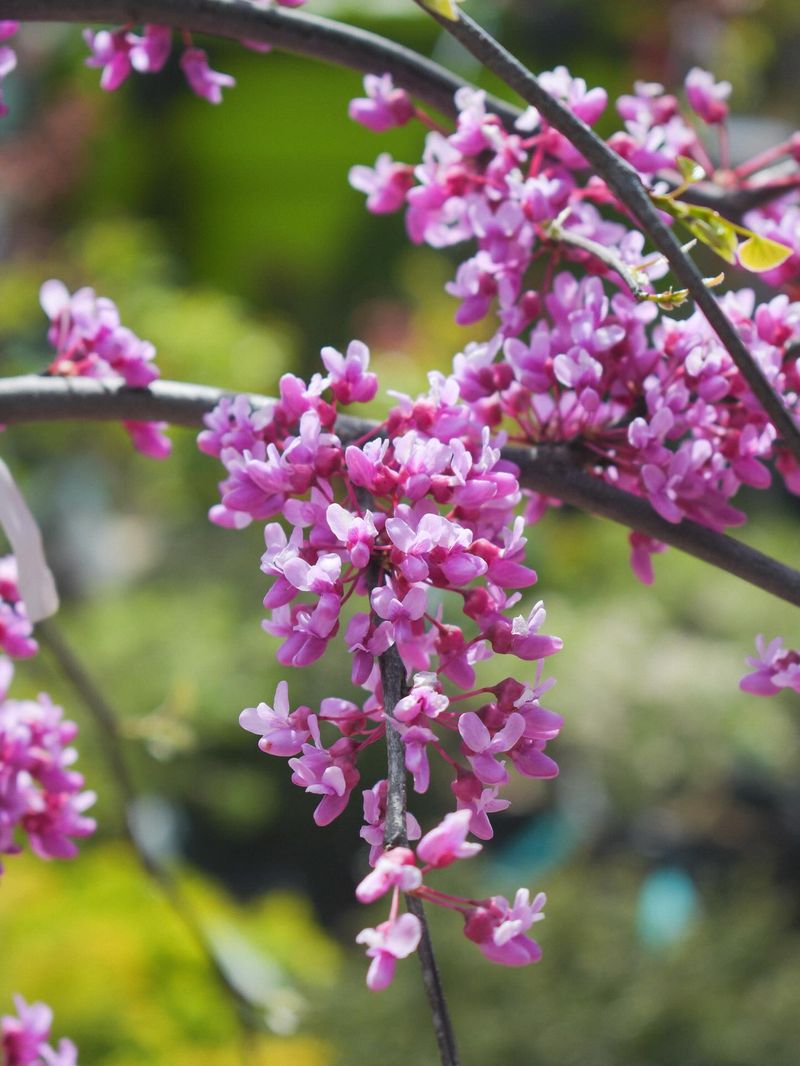
The flowers grow directly on the bark, which is called cauliflory. It looks striking because you see solid color on bare branches with no greenery to break it up.
From a distance, the whole tree appears to glow pink or magenta against a gray late-winter sky.
Bloom time usually lasts two to three weeks. That window depends on temperature and weather, so some years the show is longer and some years a late frost can shorten it.
Even in shorter bloom years, the display is genuinely impressive.
Bradford Pear blooms around the same time, but Redbud’s color is warmer and more saturated. Bradford Pear flowers are white and tend to blend into overcast spring skies.
Redbud stands out even from a moving car.
After the flowers fade, heart-shaped leaves emerge and give the tree a full, rounded look through summer. Fall color can range from yellow to orange depending on conditions.
So while the spring bloom gets the most attention, Redbud earns its place in the yard across multiple seasons.
4. Its Smaller Size Fits Easily Into Many Yards
Space is a real consideration for most homeowners, especially in newer neighborhoods where lots are smaller. Eastern Redbud fits those spaces well.
Mature trees typically reach 20 to 30 feet tall with a spread of 25 to 35 feet, though growth varies by soil and conditions.
Bradford Pear grows faster and often taller, which sounds appealing at first. But bigger is not always better when branches start overhanging roofs, driveways, or power lines.
Redbud stays at a size that most yards can actually handle without major pruning headaches.
Redbud works well as a specimen tree near a patio or front entry. It also fits nicely at the edge of a woodland garden or alongside a fence line.
Its rounded, slightly irregular canopy gives it a natural look that does not feel forced or overly manicured.
Planting distance matters. Give Redbud at least 15 feet from structures and other trees to allow for proper canopy spread.
Crowding it too early can affect branch development and airflow, which may lead to moisture-related issues over time.
For small urban lots or side yards with limited room, there are compact cultivars available that stay even shorter.
Varieties like ‘Ace of Hearts’ tend to max out around 12 feet, making them a solid option when space is genuinely tight but you still want a flowering native tree.
5. Native Wildlife Gets More From This Flowering Tree
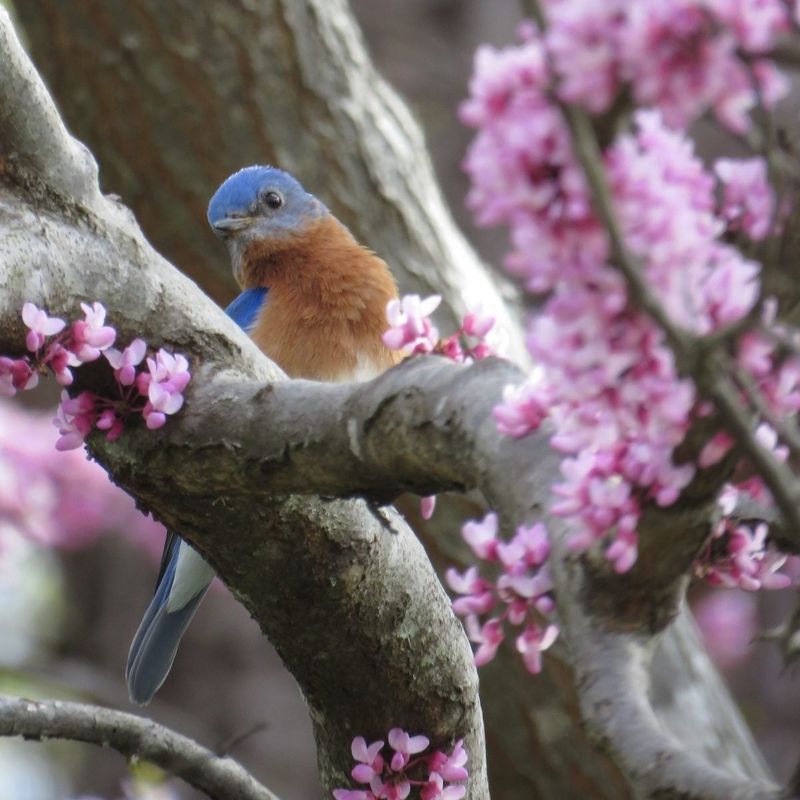
Redbud does not just look good. It actually feeds things.
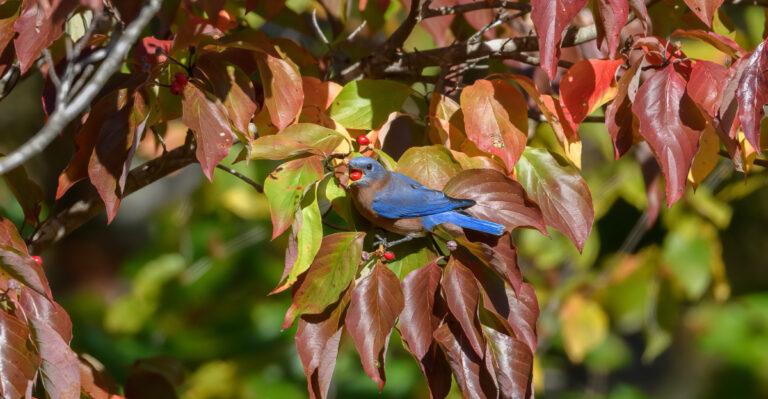
Native bees, including mason bees and bumblebees, are among the first pollinators to visit Redbud flowers each spring. For bees coming out of winter, those early blooms can be a critical food source.
Butterflies also use Redbud. Henry’s Elfin, a small native butterfly, depends on Redbud as a host plant for its caterpillars.
Without native trees like Redbud, that species struggles to complete its life cycle. Bradford Pear supports almost none of that activity.
Birds use Redbud too, though in different ways. Seed pods that form after bloom are eaten by some songbirds in late summer and fall.
The branching structure also provides good nesting spots for smaller birds that prefer mid-level canopy coverage.
Non-native trees like Bradford Pear tend to support far fewer native insects. Fewer insects means fewer birds, since most songbirds raise their young almost entirely on caterpillars and other soft-bodied insects.
Planting native trees creates a more connected food web in your yard.
Across Georgia, habitat loss has put pressure on many native species. Even a single Redbud in a suburban yard contributes something real.
It is a small action with a measurable ripple effect on the local ecosystem, and that is worth factoring into your tree selection.
6. The Right Spot Helps Redbud Grow At Its Best
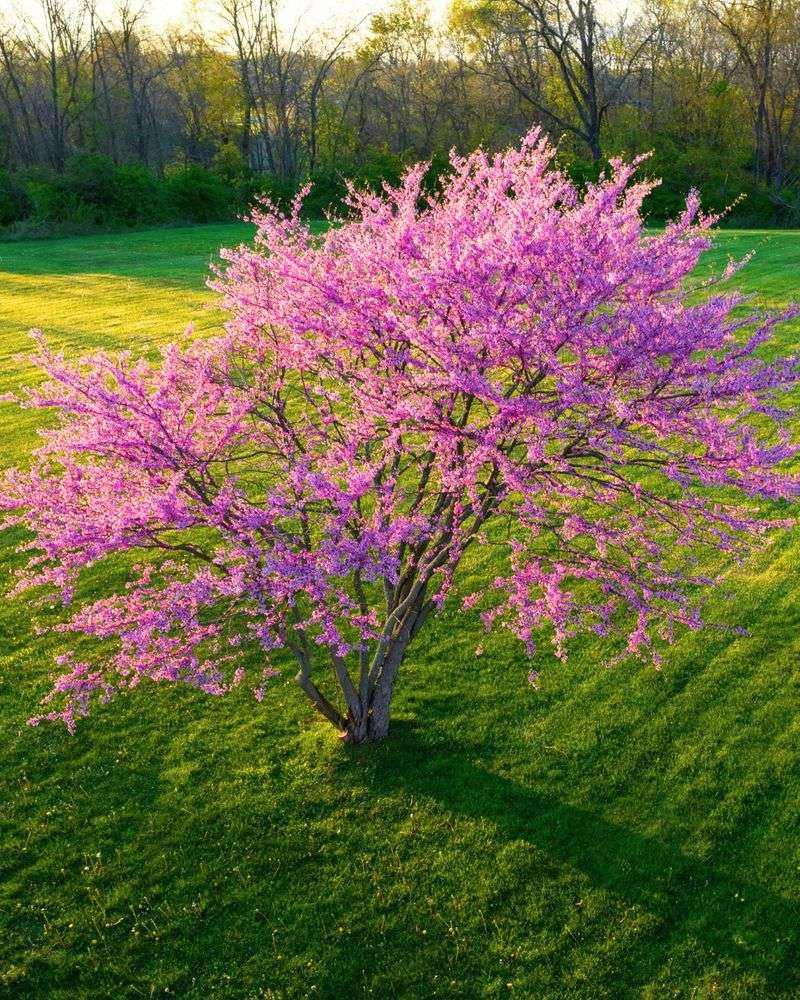
Location makes a real difference with Redbud. It grows well in full sun to partial shade, but afternoon shade in hotter climates can reduce stress on the tree during peak summer heat.
A spot that gets morning sun and some afternoon relief tends to work well in warmer regions.
Soil drainage is important. Redbud handles a range of soil types, from clay to loam, but it does not perform well in areas that stay waterlogged.
Roots sitting in standing water for extended periods can weaken the tree over time, so avoid low spots that collect rain.
Slightly acidic to neutral soil pH works best, generally somewhere between 6.0 and 7.5. Most southeastern soils fall within that range naturally, so major amendments are often not needed.
A basic soil test before planting can tell you exactly where you stand.
Avoid planting too close to pavement or compacted areas. Redbud roots need room to spread, and compacted soil limits growth and water uptake.
A garden bed with loose, amended soil gives young trees a much better start than hard-packed ground near a driveway.
Wind exposure is worth thinking about too. Redbud handles typical wind fine, but planting it near a windbreak or fence on the north side can reduce stress in areas with harsh winter winds.
Small adjustments at planting time pay off significantly over the first few years.
7. Good Early Care Helps Your New Tree Settle In
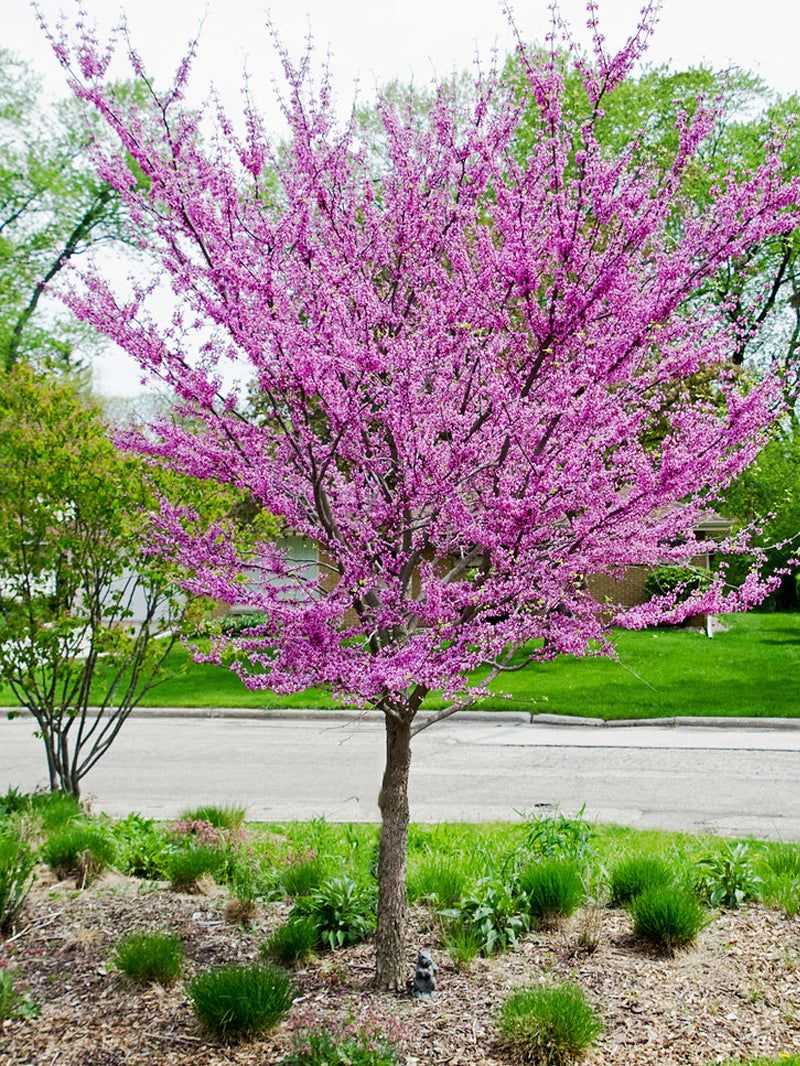
Planting a Redbud is straightforward, but the first year or two require some attention. Getting establishment right makes a big difference in how the tree performs long-term.
Skipping basic early care can slow growth and leave the tree more vulnerable to stress.
Water is the most important factor right after planting. Newly planted trees need consistent moisture while roots are getting established.
In Georgia summers, that often means watering deeply once or twice a week during dry stretches, especially in the first season.
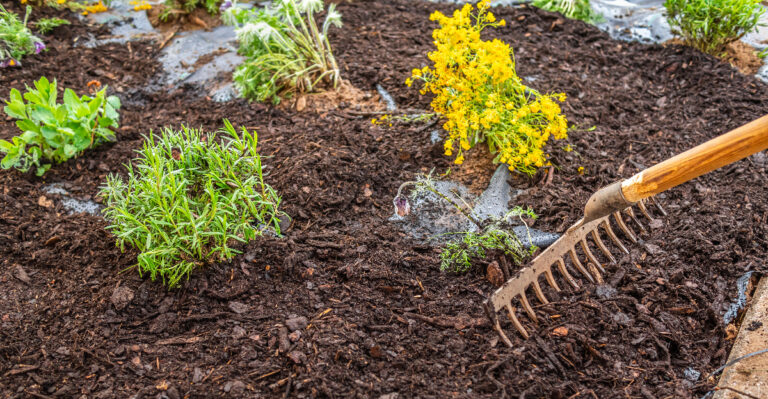
Mulch helps a lot. A 2 to 3 inch layer of wood chip mulch around the base keeps soil moisture in, moderates soil temperature, and reduces competition from grass and weeds.
Keep mulch pulled back a few inches from the trunk to avoid moisture buildup against the bark.
Fertilizing is usually not necessary in the first year. Let the tree focus on root development before pushing top growth.
If leaves look pale or growth seems unusually slow in year two, a light application of balanced fertilizer in early spring can help.
Pruning young Redbuds should be minimal. Remove any crossing or rubbing branches in late winter while the tree is dormant.
Avoid heavy pruning during the growing season, as cuts made in warm weather can attract pests in some areas. Patience in the early years leads to a stronger, better-shaped tree over time.