The Native Grass Movement Quickly Spreading Through Oklahoma
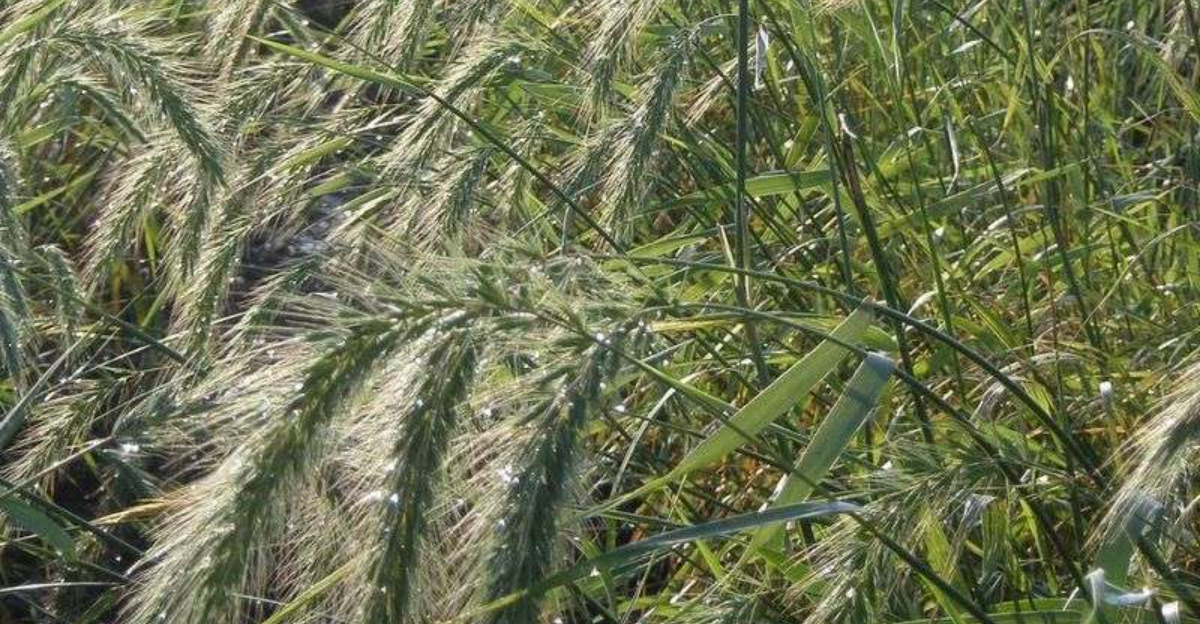
Across Oklahoma, something green and wild is taking root. Homeowners, farmers, and conservationists are ditching their traditional lawns and planting native grasses that once covered the prairies.
This movement is more than just a trend—it’s a return to the plants that naturally belong here, helping the environment and saving time and money.
Whether you’re curious about what makes these grasses special or why so many Oklahomans are making the switch, these facts will show you why native grass is becoming the new normal.
Native Grasses Require Far Less Water Than Traditional Lawns
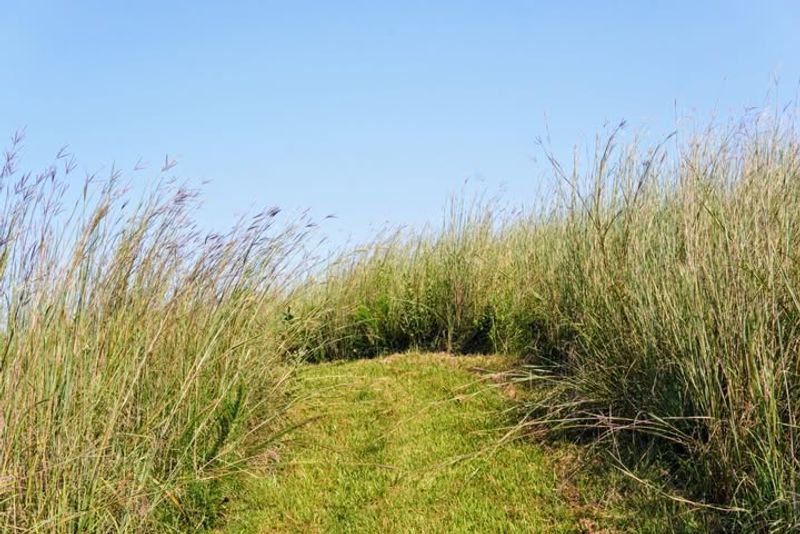
Oklahoma summers can be brutal, and keeping a green lawn alive often means running sprinklers constantly.
Native grasses evolved over thousands of years to survive the state’s hot, dry conditions without much help from humans.
Their deep root systems can reach down ten feet or more, tapping into moisture that shallow-rooted turf grass can never access.
Switching to native varieties means you can practically forget about watering once they’re established.
Most native grasses go dormant during the hottest months, turning golden brown but staying alive underground.
When the rains return, they green up again naturally.
Homeowners report cutting their water bills significantly after making the switch.
Some neighborhoods are even offering incentives to residents who replace thirsty lawns with native plants.
Beyond saving money, reducing water use helps preserve Oklahoma’s limited groundwater resources for future generations.
Native grasses prove you can have a beautiful yard without draining the aquifer.
These Grasses Provide Critical Habitat For Pollinators And Wildlife
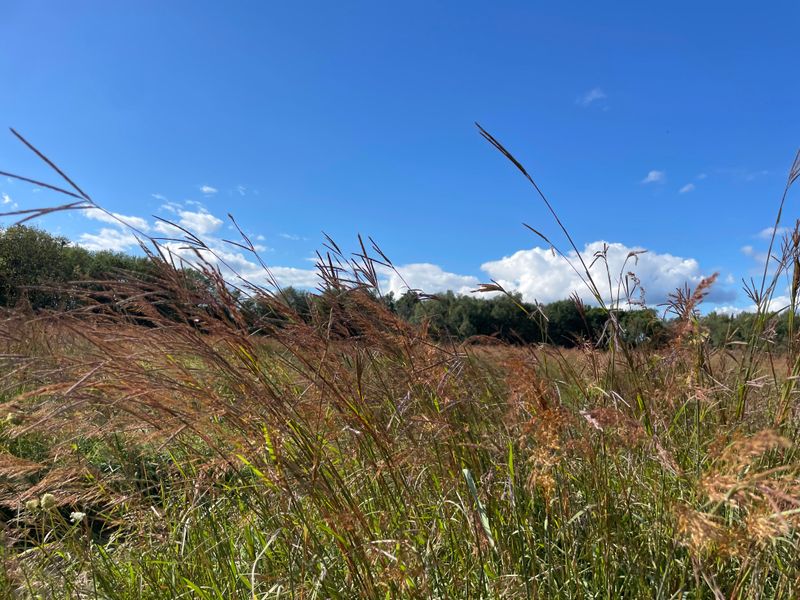
Walk through a native grass prairie and you’ll notice it’s buzzing with life.
Bees, butterflies, birds, and countless other creatures depend on these plants for food and shelter.
Traditional lawns offer almost nothing for wildlife—they’re basically green deserts.
Native grasses bloom at different times throughout the growing season, providing nectar when pollinators need it most.
Many Oklahoma native plants have co-evolved with local insects, creating relationships that go back centuries.
When you plant natives, you’re not just adding grass—you’re building an entire ecosystem in your yard.
Monarch butterflies, which are declining nationwide, especially benefit from native prairie plantings.
Ground-nesting bees find safe homes in the soil beneath native grasses.
Even songbirds that eat insects will visit your yard more often when there’s a healthy native grass community.
Wildlife biologists say that connecting patches of native habitat across neighborhoods creates corridors that help animals move and thrive throughout Oklahoma’s changing landscape.
The Movement Started With Farmers Restoring Pastureland
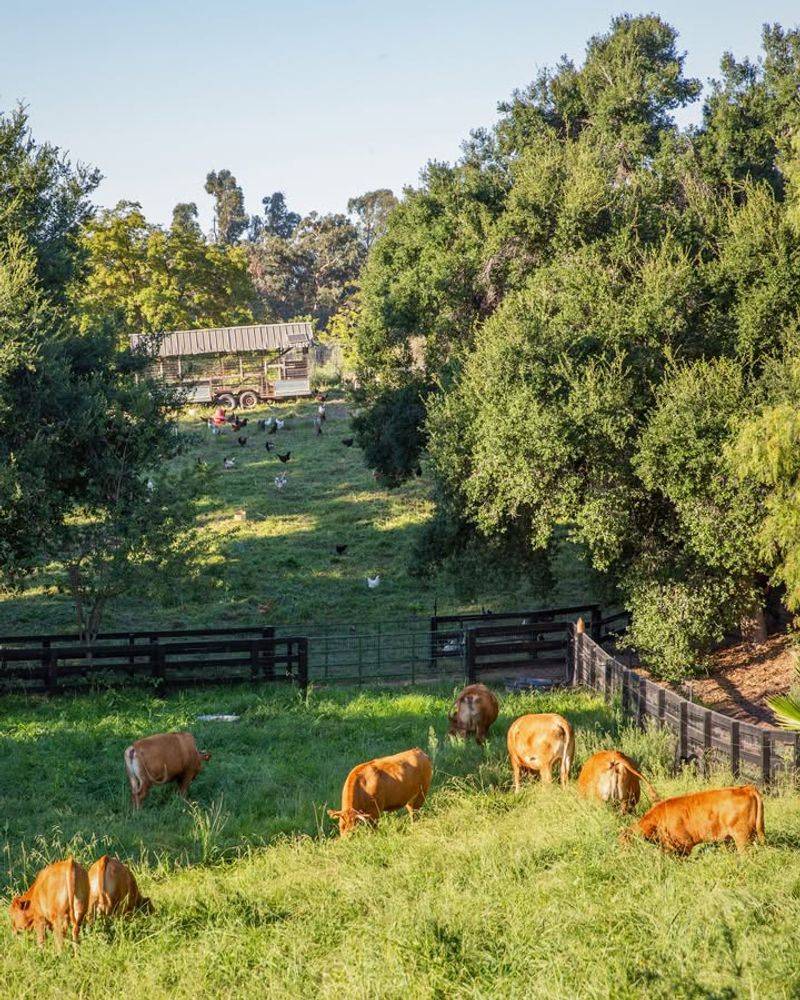
Long before homeowners caught on, Oklahoma ranchers were quietly bringing back native grasses to their land.
Decades of overgrazing and planting non-native forage had degraded many pastures, leading to erosion and poor cattle nutrition.
Forward-thinking farmers realized that the grasses their great-grandparents knew—big bluestem, Indian grass, and switchgrass—were actually better for livestock and the soil.
Agricultural extension offices began promoting native grass restoration in the 1990s, teaching farmers how to collect seeds and manage burns.
The results were impressive: healthier cattle, fewer weeds, and pastures that could withstand drought.
Word spread through farming communities, and soon native grass became a sign of good land stewardship.
Today, thousands of Oklahoma acres have been restored to native prairie.
Many ranchers now sell native grass seed as a side business, helping fuel the movement’s expansion into cities and suburbs.
What started as a practical farming decision has become an environmental success story that’s inspiring people far beyond the ranch gate.
Big Bluestem Can Grow Taller Than Most People
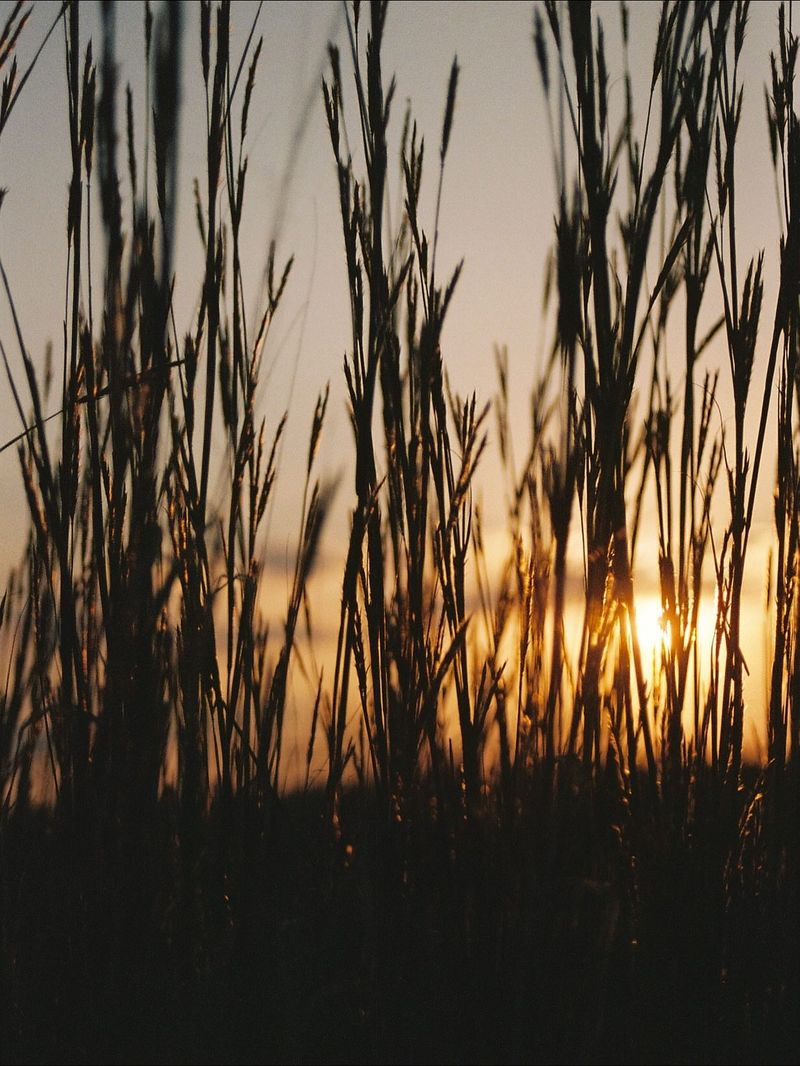
Imagine grass so tall you could get lost in it.
Big bluestem, Oklahoma’s state grass, regularly reaches heights of six to eight feet when conditions are right.
Early settlers called the tallgrass prairie an ocean of grass because the wind made it ripple like waves.
This impressive plant gets its name from the bluish tint on its stems and the turkey-foot shape of its seed heads.
In autumn, big bluestem turns beautiful shades of red and orange, adding seasonal color to prairie landscapes.
Its massive root system stores carbon and prevents soil erosion, making it an environmental champion.
Homeowners who plant big bluestem usually place it as a dramatic backdrop or privacy screen rather than a lawn replacement.
It needs room to spread and show off its full height.
Kids love playing hide-and-seek in established stands, just like pioneer children did over a century ago.
Watching big bluestem sway in an Oklahoma breeze connects us to the landscape that existed long before cities and suburbs covered the prairie.
Native Grass Lawns Need Mowing Only Once Or Twice Per Year

Picture spending your Saturday doing something fun instead of pushing a lawnmower around.
Many native grass species used for lawns grow slowly and stay relatively short, meaning you might only need to mow once or twice annually.
Buffalo grass, a popular native choice, typically maxes out at four to six inches tall.
Compare that to traditional turf grass, which needs cutting every week during the growing season.
The time savings add up fast—dozens of hours per year that you get back for family activities, hobbies, or just relaxing.
You’ll also save money on gas, equipment maintenance, and potentially even the cost of hiring lawn services.
Some native grass enthusiasts never mow at all, preferring the natural prairie look.
Others do a single late-winter mowing to remove deceased material and encourage fresh spring growth.
Either way, the maintenance is minimal compared to conventional lawns.
Neighbors who are tired of weekend yard work often become converts once they see how easy native grass can be to manage.
Prescribed Burns Help Native Grasses Thrive And Spread
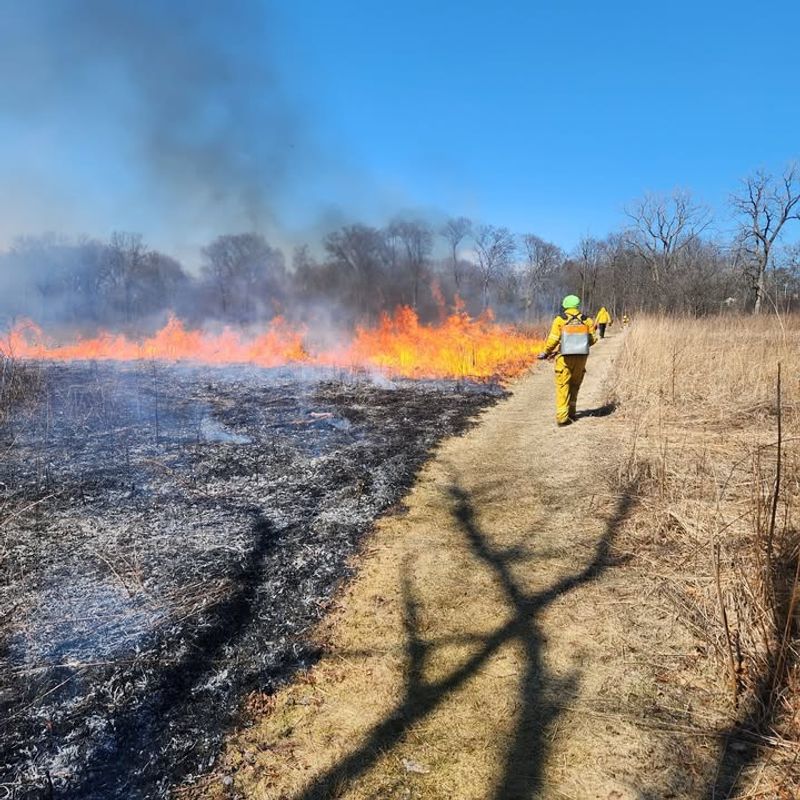
Fire might seem destructive, but native Oklahoma grasses actually need it to stay healthy.
For thousands of years, lightning strikes and intentional burns by Native Americans kept the prairies vigorous and diverse.
Fire clears away deceased plant material, releases nutrients back into the soil, and destroys invasive woody plants that would otherwise take over.
Native grasses have deep roots that survive fires, sprouting back quickly from underground.
In fact, many species grow more vigorously after burning.
The blackened soil absorbs more sunlight, warming faster in spring and giving native plants a head start over competitors.
Many Oklahoma landowners now conduct prescribed burns every two to four years, working with trained professionals to do it safely.
Neighborhoods with native grass landscapes sometimes coordinate community burns under controlled conditions.
Watching a prairie burn might look dramatic, but within weeks the land turns brilliant green with new growth.
Understanding fire’s natural role helps people appreciate why native grasses are so well-adapted to Oklahoma’s climate and why they’re making such a strong comeback across the state.
Native Grasses Help Prevent Soil Erosion And Flooding

When heavy rains hit Oklahoma, water runs off traditional lawns quickly, carrying soil into storm drains and causing flooding downstream.
Native grasses work differently because their root systems act like underground sponges.
Those roots create channels in the soil that allow water to soak in rather than run off.
Studies show that native prairie can absorb rainfall much faster than turf grass or bare ground.
During severe storms, this makes a real difference in preventing erosion and reducing flood risk.
Properties planted with natives often stay stable even during heavy weather that washes away conventional landscaping.
Stream banks and drainage areas especially benefit from native grass plantings.
Cities across Oklahoma are using natives for stormwater management projects, saving money on infrastructure while improving water quality.
The roots also hold soil in place during droughts, preventing dust storms that plagued the region during the Dust Bowl era.
As climate change brings more extreme weather to Oklahoma, native grasses offer natural solutions to problems that concrete and pipes alone cannot solve.
You Can Start Small With Native Grass Projects
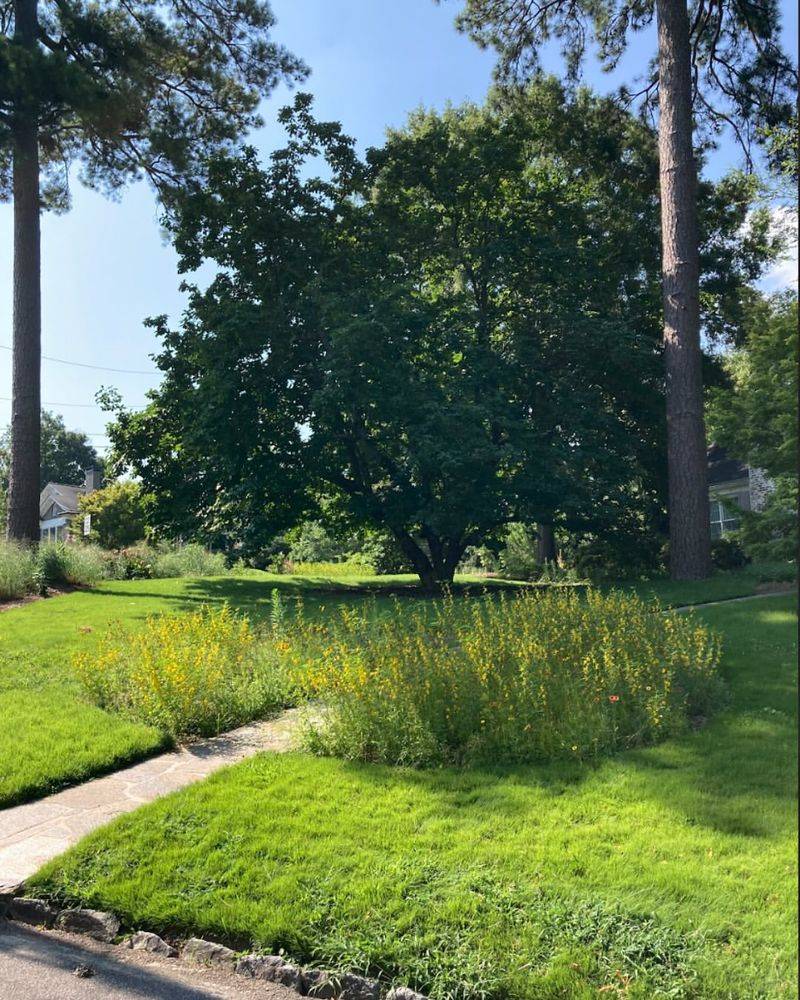
Feeling overwhelmed by the idea of replacing your entire lawn?
You don’t have to go all-in right away.
Many Oklahomans start their native grass journey with a small test area—maybe a trouble spot where regular grass won’t grow, or a corner of the yard that’s hard to mow.
Beginning with a manageable project lets you learn how native grasses behave without major commitment.
You’ll discover which species work best in your specific conditions and how much maintenance they actually need.
Success with a small area often builds confidence and enthusiasm for expanding later.
Some people replace a little more lawn each year, gradually transforming their property over time.
Others keep traditional grass in high-traffic areas while using natives everywhere else.
Garden clubs and native plant societies throughout Oklahoma offer workshops and plant sales that make starting easy.
Local experts can recommend the best species for your soil type and sun exposure.
Remember, every square foot of native grass helps, even if you never convert your whole yard.
Small actions by many people create big environmental benefits across Oklahoma’s landscape.
Native Grass Seeds Are Becoming Easier To Find And Afford

A few years ago, finding native grass seed meant special-ordering from distant suppliers or collecting it yourself from wild areas.
As the movement has grown, availability has improved dramatically.
Now many Oklahoma garden centers stock native seed mixes designed specifically for the state’s different regions.
Prices have dropped too, making native landscaping competitive with traditional sod and seed.
Some varieties cost less than premium turf grass, especially when you factor in long-term savings on water and maintenance.
Bulk seed for larger projects is often available through agricultural suppliers and soil conservation districts.
Online retailers specializing in native plants have also made shopping easier, offering detailed growing information and customer support.
Many provide pre-mixed blends for specific purposes like erosion control, pollinator habitat, or low-maintenance lawns.
Local seed collectors and small nurseries are popping up across Oklahoma, creating jobs while meeting demand.
State and federal programs sometimes offer cost-share assistance for landowners doing native grass restoration.
Better availability means that price and access are no longer barriers for Oklahomans who want to join the native grass movement and transform their properties.
Schools And Public Spaces Are Leading By Example
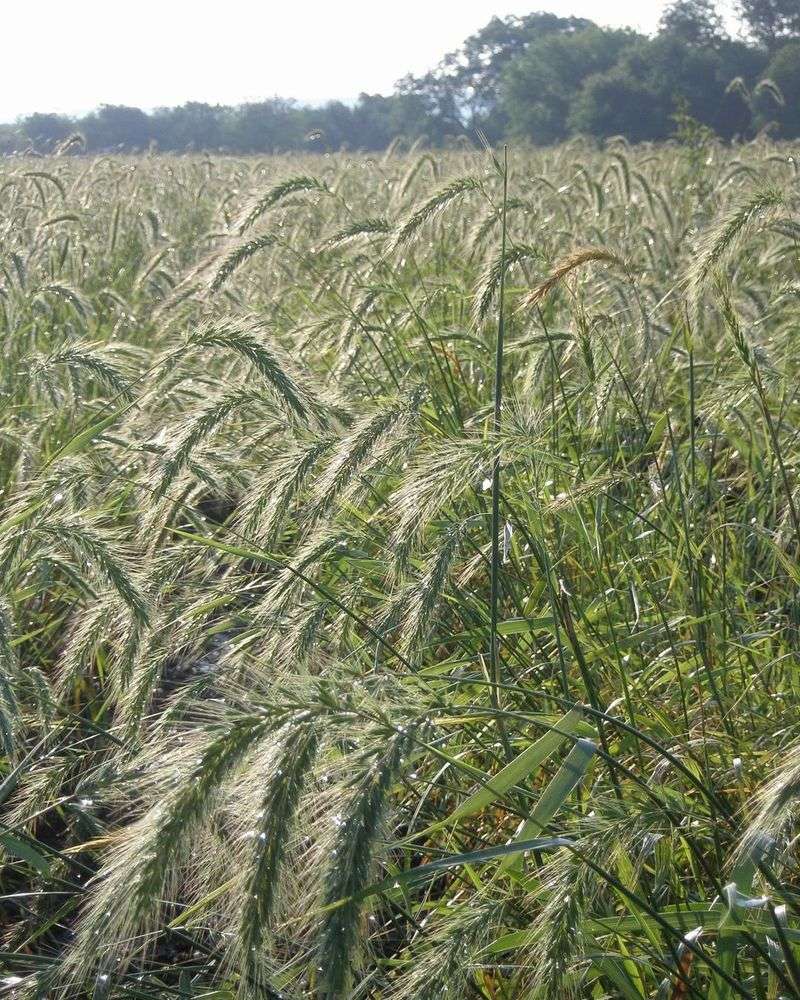
Drive past many Oklahoma schools, parks, and government buildings lately and you’ll notice something different about the landscaping.
Public institutions are increasingly replacing water-hungry lawns with native grasses and wildflowers, showing communities what’s possible.
These visible demonstrations inspire homeowners who might never have considered natives otherwise.
Schools especially benefit because native landscapes become outdoor classrooms.
Students learn about ecology, pollinators, and Oklahoma’s natural heritage while watching their schoolyard transform.
Teachers incorporate prairie studies into science and history lessons, connecting kids to the land in meaningful ways.
Maintenance staff appreciate spending less time mowing and more time on other projects.
Municipal parks with native grass areas offer different recreational experiences than traditional turf.
People enjoy walking through prairie trails and observing seasonal changes in the grasses and wildflowers.
Sports fields and high-traffic zones still use conventional grass, but surrounding areas increasingly feature natives.
These public projects prove that native landscaping works at any scale and looks beautiful throughout the year.
When respected institutions embrace the native grass movement, it signals that this isn’t just a passing fad but a lasting change in how Oklahoma landscapes itself.