The 9 Native Oregon Plants Transforming Modern Landscapes
Something interesting is happening in Oregon landscapes lately. More gardeners, designers, and homeowners are starting to rethink the plants they grow.
Instead of filling yards with the usual imports, many are turning their attention to something much closer to home.
Native Oregon plants are having a serious moment right now. And honestly, it makes sense. These plants already know how to handle the region’s rainy winters, dry summers, and changing temperatures.
No drama, no constant fussing, just plants doing their thing like they’ve done for thousands of years.
But the real surprise is how beautiful and versatile many of these natives are. Some bring bold colors, others add texture and movement, and a few can completely transform the look of a garden.
Curious which native plants designers and gardeners are falling in love with? These Oregon natives are quietly transforming modern landscapes across the state.
1. Western Sword Fern
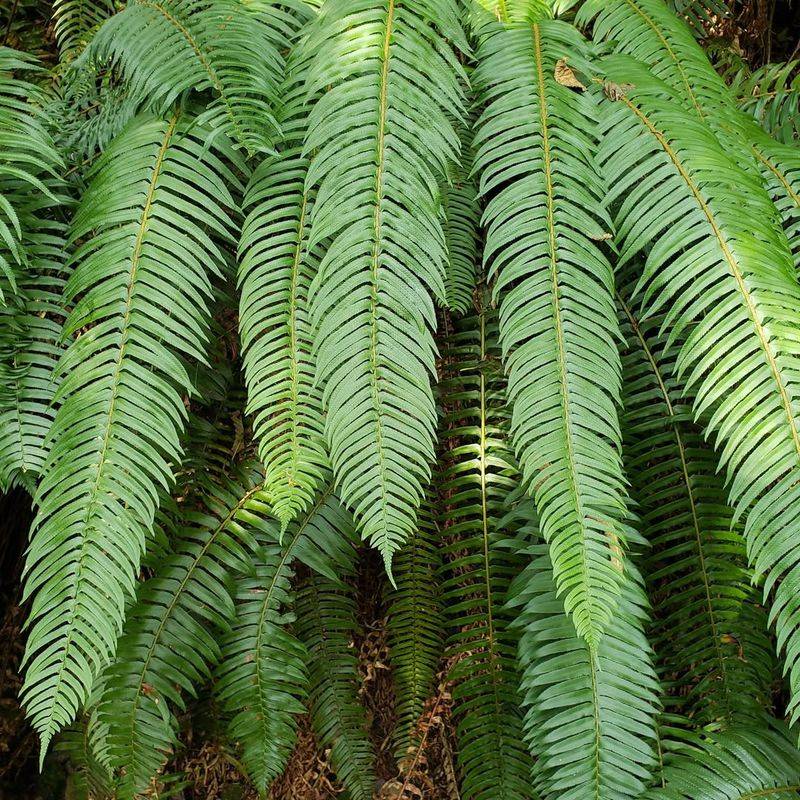
Walk through almost any shaded forest in Oregon, and you will spot the bold, sweeping fronds of the Western Sword Fern growing beneath the trees.
This plant is one of the most recognizable natives in the Pacific Northwest, and it has become a favorite in modern landscapes for good reason. It is tough, evergreen, and absolutely beautiful year-round.
Western Sword Fern grows best in partial to full shade, making it a go-to choice for those tricky dark corners of a yard where other plants struggle. It can reach between three and six feet tall, creating a lush, layered look that feels natural and elegant.
It also needs very little water once it gets established.
Small birds and wildlife love using the dense fronds as shelter, so planting this fern also supports the local Oregon ecosystem. It pairs beautifully with Oregon Grape, Pacific Ninebark, and other native shrubs.
Gardeners who want a no-fuss, high-impact plant will find this fern incredibly rewarding. It rarely needs pruning and stays green even through Oregon’s cool, wet winters, making it one of the most reliable plants you can add to any landscape.
2. Douglas Aster
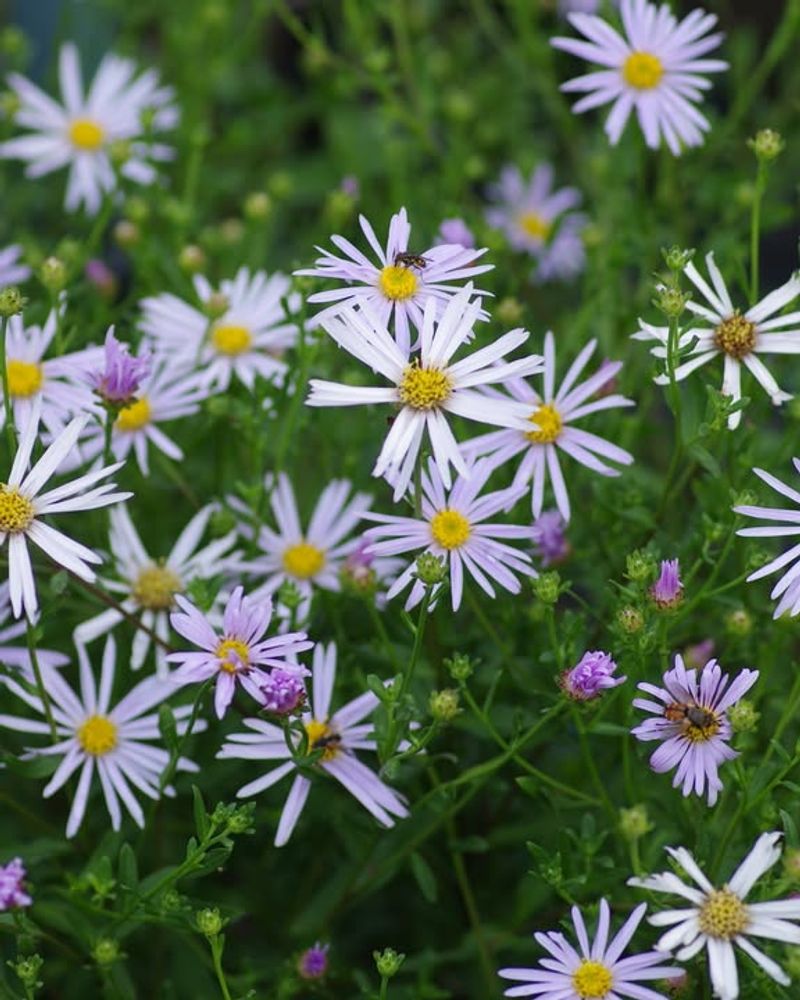
Few plants put on a late-season show quite like the Douglas Aster. When most summer flowers are fading, this cheerful native bursts into bloom with clusters of purple and lavender daisy-like flowers that light up the garden from late summer through fall.
It is one of Oregon’s most beloved wildflowers for a reason.
Douglas Aster is a pollinator magnet. Bees, butterflies, and hoverflies flock to its bright yellow centers, making it an essential plant for anyone who wants to support Oregon’s native insects.
It grows well in both sunny and partially shaded spots, and it handles Oregon’s rainy winters without any complaints.
This plant spreads naturally over time, filling in gaps in a garden bed and creating a wild, cottage-style look that feels effortlessly beautiful. It grows to about one to three feet tall, so it works well as a border plant or along pathways.
Once established, it needs very little extra water or fertilizer. For anyone looking to add color, life, and ecological value to their outdoor space, Douglas Aster is a smart and stunning choice that truly celebrates what makes Oregon’s native landscape so special.
3. Oregon Iris
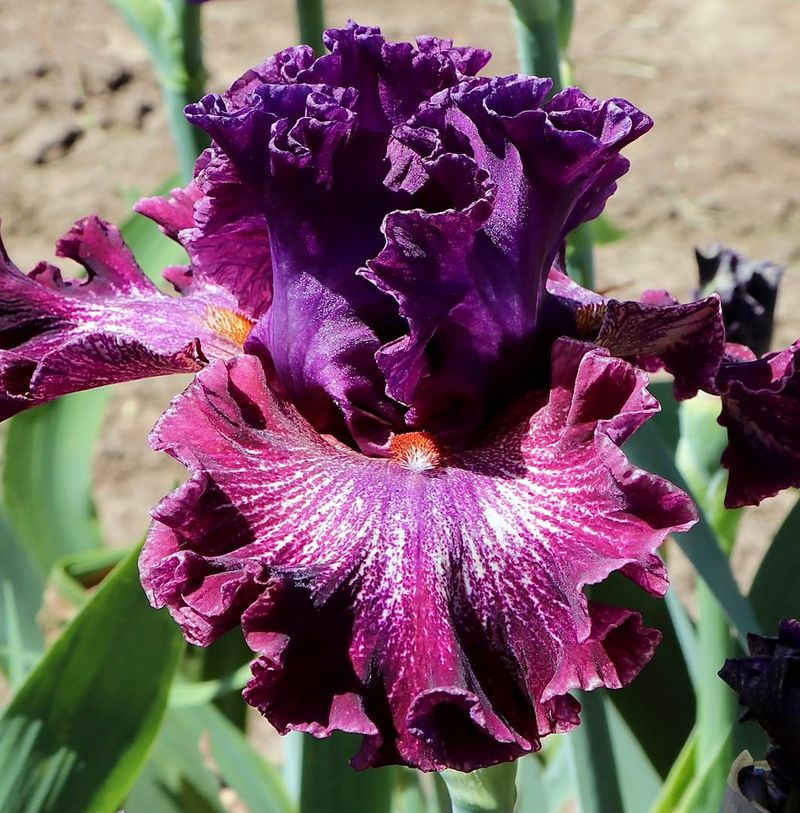
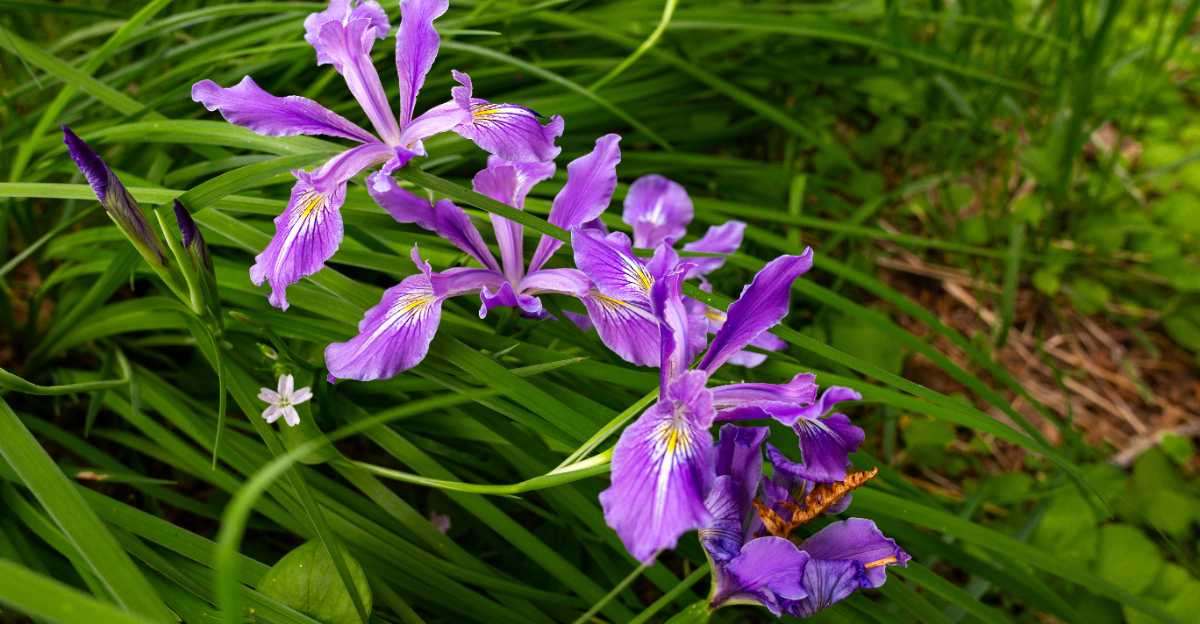
There is something almost magical about an Oregon Iris in full bloom. Its striking blue-purple flowers sit on slender stems above neat, grass-like foliage, creating a look that feels both wild and refined at the same time.
Native to the Pacific Northwest, this plant has been turning heads in modern Oregon gardens for years.
Oregon Iris blooms in early to mid-spring, often before many other plants have woken up from winter. That early color is a huge bonus for gardeners who want something beautiful to look forward to after the long, gray Oregon rainy season.
The flowers attract native bees and hummingbirds, making the garden feel alive and active right when spring arrives.
Growing Oregon Iris is surprisingly simple. It thrives in well-drained soil and enjoys full sun to light shade.
Once planted, it spreads slowly into tidy clumps that can be divided and shared with neighbors or used to fill in other areas of the garden. It is drought-tolerant once established, which makes it a water-wise choice for any Oregon landscape.
Whether planted in a border, a rock garden, or a meadow-style yard, Oregon Iris brings elegance and native charm to every setting.
4. Vine Maple
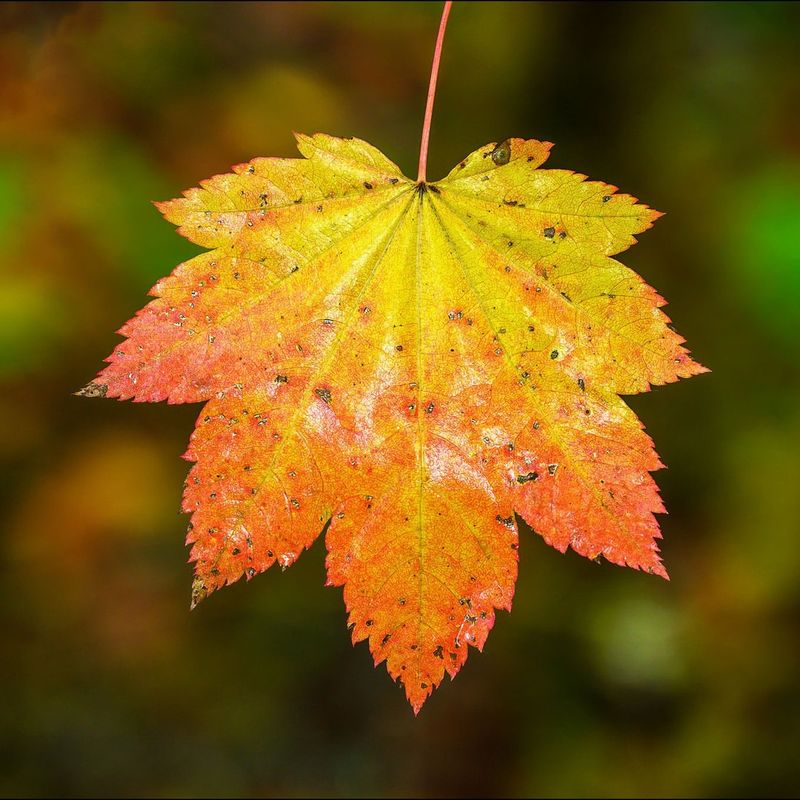
If you have ever driven through Oregon in October and gasped at the explosion of red and gold in the forest understory, you have probably seen Vine Maple doing its thing.
This small, multi-stemmed tree is one of Oregon’s most dramatic natives, especially in autumn when its leaves shift from green to stunning shades of scarlet, orange, and yellow.
Vine Maple is incredibly versatile. It grows well in both full sun and deep shade, which makes it useful in almost any part of a yard.
In shadier spots, the fall color tends toward soft yellow and gold. In sunnier areas, it blazes with fiery reds and oranges.
Either way, it creates a focal point that few other plants can match.
Beyond its gorgeous looks, Vine Maple provides real value to Oregon wildlife. Birds use its branches for nesting, and its seeds are eaten by small mammals.
It also works well as a privacy screen or naturalistic hedge when planted in a row. This plant grows slowly and stays relatively small, rarely exceeding fifteen feet, which makes it a practical choice for residential yards.
For any Oregon homeowner who wants four-season beauty without constant upkeep, Vine Maple is a clear standout worth planting.
5. Tufted Hairgrass
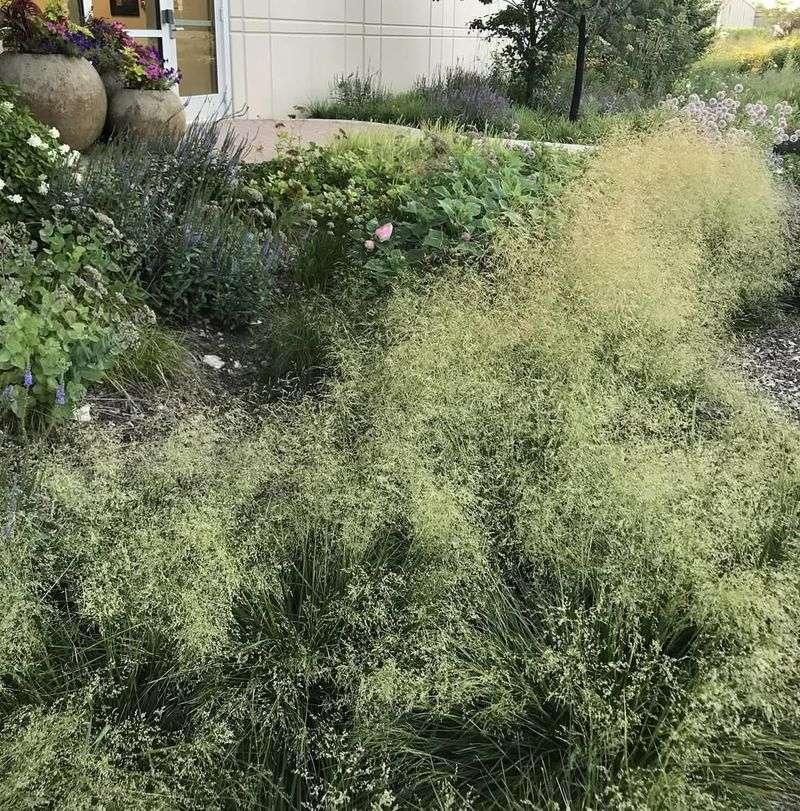
Not every great garden plant needs flashy flowers. Tufted Hairgrass proves that texture and movement can be just as beautiful as any bloom.
This native Oregon grass forms dense, arching clumps of fine green leaves topped with feathery, cloud-like seed heads that catch the breeze and shimmer in the sunlight.
Tufted Hairgrass is incredibly adaptable. It grows naturally in wet meadows and along stream banks across Oregon, which means it handles soggy soil better than almost any other ornamental grass.
It also tolerates drought once established, making it flexible for a wide range of garden conditions. It thrives in full sun to partial shade.
From a design standpoint, this grass adds a soft, naturalistic quality to any landscape. It works beautifully as a border plant, a meadow filler, or even a solo specimen in a container.
In late summer, the seed heads dry to a warm golden color that looks stunning against the green of surrounding plants. Birds love picking at the seeds through the fall and winter months.
For Oregon gardeners who want low-maintenance beauty with real ecological value, Tufted Hairgrass is a quiet but impressive performer that deserves a spot in every native garden.
6. Oregon Grape
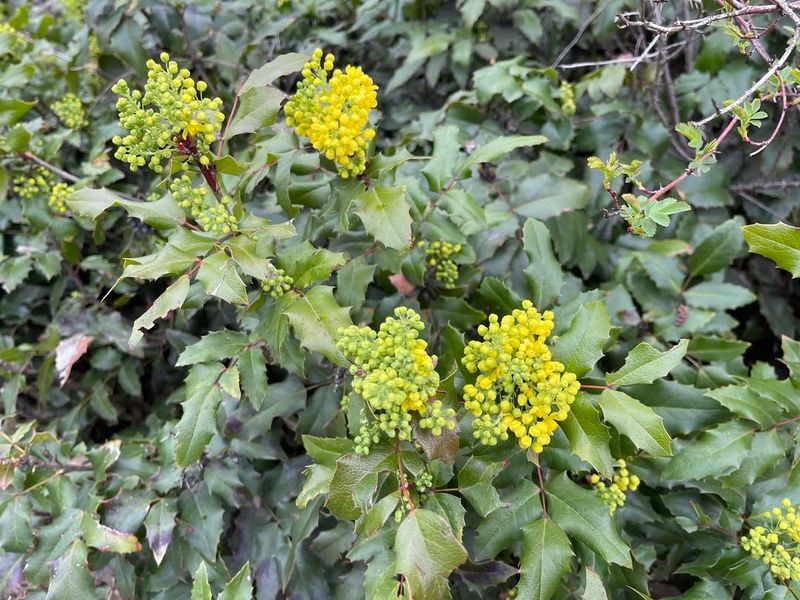
Bold, beautiful, and built for Oregon weather, Oregon Grape is one of the state’s most iconic native plants.
Its glossy, holly-like leaves stay green all year long, and in late winter to early spring, it bursts into clusters of bright yellow flowers that are among the first blooms of the season.
Those flowers then develop into tart, blueberry-like fruits that birds absolutely love.
Oregon Grape is the official state flower of Oregon, which says a lot about how deeply this plant is connected to the region’s identity. It grows in a wide range of conditions, from deep forest shade to open sunny slopes.
The leaves turn gorgeous shades of bronze and purple in winter, adding color to the garden even in the coldest months.
From a practical standpoint, Oregon Grape is one of the easiest native shrubs to grow. It needs very little water once established and rarely has pest or disease problems.
It works well as a foundation planting, a low hedge, or a woodland groundcover. The berries can even be used to make jams and jellies.
For anyone in Oregon looking for a plant that offers year-round beauty, wildlife value, and a true connection to the Pacific Northwest landscape, Oregon Grape is a natural first choice.
7. Kinnikinnick
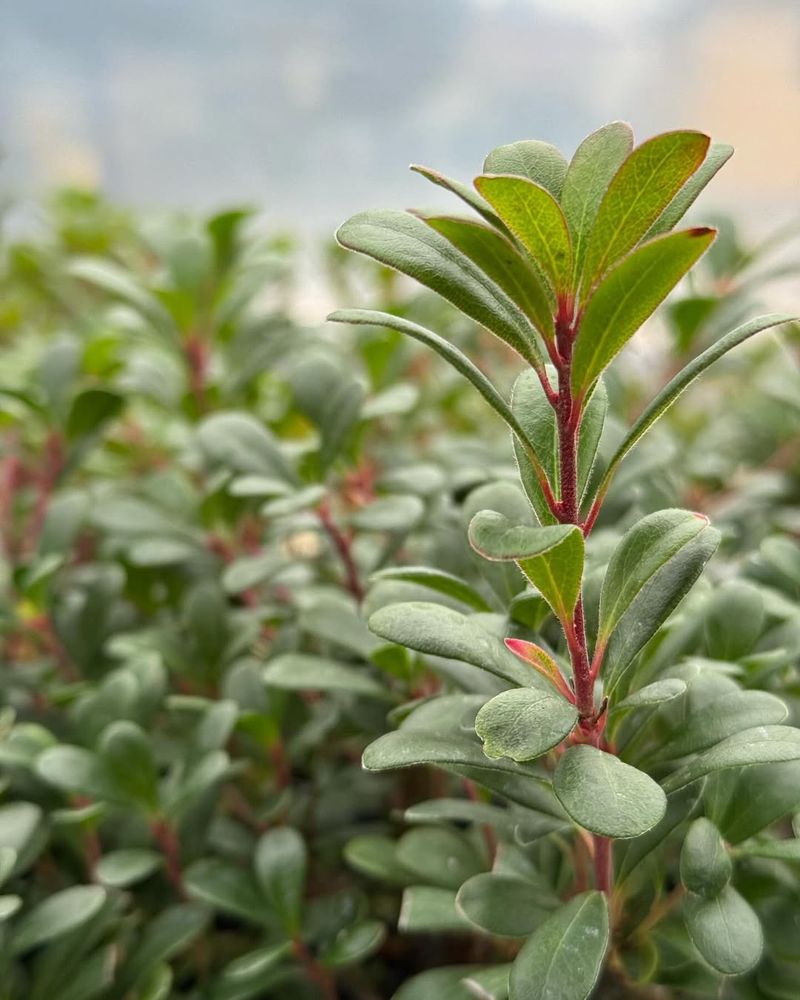
Covering the ground like a living green carpet, Kinnikinnick is one of Oregon’s most useful and underappreciated native plants. This low-growing evergreen groundcover hugs the soil tightly, spreading slowly outward with small, glossy leaves that stay lush and attractive all year.
In spring, tiny pink flowers appear, and by fall, bright red berries dot the plant like little ornaments.
Kinnikinnick is a superstar for difficult spots in the garden. It thrives on rocky slopes, sandy soils, and dry hillsides where other plants would struggle.
It is highly drought-tolerant once established, which makes it a smart water-saving choice for Oregon homeowners who want a low-maintenance yard. It also handles foot traffic better than many other groundcovers.
Wildlife benefits hugely from Kinnikinnick. The red berries are an important food source for birds like robins, waxwings, and thrushes throughout the fall and winter.
Deer also browse the foliage without causing serious damage to the plant. It rarely grows more than six inches tall, so it never blocks views or overwhelms other plantings.
For Oregon gardeners dealing with erosion on slopes or bare, dry areas that need coverage, Kinnikinnick offers a reliable, beautiful, and ecologically valuable solution that checks every box on a native plant wish list.
8. Western Red Columbine
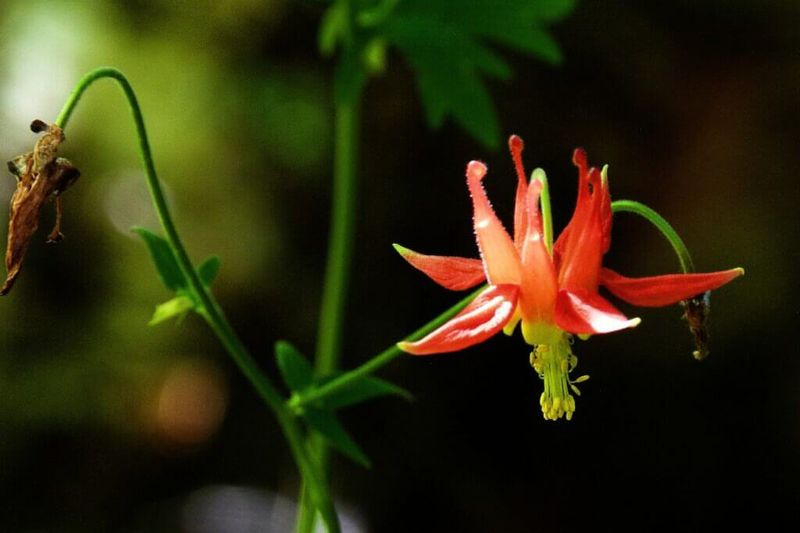
Hummingbirds in Oregon practically have a GPS locked onto Western Red Columbine. The moment these nodding red and yellow flowers open in late spring, the garden buzzes with activity as hummingbirds hover and feed on the sweet nectar inside each uniquely shaped bloom.
It is one of the most exciting plants to watch in a Pacific Northwest garden.
Western Red Columbine grows naturally along stream banks, forest edges, and rocky slopes across Oregon. In a garden setting, it thrives in partial shade with moist, well-drained soil, though it also handles sunnier spots if given enough water.
It grows about one to three feet tall and spreads gently by self-seeding, slowly filling in an area with new plants each year.
The foliage is just as pretty as the flowers. Soft, blue-green leaves with a delicate, lacy appearance add texture to shaded beds even when the plant is not blooming.
Western Red Columbine pairs especially well with ferns and Oregon Iris, creating a layered woodland look that feels natural and inviting. It is a short-lived perennial, but because it self-seeds so reliably, it tends to return year after year.
For Oregon gardeners who love wildlife and want a truly eye-catching native plant, this one never disappoints.
9. Pacific Ninebark
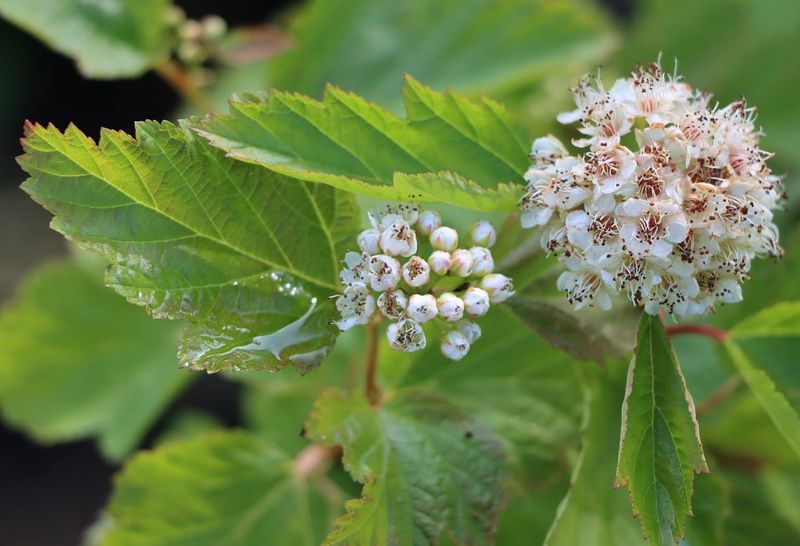
Pacific Ninebark might just be the most underrated native shrub in all of Oregon. Named for its distinctive peeling, multi-layered bark that reveals rich reddish-brown tones underneath, this plant brings year-round visual interest to any landscape.
In late spring, it covers itself in clusters of small white flowers that attract bees and butterflies by the dozens.
After the flowers fade, reddish seed capsules take their place, adding another layer of texture and color through summer and into fall.
The leaves turn warm shades of yellow and orange as temperatures cool, giving the shrub a beautiful autumn display before winter sets in. Even in the coldest months, the peeling bark keeps the plant looking interesting and alive.
Pacific Ninebark grows in a wide range of conditions across Oregon, from moist streamside environments to drier upland sites.
It can reach six to ten feet tall and wide, making it an excellent choice for privacy screens, wildlife hedges, or as a bold specimen plant in a large garden bed.
It is extremely low-maintenance once established and rarely needs extra watering or fertilizing. Birds use the dense branching for nesting and shelter throughout the year.
For any Oregon homeowner ready to invest in a native plant that truly delivers all four seasons of beauty, Pacific Ninebark is a spectacular choice.