The Native Shrub Bringing Fresh Winter Charm To Michigan Homes
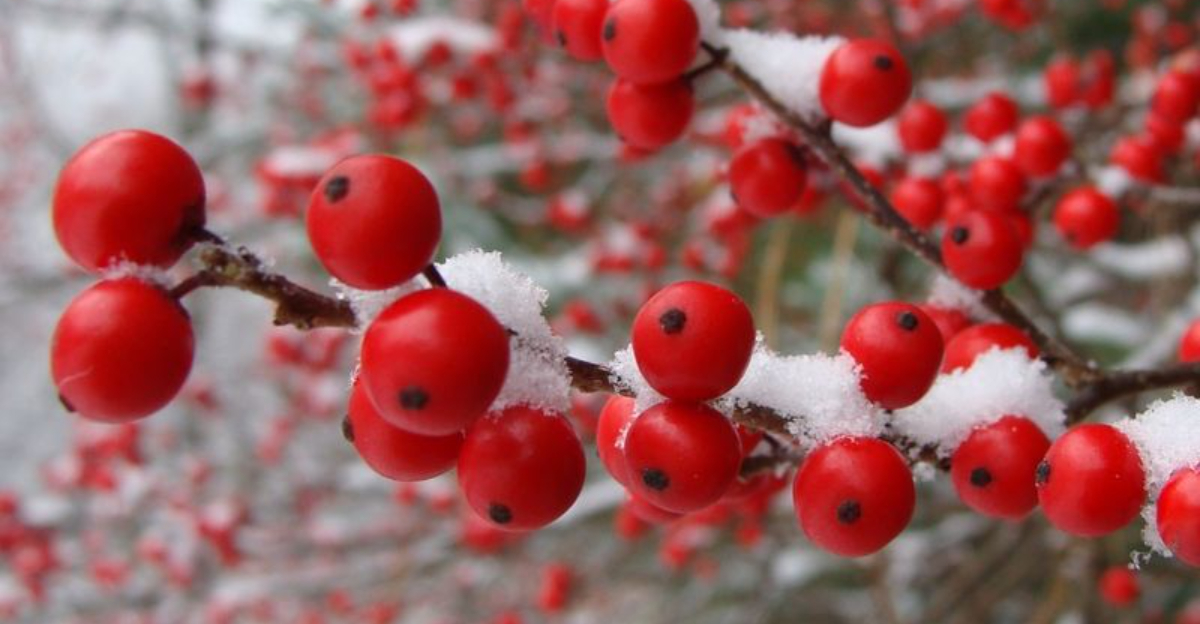
Winter settles over Michigan with a quiet touch, yet many homes refuse to fade into the background thanks to a native shrub, winterberry, that brings fresh charm to the cold season.
This hardy plant stands tall as the landscape slows down, offering color and texture when most gardens take a long winter nap.
Red berries, striking branches, or glossy leaves create a welcome spark that lifts the mood on even the grayest mornings.
Homeowners across the state are discovering how one well-chosen shrub can turn a bare yard into a small winter showcase, catching the eye of neighbors out for a stroll.
The shrub fits naturally into Michigan’s rhythm, thriving in chilly air and snow-kissed soil without fuss.
It becomes a steady companion through short days and frosty nights, adding life right when it’s needed most.
As more families plant it near porches and walkways, Michigan winters gain a touch of color, spirit, and quiet beauty.
Stunning Visual Appeal During The Coldest Months
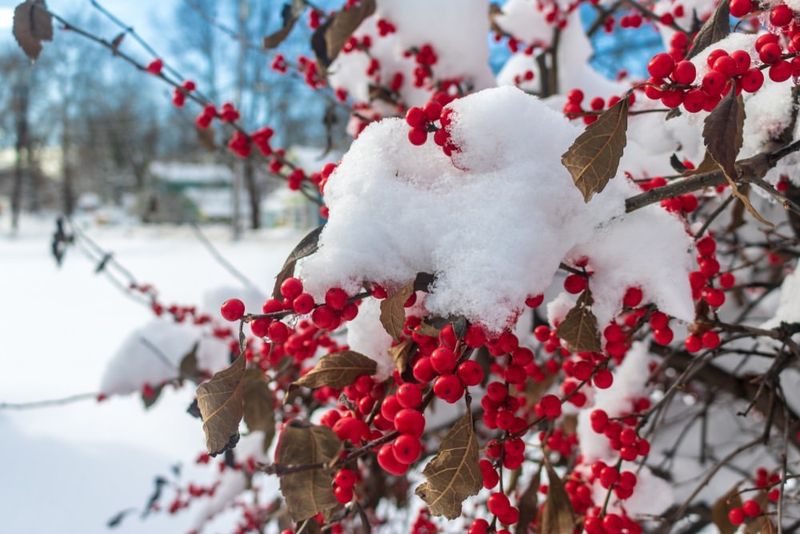
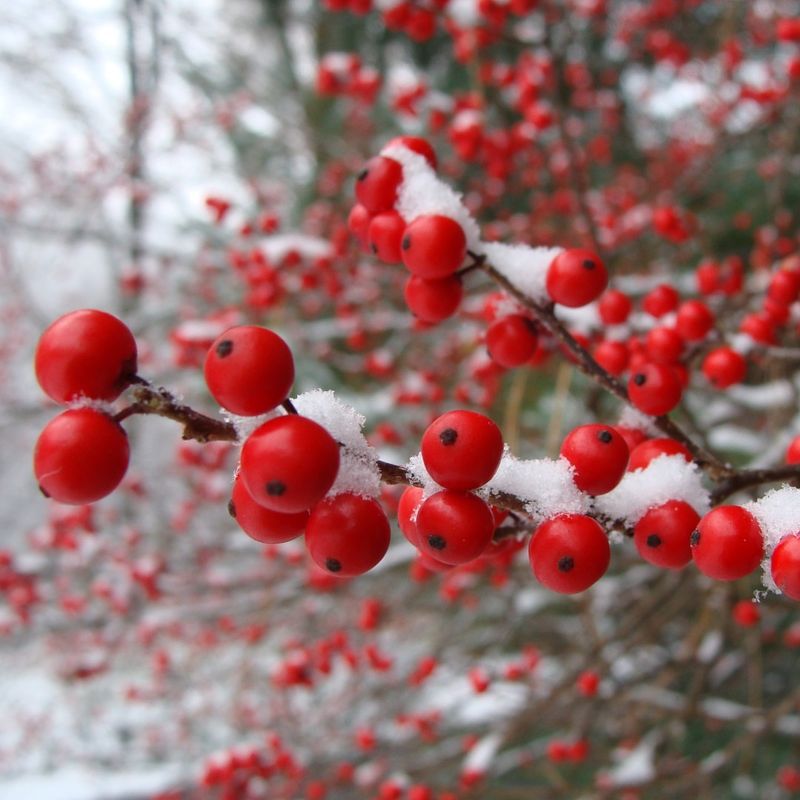
Bright red berries clustered along bare branches create a dramatic contrast against Michigan’s snowy landscapes.
Most shrubs look dull and lifeless once autumn leaves have fallen, but winterberry holly comes alive when everything else fades.
The berries appear in late fall and persist through winter, offering splashes of color when your garden needs it most.
Homeowners love how the shrub transforms boring winter yards into eye-catching displays without any extra effort.
You can plant winterberry near windows so you enjoy the view from inside your warm house.
Pairing it with evergreens creates a natural holiday decoration that lasts for months.
Photographers and nature lovers find winterberry especially photogenic because the berries practically glow in soft winter light.
Kids enjoy spotting the bright clusters during walks, making outdoor time more engaging even in freezing weather.
Unlike artificial decorations that fade or break, winterberry keeps delivering beauty year after year.
Neighbors often ask about the striking plant, sparking conversations about native landscaping and sustainable gardening choices.
The visual impact is so strong that even a single shrub can become a focal point in your yard.
When spring arrives, the berries gradually disappear as birds feast on them, making way for fresh green foliage.
Families appreciate how winterberry adds seasonal interest without requiring constant maintenance or replacement.
The cheerful berries remind everyone that beauty exists in every season, not just when flowers bloom.
Planting winterberry means investing in a landscape feature that brings joy during the bleakest part of the year.
Native Plant That Thrives In Michigan’s Climate
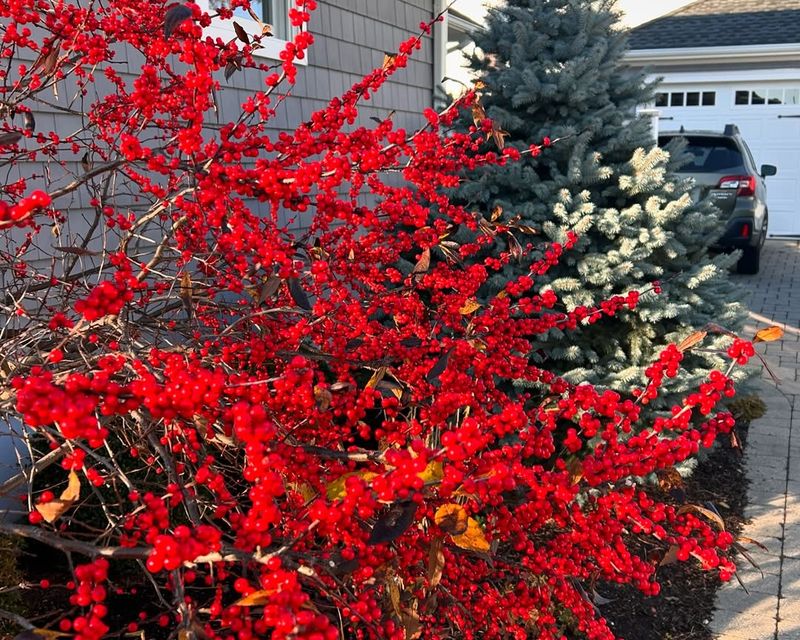
Winterberry holly evolved right here in the Midwest, meaning it handles Michigan weather better than imported ornamentals.
Harsh winters, humid summers, and unpredictable spring frosts barely phase this tough shrub.
Native plants develop natural resistance to local pests and diseases over thousands of years, so winterberry rarely needs chemical treatments.
Gardeners save time and money because native shrubs require less babying than non-native varieties that struggle in unfamiliar conditions.
Winterberry tolerates Michigan’s heavy clay soils and temperature swings without showing stress.
Once established, the roots dig deep and anchor firmly, helping the plant withstand strong winds and ice storms.
Choosing native plants supports local ecosystems by providing food and shelter that wildlife recognize and depend on.
Non-native ornamentals often fail to support Michigan’s insects, birds, and mammals because they evolved in different environments.
Winterberry fits naturally into the landscape, creating habitats that benefit the entire food web.
Michigan families feel good knowing their landscaping choices help preserve regional biodiversity.
Extension offices and native plant societies recommend winterberry as a top choice for sustainable gardens.
The shrub adapts to various light conditions, from full sun to partial shade, making it versatile for different yard layouts.
Unlike tropical or desert plants that need special care to survive Michigan winters, winterberry thrives without protection.
Planting natives reduces the risk of introducing invasive species that can overtake natural areas.
Supporting native plants means working with nature instead of fighting against it, which always makes gardening easier and more rewarding.
Provides Essential Food For Winter Birds
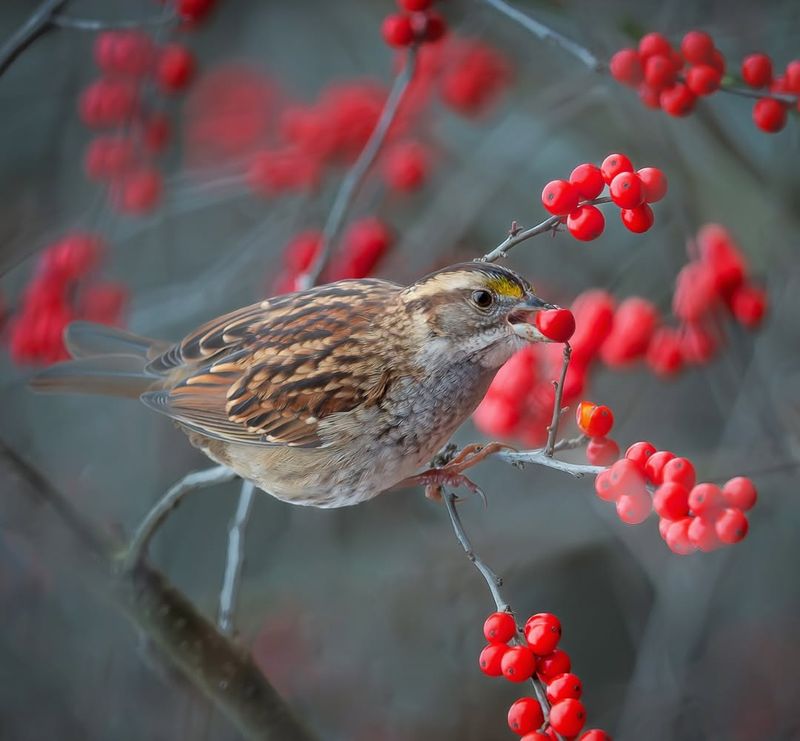
Cardinals, robins, and cedar waxwings flock to winterberry shrubs when other food sources become scarce.
The berries ripen just as insects disappear and seeds get buried under snow, offering a critical lifeline for hungry birds.
Watching colorful birds feast on bright berries brings entertainment to cold days when families spend more time indoors.
Birdwatchers love positioning winterberry near feeders because it attracts species that might not otherwise visit yards.
Kids enjoy identifying different birds and learning about wildlife behaviors through simple backyard observation.
The berries contain nutrients that help birds survive harsh weather and maintain energy for migration or nesting.
Unlike many ornamental berries that birds ignore, winterberry produces fruit specifically adapted to local wildlife preferences.
Planting winterberry contributes to bird conservation efforts by supporting populations that face habitat loss.
Some families keep journals tracking which bird species visit their winterberry shrubs throughout the season.
The shrub essentially functions as a natural bird feeder that refills itself each year without requiring trips to the store.
Birds spread winterberry seeds through droppings, potentially establishing new plants in suitable nearby areas.
Creating bird-friendly landscapes helps maintain ecological balance and gives children firsthand lessons about nature’s interconnections.
Elderly residents especially appreciate how winterberry brings wildlife closer for easier viewing from windows.
The relationship between winterberry and birds demonstrates how native plants evolved alongside local animals.
Providing natural food sources reduces birds’ dependence on feeders that can sometimes spread disease when improperly maintained.
Low Maintenance And Easy To Grow
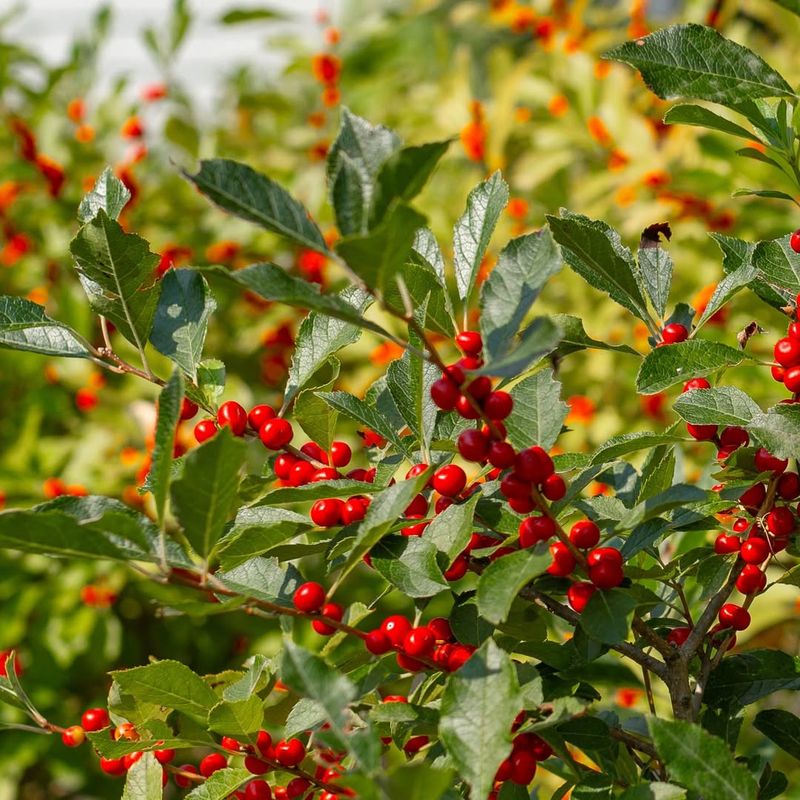
Busy families appreciate shrubs that practically take care of themselves, and winterberry fits that description perfectly.
After the first year of establishment, winterberry needs minimal watering except during extreme droughts.
No complicated fertilizing schedules or special soil amendments are necessary because the plant evolved to thrive in Michigan’s natural conditions.
Pruning requirements stay light since winterberry maintains an attractive shape without constant trimming.
You can remove damaged branches in late winter if needed, but many gardeners leave the shrub completely alone.
Pests rarely bother winterberry, eliminating worries about aphids, beetles, or other common garden nuisances.
Homeowners with packed schedules find winterberry ideal because it delivers big visual impact with almost no time investment.
The shrub adapts to various moisture levels, from wet areas near downspouts to average garden beds.
Beginners succeed with winterberry because it forgives mistakes and keeps growing despite occasional neglect.
Unlike roses or other high-maintenance ornamentals, winterberry never demands weekly attention or special products.
Mulching around the base helps retain moisture and suppress weeds, but even this step is optional once roots establish.
Families save money on landscaping services because winterberry handles itself without professional intervention.
The shrub’s easygoing nature makes it perfect for vacation homes or properties that receive infrequent care.
Gardeners transitioning to lower-maintenance landscapes often start with winterberry because success comes so easily.
Choosing plants that thrive without constant fussing frees up time for actually enjoying your yard instead of endlessly working in it.
Excellent For Wet Or Poorly Drained Areas
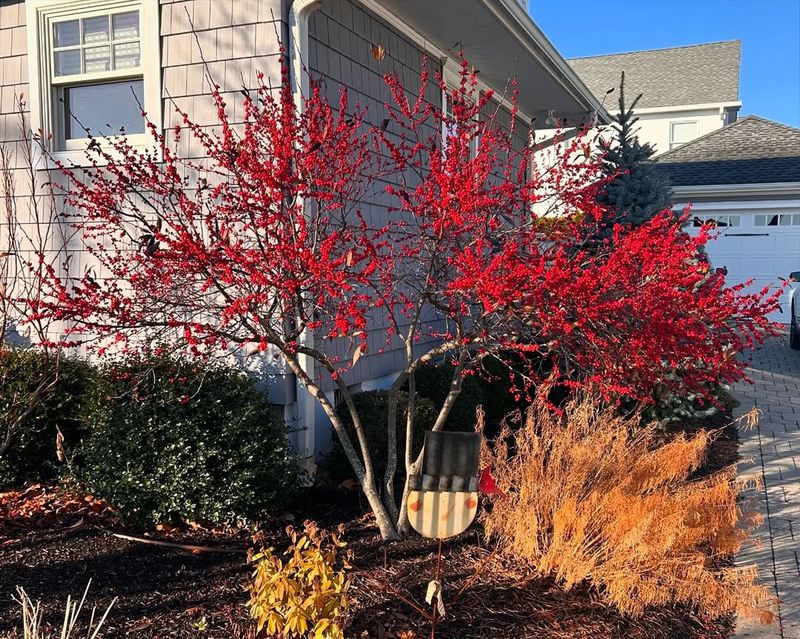
Many Michigan yards have soggy spots where most shrubs struggle or rot, but winterberry actually prefers moist soil.
Low areas that collect water after rain become assets instead of problems when planted with this adaptable native.
Homeowners stop fighting drainage issues and start working with their landscape’s natural characteristics.
Winterberry naturally grows in wetlands, swamps, and along stream banks throughout Michigan’s wild spaces.
The shrub’s root system tolerates standing water for extended periods without suffering damage.
Planting winterberry near rain gardens or drainage ditches turns functional areas into attractive landscape features.
Families with basement flooding problems sometimes plant winterberry to help absorb excess water before it reaches foundations.
The roots stabilize soil in wet areas, reducing erosion and improving overall yard health.
Unlike expensive drainage solutions, winterberry provides a natural, beautiful way to manage moisture.
Gardeners appreciate finding a plant that thrives where others fail, eliminating frustration over repeated losses.
Wet spots often sit empty because homeowners assume nothing will grow there, but winterberry proves them wrong.
The shrub tolerates seasonal flooding, making it perfect for areas near ponds, creeks, or retention basins.
Landscape designers recommend winterberry for problem areas that need both function and beauty.
Planting multiple shrubs in wet zones creates wildlife corridors while addressing drainage concerns.
Winterberry demonstrates how native plants evolved specific adaptations that make them perfect solutions for challenging conditions.
Supports Pollinators And Beneficial Insects
Spring brings small white flowers that might seem insignificant, but bees and other pollinators find them irresistible.
Winterberry blooms provide nectar and pollen exactly when native bees emerge and need food sources.
Supporting pollinator populations helps entire gardens thrive since these insects fertilize vegetables, fruits, and flowers.
Michigan’s native bee species evolved alongside plants like winterberry, creating partnerships that benefit both.
Honeybees, bumblebees, and solitary bees all visit winterberry flowers during their brief but important blooming period.
Families concerned about pollinator decline find winterberry an easy way to contribute to conservation efforts.
The shrub’s foliage also hosts beneficial insects that prey on garden pests, creating natural pest control.
Ladybugs, lacewings, and predatory wasps use winterberry branches as hunting grounds and shelter.
Encouraging beneficial insects reduces the need for chemical pesticides that harm both pests and helpful species.
Children learn valuable lessons about ecosystems by observing the variety of insects winterberry attracts.
Pollinator gardens become more effective when they include native shrubs that provide resources throughout growing seasons.
Winterberry flowers might not grab attention like showy roses, but their ecological value far exceeds their modest appearance.
Gardeners building wildlife habitats understand that supporting insects means supporting the birds and animals that eat them.
Healthy insect populations indicate healthy environments where food webs function properly.
Planting winterberry contributes to reversing habitat loss that threatens both pollinators and the plants they serve.
Increases Property Value And Curb Appeal
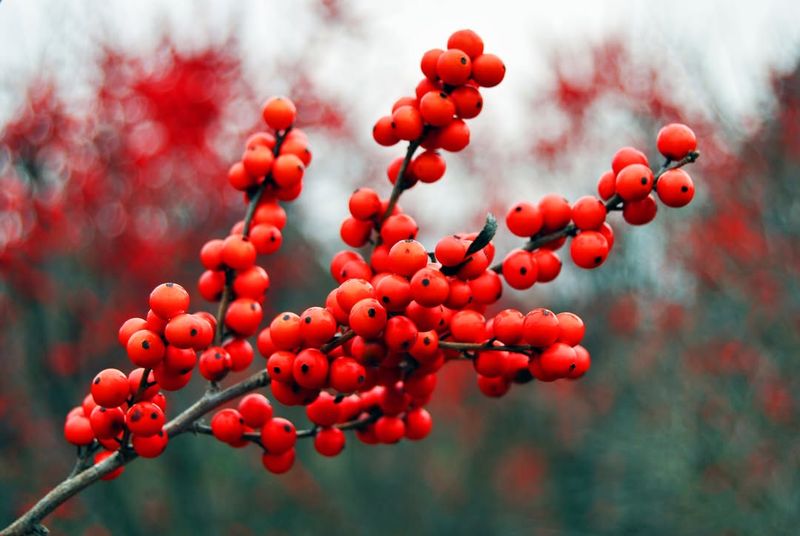
Real estate agents know that attractive landscaping significantly boosts home values and buyer interest.
Winterberry adds year-round appeal, which matters since many home showings happen during cold months.
Potential buyers notice properties that look cared for and beautiful even in winter, setting them apart from bare, dull yards.
Professional landscapers increasingly incorporate native plants because informed buyers value sustainable, low-maintenance features.
Winterberry demonstrates that homeowners invested thought into landscaping rather than just planting whatever was cheapest.
The shrub’s visual impact creates memorable first impressions that help properties stand out in competitive markets.
Homeowners planning to sell eventually benefit from establishing winterberry now since mature shrubs add more value than new plantings.
Curb appeal matters for neighborhood pride too, not just resale, making streets more pleasant for everyone.
Neighbors often follow suit when they see attractive landscaping, gradually improving entire communities.
Appraisers recognize quality landscaping as a tangible asset that justifies higher property valuations.
Winterberry requires minimal investment compared to hardscaping projects, yet delivers comparable visual returns.
Families enjoy their homes more when yards look beautiful, which adds value beyond just financial considerations.
Winter curb appeal particularly matters in Michigan where cold weather lasts many months each year.
Strategic plantings near entryways or visible from streets maximize winterberry’s impact on property appearance.
Investing in native, attractive, low-maintenance landscaping makes financial sense whether you plan to stay or sell.