The New Initiative Encouraging Oregon Gardeners To Install Rain Gardens
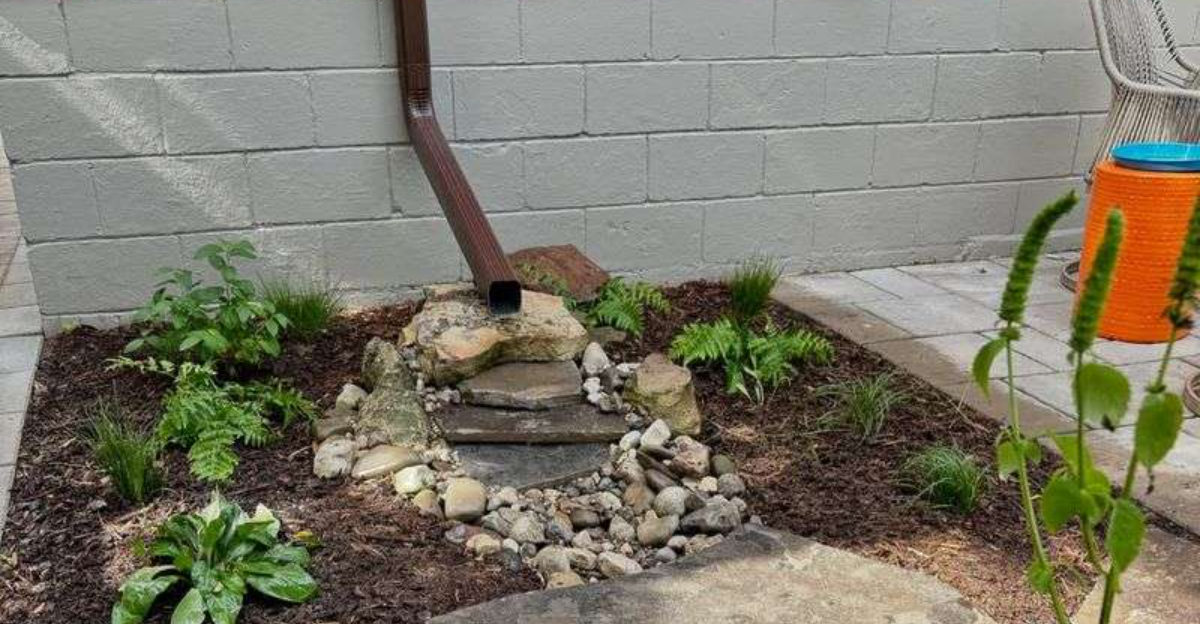
Oregon gardeners keep talking about a new initiative that’s inspiring people to look at rain gardens in a completely different way this season.
The idea is spreading quickly as homeowners notice how these small landscape changes can manage runoff while still fitting naturally into their yards.
The growing interest makes it clear that more residents are curious about practical projects that help their gardens handle shifting weather patterns.
1. What Exactly Is a Rain Garden
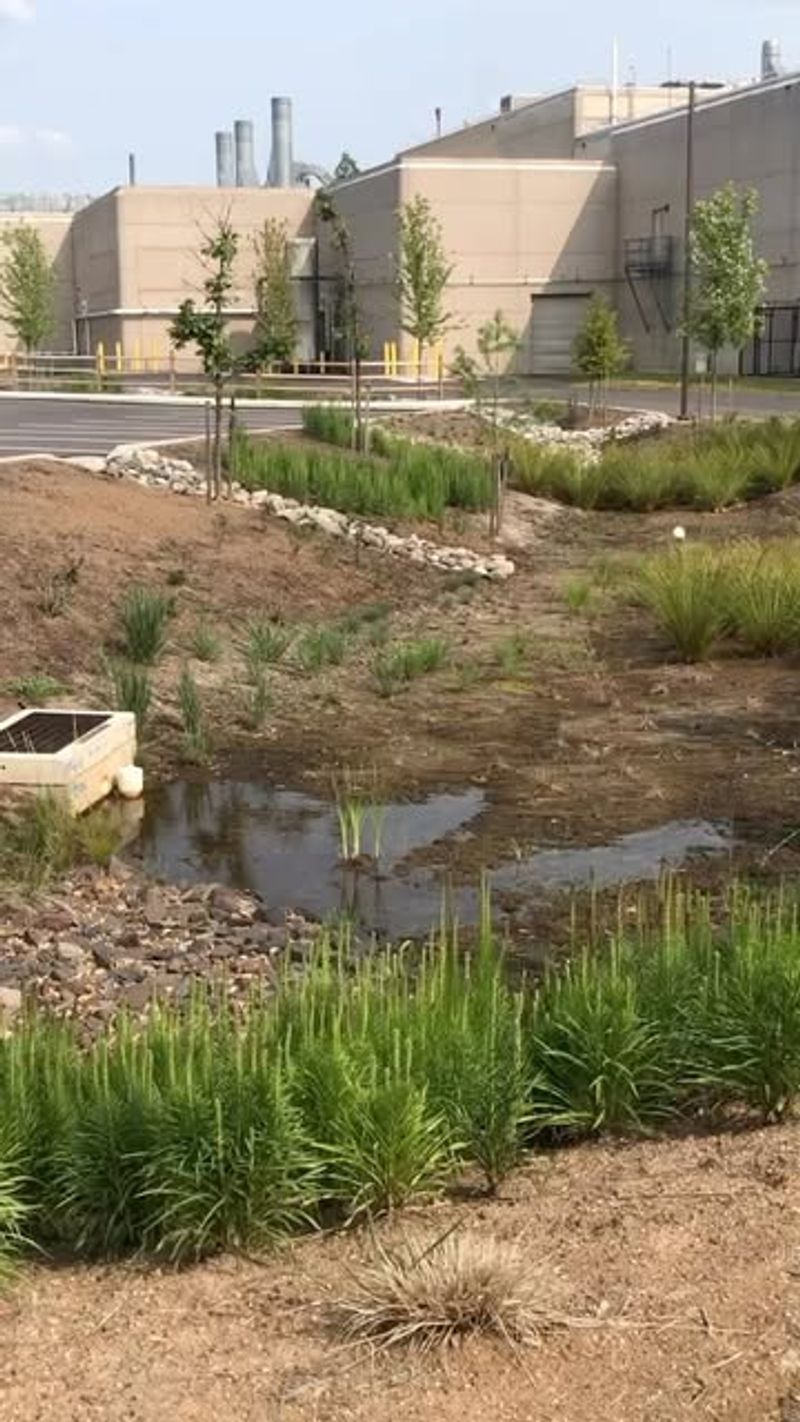
Rain gardens work like natural sponges in your yard, soaking up water that would otherwise rush into storm drains carrying pollutants along the way.
These shallow depressions are filled with native plants and specially prepared soil that filters rainwater from roofs, driveways, and other hard surfaces around your property.
Unlike regular gardens, rain gardens in Oregon are designed to handle periods of standing water after heavy rainfall, then dry out completely between storms.
The plants chosen for these gardens have deep root systems that create channels in the soil, allowing water to soak in much faster than typical lawn areas.
Most rain gardens are positioned at least ten feet away from building foundations to prevent any water damage to homes or structures on your property.
They typically range from one hundred to three hundred square feet, though Oregon homeowners can adjust the size based on available space and drainage needs.
Creating one transforms a problem area in your yard into an attractive landscape feature that works hard to protect local waterways from harmful runoff pollution.
2. Financial Incentives Available to Oregon Homeowners
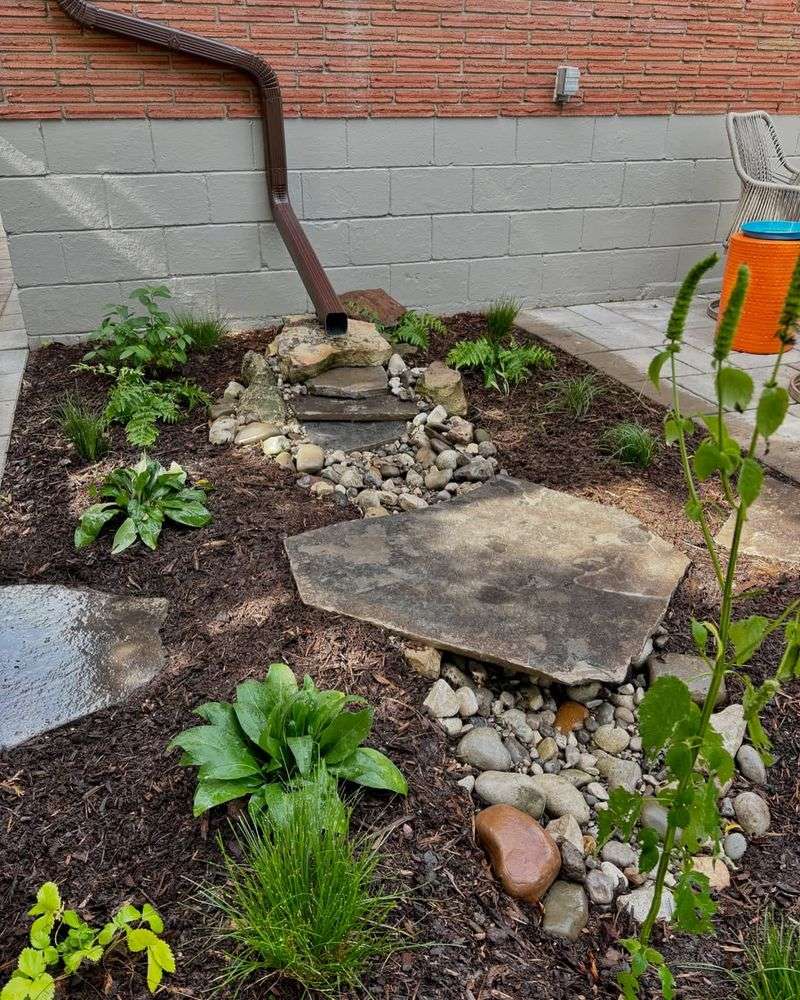
Money matters when you are planning a landscaping project, and this Oregon initiative recognizes that upfront costs can be a barrier for many interested gardeners.
Several cities across the state now offer rebates ranging from fifty dollars to over five hundred dollars depending on the size of your rain garden installation.
Portland residents can receive up to sixty-five dollars per downspout disconnected and redirected into a rain garden, making it easier to justify the initial investment in materials.
Eugene provides design consultations at no cost and offers financial assistance for low-income households who want to participate in the statewide rain garden movement.
Some Oregon municipalities have partnered with local nurseries to provide discounts on native plants specifically recommended for rain garden use in the Pacific Northwest region.
Tax credits may also be available in certain counties for homeowners who install green infrastructure like rain gardens that reduce strain on municipal stormwater systems.
Checking with your local water utility or environmental services department will reveal what financial support is currently available in your specific Oregon community.
3. Environmental Benefits That Make a Real Difference

Every rain garden installed in Oregon helps protect salmon streams, rivers, and the beautiful coastline that makes the state so special to residents and visitors alike.
When rainwater flows over pavement and lawns, it picks up motor oil, fertilizers, pesticides, and other chemicals that harm aquatic life once they reach waterways.
Rain gardens capture this runoff before it enters storm drains, filtering out up to ninety percent of pollutants through natural biological processes in the soil.
These gardens also recharge groundwater supplies, which is increasingly important in Oregon as climate patterns shift and summer droughts become more common in many regions.
Native plants in rain gardens provide critical habitat for pollinators like bees and butterflies, which have experienced significant population declines throughout the Pacific Northwest.
By slowing down stormwater, rain gardens reduce erosion in streams and prevent flooding downstream, protecting both natural habitats and human infrastructure from water damage.
Installing just one rain garden might seem small, but when Oregon neighbors work together, the collective impact on local watersheds becomes truly significant and measurable.
4. Best Native Plants for Oregon Rain Gardens
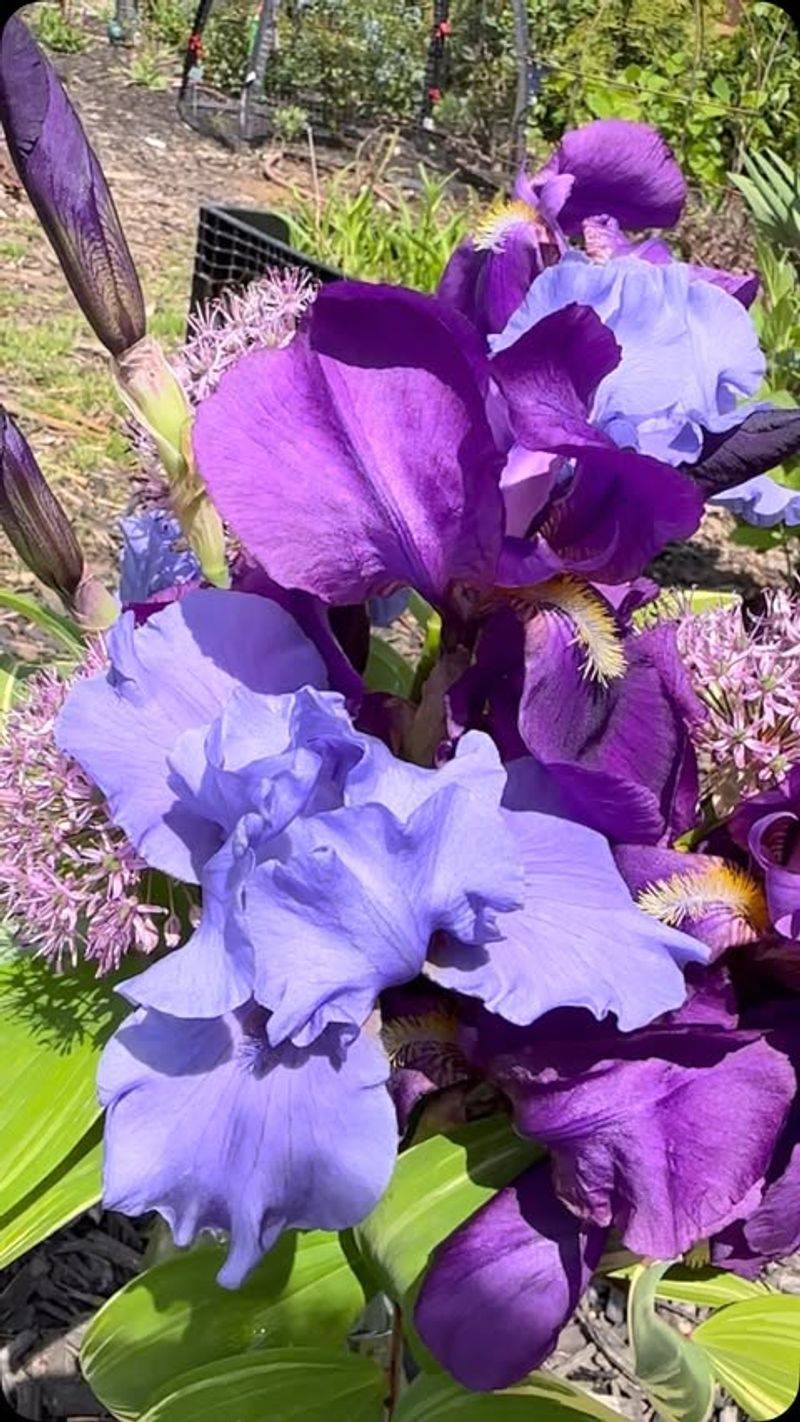
Choosing the right plants makes the difference between a thriving rain garden and one that struggles, so Oregon gardeners should focus on species adapted to local conditions.
Red-twig dogwood brings year-round interest with bright stems in winter and can handle both the wet periods and dry summers typical of the Willamette Valley.
Oregon iris produces stunning purple flowers in spring and thrives in the alternating wet and dry conditions that rain gardens experience throughout the growing season.
Sword ferns add lush greenery and work particularly well in shadier rain gardens, while their deep roots help create channels that improve water infiltration over time.
Western columbine attracts hummingbirds with delicate red and yellow blooms, and it adapts well to the variable moisture levels found in properly functioning rain gardens.
Kinnikinnick serves as an excellent groundcover option for Oregon rain gardens, spreading to fill spaces while tolerating both occasional flooding and extended dry periods between storms.
Local nurseries participating in the initiative often have pre-selected rain garden plant collections specifically designed for different regions and microclimates throughout the state.
5. How to Choose the Perfect Location

Location determines whether your rain garden will function properly or become a frustrating maintenance problem, so Oregon homeowners need to carefully assess their property before digging.
Ideal spots are at least ten feet from your house foundation and away from septic systems, allowing water to safely infiltrate without causing structural issues.
Look for low areas where water naturally collects after rainfall, as these spots already show you where your yard wants to channel stormwater runoff.
Avoid placing rain gardens directly over utility lines, and always call the utility location service before you start any excavation work on your Oregon property.
The garden should receive runoff from impervious surfaces like roofs, driveways, or patios, maximizing the amount of stormwater you can capture and filter naturally.
Conducting a simple percolation test helps determine if your soil drains adequately; water should infiltrate within twelve to forty-eight hours for optimal rain garden performance.
Sunny locations support a wider variety of flowering native plants, though Oregon gardeners with shadier yards can still create successful rain gardens using shade-tolerant species.
6. Step-by-Step Installation Process Made Simple
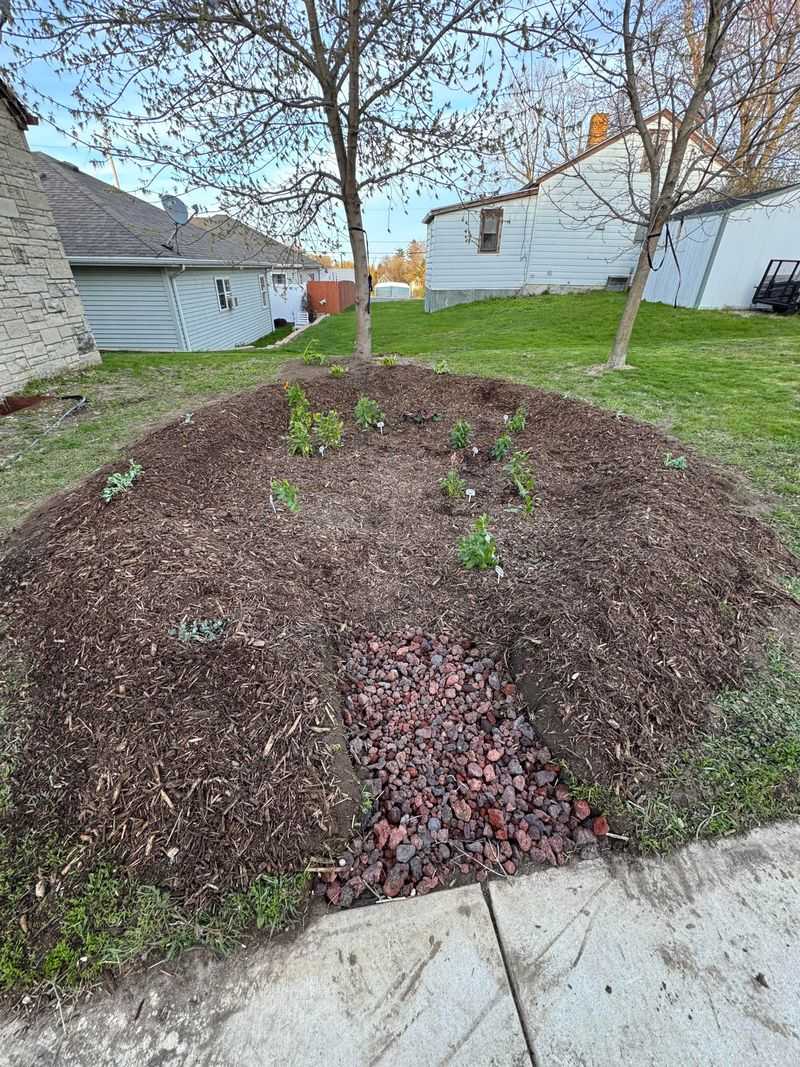
Building a rain garden might sound intimidating, but the Oregon initiative provides detailed guides and workshops that break the process down into manageable steps for beginners.
Start by marking out your garden area, typically creating an oval or kidney shape that looks natural and fits well within your existing landscape design.
Excavation requires digging a shallow basin about six to twelve inches deep, with gently sloping sides that prevent erosion and make maintenance easier over time.
Mix compost into the native soil to improve its structure and water-holding capacity, which helps plants establish strong roots during their first season in Oregon.
Create a small berm on the downhill side using the excavated soil to help pond water temporarily after storms, giving it time to soak in properly.
Plant selection and placement should consider mature sizes, with taller species toward the center and shorter groundcovers around the edges for visual appeal and function.
Mulching with two to three inches of organic material suppresses weeds, retains moisture, and gives your new Oregon rain garden a finished, professional appearance immediately.
7. Maintenance Requirements Throughout the Year
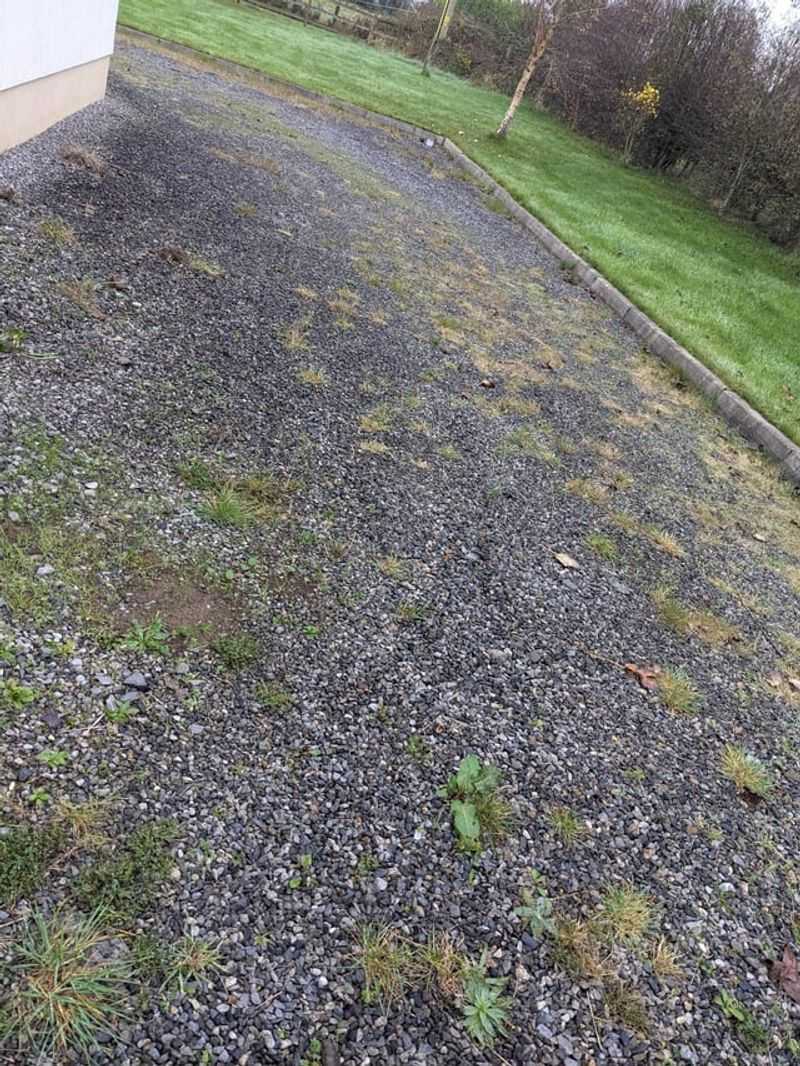
Rain gardens require less maintenance than traditional flower beds once established, but Oregon gardeners should expect to invest some time during the first growing season.
Watering newly planted rain gardens weekly during dry summer months helps plants develop the deep root systems they need to survive without supplemental irrigation later.
Weeding is most important in the first two years before native plants fill in and create a dense canopy that naturally suppresses unwanted vegetation.
Removing accumulated sediment and debris after major storms prevents your rain garden from clogging, ensuring it continues to function properly throughout Oregon’s rainy season.
Pruning dead plant material in late winter or early spring keeps the garden looking tidy and encourages vigorous new growth when temperatures warm up.
Replenishing mulch annually maintains a two to three inch layer that conserves moisture, moderates soil temperature, and continues breaking down to improve soil quality over time.
Most Oregon rain gardens become nearly self-sufficient after three years, requiring only occasional weeding and an annual spring cleanup to maintain their beauty and functionality.
8. How Rain Gardens Reduce Neighborhood Flooding
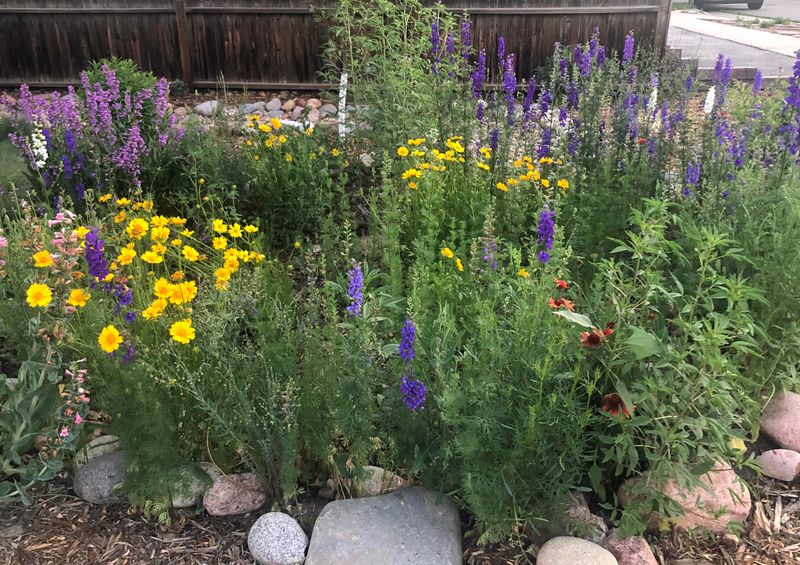
Flooding has become more frequent in many Oregon communities as development increases impervious surfaces and climate patterns deliver more intense rainfall events than in past decades.
Traditional storm drain systems quickly move large volumes of water into streams and rivers, often overwhelming these waterways and causing downstream flooding in low-lying areas.
Rain gardens slow down this process by capturing runoff where it falls, allowing water to infiltrate gradually rather than rushing into already overtaxed drainage systems.
When multiple neighbors in an Oregon community install rain gardens, the cumulative effect significantly reduces peak flow rates during storms, protecting everyone from water damage.
Studies show that rain gardens can reduce runoff volume by thirty to forty percent compared to conventional landscaping, making a measurable difference in flood-prone neighborhoods.
This distributed approach to stormwater management costs far less than expanding pipe systems and treatment facilities, which is why Oregon municipalities enthusiastically support residential rain gardens.
Participating in the initiative means you are not just improving your own property but actively contributing to a community-wide solution that benefits your entire neighborhood.
9. Educational Resources and Community Support

Nobody expects Oregon homeowners to become instant experts, which is why the initiative includes extensive educational programming to support participants from planning through installation and beyond.
Free workshops are offered throughout the state, covering topics from site assessment and plant selection to proper construction techniques and long-term maintenance strategies.
Online resources include video tutorials, downloadable guides, and plant databases specifically tailored to different regions within Oregon, from coastal areas to the high desert.
Many communities have established rain garden volunteer networks where experienced gardeners mentor newcomers, answer questions, and even help with physical installation when needed.
Master gardener programs across Oregon now include specialized training on rain gardens, creating a growing corps of knowledgeable volunteers available to assist local residents.
Annual garden tours showcase successful installations in real neighborhoods, allowing prospective participants to see functioning rain gardens and talk directly with homeowners about their experiences.
This supportive community approach ensures that Oregon gardeners feel confident and capable rather than overwhelmed when they decide to add a rain garden to their property.
10. Long-Term Impact on Property Value
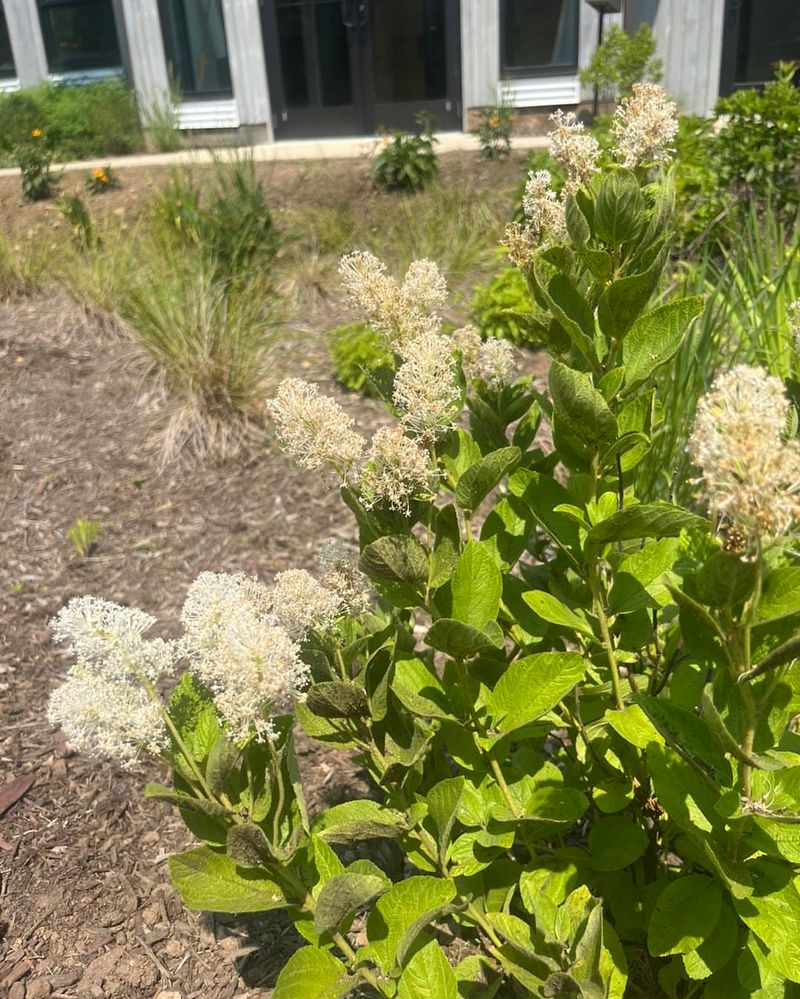
Smart landscaping investments pay dividends when it comes time to sell, and rain gardens are increasingly recognized as desirable features by environmentally conscious Oregon homebuyers.
Properties with established rain gardens often appraise higher than comparable homes because they demonstrate responsible water management and reduced maintenance needs over conventional landscapes.
Curb appeal gets a significant boost from the colorful native plants and naturalistic design of rain gardens, creating an attractive first impression that sets homes apart.
Lower water bills resulting from reduced irrigation needs appeal to practical buyers who appreciate ongoing savings along with the environmental benefits of rain gardens.
Real estate agents in Oregon report that homes with green infrastructure features like rain gardens tend to sell faster in markets where buyers prioritize sustainability.
Insurance companies are beginning to recognize that properties with rain gardens face lower flood risk, which may eventually translate into reduced premiums for participating homeowners.
Beyond financial considerations, many Oregon residents find deep satisfaction in knowing their landscape actively contributes to watershed health and provides habitat for local wildlife species.