The New Mulch Disposal Rules Every New York Homeowner Should Know
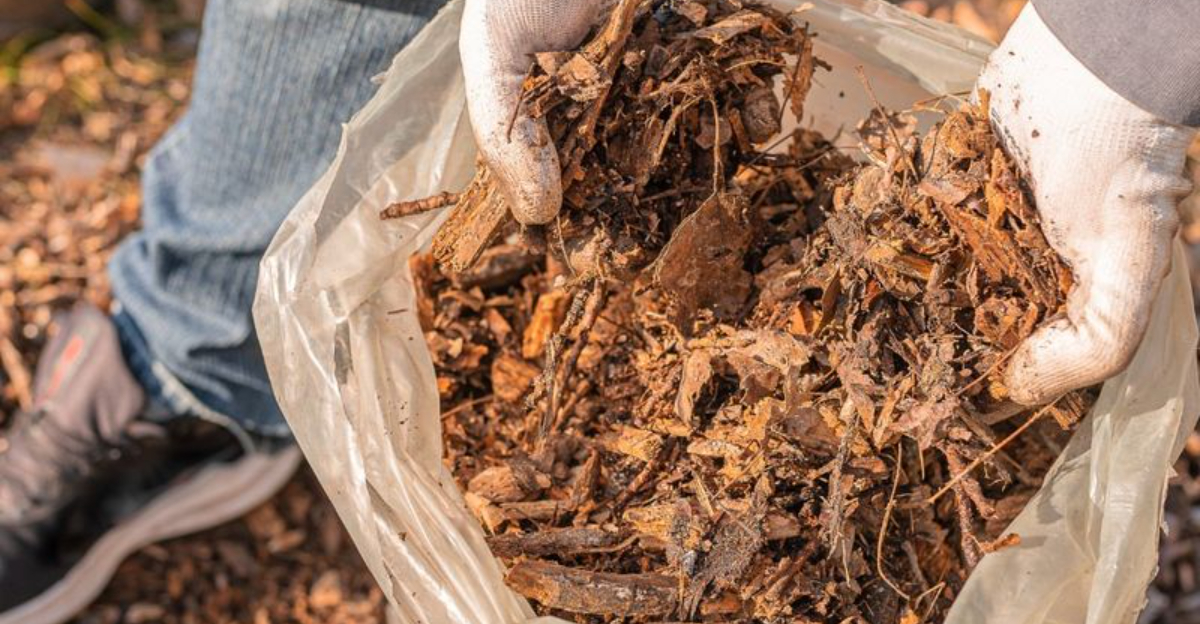
New mulch disposal rules are sweeping through New York, catching the attention of homeowners who want to stay on the right side of local guidelines.
Mulch may seem like a simple part of yard care, but the way it’s handled can shape everything from curb appeal to community safety.
As regulations shift, many households are taking a closer look at what they pile up, toss out, or move curbside.
Some of the old habits now carry new limits, pushing residents to rethink how they manage yard waste.
These updated rules aim to cut down on fire risks, reduce clutter in public spaces, and keep neighborhoods running smoothly through each season.
For homeowners who pride themselves on neat gardens and tidy driveways, understanding these changes makes all the difference.
A little knowledge goes a long way in staying compliant, protecting the environment, and keeping local officials off your doorstep as the new standards take hold.
1. Separate Organic Mulch From Treated Wood Products
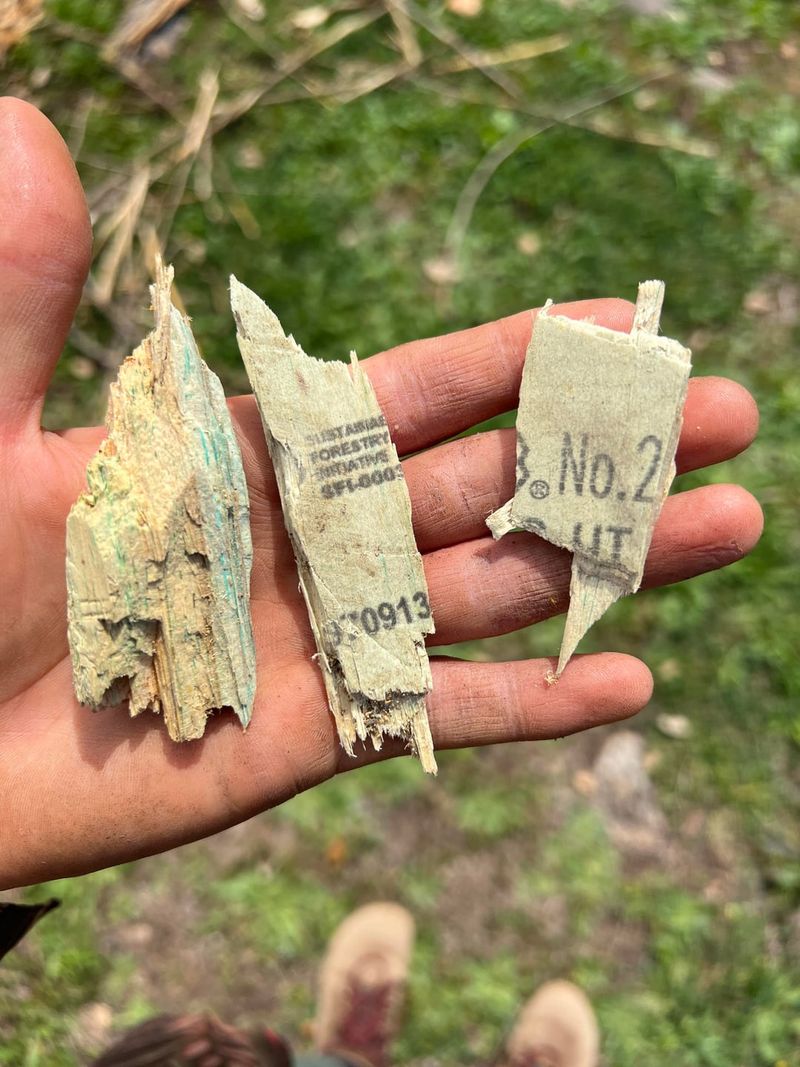
Organic mulch made from natural leaves, bark, and untreated wood can break down safely in compost piles or yard waste bins.
New York regulations now require homeowners to keep this material separate from any mulch that has been chemically treated or painted.
Treated wood products contain preservatives and chemicals that can leach into soil and groundwater, posing risks to plants, animals, and people.
Many towns across New York have introduced stricter sorting requirements at curbside pickup and drop-off centers.
If you mix treated mulch with organic yard waste, your entire batch may be rejected, leading to extra trips and potential fines.
Check the labels on any bagged mulch you purchase, and keep a separate bin for materials that contain dyes, stains, or pressure-treated lumber scraps.
Homeowners in cities like Albany, Rochester, and Syracuse have reported increased inspections by waste management teams.
Inspectors look for contamination in yard waste containers, and violations can result in warnings or monetary penalties.
Staying organized with clearly marked bins makes disposal day much smoother.
Consider creating a dedicated corner of your yard for sorting mulch before disposal.
This small step helps you stay compliant with local rules and protects the environment.
When in doubt, contact your municipal waste department for guidance on what qualifies as organic versus treated material in your specific New York county.
2. Use Designated Yard Waste Collection Days
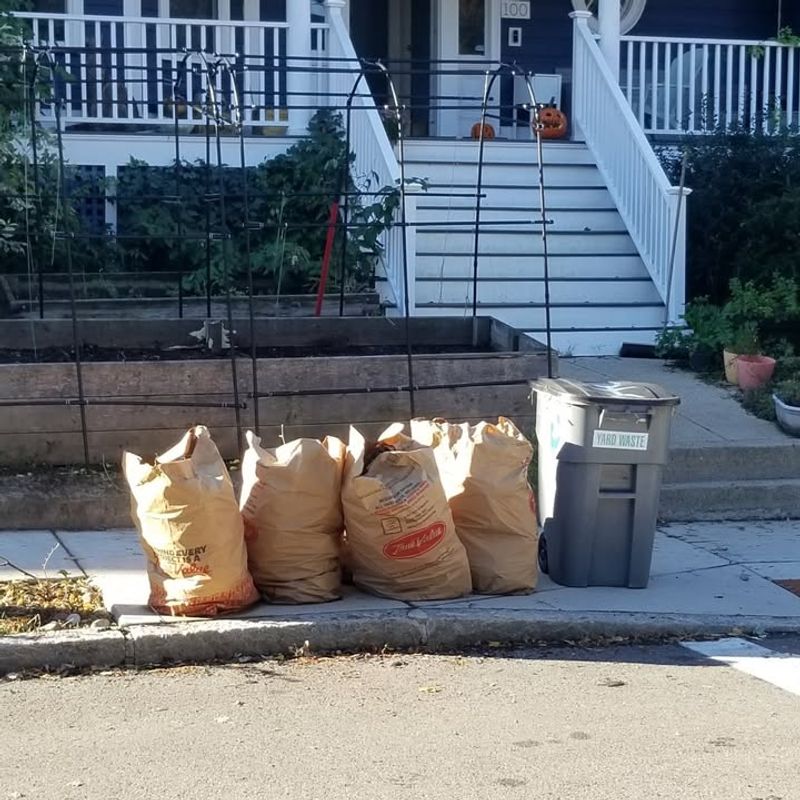
Gone are the days when you could toss mulch into your regular trash bin whenever you felt like it.
Most New York municipalities now schedule specific collection days for yard waste, including old mulch, leaves, and grass clippings.
Missing these designated pickup times means your mulch sits on the curb longer or you must store it until the next scheduled date.
Buffalo, Yonkers, and other cities have moved to biweekly or monthly yard waste pickups to streamline operations and reduce costs.
Homeowners should mark their calendars and prepare mulch for collection a day in advance.
Some neighborhoods require you to use biodegradable paper bags or reusable bins, while others accept loose piles placed at the curb edge.
Failing to follow the schedule can result in notices from your local sanitation department.
Repeat offenders may face fines ranging from fifty to several hundred dollars, depending on the municipality.
It pays to stay informed about your community’s waste calendar, which is often available online or through local government apps.
If you generate large amounts of mulch from landscaping projects, consider renting a dumpster or scheduling a special pickup with your waste provider.
Some New York counties offer free or low-cost bulk waste days a few times per year, perfect for major cleanups.
Planning ahead ensures your yard stays tidy and you remain in good standing with local regulations.
3. Compost Untreated Mulch At Home
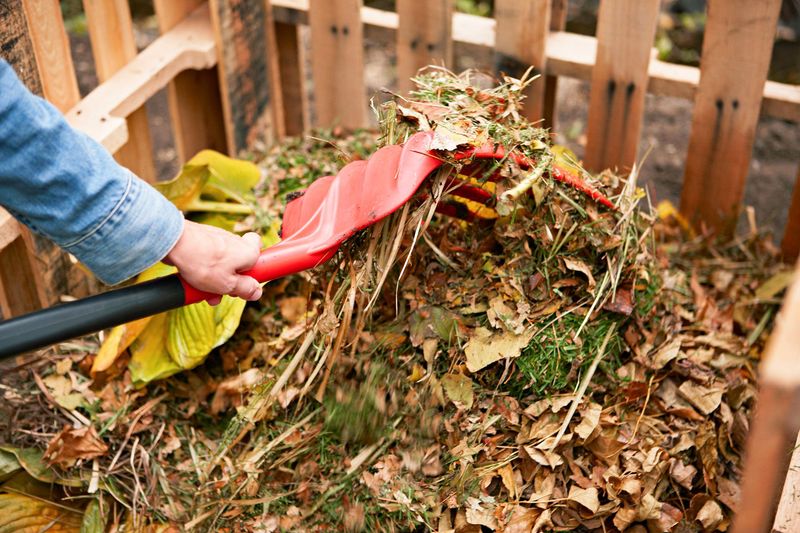
Home composting has become a cornerstone of New York’s push toward sustainable waste management.
Untreated mulch, such as shredded bark, wood chips, and leaf litter, breaks down beautifully in a backyard compost pile.
By composting at home, you reduce the volume of waste sent to landfills and create nutrient-rich soil amendments for your garden.
New York State encourages residents to start composting by offering workshops, online guides, and sometimes even free or discounted compost bins.
Many homeowners in Long Island, Westchester, and the Hudson Valley have embraced this practice, turning yard waste into black gold for their flower beds and vegetable gardens.
The key is to balance carbon-rich materials like mulch with nitrogen-rich greens such as grass clippings and kitchen scraps.
Keep your compost pile moist and turn it regularly to speed up decomposition.
Avoid adding treated wood, painted materials, or anything with synthetic dyes, as these can contaminate your compost and harm plants.
A well-maintained compost bin produces finished compost in as little as three to six months, depending on conditions.
Local extension offices throughout New York provide resources and troubleshooting tips for beginner composters.
If you live in an apartment or have limited outdoor space, consider a compact tumbler or worm composting system.
These methods work well in urban settings and still allow you to recycle mulch responsibly while staying compliant with disposal regulations.
4. Avoid Dumping Mulch In Natural Areas
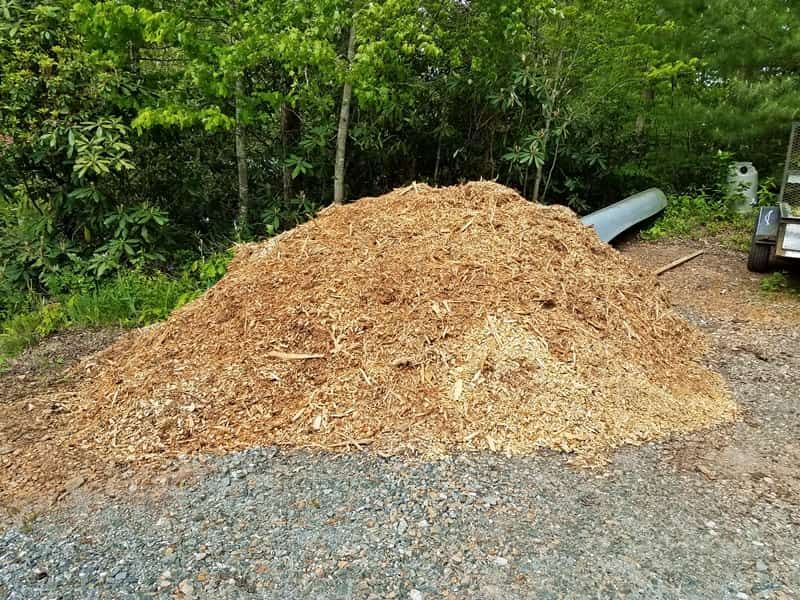
Tossing old mulch into nearby woods or vacant lots might seem harmless, but New York law treats it as illegal dumping.
Natural areas, parks, and undeveloped land are protected habitats where introducing foreign materials can disrupt ecosystems and introduce invasive species or diseases.
Even organic mulch can smother native plants and alter soil chemistry in sensitive environments.
State and local authorities have ramped up enforcement in recent years, with increased patrols and surveillance cameras in popular dumping spots.
Violators caught disposing of mulch illegally face steep fines, community service, and potential criminal charges in severe cases.
Residents in the Adirondacks, Catskills, and other rural regions have seen firsthand the damage caused by thoughtless dumping.
If you’re tempted to dump mulch because disposal options seem inconvenient, remember that many towns offer free drop-off sites for yard waste.
These facilities process organic materials properly and often turn them into community compost or mulch available to residents.
Taking a short drive to a designated site is far better than risking legal trouble and harming the environment.
Educate your neighbors and family members about the importance of proper mulch disposal.
Community awareness reduces illegal dumping and keeps New York’s natural spaces beautiful and healthy.
When everyone follows the rules, parks and forests remain safe havens for wildlife and recreational activities enjoyed by all.
5. Check For Municipal Mulch Recycling Programs
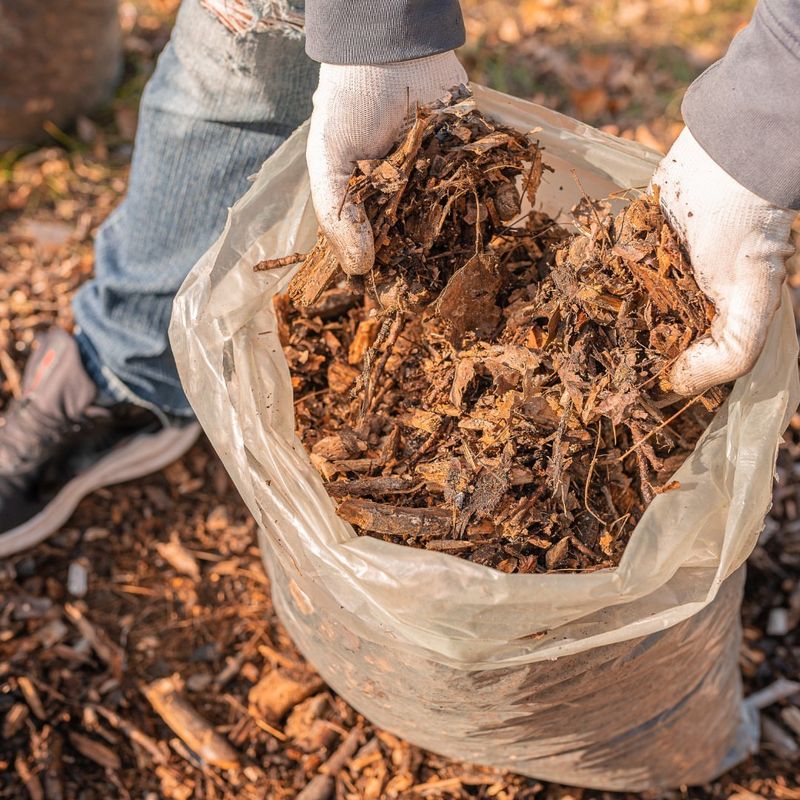
Many New York cities and towns have launched mulch recycling programs that accept old mulch and yard waste, then process it into fresh mulch or compost for community use.
These programs help close the loop on organic waste and provide residents with free or low-cost mulch for their own landscaping projects.
Participating in these initiatives supports local sustainability goals and keeps valuable materials out of landfills.
Rochester, Ithaca, and numerous smaller municipalities operate drop-off centers where homeowners can bring yard waste year-round.
Some locations even offer curbside pickup as part of regular sanitation services.
The collected mulch is ground, aged, and screened before being made available to residents, often on a first-come, first-served basis during designated giveaway events.
Before heading to a recycling center, call ahead or check online for hours of operation and acceptable materials.
Some facilities have restrictions on bag types, mulch volume, or seasonal access.
Knowing the rules in advance saves you time and ensures your mulch is processed correctly.
If your town doesn’t have a mulch recycling program yet, consider advocating for one at local government meetings.
Resident input can influence policy changes and encourage municipalities to invest in greener waste management solutions.
New York’s commitment to environmental stewardship means more communities are exploring these options every year, making responsible mulch disposal easier and more accessible for everyone.
6. Label And Store Mulch Properly Before Disposal
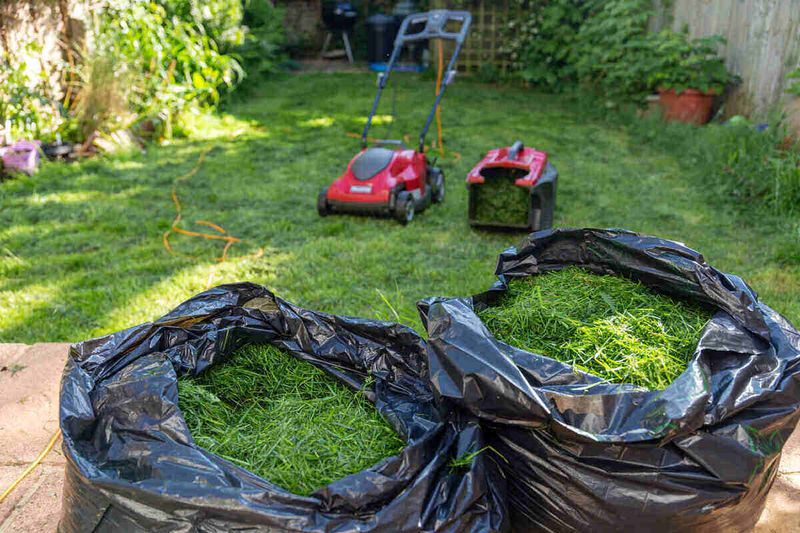
Proper labeling and storage of mulch before disposal can prevent confusion and ensure your materials are handled correctly by waste collectors.
New York sanitation departments often require homeowners to mark bags or bins with tags indicating the contents, especially when mixing different types of yard waste.
Clear labeling helps workers sort materials at processing facilities and reduces contamination risks.
Use sturdy, biodegradable paper bags for organic mulch, and avoid plastic bags that can jam machinery at composting centers.
If your municipality allows bins, choose containers with secure lids to prevent wind from scattering mulch around your neighborhood.
Store filled bags or bins in a dry, covered area until collection day to keep them from becoming soggy or attracting pests.
In areas like Staten Island and Queens, sanitation crews have reported fewer pickup errors when homeowners label their waste clearly.
Simple tags or stickers indicating organic mulch or treated wood help workers route materials to the right facilities.
This small effort on your part streamlines the entire disposal process and supports efficient recycling operations.
If you’re unsure how to label your mulch, consult your local waste management website or customer service line.
Many New York counties provide free labels or printable tags for residents.
Taking a few extra minutes to organize and mark your mulch demonstrates good stewardship and helps your community maintain high recycling and composting rates.
7. Know The Penalties For Non-Compliance
Understanding the consequences of ignoring mulch disposal rules can motivate homeowners to stay compliant and avoid unnecessary expenses.
New York municipalities have the authority to issue fines, warnings, and even legal action against residents who repeatedly violate waste management regulations.
Penalties vary by location, but they can range from modest fines to significant fees that escalate with each offense.
First-time violators in cities like Binghamton and Poughkeepsie typically receive a warning notice explaining the infraction and providing information on proper disposal methods.
If the problem persists, fines may start at fifty dollars and increase to several hundred dollars for repeat offenses.
In extreme cases, such as large-scale illegal dumping, criminal charges and court appearances may be required.
Beyond monetary penalties, non-compliance can affect your relationship with neighbors and local officials.
Properties with repeated violations may be flagged for additional inspections, and homeowners could face difficulties when applying for permits or variances in the future.
Maintaining a clean record with your sanitation department is in your best interest for many reasons.
Staying informed about current regulations is the best way to avoid penalties.
Subscribe to your town’s email alerts, follow local government social media accounts, or attend community meetings where waste management topics are discussed.
New York’s rules may evolve as environmental priorities shift, so keeping up to date ensures you’re always in compliance and contributing positively to your community’s sustainability efforts.