The No-Effort Flower Beds Tennessee Homeowners Love
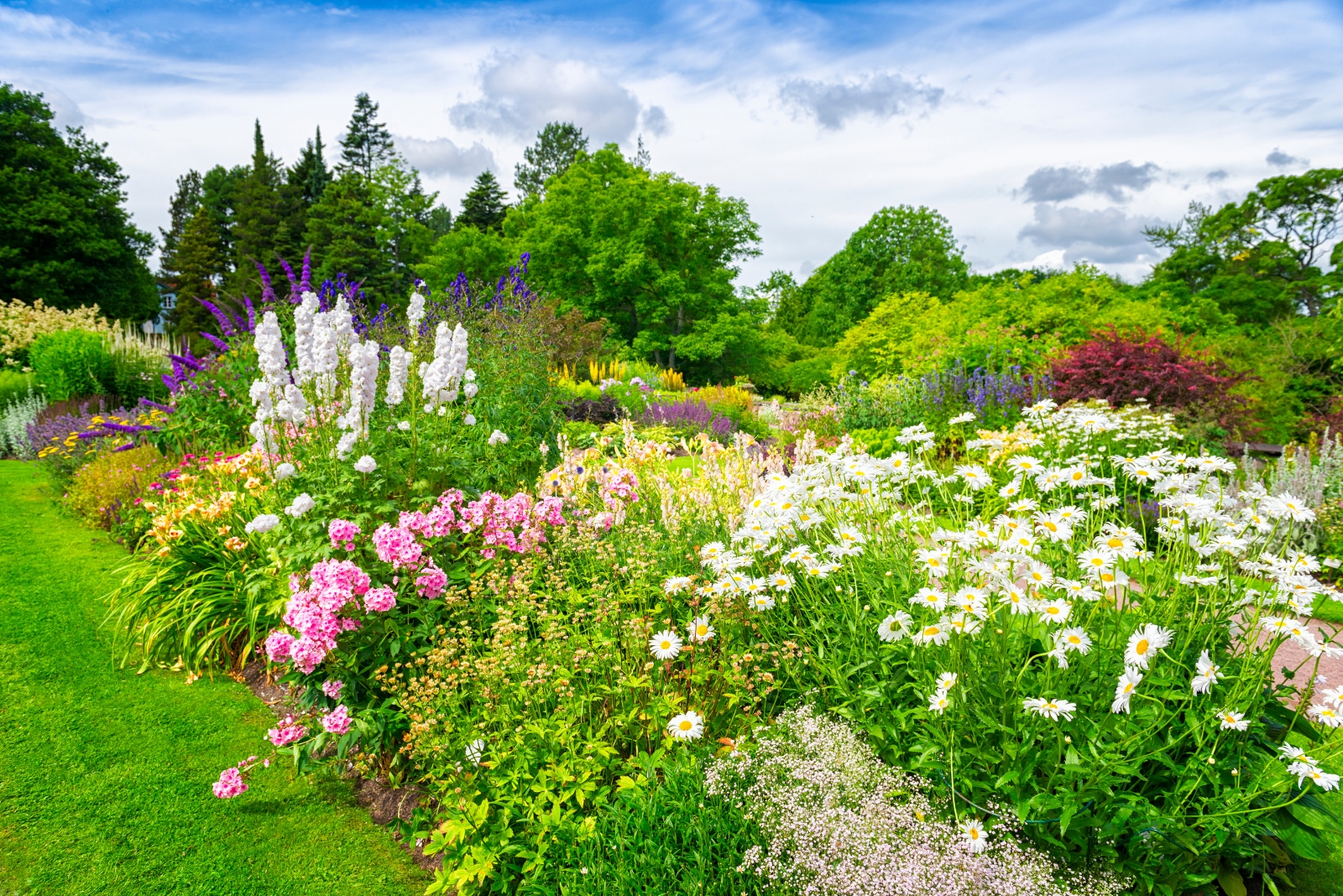
Tennessee homeowners know that beautiful gardens shouldn’t require endless hours of maintenance and constant attention.
Low-maintenance flower beds offer the perfect solution for busy families who still want colorful, attractive landscapes around their homes.
Creating a stunning outdoor space doesn’t mean sacrificing your weekends to weeding, watering, and worrying about whether your plants will survive.
With the right approach and plant choices suited to Tennessee’s unique climate, you can enjoy gorgeous blooms throughout the growing season without the stress.
These easy-care flower beds combine smart planning with hardy, resilient plants that thrive in Tennessee’s warm summers and mild winters.
Whether you’re a first-time gardener or simply want to spend less time on yard work, these no-effort strategies will transform your property into a beautiful, welcoming space that practically takes care of itself.
Native Plants Are Your Best Friends
Plants that evolved in Tennessee naturally adapt to local soil, rainfall, and temperature patterns without requiring special care.
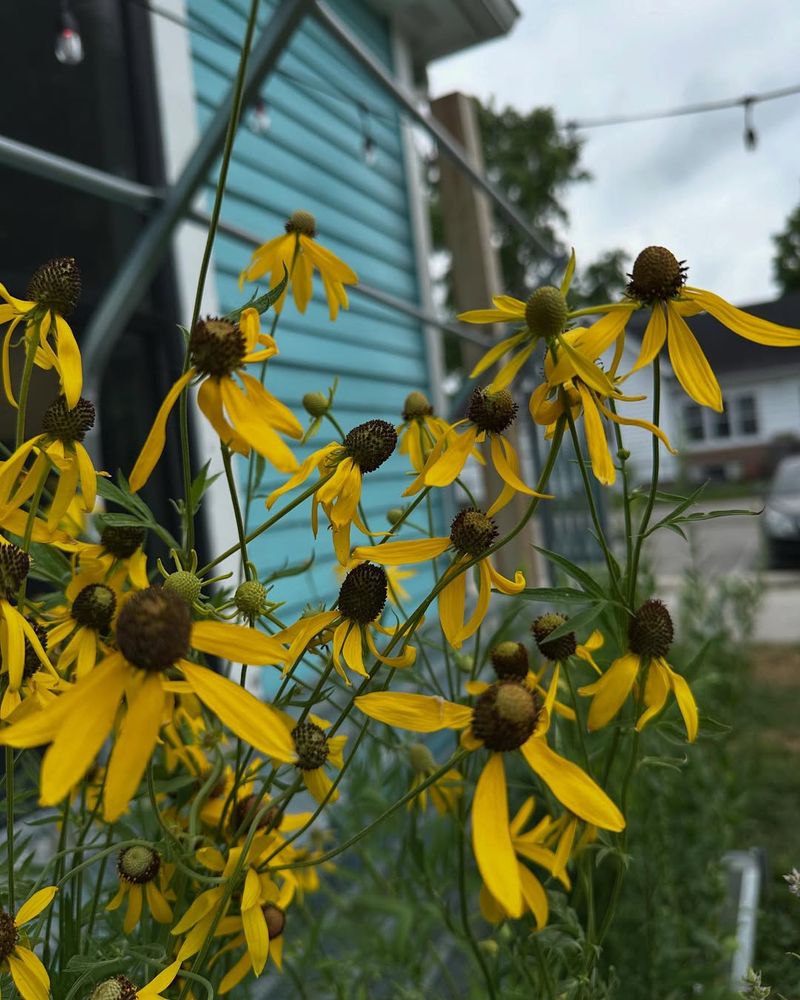
Black-eyed Susans, purple coneflowers, and Tennessee coneflowers already know how to handle the state’s hot, humid summers and occasional drought periods.
These native beauties attract butterflies and pollinators while resisting local pests and diseases that might trouble imported species.
Once established, native plants develop deep root systems that find moisture even during dry spells, eliminating the need for constant watering.
Tennessee gardeners can choose from dozens of native flowering species that bloom at different times throughout the season.
Coreopsis, wild columbine, and bee balm add splashes of color from spring through fall without demanding fertilizers or pesticides.
Local garden centers increasingly stock native plants, making them easy to find and affordable for any budget.
Choosing natives means working with nature instead of against it, creating flower beds that practically maintain themselves.
Your neighbors will admire your beautiful blooms while you enjoy extra free time on weekends.
Tennessee’s native plants offer the perfect combination of beauty, toughness, and minimal maintenance that every busy homeowner appreciates.
Mulch Works Like Magic
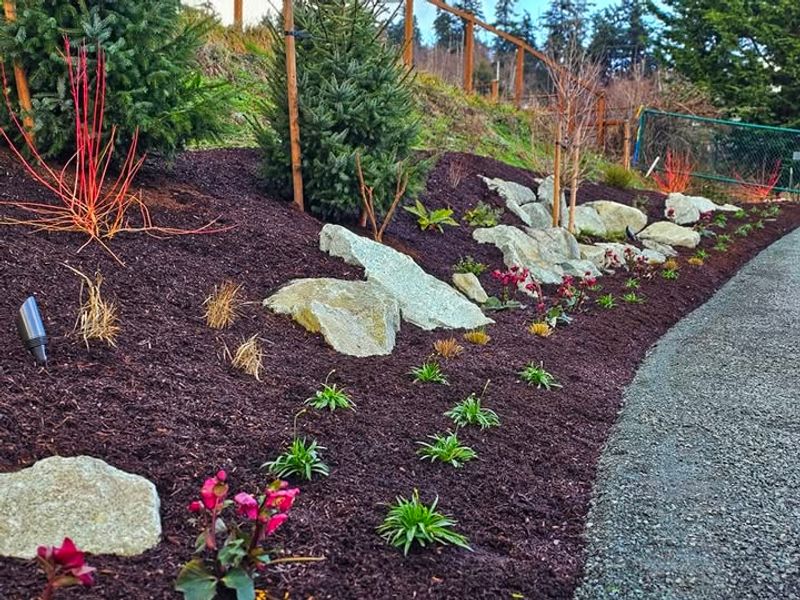
A thick layer of organic mulch transforms any flower bed into a low-maintenance wonder that practically cares for itself.
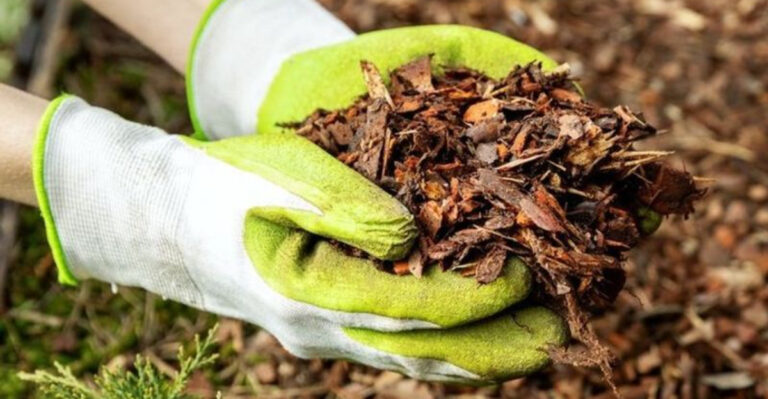
Spreading three to four inches of shredded bark, wood chips, or pine straw around your plants creates a protective barrier against weeds.
Weeds struggle to push through proper mulch coverage, saving you countless hours of pulling unwanted plants throughout the growing season.
Mulch also helps Tennessee soil retain moisture during hot summer months, reducing how often you need to drag out the hose.
As organic mulch breaks down over time, it enriches the soil with nutrients that feed your flowers naturally.
This means less fertilizer to buy, measure, and apply throughout the year.
Mulch moderates soil temperature, keeping roots cooler in summer and warmer during Tennessee’s occasional winter cold snaps.
Choose natural brown or dark mulch colors that complement your home’s exterior and make flower colors pop even more.
Refreshing mulch once yearly in spring keeps beds looking neat and maintains all these beneficial effects.
Tennessee garden centers offer bulk mulch delivery, making it easy to cover large areas without breaking your back or your budget.
Quality mulch investment pays dividends in reduced maintenance time and healthier, happier plants throughout every season.
Perennials Return Year After Year
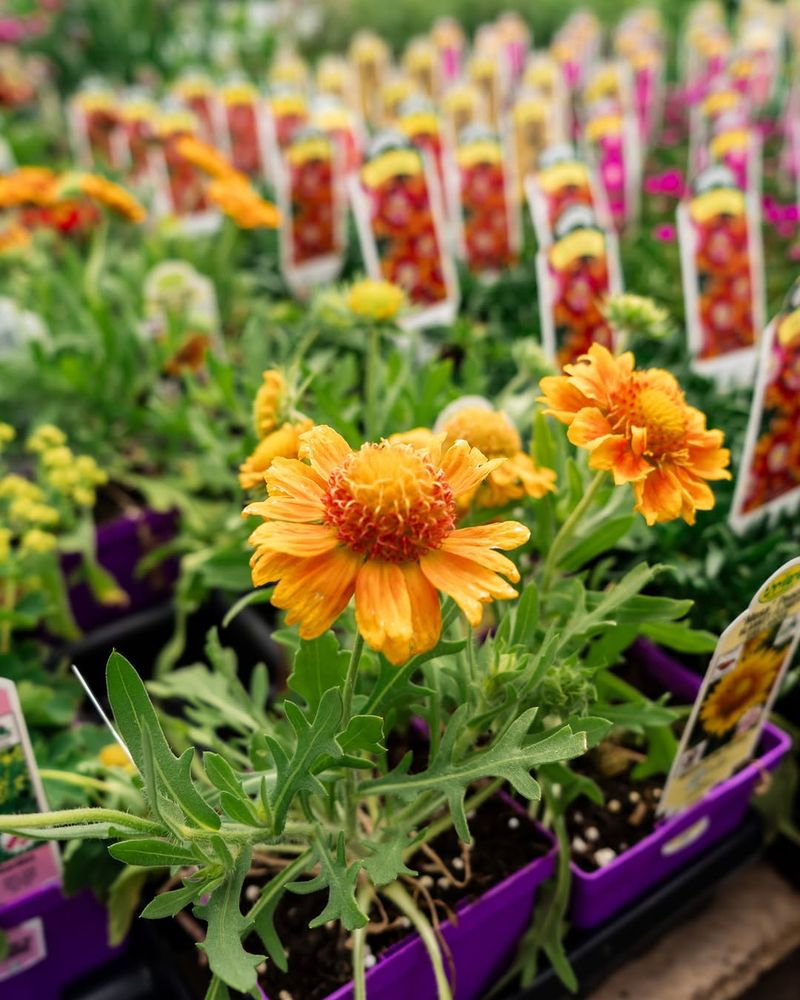
Perennial flowers come back every spring without replanting, making them the ultimate no-effort choice for Tennessee homeowners.
Unlike annuals that require purchasing and planting new flowers each season, perennials establish strong root systems that survive winter dormancy.
Daylilies, hostas, and sedums return reliably year after year, often spreading to fill in bare spots and create fuller, more impressive displays.
Tennessee’s climate supports hundreds of perennial varieties that offer different bloom times, heights, and color combinations for endless design possibilities.
Many perennials actually prefer being left alone and thrive on neglect, requiring division only every few years when they outgrow their space.
Salvia, Russian sage, and catmint provide months of continuous blooms with minimal deadheading or special attention.
Perennials develop deeper roots than annuals, making them more drought-tolerant and less dependent on frequent watering during dry Tennessee summers.
Initial investment in quality perennials pays off quickly as they multiply and expand, eventually filling entire beds without additional plant purchases.
Mixing early, mid, and late-season perennials ensures something beautiful blooms in your garden from March through October.
Tennessee gardeners appreciate how perennials reduce both labor and annual gardening expenses while delivering reliable beauty season after season.
Drip Irrigation Sets It and Forgets It

Installing a simple drip irrigation system eliminates the daily chore of hand-watering while keeping plants perfectly hydrated.
Drip systems deliver water directly to plant roots through small tubes and emitters, wasting nothing on evaporation or runoff.
Tennessee homeowners can set timers to water automatically during early morning hours when moisture absorbs most effectively into the soil.
This automated approach means your flowers receive consistent moisture even when you’re traveling, working late, or simply busy with other activities.
Drip irrigation uses significantly less water than sprinklers or hand-watering, lowering utility bills while supporting conservation efforts during Tennessee’s occasional drought periods.
Basic drip kits cost less than many people expect and require no special plumbing skills to install in most flower beds.
Plants watered at soil level experience fewer fungal diseases than those sprayed with overhead sprinklers that wet foliage.
Consistent moisture from drip systems produces healthier, more vigorous plants that bloom longer and resist stress better than irregularly watered specimens.
Many Tennessee municipalities offer rebates or incentives for installing water-efficient irrigation systems, making them even more affordable.
Once installed, drip irrigation requires minimal maintenance beyond occasional checking for clogged emitters or damaged lines.
Automated watering transforms flower bed care from a daily obligation into something that happens effortlessly in the background.
Ground Covers Eliminate Weeding
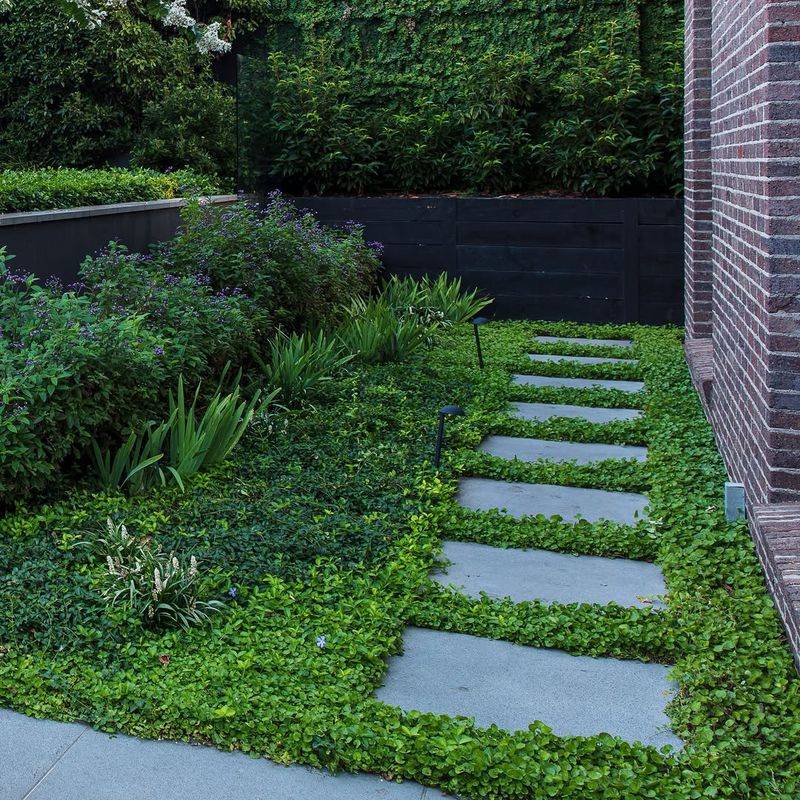
Low-growing ground cover plants spread across soil surfaces, creating living carpets that choke out weeds naturally without chemicals or constant pulling.
Creeping phlox, ajuga, and sweet woodruff fill spaces between taller flowers while adding their own seasonal blooms and interesting textures.
Once ground covers establish themselves, they form dense mats that prevent weed seeds from reaching soil and germinating.
Tennessee gardeners appreciate how ground covers reduce the bare soil where weeds typically take hold and multiply.
Many ground cover varieties stay evergreen throughout Tennessee’s mild winters, providing year-round color and interest in flower beds.
These spreading plants require minimal care beyond occasional trimming to keep them within desired boundaries.
Ground covers also help control erosion on slopes and banks where maintaining traditional flower beds becomes challenging and time-consuming.
Mixing different ground cover textures and colors creates visual interest at ground level while still maintaining the low-maintenance benefits.
Creeping thyme releases pleasant fragrance when walked upon and tolerates light foot traffic between stepping stones.
Tennessee’s climate supports both sun-loving and shade-tolerant ground covers for every location around your property.
Establishing ground covers takes initial patience, but once they fill in, maintenance requirements drop dramatically compared to traditional mulched beds.
Raised Beds Reduce Maintenance Headaches
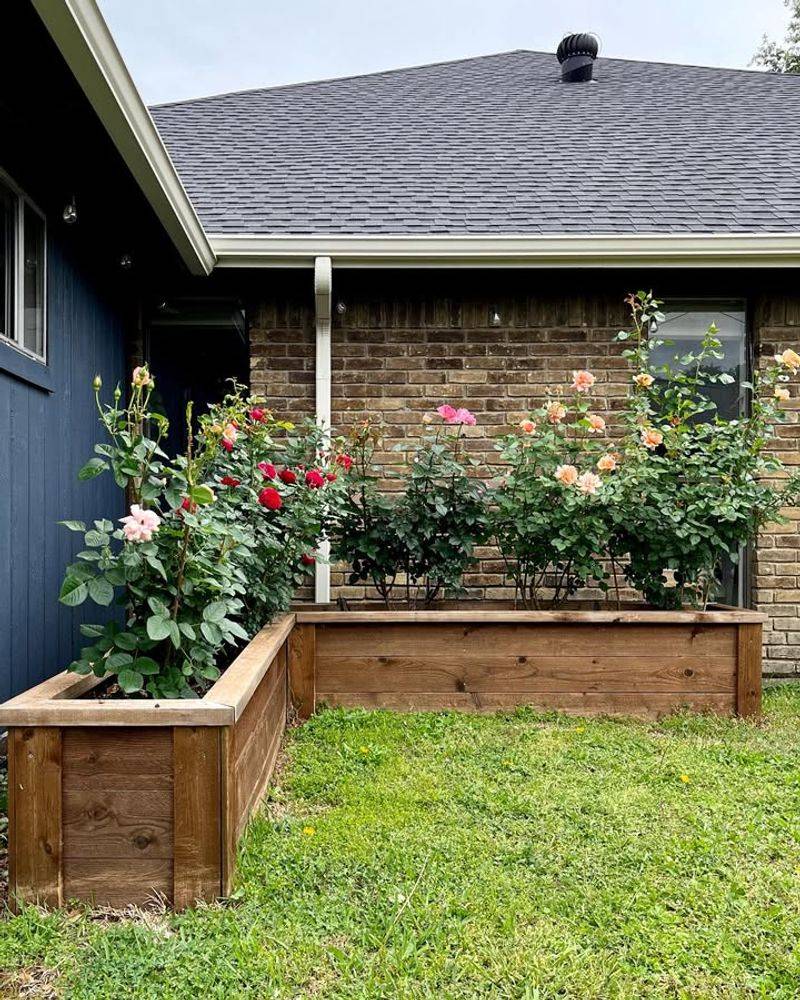
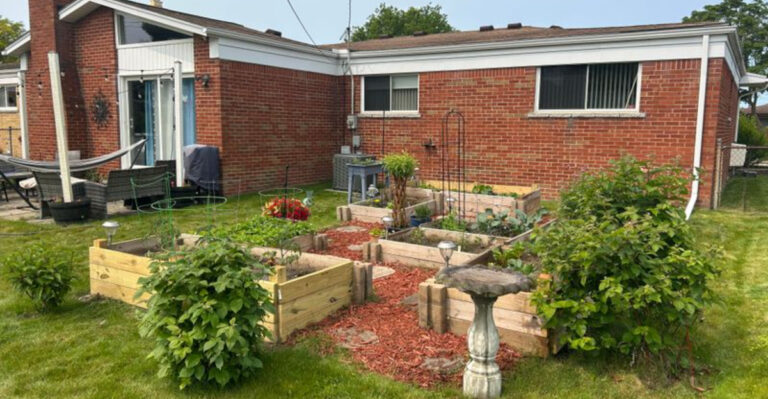
Constructing raised flower beds solves multiple maintenance problems simultaneously while creating attractive focal points in Tennessee landscapes.
Elevated beds filled with quality soil drain better than ground-level plantings, preventing root rot during Tennessee’s heavy spring rains.
Better drainage means healthier plants that require less intervention to recover from weather extremes throughout the growing season.
Raised beds warm up faster in spring, extending the growing season and allowing earlier planting of warm-season flowers.
Working in raised beds requires less bending and kneeling, making garden maintenance more comfortable for people with back problems or mobility limitations.
Filling raised beds with purchased topsoil and compost lets you start with ideal growing conditions regardless of your property’s existing soil quality.
Tennessee’s clay-heavy native soil becomes irrelevant when you create custom soil mixes in raised beds designed specifically for flower growing.
Defined edges of raised beds make it easier to apply mulch, install drip irrigation, and keep grass from creeping into flower areas.
Many Tennessee homeowners use weather-resistant cedar or composite materials to build attractive raised beds that complement their home’s architecture.
Raised beds also discourage some pests and make it easier to spot problems before they become serious issues requiring extensive intervention.
The initial effort of constructing raised beds pays ongoing dividends in reduced maintenance and improved plant performance year after year.
Drought-Tolerant Varieties Save Time
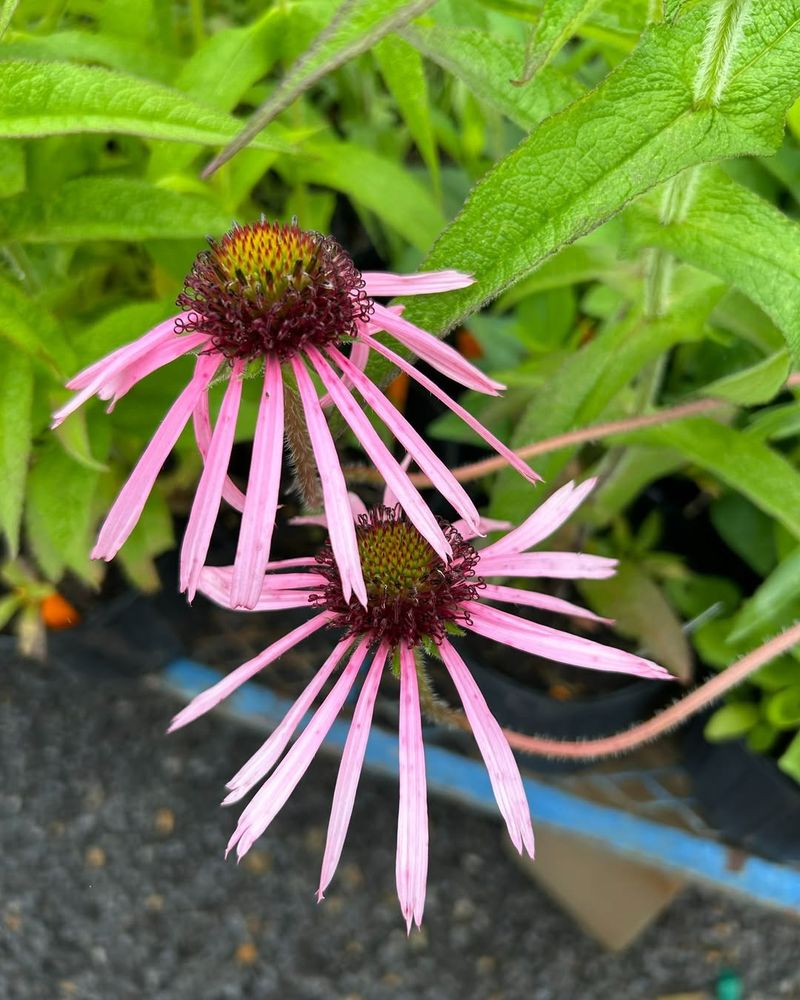
Selecting flowers that naturally tolerate dry conditions eliminates constant watering worries during Tennessee’s hot, dry summer stretches.
Sedum, yarrow, and lantana thrive even when rainfall becomes scarce, maintaining their beauty without daily attention from the hose.
These tough plants developed survival strategies in their native habitats that translate perfectly to low-maintenance Tennessee gardens.
Drought-tolerant flowers typically feature silvery foliage, thick leaves, or deep root systems that help them conserve and find moisture efficiently.
Once established, many drought-tolerant species actually perform better with less water, producing more blooms when not pampered with constant irrigation.
Tennessee homeowners can create stunning color combinations using drought-tolerant plants in purples, yellows, oranges, and reds that complement any home exterior.
These hardy flowers also tolerate reflected heat from driveways, walkways, and house foundations where more delicate plants struggle and fail.
Combining drought-tolerant flowers with efficient mulching and occasional deep watering creates nearly indestructible flower beds that survive neglect gracefully.
Many drought-tolerant varieties attract butterflies, hummingbirds, and beneficial insects, adding movement and life to your landscape without extra effort.
Tennessee’s increasingly variable rainfall patterns make drought-tolerant plants not just convenient but increasingly practical for reliable garden success.
Choosing plants adapted to dry conditions means freedom from guilt when vacation or busy schedules prevent regular garden attention.
Strategic Plant Placement Minimizes Work
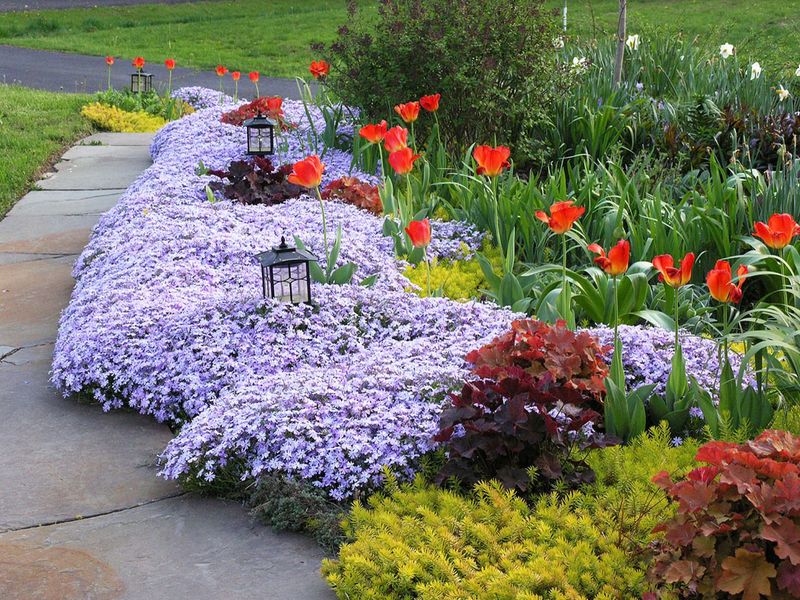
Positioning plants according to their light, water, and space requirements from the start prevents ongoing problems that require constant troubleshooting and replacement.
Sun-loving flowers placed in shady spots never thrive no matter how much you fuss over them, while shade plants scorch in full Tennessee sun.
Reading plant tags carefully and matching varieties to actual site conditions eliminates frustration and wasted money on plants doomed to struggle.
Spacing plants properly at planting time allows for mature growth without overcrowding that leads to disease, poor blooming, and necessary thinning later.
Grouping plants with similar water needs together makes irrigation more efficient and prevents overwatering drought-tolerant species or underwatering moisture-lovers.
Tennessee homeowners should observe how sunlight moves across their property throughout the day before committing to specific plant locations.
Placing taller plants behind shorter ones ensures everything receives adequate light while creating attractive layered displays that look professionally designed.
Considering mature plant sizes prevents the common mistake of planting too closely, which creates maintenance headaches as plants compete for resources.
Strategic placement also means positioning high-maintenance plants near water sources and frequently traveled paths where you’ll notice and address problems quickly.
Taking extra time during initial planning and planting saves countless hours of correcting mistakes, moving plants, and dealing with poor performance.
Thoughtful placement transforms random plantings into cohesive, low-maintenance flower beds that function beautifully with minimal ongoing intervention.
Choosing Disease-Resistant Cultivars Prevents Problems
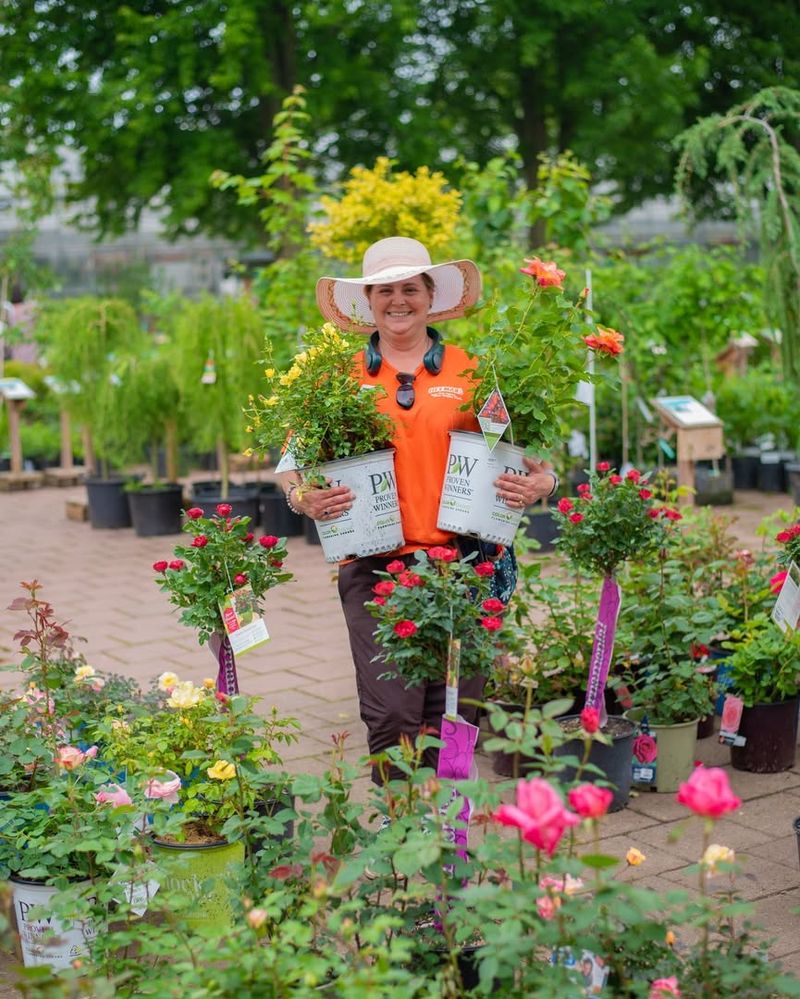
Modern plant breeding has produced flower varieties specifically selected for resistance to common diseases that plague Tennessee gardens.
Disease-resistant cultivars naturally fight off fungal infections, mildews, and blights without requiring preventive spraying or constant monitoring.
Powdery mildew-resistant bee balm and rust-resistant hollyhocks perform beautifully while their non-resistant cousins struggle and require chemical interventions.
Tennessee’s humid summers create perfect conditions for plant diseases, making disease resistance an especially valuable trait for low-maintenance gardening success.
Selecting resistant varieties means spending time enjoying your flowers instead of diagnosing problems, researching treatments, and applying fungicides throughout the season.
Many garden centers now label disease-resistant varieties specifically, making them easy to identify when shopping for new additions to your beds.
Disease-resistant plants maintain attractive foliage and abundant blooms even during conditions that would devastate more susceptible varieties.
These improved cultivars often result from years of breeding work by universities and commercial growers who understand real-world garden challenges.
Investing slightly more in disease-resistant varieties pays off immediately in reduced maintenance time and frustration over failing plants.
Tennessee gardeners should specifically look for resistance to common regional problems like powdery mildew, rust, and various fungal leaf spots.
Combining disease-resistant plants with proper spacing for air circulation and drip irrigation creates nearly bulletproof flower beds that thrive with minimal intervention.
Letting Nature Handle Pest Control
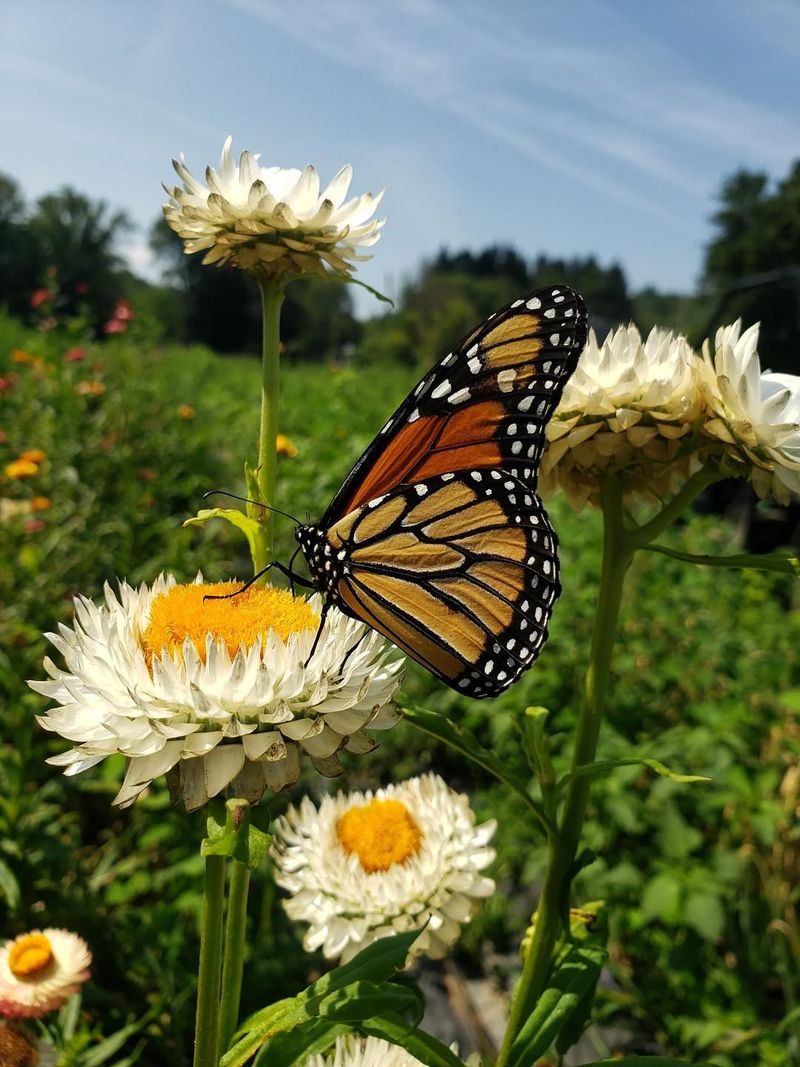
Encouraging beneficial insects and birds into your Tennessee garden creates natural pest control that works continuously without chemicals or effort.
Ladybugs, lacewings, and parasitic wasps feast on aphids, caterpillars, and other pests that damage flowers, keeping populations under control naturally.
Planting flowers that attract these helpful predators turns your garden into a balanced ecosystem where pest problems rarely escalate to serious levels.
Native Tennessee flowers particularly excel at attracting beneficial insects while providing nectar for pollinators that ensure abundant blooms throughout the season.
Avoiding broad-spectrum pesticides preserves beneficial insect populations that provide free, ongoing pest management services in your flower beds.
Birds attracted to flower beds by seeds, insects, and water sources consume countless pests daily while adding enjoyment through their songs and activity.
Installing a simple birdbath near flower beds encourages feathered pest-control specialists to visit regularly and patrol for caterpillars and beetles.
Accepting minor pest damage as part of natural gardening prevents the time-consuming cycle of spraying, monitoring, and reapplying chemical controls.
Most pest problems in well-planned Tennessee flower beds remain cosmetic rather than threatening, with beneficial insects keeping everything in balance.
Creating habitat for natural predators transforms pest management from an active chore into a passive benefit that happens automatically in healthy gardens.
Tennessee homeowners discover that working with nature’s pest control systems proves far easier than fighting against them with constant chemical applications.