The 9 Northern California Wildflowers You Can Grow At Home
There is nothing quite like the neon orange pop of a hillside covered in poppies or the soft purple haze of lupine dancing in the breeze.
Northern California is home to some of the most spectacular floral displays on the planet, but you don’t have to hike deep into the Sierras or drive out to the coast to enjoy them.
Bringing that rugged, wild beauty into your own backyard is easier than most people think. Many local gardeners assume these delicate beauties only thrive in the middle of nowhere. In reality, these plants are built for our specific rainy winters and bone-dry summers.
Choosing the right native seeds means less time dragging a heavy hose around and more time watching butterflies swarm your flower beds.
We are skipping the fussy store-bought annuals and focusing on the tough, stunning locals that actually want to live in your soil.
1. California Poppy
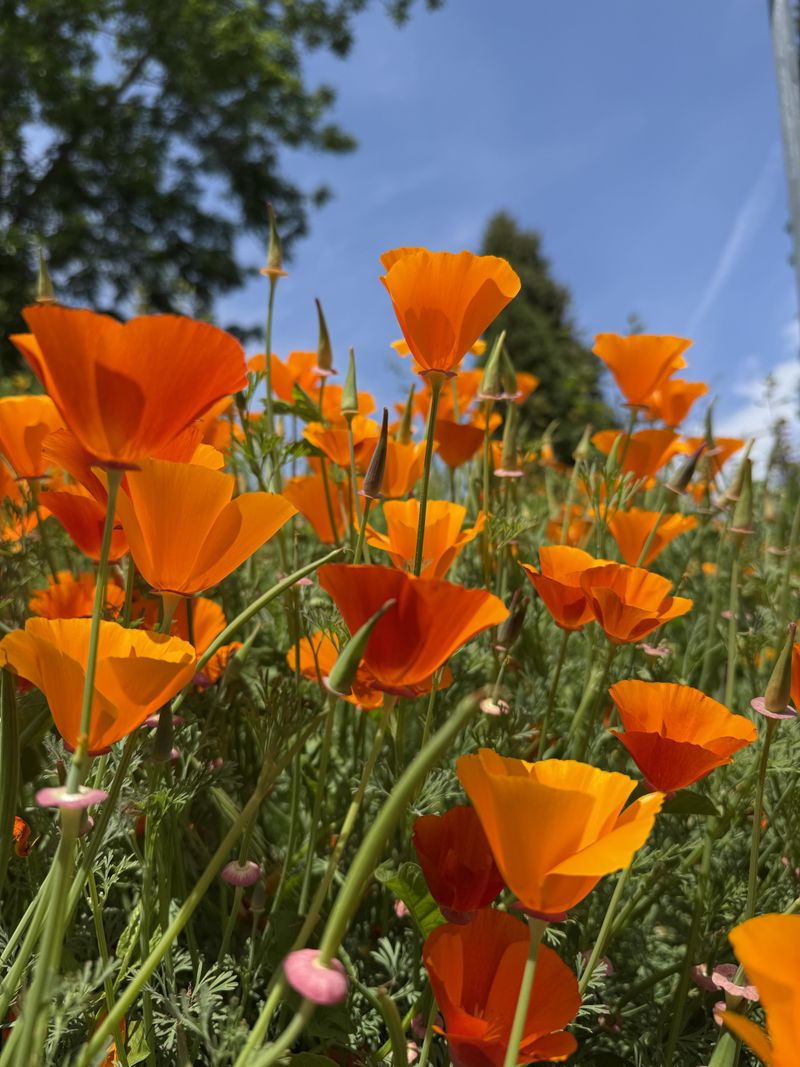
Few flowers say “Northern California” quite like the California Poppy. It’s the official state flower, and once you see a field of them glowing orange in the morning sun, you’ll understand why.
These cheerful blooms range from golden yellow to deep orange and look absolutely stunning in any garden.
Growing California Poppies at home is surprisingly simple. They love full sun and well-drained soil, which makes them a perfect fit for Northern California’s warm, dry summers.
Just scatter the seeds directly onto the soil in fall or early winter, and let nature do most of the work.
Once established, these plants are seriously drought-tolerant. You won’t need to water them much at all after the first season.
They’ll even reseed themselves year after year, so your garden keeps getting better. Bees and butterflies love them too, making your yard a lively little ecosystem.
If you want a low-effort, high-reward wildflower, this is the one to start with.
2. Baby Blue Eyes
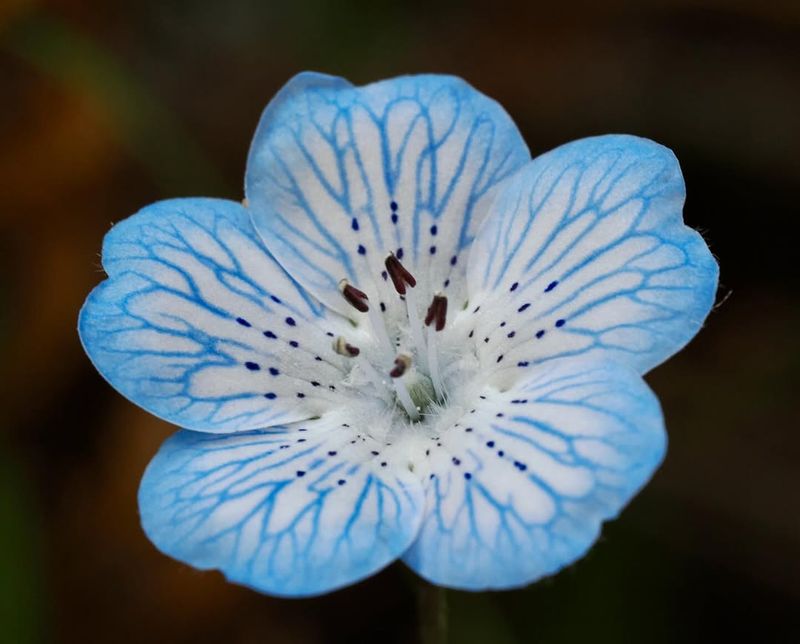
There’s something almost magical about Baby Blue Eyes. The tiny, sky-blue petals with soft white centers look like little pieces of a summer sky scattered across the ground.
Native to Northern California, this wildflower has a quiet charm that makes it stand out in any garden bed or container planter.
Nemophila menziesii, its scientific name, prefers partial shade and moist but well-drained soil. That makes it great for spots in your yard that don’t get blasting afternoon sun.
It’s an annual, so you’ll want to sow fresh seeds each fall to get that same beautiful spring display.
Baby Blue Eyes works wonderfully as a border plant or ground cover. It stays low to the ground, usually only reaching about six inches tall, so it won’t crowd out taller plants nearby.
Pollinators, especially native bees, absolutely adore it. Pair it with California Poppies for a classic Northern California color combination that looks effortlessly wild and beautiful.
It’s one of those plants that makes your garden feel like a peaceful meadow without much effort at all.
3. Blue-Eyed Grass
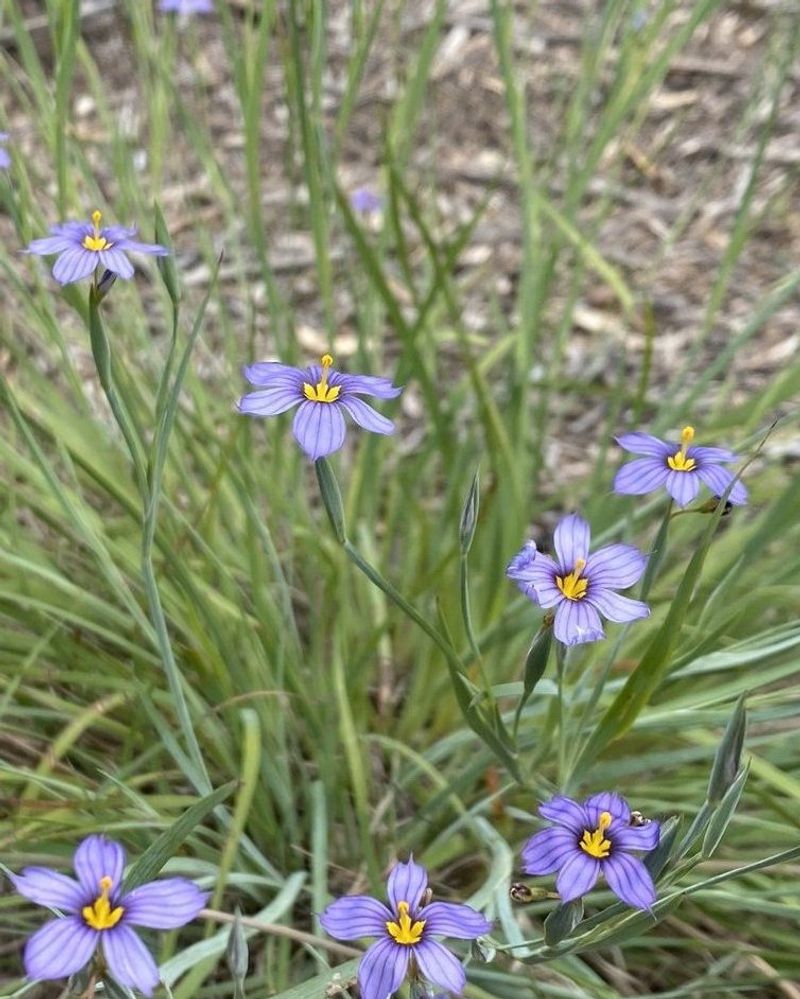
Don’t let the name fool you. Blue-eyed Grass isn’t actually a grass at all.
It belongs to the iris family, and its tiny violet-blue flowers with bright yellow centers are genuinely one of the most charming surprises you can add to a Northern California garden. Spotting one in a meadow feels like finding a hidden gem.
Sisyrinchium bellum, as it’s officially known, thrives in full sun to partial shade. It does best in well-drained soil and handles dry summers pretty well once it’s settled in.
Plant it in fall for spring blooms that show up reliably year after year, since it’s a perennial.
Because it grows in clumps and looks like ornamental grass from a distance, it blends naturally into mixed garden beds. Up close, though, those little flowers steal the show.
Hummingbirds and native bees are frequent visitors, which is always a bonus. It’s a low-maintenance plant that rewards patient gardeners with consistent color and wildlife activity.
If your Northern California garden needs something that looks wild but stays tidy, Blue-eyed Grass is a smart and beautiful choice.
4. Blazing Star
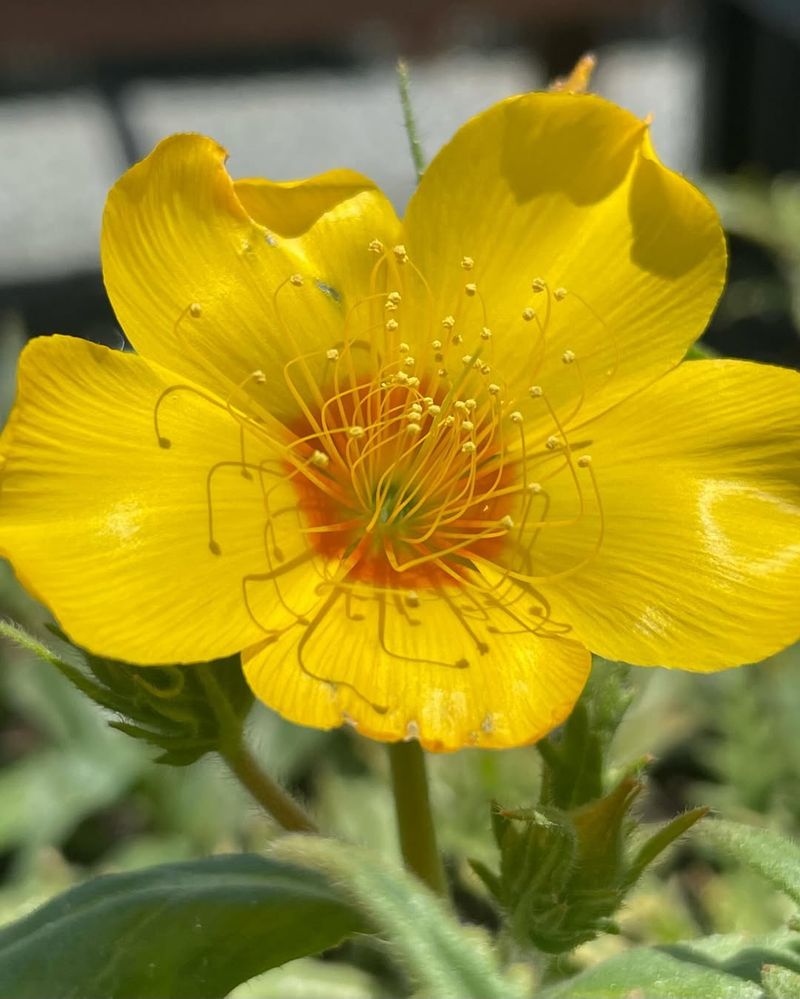
When Blazing Star opens up, it earns every bit of its dramatic name. The flowers burst open at night and shimmer like little stars, which is why early settlers in Northern California found them so fascinating.
Mentzelia laevicaulis is its botanical name, and it’s one of those plants that makes people stop and stare.
It grows best in dry, rocky, or sandy soil with full sun exposure, which means it’s perfectly suited for the warmer, drier parts of Northern California. Once established, it’s incredibly tough and needs very little water.
Sow seeds in fall and expect blooms in late spring through summer.
The flowers are large, showy, and bright yellow with long, feathery stamens that give them that signature starburst look. Moths and native bees are especially drawn to them during evening hours.
Blazing Star can grow quite tall, sometimes reaching four feet, so it makes a bold statement at the back of a garden bed.
If you want a wildflower that adds serious drama and supports nighttime pollinators in your Northern California yard, this one absolutely delivers on every front.
5. Cluster Lillies
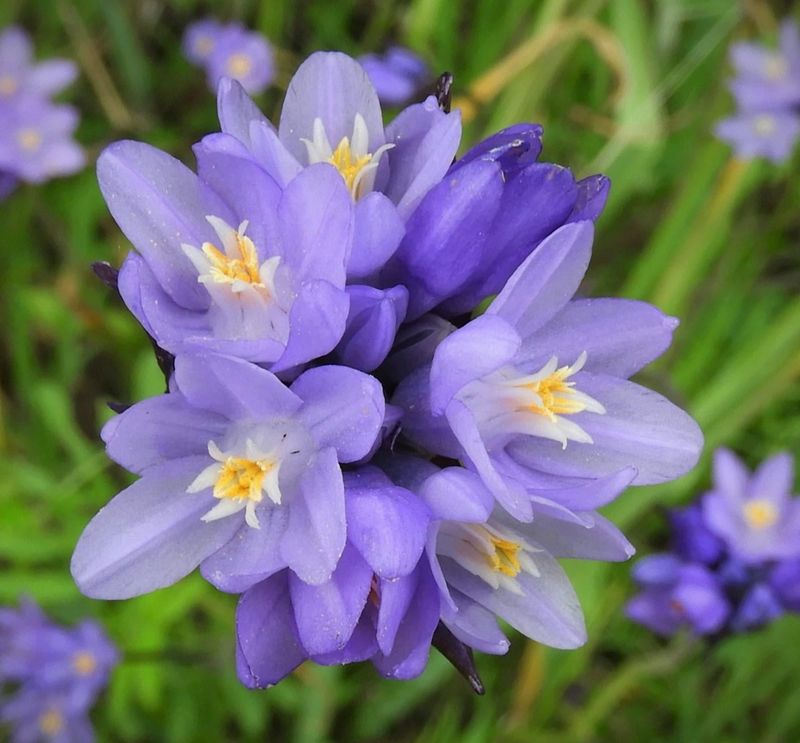
Long before grocery stores existed, Native peoples across Northern California relied on Cluster Lillies as a food source. The small corms, which are bulb-like underground structures, were roasted and eaten regularly.
That rich cultural history makes growing Cluster Lillies at home feel like more than just gardening. It’s a connection to the land.
Scientifically called Dichelostemma capitatum, this wildflower produces clusters of small purple to violet-blue flowers on tall, slender stems. It blooms in early spring and loves sunny, open spots with well-drained soil.
It’s well adapted to Northern California’s dry summers and doesn’t need much irrigation once it’s in the ground.
Plant the corms in fall, about two to three inches deep, and you’ll be rewarded with cheerful spring color year after year. Cluster Lillies naturalizes easily, meaning it spreads gradually and fills in bare areas of your garden over time.
Bees and butterflies visit the blooms frequently, making your yard more lively and productive. It’s a tough, adaptable plant with deep roots in Northern California’s history, and it deserves a spot in every native plant garden.
6. Buttercups
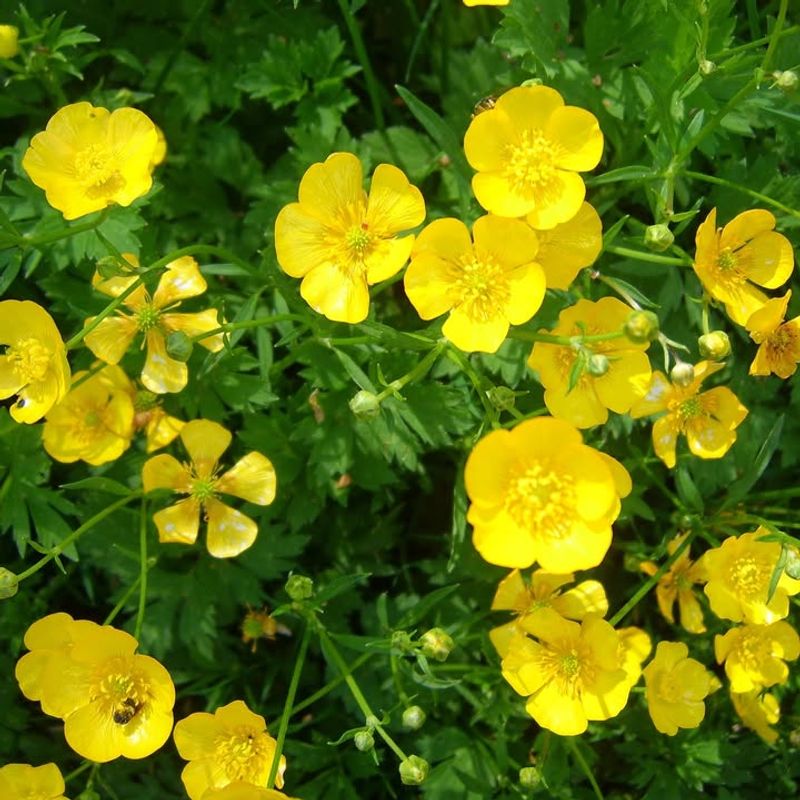
Few flowers trigger childhood nostalgia quite like Buttercups. That old trick of holding one under your chin to see if you like butter?
Totally a Buttercup moment. In Northern California, the native species Ranunculus californicus brings that same bright, glossy yellow charm to home gardens in a way that feels both wild and wonderfully familiar.
California Buttercups prefer moist, partly shaded conditions, which makes them a great choice for garden spots near a water feature or under a tree canopy.
They bloom in late winter through spring, often one of the earliest wildflowers to show color after the rainy season.
That early bloom time makes them especially valuable for hungry native bees emerging in late winter.
They grow from fibrous roots and can spread to form lush, low-growing clusters of bright yellow flowers. Each bloom has up to fifteen petals, which gives them an unusually full and cheerful appearance compared to other wildflowers.
They don’t need much fertilizer or fuss, just consistent moisture and some protection from harsh afternoon sun. For Northern California gardeners looking to add early spring color with minimal effort, California Buttercups are a reliable and rewarding choice.
7. California Golden Violet
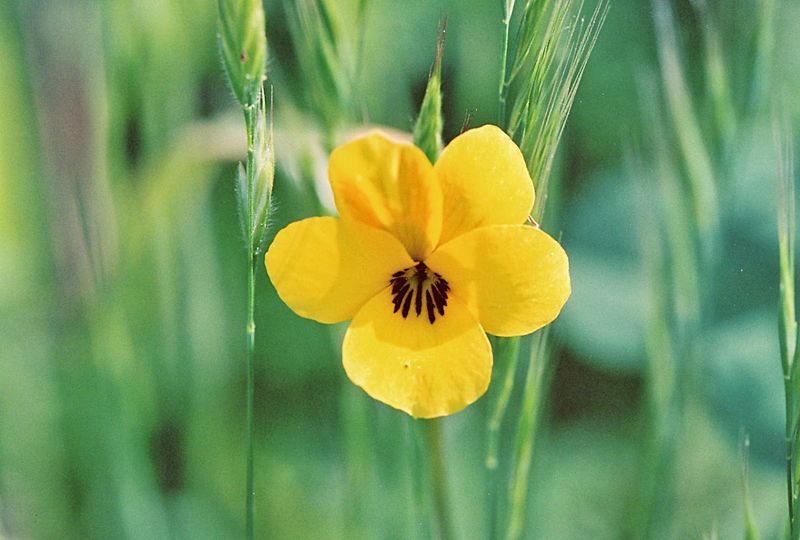
Violets have a reputation for being delicate, but the California Golden Violet has a quiet toughness that surprises most gardeners.
Viola pedunculata, as it’s properly known, produces small but vivid yellow flowers with dark brown veining that guides pollinators straight to the center.
It’s one of the most underappreciated wildflowers native to Northern California.
This violet grows best in open grasslands and oak woodland edges, so it thrives in garden spots that get morning sun and afternoon shade. It prefers well-drained soil and does fine with minimal watering during the dry season.
Plant it in fall and expect blooms from late winter through early spring.
One really cool fact about California Golden Violet is that it serves as a host plant for several native butterfly species, including the fritillary butterfly. That means planting it doesn’t just add beauty to your yard.
It actively supports the local butterfly population in Northern California. It pairs beautifully with Blue Dicks and Baby Blue Eyes for a layered, colorful spring display.
If you want a plant that works hard for local wildlife while looking effortlessly lovely, this golden violet is worth every bit of garden space.
8. Ithuriel’s Spear
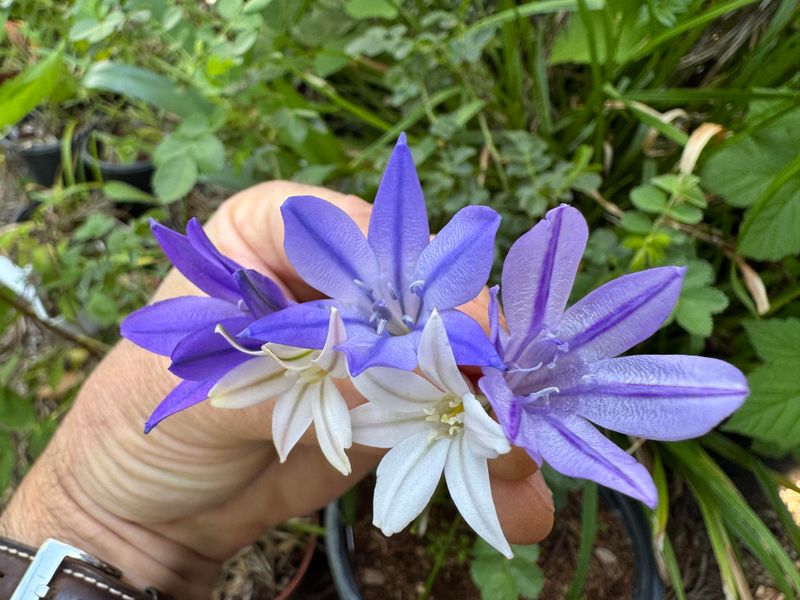
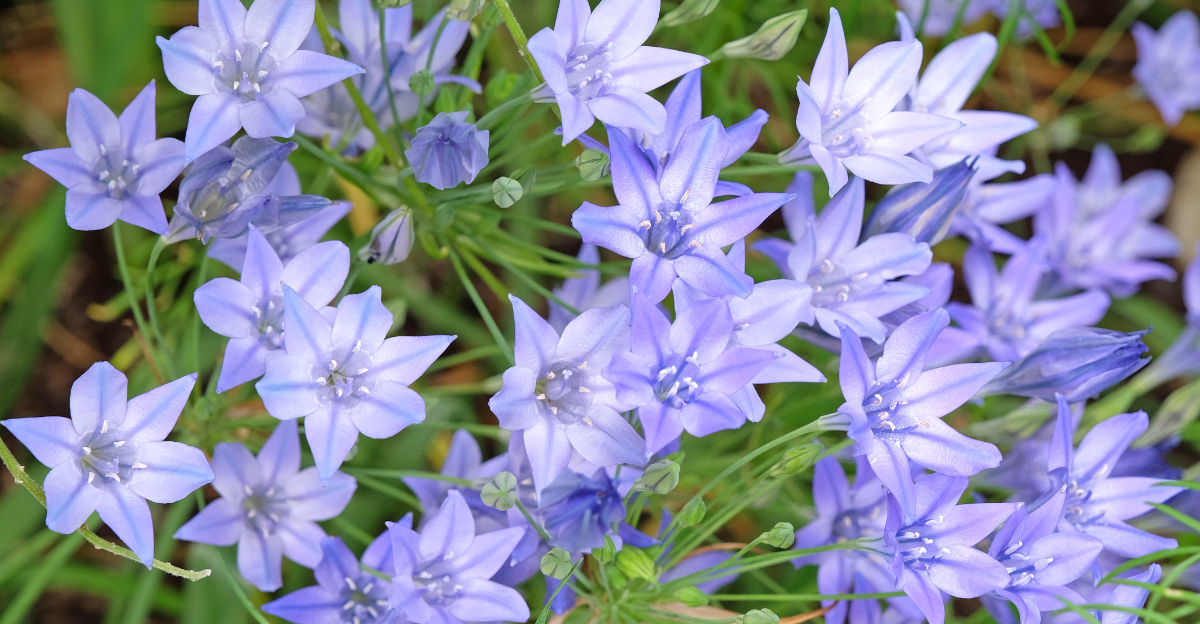
Named after an angel from John Milton’s famous poem Paradise Lost, Ithuriel’s Spear has a name that’s almost as striking as the plant itself. Triteleia laxa produces clusters of funnel-shaped violet to pale purple flowers on tall, elegant stems.
It’s a genuinely beautiful native wildflower that feels right at home in Northern California gardens.
It grows from corms planted in fall and blooms in late spring to early summer, right when many other wildflowers are finishing up. That extended bloom season makes it a smart addition to any garden aiming for continuous color.
Full sun and well-drained soil are all it really needs to perform well.
Once established, Ithuriel’s Spear is remarkably drought-tolerant, which is a huge plus for Northern California’s dry summers.
The blooms attract native bees, hummingbirds, and butterflies, turning your garden into a buzzing little wildlife sanctuary.
It also works beautifully as a cut flower, so you can bring some of that wildflower magic indoors. Plant several corms together in clusters for the most dramatic visual effect.
It’s a plant with a legendary name and a genuinely impressive presence in any native California garden.
9. Fernald’s Iris
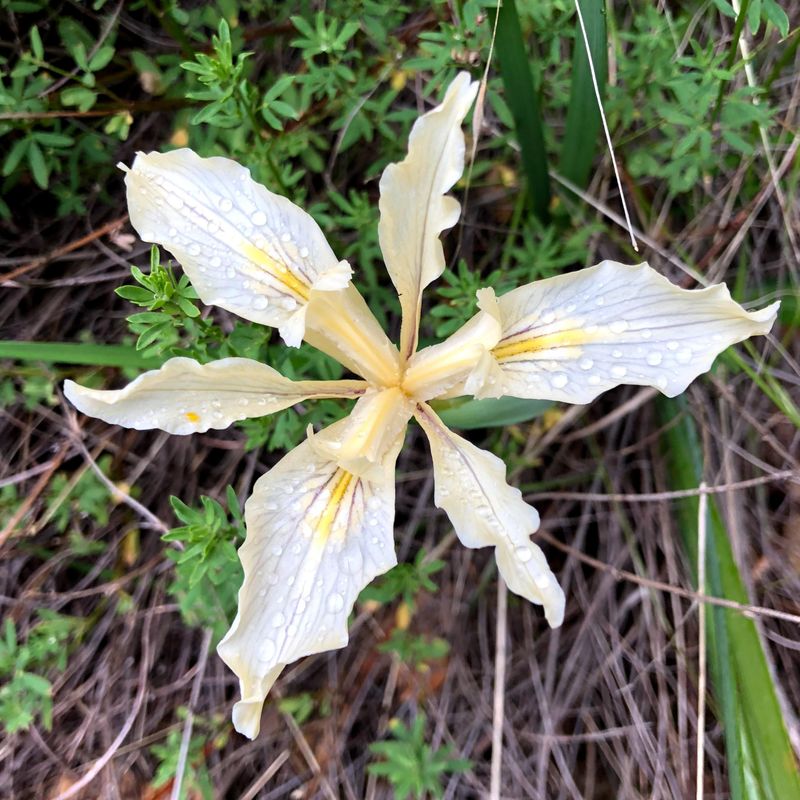
Irises have been celebrated for centuries, but Fernald’s Iris, Iris fernaldii, brings something uniquely special to Northern California gardens. This rare native iris produces creamy white to pale lavender flowers with deep purple veining that looks almost hand-painted.
It’s the kind of flower that makes visitors lean in for a closer look.
Found naturally in Northern California’s coastal ranges and oak woodlands, this iris prefers partial shade and well-drained, slightly dry soil. It’s well suited to spots under oak trees or along shaded garden borders where other plants sometimes struggle.
Plant rhizomes in late summer or early fall for blooms the following spring.
Fernald’s Iris is a perennial, so once it’s established in your garden, it comes back reliably each year without much fuss. Over time, the clumps spread slowly and fill in beautifully.
It’s an excellent choice for supporting native bees and other pollinators that emerge in early spring. Because it’s a rarer species compared to more common garden irises, growing it at home also helps preserve a piece of Northern California’s native plant heritage.
It’s elegant, resilient, and deeply connected to the landscapes that make this region so extraordinary.