The Ohio Lawn Mistakes That Are Hurting Firefly Populations
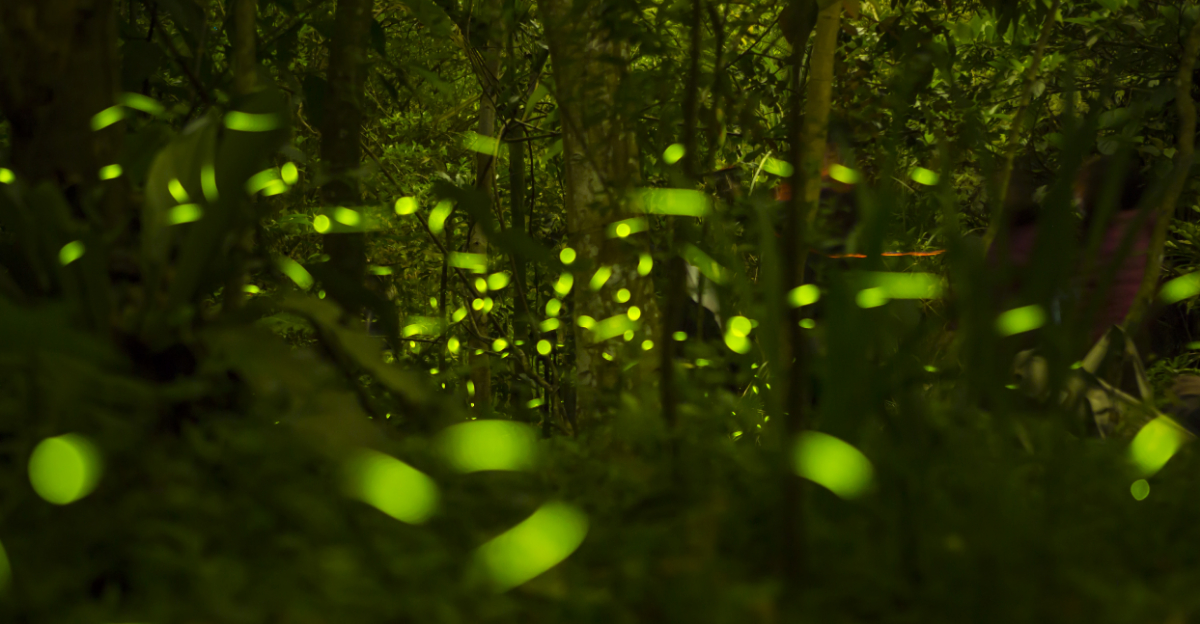
Warm Ohio evenings used to come with a familiar light show. Kids would run through the yard chasing those tiny flashes while adults sat back and watched them drift across the grass.
Lately, though, many homeowners are noticing fewer of them, even in places where they used to be common.
It often comes down to everyday lawn habits that seem harmless on the surface. Frequent mowing, clearing away leaves, and keeping things neat can slowly change the conditions fireflies depend on without anyone realizing it.
These insects spend much of their life cycle close to the ground, tucked into soil and organic matter that many yards no longer hold onto.
Small shifts in how a lawn is managed can make a noticeable difference, and a few changes can help bring that quiet evening glow back.
1. Mowing Too Short And Too Often
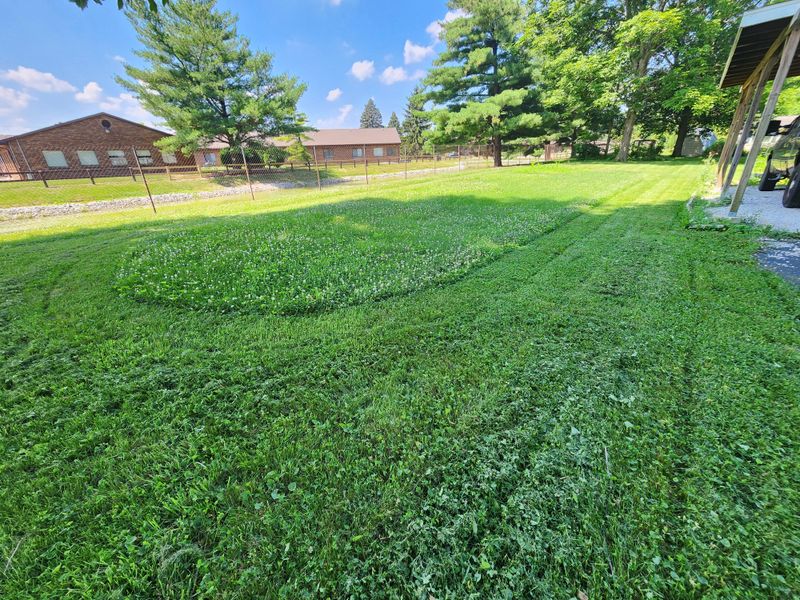
There is something satisfying about a freshly mowed lawn, but for fireflies in Ohio, that perfectly trimmed carpet of grass can be a real problem. Fireflies use tall grasses and low-growing vegetation as resting spots during the day and as gathering places for their nighttime mating rituals.
When grass is cut too short, these beetles lose the cover they depend on.
Mowing too frequently compounds the problem. If you are cutting your lawn every few days or even once a week during peak summer months, you are constantly removing the vegetation that fireflies need to survive and reproduce.
Adult fireflies spend only a few weeks above ground, so any disruption during that window can affect the entire local population.
A smarter approach for Ohio homeowners is to raise your mower blade to at least three to four inches and mow less often during June and July when firefly activity peaks. Even better, consider leaving a section of your yard unmowed altogether.
A small patch of longer grass near a fence line or garden edge gives fireflies a safe refuge without making your whole yard look unkempt. Neighbors might even start to notice more fireflies gathering in your yard compared to theirs.
Small mowing changes can add up to a big difference for these beloved Ohio insects over time.
2. Raking Away Leaf Litter Too Aggressively
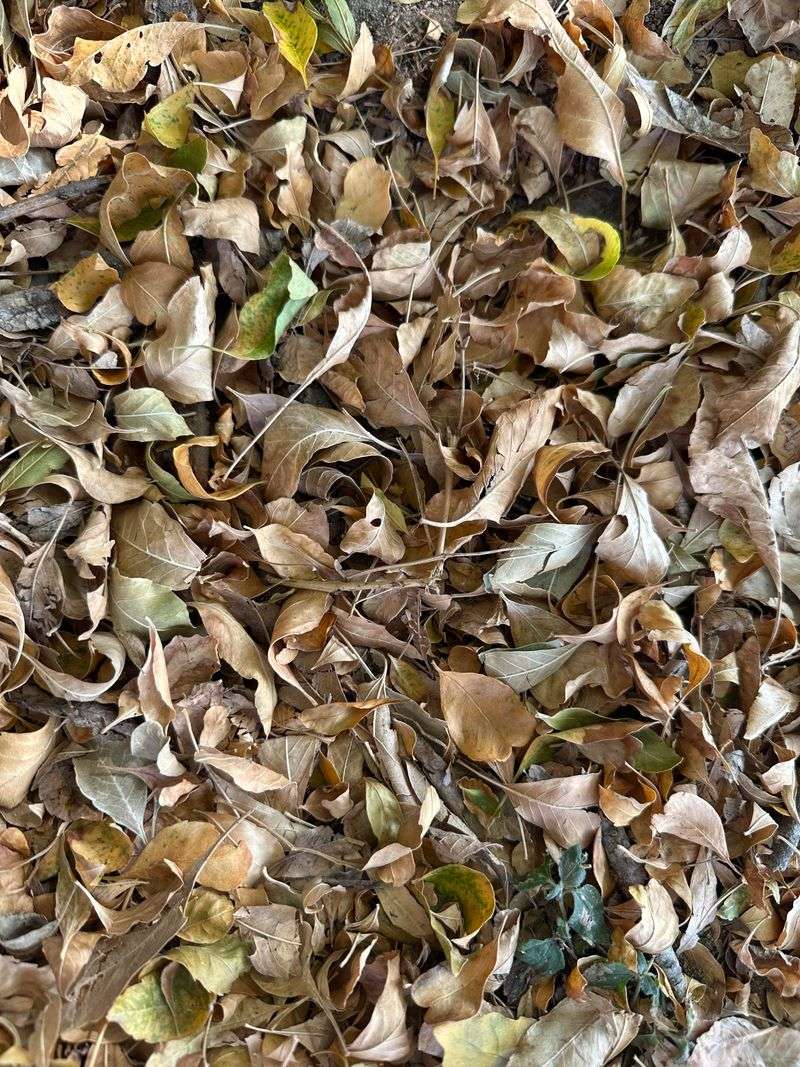
Autumn in Ohio brings gorgeous color, and with it comes the annual chore of raking leaves. Most homeowners want a clean yard, but clearing away every last leaf can seriously harm firefly populations.
Firefly larvae spend most of their lives, often one to two years depending on the species, living in and under decomposing leaf litter on the ground.
Those damp, decaying leaves are not just clutter. They are a critical habitat where firefly young find shelter, moisture, and food.
Larvae hunt small invertebrates like snails and worms, and leaf litter is exactly where those prey animals live. Strip the yard bare, and you strip away the nursery that fireflies rely on to complete their life cycle.
Rather than bagging every leaf and hauling it to the curb, try leaving a layer of leaves in garden beds, under trees, and along the edges of your Ohio yard. You can also shred leaves with your mower and let them decompose naturally into the lawn, which feeds the soil while still providing some ground cover.
Tucking leaves into a back corner of the yard creates a low-maintenance firefly haven. Many Ohio conservation groups now promote the “leave the leaves” movement for exactly this reason.
Raking less might feel counterintuitive, but your local firefly population will quietly benefit from the extra protection that leaf litter provides throughout the colder months and into spring.
3. Removing Rotting Logs And Other Ground Cover
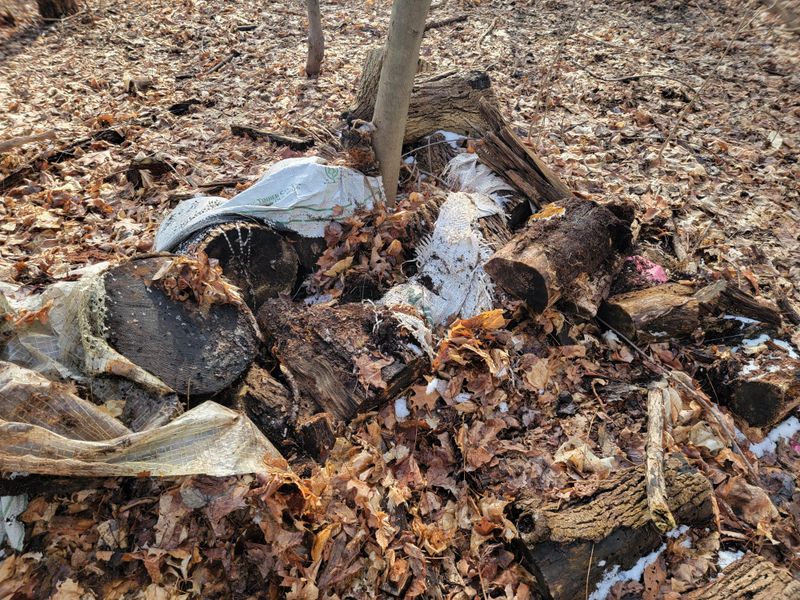
Rotting logs might not look pretty, but they are goldmines for firefly larvae in Ohio. A decomposing log sitting quietly in a shaded corner of your yard is teeming with the moist soil, fungi, and small invertebrates that young fireflies need to grow.
When homeowners haul these logs away or replace them with clean mulch and stone, they eliminate one of the best firefly nurseries available.
Ground cover in general, including bark piles, mossy patches, dense shrub bases, and fallen branches, creates the kind of layered, damp microhabitat that supports not just fireflies but the entire food web they are part of. Ohio yards that are stripped down to bare mulch or gravel offer very little in the way of natural shelter for insects at any stage of their development.
Leaving a rotting log or two in a back corner of your property costs you nothing and requires zero effort. You can even add a small brush pile, which mimics natural forest floor conditions and gives firefly larvae somewhere cool and moist to spend their long underground development period.
Native plant borders with thick root systems also help hold moisture in the soil, creating the conditions fireflies prefer. Across Ohio, wildlife-friendly gardeners are rediscovering the value of messy, natural elements in their yards, and the firefly populations in those neighborhoods are noticeably healthier for it.
4. Using Broad-Spectrum Pesticides Across The Yard
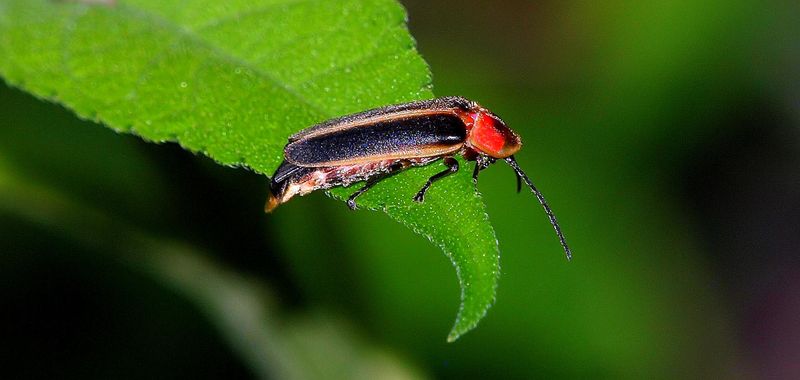
Walk down the garden aisle of any Ohio hardware store and you will find shelves packed with broad-spectrum pesticides promising to wipe out every bug in sight. The problem is that fireflies are bugs too, and these products do not distinguish between the pests you want gone and the beneficial insects you want to keep.
Broad-spectrum pesticides can affect firefly larvae living in the soil and adult fireflies resting in vegetation.
Firefly larvae are especially at risk because they spend years underground in direct contact with treated soil. Even products that are marketed as safe or natural, like certain pyrethrin-based sprays, can be highly problematic for beetles and other ground-dwelling insects.
Ohio homeowners who routinely spray their entire yard for mosquitoes or grubs may be unknowingly causing long-term harm to local firefly communities.
A smarter pest management strategy involves targeting only the specific pests causing problems rather than blanket-treating the whole yard. Spot treatments, physical barriers, and encouraging natural predators are all more firefly-friendly options.
If mosquito control is your main concern, consider a yard assessment to identify and eliminate standing water sources rather than defaulting to chemical sprays. Many Ohio pest control companies now offer integrated pest management services that minimize harm to non-target insects.
Protecting fireflies means being more selective about what you spray, where you spray it, and how often you reach for the pesticide bottle during the warm summer months.
5. Spraying Lawn Chemicals That Disrupt Soil Life
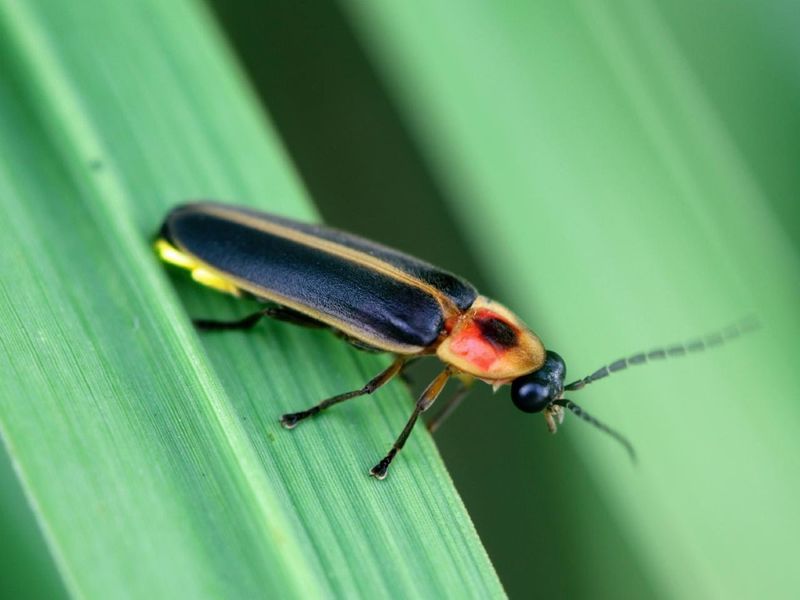
Healthy soil is full of life, and fireflies depend on that life to survive. Beneath every Ohio lawn is a complex community of microbes, fungi, worms, and tiny invertebrates that support the entire ecosystem above ground.
Many popular lawn chemicals, including synthetic fertilizers, herbicides, and fungicides, disrupt this underground world in ways that most homeowners never see.
Firefly larvae are soil-dwelling predators that feed on soft-bodied invertebrates like slugs and earthworms. When lawn chemicals reduce populations of these prey animals or alter soil chemistry, firefly larvae can struggle to find enough food to grow and develop properly.
Herbicides that target broadleaf weeds also tend to reduce plant diversity in the lawn, which in turn reduces the variety of insects and organisms that fireflies rely on.
Switching to organic or natural fertilizers is one of the most effective changes Ohio homeowners can make. Compost, aged manure, and slow-release organic fertilizers feed the lawn without harming soil biology.
Reducing herbicide use and tolerating a little clover or other low-growing plants in the lawn actually improves the ecosystem for fireflies and many other beneficial insects. Ohio State University Extension has resources to help homeowners transition to more soil-friendly lawn care routines.
Thinking of your yard as a living system rather than just a surface to maintain can shift the way you approach every product you apply to it throughout the growing season.
6. Leaving Outdoor Lights On Through The Night
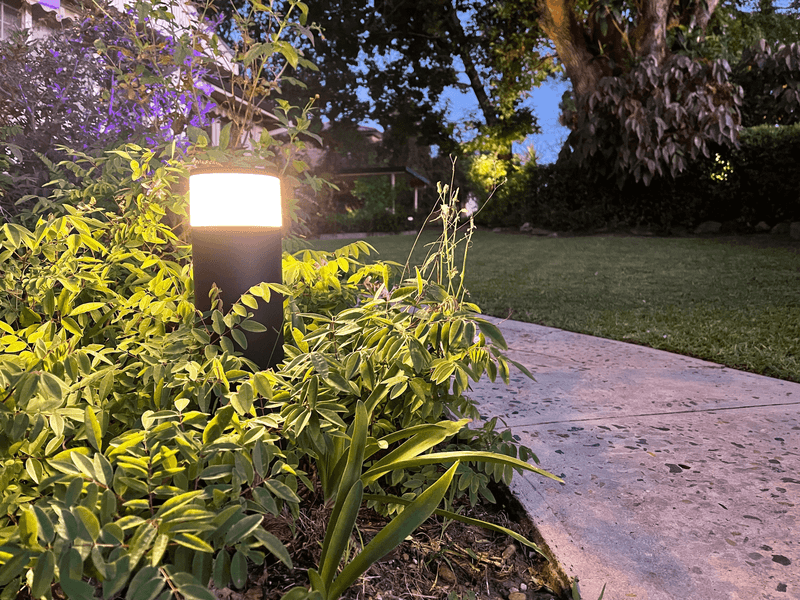
Fireflies are nature’s own light show, but they need actual darkness to put on their performance. These beetles communicate entirely through their signature flashing patterns, and males and females use those flashes to find each other for mating.
Bright outdoor lighting throws off the whole system by making it nearly impossible for fireflies to see each other’s signals against the glare.
Across Ohio suburbs, the rise of LED security lights, string lights, floodlights, and always-on porch fixtures has dramatically increased the amount of artificial light flooding backyards at night. Research from firefly conservation groups has shown that light pollution is one of the most significant modern threats to firefly populations.
Even relatively dim lights can suppress firefly activity in an area if they stay on throughout the night during mating season.
Turning off outdoor lights from dusk until dawn during June and July is one of the simplest and most impactful things Ohio residents can do for fireflies. If security lighting is a concern, motion-activated lights are a great compromise because they only turn on when needed and stay off the rest of the time.
Warm-toned amber bulbs are less disruptive than cool white or blue-white LEDs when lighting is necessary. Keeping the back yard especially dark during peak firefly season gives these insects the nighttime environment they need to find mates, reproduce, and keep Ohio summers glowing for generations to come.
7. Keeping Every Part Of The Yard Too Tidy

There is a certain pride that comes with a perfectly groomed yard, but for fireflies, too much tidiness is a serious drawback. Fireflies are wild insects that evolved in messy, layered environments with dense vegetation, damp soil, and plenty of natural debris.
A yard that looks like a golf course offers almost none of what these beetles need to survive and reproduce.
Tidy yards typically have very short grass, bare soil under trees, no brush piles, no leaf litter, and no overgrown corners. Each of those “problems” that homeowners work hard to eliminate is actually a habitat feature that fireflies and other beneficial insects depend on.
When every inch of a yard is manicured and controlled, insects like fireflies simply have nowhere to go.
Allowing even a small section of your Ohio yard to stay a little wild can make a meaningful difference. A corner with native shrubs, a patch of unmowed grass, a small brush pile, or a cluster of native wildflowers gives fireflies resting spots, shelter, and mating habitat.
You do not have to let your entire yard go, just carve out a wildlife-friendly zone and leave it alone. Many Ohio communities now recognize the value of naturalistic yard designs, and some neighborhoods are even relaxing rules about lawn appearance to support pollinators and fireflies.
Embracing a little controlled wildness is actually one of the most rewarding shifts a homeowner can make.
8. Wiping Out Tall Grass And Wild Edges

Along fence lines, property borders, and the edges of gardens, tall grasses and wild plants often grow in ways that most homeowners rush to trim away. But those rough, overgrown edges are actually prime real estate for fireflies.
Adult fireflies spend their days resting in tall grass and low shrubs, and the edges of Ohio properties are often the last places where that kind of vegetation survives in suburban neighborhoods.
Wiping out these wild edges removes critical daytime shelter and nighttime mating habitat in one sweep. Fireflies are most active at dusk and dawn, and they need dense, vertical vegetation to perch on while they flash and wait for responses from potential mates.
Without that structure, mating success drops and populations shrink over time.
Instead of trimming every edge to a sharp line, consider leaving a buffer of natural growth along fences, walls, and garden borders. Native grasses like little bluestem, switchgrass, and wild rye are beautiful, low-maintenance options that also support fireflies and many other Ohio wildlife species.
Even a strip of unmowed grass just a few feet wide along the back fence can serve as a firefly corridor connecting your yard to neighboring green spaces. Across Ohio, gardeners who have stopped obsessing over perfectly edged borders are reporting more fireflies, more pollinators, and more wildlife activity overall.
Letting the edges go a little wild is one of the easiest ways to welcome fireflies back.
9. Stripping Away Moist, Sheltered Habitat
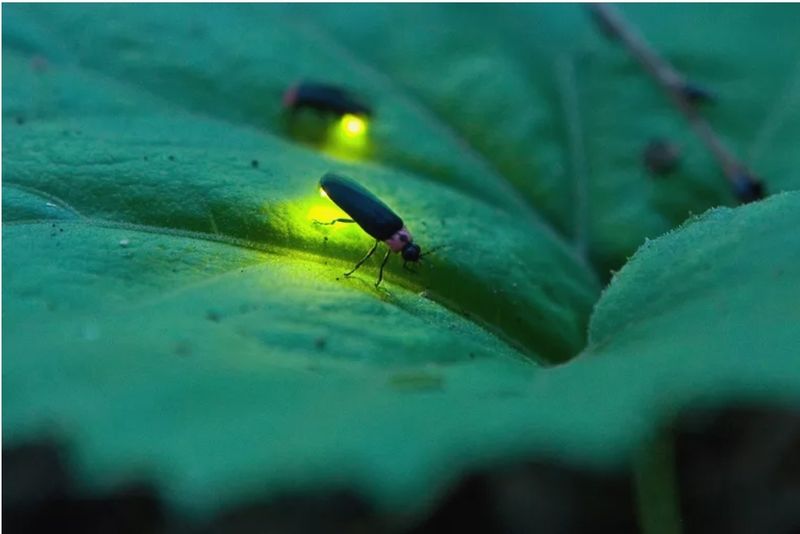
Fireflies have a strong preference for moist, sheltered environments, and it is no coincidence that the best firefly sightings in Ohio tend to happen near streams, ponds, wooded edges, and low-lying wet areas. Moisture is essential at nearly every stage of a firefly’s life, from the larvae developing in damp soil to adults resting in humid vegetation on warm summer nights.
When Ohio homeowners drain low spots in their yards, install French drains to remove standing water, or replace natural groundcover with dry gravel and pavers, they eliminate the moist microhabitats that fireflies seek out. Even replacing a dense shrub border with an open, sunny bed can dry out the local microclimate enough to make an area less hospitable for these moisture-loving insects.
Protecting or restoring moist areas in your Ohio yard does not require a major landscaping project. Allowing a naturally low spot to stay slightly damp, planting moisture-loving native plants like cardinal flower, swamp milkweed, or blue flag iris, and keeping shaded areas covered with leaf mulch all help maintain the humid conditions fireflies prefer.
Rain gardens are another excellent option that manage stormwater while creating exactly the kind of lush, moist habitat that supports fireflies and many other beneficial Ohio insects. Thinking about moisture as a resource to conserve rather than a problem to eliminate can transform how your yard functions as a habitat throughout the entire warm season.