The Ohio Trees You Can No Longer Buy At Most Nurseries
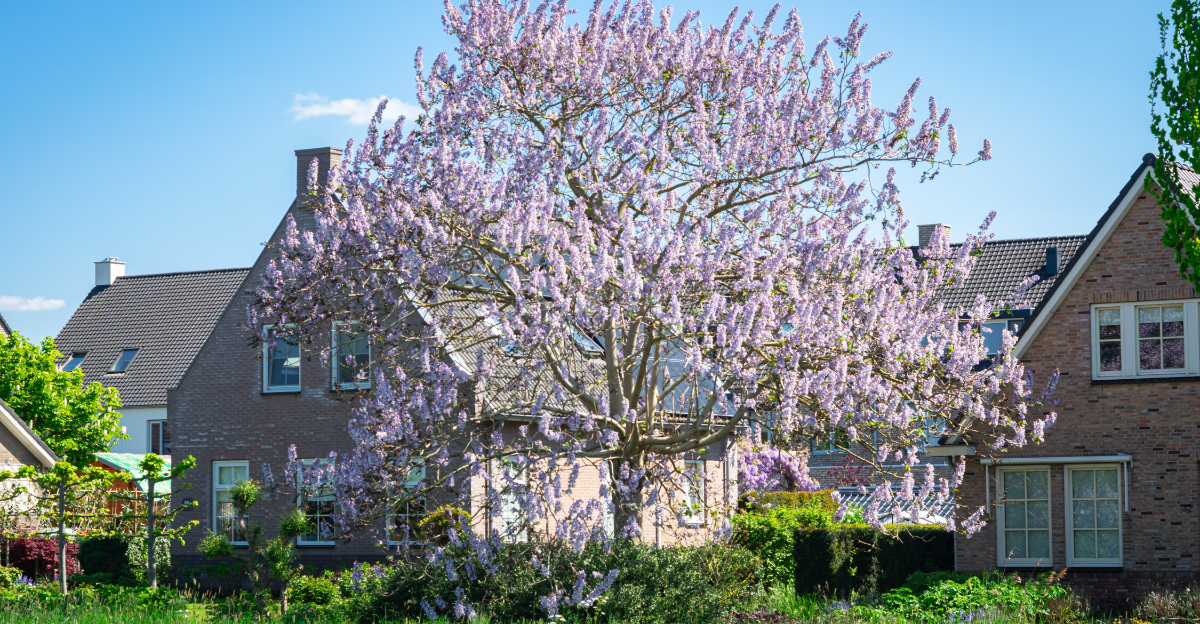
You can remember a time when certain trees seemed to show up at nearly every Ohio nursery. Today, some of those familiar choices have quietly vanished from sales floors, and the reason goes far beyond changing garden trends.
State rules, invasive species concerns, and long-term damage to native landscapes have reshaped what nurseries can legally or responsibly stock.
For homeowners, that shift can feel strange, especially when a tree once praised for fast growth, shade, or ornamental appeal suddenly becomes difficult to find.
The surprise often comes after you start asking for a plant by name and hear that nurseries no longer carry it. Ohio has become far more selective about which trees belong in residential landscapes, and several former favorites now sit on the wrong side of that line.
Before you hunt from nursery to nursery, it helps to know which trees have effectively disappeared from the shelves and what pushed them out.
1. Callery Pear Lost Its Nursery Favorite Status
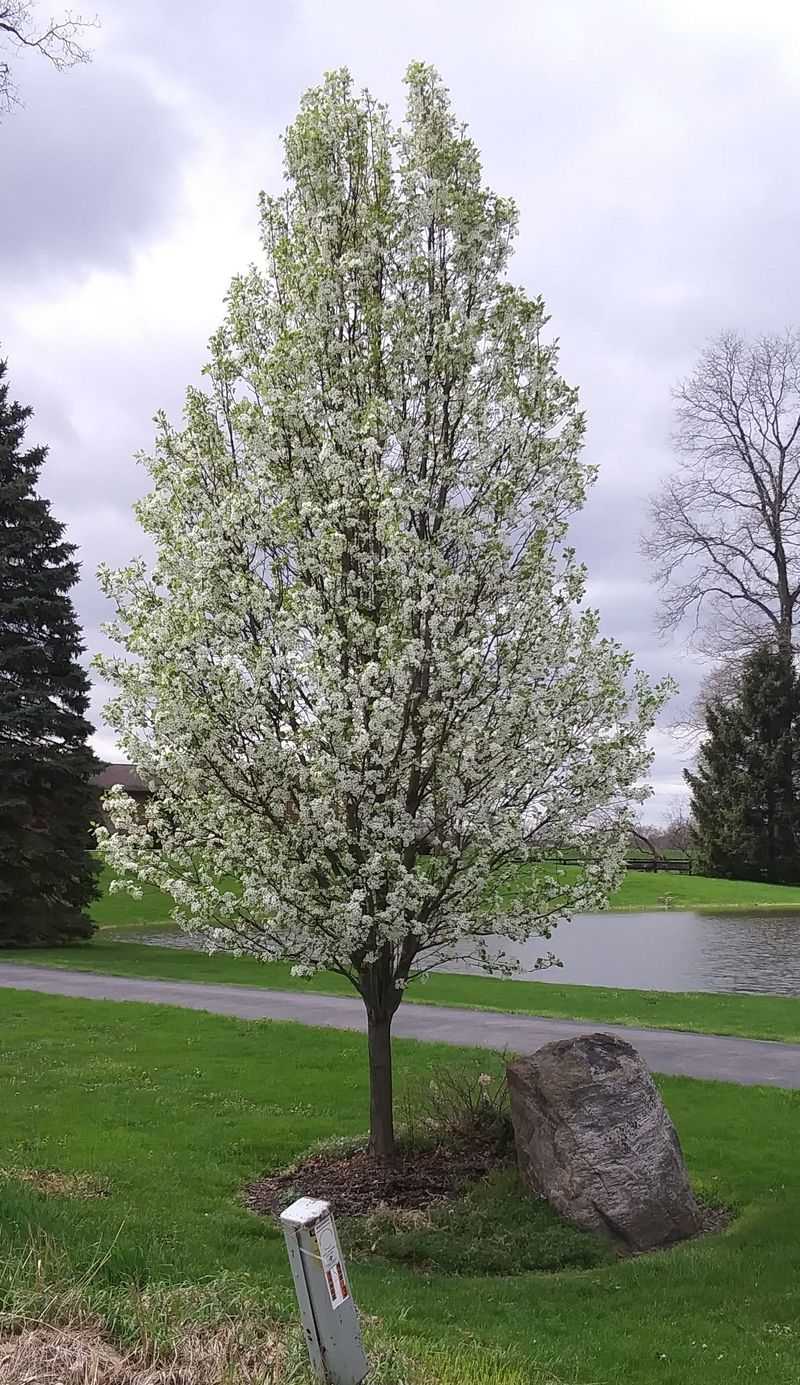
Few ornamental trees had a longer run in American landscaping than Callery Pear, known botanically as Pyrus calleryana. Nurseries sold it under cultivar names like Bradford, Chanticleer, and Aristocrat for decades.
Shoppers loved the spring blossoms, the tidy shape, and the reliable fall color.
Ohio State University Extension has documented how the story changed. Cultivars once marketed as sterile turned out to cross-pollinate with other Callery Pear varieties when planted near each other.
That cross-pollination produced viable seeds, and birds spread those seeds into open fields, roadsides, and forest edges. Dense thorny thickets followed.
State law stepped in after a sales exemption for certain cultivars eventually expired. Under the current Ohio Administrative Code, Callery Pear is listed as a prohibited invasive plant.
Selling, offering for sale, propagating, distributing, importing, or intentionally spreading it is not permitted under state rules.
Homeowners who have an established Callery Pear in their yard are not automatically required to remove it under the sales prohibition. However, OSU Extension recommends replacing these trees over time with native alternatives.
Native serviceberry, redbud, or flowering dogwood offer similar ornamental appeal without the spread concerns. Choosing a native replacement means the yard stays beautiful while supporting local birds and pollinators instead of working against them.
2. Tree-Of-Heaven Went From Ornamental To Outlawed
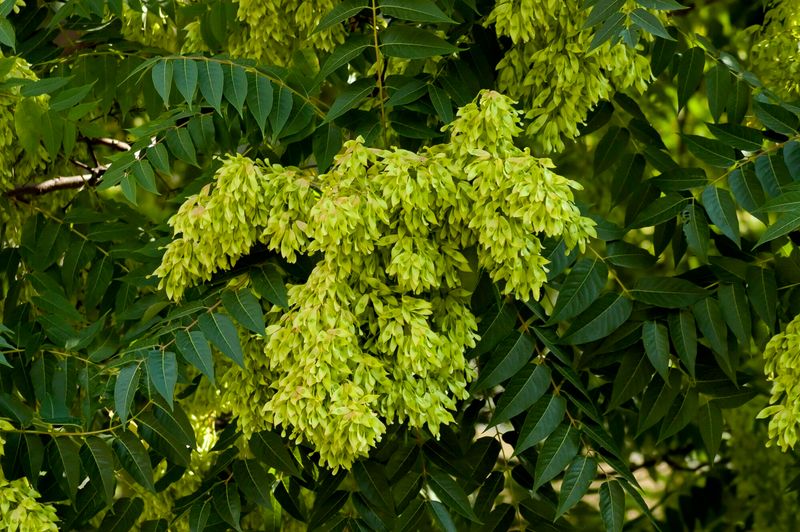
Ailanthus altissima was brought to North America in the late 1700s as an ornamental. It earned the name Tree-of-Heaven before its landscape impact was fully understood.
Gardeners admired its fast growth and exotic appearance. By the time concerns surfaced, the species had spread far beyond any garden boundary.
Ohio State University Extension notes that Tree-of-Heaven reproduces both through seed and through vegetative growth. A single mature tree can produce a large number of winged seeds that travel on the wind.
Cutting an established tree without a proper management plan can actually stimulate root sprouts, sending up multiple new shoots from the base and surrounding root zone.
Under current state rules, Tree-of-Heaven is a prohibited invasive plant in Ohio. Selling, distributing, propagating, or intentionally spreading it is not allowed.
Your Ohio Garden Changes Every Week. Your Plan Should Too.
Gardening in Ohio changes quickly throughout the season. Every Friday you’ll receive a simple weekly plan showing exactly what to plant, prune, fertilize, harvest, and protect so you never miss the right timing.
Homeowners with an existing tree are not automatically required to remove it under the sales rule. Still, it is worth discussing management with an extension professional before acting.
Researchers and state agencies note that Tree-of-Heaven is a preferred host for Spotted Lanternfly. The Ohio Department of Agriculture actively monitors this invasive pest.
That connection adds another layer of concern for land managers and homeowners alike. Native sumac or black cherry can fill a similar fast-growing niche without the complications this species brings to local ecosystems.
3. Princess Tree Spreads Far Beyond The Yard
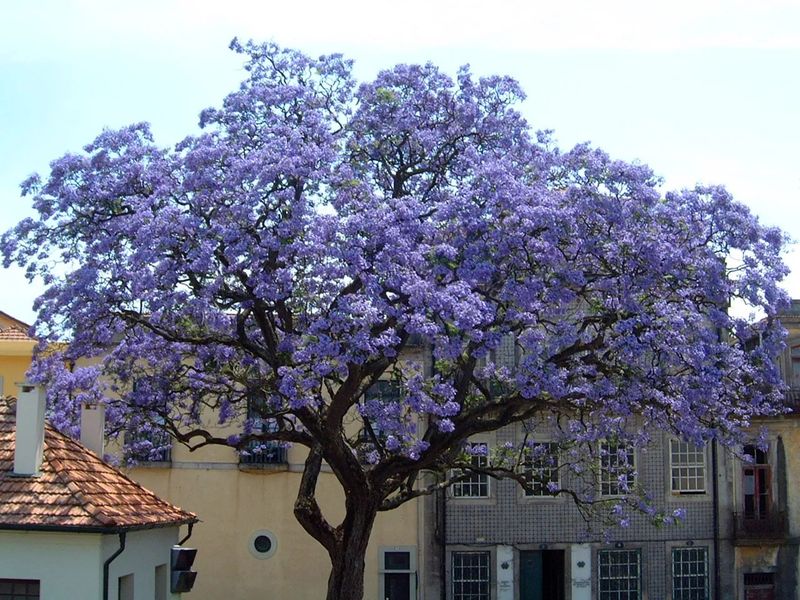
Purple trumpet-shaped flowers appearing on bare branches every spring made Paulownia tomentosa a genuine showstopper in the ornamental plant trade.
Nurseries marketed it for fast shade, dramatic blooms, and an almost tropical look that felt surprising in a temperate garden.
Those qualities drew plenty of buyers before the ecological picture became clearer.
Princess Tree produces an enormous number of small, winged seeds per tree each year, according to multiple invasive species references. Wind carries those seeds into disturbed areas, roadsides, forest edges, and stream banks, where the species establishes quickly.
Its rapid growth rate, often cited as among the fastest of any broadleaf tree, helps it gain height before competing plants can catch up.
Under Ohio Administrative Code, Paulownia tomentosa is listed as a prohibited invasive plant. The rule prohibits its sale, offering for sale, propagation, distribution, import, and intentional dissemination.
Homeowners with an established Princess Tree are not automatically required to remove it under this rule. The bigger concern is allowing it to seed freely into surrounding natural areas.
Speed of growth alone does not make a tree a responsible landscape choice. Native alternatives like tulip poplar or sycamore can grow quickly while contributing to local food webs.
Replacing a Princess Tree over time with a native species restores some of what the landscape lost when nonnative ornamentals crowded out the original plant community.
4. White Mulberry Threatens Its Native Lookalike
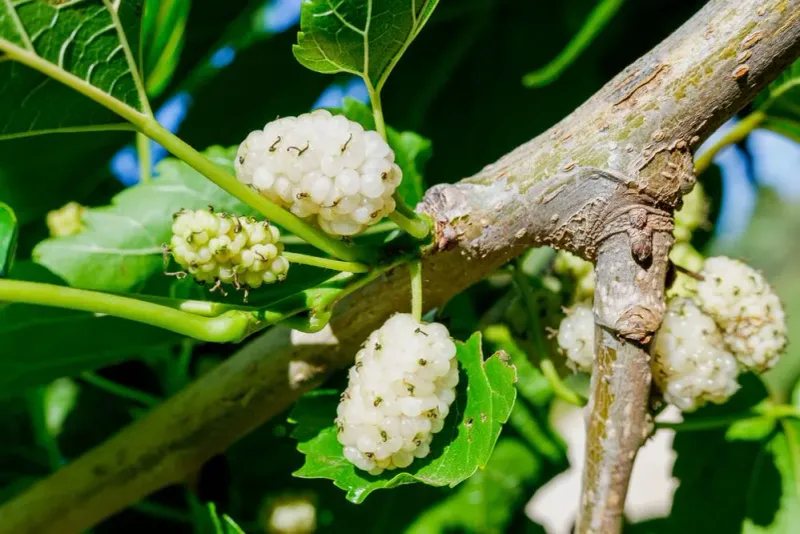
Standing side by side, White Mulberry and Red Mulberry can fool even experienced observers. Leaf shape on both species varies widely from one branch to the next, making a quick identification risky.
Getting it right matters, because one is a native species worth protecting and the other is a prohibited invasive plant under current state rules.
Red Mulberry, Morus rubra, is native to Ohio and supports a range of wildlife. White Mulberry, Morus alba, arrived from Asia and has been documented hybridizing with Red Mulberry where the two species grow near each other.
That hybridization concerns botanists because it can gradually blur the genetic integrity of the native species. Sources include the USDA Plants Database and invasive-species literature reviewed by extension researchers.
Birds eat White Mulberry fruit and spread seeds across a wide area, which helps the species establish in fencerows, forest edges, and disturbed ground. Under current Ohio Administrative Code, White Mulberry is listed as a prohibited invasive plant.
Selling, distributing, or propagating it is not allowed under state law.
Before making any management decision about a mulberry on your property, a careful identification step is essential. Removing a native Red Mulberry by mistake would eliminate a valuable food source for birds and other wildlife.
Consulting an OSU Extension office or a certified arborist for an accurate identification is a smart move before any action is taken.
5. Siberian Elm Escapes Into Disturbed Ground
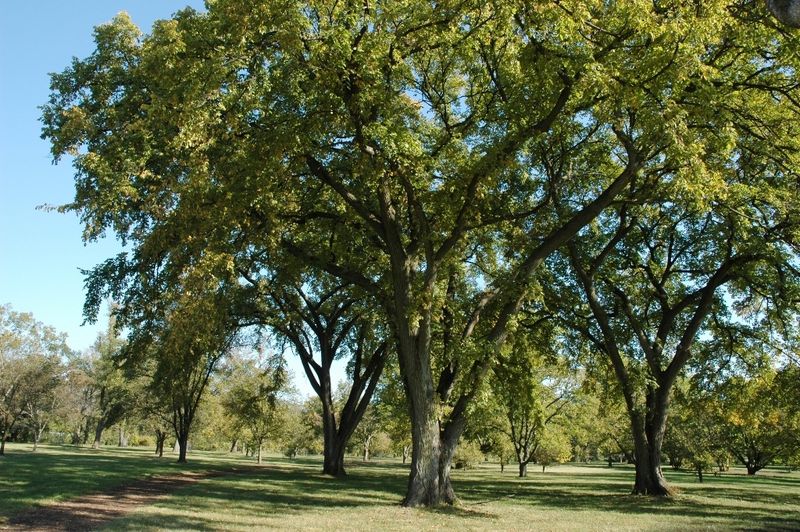
A tree that thrives where others struggle sounds like a gift, but that same toughness can become a liability when the species is nonnative. Siberian Elm, Ulmus pumila, earned a reputation as one of the hardiest elms available.
It tolerates drought, poor soil, and harsh winds that would stress many landscape trees. Windbreak plantings and tough urban sites were common destinations.
That resilience carries over into seed production and spread. Siberian Elm releases large quantities of small, papery winged seeds early in the season, before many other trees have even leafed out.
Those seeds germinate readily in disturbed soil, roadsides, old fields, and vacant lots, allowing the species to move well beyond any intentional planting over time.
Siberian Elm is not the same as native elm species such as American Elm or Slippery Elm, which have different leaf textures, seed timing, and ecological roles. Confusing these elm species can lead to poor management decisions.
Consult a reliable field guide or extension resource before drawing conclusions about an elm in the landscape. Under current Ohio Administrative Code, Siberian Elm is listed as a prohibited invasive plant.
The state rule prohibits its sale, offering for sale, propagation, distribution, import, and intentional spread. Native elm species and their cultivars remain available at many nurseries and continue to support the insects and birds that depend on elms as part of the local food web.
6. Crack Willow Spreads Along Wet Areas
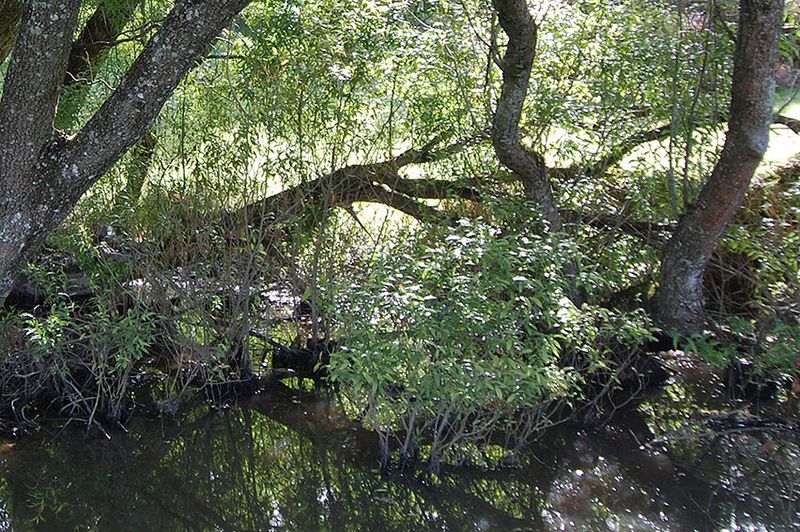
A branch snapping off in a storm and floating downstream might seem like nothing more than storm debris. For Crack Willow, Salix fragilis, that broken branch is actually a reliable method of spread.
Fragments that land on moist streambanks or muddy shorelines can take root and establish new plants. Extension and botanical invasive-species references document this behavior.
Crack Willow gets its common name from the way its branches snap cleanly at the base, a trait that makes vegetative spread along waterways especially efficient.
Moving water carries fragments to new locations, and those fragments need very little encouragement to root in wet soil.
Roadsides near ditches, floodplains, and the edges of slow-moving streams provide ideal conditions.
Not every willow growing beside water is a cause for concern. Many native willow species, including Black Willow and Pussy Willow, play important ecological roles along waterways in this region.
Crack Willow is a nonnative species and should not be confused with those natives when making identification or management decisions.
Under current Ohio Administrative Code, Crack Willow is listed as a prohibited invasive plant. Selling, propagating, distributing, or intentionally spreading it is not allowed under state rules.
Homeowners with an established Crack Willow are not automatically required to remove it under the sales prohibition. Preventing further vegetative spread into waterways is still worth discussing with a local extension professional.
7. Russian Olive No Longer Gets A Nursery Pass
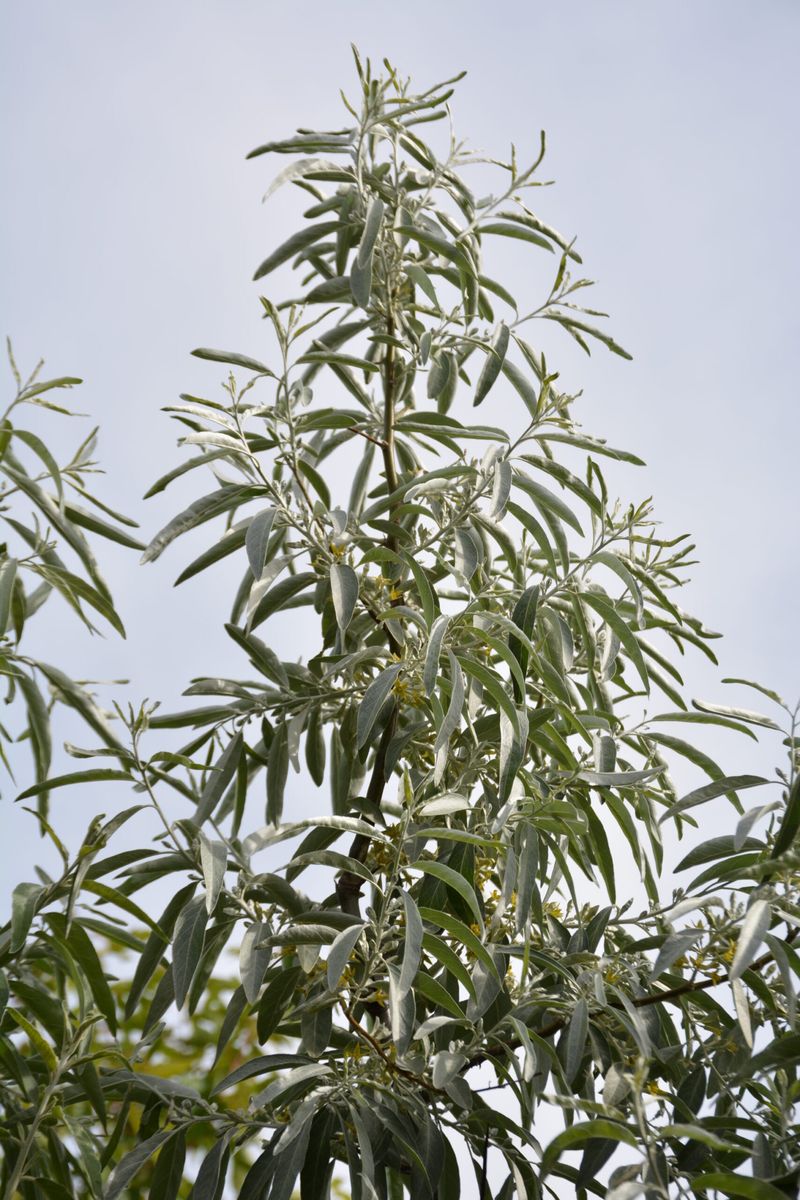
Silvery leaves that shimmer in the breeze and a tolerance for dry, salty, or poor soil once made this species a go-to choice for difficult planting sites.
Russian Olive, Elaeagnus angustifolia, was planted in windbreaks, along roadsides, and on degraded land where few other trees performed reliably.
Its drought resistance felt like a practical solution at the time.
Russian Olive can grow as a large shrub or a small multi-stemmed tree rather than always forming a classic single-trunk form. Birds eat the small olive-like fruits and deposit seeds in open fields, pastures, riparian corridors, and disturbed areas.
That dispersal pattern helps the species establish across a wide range of habitats beyond the original planting sites.
Russian Olive is a separate species from Autumn Olive, Elaeagnus umbellata, which is also listed as a prohibited invasive plant under state rules.
The two are related but distinct, and keeping them clearly identified matters for accurate land management records and communication with extension or agency contacts.
Under current Ohio Administrative Code, Russian Olive is listed as a prohibited invasive plant. Selling, offering for sale, propagating, distributing, importing, or intentionally spreading it is not permitted.
Native alternatives for tough, dry, or open sites include hawthorns and native plums. Both provide fruit for wildlife while remaining part of the regional plant community.
8. European Buckthorn Crowds Into Woodland Edges
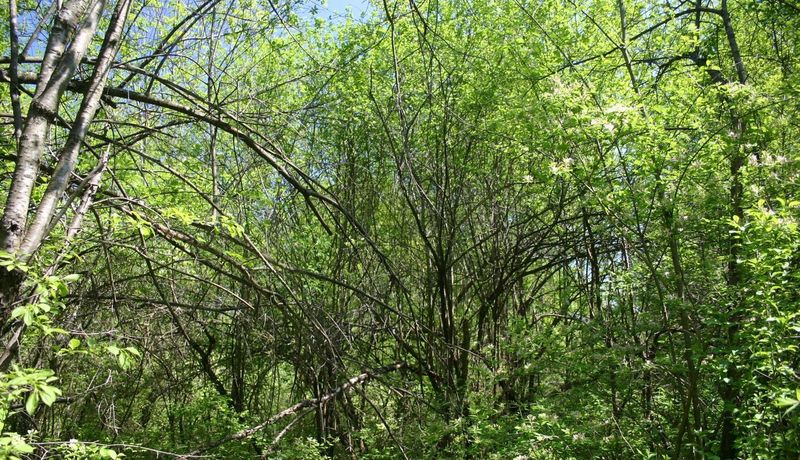
A shrub that leafs out earlier in spring and holds its leaves later into fall than most native plants has a built-in competitive edge. European Buckthorn, Rhamnus cathartica, uses its extended growing season to capture light and resources.
It can do so while surrounding native plants are still dormant or already shutting down for winter. That timing advantage contributes to its ability to form dense growth in woodland edges, fencerows, and disturbed habitats.
Birds eat the dark berries and spread seeds widely across the landscape. New seedlings establish readily under a range of light conditions, which means European Buckthorn can move into shaded understory areas as well as open disturbed ground.
Dense stands reduce the space, light, and soil resources available to native shrubs, wildflowers, and tree seedlings trying to regenerate beneath the canopy.
European Buckthorn can grow as a shrub or a small tree, so size alone does not distinguish it from unrelated native shrubs in the same habitat.
Not every buckthorn species carries the same legal status, and correct identification matters before any management decision is made.
Native viburnums and native dogwood shrubs can fill similar structural roles in a landscape without the spread concerns this species brings.
Under current Ohio Administrative Code, European Buckthorn is listed as a prohibited invasive plant. The prohibited list reflects documented ecological behavior, not simply whether a plant once looked useful or attractive in a designed landscape.
A plant’s history as a garden staple does not cancel out what happens after it escapes the garden.