The One April Task That Keeps Georgia Lawns From Thinning Out By Summer
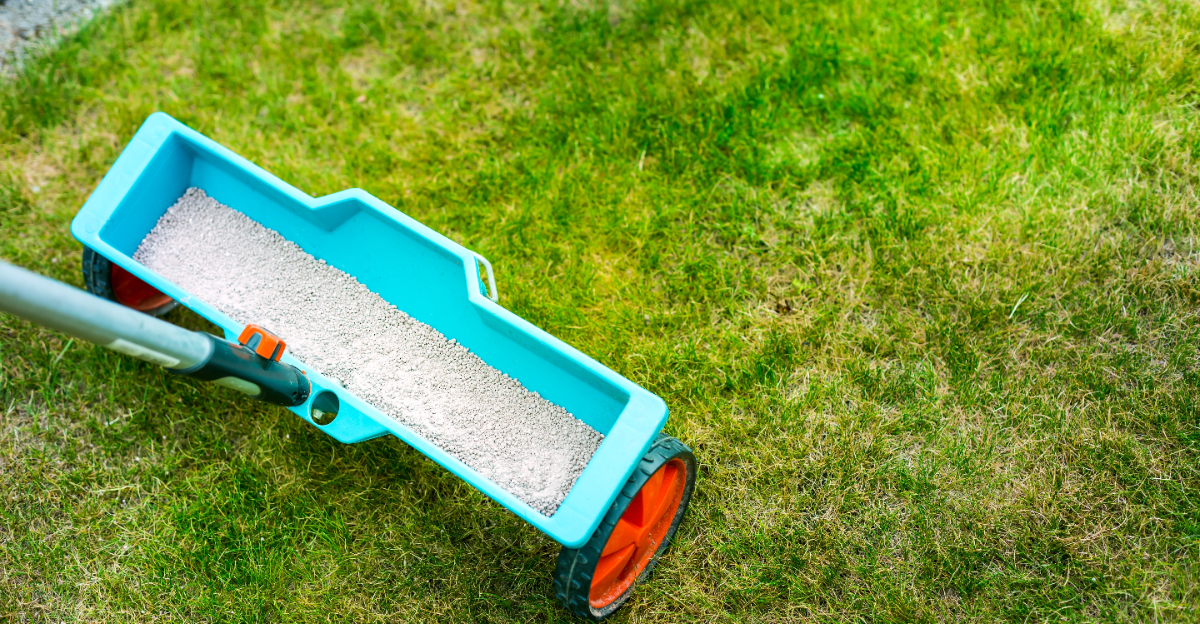
Thin spots in Georgia lawns rarely show up all at once, and by the time they become obvious in summer, the cause usually traces back to what did or did not happen earlier in the season. April plays a quiet role here, even if the lawn still looks full at a glance.
Grass begins to shift during this period, and small signs start to appear before any real damage becomes visible. Those early changes often go unnoticed, yet they shape how well the lawn holds together once heat and stress build.
Skipping the right step now can lead to uneven growth and weaker coverage later, while a simple adjustment at the right time keeps the lawn far more stable.
What happens during this short window has a lasting effect on how the lawn looks once summer takes over.
1. Applying Slow Release Nitrogen Prevents Lawn Thinning
Nitrogen is the engine behind grass growth, and the form you choose matters more than most people realize.
Slow-release nitrogen does something fast-release products simply cannot: it feeds the lawn gradually over several weeks instead of dumping everything at once.
That steady supply of nutrients encourages consistent blade and root development without triggering the kind of sudden surge that leaves grass vulnerable.
In Georgia, warm-season grasses like Bermuda and Zoysia respond especially well to this approach during April. Soil temperatures are climbing, roots are active, and the grass is primed to absorb nutrients efficiently.
Giving it a slow, controlled feed at this stage supports the kind of lateral spreading that fills in thin spots before summer heat arrives.
Polymer-coated urea and sulfur-coated urea are two common slow-release nitrogen sources you’ll find at most Georgia garden centers. Both work well, though polymer-coated versions tend to release more predictably across temperature changes.
Either option beats fast-release fertilizers for April applications on warm-season turf.
Without adequate nitrogen heading into summer, grass blades stay narrow and weak. Foot traffic, drought stress, and heat can then thin the lawn faster than it can recover.
2. Why Feeding Now Builds Stronger Growth Before Heat
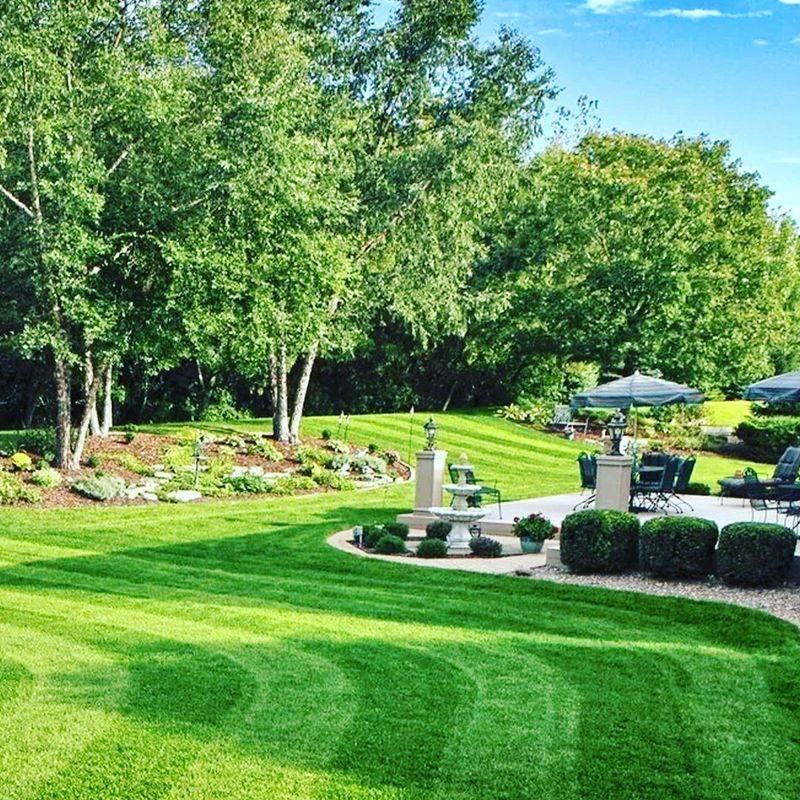
Grass has a growth window, and in Georgia, April sits right in the middle of it. Soil temperatures across the state typically reach 65 to 70 degrees Fahrenheit during this month, which is the sweet spot for warm-season grass roots to actively pull in nutrients.
Wait until May or June to fertilize, and the grass is already under heat stress, making nutrient uptake less efficient.
Feeding now works because the grass is in an active growth phase without yet facing the demands of peak summer. Roots are expanding, stolons are spreading, and the lawn is physically capable of using what you apply.
Nutrients absorbed in April get converted into stronger cell walls, denser growth, and deeper root systems that hold up better when July temperatures push past 90 degrees.
Centipede grass, which is common across many Georgia yards, is particularly sensitive to timing. Feed it too late, and it may show signs of stress rather than improvement.
Bermuda and Zoysia are more forgiving, but they still benefit significantly from an April application over a delayed one.
Skipping the April feeding doesn’t just delay results; it can leave the lawn visibly thinner by midsummer.
3. Choosing The Right Fertilizer For Warm Season Grass
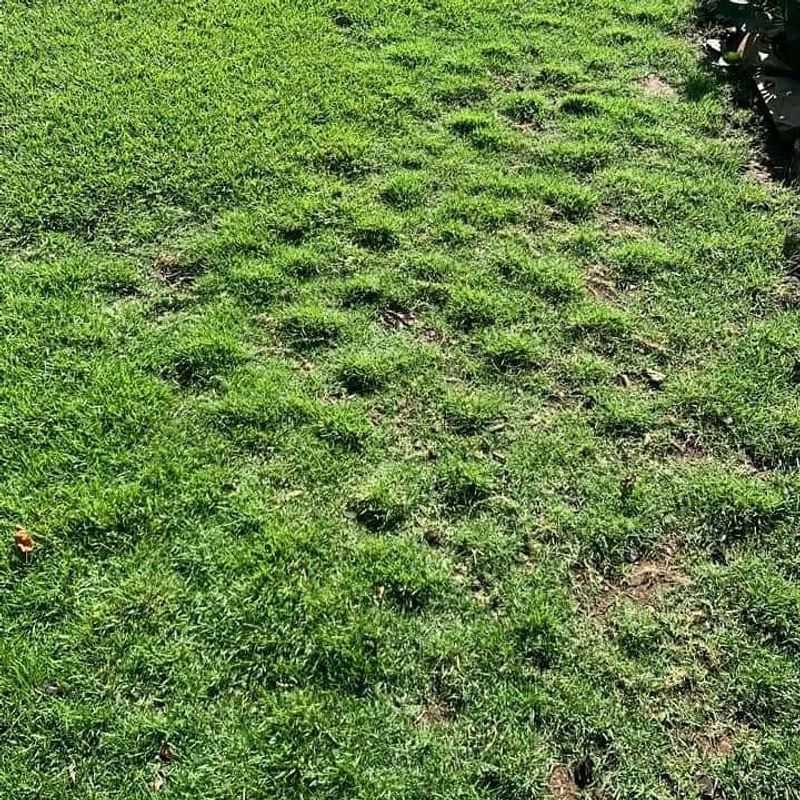
Not every bag of fertilizer on the shelf is appropriate for a Georgia lawn in April. Warm-season grasses have specific nutritional needs, and using the wrong product can either waste money or set the turf back rather than help it.
Reading the label carefully before purchasing is genuinely worth the extra few minutes.
Look for a fertilizer with a higher first number on the N-P-K ratio, which represents nitrogen. Something in the range of 16-4-8 or 15-0-15 works well for most warm-season grasses at this time of year.
The middle number, phosphorus, is often unnecessary in Georgia soils that already test adequate, and over-applying phosphorus can interfere with nutrient balance over time.
Potassium, the third number, plays a supporting role in stress tolerance and disease resistance. A product with a moderate potassium level helps grass handle drought and temperature swings better as the season progresses.
Centipede grass specifically prefers lower nitrogen inputs overall, so a product labeled for Centipede should be used rather than a general-purpose turf fertilizer.
Soil testing through the University of Georgia Extension is a practical step before buying anything. Georgia soils vary considerably across the state, and a test can reveal whether your lawn actually needs phosphorus, extra potassium, or specific micronutrients like iron.
4. How Much To Apply Without Causing Burn
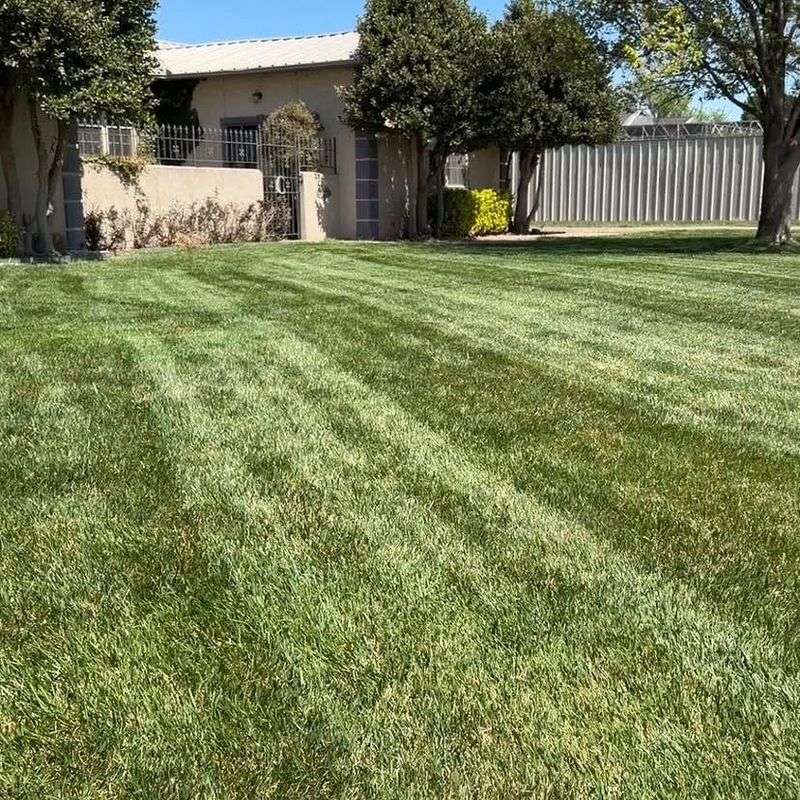
More fertilizer does not mean more grass. Applying too much nitrogen at once is one of the most common mistakes Georgia homeowners make in spring, and it often leads to fertilizer burn, which shows up as brown streaks or patches that take weeks to recover.
Getting the rate right matters as much as choosing the correct product.
For most warm-season grasses in Georgia, applying around half a pound to one pound of actual nitrogen per 1,000 square feet is a reasonable starting point for April. That number refers to actual nitrogen, not the total weight of the fertilizer bag.
To calculate it, multiply the bag weight by the nitrogen percentage listed on the label. A 20-pound bag of 16-4-8 fertilizer contains about 3.2 pounds of actual nitrogen.
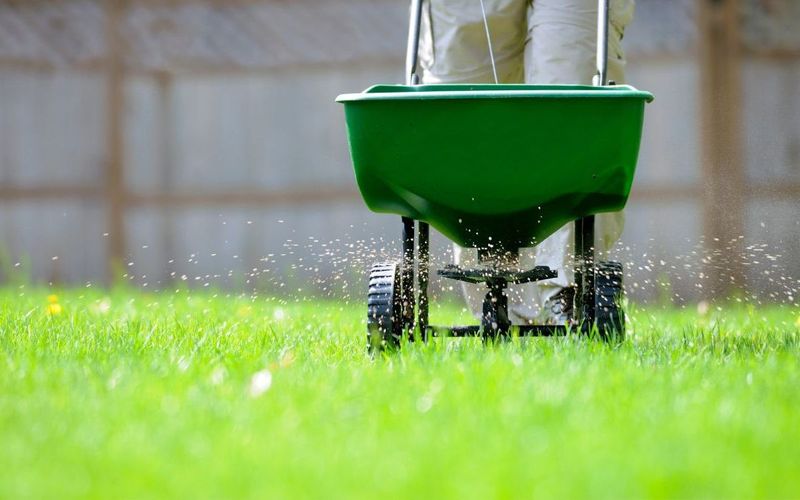
Spreading technique also affects results. Using a calibrated broadcast spreader and making overlapping passes in two directions helps distribute granules evenly.
Skipping this step often results in striping, where some areas get too much and others get too little, leading to uneven growth patterns that become obvious within two or three weeks.
Watering the fertilizer in after application is important, especially during April when Georgia afternoons can get warm. Granules sitting on dry grass blades can concentrate moisture and cause localized burning.
A light watering after application, or timing the job before an expected rain, reduces that risk considerably.
5. Why Timing Matters More Than Repeating Applications
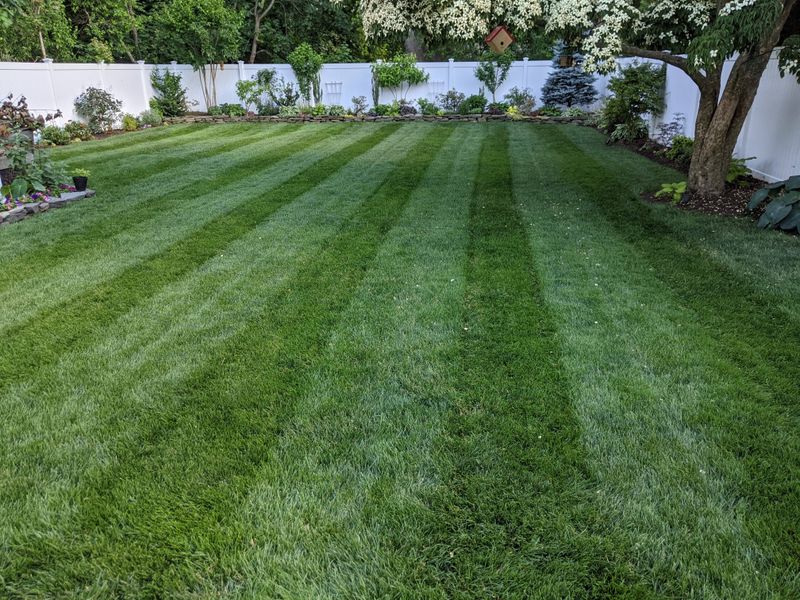
Fertilizing a Georgia lawn three times in spring will not produce three times the results. Timing a single, well-placed April application correctly often does more for turf density than multiple poorly timed ones.
Grass can only absorb and use nutrients at a rate tied to its growth stage, and pushing beyond that just creates runoff or burn risk.
April works because soil temperatures support active root uptake and the grass is in a genuine growth phase. Applying fertilizer when soil is still cold, like in early March across northern Georgia, means much of it sits unused or leaches away before the grass can benefit.
Waiting too long, into late May or June, puts nitrogen on turf that is shifting energy toward survival rather than expansion.
One properly timed application in April, followed by a second one in late June or early July if needed, is a more practical approach for most Georgia homeowners than trying to maintain a rigid monthly schedule.
Centipede grass actually does better with fewer applications overall, since over-fertilizing is a known cause of Centipede decline, a condition where the grass gradually thins and weakens over several seasons.
6. What To Avoid That Leads To Patchy Growth
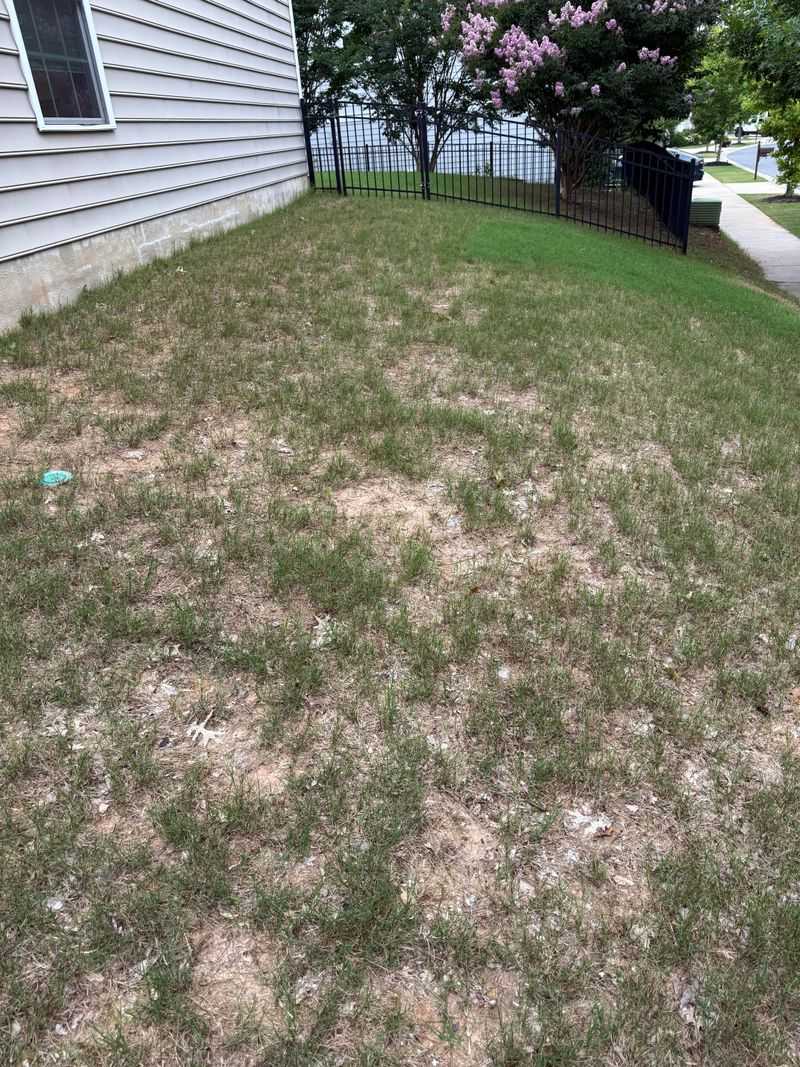
Patchy lawns in Georgia usually have a history behind them, and April is often where that history gets written. Several common habits during spring fertilizing lead directly to the uneven, thin turf that becomes obvious by July.
Knowing what to avoid is just as useful as knowing what to do right.
Fast-release fertilizers applied in large amounts are a frequent culprit. Nitrogen hits the lawn all at once, triggers a rapid flush of growth, and then the grass essentially runs out of fuel.
Roots that grew quickly but without enough structural support struggle when temperatures climb. The result is often a lawn that looks great in May but starts thinning noticeably by late June.
Uneven spreader application is another issue that shows up as stripes or bare-looking patches. Overlapping passes and a properly calibrated spreader make a real difference here.
Applying fertilizer to drought-stressed grass without watering it in afterward is also a problem, since concentrated granules on dry blades can cause localized damage that takes time to fill back in.
Skipping soil preparation before fertilizing is something that often gets overlooked. Heavily compacted Georgia clay soils limit how well roots can absorb nutrients regardless of what product you use.
Aerating before or alongside your April fertilizing routine helps nutrients actually reach the root zone rather than sitting on top.
7. How Healthy Grass Should Look By Early Summer
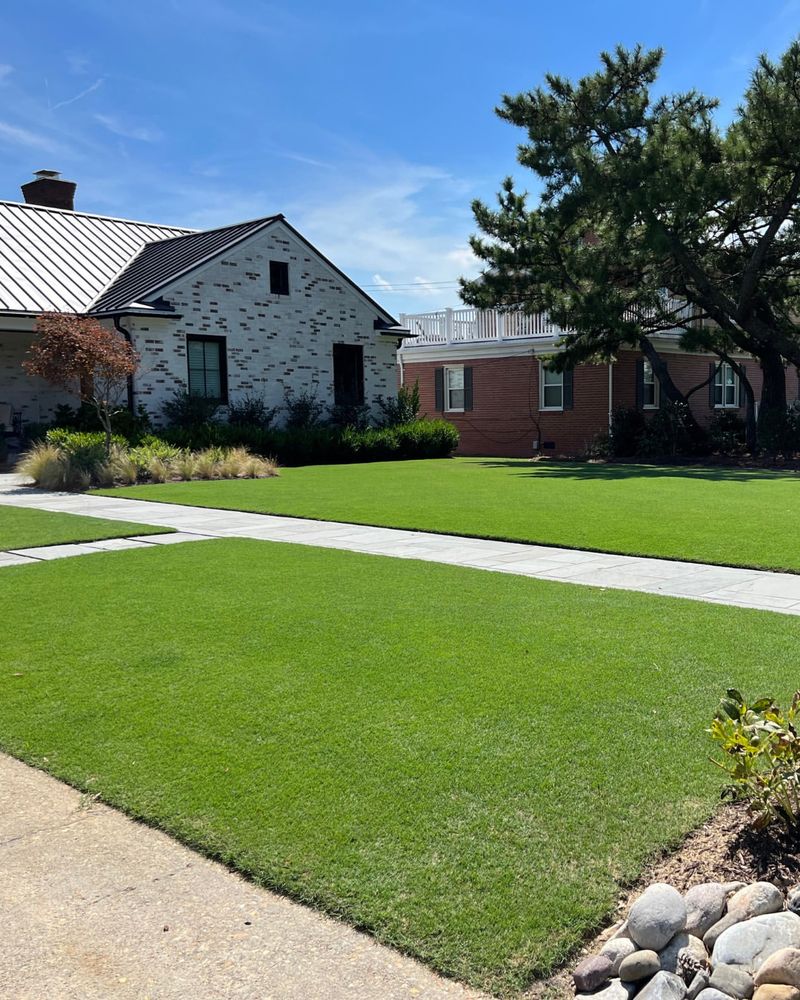
By early June, a Georgia lawn that received the right April care should look noticeably different from one that did not.
Density is the clearest indicator: healthy warm-season turf fills in laterally, meaning the grass spreads sideways to cover gaps rather than just growing taller.
Lawns that were fertilized well in April typically show fewer bare spots and a more uniform color across the yard.
Bermuda grass that is well-fed and healthy by June tends to be a deep, consistent green and recovers quickly from foot traffic or mowing.
Zoysia should feel thick underfoot and show minimal weed intrusion, since dense turf naturally crowds out most annual weeds before they establish.
Centipede grass should be a lighter, apple-green color, which is normal and healthy for that variety, not a sign of nitrogen deficiency as some homeowners mistakenly assume.
Root depth is harder to see but just as important. Grasses fed properly in spring develop deeper root systems that access soil moisture further down during dry spells.
Georgia summers can go weeks without meaningful rainfall in some years, and deeper roots give the lawn a better chance of staying green without constant supplemental watering.
Some thinning is still possible even with good April care if the summer turns unusually dry or if foot traffic is heavy in specific areas.