The One Backyard Feature Arizona Wildlife Prefers Over Feeders
You can fill your Arizona yard with feeders and still wonder why wildlife only stops by for a few quick visits before disappearing again.
In a desert climate where heat builds fast and natural water sources dry up for long stretches, food is not always the main priority for birds and other animals.
Survival comes first, and that means hydration. In Arizona, the feature that truly changes wildlife activity is not another feeder, it is a reliable source of water that stays clean and consistent through rising temperatures.
Water quietly reshapes how animals move through your yard and how long they choose to stay. In the desert, water is the magnet that pulls everything in.
When you provide steady hydration, you often notice more species, longer visits, and a rhythm of activity that feeders alone rarely create.
1. Why Seed Feeders Don’t Support Full Wildlife Diversity In Arizona
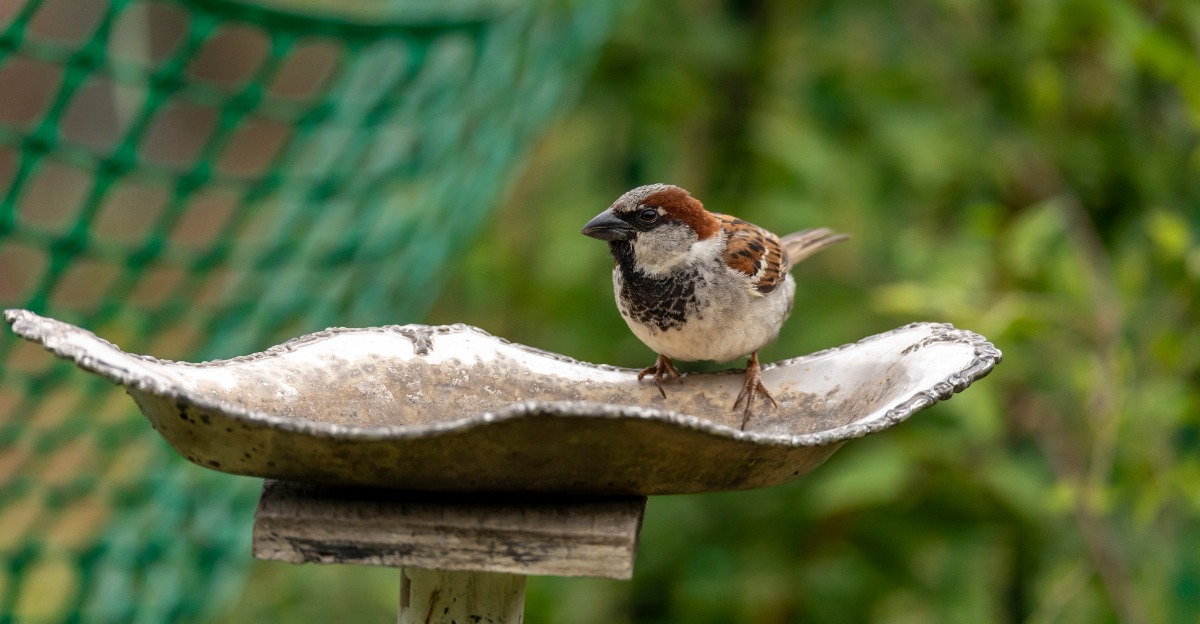
Bird feeders attract a narrow slice of Arizona’s wildlife population. Seed-eating species like finches and sparrows will visit regularly, but that leaves out the majority of animals that make the Sonoran Desert unique.
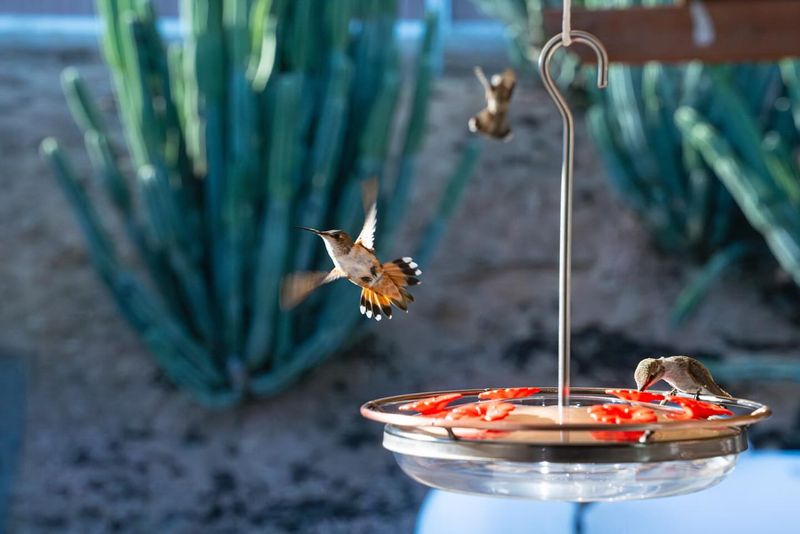
Hummingbirds don’t eat seeds. Neither do butterflies, bees, or the lizards that control your insect population.
Mammals face the same limitation. Rabbits, javelina, and ground squirrels might nibble spilled seed, but they’re really searching for something else entirely.
Predators like hawks and roadrunners won’t bother with feeders at all, even though they’re vital parts of a balanced ecosystem.
Water changes everything. Every single species needs hydration, regardless of diet.
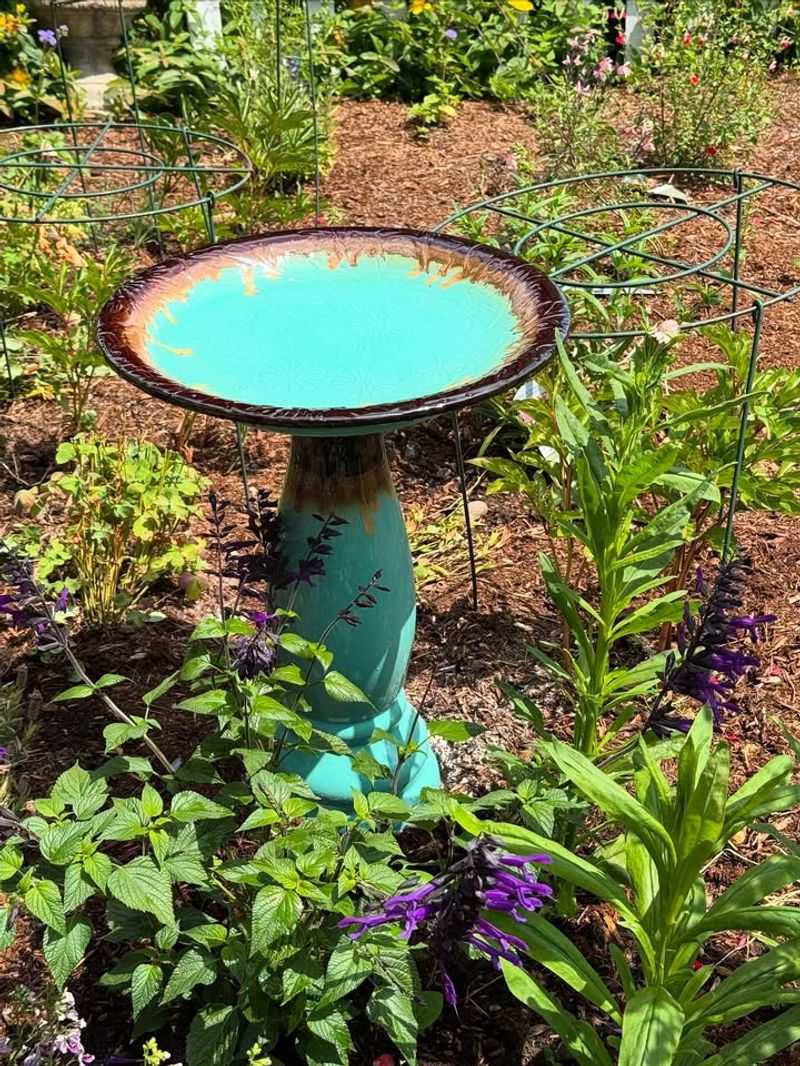
A shallow basin serves hummingbirds, songbirds, quail, doves, rabbits, squirrels, and even beneficial insects like native bees.
In Phoenix and Tucson, where summer temperatures regularly exceed 105 degrees, water scarcity becomes the limiting factor for wildlife survival.
Feeders also create dependency without addressing core needs. Birds that rely on supplemental seed may neglect natural foraging behaviors.
Water encourages animals to visit your yard while maintaining their wild instincts. They drink, cool off, and move on to forage naturally.
The diversity you’ll observe around a water feature far exceeds anything a feeder provides. Instead of three or four seed-eating birds, you’ll host dozens of species across multiple animal groups.
That’s the difference between a feeding station and a true wildlife habitat in Arizona’s challenging desert environment.
2. A Reliable Water Source Drives More Backyard Activity
Consistency matters more than abundance when attracting wildlife. Animals develop routines based on reliable resources.
A feeder that runs empty for days trains wildlife to look elsewhere. A water source that stays filled becomes a daily destination.
Arizona’s unpredictable rainfall patterns make natural water scarce for eight to ten months annually. Ephemeral puddles vanish within hours under the intense sun.
Creeks that flow in winter turn to dust by May. Your backyard basin might be the only dependable water for blocks.
Wildlife remembers where to find life-saving resources. Hummingbirds establish circuits that include every reliable water source in their territory.
Quail bring their entire covey to locations they trust. Even cautious species like coyotes will visit yards with consistent water during drought periods.
The activity level around a maintained water feature often surprises new converts. Instead of occasional feeder visits, you’ll see constant movement from dawn until dusk.
Birds arrive in waves throughout the day. Mammals visit during cooler morning and evening hours.
In Scottsdale and Mesa, homeowners report that their water features attract more wildlife in a single week than feeders brought in over entire months. The difference comes down to meeting a universal, non-negotiable need.
Food preferences vary widely among species. Water is essential for everything that breathes in Arizona’s desert climate.
3. Desert Species Seek Hydration Before Supplemental Food
Survival priorities shift dramatically in arid environments. Desert-adapted wildlife has evolved to find food efficiently through natural foraging.
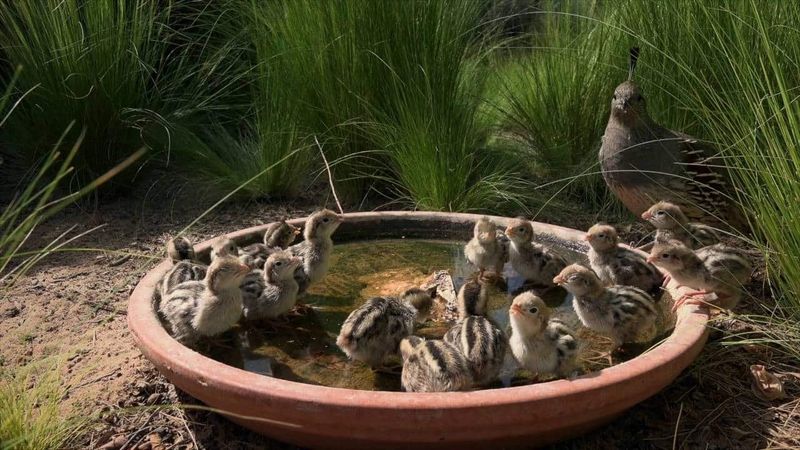
Water presents the greater challenge. A quail can locate seeds across acres of desert scrub.
Finding open water requires luck or knowledge of specific locations.
Physiological stress from dehydration outweighs hunger in hot climates. Birds lose moisture through respiration and must replace it constantly.
Small mammals face even greater challenges due to their higher metabolic rates. A rabbit can survive days without food but only hours without water during Arizona summers.
Watch any water feature during peak heat and you’ll see the urgency. Birds arrive with beaks open, panting from exertion.
They drink immediately, often before even checking for threats. This behavior reveals how desperately they need hydration compared to supplemental feeding.
Native species have adapted to extract moisture from food sources when possible. Cactus wrens get hydration from insects.
Javelina consume water-rich prickly pear pads. But these adaptations only reduce water needs.
They don’t eliminate them, especially during the brutal months from May through September.
Feeders offer convenience, but water offers survival. That’s why a simple birdbath in Tempe or Chandler will consistently outperform the most expensive feeder setup.
You’re not just attracting wildlife. You’re providing a resource that determines whether certain species can inhabit your neighborhood at all during the harshest months of the year.
4. Ground-Level Access Increases Visits From Doves And Quail
Elevated birdbaths miss entire categories of Arizona wildlife. Many desert species rarely leave the ground except when threatened.
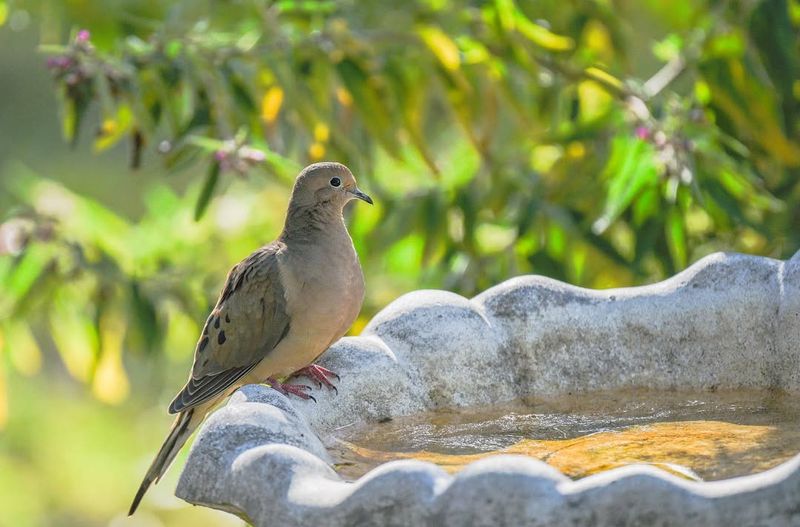
Gambel’s quail, mourning doves, and white-winged doves prefer terrestrial water sources that match their natural behavior patterns. Placing water at ground level immediately expands your visitor list.
Quail travel in family groups called coveys, sometimes numbering twenty or more birds. They need space to gather without competition or crowding.
A ground-level basin 18 to 24 inches wide accommodates these social birds comfortably. They’ll visit multiple times daily when water sits at their preferred height.
Doves also appreciate easy access. These birds are heavy-bodied and less agile than songbirds.
They land near water and walk to the edge rather than swooping down from above. Ground placement eliminates the awkward maneuvering required at elevated baths.
Small mammals benefit equally from low water sources. Cottontail rabbits, Harris’s antelope squirrels, and even desert tortoises will use shallow ground-level basins.
These species would never attempt to reach a pedestal birdbath but readily visit accessible water.
Safety concerns about ground placement are largely overruled by proper positioning. Place your basin in an open area with clear sightlines.
Animals can spot approaching predators easily. Add a few rocks or branches inside the basin to provide escape routes for small creatures.
Across Tucson and Phoenix, ground-level water features consistently attract double or triple the species diversity compared to elevated options alone.
5. Shaded Placement Reduces Evaporation And Boosts Use
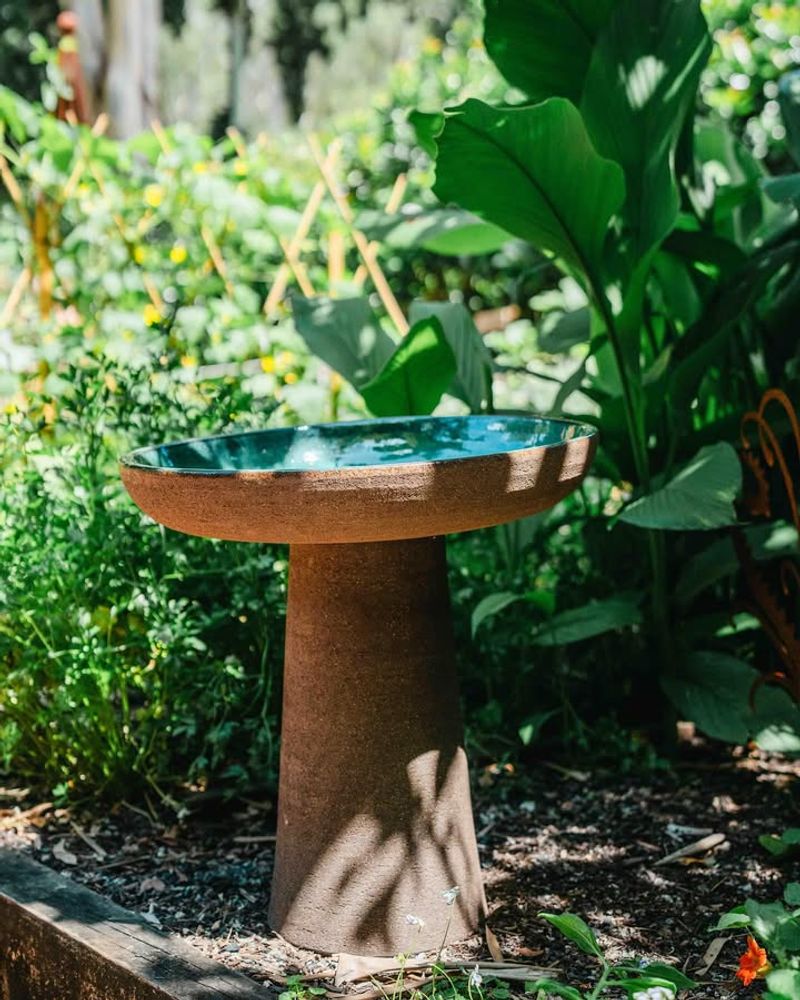
Direct Arizona sunlight turns water features into evaporation machines. A shallow basin placed in full sun can lose half its volume in a single afternoon during summer.
You’ll spend more time refilling than observing wildlife. Worse, the water heats to temperatures that make it less appealing or even dangerous for small birds.
Strategic shade placement solves multiple problems simultaneously. Morning sun with afternoon shade creates ideal conditions.
The water warms enough in early hours to remain inviting but stays cool during the hottest part of the day. Wildlife activity peaks during these protected afternoon hours.
Natural shade from native trees works beautifully. Palo verde, mesquite, or ironwood trees provide dappled coverage that keeps water cool without creating dense darkness.
Birds feel safer in partially shaded areas because they maintain visibility while staying protected from hawks and other aerial predators.
Artificial shade structures also work well. A simple ramada or pergola positioned over your water feature reduces evaporation by 60 to 70 percent.
This matters especially during Arizona’s pre-monsoon period when temperatures soar but humidity remains low. Every gallon you save means less maintenance and more consistent availability for wildlife.
Temperature control affects usage patterns dramatically. Water that reaches 95 degrees or higher gets ignored by many species.
Cooler water attracts more visitors and encourages longer stays.
In Gilbert and Peoria, homeowners who moved their water features into shade reported immediate increases in both visit frequency and species diversity, particularly during the challenging summer months.
6. Clean, Fresh Water Encourages Repeat Visits
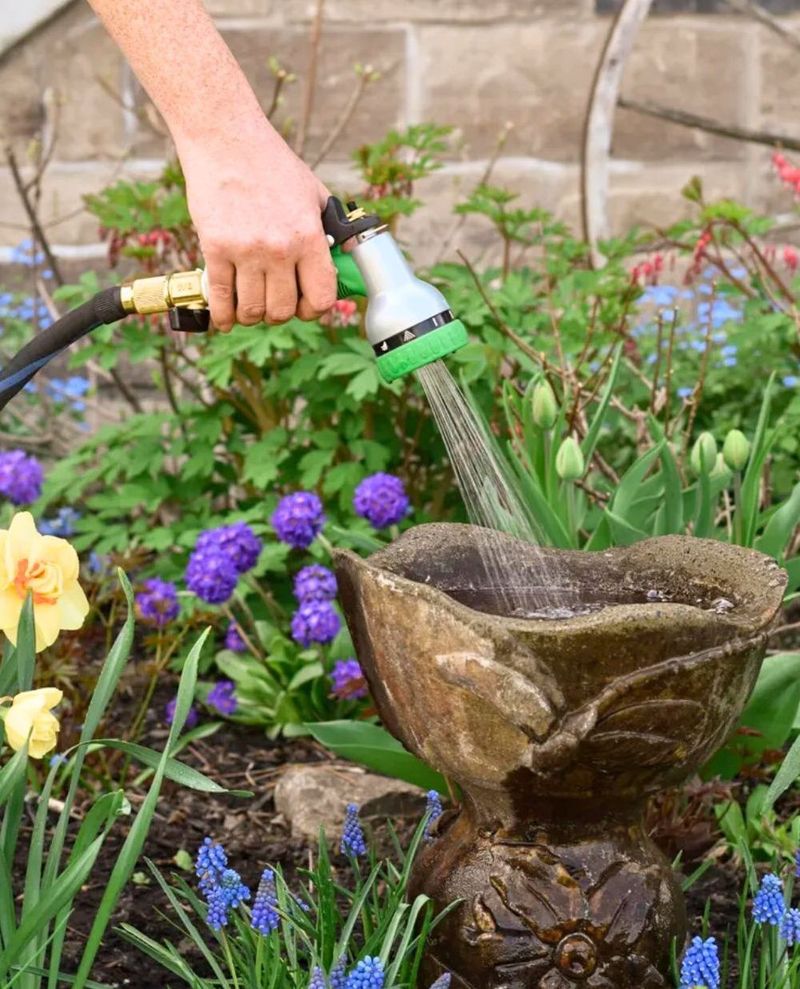
Stagnant water repels wildlife as effectively as fresh water attracts it. Birds and mammals possess keen senses that detect contamination.
Algae growth, mosquito larvae, and bacterial films signal danger. Animals that depend on your water source will abandon it quickly if maintenance lapses.
Weekly cleaning prevents most problems. Scrub your basin with a stiff brush and rinse thoroughly.
Avoid soap or chemicals, which leave residues harmful to wildlife. Plain water and elbow grease remove algae and mineral deposits effectively.
This simple routine takes five minutes but determines whether your feature succeeds or fails.
Daily refilling matters almost as much as weekly scrubbing. Fresh water stays cooler and more oxygenated.
It also prevents the concentration of salts and minerals as water evaporates. In Arizona’s hard-water regions like Phoenix and Tucson, mineral buildup happens quickly.
Frequent refills dilute these deposits before they become problematic.
Wildlife notices quality differences immediately. A basin refreshed daily will host steady activity.
The same basin left unchanged for three or four days sees declining visits. By day seven, most birds avoid it entirely.
The visual difference seems subtle to humans, but animals detect changes in smell, taste, and clarity that we miss.
Mosquito control becomes critical during monsoon season. Change water every two to three days during humid periods.
This prevents larvae from completing their development cycle. You’ll protect both wildlife health and your own comfort.
Clean, fresh water creates a positive feedback loop where increased wildlife activity justifies the minimal maintenance effort required.
7. What Arizona Homeowners Notice After Making The Shift
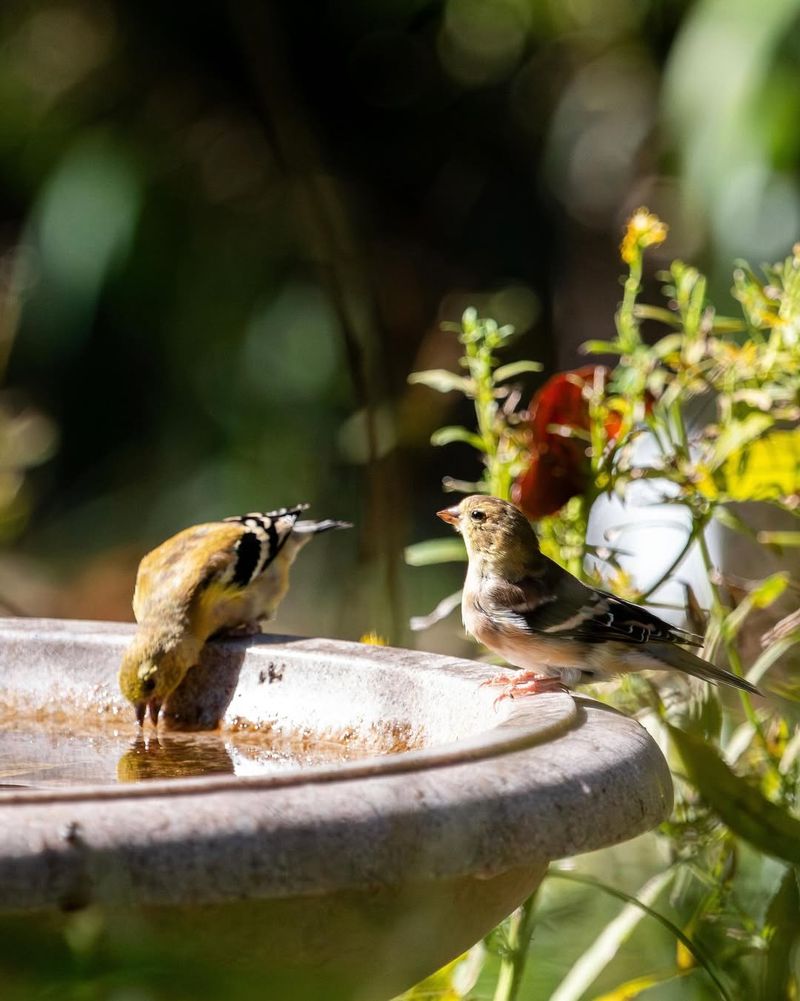
The transformation happens faster than most people expect. Within 48 hours of installing a reliable water source, you’ll likely spot your first new visitors.
Within two weeks, wildlife activity typically surpasses anything feeders provided over months. The speed of change surprises even experienced birders.
Species diversity increases most noticeably. Homeowners across Maricopa and Pima counties report seeing birds they never knew lived nearby.
Verdins, phainopeplas, and Lucy’s warblers appear regularly at water features but rarely at feeders. Insect-eating species that ignore seed entirely become daily visitors.
Behavioral observations become more interesting too. Water features allow you to witness bathing rituals, social interactions, and territorial displays.
Birds splash enthusiastically, sometimes spending five or ten minutes preening afterward. These natural behaviors provide entertainment value that static feeder visits can’t match.
Unexpected visitors often steal the show. Homeowners report bobcats, gray foxes, and even occasional mountain lions visiting water sources in foothill communities.
While large predators remain cautious, they’ll use reliable water during drought conditions. These sightings remind us that comprehensive habitat benefits extend far beyond backyard birds.
Cost savings add practical benefits to the wildlife advantages. Water costs pennies compared to quality birdseed.
Maintenance requires only time, not ongoing purchases. Many Arizona homeowners calculate that switching from feeders to water features saves $200 to $400 annually while dramatically improving wildlife diversity and activity levels throughout every season.
8. How To Create A Habitat Zone That Works Year Round
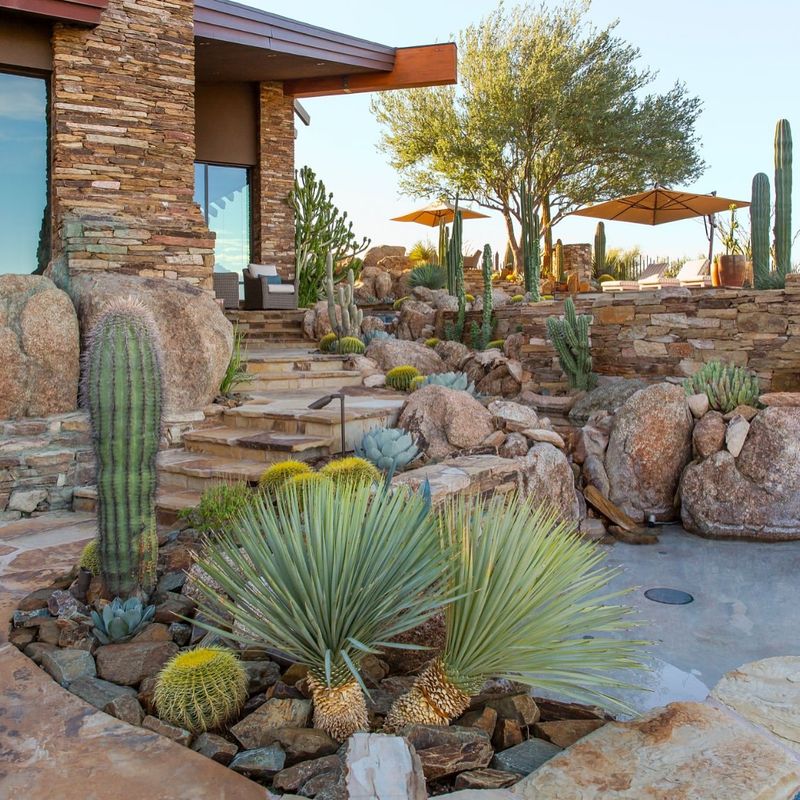
Water alone creates impressive results, but combining it with other habitat elements multiplies the benefits. Think beyond a single feature toward creating zones that address multiple wildlife needs.
The most successful Arizona yards integrate water, shelter, and native plants into cohesive spaces that function through all seasons.
Start with your water feature as the anchor point. Position it where you’ll enjoy watching from indoors but where wildlife feels secure.
Add native plants in layers around it. Low-growing groundcovers like damianita provide insect habitat.
Mid-height shrubs like fairy duster offer nesting sites. Taller specimens like desert willow create shade and perching opportunities.
Rock piles and brush shelters add critical cover elements. Stack flat stones to create crevices where lizards hide.
Leave pruned branches in loose piles where quail can escape hawks. These simple additions cost nothing but dramatically increase how many species can safely use your water source.
Seasonal adjustments keep your habitat functioning year-round. Add a second water source during summer when evaporation peaks.
Place it in a different location to reduce territorial conflicts among birds. During winter, position one basin in full sun where it’s less likely to freeze during Flagstaff or Prescott cold snaps.
The goal is creating a self-sustaining system that requires minimal intervention. Native plants need little water once established.
Natural shelter requires no maintenance. Your main task becomes keeping water fresh and observing the incredible diversity of Arizona wildlife that claims your yard as essential habitat throughout every month of the year.