The One Berry Plant Western Oregon Gardeners Never Regret Planting
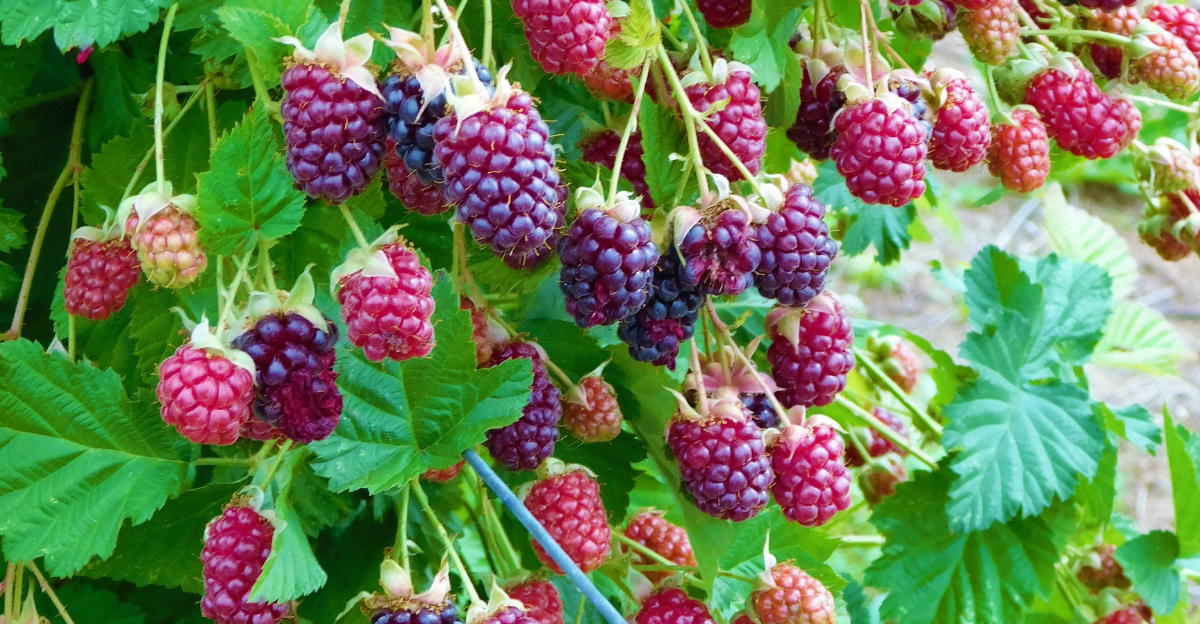
Some plants are nice to have, and some become garden legends. In Western Oregon, there is one berry plant gardeners plant once and then wonder how they ever lived without it.
Marionberry thrives in the mild, rainy climate, asks for little fuss, and rewards you year after year with reliable harvests. Birds love it, pollinators flock to it, and gardeners appreciate how easy it is to grow.
It fits beautifully into backyard gardens, edible landscapes, and even natural style plantings. Once established, it feels less like a crop and more like a permanent part of the garden.
If you want a berry plant that delivers flavor, resilience, and long term satisfaction, this is the one many Western Oregon gardeners say they would plant again without hesitation.
1. Meet The Legendary Marionberry
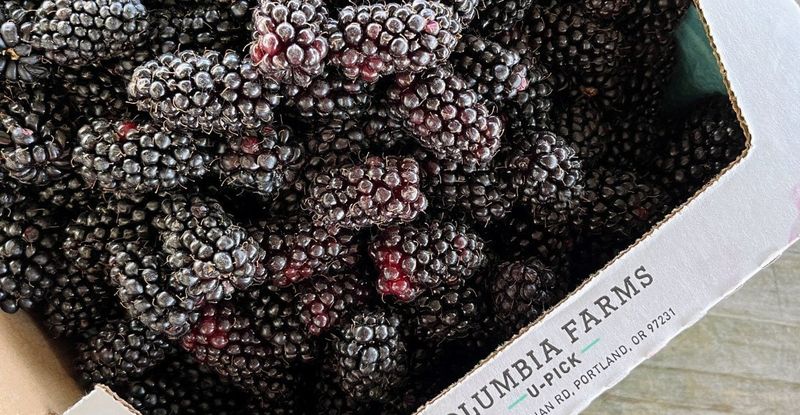
Walk through any farmers market in the Willamette Valley during summer and you’ll notice something interesting. Those deep purple-black berries that sell out before noon aren’t regular blackberries.
They’re marionberries, and locals know the difference immediately.
Developed right here in Oregon back in 1956, this berry resulted from crossing two other blackberry varieties at Oregon State University’s breeding program. The goal was creating something that could handle our climate while delivering exceptional flavor.
What emerged became the crown jewel of Oregon berries.
The marionberry looks similar to wild blackberries but grows larger, with a distinctive elongated shape and glossy skin that turns almost black when fully ripe.
Each berry contains more juice than standard blackberries, and the flavor profile balances sweetness with just enough tartness to keep things interesting.
What really sets marionberries apart is their adaptability to Western Oregon conditions. While other berries sulk in our extended spring rains or struggle with cool summers, marionberries seem to welcome exactly what our climate offers.
The plants grow vigorously without becoming invasive, produce heavily without excessive fussing, and return reliably year after year once established in your garden.
2. Why Western Oregon Is Perfect for It
Stand outside on a typical April morning here and you’ll feel exactly why marionberries love this region.
That cool dampness hanging in the air, the clouds promising rain by afternoon, the mild temperatures that never swing to extremes, these conditions frustrate tomato growers but delight marionberry plants.
Our climate mirrors the maritime conditions of the Pacific Northwest coast where native trailing blackberries evolved over centuries. Marionberries inherited this genetic comfort with moisture, thriving in areas that receive 40 inches of annual rainfall.
The plants actually struggle in hot, dry climates where they require constant irrigation and still produce inferior fruit.
Western Oregon’s long, cool springs give marionberry plants time to develop strong cane growth without stress. Our moderate summers allow berries to ripen slowly, concentrating sugars and developing complex flavors that quick-ripening berries in hotter regions never achieve.
Even our wet winters work in the marionberry’s favor, providing necessary chill hours without the harsh freezes that damage less hardy varieties.
The Willamette Valley specifically offers ideal conditions, with well-draining soils, protection from extreme coastal winds, and just enough summer warmth to sweeten berries perfectly.
Commercial growers produce over 28 million pounds here annually, but backyard gardeners get the same climate advantages without needing commercial-scale operations.
3. Flavor That Beats Every Blackberry
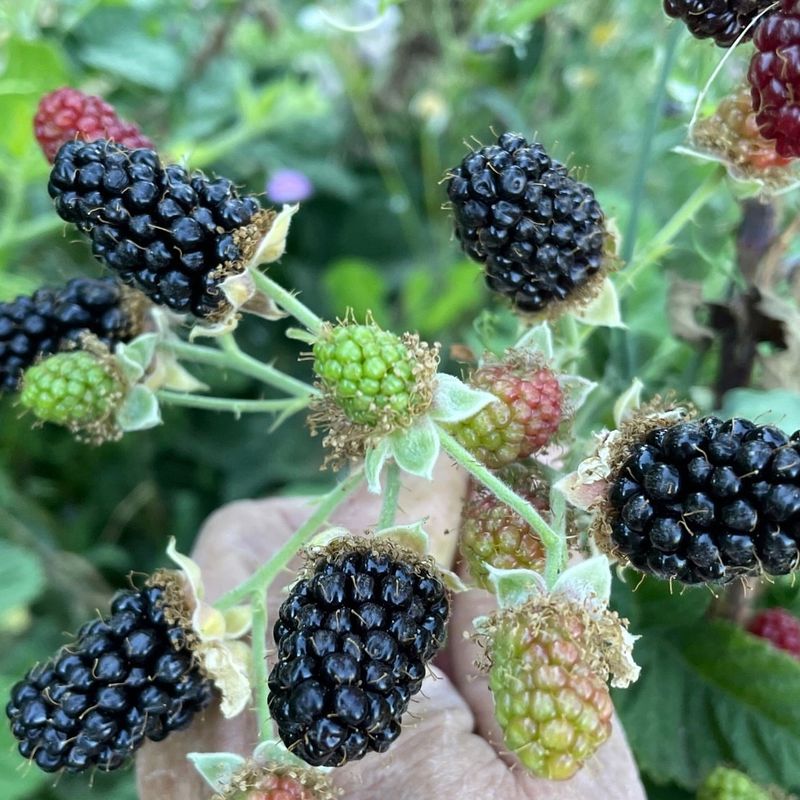
Bite into a sun-warmed marionberry fresh from the vine and you’ll immediately understand why people get slightly obsessive about these berries.
The flavor hits differently than regular blackberries, with layers that unfold across your palate rather than delivering one-note sweetness.
Marionberries contain higher sugar content than most blackberry varieties, but that sweetness comes balanced with bright acidity and subtle earthy undertones.
Food scientists describe the flavor profile as complex, with hints of wine-like richness that develops as berries reach peak ripeness.
That complexity makes marionberries incredibly versatile in the kitchen.
Fresh eating reveals the berry’s true character, but cooking concentrates those flavors even further. Marionberry jam develops deep, almost mysterious flavor notes that plain blackberry jam never achieves.
Pies made with marionberries taste richer and more interesting than those made with other berries, holding their shape during baking while releasing just enough juice to create perfect filling consistency.
The texture also sets marionberries apart. Each berry contains smaller seeds than regular blackberries, making them less gritty when eaten fresh or cooked.
The flesh stays firmer during handling, so berries survive the trip from garden to kitchen without turning to mush. Commercial bakers specifically seek out marionberries for these qualities, but home gardeners get to enjoy them straight from the source.
4. Plant Once, Harvest For Years
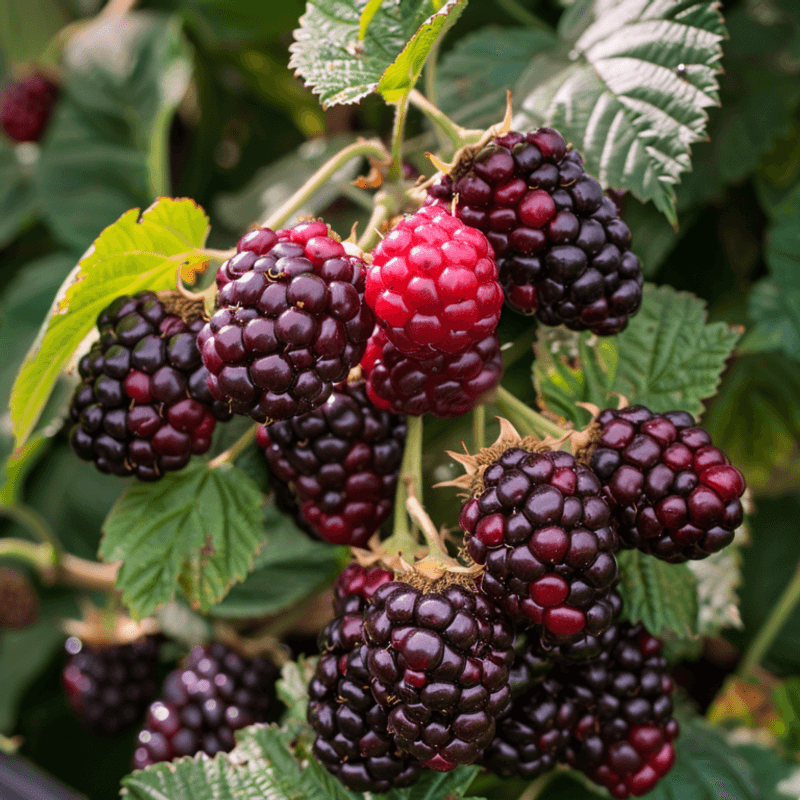
Most gardeners learn quickly that annual vegetables demand replanting every spring, requiring constant attention and fresh starts each season. Marionberries work completely differently, rewarding your initial planting effort with harvests that continue for fifteen years or more with proper care.
The first year after planting focuses on root establishment rather than fruit production. Your new marionberry plant spends that season developing the underground foundation it needs for long-term success.
You’ll see vigorous cane growth but shouldn’t expect significant berries yet, though some plants produce small test crops.
Year two brings your first real harvest as the canes that grew during year one now produce fruit.
From this point forward, the cycle continues with established plants producing new fruiting canes each season while older canes complete their productive life and get pruned away.
This perennial nature means your initial investment of time and effort compounds over many years. Calculate the pounds of berries one mature plant produces across a decade and the value becomes impressive.
Even better, established plants require less attention than starting from scratch annually. Your main responsibilities shift to seasonal pruning and basic maintenance rather than constant replanting and establishment work.
Many Western Oregon gardeners maintain marionberry plantings that their parents established decades earlier, inheriting productive patches that continue delivering abundant harvests with minimal intervention beyond regular care.
5. Sun, Soil, And Space Basics
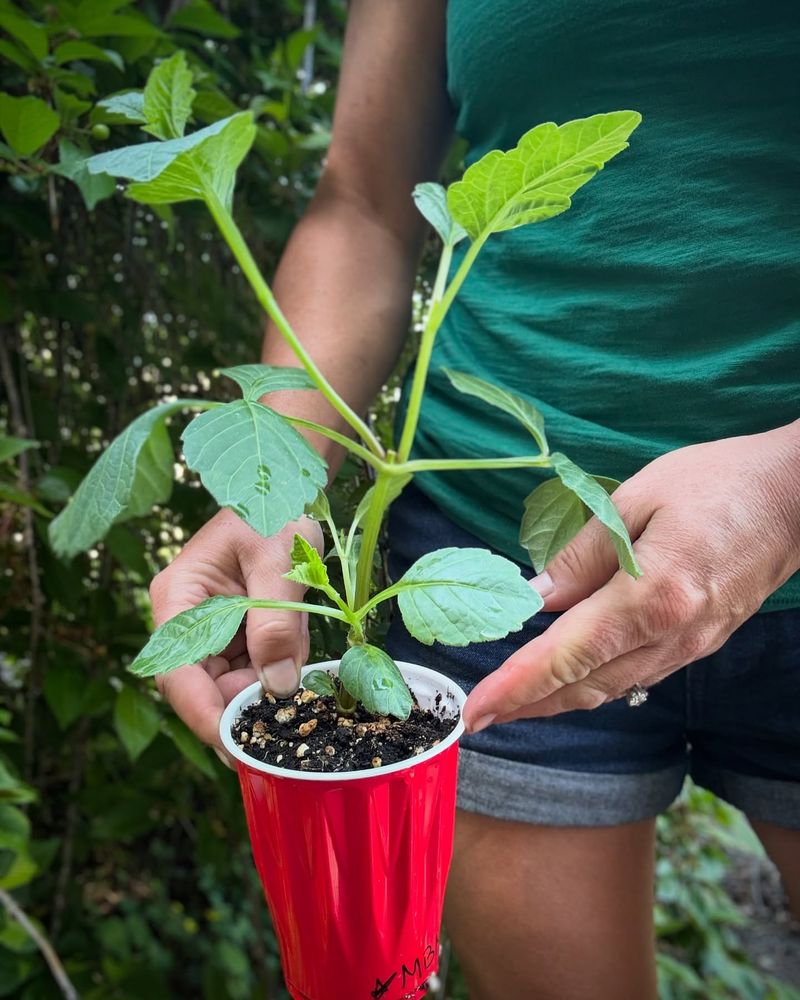
Before bringing a marionberry plant home, walk your property and identify spots that receive morning sun followed by afternoon shade.
This light pattern suits marionberries perfectly in our climate, giving them enough solar energy for fruit production without the stress of all-day exposure during our occasional hot spells.
Full sun works fine too, especially in cooler microclimates near the coast or in areas with consistent cloud cover. The key is avoiding deep shade where canes grow weak and leggy while producing minimal fruit.
Marionberries tolerate partial shade better than many fruiting plants, but they still need at least six hours of light daily during the growing season.
Soil requirements lean toward well-draining ground with decent organic content. Heavy clay needs amendment with compost to improve drainage, since marionberries dislike constantly soggy roots despite appreciating consistent moisture.
Sandy soils benefit from organic matter too, helping retain water during our dry summer stretches. Target a slightly acidic pH between 5.5 and 6.5, which matches most Western Oregon soils naturally.
Space plants six to eight feet apart along your chosen row or trellis line. This spacing accommodates the vigorous cane growth marionberries produce while allowing air circulation that helps prevent disease issues in our humid climate.
Each plant spreads several feet wide at maturity, so factor that expansion into your initial placement decisions.
6. Trellis It For Bigger Berries
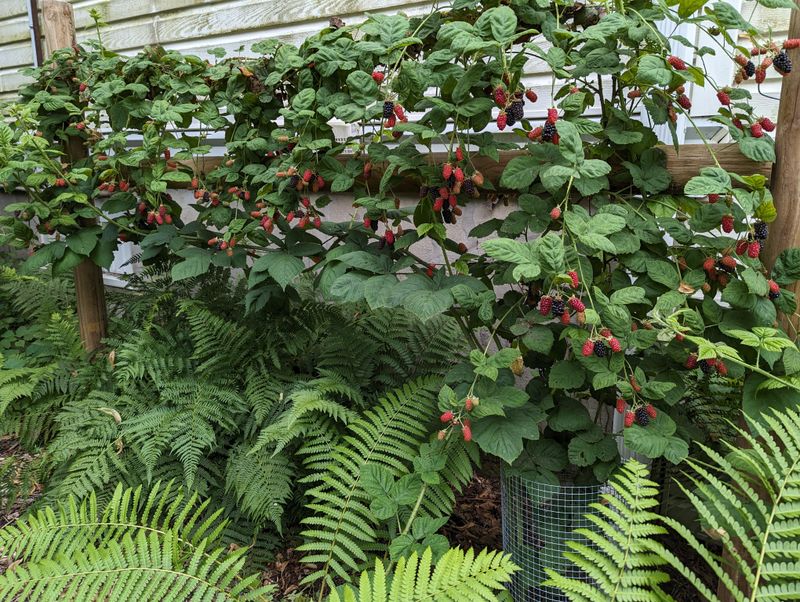
Watch marionberry canes grow without support and you’ll see them sprawl across the ground in tangled masses that make harvesting frustrating and reduce fruit quality.
The plants naturally want to trail like their wild blackberry ancestors, but providing vertical support transforms production dramatically.
A simple trellis system consists of sturdy posts set eight to ten feet apart with three horizontal wires stretched between them at different heights. The lowest wire sits about two feet off the ground, the middle wire at four feet, and the top wire at six feet.
This configuration allows you to train canes upward as they grow, spreading them evenly across the wire framework.
Supported canes receive better air circulation, reducing disease pressure in our humid climate where fungal issues can develop quickly on ground-level foliage. Berries hanging from trellised canes stay cleaner, ripen more evenly with better sun exposure, and become much easier to spot and harvest.
You’ll also notice larger berry size on well-supported plants compared to ground-sprawling ones.
The trellis structure makes seasonal pruning simpler too, since you can clearly see which canes are new growth versus old fruiting canes ready for removal.
Training canes onto wires as they develop takes minimal time during the growing season, just guiding new growth into position and securing it loosely with soft ties or clips designed for plant support.
7. Pruning = More Fruit, Less Mess
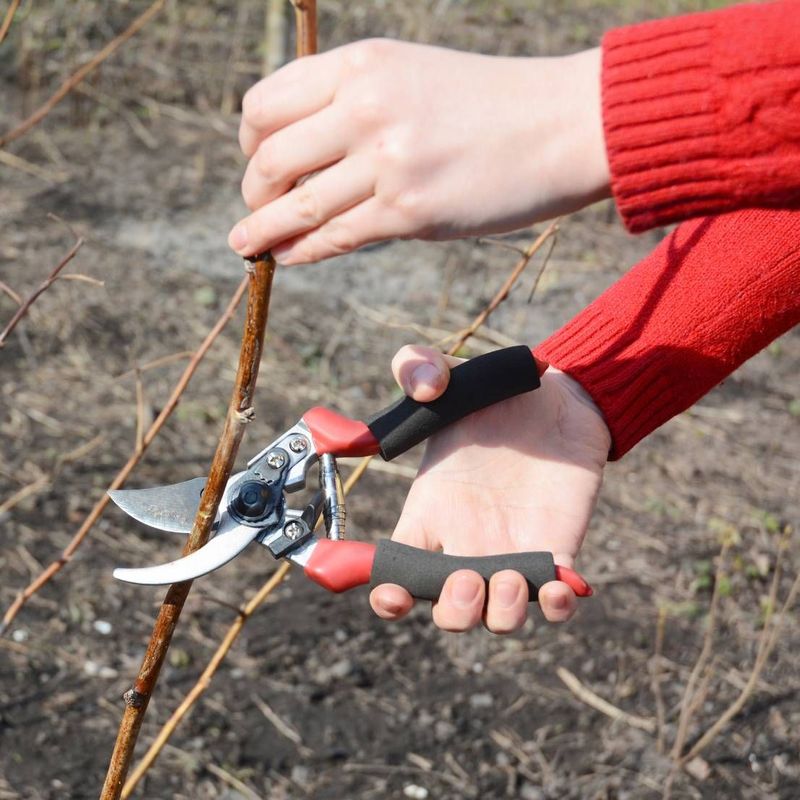
Late winter pruning sessions might seem like extra work, but they’re actually the secret to maintaining productive marionberry plants that don’t become thorny jungles.
Understanding the plant’s two-year fruiting cycle makes pruning logic clear and the process straightforward.
Marionberries produce fruit on second-year canes called floricanes. These canes grew during the previous season, overwintered, then flowered and fruited during the current summer.
Once they finish producing berries, these canes die and should be removed completely at ground level. Meanwhile, new canes called primocanes grow each season, preparing to become next year’s fruiting wood.
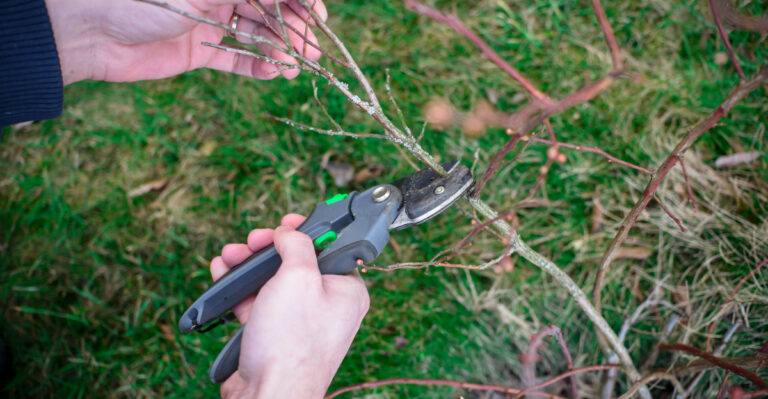
Your winter pruning removes all the withered floricanes that fruited last summer, cutting them flush with the ground. Then thin the new primocanes, keeping the five to eight strongest, healthiest canes per plant while removing weak or damaged growth.
This thinning concentrates the plant’s energy into fewer, more productive canes that produce larger, better-quality berries.
Skipping this annual pruning leads to overcrowded plants where old canes tangle with new growth, creating disease-prone thickets that produce smaller berries and make harvesting miserable.
The pruning session takes maybe thirty minutes per plant once yearly, but the payoff in improved production and easier management lasts all season.
Dispose of pruned canes rather than composting them to prevent disease carryover.
8. When And How To Harvest
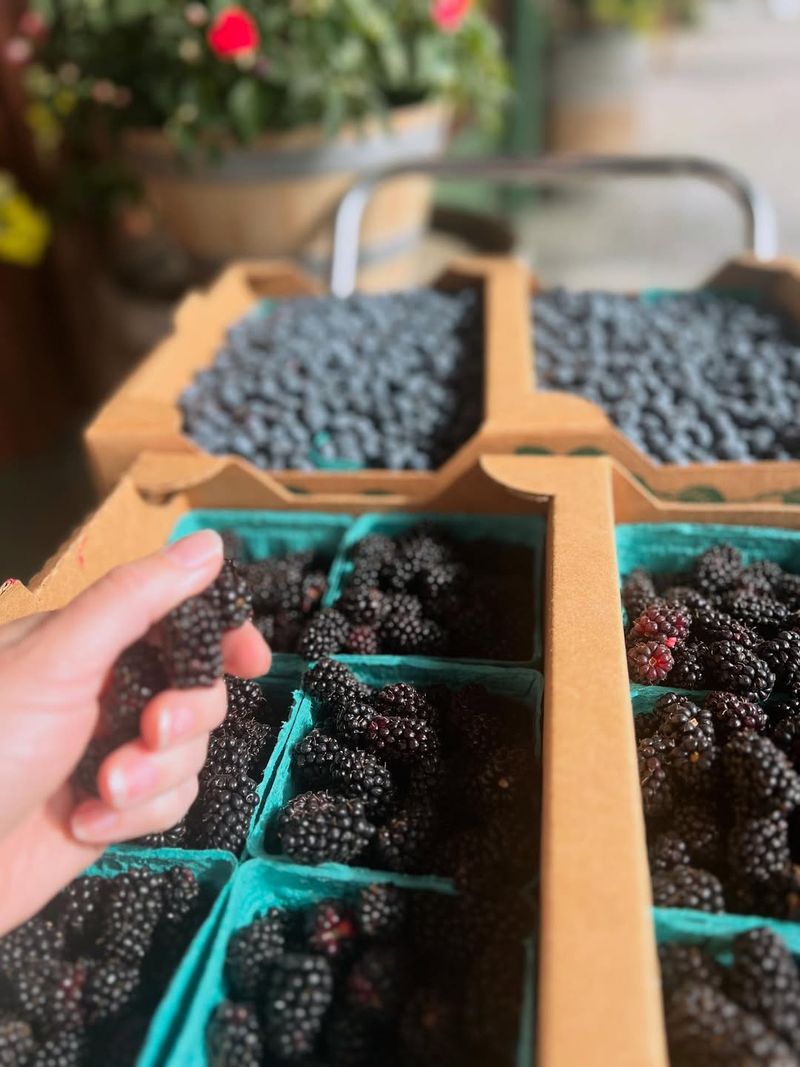
July mornings bring the reward for all your marionberry care when berries start ripening in waves across your trellis.
Knowing exactly when to pick makes the difference between good berries and exceptional ones, since marionberries continue developing flavor even after they look ripe.
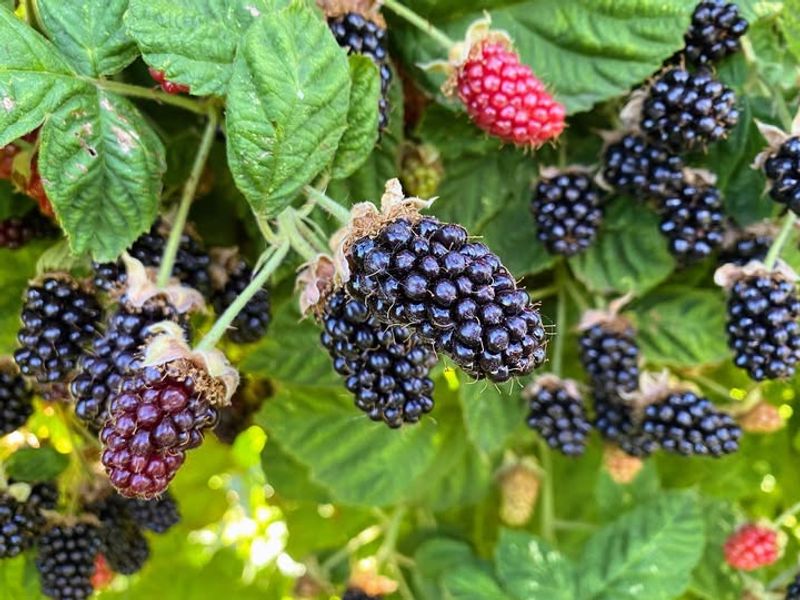
Color change from red to deep purple-black signals approaching ripeness, but wait another day or two after berries reach full color. Truly ripe marionberries release easily from the plant with gentle pulling, practically falling into your hand.
If you’re tugging to remove berries, they’re not quite ready despite looking dark. That extra day or two on the vine concentrates sugars and develops the complex flavor marionberries are famous for.
Harvest every two to three days during peak season since berries ripen in succession rather than all at once. Morning picking works best after dew dries but before afternoon heat, when berries are cool and firm.
Use shallow containers that prevent berries at the bottom from getting crushed by layers above them.
Handle marionberries gently since they’re softer than regular blackberries despite their firmer texture. Sort through your harvest, removing any overripe or damaged berries before refrigerating the rest.
Fresh marionberries keep about three days refrigerated, but most gardeners process or freeze extras quickly to preserve that peak-season flavor for year-round enjoyment.
9. From Garden To Jam Jar
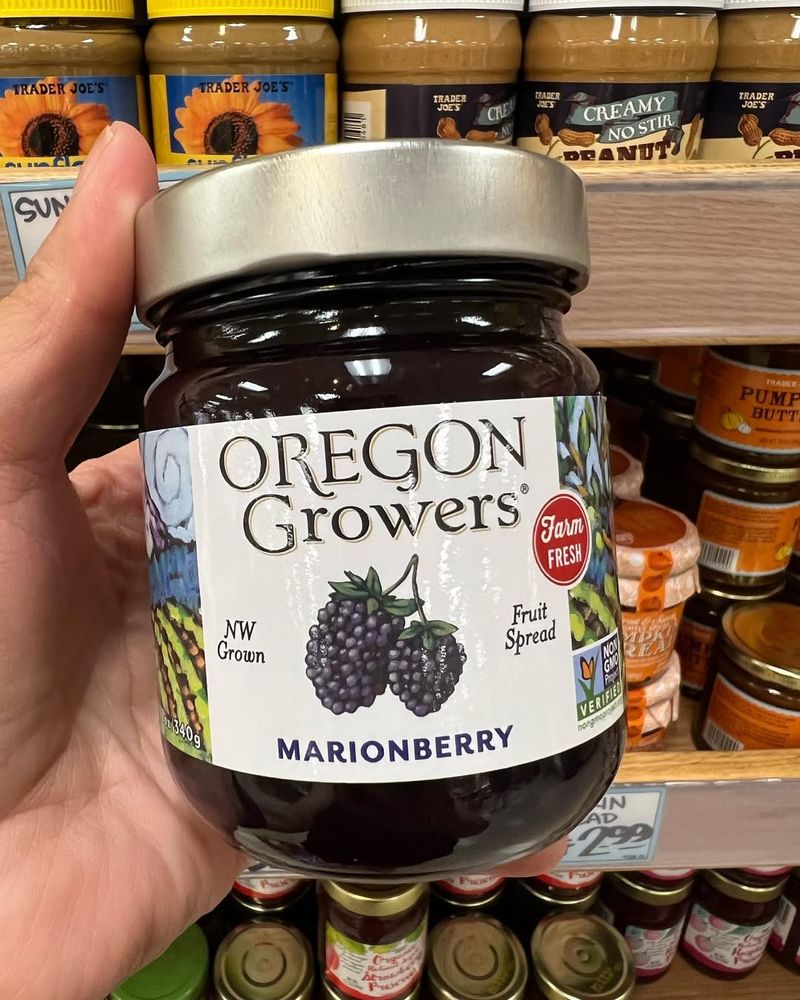
A productive marionberry plant quickly produces more berries than most families can eat fresh, which is exactly when the real fun begins.
These berries were practically designed for preservation, maintaining their distinctive flavor through freezing, canning, and baking better than almost any other berry variety.
Freezing marionberries requires minimal effort and preserves them beautifully for later use. Spread unwashed berries in a single layer on baking sheets, freeze until solid, then transfer to freezer bags.
This method prevents berries from clumping into unusable masses while protecting their shape and flavor for up to a year. Rinse frozen berries just before using them.
Marionberry jam has achieved legendary status across the Pacific Northwest for good reason. The berries contain enough natural pectin that jam sets reliably without requiring excessive added pectin or sugar.
The resulting preserve captures that complex marionberry flavor in concentrated form, spreading beautifully on morning toast or serving as filling for pastries and desserts throughout winter months.
Pies, cobblers, and crisps showcase marionberries exceptionally well since the berries hold their shape during baking while releasing enough juice to create perfect filling consistency.
Many bakers consider marionberry pie superior to other berry pies, with deeper flavor and better texture.
The berries also make excellent additions to smoothies, syrups, and sauces that extend your harvest enjoyment well beyond the summer picking season.