The One Big Mistake Pennsylvania Gardeners Make With Lavenders In Spring
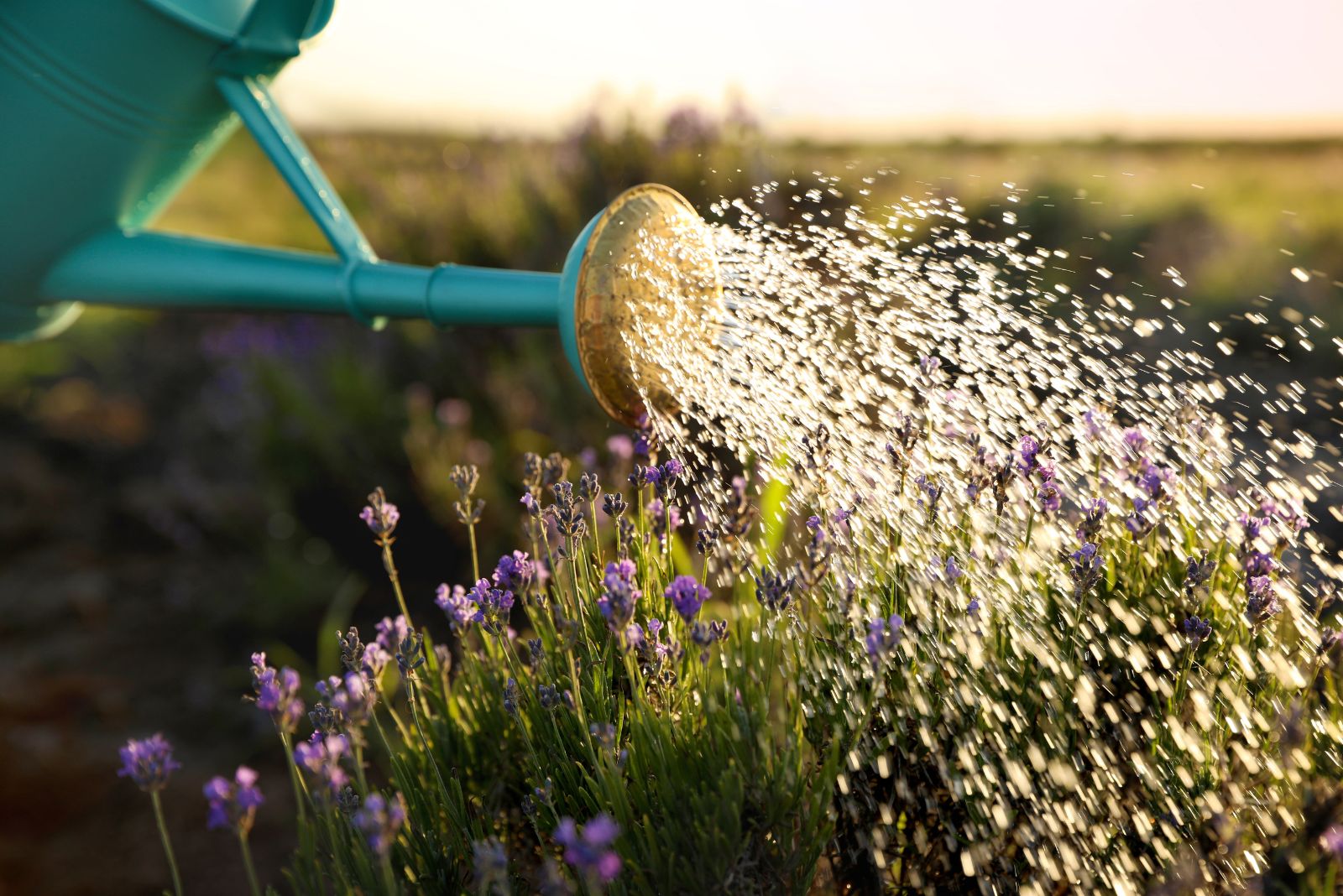
If you’ve planted lavender in your Pennsylvania garden, you know how rewarding it can be. Its vibrant color and soothing fragrance are hard to beat.
But there’s one big mistake that many gardeners make in spring that can leave their lavender struggling. It’s not about the sun or the soil, but rather how they treat it after the winter chill fades.
The urge to cut back lavender early in the season is strong, but this common mistake can harm the plant rather than help it thrive.
In Pennsylvania, where weather can be unpredictable, trimming lavender at the wrong time can interfere with its growth cycle. Lavender needs a little patience before being pruned, and jumping the gun could mean fewer blooms or even stunted growth.
Understanding the right timing and how to care for your lavender in spring can make all the difference. Avoid this simple mistake, and you’ll enjoy healthy, blooming lavender all season long.
The One Big Mistake: Overwatering In Spring
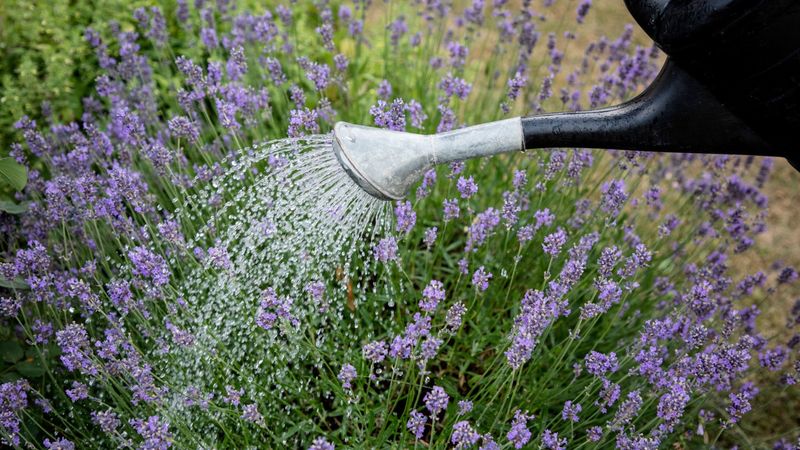
Walk through almost any Pennsylvania garden in spring, and you will likely spot at least one lavender plant that is not doing so well. The stems look sad, the leaves are a dull color, and the plant just does not seem happy.
Nine times out of ten, the cause is too much water. Overwatering is the single biggest mistake Pennsylvania gardeners make with lavender in spring, and it is incredibly easy to do without even noticing.
Lavender originally comes from the dry, sunny hillsides of the Mediterranean region. It is built to handle drought and dry spells, not the cool, wet springs that Pennsylvania is known for.
When gardeners add extra watering on top of already rainy spring conditions, the soil stays wet for too long. That excess moisture creates the perfect conditions for root rot to set in.
Root rot is a serious problem. It attacks the roots of the plant and stops them from absorbing the nutrients the lavender needs to grow.
Once root rot takes hold, it can spread quickly and is very hard to reverse. Many gardeners do not even know it is happening until they notice the plant looking weak or wilted.
Spring rains in Pennsylvania can be heavy and frequent, especially in April and May. If you are adding extra water on top of that natural rainfall, you are likely giving your lavender far more moisture than it needs or wants.
The good news is that this mistake is completely avoidable once you understand what lavender actually needs to thrive in your Pennsylvania garden.
Why Overwatering Is So Dangerous For Lavender?
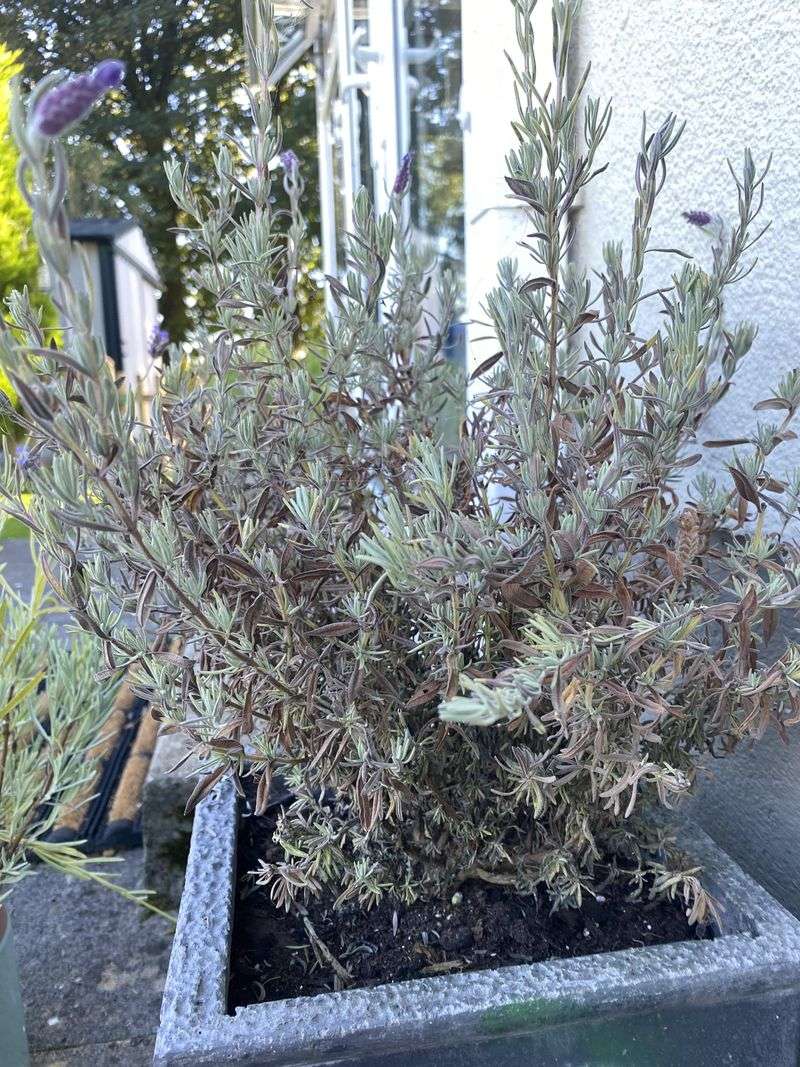
Lavender is not like most of the other plants you might grow in your Pennsylvania garden. Most flowering plants enjoy regular watering and moist soil.
Lavender, on the other hand, absolutely prefers dry conditions. This is because it evolved in the Mediterranean, where summers are hot and dry and the soil drains very quickly after rain.
Planting lavender in Pennsylvania already requires some adjustments, and watering is one of the biggest ones to get right.
Pennsylvania’s spring season is cool and wet, which is basically the opposite of what lavender loves. The ground takes longer to dry out after rain, and cloudy days mean less sunlight to help evaporate extra moisture.
This creates a soggy environment that lavender roots simply cannot handle well. Roots need oxygen to stay healthy, and when soil stays wet, air pockets in the soil fill up with water instead.
When lavender roots are deprived of oxygen, they start to break down. This is what leads to root rot, a condition where the roots become dark, mushy, and unable to function.
A plant with rotting roots cannot pull up water or nutrients properly, which is deeply ironic because the overwatering meant to help the plant is actually what harms it.
Fungal organisms also love wet soil, and they can quickly move in and make things worse. In Pennsylvania’s humid spring climate, these conditions develop faster than many gardeners expect.
Understanding why lavender reacts so badly to excess moisture is the first step toward giving your plants the care they actually need to stay strong and healthy throughout the growing season.
How Overwatering Affects Lavender In Spring?
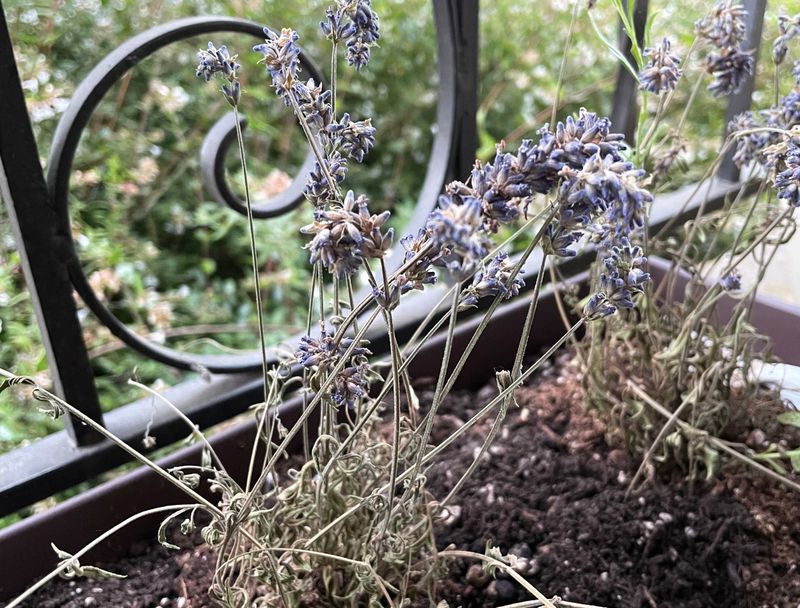
Spotting the signs of overwatering early can save your lavender plant before things get too serious. The tricky part is that some of the symptoms look a lot like signs of underwatering, which can confuse even experienced Pennsylvania gardeners.
Knowing what to look for makes a huge difference when you are trying to figure out what is going wrong.
Yellowing leaves are one of the first signs that something is off. When lavender gets too much water, the leaves start to lose their silvery green color and turn yellow or pale.
The plant may also look wilted and droopy even though the soil around it is clearly wet. This is a strong clue that the roots are struggling and not absorbing moisture the way they should be.
Blackening at the base of the stems is another serious warning sign. This usually means fungal rot has already started setting in.
If you notice this in your Pennsylvania garden, it is time to act quickly. You may need to pull the plant, trim away the affected roots, and replant it in drier soil with better drainage.
Powdery mildew is another fungal problem that shows up on lavender when conditions are too damp. It looks like a white or gray powder coating the leaves and stems.
While it is not always fatal, it does weaken the plant and makes it look unhealthy. Pennsylvania springs create ideal conditions for powdery mildew to develop, especially when combined with frequent watering.
Keeping an eye on your plants throughout April and May will help you catch these problems before they get out of hand.
What To Do Instead: Proper Watering Techniques
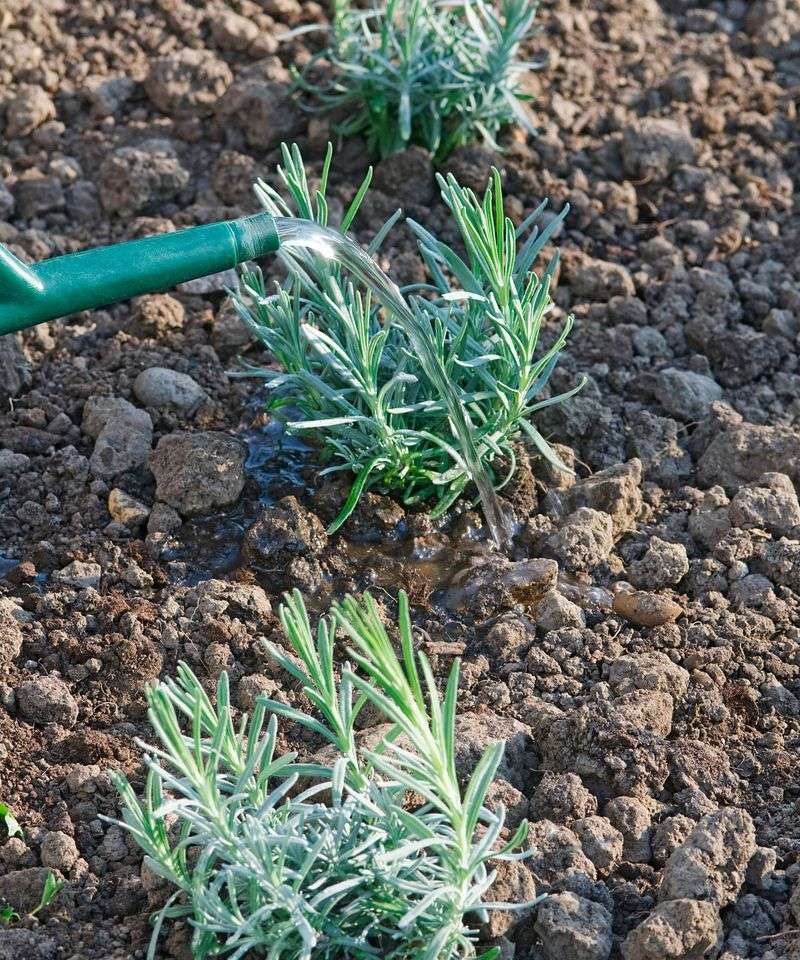
Good news: fixing your watering routine does not require a lot of effort or expensive equipment. A few simple changes to how and when you water your lavender can make a dramatic difference in the health of your plants.
Pennsylvania gardeners who switch to smarter watering habits often see their lavender perk up and bloom much more beautifully throughout the season.
The most important rule is to water deeply but infrequently. Instead of giving your lavender a little bit of water every day or every other day, water it thoroughly and then wait.
Deep watering encourages the roots to grow downward into the soil, which makes the plant stronger and more resilient. Shallow, frequent watering keeps the roots near the surface, where they are more vulnerable to both wet and dry conditions.
Before you reach for the watering can, always check the soil first. Stick your finger about two inches into the soil near the base of the plant.
If the soil still feels moist, put the watering can away and check again in a day or two. Only water when the soil feels dry.
In Pennsylvania’s rainy spring months, you may find that natural rainfall takes care of most of your lavender’s watering needs on its own.
Using a drip irrigation system or soaker hose is a smart upgrade for any Pennsylvania lavender garden. These tools deliver water directly to the base of the plant at a slow rate, which reduces pooling and keeps the leaves and stems dry.
Wet leaves can encourage fungal growth, so keeping water away from the foliage is always a good habit when growing lavender.
How To Improve Drainage To Prevent Overwatering?
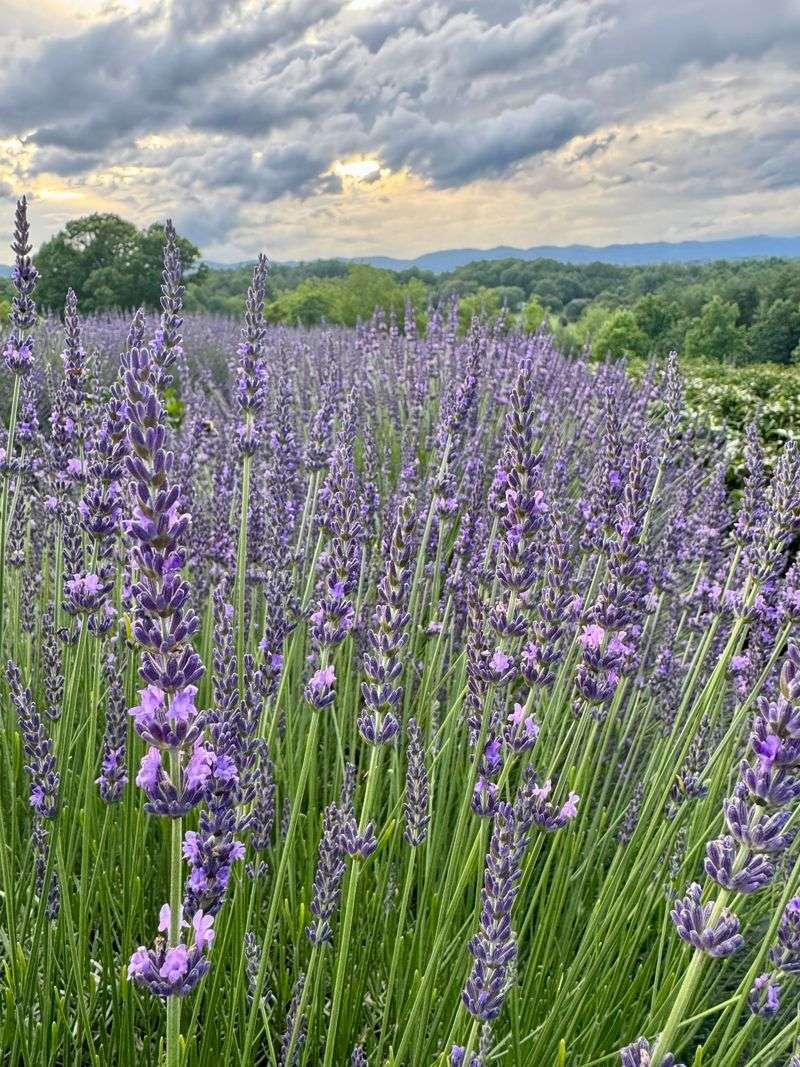
Even if you water your lavender perfectly, poor soil drainage can still cause problems. In many parts of Pennsylvania, the natural soil is heavy with clay, which holds onto water for a long time.
Lavender planted directly in clay-heavy soil is at a serious disadvantage, no matter how carefully you manage your watering schedule. Improving your soil is one of the best investments you can make for your lavender garden.
Adding coarse sand, perlite, or small gravel to your planting area helps break up dense soil and creates space for water to drain through more quickly. A good mix for lavender is roughly one-third native soil and two-thirds amendment material.
This gives the roots the loose, airy environment they need to stay healthy through Pennsylvania’s wet spring months. Work the amendment material into the soil at least 12 inches deep for best results.
Raised beds are another excellent option for Pennsylvania lavender growers. When you plant lavender in a raised bed, you have complete control over the soil mix.
You can fill it with the ideal blend of sandy, fast-draining material from the very start. Raised beds also warm up faster in spring, which lavender loves, and they shed excess rainwater naturally because of their elevation above the surrounding ground.
Container gardening is another great solution, especially if your yard has particularly poor drainage. Choose a pot with several drainage holes at the bottom and use a well-draining potting mix designed for Mediterranean plants.
Just make sure containers are not sitting in trays filled with standing water. Elevating pots slightly off the ground can also help water drain freely and keep your Pennsylvania lavender plants healthy all spring long.
Protect Your Lavender With Better Watering Practices
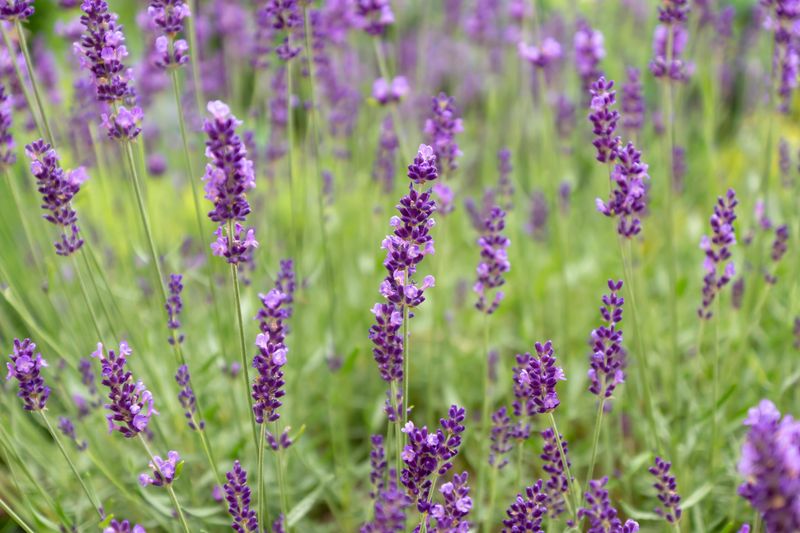
Lavender is a tough, resilient plant when it is given the right conditions. Pennsylvania gardeners who take the time to learn what lavender truly needs will be rewarded with gorgeous purple blooms and that amazing, calming fragrance that makes this plant so beloved.
The key is respecting lavender’s nature rather than treating it like every other plant in your garden.
Monitoring the weather is a habit every Pennsylvania lavender gardener should develop in spring. Before you water, check the forecast.
If rain is expected in the next day or two, skip the watering session and let nature do the work. During particularly wet weeks in April or May, you may not need to water your lavender at all.
Letting the soil dry out between rain events is one of the simplest ways to keep your plants happy.
Mulching around your lavender with gravel or small stones instead of wood chips can also help. Gravel mulch reflects heat, keeps the crown of the plant dry, and helps the soil surface dry out faster between waterings.
Wood chip mulch, while great for many plants, tends to hold moisture and can encourage the kind of damp conditions that lavender dislikes.
Healthy lavender plants produce more flowers, stronger stems, and a richer fragrance that can fill your whole Pennsylvania garden with scent from late spring through summer.
By avoiding the common trap of overwatering and making a few smart adjustments to your soil and watering routine, you give your lavender the best possible chance to flourish. Your garden, your nose, and your lavender plants will all be much better off for it.