The One Clear Sign A Coyote Passed Through Your North Carolina Yard Without You Noticing
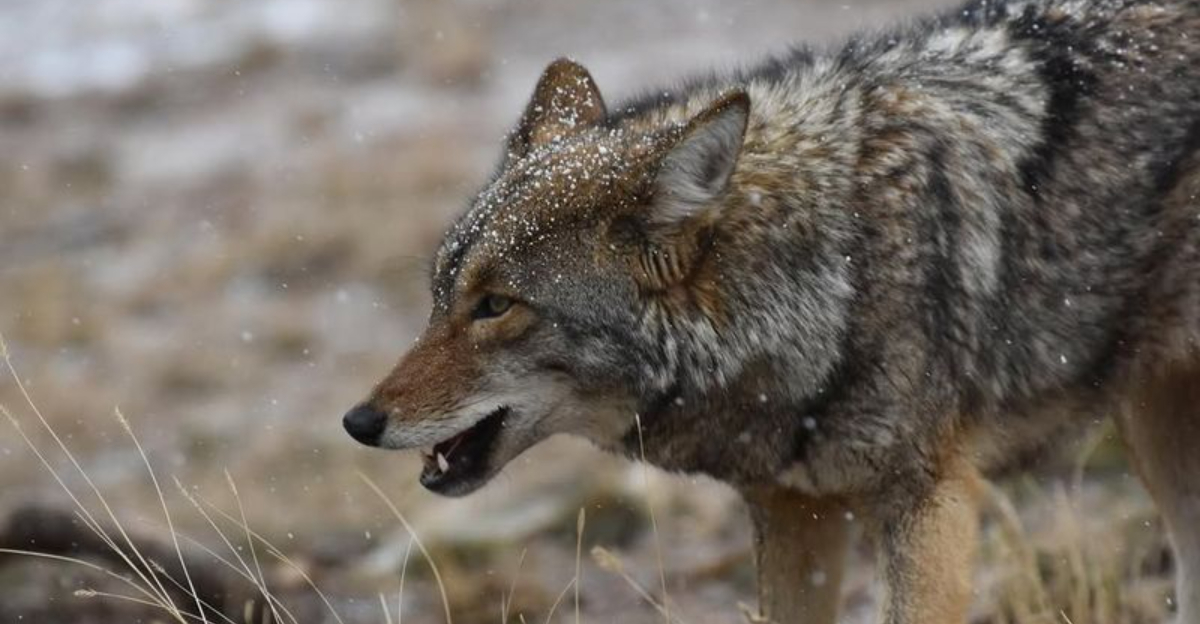
Coyotes are clever, quiet, and perfectly adapted to suburban life in North Carolina.
They slip through yards under the cover of night, often leaving no trace—until you know exactly what to look for.
These adaptable predators can patrol your property without ever being seen, hunting small animals, scavenging, or simply passing through on their nightly rounds.
Coyotes are out there—and chances are, you might not even realize it.
The one unmistakable sign a coyote has visited isn’t paw prints, noise, or broken fences—it’s a combination of scat patterns, track shapes, and subtle landscape clues that even experienced homeowners might overlook.
Knowing this single indicator can alert you to their presence before any harm occurs to pets or property.
Miss it, and you could be sharing your yard with a visitor you didn’t invite.
For North Carolina residents, spotting coyotes early helps you take steps to protect your garden, pets, and peace of mind.
Awareness, preparation, and observation are the keys to coexistence in areas where these stealthy predators roam.
Coyotes leave a signature—if you know how to read it, you’ll always be one step ahead.
The Subtle Clue Most North Carolina Homeowners Overlook
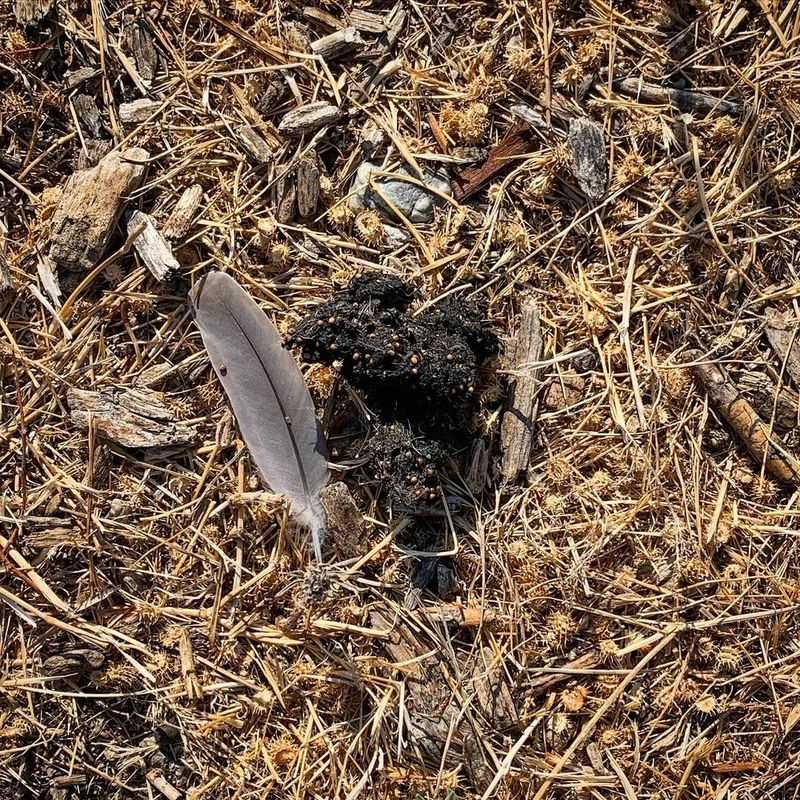
Coyote scat stands out as the primary evidence these clever canines leave behind when they traverse residential properties.
Unlike other traces that fade quickly or get washed away, droppings remain visible for days and provide concrete proof of a recent visit.
Most homeowners walk right past this clue without recognizing what it represents, mistaking it for something left by neighborhood dogs.
The droppings typically measure between three to four inches long and appear tubular with tapered ends that distinguish them from domestic dog waste.
What makes coyote scat particularly identifiable is its content, which often includes fur, bone fragments, seeds, and insect parts depending on recent meals.
North Carolina coyotes have diverse diets that change seasonally, so their droppings reflect whatever food sources are currently abundant in the area.
Fresh scat appears dark and moist, while older specimens turn whitish or gray as they dry out under the sun.
Texture varies considerably based on what the coyote consumed, ranging from loose and fibrous when they’ve eaten berries to more compact when they’ve caught small mammals.
Recognizing this sign helps you understand wildlife movement patterns around your property without needing expensive cameras or tracking equipment.
Once you know what to look for, spotting this evidence becomes second nature during your regular yard maintenance routines.
Why Coyotes Leave This Sign Even When They’re Never Seen

Coyotes possess incredibly cautious natures that keep them hidden from human eyes, yet their biological needs make leaving droppings unavoidable.
These animals are primarily nocturnal in populated areas, conducting their travels during hours when most residents are fast asleep indoors.
Their exceptional hearing and keen sense of smell allow them to detect human presence from remarkable distances, prompting them to alter routes or freeze until danger passes.
Despite their stealth, coyotes must relieve themselves regularly just like any other mammal, and they often do so while marking territory boundaries.
Strategic placement of scat serves as communication between coyotes, conveying messages about territory claims, reproductive status, and individual identity to other members of their species.
Yards located near wooded areas, creeks, or greenways become natural pathways for coyotes moving between hunting grounds and den sites.
Your property might simply lie along an established route that coyotes have used for years, long before houses appeared in the neighborhood.
The animals move with remarkable efficiency, spending minimal time in any single yard to reduce detection risks while still accomplishing their territorial marking.
Even brief visits lasting just minutes provide enough opportunity for a coyote to leave behind this telltale evidence.
Understanding their need for stealth explains why you’ll find proof of their presence without ever hearing or seeing the actual animal.
How This Sign Is Different From Dogs, Foxes, And Other Wildlife

Distinguishing coyote scat from other animal droppings requires attention to specific characteristics that become obvious once you know the differences.
Domestic dog waste typically appears more uniform in texture and color because dogs eat processed commercial food with consistent ingredients.
Coyote droppings contain visible remnants of wild prey including fur tufts, small bone chips, insect exoskeletons, and plant materials that create a rougher, more varied appearance.
Fox scat looks similar but tends to be smaller and thinner, usually measuring less than two inches in length with more pronounced twisting.
Raccoon droppings are often found in concentrated latrines rather than scattered individually, and they have blunt ends rather than the tapered points characteristic of canine scat.
Bobcat and other feline droppings are typically segmented and may be partially buried, reflecting cats’ instinct to cover their waste.
The rope-like appearance of coyote scat with its twisted, cord-like texture sets it apart from the more uniform logs left by dogs.
Size matters too, as coyote droppings fall between those of foxes and large domestic dogs, reflecting the coyote’s intermediate body size.
Location provides additional clues since coyotes often deposit scat on elevated spots like rocks, stumps, or trail intersections where the scent carries farther.
Learning these distinctions transforms you into a backyard detective capable of identifying exactly which wildlife species have been visiting your property.
Where This Sign Usually Appears In North Carolina Yards
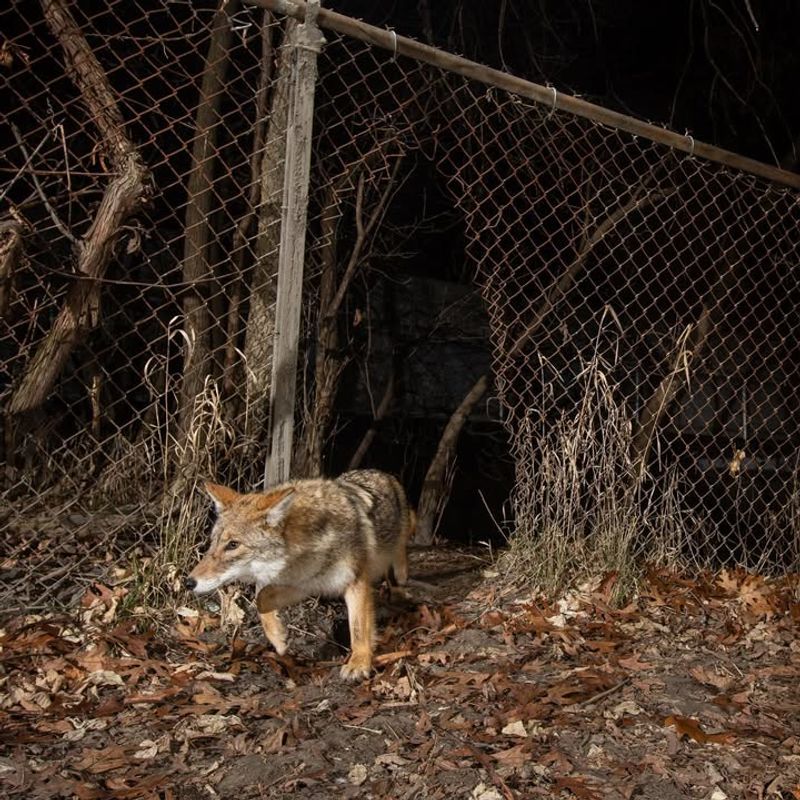
Coyotes follow predictable patterns when moving through residential areas, favoring routes that offer cover while providing quick escape options.
Property edges near fence lines become natural highways for these animals because boundaries offer visual barriers and often include overgrown vegetation for concealment.
You’ll frequently find scat along the perimeter of yards rather than in open central lawn areas where coyotes feel exposed and vulnerable.
Spots where your property borders wooded areas, streams, or undeveloped land serve as prime locations since coyotes use these natural corridors for safe passage.
Elevated features like landscaping rocks, tree stumps, or small hillocks attract coyotes as scent-marking stations because elevation helps their messages travel farther.
Driveways and pathways sometimes contain droppings because these cleared routes provide easy walking surfaces that coyotes appreciate just as much as humans do.
Areas near sheds, decks, or other structures might show evidence if these spots offer shelter or if small prey animals hide there.
Yards with fruit trees, vegetable gardens, or bird feeders often see more coyote activity because these features attract rodents and other small animals that coyotes hunt.
Properties situated near golf courses, parks, or greenways experience higher visitation rates since these spaces provide safe daytime resting spots.
Checking these specific locations during your regular yard inspections increases your chances of discovering evidence considerably.
Why You’re More Likely To Spot It After Rain Or Frost
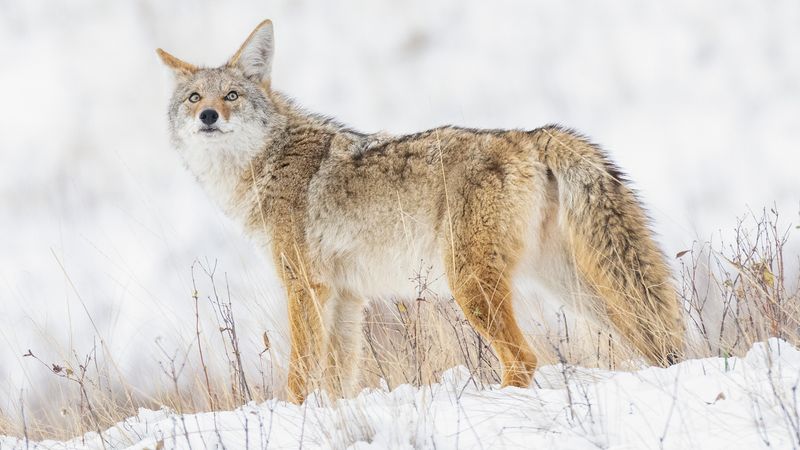
Weather conditions dramatically affect your ability to notice coyote scat, with certain atmospheric events making evidence far more conspicuous.
Rain darkens droppings and makes them stand out against lighter-colored grass, gravel, or pavement, creating visual contrast that catches your eye.
Moisture also softens older scat that had dried and crumbled, temporarily restoring a fresher appearance that looks more obvious during yard inspections.
Frost creates a similar effect by coating everything with white crystals except for droppings, which retain enough warmth or density to remain darker and more visible.
Morning dew produces comparable results, making organic materials like scat appear glossier and more prominent against matte-finished grass blades.
These weather events also encourage homeowners to spend more time examining their yards, checking for storm damage or admiring frost patterns, which increases discovery chances.
Coyotes themselves become more active after rain because their prey emerges to forage, and wet ground muffles footsteps, making hunting easier.
Increased activity naturally leads to more droppings being deposited during these periods, so there’s simply more evidence available to find.
Muddy conditions preserve tracks alongside scat, providing additional confirmation that a coyote visited rather than another animal.
Taking advantage of these ideal viewing conditions means scheduling yard checks on mornings following rainfall or overnight temperature drops for maximum success.
What This Sign Reveals About Why The Coyote Was There
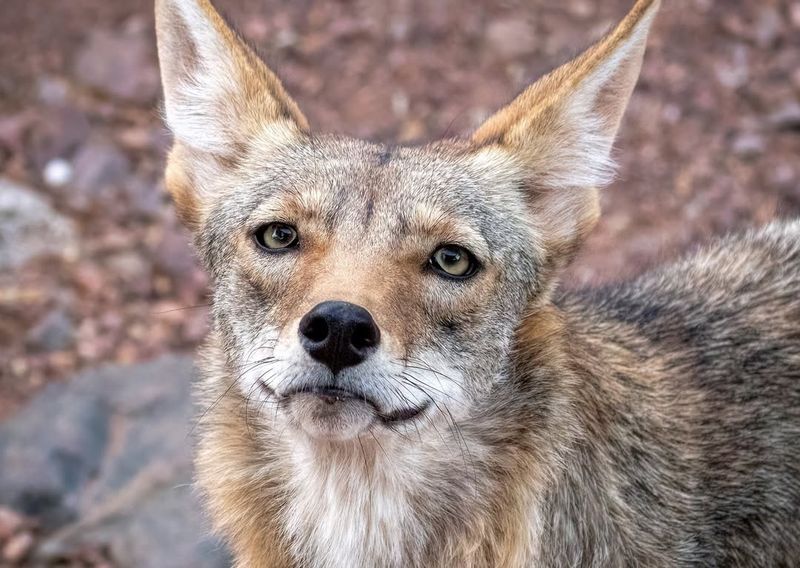
Analyzing scat contents provides fascinating insights into exactly what attracted a coyote to your specific property and what it was seeking.
Droppings filled with berry seeds and plant material indicate the coyote was foraging for seasonal fruits, which happens frequently during late summer and fall.
Scat containing rodent fur suggests your yard hosts mice, voles, or rats that drew the predator’s attention as potential meals.
Presence of insect parts, especially during warmer months, shows coyotes supplementing their diet with beetles, grasshoppers, and other abundant invertebrates.
Bird feathers mixed into droppings reveal that ground-nesting birds or chickens might be attracting unwanted attention from these opportunistic hunters.
Sometimes scat appears near trash cans, compost bins, or outdoor pet food bowls, clearly indicating what resource tempted the animal onto your property.
Fresh scat deposited repeatedly in the same general area suggests the coyote considers your yard part of its regular patrol route rather than a random stop.
Multiple droppings found close together might indicate a coyote spent extended time hunting successfully or consumed a large meal nearby.
Understanding these clues helps you identify and remove attractants, making your property less appealing for future visits.
Knowledge transforms simple droppings into valuable data that guides your wildlife management decisions effectively.
When This Sign Suggests A Coyote May Return

Certain patterns in scat placement and frequency signal whether a coyote views your yard as prime territory worth revisiting regularly.
Finding droppings in the exact same spot on multiple occasions indicates deliberate scent-marking behavior that establishes territorial boundaries.
Coyotes refresh these markers periodically, so repeated evidence suggests your property lies within an actively maintained territory.
Fresh scat appearing weekly or even more frequently demonstrates consistent patrol routes that the animal follows as part of its routine.
Multiple deposit sites scattered across your property indicate thorough exploration rather than simple pass-through travel, suggesting the coyote finds your yard particularly interesting.
Breeding season from January through March intensifies marking behavior as coyotes establish and defend territories for raising pups.
During this period, finding frequent fresh scat strongly suggests a pair has claimed your neighborhood as part of their breeding territory.
Conversely, a single isolated dropping discovered once might represent a transient coyote simply passing through while exploring new areas.
Young coyotes dispersing from their birth packs during fall create temporary upticks in scat discoveries as they search for unclaimed territories.
Monitoring frequency over several weeks provides the clearest picture of whether you’re dealing with resident coyotes or occasional visitors.
What Homeowners Should Not Do When They Notice It
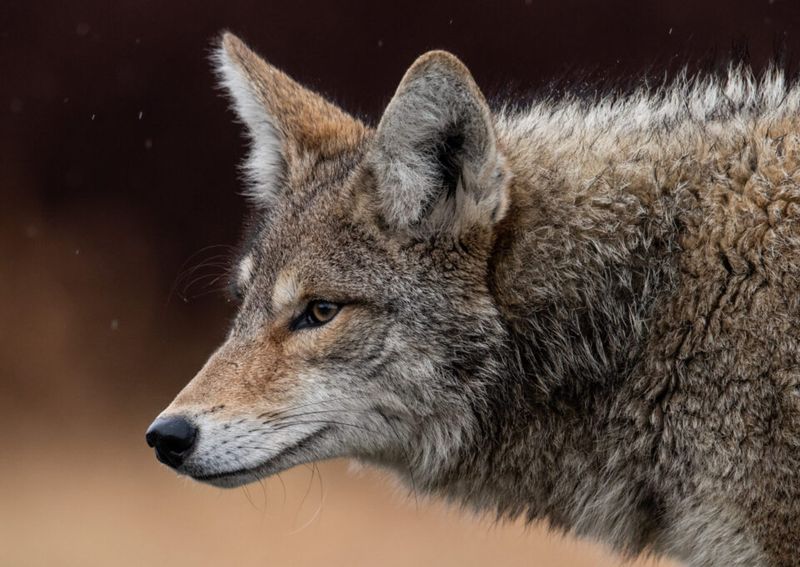
Discovering coyote evidence triggers various reactions, but certain common responses can actually worsen situations or create unnecessary problems.
Never attempt to approach, feed, or interact with a coyote if you happen to see one, as habituation to humans makes these animals bolder and potentially problematic.
Leaving pet food, garbage, or other attractants outside essentially invites return visits and teaches coyotes to associate your property with easy meals.
Removing scat with bare hands poses health risks since wild animal droppings can harbor parasites and bacteria harmful to humans.
Always use gloves, bags, or tools when cleaning up, and wash hands thoroughly afterward to prevent potential disease transmission.
Overreacting with aggressive deterrents like poison or traps creates legal issues, harms non-target animals, and doesn’t address why coyotes find your yard appealing.
Ignoring the evidence completely means missing opportunities to remove attractants before problems escalate or pets encounter dangers.
Panicking and keeping children or pets permanently indoors isn’t necessary since simple precautions allow safe coexistence with local wildlife populations.
Spreading misinformation or creating neighborhood hysteria damages community relationships and leads to harmful overreactions against beneficial predators.
Measured, informed responses work far better than extreme reactions when managing wildlife presence around your home.
How To Discourage Future Coyote Visits Without Harming Wildlife
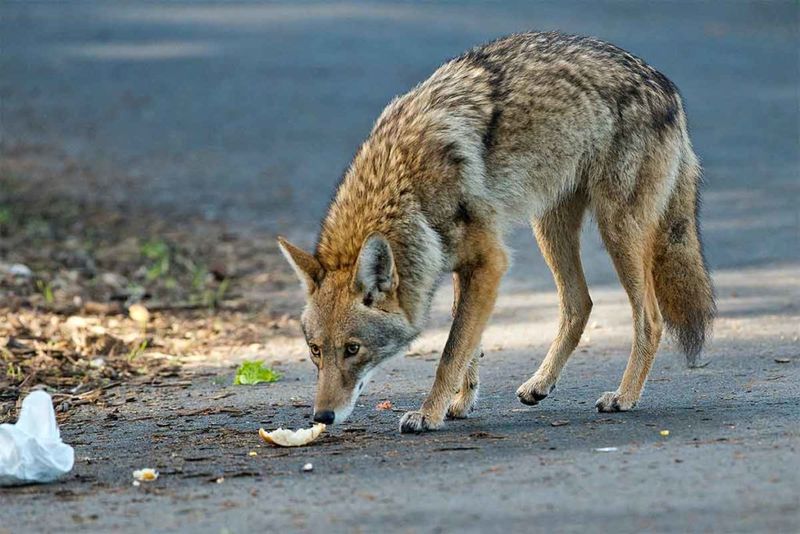
Coexisting with coyotes requires thoughtful strategies that make your property less attractive while respecting these important ecosystem members.
Securing garbage cans with tight-fitting lids or storing them in garages until collection day eliminates major food sources that draw coyotes into neighborhoods.
Removing fallen fruit from trees and cleaning up vegetable garden scraps prevents easy foraging opportunities that teach coyotes your yard offers rewards.
Bringing pet food bowls indoors immediately after feeding times ensures no tasty leftovers remain outside to tempt hungry visitors.
Installing motion-activated lights around property perimeters startles coyotes and makes them uncomfortable, encouraging them to choose darker routes elsewhere.
Trimming overgrown shrubs and clearing brush piles reduces cover that makes coyotes feel safe while traversing your property.
Building or repairing fences to at least six feet tall with buried barriers prevents easy access, though determined coyotes can still jump or dig.
Supervising pets during outdoor time, especially at dawn and dusk when coyotes are most active, prevents unfortunate encounters.
Using sprinkler systems or noise-makers when you spot coyotes teaches them that humans mean disruption, not danger, encouraging natural wariness.
These humane methods protect your property while allowing coyotes to continue their valuable role controlling rodent populations throughout North Carolina communities.