The One Gardening Task Pennsylvanians Should Never Skip In March
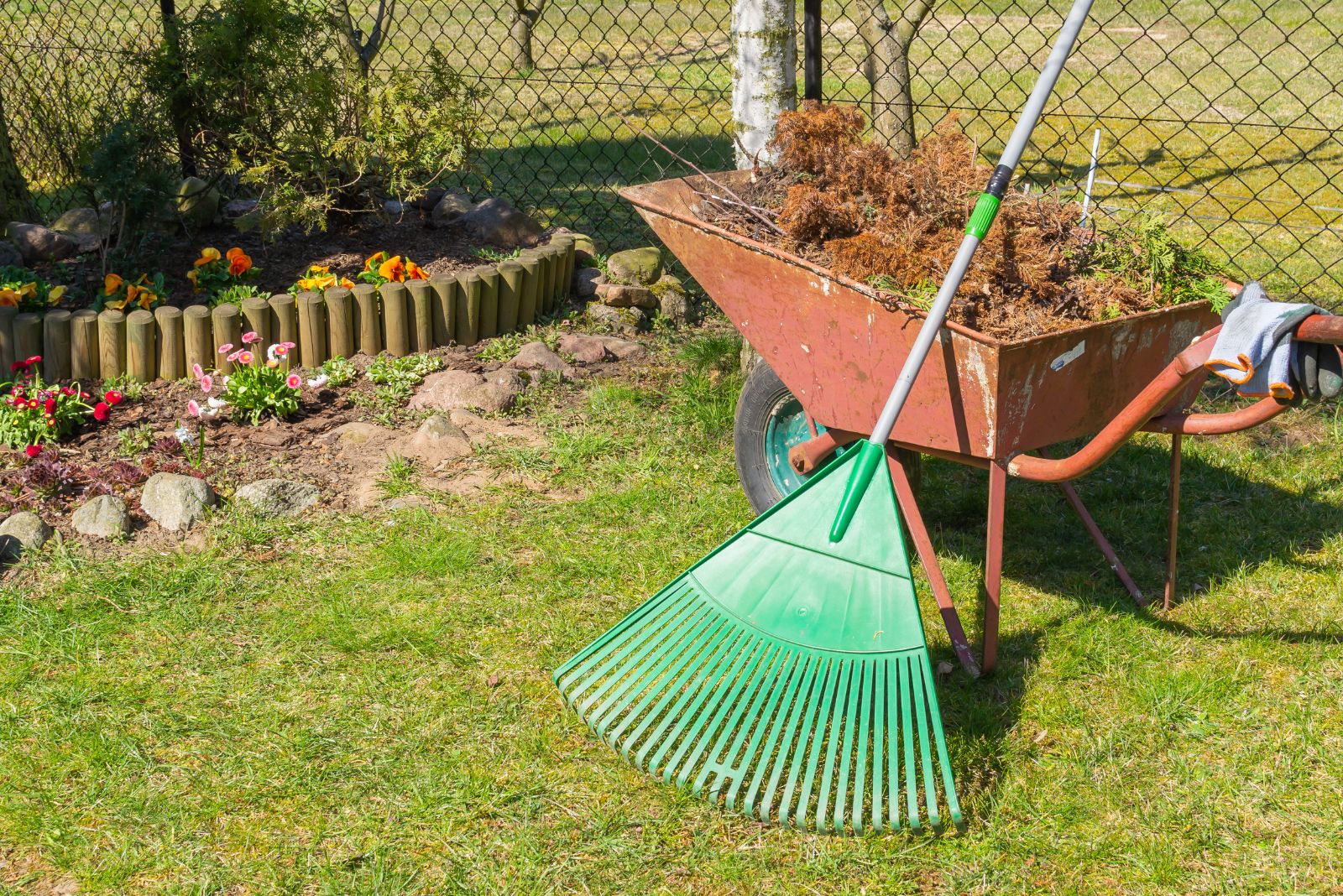
March in Pennsylvania feels like a fresh start. Snow melts away, the air softens, and tiny green shoots begin pushing through the soil.
After months of gray skies and frozen ground, it is tempting to jump straight into planting mode. But before adding new flowers or vegetables, there is one important job that deserves your attention.
Winter leaves behind more than just chilly memories. Fallen branches, soggy leaves, and leftover plant debris can pile up quietly in your yard.
If ignored, that buildup can block sunlight, trap excess moisture, and invite pests right when your garden is trying to wake up. Taking time to clear things out gives your plants breathing room and sets the stage for healthy growth.
A tidy garden bed helps soil warm up faster and allows new shoots to stretch without competition. It is a simple step, yet it makes a noticeable difference once spring fully settles in across Pennsylvania.
1. Why Cleaning Garden Beds In March Is So Important In Pennsylvania?
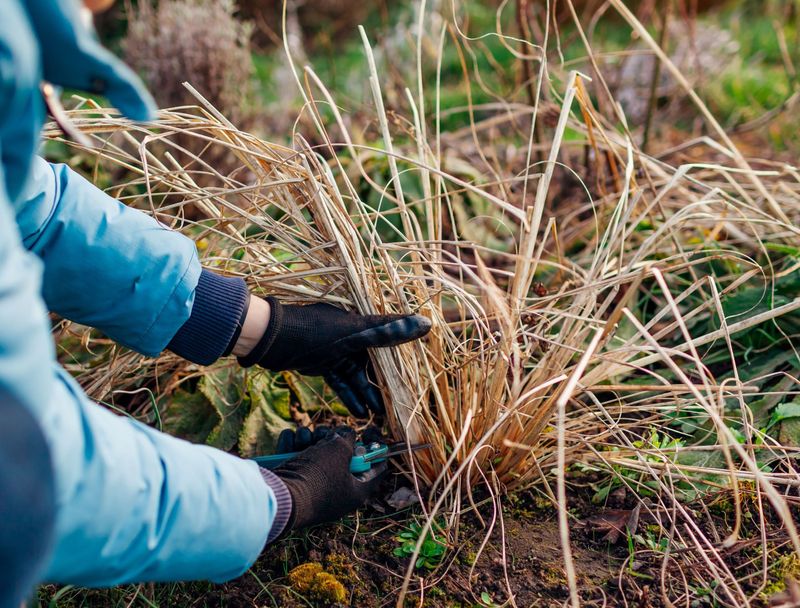
Pennsylvania gardeners know that March can feel like a tug-of-war between winter and spring. One day the ground is frozen solid, and the next it is soft enough to work with. That back-and-forth is exactly why this month matters so much for your garden beds.
Pennsylvania falls within USDA Hardiness Zones 5 through 7, which means the soil starts becoming workable in March. Many perennials and spring bulbs are already pushing up through the ground during this time.
If old leaves and debris are still piled on top, those emerging plants can struggle to get the light and air they need.
Pennsylvania springs are also famously wet. All that rain and moisture creates the perfect conditions for fungal diseases and pest problems to take hold. Cleaning your beds now stops those issues before they have a chance to spread.
Waiting until April or May means you are already behind. By then, weeds are growing fast, pests are active, and diseases may have already taken hold in your soil. A little cleanup in March saves you hours of frustrating work later in the season.
Think of March cleanup as laying the foundation for everything that comes next. Healthy, clear beds allow soil to warm up faster, give plants better airflow, and make it easier to add compost or fertilizer.
Gardeners across Pennsylvania who make this a yearly habit consistently see stronger, more beautiful gardens throughout the entire growing season. Starting early is always the smartest move.
2. Prevent Fungal Diseases Before They Start
Wet leaves sitting on garden soil are basically a welcome mat for fungal diseases. Pennsylvania springs bring plenty of rain and cool temperatures, and that combination is exactly what fungal spores love.
If last season’s leaf litter and dry plant material are still in your beds come March, you are giving those spores a cozy place to grow and spread.
Old debris can carry spores from diseases like powdery mildew, botrytis, and black spot. Those spores survive the winter tucked inside plant stems and decomposing leaves.
Once temperatures start creeping up in Pennsylvania, they become active again and can quickly infect your new spring growth before you even notice.
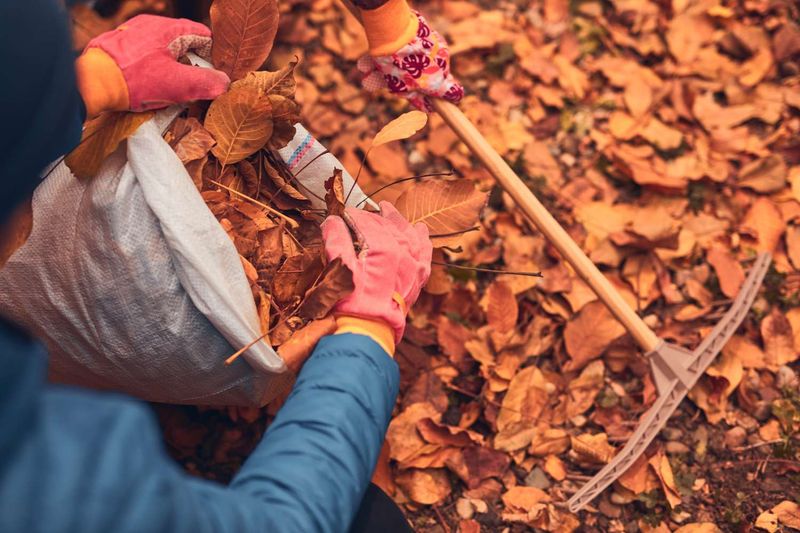
Removing matted leaves is one of the easiest and most effective things you can do. Grab a rake and clear out anything that has clumped together over the winter months.
Pay special attention to areas around roses, peonies, and other disease-prone plants that are common in Pennsylvania gardens.
Cutting back dry perennial stems is just as important. Those hollow stems can trap moisture and harbor fungal spores right at the base of your plants.
Snipping them down to a few inches above the soil gives your perennials a fresh, clean start.
Better airflow is one of the best natural defenses against fungal problems. When plants are crowded and surrounded by debris, moisture lingers and disease spreads easily.
Clearing your beds in March opens things up so air can move freely, helping leaves and soil dry out faster after rain. That simple step alone can make a huge difference in how healthy your Pennsylvania garden looks all season long.
3. Stop Overwintering Pests In Their Tracks
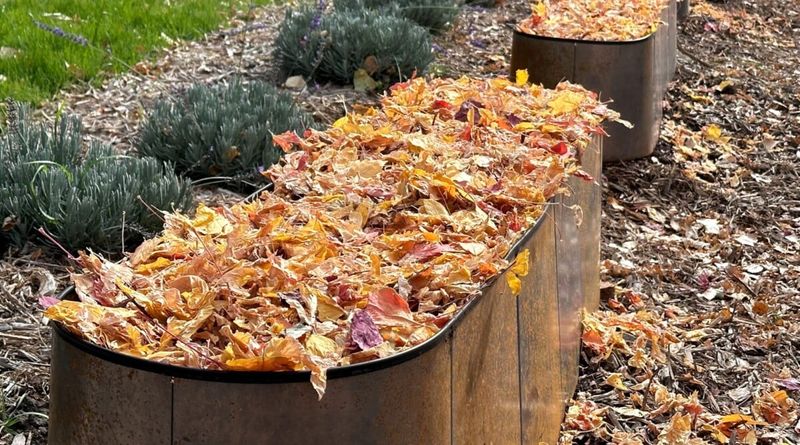
Slugs, aphid eggs, and a surprising number of other garden pests spend the entire winter hiding in your garden debris. They tuck themselves under thick layers of leaves, inside hollow stems, and deep in clumps of old mulch.
When Pennsylvania temperatures start warming up in March, those pests wake up hungry and ready to cause damage.
Early cleanup is one of the most powerful ways to reduce spring pest infestations. By removing thick debris layers before pests become fully active, you are taking away their hiding spots and exposing them to birds, cold snaps, and other natural threats.
It is a simple strategy that experienced Pennsylvania gardeners swear by every single year.
When you pull back old mulch, take a close look at what is underneath. Clusters of tiny round eggs, tunnels in the soil, or slimy trails are all signs that pests have been living in your garden over winter.
Catching these signs early lets you act before a small problem turns into a full-blown infestation by May.
Do not just toss infested material into your compost pile. Slugs and certain insect eggs can survive the composting process if the pile does not get hot enough. Bag up heavily infested debris and dispose of it with your regular trash instead.
Fresh mulch applied after cleanup also helps. A thin, clean layer discourages pests from settling back in while still protecting soil moisture and temperature.
Keeping that layer no more than two to three inches thick is a good rule of thumb for Pennsylvania gardens throughout the spring growing season.
4. Protect Spring Bulbs And Emerging Perennials
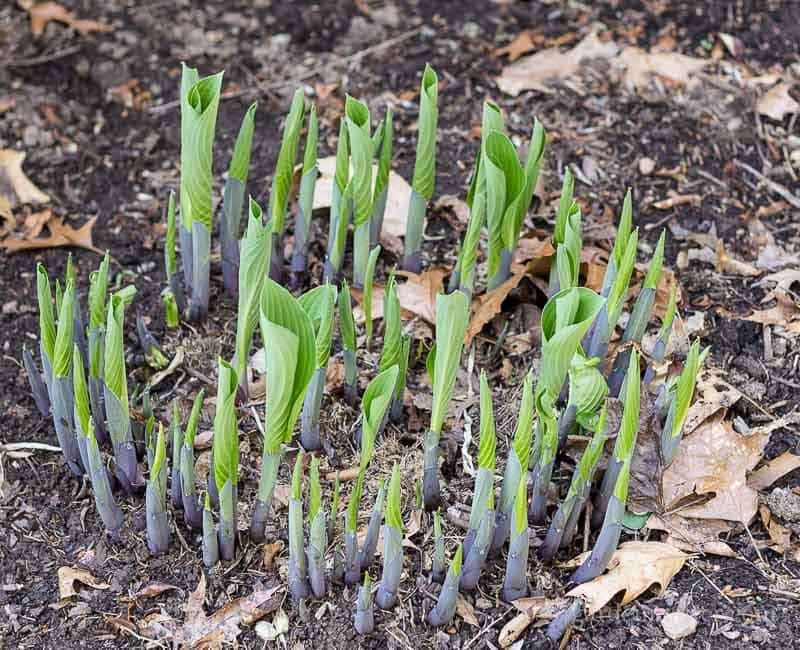
There is something genuinely exciting about spotting the first green tips of daffodils or tulips poking through the soil in March. Pennsylvania gardeners look forward to those little signs of life all winter long.
But if heavy leaf cover is still sitting on top of your beds, those eager little shoots can get blocked from the sunlight they need to grow strong.
Daffodils, tulips, crocus, and hyacinths all begin emerging in Pennsylvania during March. These bulbs have been storing energy all winter and are ready to grow.
A thick mat of wet leaves sitting on top of them can slow their progress, cause them to grow weak and pale, or even lead to rot at the crown where the stem meets the roots.
Gently raking around emerging shoots is the way to go. Use a soft rake or even your hands to carefully pull leaves and debris away from the area.
You do not need to be rough about it because those new shoots are tender and can snap easily if you are not paying attention.
Avoid walking on wet garden soil as much as possible during this time. Pennsylvania springs make soil very soft and easy to compact, which squeezes out the air pockets that roots depend on.
Use a narrow board to kneel on if you need to reach into the center of a bed. Keeping plant crowns clear of mulch also matters a great deal. Mulch piled directly against the base of perennials traps moisture and can encourage rot.
Pull it back a few inches from each plant so crowns can breathe and dry out properly after rain.
5. Reduce Rodent And Vole Damage
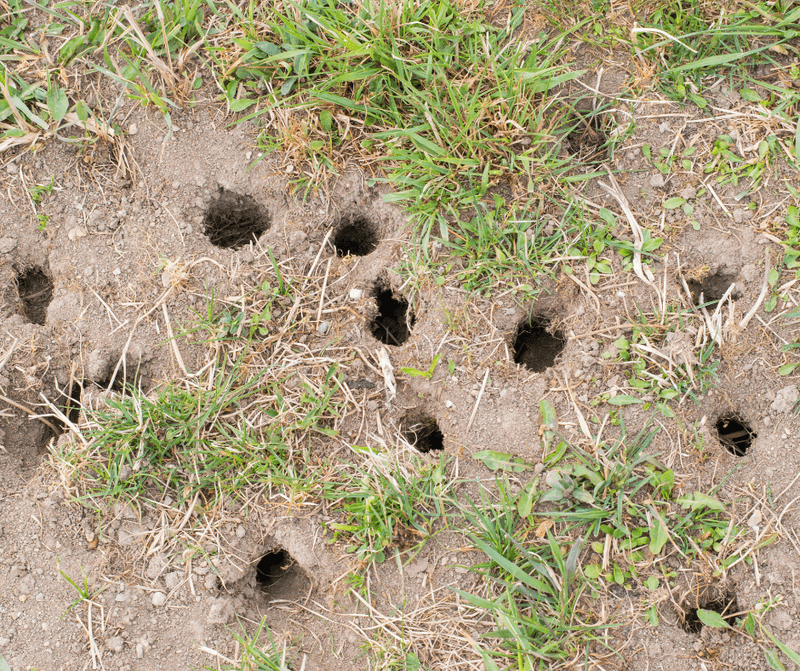
Voles are sneaky little creatures that cause a surprising amount of damage in Pennsylvania gardens. They are not the same as moles, though people often confuse the two.
Voles are small, mouse-like rodents that tunnel just beneath the surface of the soil and feed on plant roots, bulbs, and the bark of young shrubs throughout the late winter months. All that winter mulch you laid down to protect your plants? Voles love it.
Thick mulch layers give them warm, hidden runways to travel through without being spotted by hawks or other predators. By the time Pennsylvania gardeners pull back the mulch in spring, the damage has already been done beneath the surface.
March is the right time to pull mulch away from the bases of your plants and check for signs of vole activity.
Look for shallow tunnels running just under the surface, gnawed bark near the soil line on shrubs and small trees, and wilting plants whose roots have been partially eaten. Catching this early gives you a chance to respond before more plants are affected.
Repairing exposed roots quickly can help a damaged plant recover. Gently pack loose soil back around exposed roots and water the plant to help it settle.
In some cases, a plant with significant root damage can still bounce back if the conditions are right and it gets some extra attention during the growing season.
Keeping mulch pulled back about three to four inches from plant bases going forward is one of the easiest ways to discourage voles from nesting near your plants throughout the rest of the Pennsylvania growing season.
6. Prepare Beds For A Strong Spring Planting Season
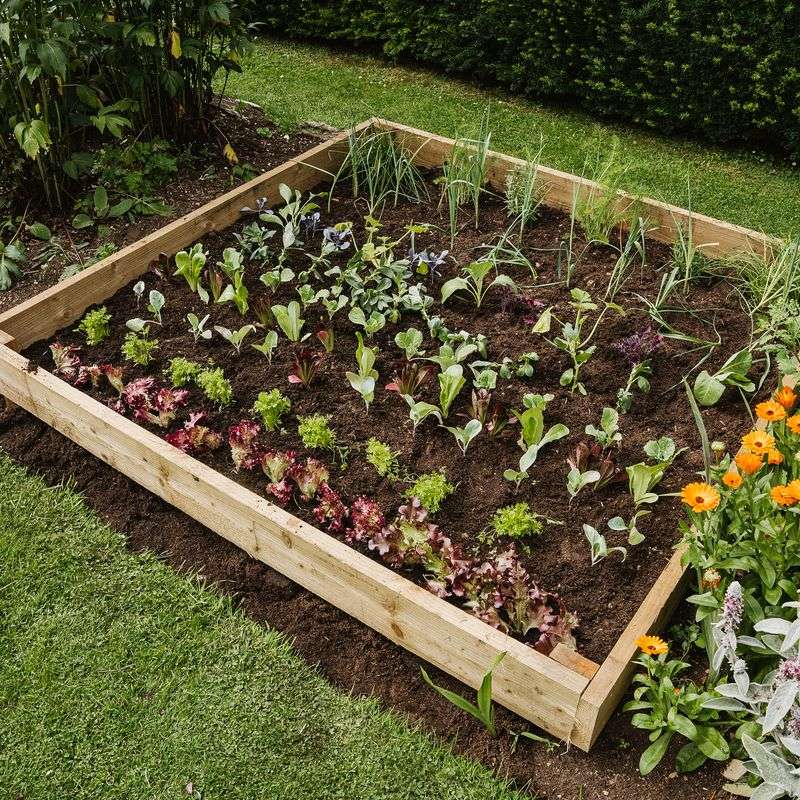
April and May are the busiest and most exciting planting months in Pennsylvania. Annuals go in the ground, vegetable gardens get started, and perennials fill back out with lush new growth.
All of that planting goes much more smoothly when your beds are already clean, edged, and prepped from March work.
Edging your beds while the soil is still cool and workable is a great way to start. A clean edge keeps grass from creeping into your flower beds and gives the whole yard a neat, polished look.
It also makes it much easier to add compost or soil amendments without them spilling out onto the lawn.
Speaking of compost, March is a smart time to add it once the soil is no longer frozen or waterlogged. Work a two to three inch layer of compost into the top few inches of soil using a garden fork.
Pennsylvania soils vary a lot from one region to another, and compost helps improve both clay-heavy and sandy soils by boosting organic matter and drainage.
Dividing perennials is another great task for March in Pennsylvania. Many perennials, like hostas, daylilies, and coneflowers, benefit from being divided every few years.
Early spring, just as new growth is beginning to appear, is one of the best times to do it because plants recover quickly when they are actively growing.
Getting all of this done in March means you step into April feeling organized and ready. Your beds will be healthier, your plants will have more room to grow, and you will spend far less time playing catch-up during the most beautiful part of the Pennsylvania gardening year.