The One Habit Quietly Weakening Your Coneflower
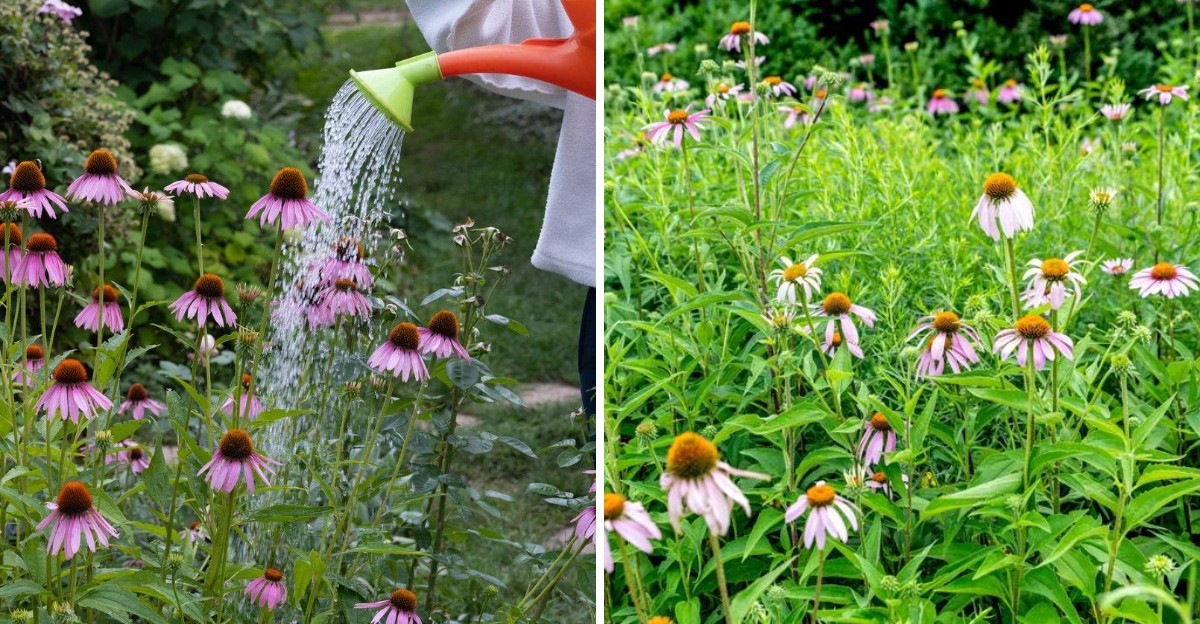
Look again at your border, and a section looks worn out. You watch something droop while everything else keeps climbing. Your watering can does more harm than good. Extra moisture drowns roots you meant to help.
Drainage matters more than schedule you follow. Mulch piled high smothers color you love. Pruning early stalls blooms you expect. Gardeners like you repeat this mistake without realizing the cost.
Care, misapplied, becomes something you fight each season. Plants signal distress in ways you keep missing. Then your stems flop early, and leaves fade to yellow.
That yellowing on your plant has little to do with neglect. Soil chemistry shapes growth more than the attention you give. Sunlight shifts in autumn and confuses your sturdiest plants.
Fixing this takes far less time than you assume. Understanding exactly why changes how you treat each plant. Once you see the real cause, you cannot look away.
Why Extra Water Weakens Prairie Natives
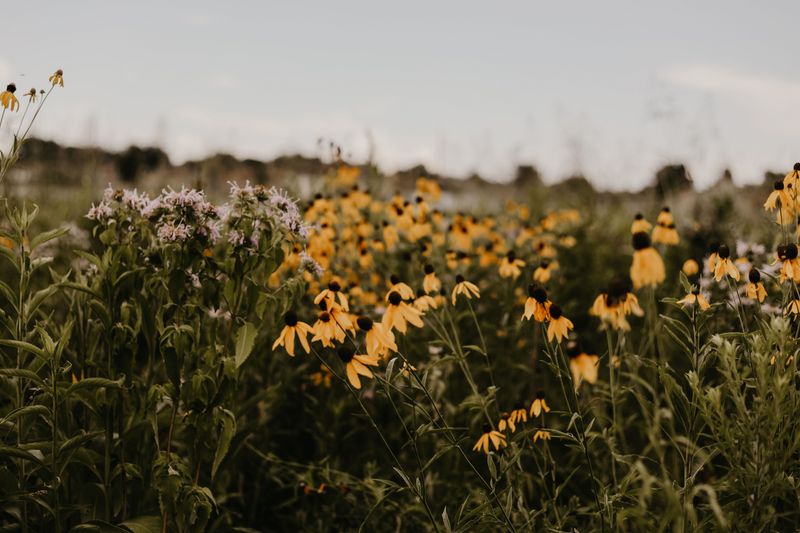
Coneflowers grew up on open prairies, where rain arrived when it felt like it and the sun did the rest. Their thick, deep roots learned to hunt for moisture far below the surface.
When you water them daily, those roots have no reason to stretch. They stay shallow and underdeveloped, clustered near the top inch of soil where things heat up fast.
The result looks strange to new gardeners. A plant that gets plenty of water can still wilt in the afternoon, because its root system is small and easily stressed.
Soggy soil also pushes out air. Roots breathe, and when water fills every gap between soil particles, they become oxygen-deprived and begin to break down.
Yellowing lower leaves are often the first clue. Many people read that as thirst and add more water, which speeds the slide instead of slowing it.
A better rhythm is deep and rare. Soak the root zone well, then wait until the top two inches feel dry before you go again.
In September, cooler nights and shorter days mean the soil stays damp much longer than it did in July. Cut your schedule roughly in half and watch how the plants respond.
Established clumps in decent garden soil can often coast on rainfall alone. First-year plants need a bit more attention, but even they prefer a drink once a week over a daily sprinkle.
Treat them like the tough prairie natives they are, and they reward you with sturdier stems and brighter petals.
Reading The Soil Instead Of The Calendar
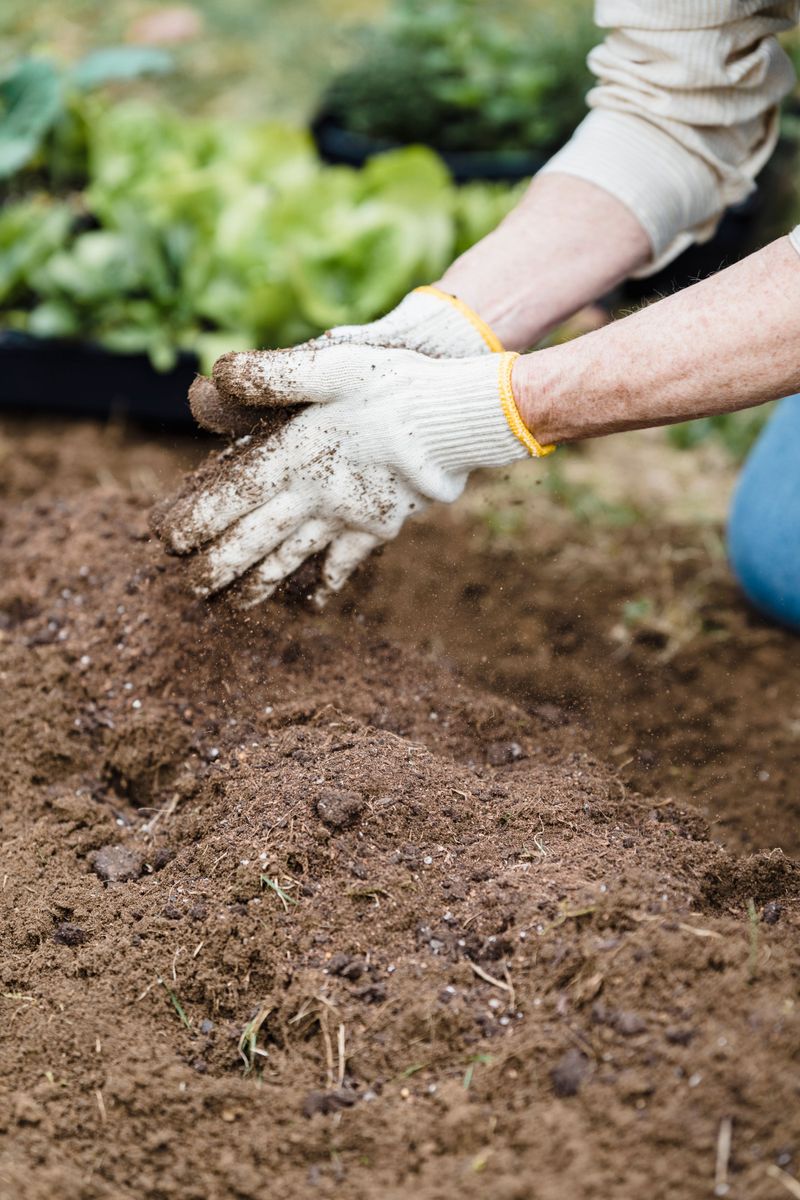
Timers and habits are comfortable, but soil does not follow a schedule. A bed can be bone dry after three windy days and still squishy a week after a heavy storm.
The cheapest moisture meter in the world sits at the end of your arm. Push a finger down two knuckles deep near the base of the clump and pay attention to what you feel.
Cool and crumbly means wait. Damp and clinging means definitely wait. Dry and dusty means it is time for a slow soak.
You can also lift a trowel of soil from the edge of the root zone and squeeze it. If water beads out, the roots are already swimming.
Clay tends to hold moisture noticeably longer than sand, though exact timing varies by climate and rainfall, so the same watering plan will not suit both.
Container coneflowers change the math again. Pots dry from the sides as well as the top, so they often need water when in-ground plants do not.
Morning is the smartest time to check and to water. Leaves dry off quickly, and moisture sinks in before the sun pulls it back out.
Keep a simple note on your phone for a couple of weeks. Once you see the pattern for your own soil, you will stop guessing entirely.
Gardeners who read soil rather than calendars usually water less and get stronger plants. That trade is hard to argue with.
Crown Rot Starts Quietly At Soil Level
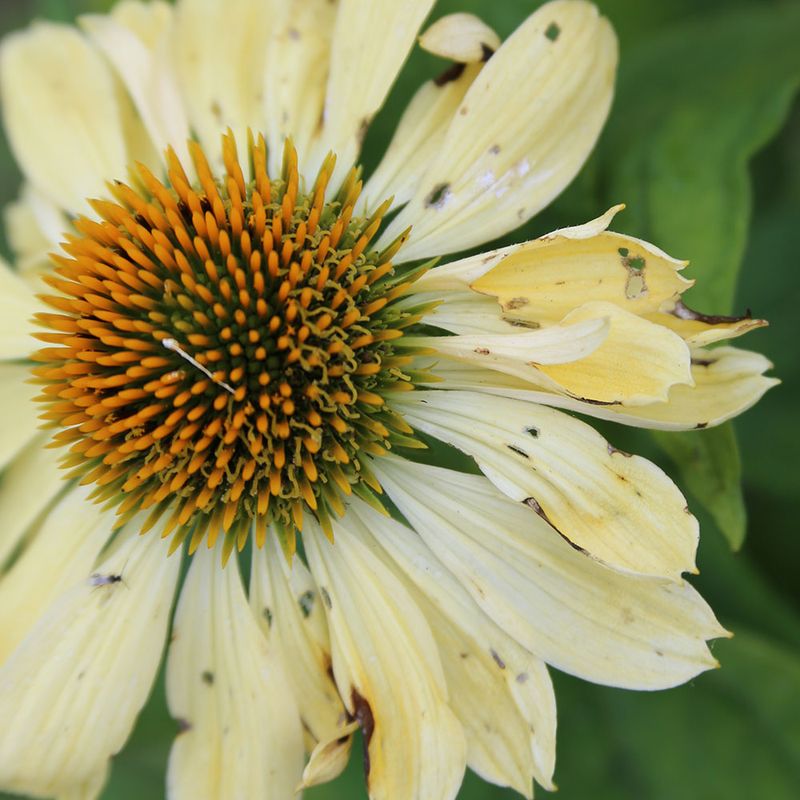
The crown is the knuckle where stems meet roots, and it is the weak point of the whole plant. Coneflowers struggle when that spot stays wet for long stretches.
Trouble begins out of sight. Soft brown tissue forms at the base, stems wobble when you touch them, and the whole clump loosens in the ground.
Above the soil, the signs are easy to misread. Wilting in full sun, blackened lower stems, and flowers that flop even after a fresh watering.
Give the base a gentle tug. A healthy plant resists, while one with a damaged crown lifts with barely any effort.
Mulch piled against the stems makes matters worse. Keep a bare ring of about two inches around the crown so air can circulate and the surface can dry.
Drip lines and soaker hoses should also aim outward, not straight at the center. Roots spread wider than most people picture, and the outer zone is where water does the real work.
If a clump already feels soft, lift it on a dry day and trim back the mushy sections with clean snips. Replant the firm pieces higher, on a slight mound, with grit or compost worked in for drainage.
September can work for that rescue in milder climates. Soil is still warm enough for new roots, and cooler air reduces stress on the plant, though gardeners in colder zones may prefer waiting until spring.
Once the crown stays dry, recovery is often quicker than you would expect. Sturdy stems return the following season.
Rich Soil And Heavy Feeding Cause Floppy Stems
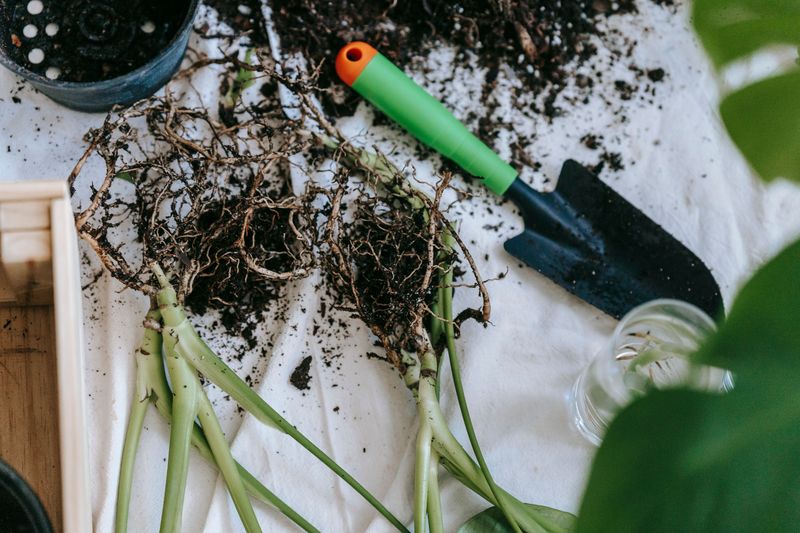
Here is a fun contradiction. Coneflowers often look their best in soil you might describe as mediocre.
Pile on the compost and the fertilizer, and you get a leafy green tower with weak stems. Growth happens fast, cells stretch thin, and the first rainstorm bends everything sideways.
Flower count drops too. Nitrogen tells a plant to build leaves, so blooms take a back seat while foliage grows vigorously instead.
It’s easy to unintentionally over-fertilize without realizing it. A spring granular feed, plus compost mulch, plus a liquid boost in July adds up to far more than these plants want.
A single light topdressing of compost in spring is usually plenty for established clumps, depending on your soil’s existing fertility.
Rich soil also holds water longer, which loops back to the soggy crown problem. Two mistakes for the price of one.
If your plants are already leaning, resist the urge to stake every stem. Cut the floppiest ones back, thin crowded growth, and let sunlight reach the middle of the clump.
For next season, try the Chelsea chop in late spring. Trimming stems by a third in May produces shorter, stockier plants with more branching.
Poor drainage can be improved with coarse grit rather than more organic matter. Grit opens channels without adding extra nutrients.
Lean and slightly hungry is the sweet spot. Plants grown that way stand up on their own and bloom generously into autumn.
Constant Trimming Robs You Of A Winter Show

Snip, snip, snip. Some gardeners cannot walk past a fading bloom without reaching for the shears, and coneflowers give them plenty of chances.
Removing spent flowers through summer does encourage more buds, and that is genuinely useful in June and July. By September, the calculation changes.
Those spiky brown cones are packed with seed. Goldfinches, chickadees, and sparrows work through them all autumn, feeding directly from the stems.
Leave the stems standing and you also get structure. Frost outlines each cone, snow caps them, and the winter border stops looking empty.
Hollow stems shelter native bees and other helpful insects through the cold months. Cutting everything to the ground in September removes that lodging.
Constant trimming also stresses a plant that is trying to shift energy downward into its roots. Late-season growth pushed out by heavy pruning rarely hardens off well.
A middle path works nicely. Trim through midsummer, then stop around late August and let the final flush go to seed.
If you want some tidiness, cut back a front row and leave the taller clumps behind it. You get neat edges and a wildlife buffet.
Wait until late winter or early spring for the big cleanup. Snip stems to roughly six inches and the new growth hides the stubs quickly.
Fun detail worth knowing. The plant has a long history in herbal medicine, though scientific evidence for its effectiveness remains mixed, and its bristly shape gave it the name echinacea, from a Greek word for hedgehog.
Stepping Back Builds Tougher Plants
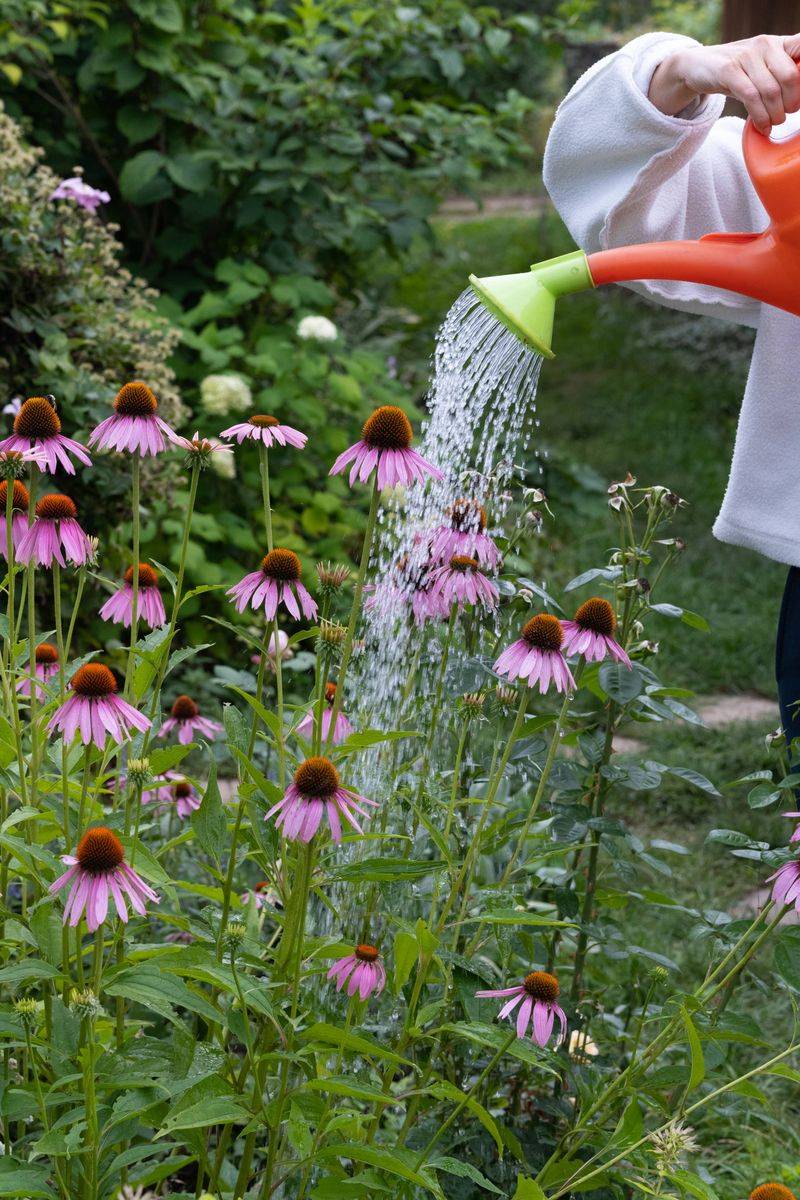
There is a particular kind of gardener who checks the same plant four times a day. Hose in one hand, phone in the other, searching for symptoms.
Coneflowers do better with a bit of benign neglect. Roots dig deeper, stems thicken, and the plant learns to handle a dry spell without drama.
Fussing takes many forms. Frequent transplanting, poking around the crown, spraying at the first spotted leaf, and rearranging mulch weekly all disturb a plant that wants stability.
Choose the spot carefully once, then leave it alone. Six or more hours of sun, decent drainage, and room for air to move between clumps covers nearly all their needs.
Space matters more than people think. Crowded plants trap humidity, and that damp air invites leaf spots and powdery mildew.
Skip the daily inspection and do a proper weekly walk instead. You will spot real problems while still catching them early.
Divide clumps only when the middle thins out, usually every three or four years. Spring is the friendlier season for that job in colder regions.
September is a good month to practice restraint. Let the bed dry between rains, stop feeding, and allow the plants to slide into dormancy on their own schedule.
Gardeners who ease off usually report sturdier plants and more blooms the following year. Less water, less fertilizer, fewer snips.
Sometimes the kindest thing you can do for a coneflower is put down the hose and admire it from the porch.