The One Native Plant Pennsylvanians Can’t Get Enough Of
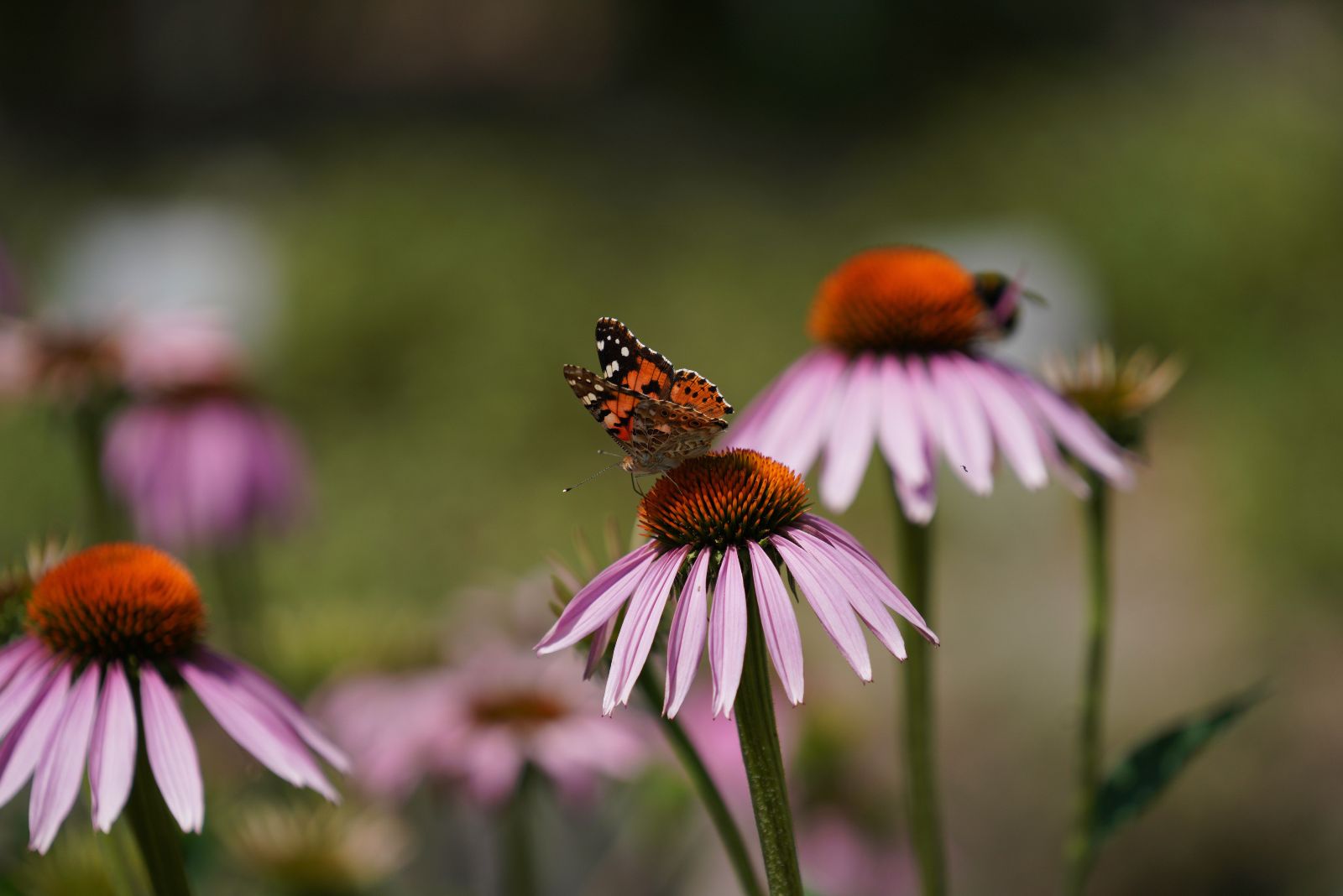
Some plants quietly do their job in the garden, and some seem to win people over the moment they bloom. In Pennsylvania, there is one native favorite that keeps showing up in flower beds, pollinator patches, and backyard borders for good reason.
Gardeners love it for its bold color, easygoing nature, and ability to keep the yard looking lively without demanding constant attention.
Once established, purple coneflower earns its place fast. It handles Pennsylvania’s changing weather better than many fussier flowers, and it brings a strong burst of color that lasts right through the heart of the growing season.
It also pulls in butterflies, bees, and birds, which gives the garden even more movement and life. That mix of beauty and usefulness is hard to beat.
There is also something dependable about it. While other plants may need extra pampering, this one tends to stand tall and keep performing.
For Pennsylvania gardeners who want a flower that looks great, supports wildlife, and fits naturally into the landscape, it is easy to see why purple coneflower has become such a beloved choice.
Why Purple Coneflower Is So Popular In Pennsylvania?
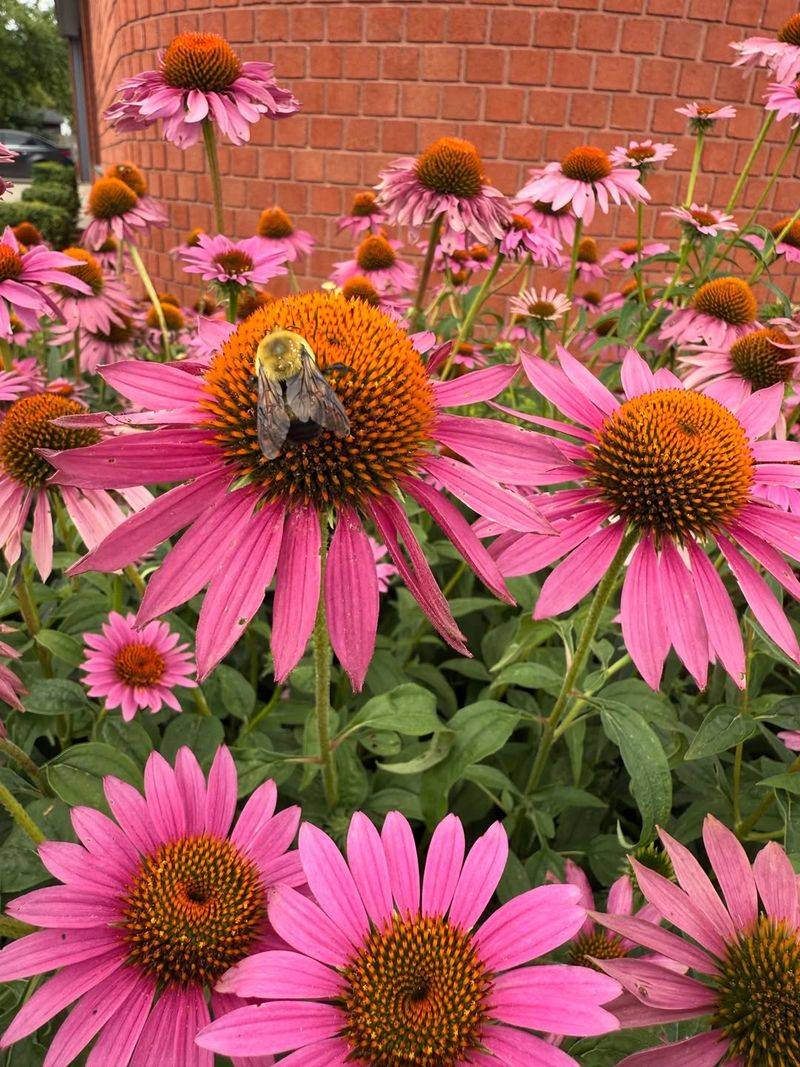
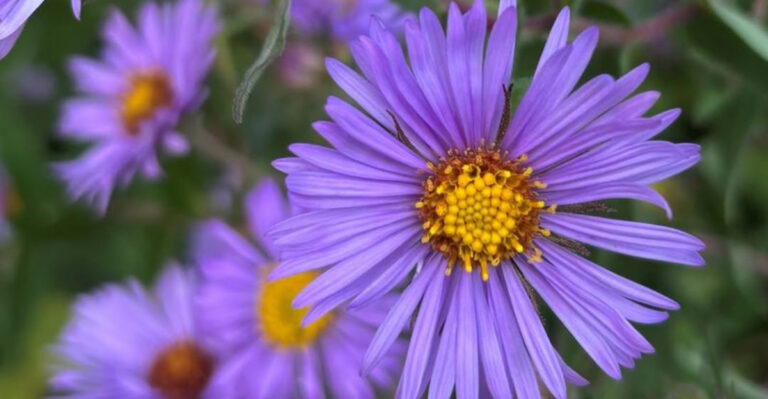
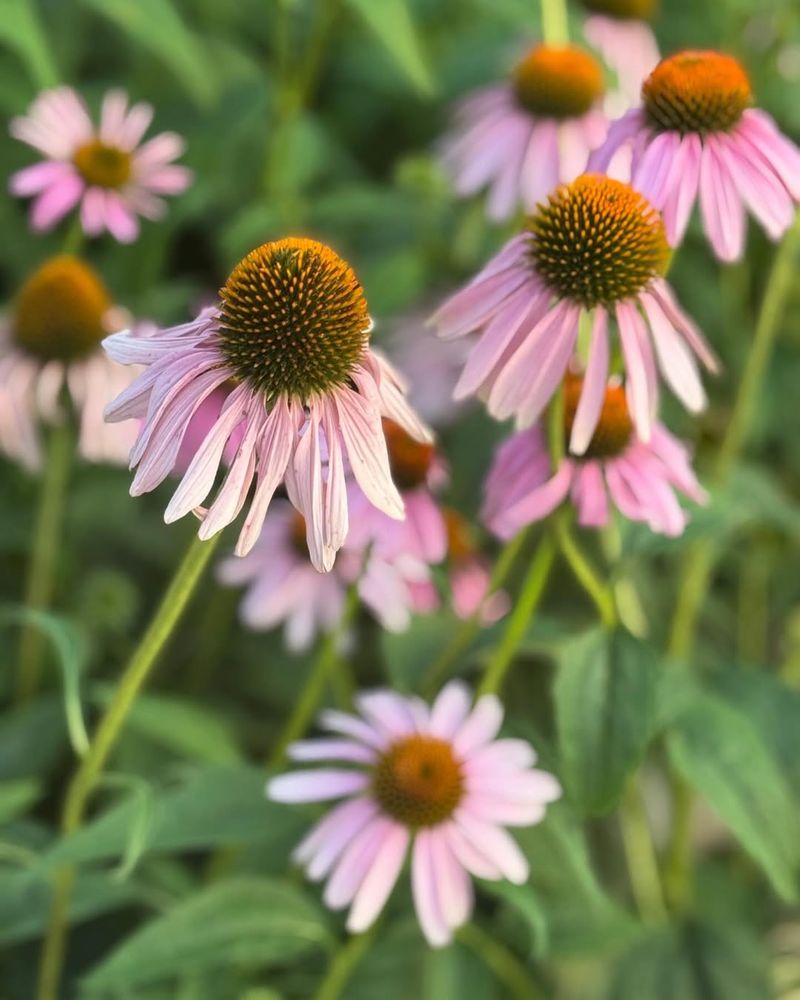
Walk through almost any Pennsylvania garden in July or August and you are almost guaranteed to spot purple coneflower in bloom. With its bold purple-pink petals and spiky orange-brown center cone, this plant has a personality that is hard to ignore.
It stands tall, looks stunning, and somehow manages to thrive even when the gardener forgets to water it for a week.
Part of what makes purple coneflower so beloved across Pennsylvania is how incredibly easy it is to grow. You do not need a green thumb or a fancy setup to get it going.
Plant it in a sunny spot with decent drainage, give it a little water to get started, and it will reward you with blooms for weeks on end.
Pennsylvania gardeners also appreciate that this plant comes back year after year. As a perennial, it does not need to be replanted each season.
That saves time, money, and effort. Once it settles into your garden, it spreads slowly and fills in beautifully over time.
Beyond its looks, purple coneflower fits perfectly into Pennsylvania’s gardening culture. Many residents here care deeply about supporting local wildlife and keeping their yards ecologically healthy.
Purple coneflower checks both boxes without requiring complicated maintenance. It is the kind of plant that makes a garden look professionally designed while doing a whole lot of good for the environment at the same time. No wonder Pennsylvanians simply cannot stop planting it.
What Makes Purple Coneflower A True Native Favorite?
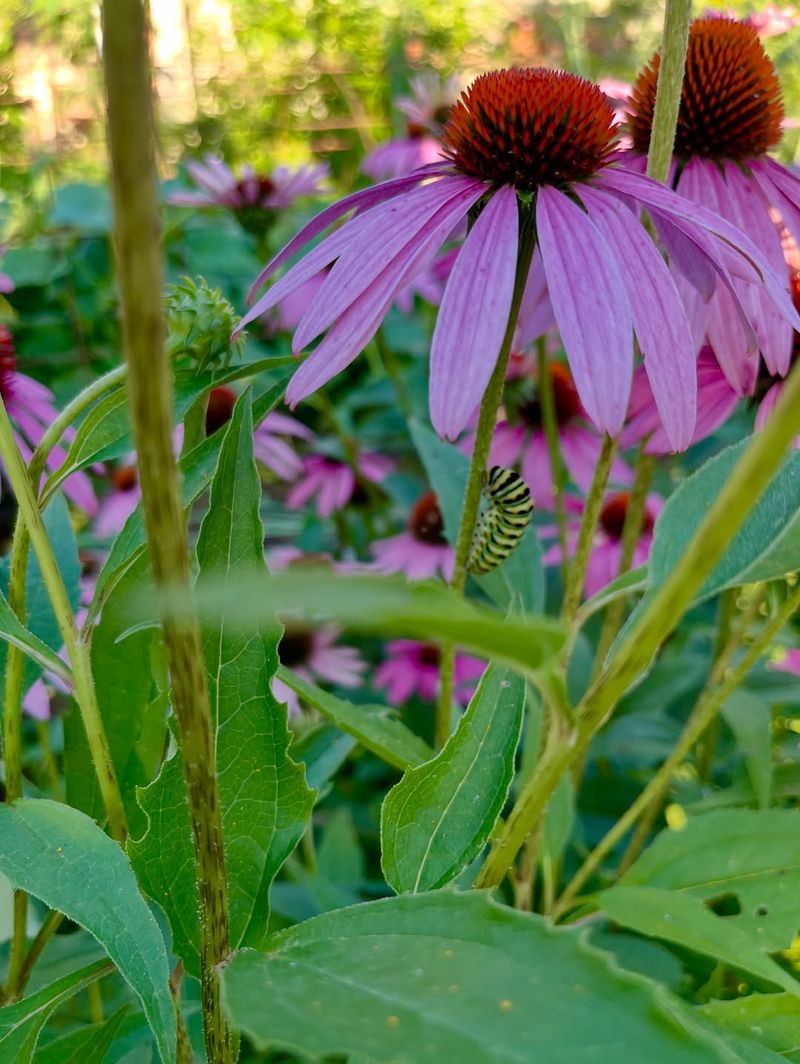
Native plants have a special kind of magic. They evolved alongside local soils, local weather, and local wildlife for thousands of years.
Purple coneflower is native to much of the eastern United States, including Pennsylvania, which means it is genuinely built for life here. It is not a transplant trying to adapt. It already belongs.
Because it is native to this region, purple coneflower supports Pennsylvania’s ecosystem in ways that non-native plants simply cannot match. Local bees recognize its pollen. Local butterflies are drawn to its nectar. Local birds depend on its seeds.
When you plant a native species, you are essentially restoring a small piece of the natural world that existed here long before lawns and landscaping took over.
Resilience is another huge advantage of native plants. Purple coneflower does not need fertilizers, pesticides, or extra soil amendments to look good in Pennsylvania gardens.
It has already figured out how to work with what is naturally here. That makes it a smarter, more sustainable choice for homeowners who want a beautiful yard without a lot of chemical inputs.
The Pennsylvania Native Plant Society actively encourages residents to choose native species like purple coneflower for their gardens. The reasoning is straightforward.
Native plants support local food webs, reduce maintenance demands, and help keep Pennsylvania’s landscapes vibrant and ecologically functional. Purple coneflower is not just a pretty face.
It is a plant with deep roots in this region, both literally and figuratively, making it a true native favorite in every sense of the word.
How Purple Coneflower Thrives In Pennsylvania’s Climate?
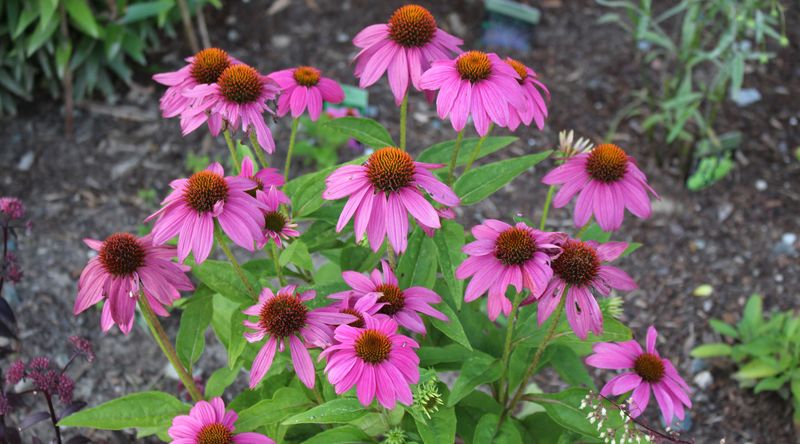
Pennsylvania throws a lot at its plants. Winters can be bitterly cold, especially in the northern and mountainous parts of the state.
Summers get hot and humid. Spring and fall bring unpredictable swings in temperature and rainfall.
Most delicate garden plants struggle with all of that. Purple coneflower, on the other hand, takes it all in stride.
This perennial is impressively cold-hardy. It can handle Pennsylvania winters without any special protection and return reliably each spring.
Gardeners in places like Erie or the Pocono region, where winters are especially harsh, find that purple coneflower bounces back just as strongly as those growing in warmer parts of the state like Philadelphia or Lancaster.
Drought tolerance is another big selling point. Once purple coneflower establishes itself in your garden, usually after its first full growing season, it becomes remarkably self-sufficient.
It can go through dry stretches without wilting or looking miserable. That is a real advantage during Pennsylvania’s occasional summer dry spells when keeping up with garden watering feels like a full-time job.
Full sun is where purple coneflower truly shines. It loves six or more hours of direct sunlight each day, which is easy to provide in most Pennsylvania yards.
It also tolerates a wide range of soil types, from clay-heavy soils common in western Pennsylvania to the sandier soils found in other parts of the state.
Adaptability is genuinely one of its greatest strengths, making it a reliable choice for gardeners all across Pennsylvania no matter where they live.
Why Pollinators Love Purple Coneflower?
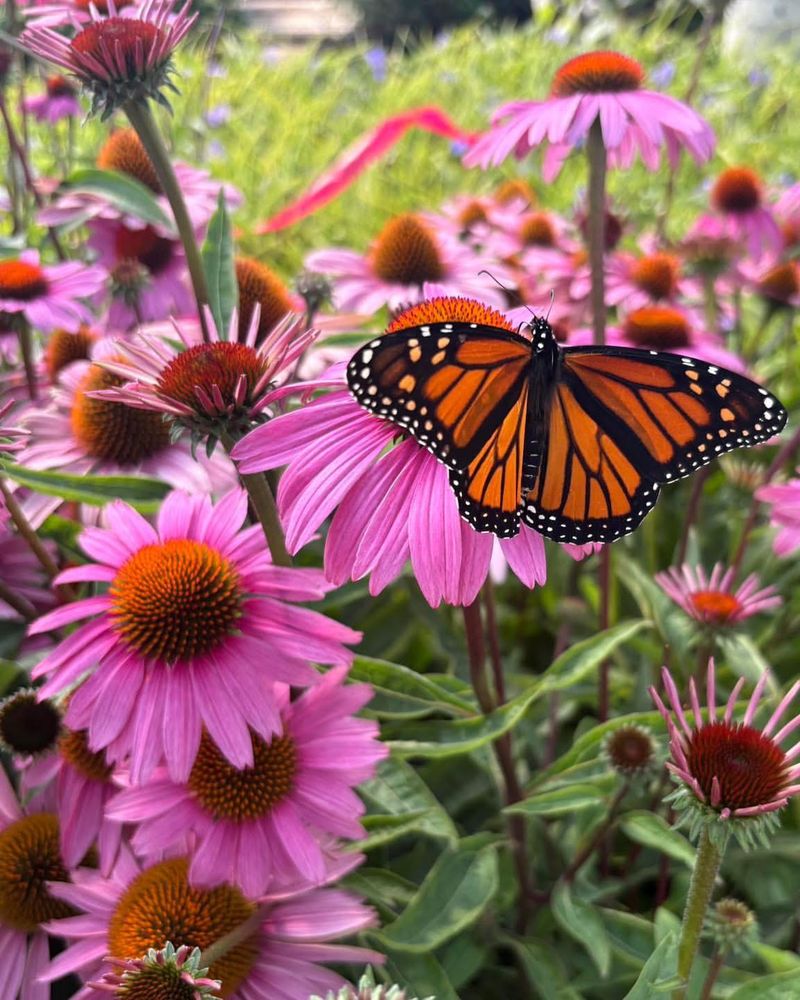
Few plants in Pennsylvania put on a wildlife show quite like purple coneflower. From the moment the first blooms open in midsummer, the action starts.
Bees of all kinds, from honeybees to native bumblebees, make a beeline for those nectar-rich centers. Butterflies flutter in right behind them. A single plant in full bloom can look like a tiny, bustling ecosystem all on its own.
The reason pollinators are so drawn to purple coneflower comes down to design. The large, flat central cone provides a perfect landing pad for insects.
The nectar is easy to access. The blooming period lasts for weeks, giving pollinators a reliable food source throughout late summer when some other plants have already finished flowering.
For gardeners in Pennsylvania who want to support struggling bee and butterfly populations, this plant is an absolute powerhouse.
But the wildlife benefits do not stop when the blooms fade. As the flowers go to seed in late summer and fall, a whole new group of visitors arrives.
American goldfinches are especially fond of purple coneflower seeds. You can often spot these bright yellow birds clinging to the dried seed heads, pecking away happily. It is one of the most charming sights in a Pennsylvania autumn garden.
Leaving the seed heads standing through fall and into winter serves double duty. It feeds birds when natural food sources start getting scarce, and it also adds interesting texture and structure to the garden during the quieter months.
Supporting pollinators and birds with one easy plant is a pretty wonderful deal for any Pennsylvania gardener willing to give purple coneflower a try.
Where To Plant Purple Coneflower In Your Garden?
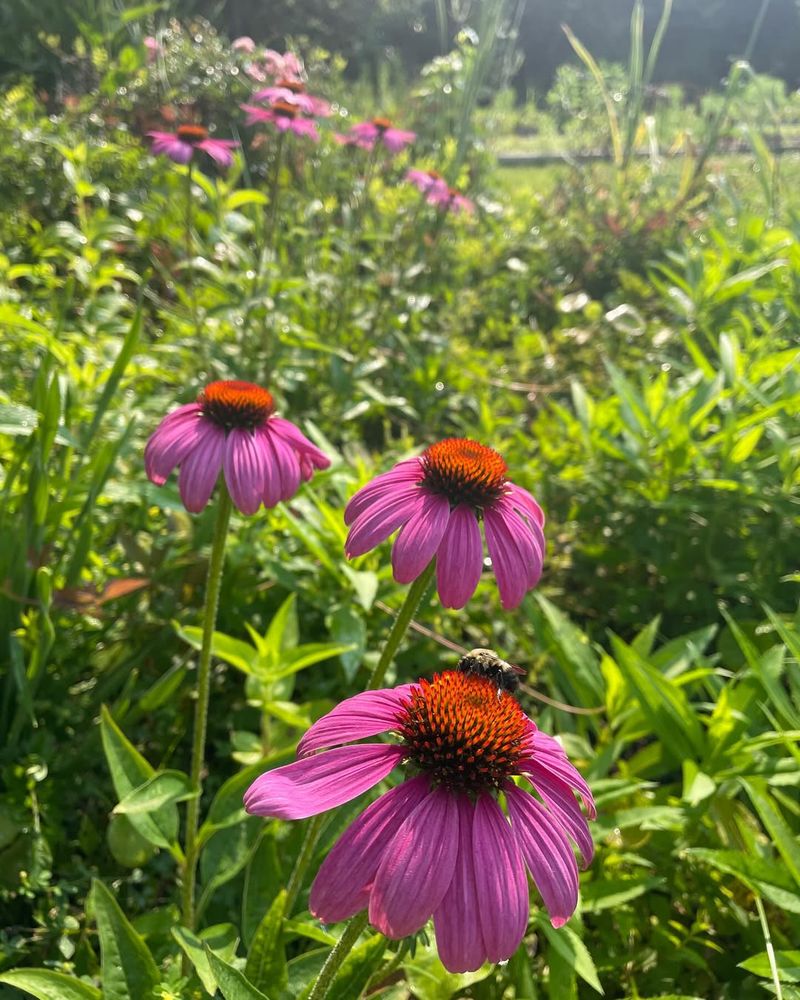
Choosing the right spot for purple coneflower is one of the easiest decisions you will make in your garden. Sunshine is the number one requirement.
Pick a location that gets at least six hours of direct sun per day, and you are already most of the way there. Shady spots under trees or along the north side of buildings are not ideal, as the plants will stretch and flop rather than standing upright and blooming their best.
Soil drainage matters too, but purple coneflower is forgiving here. It prefers well-drained soil but can handle average garden conditions without complaint.
What it does not love is sitting in soggy, waterlogged ground. If your yard has areas where water tends to pool after rain, choose a different spot or amend the soil before planting. Most standard Pennsylvania garden beds will work just fine without any changes.
Purple coneflower fits beautifully into a wide range of garden styles. Perennial beds are a natural home for it, where it pairs wonderfully with black-eyed Susans, bee balm, and ornamental grasses.
Pollinator gardens are another perfect setting, especially for Pennsylvania homeowners who want to create a dedicated habitat for bees and butterflies.
Naturalized areas and meadow-style plantings also suit it well since it looks right at home in a slightly wilder, less formal setting.
Spacing plants about eighteen to twenty-four inches apart gives each one enough room to fill out over time. Purple coneflower spreads gradually through both self-seeding and root division.
In a few years, a small planting can grow into a generous, full-looking display that becomes a true centerpiece of any Pennsylvania garden space.
Simple Care Tips For Healthy Purple Coneflowers
One of the best things about purple coneflower is that it does not demand much from you. Still, a few simple habits can help your plants stay healthy and look their absolute best throughout the growing season.
Watering is most important during the first year after planting. Young plants need consistent moisture while their root systems are getting established.
Once they are settled in, you can step back and let Pennsylvania’s natural rainfall do most of the work.
Deadheading, which means removing spent blooms before they go to seed, can encourage the plant to produce more flowers throughout the season. If you want a longer, showier bloom period, snipping off faded flowers is a good habit to get into.
However, if you want to feed the birds and allow the plant to naturalize and reseed on its own, skip the deadheading altogether. Both approaches work well depending on your goals.
Dividing established clumps every three to four years keeps the plants vigorous and prevents them from becoming overcrowded. Early spring, just as new growth emerges, is the best time to do this in Pennsylvania.
Simply dig up the clump, split it into smaller sections, and replant them. It is an easy way to multiply your plants for free and share extras with neighbors or friends.
Fertilizing is rarely necessary for purple coneflower. Overly rich soil can actually cause the plants to grow too tall and floppy.
Average Pennsylvania garden soil is usually just right. Avoiding over-fertilization keeps the plants compact, strong-stemmed, and blooming beautifully all summer long without extra fuss or expense on your part.