The One Native Tree Every Georgia Garden Should Have
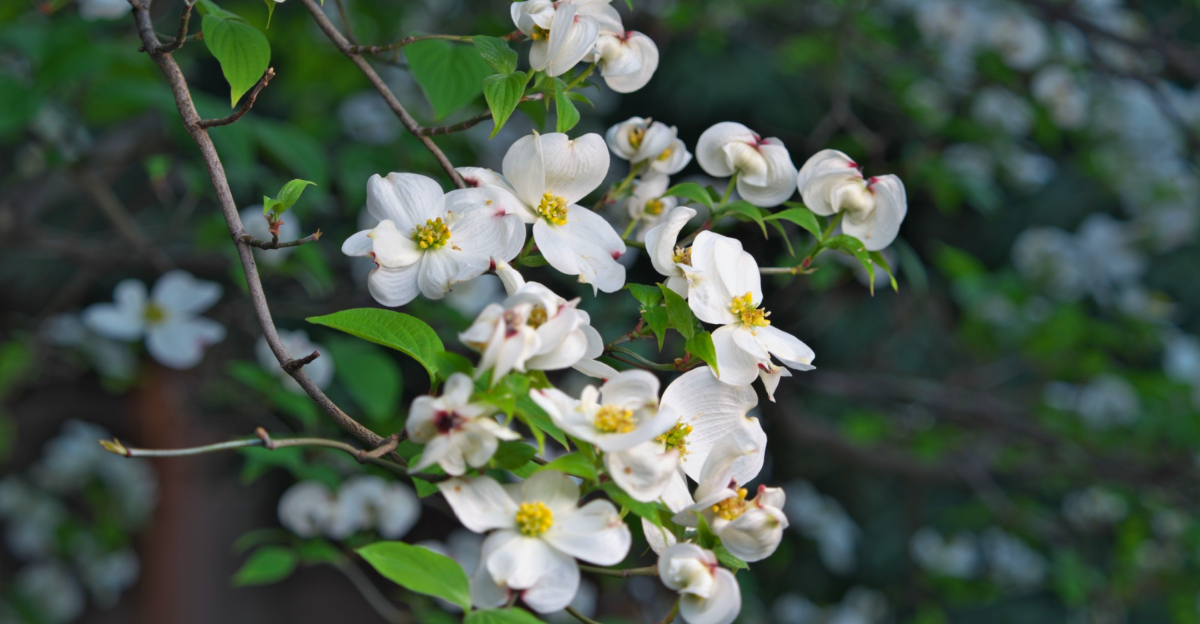
Georgia yards look better when they include something that truly belongs there, and Flowering Dogwood is one of those trees.
This Georgia native has been lighting up woodland edges, shaded lawns, and neighborhood gardens for generations with soft spring blooms, rich fall color, and red berries that draw wildlife in.
It feels right at home in the landscape, which is a big reason so many gardeners still make space for it.
For anyone in Georgia who wants a tree that adds beauty without looking out of place, Flowering Dogwood brings that balance naturally.
It offers color, structure, and real seasonal interest in a way that feels timeless.
1. Why Flowering Dogwood Still Wins Over Georgia Gardeners
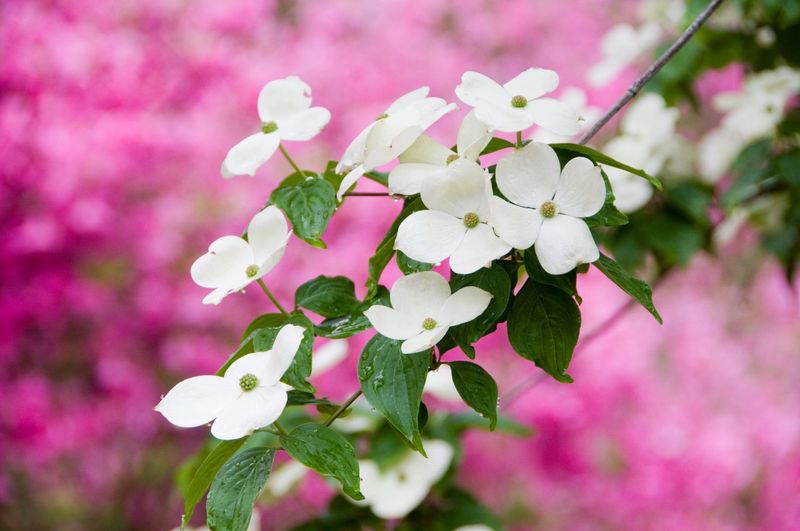
Plenty of trees can grow in Georgia, but few feel as naturally suited to the landscape as Flowering Dogwood (Cornus florida). Gardeners across the state keep choosing it because it fits into real yard conditions without demanding constant attention.
It works especially well as an understory tree, thriving in partial shade beneath taller hardwoods where many other ornamentals struggle.
In Georgia’s often acidic soils, it settles in comfortably when drainage is good, which makes it a practical option for many home landscapes.
Its moderate size, usually reaching 15 to 30 feet tall and wide, also makes it easy to place in both small and larger yards.
Beyond looks, it supports local ecosystems by providing food and shelter for wildlife, something many Georgia gardeners are starting to prioritize more.
It also blends well with native shrubs and perennials, helping create a more cohesive, layered garden. Over time, it earns its place not just as a decorative tree, but as one that feels connected to the land.
That balance between beauty and function is a big reason it continues to stand out across Georgia gardens.
2. The Spring Blooms That Make This Tree So Easy To Love
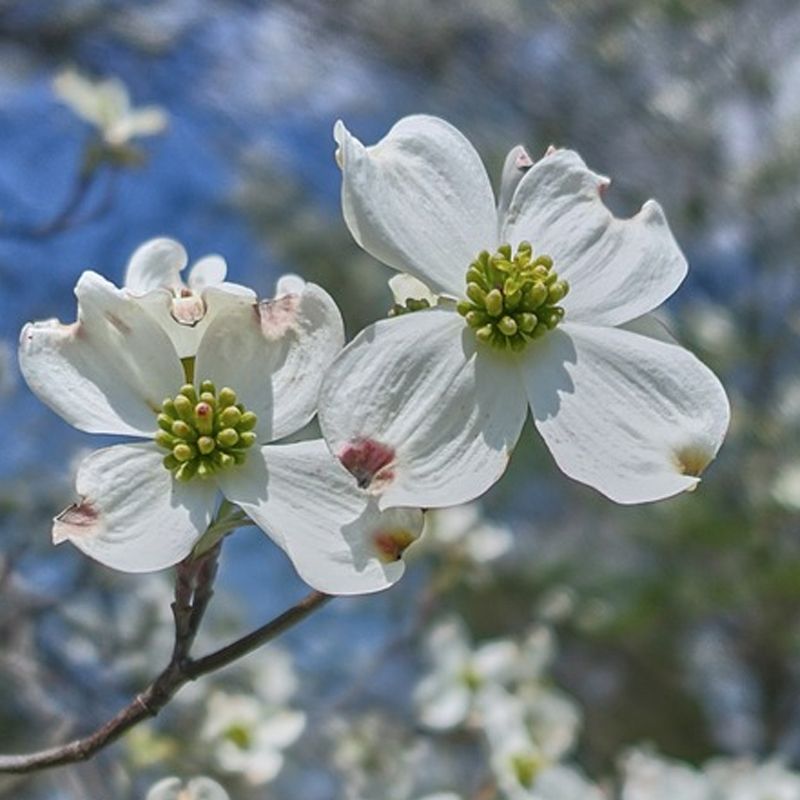
Early spring in Georgia brings a noticeable shift, and Flowering Dogwood is often one of the first trees to reflect that change.
What many people think of as petals are actually bracts, which are modified leaves that surround the tree’s small, true flowers at the center.
These bracts typically appear in shades of white, though some cultivars offer soft pink tones, and they create a layered, almost floating effect along the branches.
Bloom time usually lines up with warming temperatures in March and April, depending on location within the state.
Because the tree flowers before it fully leafs out, the blooms stand out clearly against the branches, making them especially eye-catching from a distance.
In Georgia neighborhoods and woodland edges, this display often signals the start of the active gardening season.
The blooms also provide an early food source for pollinators, which are beginning to emerge after winter. While the flowering period is not long, it is memorable and sets the tone for the rest of the growing season.
That brief but striking show is one of the main reasons gardeners continue to plant it.
3. A Native Tree That Brings Gentle Beauty To The Yard
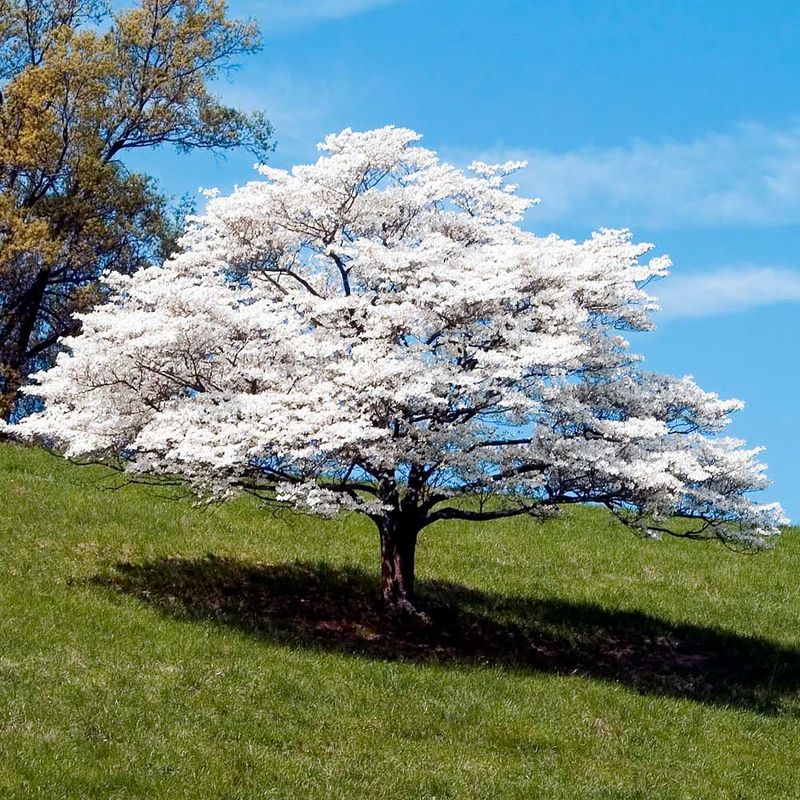
Some trees make a bold statement, but Flowering Dogwood takes a quieter approach that works well in everyday Georgia landscapes. Its overall presence feels balanced, with soft branching patterns and foliage that does not overwhelm nearby plants.
This makes it a good fit for front yards, patios, and areas where a more subtle focal point is preferred. Because it is native, it tends to blend naturally with surrounding vegetation rather than standing out as something out of place.
In mixed plantings, it pairs well with azaleas, ferns, and other shade-tolerant plants that are commonly used in Georgia gardens.
The leaves emerge after the spring bloom, creating a green canopy that provides light shade through the warmer months.
This filtered light can help protect more delicate plants growing beneath it. The tree’s scale also works in its favor, as it rarely becomes too large for residential spaces.
Over time, it adds structure without dominating the yard, which makes it easier to design around. For gardeners looking to create a calm, cohesive outdoor space, this kind of gentle presence can make a noticeable difference.
4. Why Birds And Pollinators Keep Coming Back To It
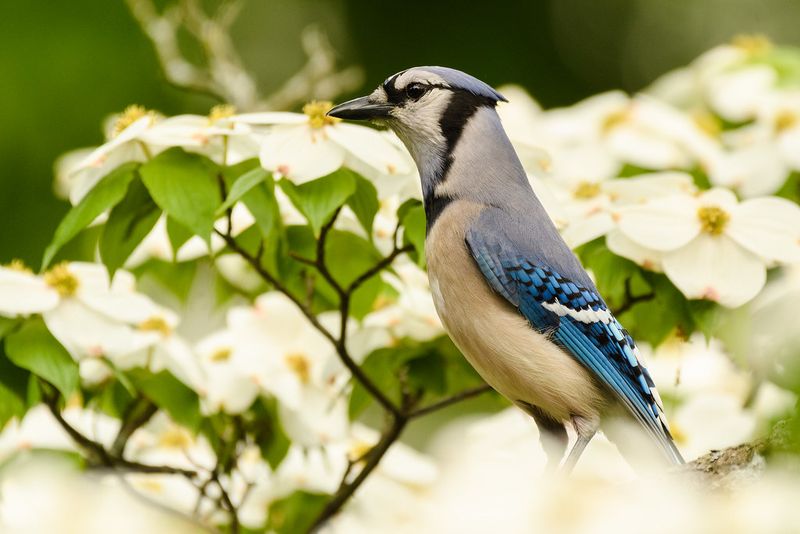
Wildlife activity tends to increase when native plants are part of the landscape, and Flowering Dogwood plays a clear role in that pattern.
In spring, its small central flowers attract a range of pollinators, including native bees and other beneficial insects that are active during the early part of the season.
While the showy bracts draw human attention, the true flowers provide nectar and pollen that support these insects as they begin their yearly cycle.
As the season progresses, the tree develops clusters of red berries that ripen in late summer to early fall.
These fruits are an important food source for many bird species commonly found in Georgia, including robins, cardinals, and cedar waxwings. Small mammals may also feed on the fruit when available.
The branching structure offers nesting spots and shelter, especially in more layered landscapes where trees and shrubs are combined.
By planting Flowering Dogwood, gardeners are adding more than just visual interest.
They are also creating a small but meaningful habitat that supports local wildlife throughout different times of the year.
5. The Graceful Shape That Makes Flowering Dogwood Stand Out
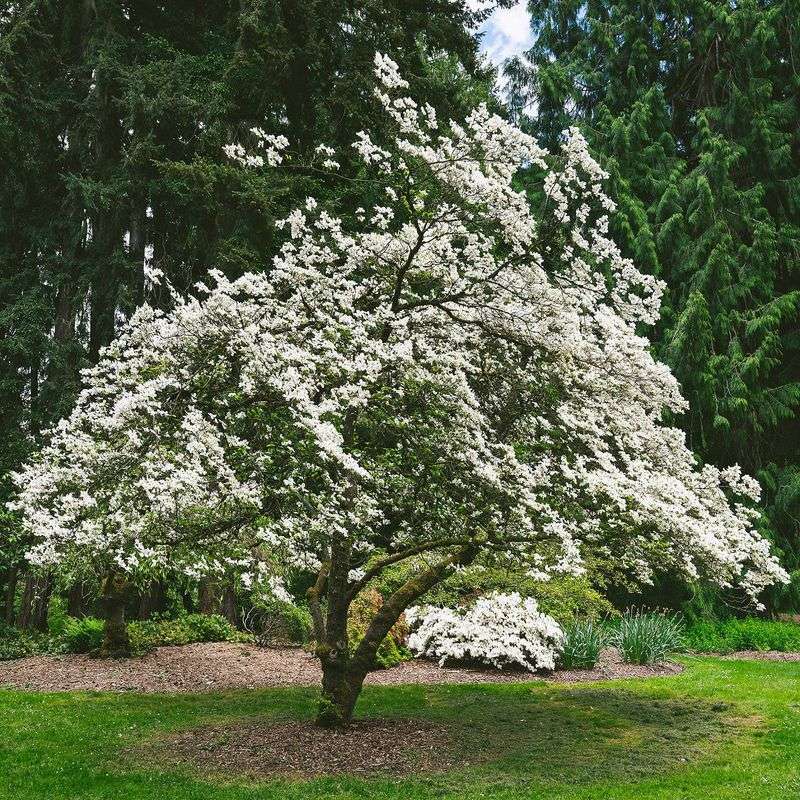
Structure matters in a landscape, and Flowering Dogwood brings a form that feels both natural and carefully shaped at the same time.
As it matures, it develops a horizontal branching pattern that gives the tree a layered, tiered appearance.
This growth habit creates visual interest even when the tree is not in bloom, which helps it remain an important part of the yard year-round.
The branches often spread wider than the tree is tall, especially in open settings, which makes it useful as a focal point without taking up too much vertical space.
In partially shaded areas, the shape tends to be more upright, adapting to the available light. This flexibility allows it to fit into a range of garden designs across Georgia.
The trunk and bark also add to its appeal, with a textured surface that becomes more noticeable as the tree ages.
When placed thoughtfully, its branching structure can frame views, soften hard edges, or draw attention to specific areas of the yard.
That combination of form and adaptability is a key reason it continues to stand out among ornamental trees.
6. Where This Georgia Native Looks Best In The Landscape
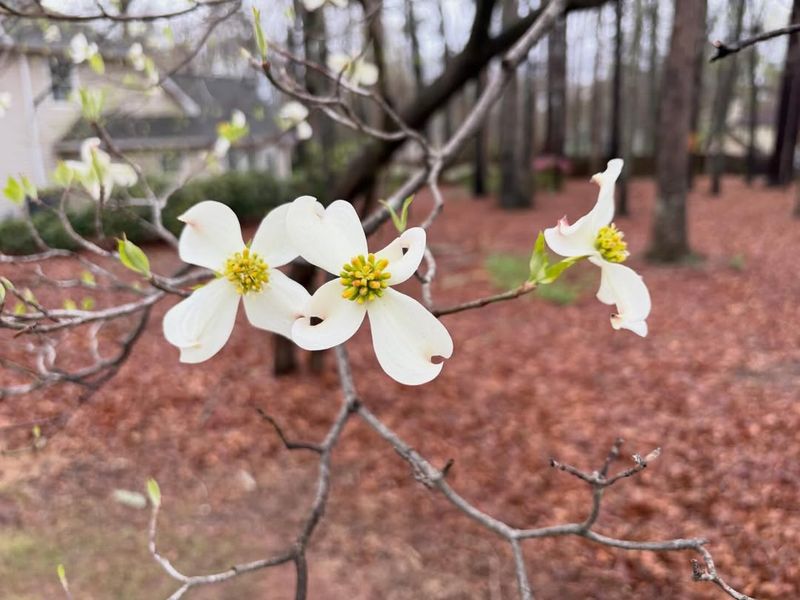
Placement can make a big difference in how well a tree performs, and Flowering Dogwood tends to do best when it is given conditions similar to where it naturally grows.
In Georgia, that often means positioning it along the edge of wooded areas, near taller shade trees, or in spots that receive morning sun and afternoon shade.
It can also work well as a focal point in a front yard if it is protected from intense midday heat. Avoiding low, poorly drained areas is important, as the tree prefers soil that drains well.
It fits nicely along driveways, near patios, or as part of a layered planting where shrubs and perennials fill in around the base. Because of its moderate size, it can be used in smaller yards without feeling crowded.
In more naturalistic landscapes, it blends seamlessly with other native species, helping create a cohesive look.
Thoughtful placement not only improves the tree’s health but also highlights its best features, from spring blooms to fall color.
7. What Helps Flowering Dogwood Grow Well In Georgia
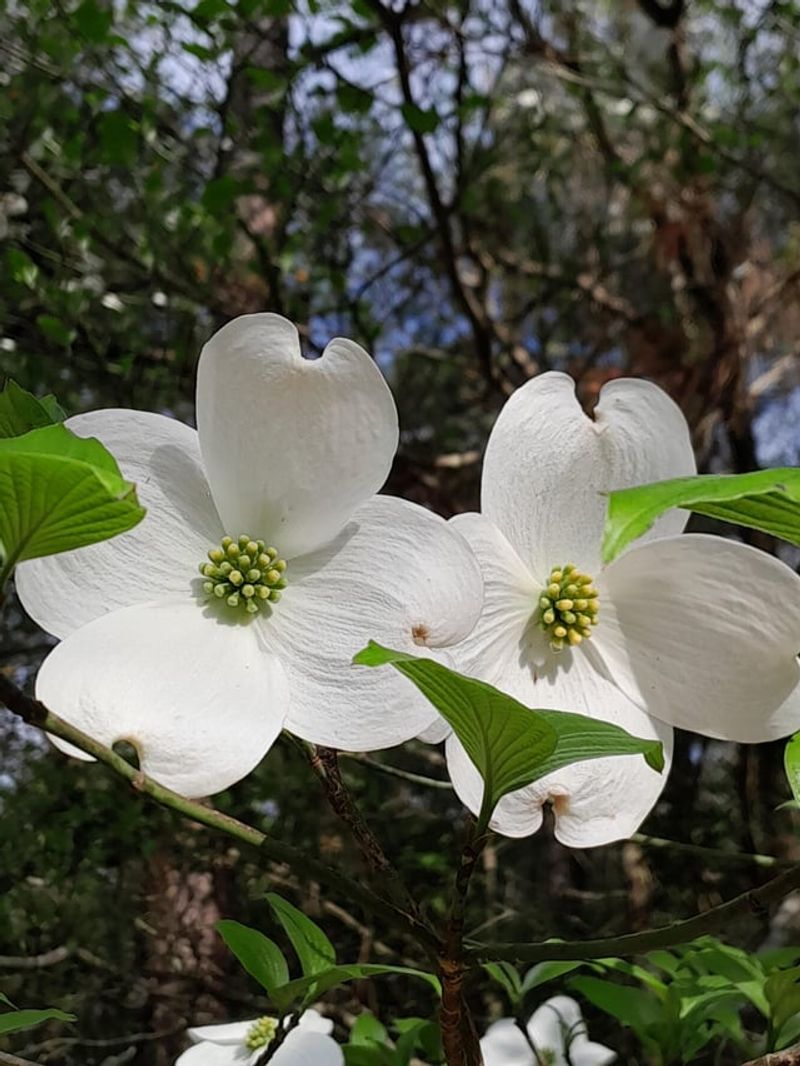
Healthy growth starts with understanding what this tree prefers, and Flowering Dogwood responds best to conditions that match its natural habitat.
In Georgia, that means well-drained, slightly acidic soil and a location with partial shade or filtered sunlight.
While it can tolerate some direct sun, especially in the northern parts of the state, protection from intense afternoon heat can help reduce stress.
Consistent moisture is important, particularly during the establishment phase, but the soil should not stay waterlogged.
Adding a layer of mulch around the base helps retain moisture, regulate soil temperature, and reduce competition from weeds. It is best to keep mulch a few inches away from the trunk to prevent issues with excess moisture against the bark.
Pruning is usually minimal and should focus on removing damaged or crossing branches rather than reshaping the tree. Avoiding mechanical damage to the trunk and roots is also important, as dogwoods can be sensitive to stress.
With the right conditions and basic care, it settles into Georgia landscapes and grows steadily over time.
8. The Season-By-Season Color That Keeps It Interesting
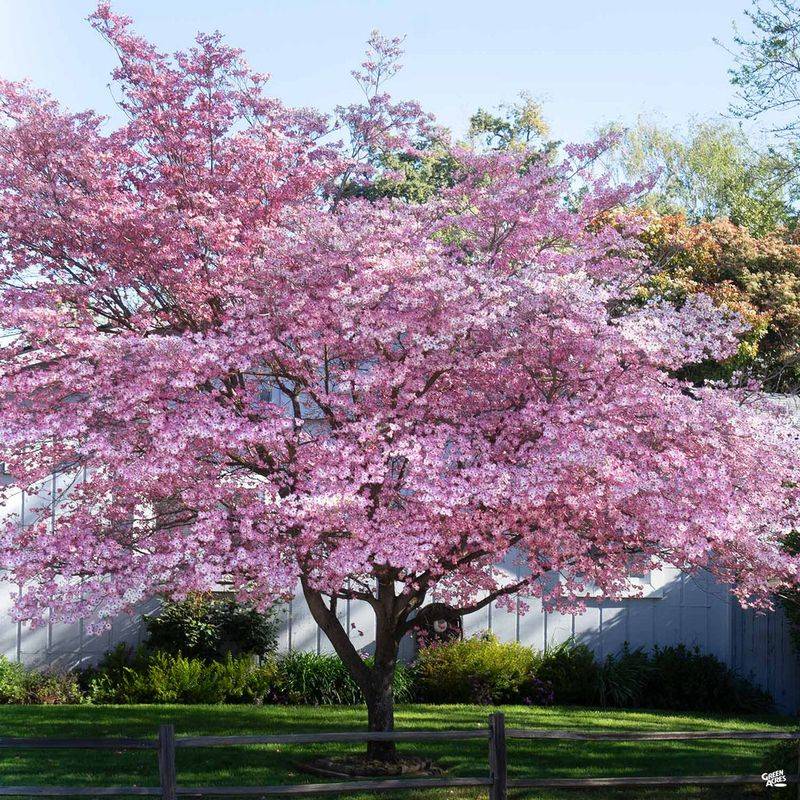
A well-chosen tree should offer more than just a single moment of beauty, and Flowering Dogwood provides interest across multiple seasons in Georgia.
Spring is its most recognized period, with soft blooms that appear before the leaves fully emerge.
As the season shifts into summer, the tree develops a full canopy of green leaves that provide light shade and a calm backdrop for other plants.
In late summer to early fall, clusters of red berries begin to form, adding another layer of visual interest while also supporting wildlife.
As temperatures cool, the foliage often turns shades of red to reddish-purple, bringing noticeable color to the landscape.
Even after the leaves drop, the tree’s branching structure and textured bark continue to add character during the winter months.
This steady progression of changes helps the tree remain relevant in the yard throughout the year.
For Georgia gardeners who want a landscape that evolves with the seasons, this kind of ongoing interest makes a meaningful difference.