The One Popular Tree That Almost Every Pennsylvania Garden Has
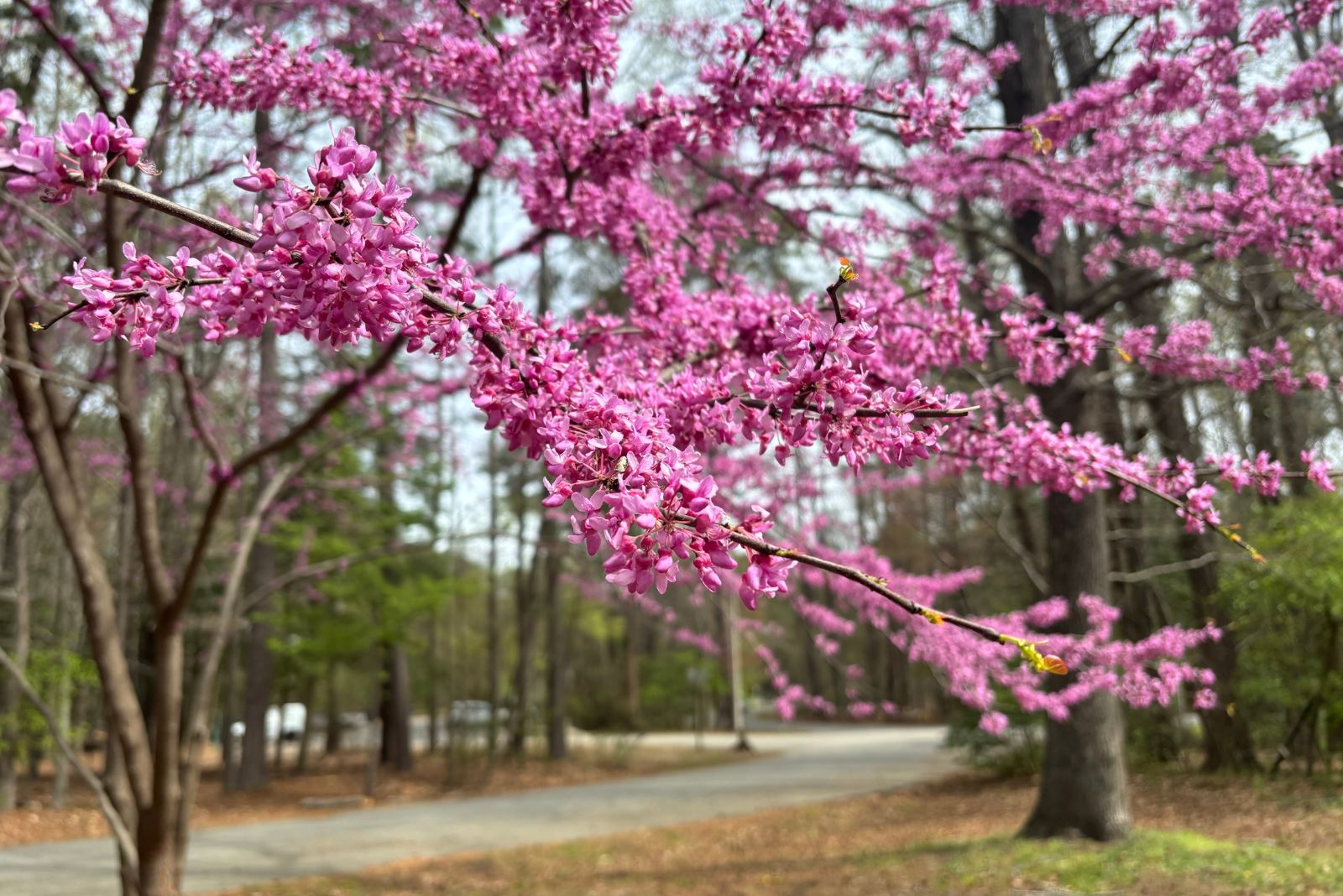
Walk through any Pennsylvania neighborhood in early spring and you’ll likely spot the same charming tree blooming in yard after yard. The Eastern Redbud has become a garden staple across the state, and for good reason.
This native beauty puts on a stunning show each year with its pink and purple flowers that appear before the leaves even emerge. Homeowners love how it fits perfectly into smaller spaces while still making a big impact.
Its heart-shaped leaves add character throughout the growing season, and the tree asks for very little in return.
Whether you’re planning your first garden or looking to add something special to your existing landscape, understanding why this tree has captured the hearts of so many Pennsylvania gardeners will help you decide if it deserves a spot in your yard too.
From its early spring blooms that signal winter’s end to its low-maintenance nature that keeps gardeners happy, the Eastern Redbud continues to earn its place as Pennsylvania’s favorite garden tree.
1. Why The Eastern Redbud Is A PA Favorite?
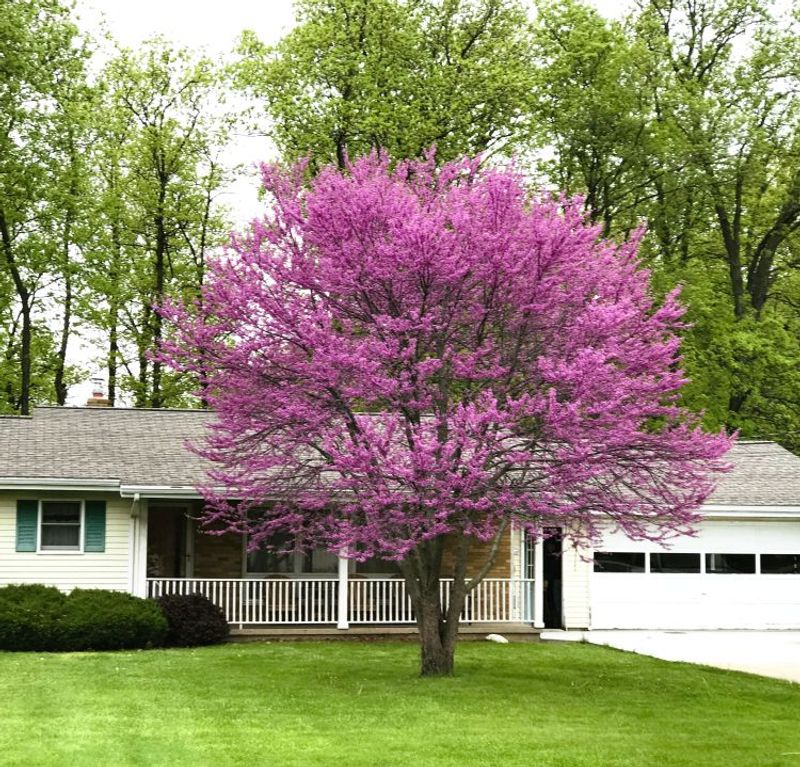
Pennsylvania gardeners have fallen head over heels for the Eastern Redbud, and once you see one in bloom, you’ll understand why.
This native tree has earned its spot in countless yards across the state because it delivers exactly what homeowners want without demanding much attention.
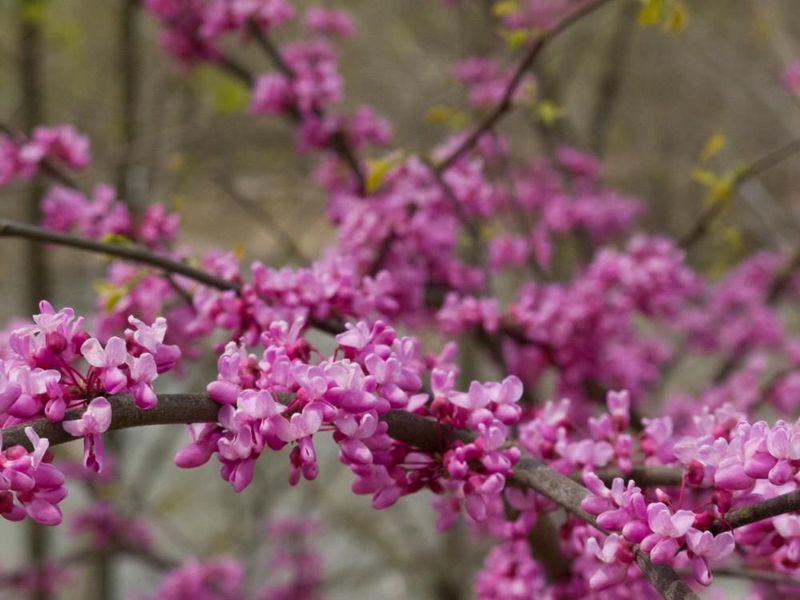
The brilliant pink to purple flowers burst forth in early spring, often before most other trees have even woken up from winter.
What makes this tree especially perfect for Pennsylvania properties is its manageable size. Most Eastern Redbuds grow between 20 and 30 feet tall, which means they won’t overpower a modest yard or threaten power lines.
Homeowners with limited space appreciate how this tree provides shade and beauty without taking over the entire landscape.
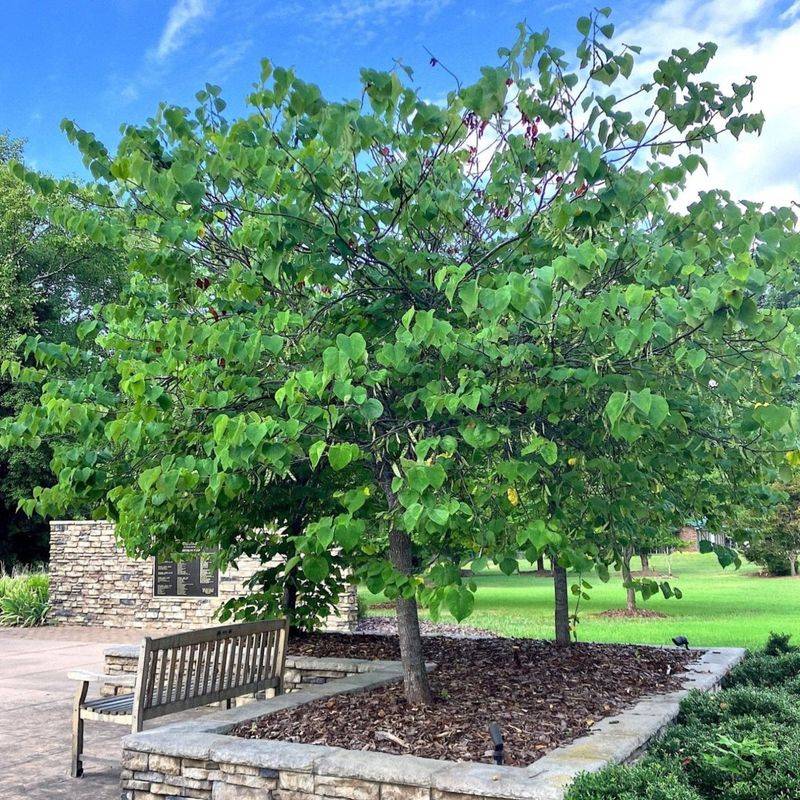
The heart-shaped leaves that follow the spring blooms add a romantic touch to any garden setting. These distinctive leaves create a soft, filtered shade that many smaller plants thrive under.
Throughout summer, the foliage maintains its appeal with a fresh green color that complements other garden plants beautifully.
Maintenance requirements stay refreshingly low with Eastern Redbuds. They don’t need constant pruning or special treatments to look their best.
Once established in Pennsylvania soil, these trees handle our climate conditions with ease, from hot summers to cold winters.
The tree’s versatility in garden design has contributed to its widespread popularity. It works beautifully as a specimen tree near a patio, along property borders, or even planted under taller shade trees.
This adaptability means almost any Pennsylvania garden can accommodate an Eastern Redbud, regardless of the existing landscape design or available space.
2. Description And Key Features
Standing between 20 and 30 feet at maturity, the Eastern Redbud creates an impressive presence without overwhelming your yard. This deciduous tree sheds its leaves each fall, providing changing scenery throughout the year.
The branching pattern forms a rounded or vase-shaped crown that looks elegant from every angle.
Those signature heart-shaped leaves measure about 3 to 5 inches across. Their smooth edges and pointed tips create a distinctive silhouette that’s easy to recognize even from a distance.
The leaves emerge with a reddish tint in spring before settling into their summer green color.
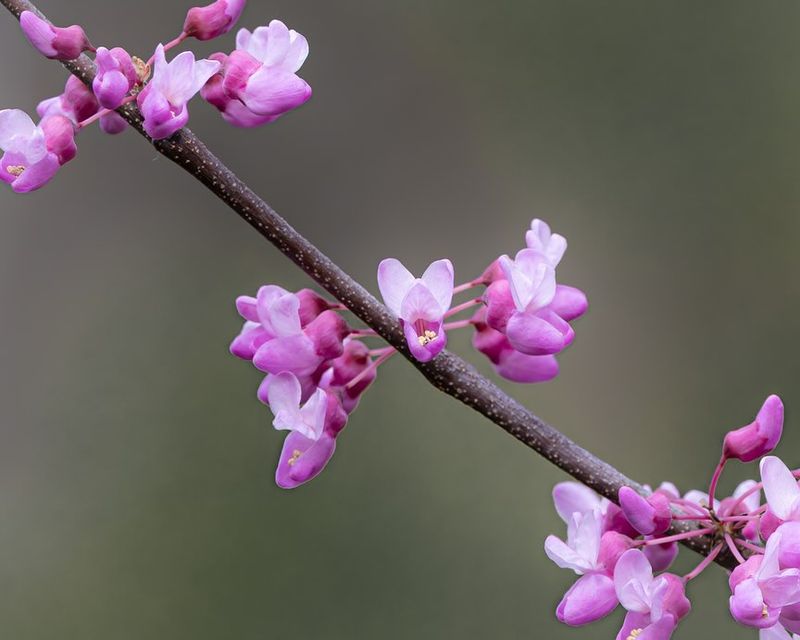
Flower clusters appear directly on the branches and even the trunk in a growth pattern called cauliflory. This unusual flowering habit creates a stunning visual effect as pink to purple blooms seem to magically sprout from the bark itself.
Each small flower measures less than an inch but appears in such abundance that the entire tree glows with color.
Summer foliage provides a lush green canopy that offers welcome shade during hot Pennsylvania months.
The leaves create a dense enough cover to reduce sunlight underneath while still allowing some filtered light through. This makes the area beneath perfect for shade-loving plants or a comfortable seating spot.
Fall brings another transformation as the foliage shifts to golden yellow tones. This autumn display adds warmth to the landscape before the leaves drop for winter.
Even without foliage, the tree’s attractive branching structure and smooth gray bark maintain visual interest throughout the colder months, ensuring your garden never looks bare or boring.
3. Ideal Planting Conditions In Pennsylvania
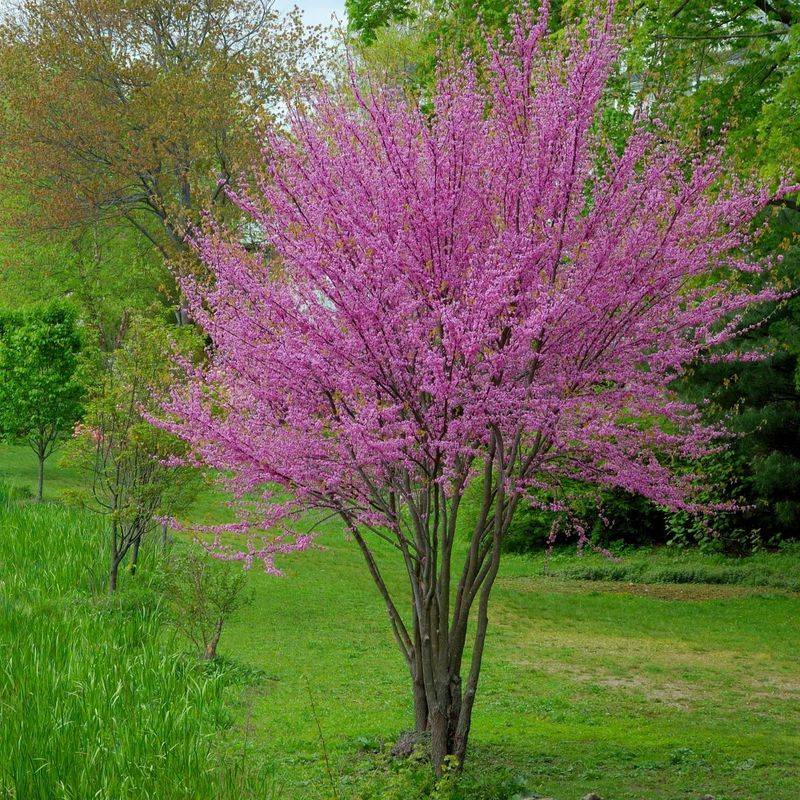
Sunlight requirements for Eastern Redbuds offer flexibility that Pennsylvania gardeners appreciate. These trees perform best with full sun exposure, meaning at least six hours of direct sunlight daily.
However, they also tolerate partial shade quite well, making them adaptable to various spots in your yard.
Soil conditions across Pennsylvania generally suit Eastern Redbuds perfectly. They prefer well-drained soil that doesn’t stay soggy after rain or watering.
Moderately fertile soil provides enough nutrients without requiring special amendments or constant feeding.
Clay soil, common in many Pennsylvania properties, works fine for Eastern Redbuds. The trees have adapted to handle heavier soils as long as water doesn’t pool around the roots.
Loamy soil, which many gardeners consider ideal, also supports healthy growth and development.
Placement options in your Pennsylvania garden vary based on your landscape design goals. Border plantings work wonderfully, creating a natural edge to your property while providing privacy and beauty.
The tree’s moderate size makes it perfect for this purpose without blocking too much light from neighboring yards.
Using an Eastern Redbud as a specimen tree near your patio or in a prominent yard location showcases its beauty throughout the seasons.
This placement allows you to enjoy the spring blooms up close and appreciate the changing foliage from your windows. The tree becomes a focal point that draws the eye and enhances your outdoor living space.
Planting under larger shade trees creates a layered landscape effect. Eastern Redbuds naturally grow in woodland edges in their native habitat, so they handle the dappled shade from taller trees quite well.
This understory position protects them from harsh afternoon sun during summer.
4. Planting Tips
Timing your planting makes a real difference in how quickly your Eastern Redbud establishes itself. Early spring offers ideal conditions when the soil becomes workable after winter thaws.
The tree can develop roots before hot summer weather arrives, giving it a strong foundation.
Fall planting works equally well in Pennsylvania. September through October allows the tree to settle in before winter while soil temperatures remain warm enough for root growth.
Avoid planting too late in fall, as the tree needs some time to adjust before the ground freezes.
Spacing considerations depend on your landscape plans and the tree’s mature size. Allow at least 15 to 20 feet between your Eastern Redbud and other trees or structures.
This distance ensures adequate room for the crown to spread and prevents crowding as everything grows.
Proper airflow around your tree helps prevent disease problems. Crowded plantings trap moisture and create conditions where fungal issues can develop. Adequate spacing lets breezes move through the branches, keeping foliage dry and healthy.
Preparing the planting hole requires digging a space two to three times wider than the root ball but no deeper. The extra width encourages roots to spread outward into the surrounding soil.
Making the hole deeper than necessary can cause the tree to settle too low once the soil compacts.
Planting depth affects long-term tree health significantly. Position your Eastern Redbud so the root flare sits at or slightly above ground level.
The root flare is where the trunk begins to widen at the base. Planting too deep suffocates roots and weakens the tree over time, while proper depth promotes vigorous growth.
5. Care And Maintenance
Young Eastern Redbuds need consistent moisture during their first growing season in your Pennsylvania garden.
Water deeply once or twice weekly if rainfall doesn’t provide about an inch of water. Deep watering encourages roots to grow downward rather than staying near the surface.
Established trees develop impressive drought tolerance after two or three years. Their root systems spread wide and deep enough to find moisture even during dry Pennsylvania summers.
You’ll rarely need to water a mature Eastern Redbud except during extended drought periods.
Mulching provides multiple benefits that keep your tree healthy with minimal effort. Spread a 2 to 3-inch layer of organic mulch like wood chips or shredded bark around the base.
Keep mulch a few inches away from the trunk to prevent moisture buildup against the bark. Weed control becomes much easier with proper mulching.
The mulch layer blocks sunlight from reaching weed seeds, preventing them from sprouting and competing with your tree for nutrients and water. This natural weed barrier saves you from constant pulling and hoeing.
Soil moisture retention improves dramatically with mulch coverage. The organic material slows evaporation from the soil surface, meaning water stays available to tree roots longer.
During hot Pennsylvania summers, this moisture conservation reduces watering needs and keeps your tree looking fresh.
Pruning requirements stay minimal for Eastern Redbuds. Remove any damaged or crossing branches in late winter while the tree remains dormant.
Light shaping maintains an attractive form without reducing the flower display. Avoid heavy pruning, as this tree naturally develops a pleasing shape and excessive cutting removes flower buds that form on older wood.
6. Wildlife And Garden Benefits
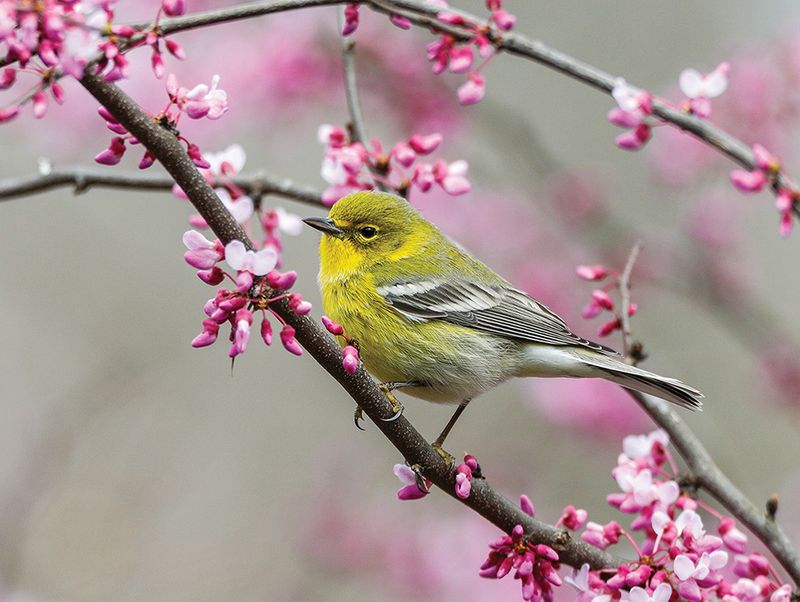
Pollinators flock to Eastern Redbud blooms like customers to a grand opening sale. Bees arrive in droves when those pink and purple flowers open in early spring.
They collect nectar and pollen while moving from bloom to bloom, supporting their colonies during a time when few other flowers have appeared.
Butterflies also visit Eastern Redbud flowers frequently. These colorful insects appreciate the early nectar source after emerging from their winter dormancy.
Watching butterflies dance around your blooming tree adds an extra layer of enjoyment to your Pennsylvania spring garden.
Bird activity increases around Eastern Redbuds throughout multiple seasons. The flowers themselves attract insect-eating birds that hunt for bugs among the blooms.
Later in the season, the tree produces flat seed pods that remain on branches through winter.
Seed pods provide food for various bird species during colder months when other food sources become scarce.
Goldfinches, chickadees, and other small birds peck at the seeds, finding nutrition that helps them survive Pennsylvania winters. Your tree essentially becomes a natural bird feeder that requires no filling or cleaning.
Visual interest extends across all four seasons with an Eastern Redbud in your Pennsylvania garden.
Spring blooms create that initial wow factor that makes neighbors stop and admire. Summer’s green foliage offers cooling shade and a pleasant backdrop for other plants.
Fall color adds golden warmth to your landscape as temperatures drop. Even winter brings beauty through the tree’s attractive branching structure and persistent seed pods.
This year-round appeal means your garden investment pays dividends every single day, making the Eastern Redbud truly deserving of its popularity in Pennsylvania landscapes.