The One Thing Michigan Serviceberry Trees Need Before September Ends
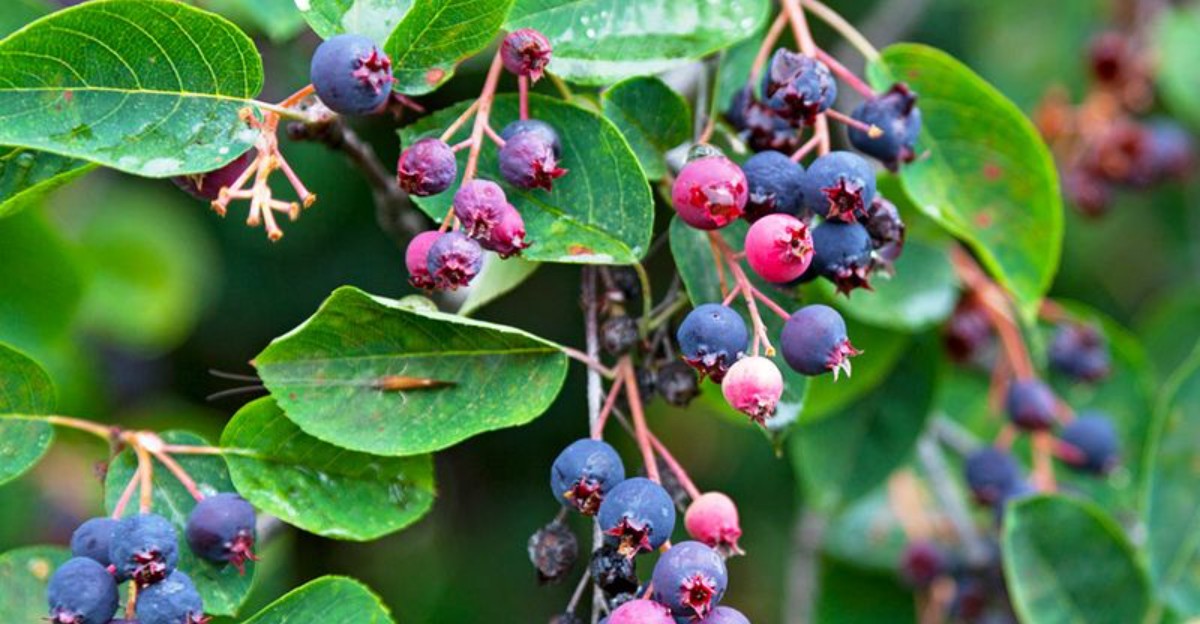
Serviceberry trees have delivered spring blooms, summer fruit, and fall color for Michigan yards all year, and one particular need as September winds down plays a real role in how well they handle the coming winter.
As the tree shifts its energy toward preparing for dormancy, its requirements change from what they were during the height of the growing season. Overlooking this need now can leave the tree more vulnerable to stress once cold weather fully arrives.
Because serviceberry is generally hardy but still benefits from proper fall care, addressing this now helps ensure the tree bounces back strong with another full season of blooms and fruit next year.
A little attention before the month ends can make a real difference in the tree’s long-term health.
1. Deep Watering During Dry Fall Weather
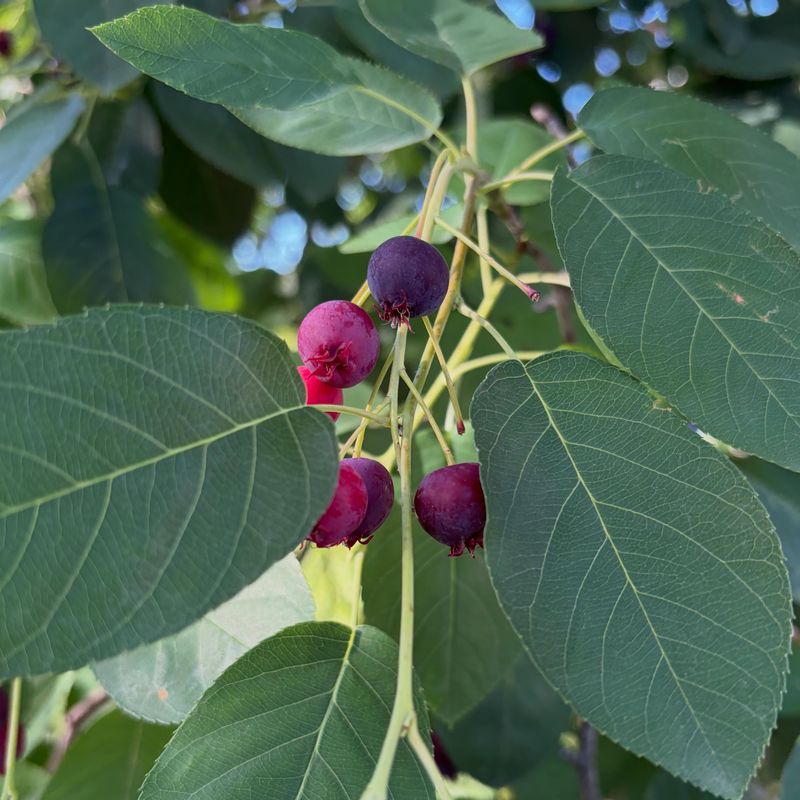
Water is the quiet hero of a healthy serviceberry, especially when September turns dry and warm. Many people stop watering once summer fades, but that is exactly when your tree can start to struggle.
A deep watering before winter helps reduce drought stress and ensures the root zone has adequate moisture before the ground freezes. A tree heading into the cold season thirsty is a tree that wakes up weak in spring.
Aim to water slowly so the moisture sinks in rather than running off. Let a hose trickle at the base for twenty to thirty minutes, or use a soaker hose around the root zone. You want the soil moist about a foot down, reaching where the working roots live.
Michigan falls can swing from rainy to bone dry in just a few days, so keep an eye on the weather. If a week passes with no real rain, your tree probably needs a drink. Cooler air means less evaporation, so the water you give actually stays in the soil longer.
This one habit builds up the tree’s inner reserves before dormancy sets in. Think of it like filling a water tank the tree will slowly sip from during the frozen months.
A well-watered serviceberry in late September is setting itself up for a burst of healthy growth and blossoms when spring finally returns.
2. Check Soil Moisture Before Watering Again
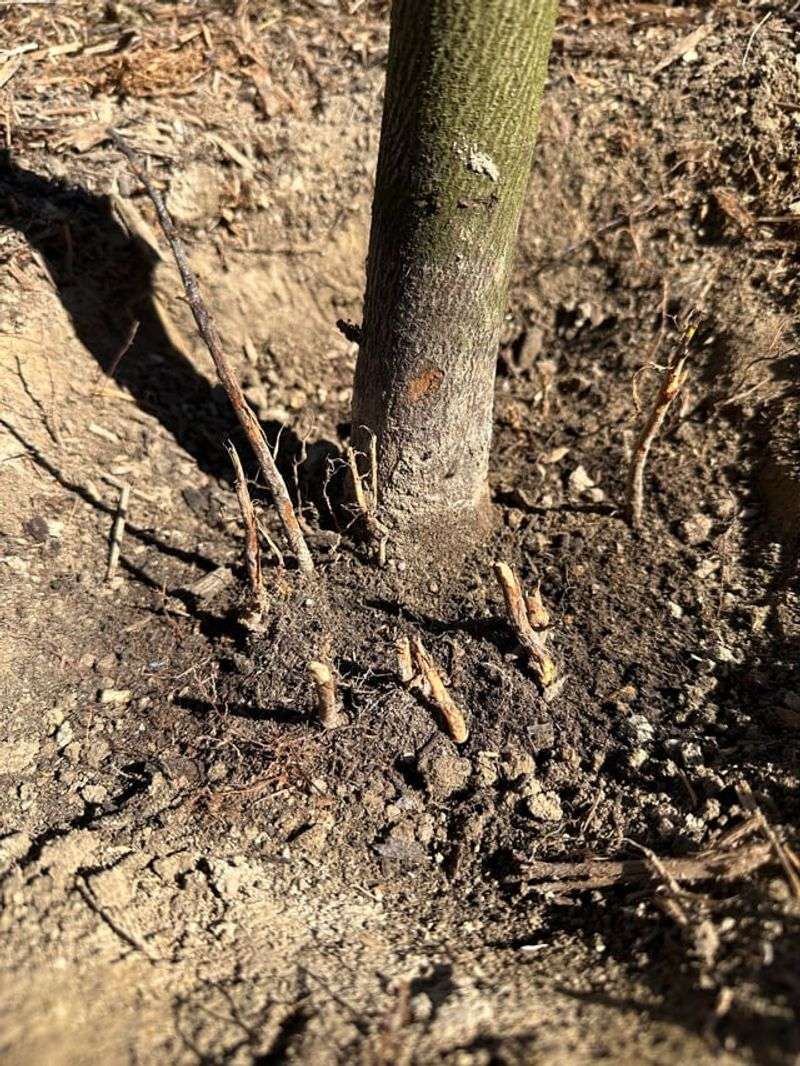
Before you reach for the hose again, take a moment to feel the soil. It sounds simple, but this small check saves your serviceberry from a lot of trouble.
Push your finger about two or three inches into the ground near the root zone. If it feels damp and cool, your tree has plenty to drink and can wait. If it feels dry and crumbly, that is your signal to water deeply.
Too much water can be just as harmful as too little. When soil stays soggy day after day, air cannot reach the roots, and roots need air just as much as moisture. Constantly wet ground can lead to rot and weak, mushy roots that cannot support the tree.
Serviceberries actually prefer soil that drains well and dries slightly between waterings. This mimics their natural growing spots along woodland edges and open fields across Michigan. Giving them that same rhythm keeps their roots happy and healthy.
Your Michigan Garden Changes Every Week. Your Plan Should Too.
Gardening in Michigan changes quickly throughout the season. Every Friday you’ll receive a simple weekly plan showing exactly what to plant, prune, fertilize, harvest, and protect so you never miss the right timing.
A cheap moisture meter can help if you are unsure, but your own fingers usually work fine. The goal is steady, even moisture, never a swamp and never a desert.
Paying attention like this also helps you learn your yard. Sandy spots dry out fast, while clay-heavy areas hold water much longer. Once you understand how your soil behaves, watering becomes almost automatic.
That little habit of checking first means every drop you give lands exactly when the tree truly needs it, not a moment sooner.
3. Avoid Heavy Fall Pruning

Grabbing the pruning shears in September feels productive, but for serviceberries it can backfire. This tree has its own best timing, and fall is usually not it.
Serviceberries bloom in early spring, which means they set their flower buds during the previous growing season. If you cut heavily now, you risk snipping off the very buds that would become next year’s beautiful blossoms.
That is a lot of spring color lost with one careless cut. The smartest time for big pruning is right after the tree finishes flowering in spring, or during the deep dormant stretch of late winter.
At those moments, you can shape the tree without stealing its future blooms. Fall cuts can also open fresh wounds right as cold weather moves in.
Those openings heal slowly in cool temperatures, leaving small doorways where pests and disease might sneak in. A tree entering winter with open cuts has extra stress it does not need.
There is one exception worth knowing. If you spot a broken, cracked, or clearly damaged branch, go ahead and remove it for safety. Cleaning up trouble spots is different from a full reshaping.
For everything else, let the tree keep its healthy growth through the season. Those branches store energy and protect the plant as temperatures drop. Resist the urge to tidy too much right now.
Patience here pays off big. Wait for the right window, and your serviceberry rewards you with a fuller shape and a stunning wall of spring flowers.
4. Protect The Root Zone With Mulch

A good layer of mulch is like a cozy blanket for your serviceberry’s roots. Spread it out now, and you give the tree a real head start on winter comfort.
Mulch does several jobs at once. It holds moisture in the soil, so your careful fall watering lasts longer. It also keeps the ground from swinging wildly between hot and cold, which steadies the roots underneath.
Michigan winters are famous for their freeze-and-thaw cycles. The ground freezes, thaws, then freezes again, and this back-and-forth can heave roots and shift soil around.
A two to three inch layer of organic mulch slows those temperature swings and keeps the root zone far more stable.
Use natural materials like shredded bark, wood chips, or chopped leaves. As they slowly break down, they feed the soil and improve its texture over time. That means richer, healthier ground for the tree year after year.
Spread the mulch out in a wide ring, reaching toward the edge of the branches above. The roots stretch out wider than most people expect, so a generous circle protects more of them.
Fresh mulch also keeps weeds from crowding in and stealing water and nutrients. Fewer weeds means your serviceberry keeps more resources for itself.
This one step takes just a few minutes but pays off through the whole cold season. Come spring, you will find soil that is soft, moist, and full of life, ready to push your tree into strong new growth and bright blossoms.
5. Keep Mulch Away From The Trunk
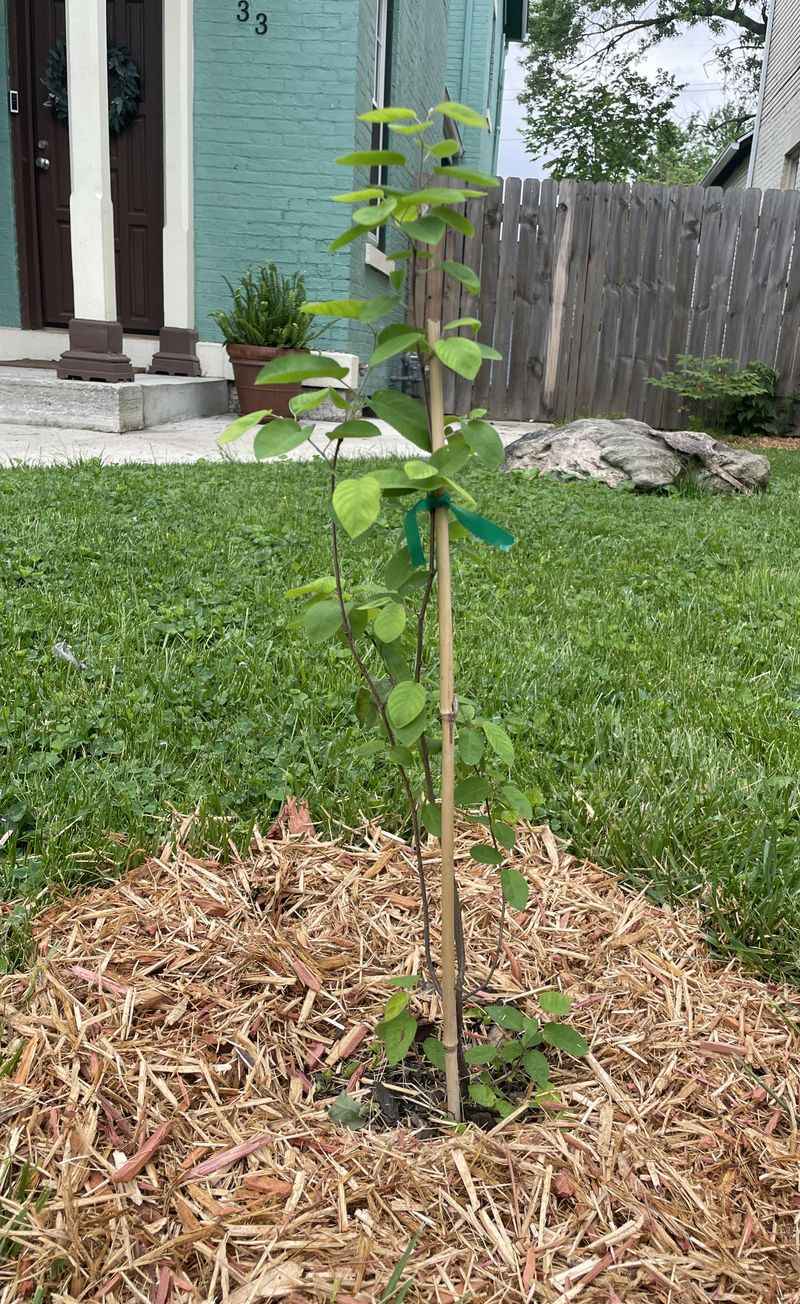
Piling mulch high against the trunk is one of the most common mistakes, and it can quietly hurt your serviceberry. The fix is easy once you know the trick.
Picture a donut shape, not a volcano. Mulch should form a ring around the root zone with a clear gap of a few inches around the trunk itself. That little space makes a big difference.
When mulch touches the bark, it traps moisture right against the trunk. Bark is meant to stay fairly dry, and constant dampness invites rot, fungus, and soft, weakened wood. Over time, that damage can spread and threaten the whole tree.
Wet mulch against the trunk also becomes a hiding spot for insects and small animals that nibble on bark. Keeping that gap open removes the cozy shelter they look for.
Good airflow around the base helps the trunk stay firm and healthy. Roots want moisture, but the trunk wants to breathe, and spreading mulch correctly respects both needs.
Pull the mulch back so you can see the flare where the trunk widens and meets the ground. That flare should always stay visible, never buried under a mound.
Check on it now and then, since mulch can drift back toward the trunk after rain or wind. A quick sweep with your hand keeps everything in place.
This tiny adjustment protects the part of the tree that holds everything up. Get the shape right, and your serviceberry gets all the benefits of mulch without any of the hidden risks.
6. Check For Summer Stress
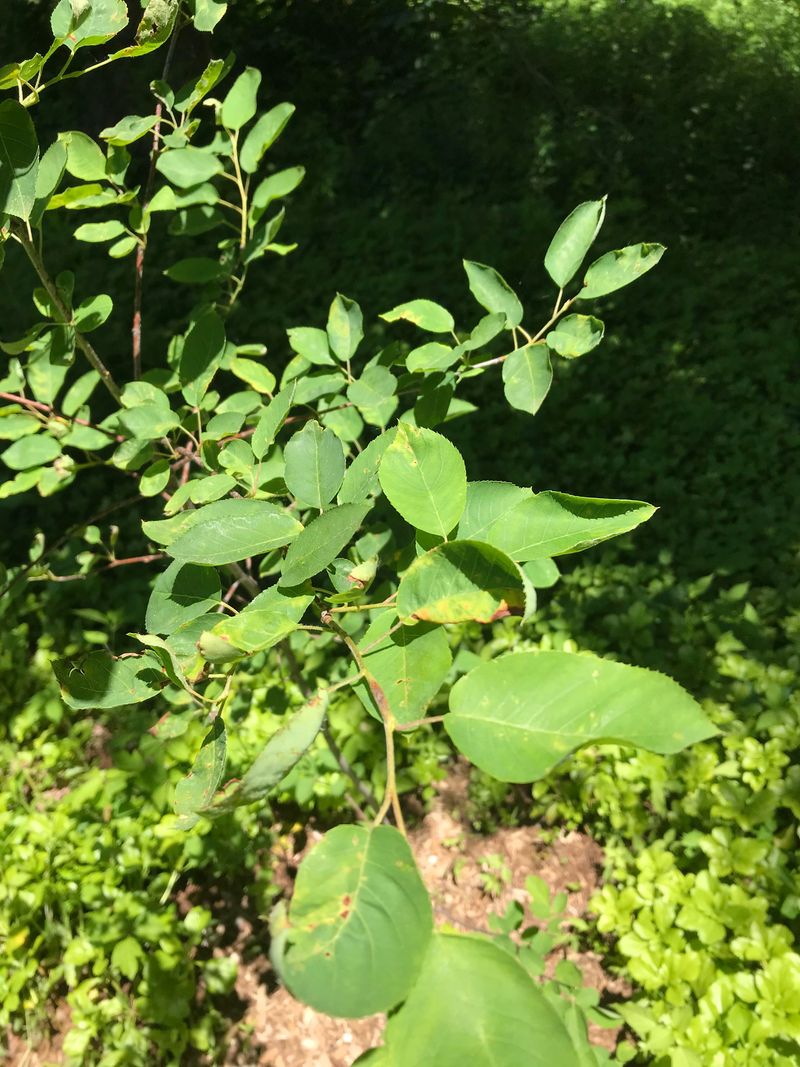
September is the perfect moment to give your serviceberry a good once-over. Summer can be rough on trees, and a quick inspection now reveals problems before they grow.
Long stretches of heat and drought leave marks. Look for leaves that curled, browned early, or dropped before their time. These clues tell you the tree worked hard just to get through the warm months.
Pests are another thing to watch. Turn a few leaves over and check for tiny insects, sticky spots, or chewed edges. Serviceberries can attract aphids and certain caterpillars, and catching them early keeps small troubles from spreading.
Disease shows up too. Orange or rusty spots, powdery coatings, or unusual blotches on the leaves can point to fungal issues common in humid Michigan summers. Rust from nearby junipers is one to keep an eye on.
Take a slow walk around the whole tree while you inspect. Study the branches for cracks, peeling bark, or wilting at the tips. A stressed tree needs extra care going into winter, so spotting weak spots now matters.
Clear away fallen leaves that look spotted or infected, since they can carry problems into next year. A clean base helps break the cycle of disease.
If something looks off, note it and plan your next steps, whether that is better watering, a gentle treatment, or a call to a local expert.
Knowing your tree’s condition today means you can give it exactly what it needs to recover and enter the cold season in far better shape.
7. Avoid Late Fertilizer Applications
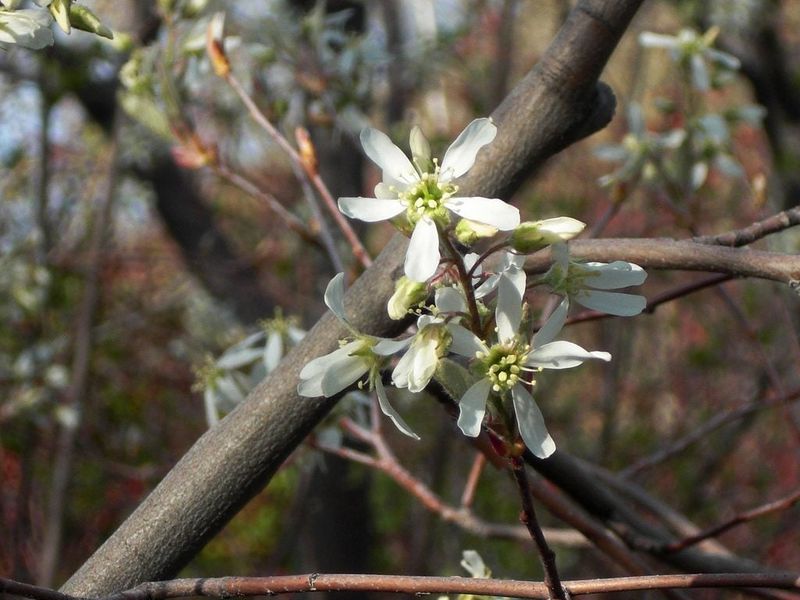
It is tempting to feed your serviceberry one last time before winter, but late fertilizer usually does more harm than good. Sometimes the kindest thing is to skip it.
Fertilizer pushes trees to grow. That sounds great until you realize that tender new shoots appearing in fall have no time to toughen up before cold weather arrives. Soft, fresh growth gets damaged easily by frost.
Established serviceberries planted in decent soil rarely need heavy feeding anyway. They are naturally low-maintenance trees that pull most of what they need from the ground around them, especially when mulch keeps improving the soil.
Adding a big dose of nutrients now confuses the tree’s natural rhythm. Instead of settling into dormancy and resting, it tries to sprout and grow. That extra effort drains energy the tree should be saving for winter survival.
The better plan is to let your serviceberry slow down on its own schedule. As days shorten and temperatures drop, the tree naturally shifts into a resting state. Working with that cycle keeps it strong.
If your soil truly lacks nutrients, wait until early spring to feed. That timing supports fresh growth exactly when the tree is ready to use it, right as the growing season begins.
A simple soil test can tell you whether feeding is even needed, saving you money and effort. Most of the time, good watering and mulch handle everything.
Holding off on fertilizer now is one of the easiest ways to help. Let the tree rest, and it will thank you next spring.
8. Prepare The Tree For A Strong Spring Bloom

Everything you do this September builds toward one exciting payoff: a stunning burst of spring flowers. When you care for your serviceberry now, you are really planting the seeds of next year’s beauty.
Think of all the pieces working together. Deep watering fills the tree’s reserves, mulch shields the roots, and skipping heavy pruning keeps those precious flower buds safe. Each step supports the next.
Letting the tree enter dormancy naturally is the final key. Dormancy is the tree’s way of resting, and a well-rested serviceberry wakes up full of energy. That stored energy becomes leaves, berries, and clouds of white blossoms.
Michigan serviceberries put on one of the earliest spring shows around, blooming before many other trees even wake up. Those delicate flowers later turn into sweet berries that birds and people both love.
By avoiding late fertilizer and letting the tree slow down, you keep its natural clock ticking correctly. Trees that follow their normal rhythm bounce back stronger every single year.
Your fall inspection matters here too. Fixing small problems now means the tree does not carry them into the new season, so it can spend its energy on fresh, healthy growth instead.
Picture next April, when your serviceberry stands covered in blossoms while the rest of the yard is still waking up. That view is the reward for a little thoughtful care right now.
Simple, steady attention before September ends sets the whole cycle in motion. Give your tree what it needs today, and spring will be spectacular.