The One Thing That Can Make A Big Difference For Potted Rosemary In Georgia
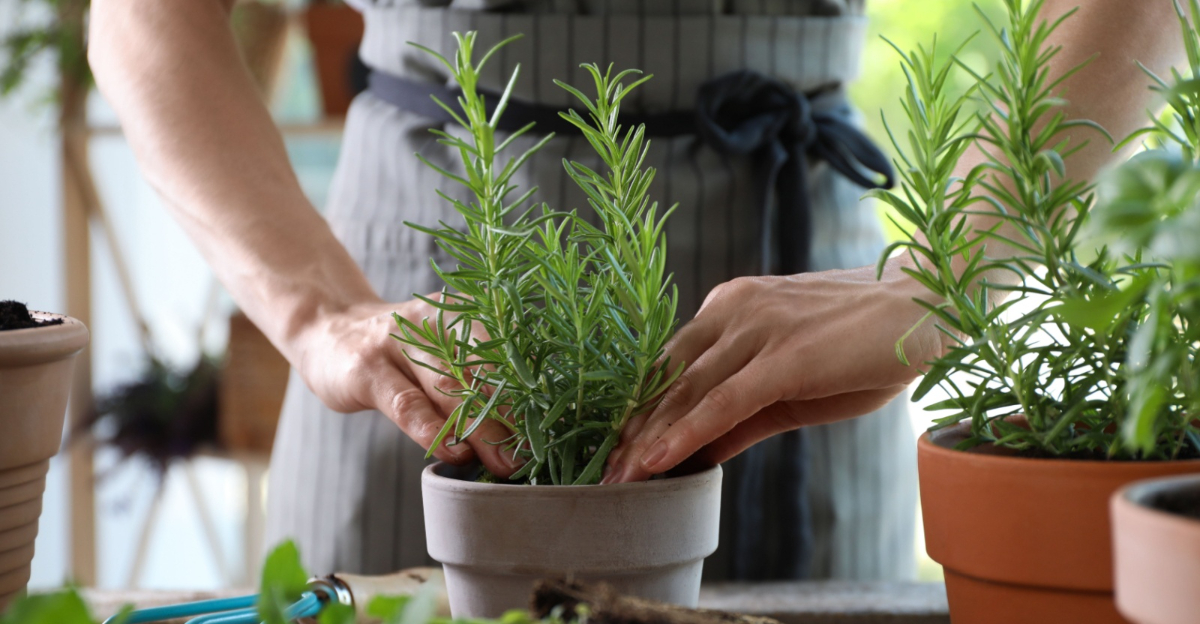
At first glance, rosemary seems like one of the easiest herbs you can grow in a pot. Give it sunshine, set it on a patio, and you’re good to go, right?
Then Georgia weather steps in and says, not so fast. The heat and bright light are actually in rosemary’s favor, but all that humidity and those sudden summer downpours can turn a simple setup into a bit of a puzzle.
Plenty of gardeners across Georgia run into the same issue. The plant looks fine one week, then starts acting a little off the next, and it is not always clear why.
The answer is usually hiding below the surface. Once you get the root conditions dialed in, everything else starts to fall into place, and your rosemary finally settles in like it means it.
1. The Biggest Trick Is A Terracotta Pot With Gritty Soil
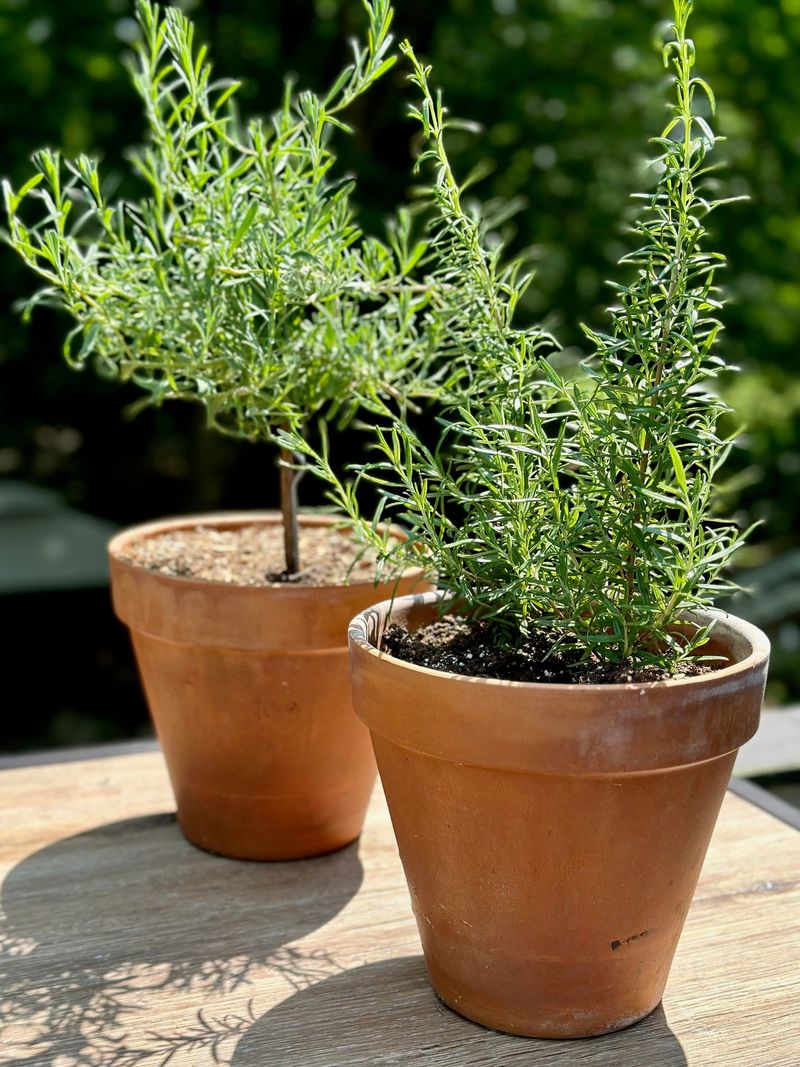
Terracotta has been a gardener’s go-to material for centuries, and potted rosemary in Georgia is one of the best examples of why that reputation holds up. Clay pots breathe.
Moisture moves through the walls of a terracotta container, which means excess water does not just sit around the roots the way it tends to in plastic or glazed ceramic pots.
For rosemary, which comes from dry Mediterranean hillsides, that breathability makes a noticeable difference during Georgia’s long, humid summers.
Pairing terracotta with a gritty soil mix takes things a step further. A good mix for rosemary in containers includes coarse sand or perlite blended into a standard potting mix, which opens up the structure of the soil and lets water drain through quickly.
Roots that stay moist for too long in heavy soil tend to soften and weaken, which shows up in the plant as yellowing needles, drooping stems, or a general lack of vigor.
A healthy rosemary plant in a well-draining terracotta pot holds its upright form, keeps its silvery-green color, and pushes out new growth even through Georgia’s warmest months.
The combination of a breathable pot and fast-draining soil gives the roots exactly the dry-to-moist cycle that rosemary prefers.
Starting with the right container and soil mix is the single biggest step a Georgia gardener can take for potted rosemary success.
2. Place Rosemary In Full Sun For Strong Growth
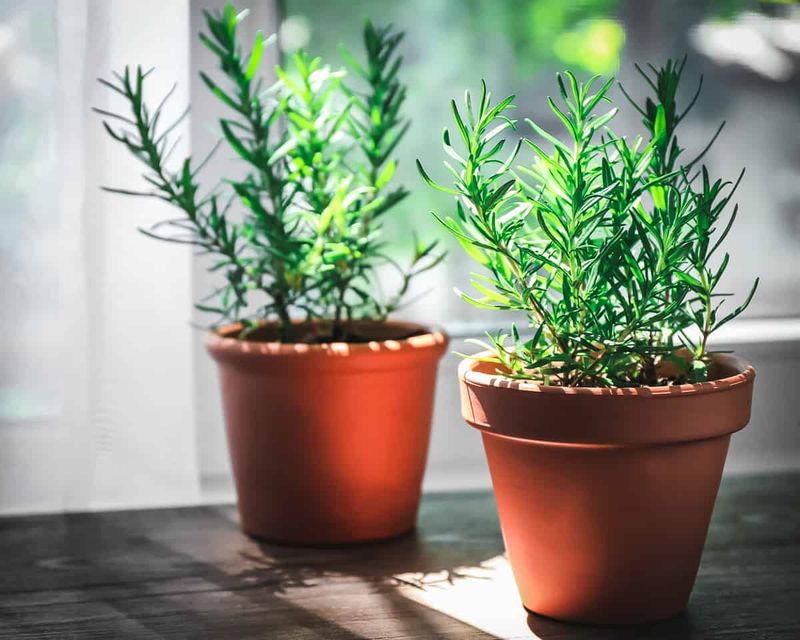
Rosemary tends to perform best when it has access to plenty of sunlight, and Georgia landscapes often provide more than enough.
A location that receives at least six to eight hours of direct sun each day can help support steady growth and maintain the plant’s compact shape.
Patios, decks, and open garden spaces usually offer the kind of exposure rosemary prefers. When grown in lower light, rosemary may still survive, but it often grows more slowly and can appear stretched or less dense.
Stems may become longer with fewer leaves, and the plant may not develop the same strong structure. Sunlight plays a role in more than just appearance.
It also helps the soil surface dry more quickly after watering or rainfall, which supports the drier root conditions rosemary prefers. In Georgia, summer heat can feel intense, but rosemary generally handles it well when drainage and airflow are in place.
Your Georgia Garden Changes Every Week. Your Plan Should Too.
Gardening in Georgia changes quickly throughout the season. Every Friday you’ll receive a simple weekly plan showing exactly what to plant, prune, fertilize, harvest, and protect so you never miss the right timing.
In fact, the combination of warmth and sunlight can support steady growth throughout the season. Placing the plant in a bright, open spot early on can make it easier to maintain healthy conditions over time.
With enough sun, rosemary tends to stay fuller, more balanced, and better adapted to container growing in Georgia.
A sunny spot also helps bring out the plant’s strong herbal scent, which is half the fun of growing rosemary near a porch, patio, or kitchen door.
3. Water Only When The Soil Feels Dry
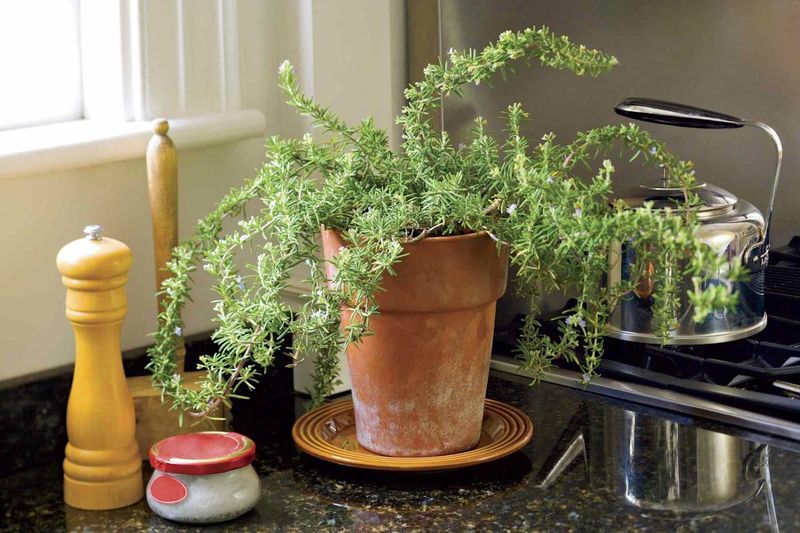
Watering rosemary in a container is less about following a schedule and more about paying attention to the soil. In Georgia, where humidity and rainfall can vary, checking the soil directly is one of the most reliable ways to decide when to water.
If the top inch or two feels dry, it is usually a good time to add water. If it still feels damp, waiting a bit longer can help avoid excess moisture building up around the roots.
Rosemary prefers soil that dries out slightly between waterings. Keeping the soil constantly moist can limit airflow below the surface and affect root health over time.
Containers can hold moisture longer than expected, especially after rain, so it helps to consider recent weather before watering again. Even if the surface looks dry, deeper soil layers may still be holding water.
Simple habits like lifting the pot to check its weight or observing how quickly water drains through the bottom can give useful clues. Adjusting watering based on conditions rather than routine helps create a more balanced environment.
Over time, this approach can support healthier roots and more consistent growth for rosemary in Georgia’s changing weather.
This simple habit keeps you connected to what the plant actually needs instead of letting the calendar make watering decisions for you.
4. Avoid Heavy Potting Mixes That Hold Too Much Moisture
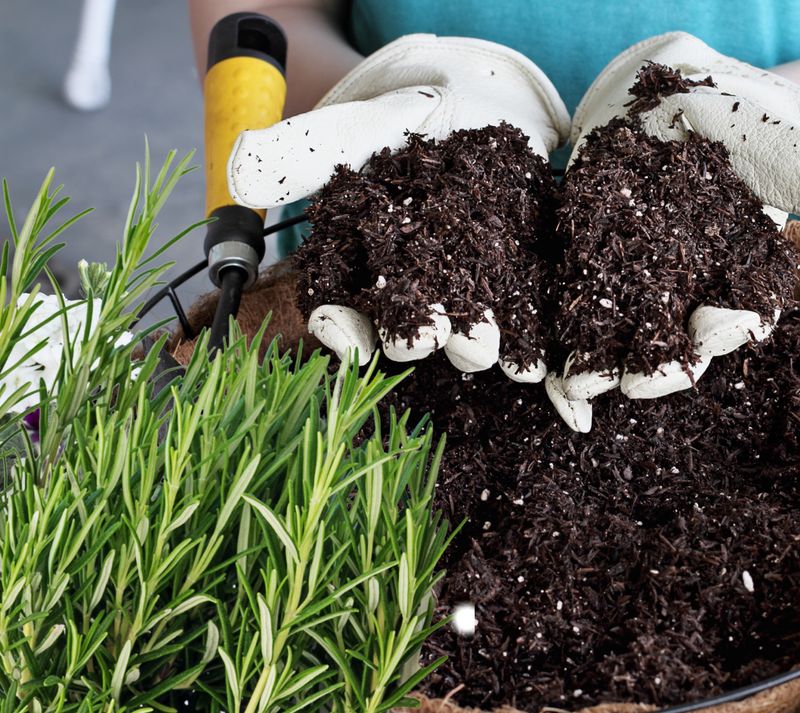
The type of potting mix used can influence how rosemary performs, especially in a humid climate like Georgia.
Many commercial potting mixes are designed to hold moisture for longer periods, which can be helpful for plants that prefer consistent moisture.
Rosemary, however, tends to do better in soil that drains quickly and does not stay wet for extended periods. When soil holds too much water, it can limit the amount of oxygen available to the roots.
This can affect how the plant grows and may lead to slower development. In containers, this issue can become more noticeable after rainfall or frequent watering.
A lighter, more open soil structure allows water to move through more easily while still supporting the plant’s needs. Adding materials like perlite, coarse sand, or pine bark fines can improve the texture of the mix.
These ingredients help create small air spaces that allow water to drain and roots to breathe. Paying attention to how the soil feels after watering can help you decide if adjustments are needed.
A mix that drains well can make it easier to maintain healthy conditions for rosemary in Georgia’s warm and often humid environment.
A soil mix that feels loose and chunky in your hand is often a better match for rosemary than one that feels dense, soft, and sponge-like.
5. Give Roots Room With The Right Pot Size
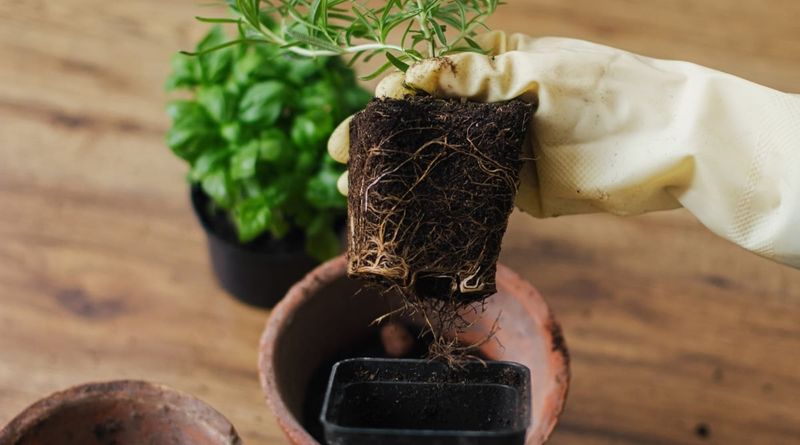
Container size can have a direct impact on how rosemary grows in a pot. A container that is too small may limit root development and cause the soil to dry out very quickly during hot Georgia afternoons.
This can lead to more frequent watering and less stable conditions for the plant. On the other hand, a pot that is much larger than the root ball can hold more moisture than needed, which may slow down drying after watering or rain.
Choosing a pot that gives the roots room to expand without leaving too much unused soil helps create a better balance. As rosemary grows, it may need to be moved into a slightly larger container to support continued development.
This process, often called repotting, can help prevent roots from becoming crowded. Signs like roots circling the bottom of the pot or growing through drainage holes can indicate that it is time to move the plant.
Keeping the pot size in line with the plant’s growth helps manage both moisture levels and root health. A well-sized container can support steadier growth and make it easier to care for rosemary over time.
Think of the pot as the plant’s little home, roomy enough to stretch out but not so huge that the roots sit in a damp mansion.
6. Keep Airflow Moving Around The Plant
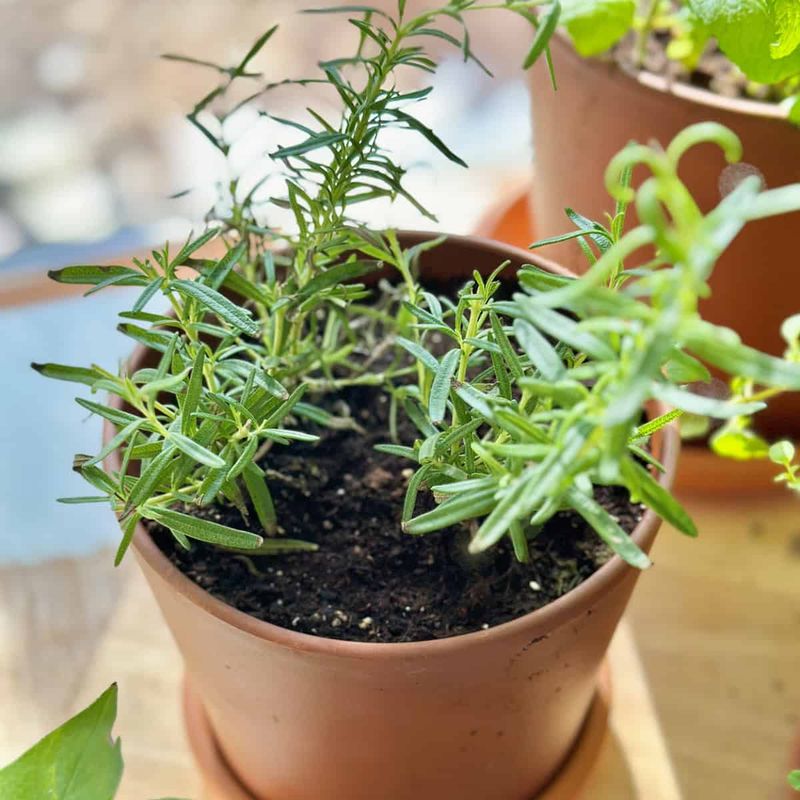
Airflow plays an important role in how rosemary performs, especially in Georgia’s humid climate. When air movement is limited, moisture can linger around the leaves and soil surface longer than ideal.
This can create a damp environment that does not match rosemary’s natural preferences. Placing the plant in an area where it can receive a light breeze can help improve conditions.
This does not require strong wind, just enough movement to keep air from becoming stagnant. Open patios, decks, or areas with some natural airflow are often good choices.
Spacing pots apart instead of grouping them too closely can also help air move more freely around each plant. Better airflow can help leaves dry more quickly after watering or rain, which supports overall plant health.
It can also help regulate temperature around the plant during warm afternoons. Small adjustments in placement can make a noticeable difference without requiring major changes.
For rosemary in Georgia, a bit of airflow can go a long way in maintaining balanced growing conditions.
This is especially helpful on covered patios, tucked-away porches, or tight balcony corners where humid air can hang around longer.
7. Bring Pots Under Cover During Long Rainy Periods
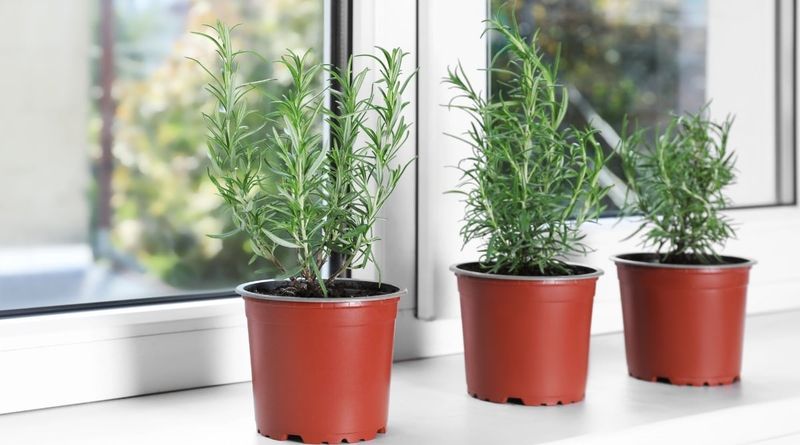
Georgia weather can shift quickly, and long stretches of rain are not uncommon during the growing season. While rosemary can handle occasional rainfall, extended wet periods can lead to soil staying saturated for too long in containers.
Even well-draining mixes can become overly wet if rain continues for several days. Moving pots under a covered area, such as a porch or overhang, can help reduce how much water reaches the soil during these periods.
This allows you to maintain more control over moisture levels and prevents the roots from sitting in damp conditions for too long. Once the weather clears, the plant can be moved back into a sunny spot.
This approach does not need to be used all the time, just during extended rainy stretches. It is a simple adjustment that can help maintain a more consistent environment.
Keeping an eye on the weather and making small changes like this can support healthier rosemary plants throughout Georgia’s growing season.
That quick move can be especially helpful during those Georgia weeks when every afternoon seems to come with another surprise shower.
8. Trim Lightly To Encourage Bushy Growth
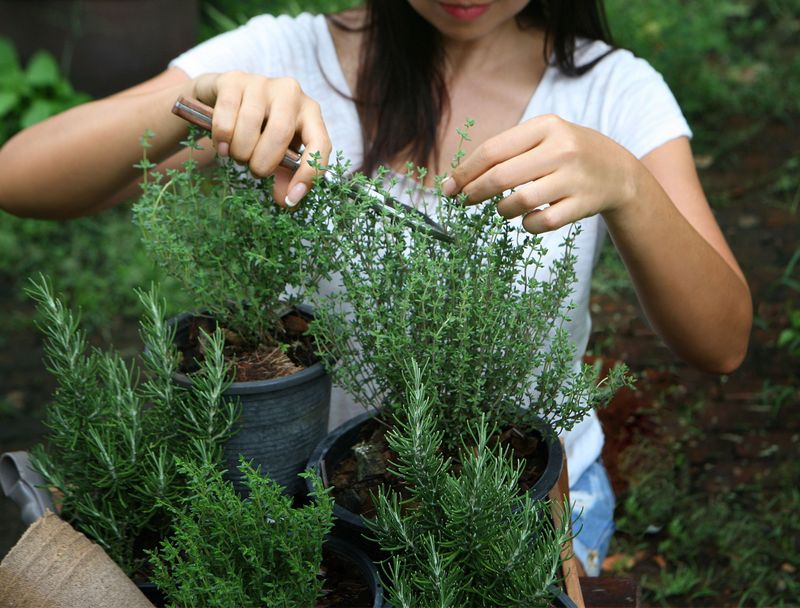
Light trimming can help rosemary develop a fuller, more compact shape over time. Instead of removing large sections of growth, it works better to trim small amounts from the tips of the stems.
This encourages the plant to branch out, creating a denser structure that looks more balanced. In Georgia, the long growing season gives rosemary plenty of time to respond to light pruning.
Regular trimming can also help improve airflow through the plant by preventing it from becoming too dense in certain areas. This ties back into managing humidity around the leaves.
Using clean, sharp tools helps make smooth cuts and reduces stress on the plant. Trimming can be done periodically throughout the growing season as needed, especially when the plant is actively growing.
It also gives gardeners a chance to remove awkward, leggy, or uneven stems before the plant loses its tidy shape. Over time, this practice can help maintain both the shape and health of the plant.
With a little attention to trimming, rosemary can continue to grow steadily and remain a useful addition to a container garden.
Plus, those small trimmings can go straight into roasted potatoes, grilled vegetables, or homemade bread, which is a pretty nice bonus.