The One Thing You Must Do To Crape Myrtles In Georgia Before Fall Ends
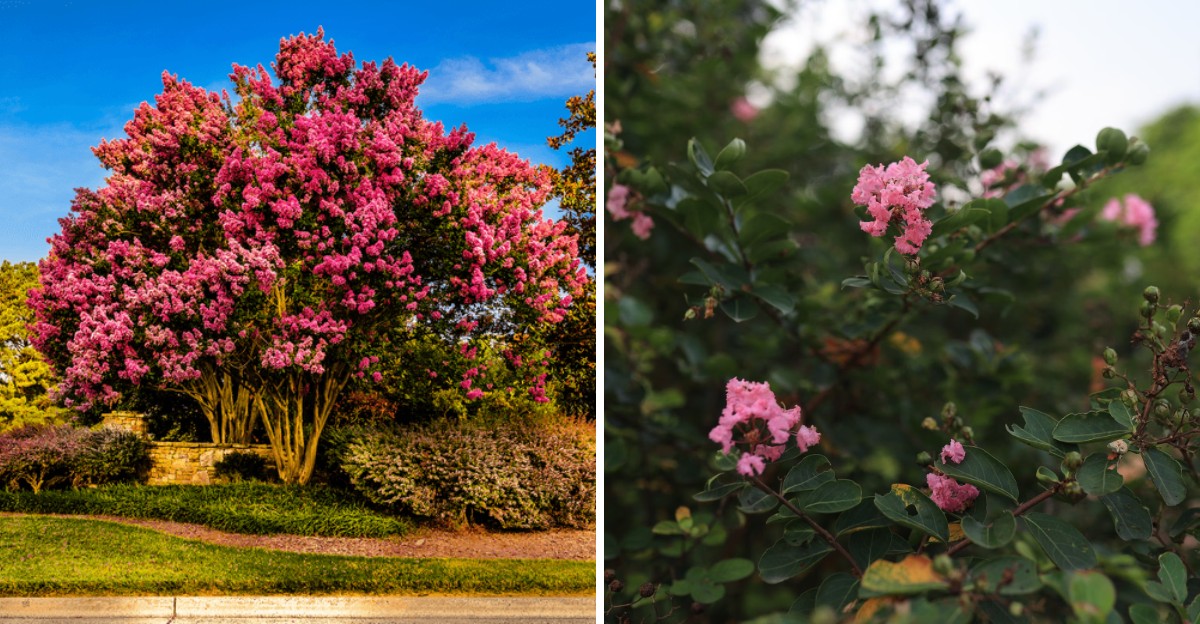
One snip with your shears this October could cost you next summer’s whole pink flower show. Fresh cuts made now wake up tender shoots, and the first hard freeze can scorch them overnight.
Experts at the University of Georgia say this timing mistake also lowers winter cold tolerance in the whole plant. The trouble grows worse when temperatures slip below ten degrees, which happens some years in the northern hills.
I get the urge too, because those scraggly seed heads look messy against the crisp blue autumn sky. Personally, I keep my loppers in the shed now, and my trees thank me with bigger blooms.
You’re in for a big surprise once you learn the real reason patience pays off this season.
1. Your Pruning Shears Belong In The Shed Until Late Winter
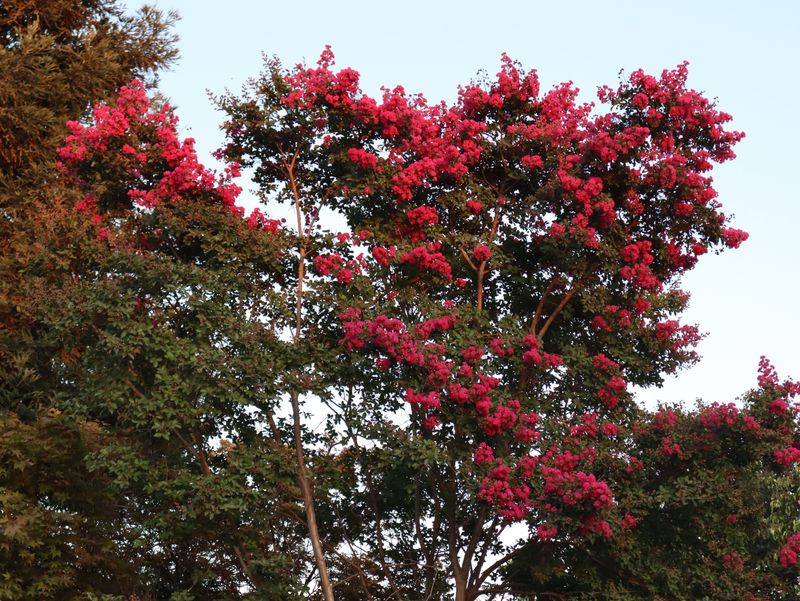
Set those shears down, friend, because the single smartest move this October is simply leaving your crape myrtles alone. Gardeners across Georgia feel tempted to tidy up now, yet waiting gives the tree a much healthier winter.
Crape myrtles are busy getting ready for dormancy, which is their version of a long, quiet nap. Pruning sends a confusing wake-up signal, telling the plant to grow when it should be slowing down.
I like to think of it like waking a sleepy kid right before bedtime on a school night. Everyone ends up cranky, tired, and much less prepared for the long, chilly morning that follows.
Heavy cuts in fall are the main mistake that experts warn about year after year in the South. Light cleanup is a different story, and we will cover the safe kind a little later on.
For now, the rule is easy to remember even on busy weekends filled with raking and other chores. Admire the colorful leaves, enjoy the peeling bark, and let the branches stay exactly as they are.
Your patience now will show up next summer as fuller branches covered in big, bright flower clusters. That trade sounds pretty sweet for doing nothing more than resting on the porch with warm cocoa.
2. Fresh Cuts Now Leave Your Tree Open To Freeze Damage
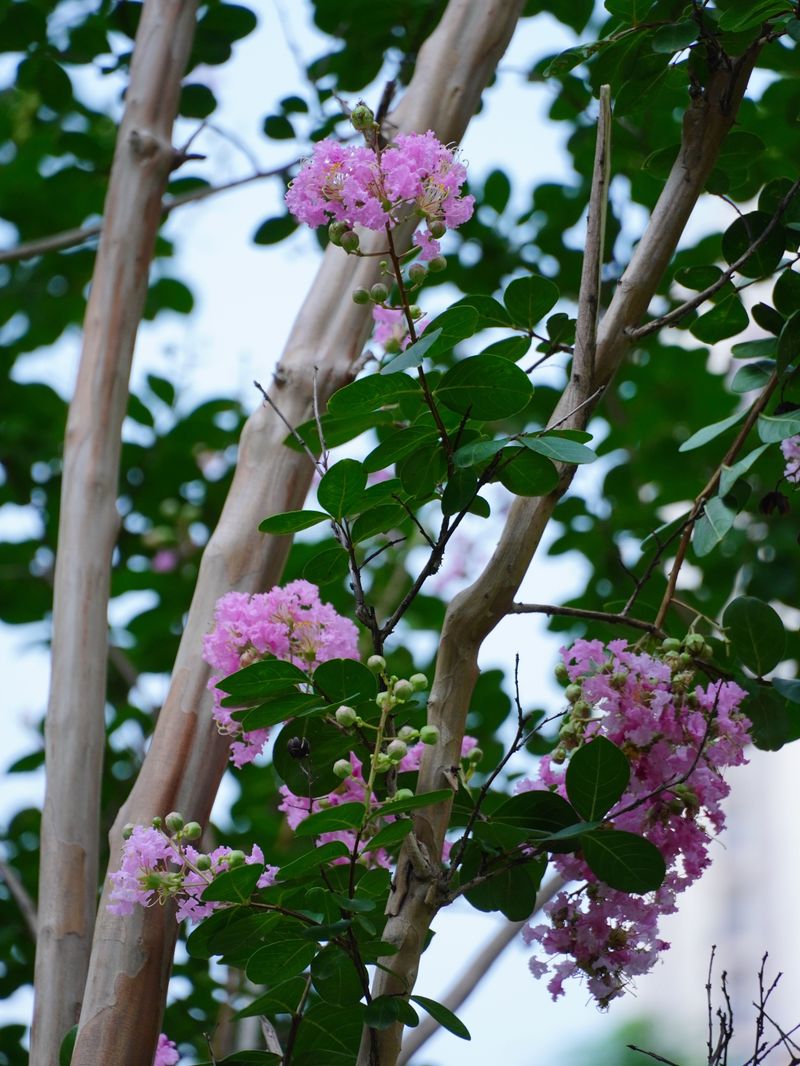
Late October can bring a surprise frost to Georgia, and fresh pruning cuts make that cold snap hurt more. Every cut you make tells nearby buds to wake up and push out soft green shoots.
Those shoots are thin, tender, and full of water, a bit like a fresh leaf of lettuce. When freezing air arrives, the water inside them turns to ice and the tissue quickly turns black.
Sadly, the harm does not stay on those little shoots, since cold injury can travel deeper into branches. University of Georgia experts note that fall pruning lowers overall cold tolerance, especially when temperatures dip below ten degrees.
Mountain towns in the north often see those deep chills, but even southern yards get rare icy nights. A tree that was trimmed in October heads into those nights with its natural defenses seriously lowered.
Your Georgia Garden Changes Every Week. Your Plan Should Too.
Gardening in Georgia changes quickly throughout the season. Every Friday you’ll receive a simple weekly plan showing exactly what to plant, prune, fertilize, harvest, and protect so you never miss the right timing.
Think of dormancy as the warm winter coat your crape myrtle slowly buttons up through the fall. Pruning early rips that coat open before the plant can finish settling in for the season.
I can’t imagine putting in all that summer care just to watch winter undo it in one night. Leaving the branches alone lets the tree harden off naturally and greet spring with strong, healthy wood.
3. You Could Be Snipping Away Next Summer’s Flowers
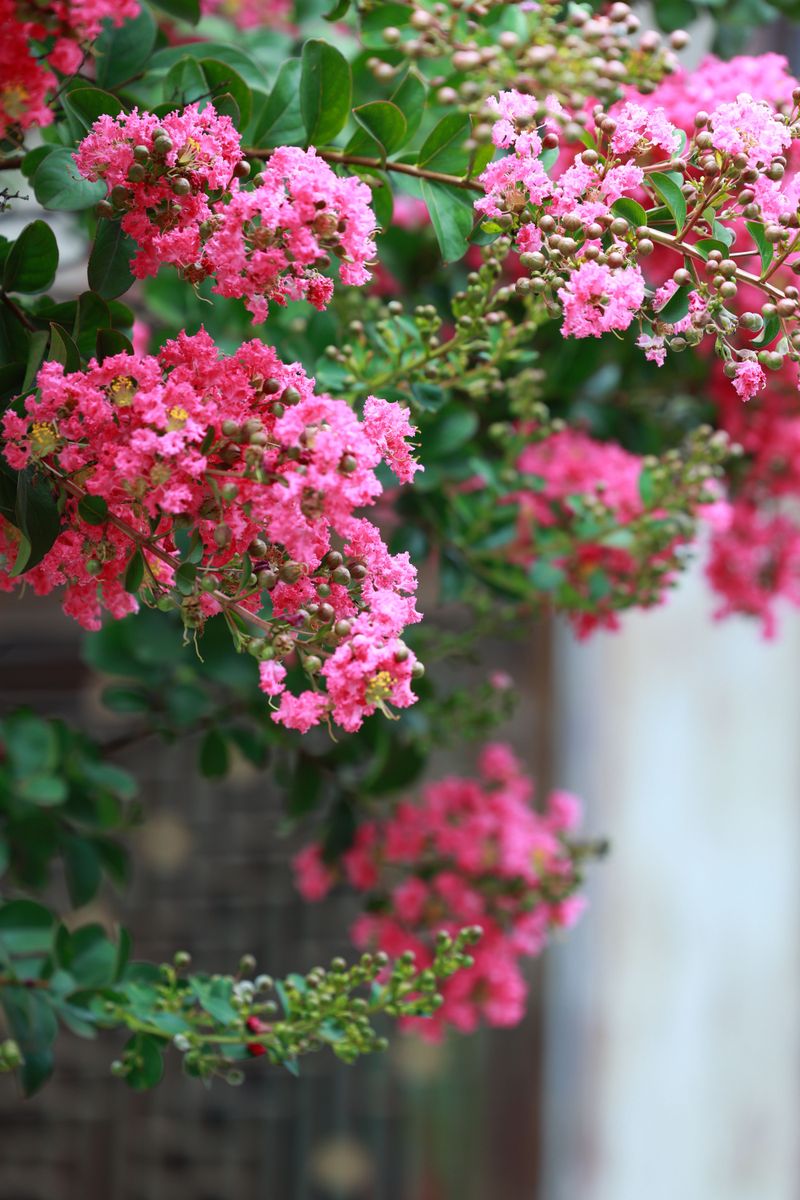
Those little buds sit quietly along the branches all winter, waiting for warm weather to call them out. Snip them away in October, and the tree has fewer starting points for strong growth in spring.
Worse yet, any new shoots that pop out after fall cuts often get frosted before they can mature. That leaves the plant spending precious stored energy twice, once on growing and again on healing.
Stored energy matters a lot, since roots and branches rely on it to fuel the spring wake-up. A tree that burns through its savings in fall usually blooms later and lighter the following year.
Fun fact for you, crape myrtles first arrived in the American South from Asia back in the 1700s. They earned the nickname lilac of the South thanks to their long, showy summer flower season.
Protecting that reputation in your own yard starts with simply keeping the shears put away this fall. Next July, you will get to enjoy the payoff in bright pink, purple, red, or snowy white.
4. Late January Is Your Best Window For Real Pruning

Mark your calendar now, because the sweet spot for real pruning lands between late January and mid-February. Gardeners in Georgia get the best results during this short window, according to local tree experts.
By then, the tree is fully dormant, so cuts will not trigger tender growth that frost can damage. The coldest stretch of winter is mostly behind you, and spring growth has not started up yet.
I love pruning on a bright, chilly afternoon when the branches are bare and easy to see. Without leaves in the way, you can spot crossing limbs, crowded centers, and weak twigs in seconds.
Start by removing suckers at the base, along with any branches that rub against each other. Then thin a few inward-growing limbs so sunlight and fresh air can reach the middle of the tree.
Cut each branch back to where it joins a larger limb or the trunk, leaving no stubs behind. Clean cuts like these heal faster and give the tree a natural, graceful shape for years ahead.
Sharp, clean tools make a big difference, so plan to sharpen your loppers over the holiday break. A quick wipe with a household disinfectant between trees also helps stop diseases from hitching a ride.
5. Your Tree Deserves Better Than Hard Topping

Drive through almost any Southern neighborhood in winter, and you will spot trees chopped into chunky, knuckled stubs. Many tree experts strongly discourage this harsh habit, and the lumpy results explain their concern quite well.
Cutting main trunks back to thick stubs forces out dozens of skinny shoots the following spring. Those shoots look busy, but they are often too weak to hold up heavy flower clusters.
After a summer rain, the soggy blooms drag the thin branches down until they sag or snap. Big, blunt cuts also heal slowly, giving rot and disease an easy door into the trunk.
Personally, I think the saddest loss is the gorgeous peeling bark that makes these trees so special. Mature trunks show off patches of cinnamon, tan, and gray that shine in the low winter sunlight.
Repeated topping keeps trunks young and knobby, so that smooth, colorful bark rarely gets a chance to develop. You trade a lovely sculpture for a lumpy fist of sticks, and few people want that view.
If your tree is too tall for its spot, consider a smaller variety rather than chopping it yearly. Dwarf and mid-size types fit cozy yards nicely and keep their natural, elegant form with little effort.
6. You Can Still Handle A Little Gentle Tidying
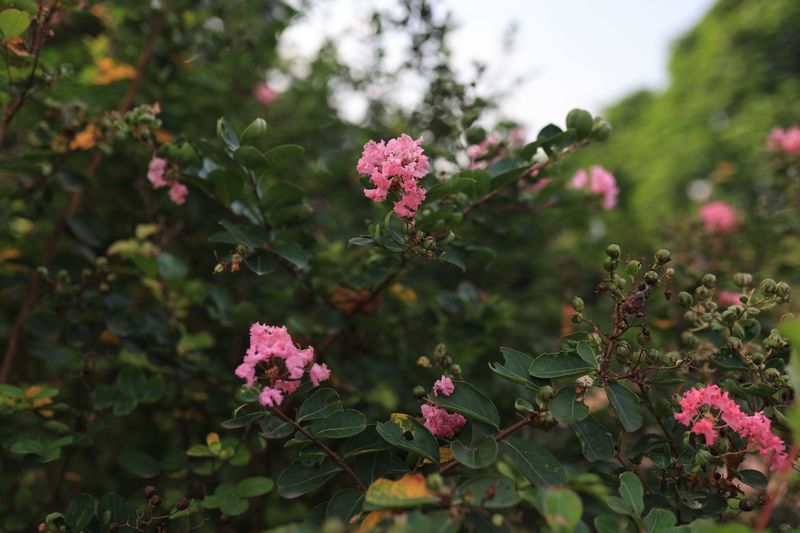
Storms happen, and sometimes a heavy branch cracks or droops low after a soaking autumn rain in Georgia. Removing broken or sagging limbs in fall is perfectly okay, as long as you keep the job small.
Follow the damaged branch back to the spot where it grows from a larger limb or trunk. Make your cut right there, just outside the slightly swollen collar where the two pieces of wood meet.
Avoid cutting branches partway along their length, since that kind of cut wakes up hidden buds nearby. Those buds then sprout soft shoots that frost can easily damage over the next few chilly months.
Old seed pods can stay put too, and honestly, they add nice texture against a frosty sky. Small birds like finches sometimes pick at them, which makes for fun window watching on cold mornings.
I like to walk around my trees once a week in October, looking for snapped or rubbing limbs. A quick check takes five minutes and helps you catch storm damage before it turns into bigger trouble.
Keep the total amount of trimming tiny, removing only what is broken, hanging, or clearly in the way. Everything else can wait for that late winter session when the tree is sound asleep and ready.
7. Your Other Fall Chores Keep The Tree Cozy All Winter
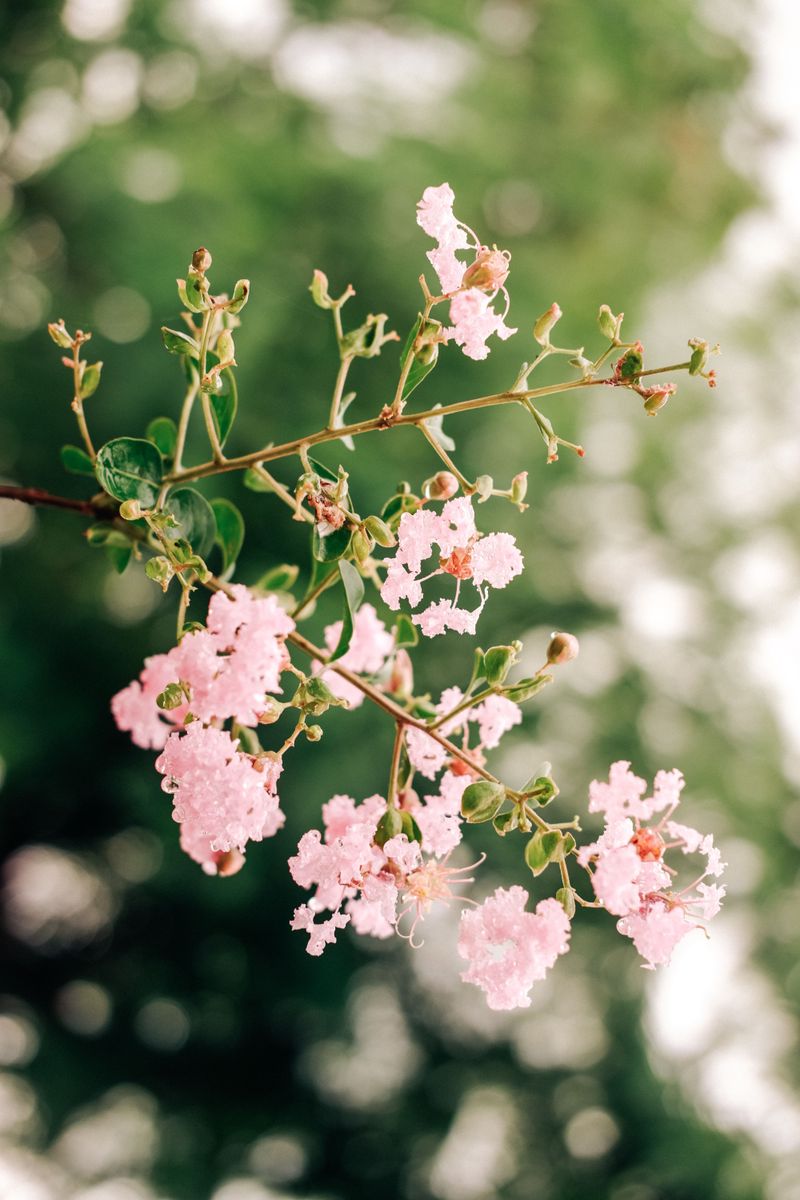
Put the fertilizer bag away for the year, because feeding now pushes the same tender growth as pruning. Your crape myrtle needs these cool weeks to harden off its stems before real winter weather arrives.
Raking comes next, and yes, those crunchy orange and red leaves matter more than you might expect. Fallen leaves can hide fungal spores, including powdery mildew and leaf spot, that wait for spring to return.
Bag those leaves or toss them in the trash rather than piling them under the tree. Healthy leaves from other plants can go in the compost, but skip any spotted ones from your crapes.
Once the ground looks clean, spread two to three inches of pine straw or shredded bark mulch. Pine straw is a classic choice across Georgia, and it smells wonderful on a crisp fall morning.
Mulch keeps soil moisture steady and protects roots from sudden temperature swings during the colder months ahead. Keep it a few inches away from the trunk, though, since piled mulch invites rot and hungry critters.
A deep drink of water during dry October spells also helps roots stay strong heading into winter. Handle these simple chores now, and your tree will reward you with a stunning show next summer.