The One Tree That Truly Thrives In Georgia Heat
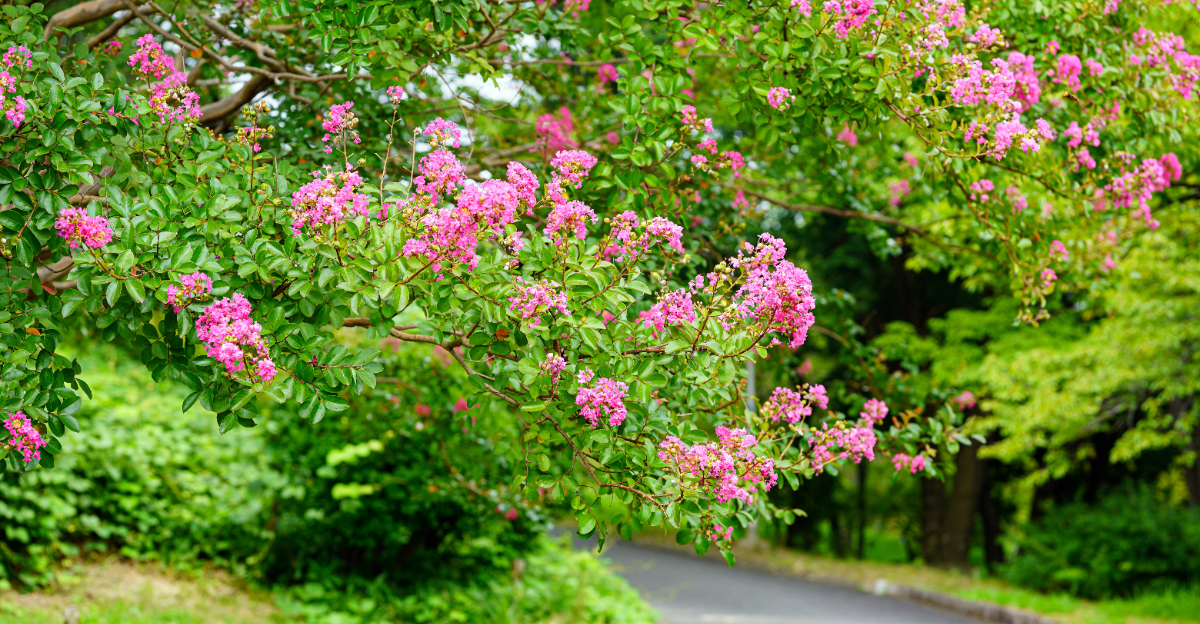
Not all trees handle a Georgia summer the same way, and it becomes obvious once the heat settles in. Some start to look tired, with leaves losing their color or dropping sooner than expected.
Others need constant attention just to keep them looking decent through the long stretch of hot, humid days.
That is usually when people start questioning what they planted in the first place.
There is one type of tree, though, that reacts differently once those conditions take over. It stays steady, keeps its structure, and does not seem to struggle in the same way others do.
That kind of consistency stands out in a Georgia yard, especially when everything else is feeling the pressure of the season.
Finding something that truly holds up through that level of heat can change how the entire landscape looks and feels once summer reaches its peak.
1. Crape Myrtle Handles Extreme Heat Better Than Most Trees
Walk outside on a 98-degree Georgia afternoon and look around your yard. Chances are, something is wilting.
The crape myrtle? Probably blooming harder than it was last week.
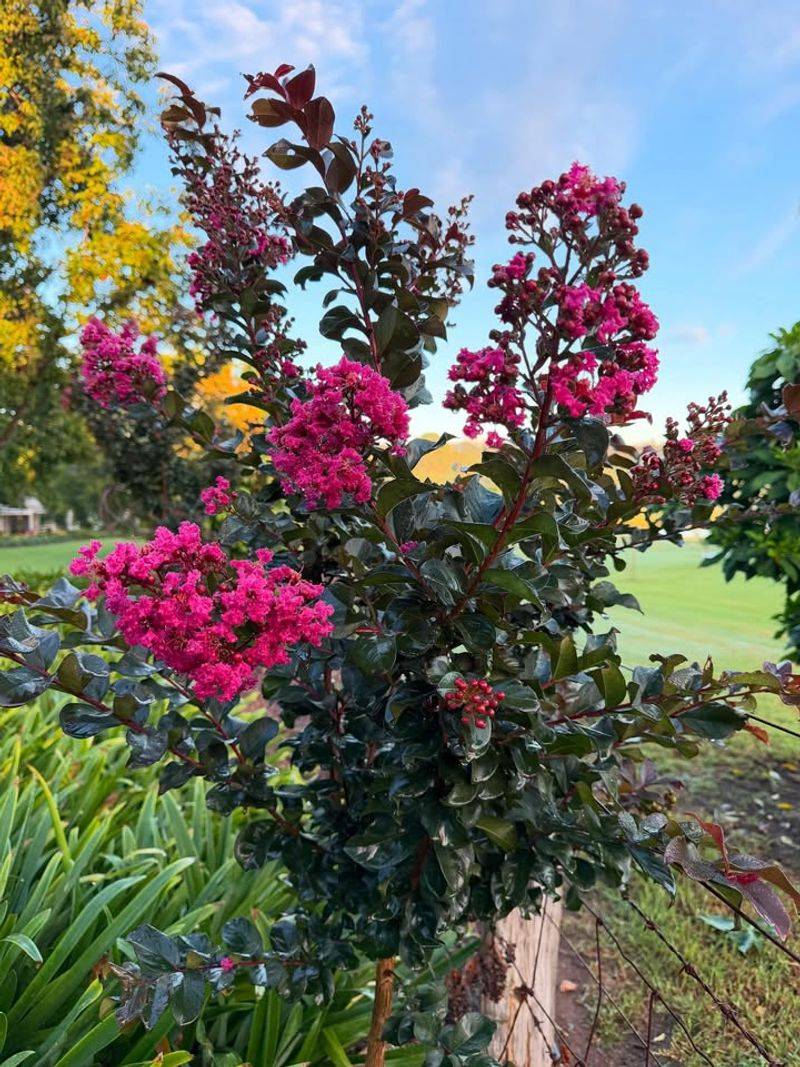
Crape myrtles genuinely perform better as temperatures climb. Most trees slow down or stress out when the heat gets serious, but crape myrtles seem to respond the opposite way.
Their blooming cycle actually picks up during the hottest stretches of summer, which is exactly when Georgia needs color in the landscape most.
Part of what makes this possible is the tree’s ability to handle heat stress at the cellular level. Its leaves are tough, its bark is resilient, and its root system works efficiently without demanding constant moisture to stay functional.
Other trees burn through water reserves fast in Georgia heat and start showing stress symptoms within days. Crape myrtles pace themselves.
Across Georgia, from Atlanta suburbs to coastal Savannah, you will see crape myrtles planted along streets, in front yards, and lining driveways. That is not a coincidence.
Landscapers and homeowners in Georgia have figured out through years of trial and error that this is one tree that does not require constant attention to stay looking good through a brutal summer.
If you have tried other flowering trees in Georgia and been disappointed when they faded fast or dropped leaves early, switching to a crape myrtle can feel like a relief.
It just handles the heat without complaint, season after season.
2. Full Sun Helps It Produce More Blooms
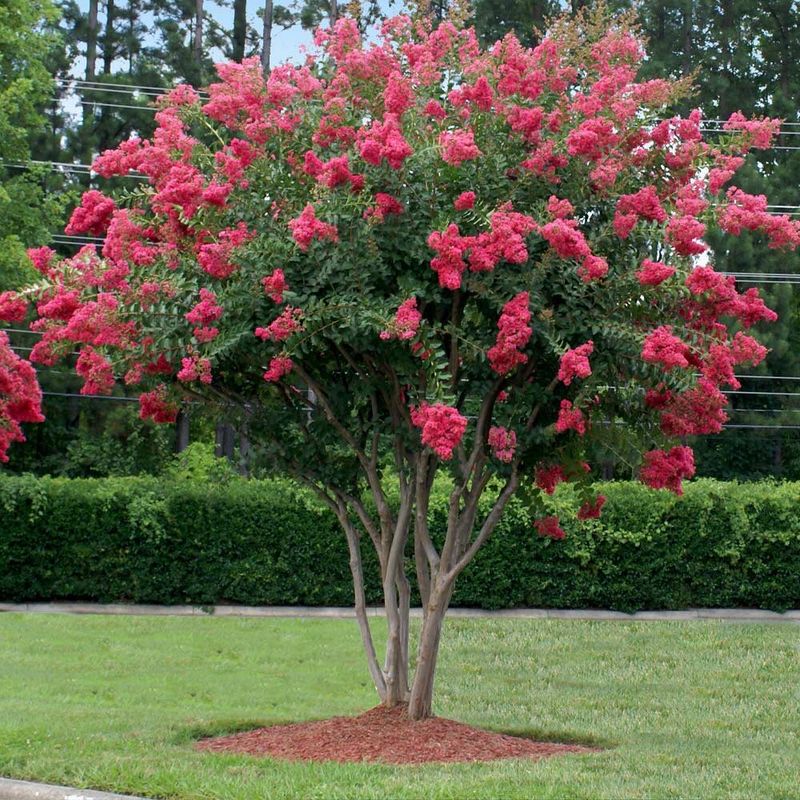
Shade might be a welcome thing for people in Georgia summers, but crape myrtles want nothing to do with it. Plant one where it gets shade for more than a few hours a day and you will notice fewer blooms, weaker branches, and a tree that never quite reaches its potential.
Six to eight hours of direct sun each day is what this tree actually needs to bloom the way you see in photos. Less than that and it will survive, but the flower production drops noticeably.
Georgia’s long, sun-heavy summers are almost perfectly matched to what crape myrtles require to look their best.
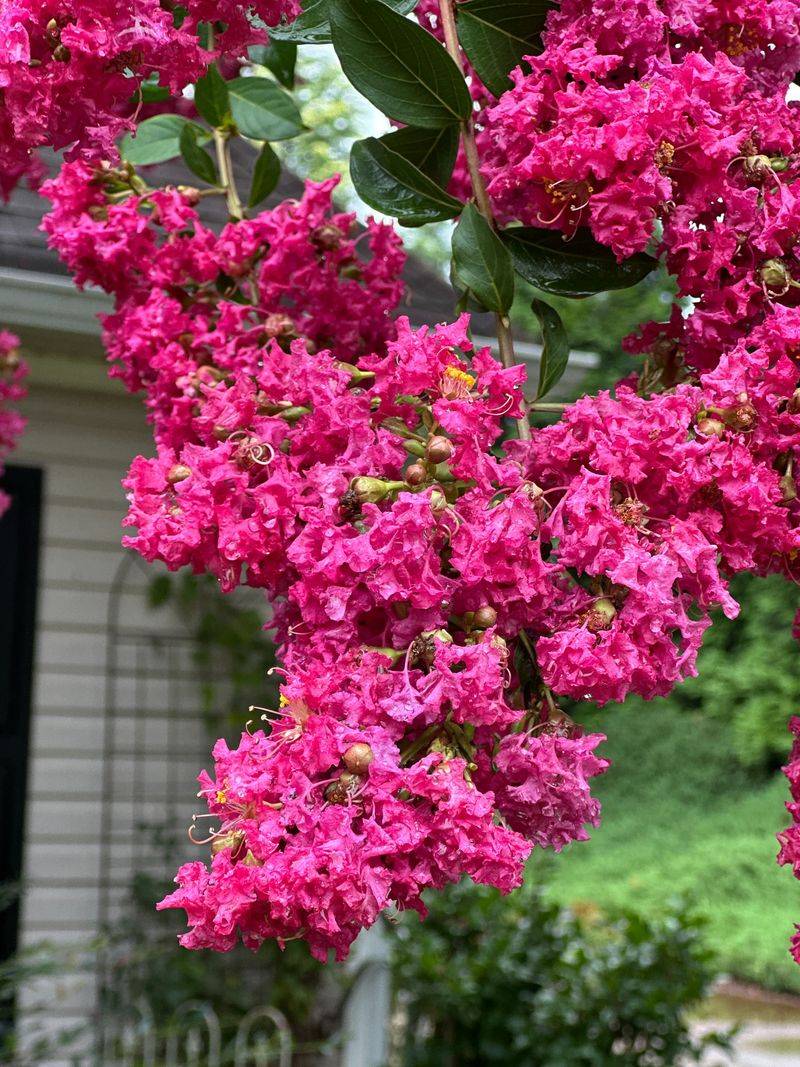
Bloom clusters on a crape myrtle in full sun can get surprisingly large. Some varieties produce blooms as big as a foot long, packed tightly with small flowers in shades of white, pink, red, lavender, or deep purple.
That only happens consistently when the tree is soaking up full Georgia sun from morning through afternoon.
If you are deciding where to plant one, avoid spots near large trees or buildings that cast heavy afternoon shade. An open area with southern or western exposure tends to work well in most Georgia yards.
You want the sun hitting the canopy directly, not filtered through other foliage.
One thing worth knowing: full sun also helps the tree dry off faster after rain, which matters more than most people realize. Wet foliage that stays damp encourages fungal problems, so good sun exposure does double duty here.
3. Well-Drained Soil Keeps Roots Healthy
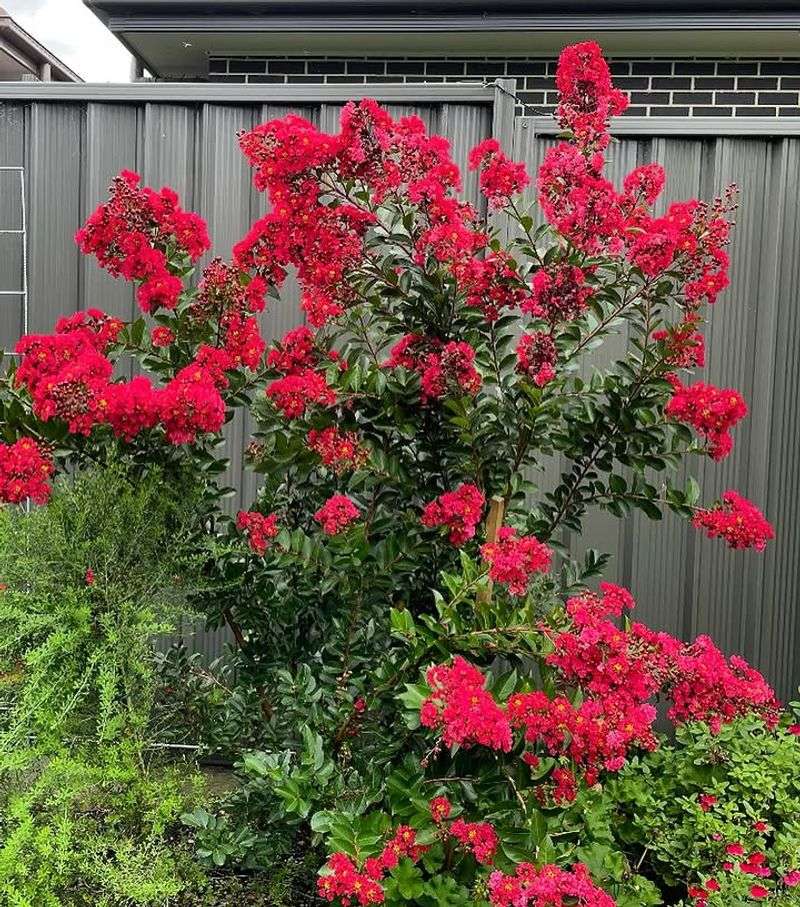
Soggy roots are a real problem for crape myrtles, and Georgia’s clay-heavy soils in many areas can trap water longer than these trees prefer. Getting the soil right before you plant makes a bigger difference than most people expect.
Crape myrtles do best in soil that lets water drain through within a few hours after rain.
They can handle a range of soil types, including sandy soil common in parts of south Georgia and the red clay found in the Piedmont region, but standing water around the root zone for extended periods causes root problems over time.
If your yard has heavy clay soil, mixing in some compost or coarse sand before planting can help improve drainage significantly. Raised planting beds are another option if your drainage is particularly poor.
Adding a few inches of mulch around the base of the tree also helps regulate soil moisture and temperature, which matters during Georgia’s hot spells.
Soil pH is worth checking too. Crape myrtles prefer a slightly acidic soil, somewhere between 5.0 and 6.5, which happens to be the natural range for much of Georgia’s native soil.
That alignment makes growing them here easier than in regions where soil conditions are less compatible.
Avoid planting in low spots where rainwater collects after storms. Even a tree that handles heat well can struggle when its roots sit in water repeatedly.
Pick a spot with a slight natural slope or grade, and the drainage usually takes care of itself without much extra effort.
4. It Needs Less Water Once Established
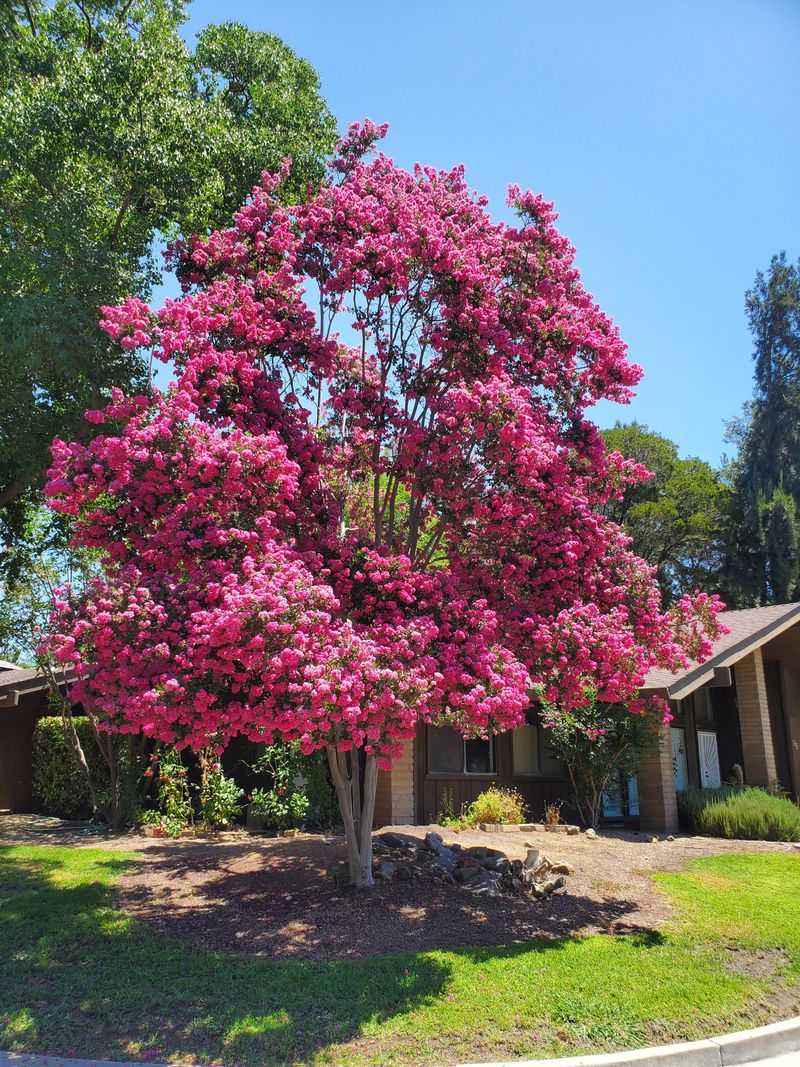
Georgia summers can stretch weeks without meaningful rain, and dragging a hose across the yard every other day gets old fast. Crape myrtles are forgiving in that department in a way that makes them genuinely practical for most Georgia homeowners.
Young trees, planted within the last year or two, do need regular watering while their roots spread out and anchor into the soil. That first summer is the most demanding period.
Water deeply once or twice a week during dry stretches and let the soil partially dry between waterings. Deep watering encourages roots to grow downward, which helps the tree access moisture during dry spells later on.
After that first year or two, most crape myrtles in Georgia can get through dry periods on rainfall alone, provided the summer is not unusually extreme.
During a severe drought, an occasional deep watering helps, but daily or even weekly watering is usually not necessary for a tree that has had time to settle in.
Overwatering is actually a more common mistake than underwatering with crape myrtles. Too much water, especially in clay soils, keeps the root zone saturated and can lead to root issues that show up as yellowing leaves or reduced blooming.
Less is usually better once the tree has been in the ground for a full growing season.
Compared to many ornamental trees that need consistent irrigation to look good through a Georgia summer, crape myrtles are genuinely low-demand. That matters when water restrictions hit or when life just gets busy.
5. Late Winter Pruning Supports Strong Growth
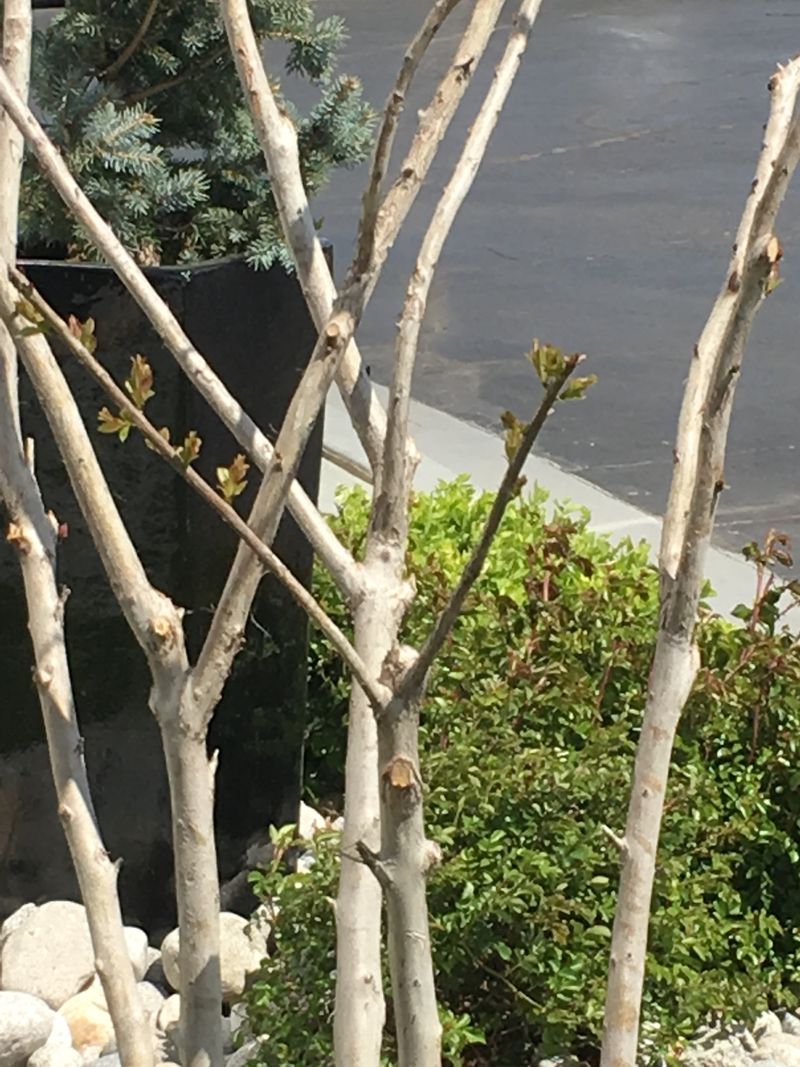
Few gardening debates in Georgia get as heated as the crape myrtle pruning argument. Walk through any neighborhood in February and you will see some trees chopped back to ugly stubs, a practice locals call crape murder, and others trimmed thoughtfully.
The difference in results by summer is dramatic.
Late winter, right before new growth begins, is the right time to prune. In Georgia, that usually means late February into early March, depending on how the season is running.
Pruning at this point lets the tree put its energy into new growth rather than healing cuts during the growing season.
Proper pruning means removing crossing branches, thinning out the interior of the canopy for better airflow, and cutting back seed heads from the previous year. You are shaping the tree and cleaning it up, not removing large portions of the main structure.
Cutting thick main trunks back to stubs weakens the tree over time and produces a cluster of weak, spindly shoots that are prone to breaking.
Crape myrtles bloom on new wood, meaning the branches that grow in spring and early summer carry the summer flowers. Encouraging strong new growth through smart pruning directly affects how well the tree blooms from July through September in Georgia’s peak heat.
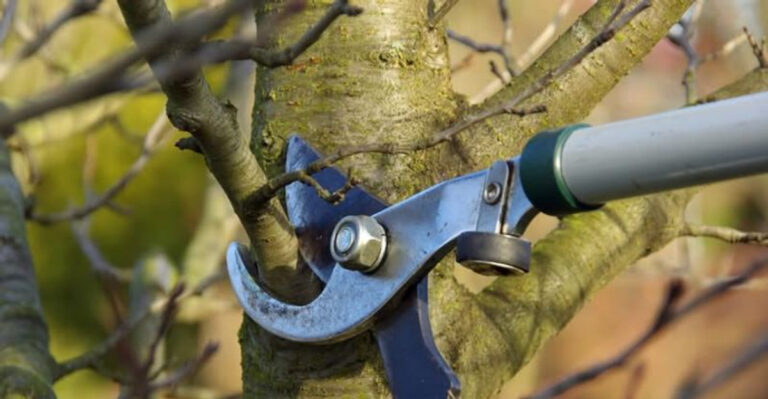
A sharp pair of loppers and a pruning saw are usually enough for most home crape myrtles. Clean cuts heal faster and reduce the chance of disease entry.
Take your time, step back often, and aim for a natural vase-shaped form that lets light reach the whole canopy.
6. Good Airflow Helps Prevent Leaf Problems
Powdery mildew is one of the most common complaints about crape myrtles in Georgia, and it almost always comes down to the same thing: not enough airflow through the canopy.
Georgia’s humidity creates the perfect environment for fungal issues, especially in summer when nights stay warm and air stays thick.
A dense, overcrowded canopy traps moisture and stays wet longer after rain or morning dew. That damp environment is where powdery mildew gets its start.
Thinning out crossing and inward-growing branches during late winter pruning goes a long way toward keeping the interior of the tree open and dry.
Spacing matters at planting too. Crape myrtles planted too close together or right against a wall or fence do not get the air circulation they need.
Check the mature spread of the variety you are planting and give it room. In Georgia’s humid climate, a little extra spacing makes a real difference in how healthy the foliage stays through summer.
Some crape myrtle varieties have been bred specifically for resistance to powdery mildew, and those are worth seeking out if you are planting new trees in Georgia.
Natchez, Tuscarora, and Muskogee are commonly available and perform well across the state with minimal leaf issues even in humid years.
If mildew does show up, it usually affects appearance more than the tree’s overall health. A fungicide spray can help manage it, but improving airflow through pruning and proper spacing is a better long-term fix than spraying repeatedly every season.
7. Established Trees Stay Reliable Through Long Summers
By the third or fourth summer in the ground, a crape myrtle in Georgia starts to show what it is really capable of. The trunk thickens, the canopy fills out, and the tree blooms reliably from mid-summer well into September without much help from you.
Georgia summers are long and unforgiving. From late May through early October, temperatures regularly hit the upper 90s, humidity stays high, and rain can disappear for weeks at a stretch.
A mature crape myrtle handles all of that without showing the kind of stress that shortens the life of other landscape trees.
Root depth is a big part of why mature trees hold up so well. Over several years, the root system spreads wide and reaches down into deeper soil layers where moisture is more consistent.
That reach gives the tree access to water reserves that younger, shallower-rooted trees simply cannot tap into during dry stretches.
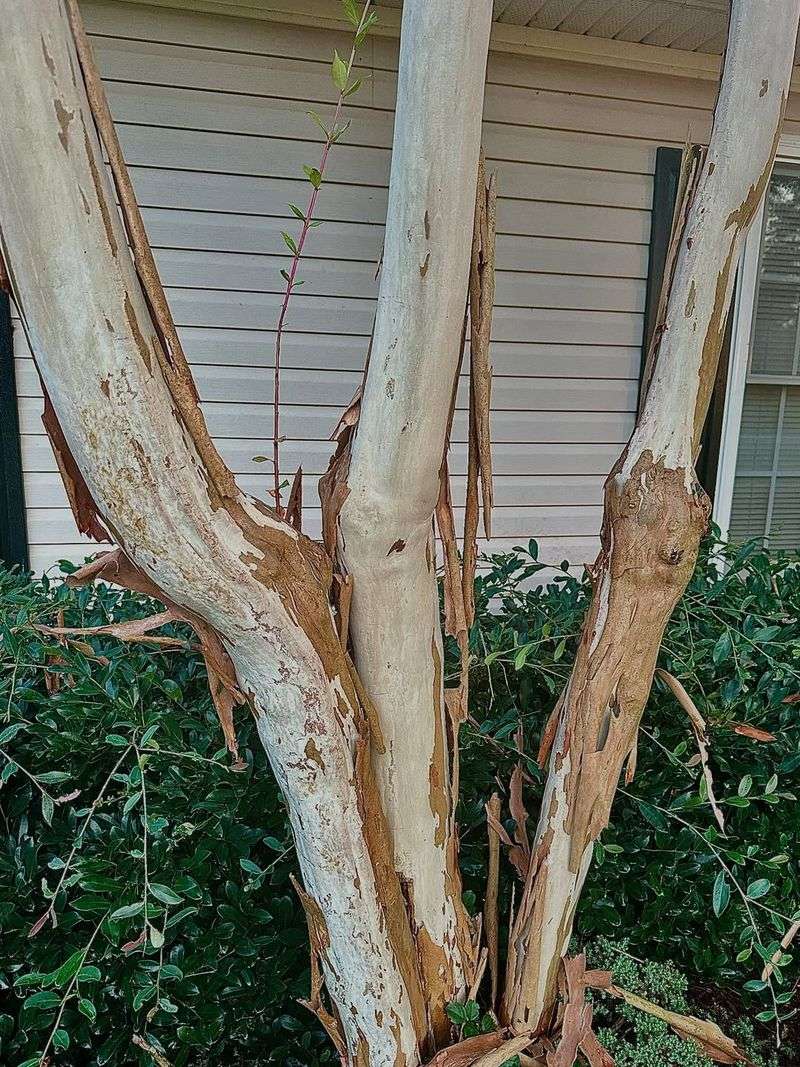
Bark on older crape myrtles also becomes an interesting feature. It peels naturally in strips, revealing smooth, mottled patches in shades of gray, tan, and cinnamon underneath.
In winter, when the tree is bare, that peeling bark gives the yard texture and visual interest even without foliage.
Across Georgia, crape myrtles planted decades ago still bloom every summer with little more than occasional pruning and basic care. Neighborhoods in Macon, Augusta, and Savannah are full of examples.
Few ornamental trees match that kind of long-term, low-effort reliability in a climate as demanding as Georgia’s.