The One Tree That Truly Thrives In Michigan Through Cold Winters And Summer Heat
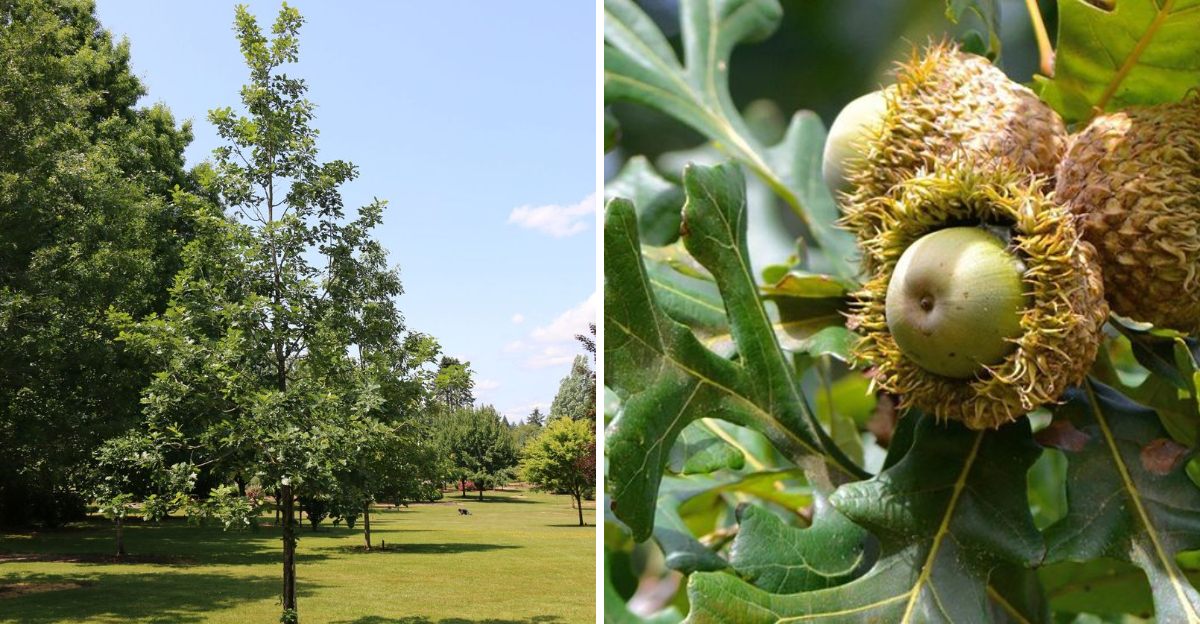
If you are looking for a tree that can handle just about anything Michigan throws at it, bur oak stands out as a true survivor. From freezing winter winds to hot, humid summers, this native tree has a way of staying strong through it all.
While many trees struggle with the state’s changing conditions, bur oak continues to grow steadily and reliably year after year. What makes it so special is its ability to adapt without needing constant care.
It develops deep roots, tolerates a wide range of soils, and can live for generations once established. Beyond its strength, it also brings lasting beauty with its broad shape and rich green leaves that change with the seasons.
In a place like Michigan, where weather can be unpredictable, finding a tree this dependable is rare. Once you learn more about bur oak, it is easy to see why it earns a place in so many landscapes.
1. Survives Extreme Winter Cold Without Damage
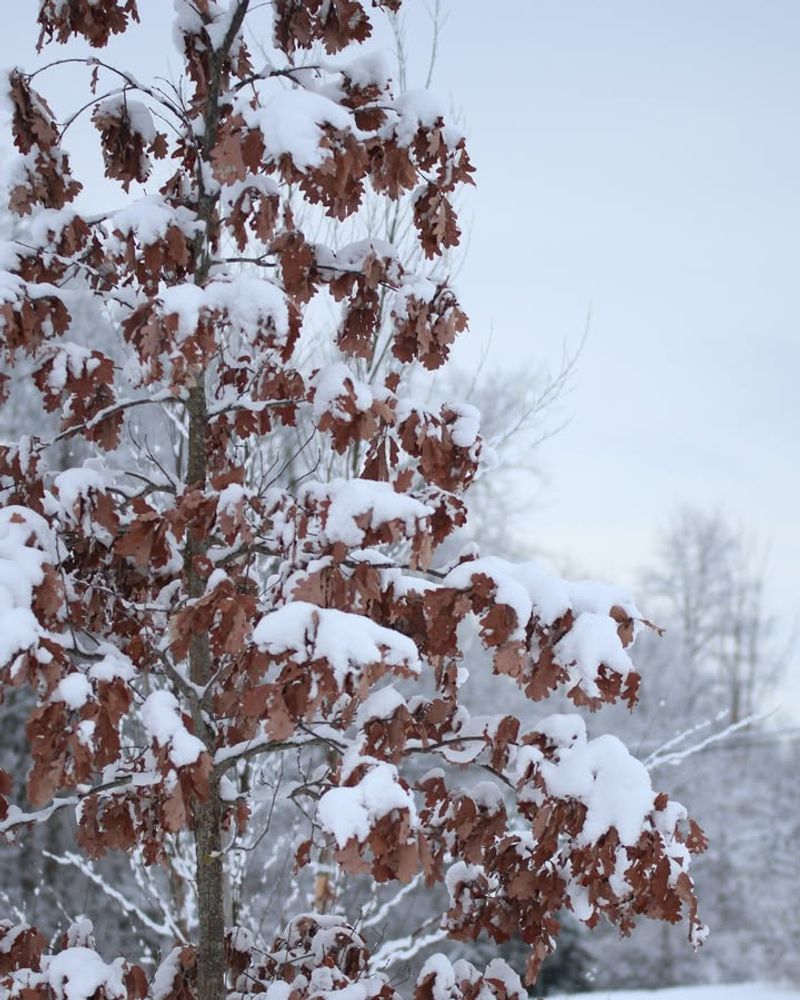
Some Michigan winters are ruthless. Temperatures in the Upper Peninsula regularly drop well below -30 degrees Fahrenheit, and that kind of cold breaks weaker trees before spring ever arrives. Bur oak does not flinch at those numbers, and that is not an accident.
Quercus macrocarpa developed its cold tolerance over thousands of years in northern continental climates just like Michigan. Its thick, deeply ridged bark acts like natural insulation, protecting the living tissue underneath from freezing damage.
The buds go into a deep dormancy that keeps them safe even when temperatures crash overnight.
Many homeowners in Michigan have watched other trees suffer bark splitting or bud loss after a rough January, but bur oak comes out of winter looking completely unfazed. That reliability matters a lot when you are investing in a long-term shade tree.
You want something that will still be standing strong after twenty hard winters, not just a few mild ones.
The bur oak is naturally suited to the wide temperature swings that Michigan experiences, including the intense lake-effect weather near the Great Lakes. Planting one in your yard means you are working with nature, not against it.
Few trees can make that claim with as much confidence as this one does across both the Lower and Upper Peninsula regions.
2. Handles Summer Heat And Drought Like A Champion
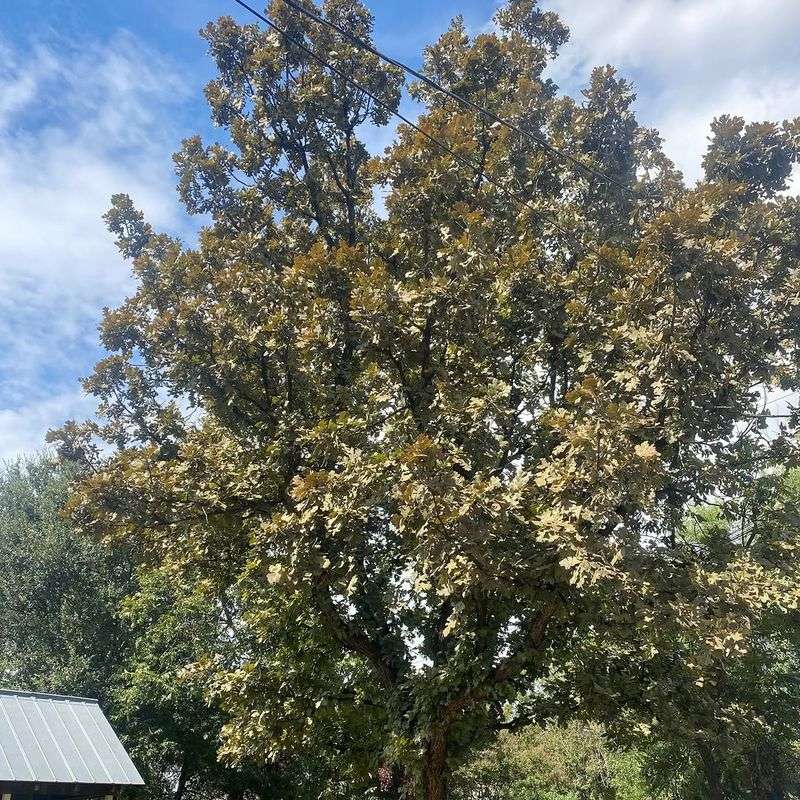
Hot summers in southern Michigan can push trees to their limits. Dry stretches that last for weeks are common in the Lower Peninsula, and trees without strong root systems start showing stress fast. Bur oak takes a completely different approach to summer survival.
Right from the start, a young bur oak puts serious energy into growing downward before it grows upward. Its taproot digs deep into the soil, chasing moisture that shallow-rooted trees simply cannot reach.
By the time a bur oak is fully established, it can pull water from depths that most other trees never access.
That deep root system is the secret weapon behind its drought tolerance. Even during the hottest and driest Michigan summers, bur oak keeps its canopy full and its leaves healthy.
You will not see the wilting or leaf scorch that shows up on less adapted trees during a heat wave.
What makes this even more impressive is that bur oak handles cold AND heat without needing two separate varieties or special care. The same tree that sits through a brutal Upper Peninsula winter also powers through a baking southern Michigan July.
That kind of two-sided toughness is rare, and it makes bur oak one of the most practical long-term planting choices for any Michigan property owner who wants real results.
3. Thrives In Heavy Clay And Poor Soils
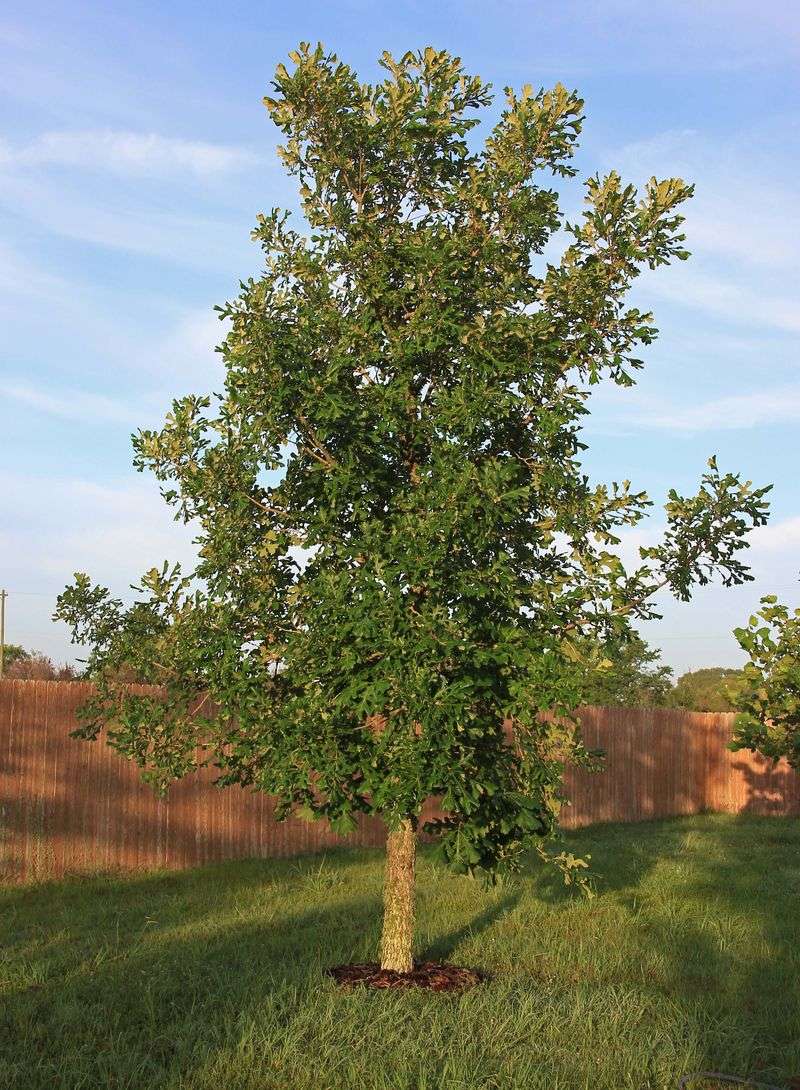
Michigan soil is not always friendly to trees. A huge portion of the state sits on dense clay or compacted ground, especially in areas that were once farmland or developed neighborhoods.
Most ornamental trees need amended, well-draining soil to even get started, but bur oak plays by different rules.
Quercus macrocarpa tolerates heavy clay, alkaline conditions, and even compacted urban soil without needing expensive amendments or special prep work. That is a huge advantage for Michigan homeowners who want to plant a tree without turning their yard into a construction project first.
Just dig the hole, plant the tree, and let it do its thing. The tree’s root system is tough enough to push through dense clay layers and establish firmly over time.
Other trees planted in the same conditions might struggle for years or never really take off, but bur oak just keeps growing. It adapts to what it finds rather than demanding perfect conditions.
Across both the Lower and Upper Peninsula, soil types vary wildly from one neighborhood to the next. Sandy soils near the lakeshore, heavy clay in the interior, rocky ground in the north, bur oak handles all of it with the same steady reliability.
If you have been told your soil is too difficult for trees, this is the one species worth testing that theory against. It almost always wins.
4. Withstands Strong Winds And Storms With Ease
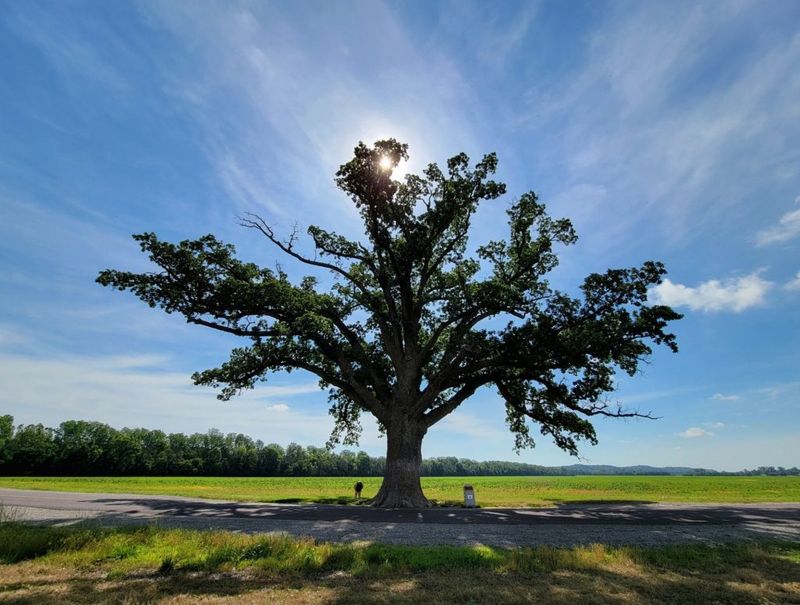
Anyone who has lived near the Great Lakes knows what real wind feels like. Storm systems roll across Lake Michigan and Lake Superior with serious force, and the trees in their path take a beating every single year.
Weak-wooded species snap, split, or drop major limbs, but bur oak holds its ground. The wood of Quercus macrocarpa is remarkably dense and strong.
Its branch structure develops in a way that distributes wind load efficiently, reducing the chance of structural failure during storms. This is not a tree that loses big limbs every time a squall comes through western Michigan.
That durability makes bur oak a smart choice for exposed sites, open yards, and properties along the lakeshore where wind is a constant factor. Homeowners near the Great Lakes especially benefit from planting a tree that was literally built to handle those conditions.
You get shade, beauty, and structure without worrying every time the forecast mentions gusts.
Beyond the practical benefits, there is something almost satisfying about watching a bur oak stand completely steady during a storm that sends weaker trees into chaos. Its deep roots anchor it firmly, and its strong wood flexes just enough without giving way.
Michigan storms have tested this tree for centuries, and the bur oak keeps passing every single time. That track record alone makes it one of the most trusted native trees across the entire state.
5. Tolerates Urban Conditions And Road Salt
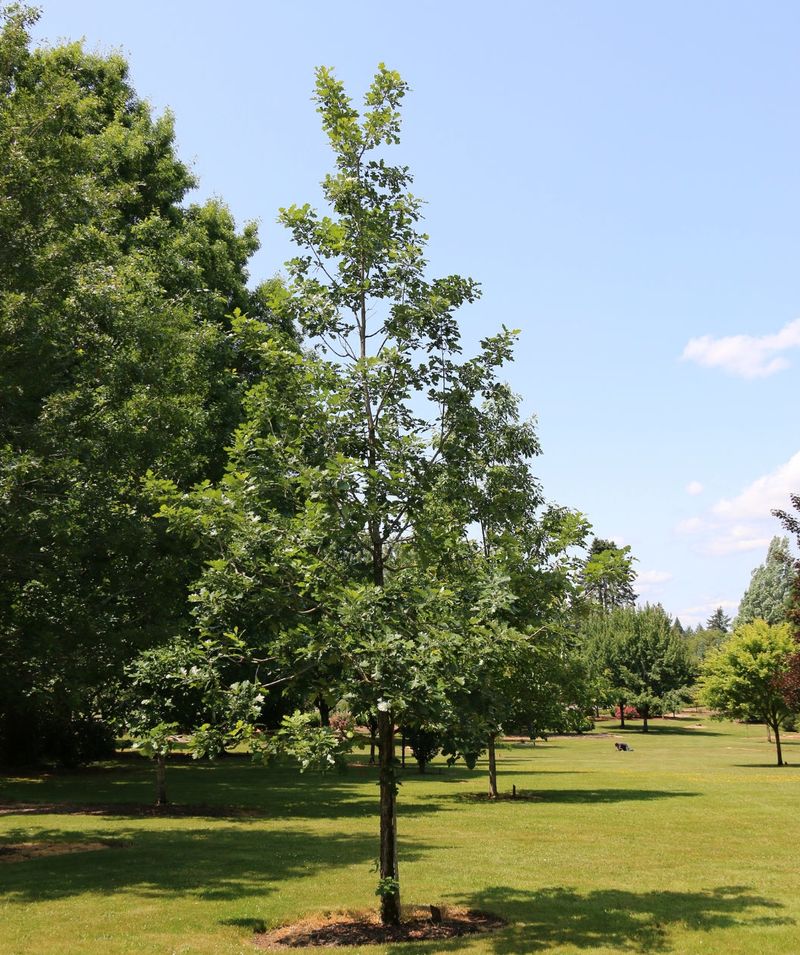
Winter road salt is one of the most underrated threats to urban trees in Michigan. Cities and townships across the state spread enormous amounts of salt every season, and it soaks into the soil near roads, sidewalks, and driveways.
Most trees respond to salt exposure with yellowing leaves, root damage, and slow decline over several years.
Bur oak shows a moderate but meaningful tolerance to salt and urban stress that most other large shade trees simply do not have.
That tolerance makes it one of the few native trees that actually works in a city environment without demanding constant intervention or special soil treatment.
It handles the mess that comes with Michigan winters better than the alternatives.
Beyond salt, urban trees also deal with compacted soil, air pollution, heat from pavement, and limited root space. Bur oak pushes through all of those challenges with the same steady adaptability it shows in natural settings.
It does not need perfect conditions to grow well, which is exactly what urban planting requires.
Michigan cities like Grand Rapids, Lansing, and Detroit have plenty of tough planting spots along busy streets and in developed neighborhoods. Bur oak fits those spaces in a way that imported ornamental trees often cannot match.
Choosing a tree that evolved right here in Michigan, adapted to local conditions and local weather, is always going to outperform something brought in from a milder climate. Bur oak belongs in Michigan cities just as much as it belongs in the woods.
6. Adapts To Both Dry And Periodically Wet Sites
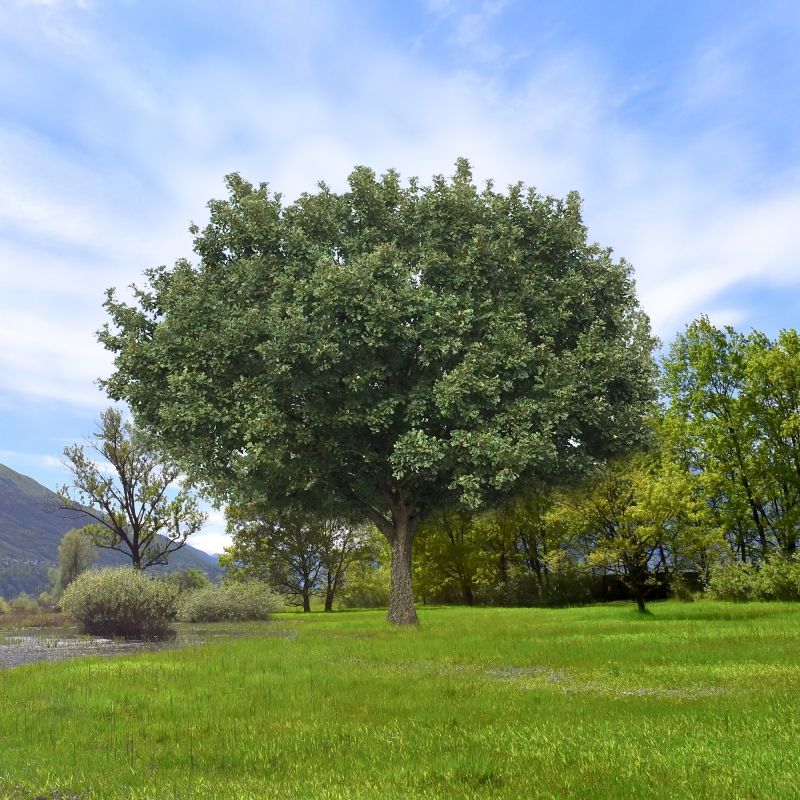
Michigan landscapes do not stay the same from season to season. Spring brings snowmelt and heavy rain that floods low areas for weeks, and then summer arrives and dries everything out fast.
Most trees are built for one condition or the other, not both. Bur oak is genuinely comfortable with either extreme.
In its natural range, Quercus macrocarpa grows in prairies, open savannas, and along floodplain edges where water levels shift dramatically throughout the year.
That natural history gave it the ability to tolerate occasional flooding without suffering root damage, and then turn around and handle dry conditions once the water pulls back.
Very few trees can claim that kind of flexibility. For Michigan homeowners with low spots in their yard, areas near drainage ditches, or sections that stay soggy in spring, bur oak is one of the few large trees that can actually work in that location.
Once it gets established, it handles the wet periods and then taps deep into the soil when things dry out.
The combination of wet tolerance and drought resistance makes bur oak almost uniquely suited to Michigan’s unpredictable weather patterns. You do not have to pick the perfect planting spot or worry about what a wet spring will do to your investment.
Plant it, give it a season to settle in, and watch it adjust to whatever conditions come its way. Michigan weather is unpredictable, but bur oak is not.
7. Supports Native Michigan Wildlife All Year Long
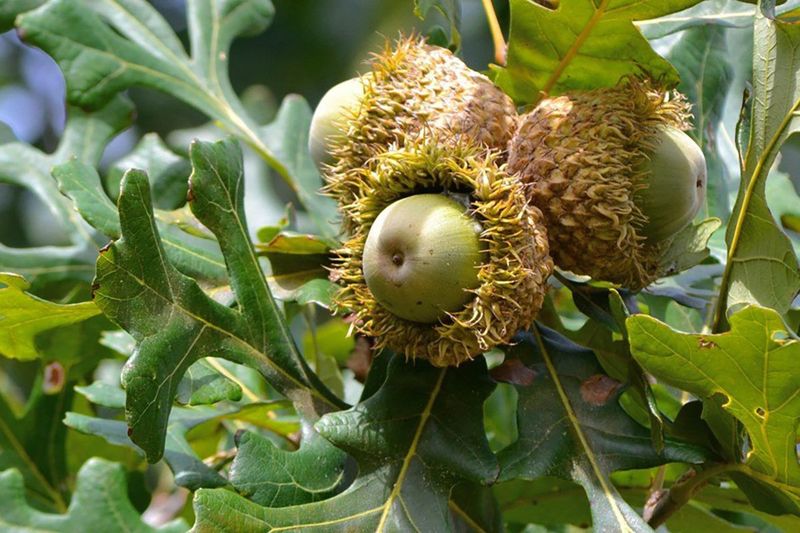
A yard full of wildlife starts with the right tree. Bur oak produces large, distinctive acorns with shaggy, fringed caps that cover nearly half the nut, and those acorns are one of the most valuable food sources in Michigan’s native ecosystem.
White-tailed deer, wild turkeys, blue jays, wood ducks, and squirrels all depend on them heavily in fall and through winter.
The acorn crop from a single mature bur oak can feed dozens of animals over the course of a season. That makes it a genuinely functional piece of the local food web, not just a decorative tree.
If you want your Michigan property to feel alive with wildlife, planting a bur oak is one of the most direct ways to make that happen.
The canopy also plays a big role. Hundreds of native caterpillar species use oak leaves as a food source, and those caterpillars are what songbirds feed their nestlings during spring.
Without native oaks, many bird populations simply cannot reproduce successfully. Bur oak supports that entire chain from the ground up.
Across both the Upper and Lower Peninsula, bur oak fits naturally into Michigan’s existing wildlife communities because it evolved alongside them. It is not a foreign addition to the landscape.
It is a native anchor species that the local ecosystem already knows how to use. Planting one is not just good for your yard, it is genuinely good for Michigan as a whole, season after season.
8. Extremely Long-Lived And Remarkably Low Maintenance
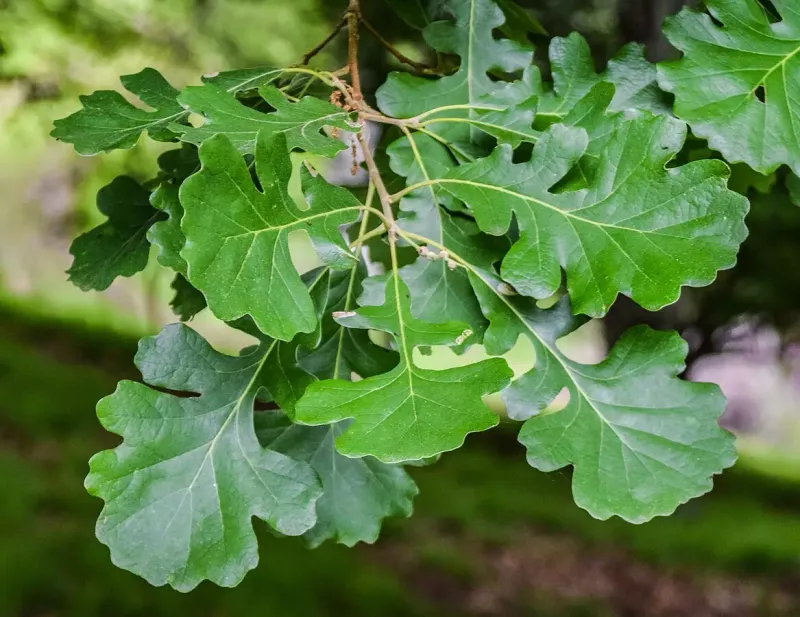
Planting a tree is a long game, and bur oak plays it better than almost anything else you can put in Michigan soil. Quercus macrocarpa can live for more than 400 years, reaching heights of 70 to 80 feet with a wide, spreading canopy that provides serious shade.
You are not just planting a tree for yourself, you are planting one for the next several generations.
Once established, bur oak needs very little attention. The main care window is when the tree is young, and even then, the work is minimal.
Prune lightly in the early years to help develop a strong central structure, water during the first season or two, and then step back. After that, the tree manages itself beautifully without fertilizer schedules, constant pruning, or specialized treatments.
That low-maintenance quality is a big deal for Michigan homeowners who want real value without constant upkeep. A bur oak planted today will outlast the house it shades, the people who planted it, and probably the neighborhood around it.
That kind of permanence is rare in landscaping.
Slow growth, often less than one foot per year in height, means patience is part of the deal. But the payoff is a tree with thick, deeply furrowed bark, dense strong wood, and a presence that nothing else in the Michigan landscape quite matches.
Some things are worth waiting for, and a fully grown bur oak in your yard is absolutely one of them.