The 9 Oregon Houseplants That Need Repotting First In Spring
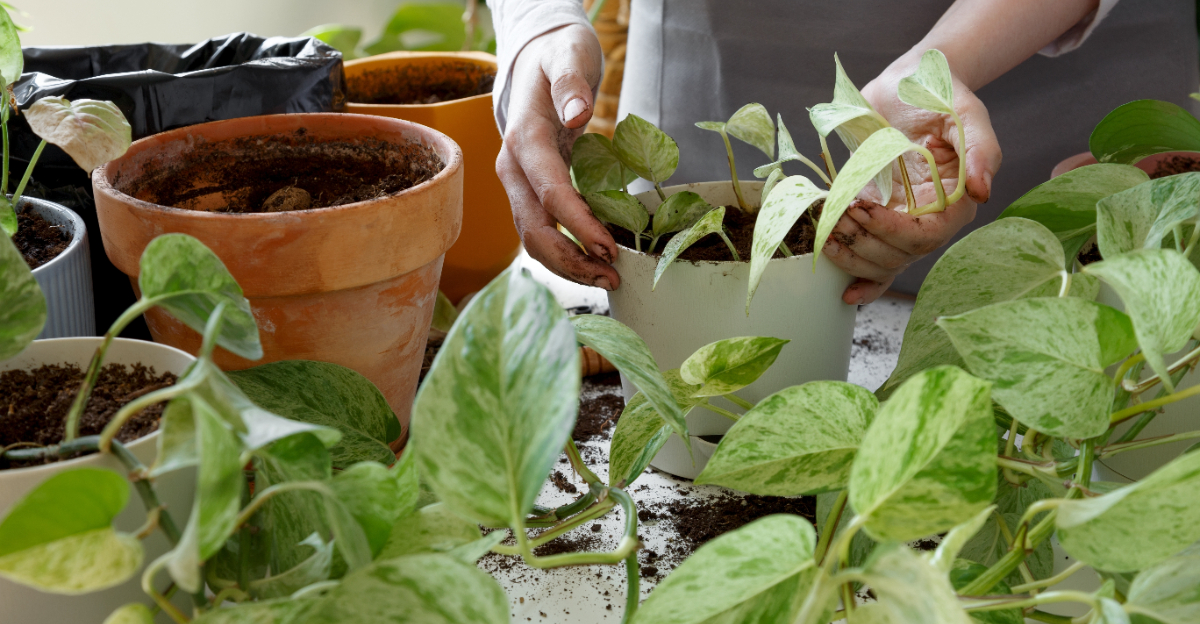
If you’ve spent the last few months staring at a sad, stagnant snake plant while the Oregon rain taps against your window, good news: the “Mother’s Day Miracle” is almost here.
In the Pacific Northwest, our indoor jungles spend all winter in a moody slumber, but the return of actual sunlight is a massive green light for growth.
Spring is the ultimate window to upgrade your plant’s real estate before the summer growth spurt kicks into high gear. You deserve a windowsill that looks like a lush botanical garden rather than a collection of cramped, root-bound refugees.
While some slow-growers can hang out in the same ceramic home for years, other leafy roommates are notorious for outgrowing their pots the second they catch a breeze from an open window.
It is time to stop ignoring those roots poking out of the drainage holes like they are staging a prison break.
Grabbing a bag of fresh, locally blended soil and a slightly larger pot is the best way to reward your favorite greenery for surviving the grayest months of the year. These specific houseplant favorites are the ones that usually need a fresh start first.
1. Rubber Plant
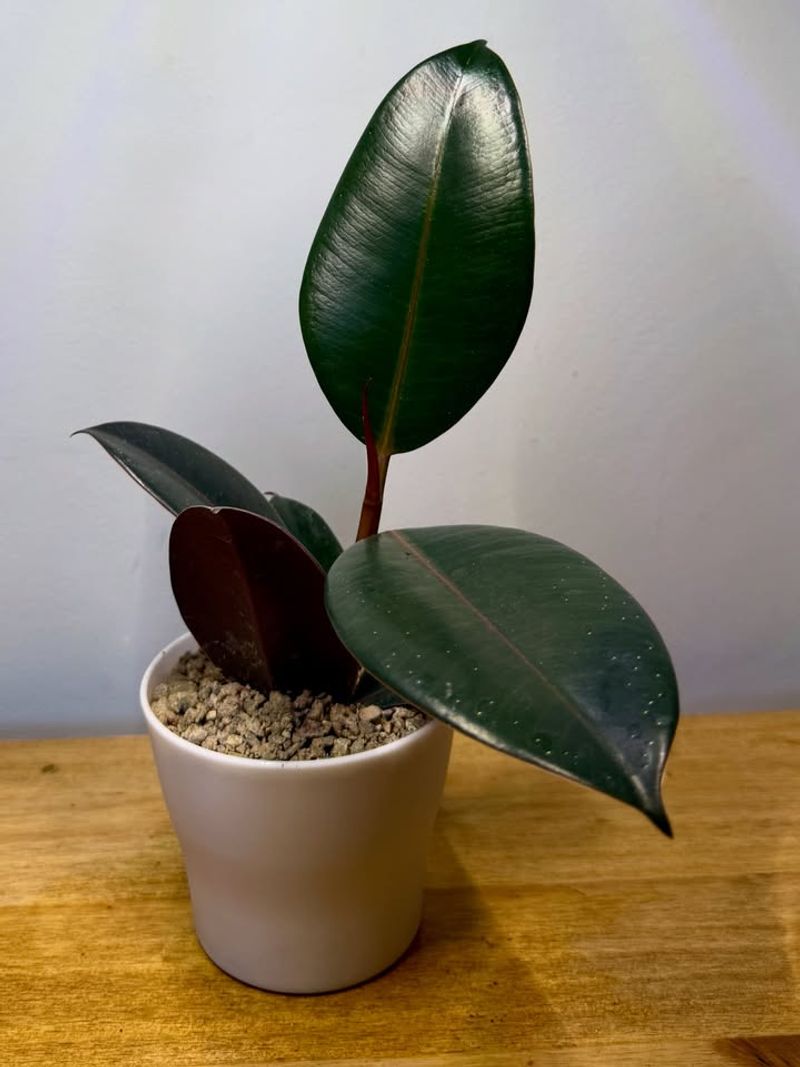
Few houseplants make as bold a statement as the Rubber Plant. Its thick, shiny leaves catch the light beautifully, and when it is happy, it grows fast.
Oregon plant lovers know this one can go from manageable to massive in just one season.
In Portland and other Oregon cities, Rubber Plants thrive near bright windows. By late February, you may notice roots peeking out of the drainage holes.
That is your signal to act. Waiting too long slows growth and stresses the plant.
When repotting, choose a new pot that is only 1 to 2 inches wider than the current one. Going too big causes soggy soil and unhappy roots.
Use a well-draining potting mix for best results.
After repotting, water the plant thoroughly and keep it away from direct sunlight for a few days. This gives the roots time to settle into their new home.
Repotting every one to two years keeps this Oregon favorite looking its best all season long.
2. Dracaena
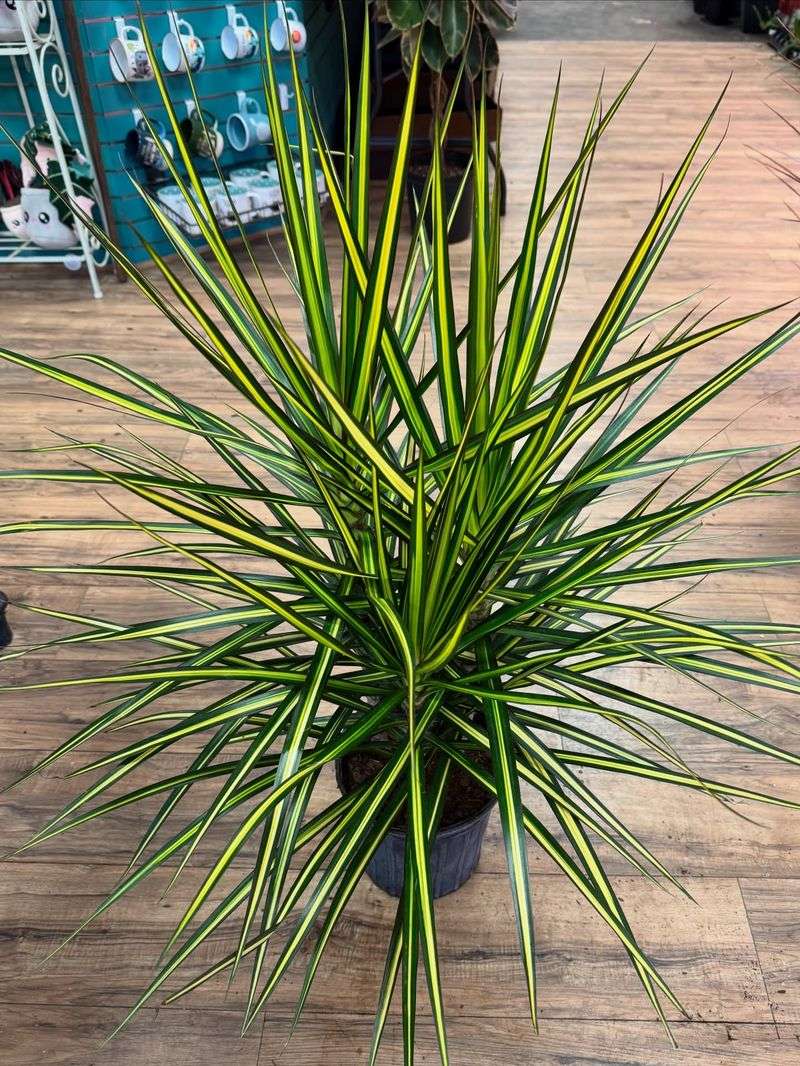
Walk into almost any Oregon home and you are likely to spot a Dracaena somewhere near a window. This plant has a reputation for being tough, but even the toughest plants need room to grow.
Spring is the perfect moment to check in on yours.
Dracaenas prefer temperatures between 65 and 75 degrees Fahrenheit, which lines up nicely with Oregon’s warming spring weather. When the plant starts looking top-heavy or you can see roots pushing up through the soil surface, it is time for a bigger pot.
Use fresh, sterile potting mix when you repot. Old soil loses its nutrients and can compact over time, making it harder for roots to breathe.
A pot that is one to two inches larger gives the roots just enough new space without drowning them.
Water the plant well right after repotting, then ease back slightly for the first week. Dracaenas are sensitive to overwatering, especially in their early days in a new pot.
With a little patience, yours will reward you with strong, steady growth throughout Oregon’s spring and summer months.
3. Philodendron
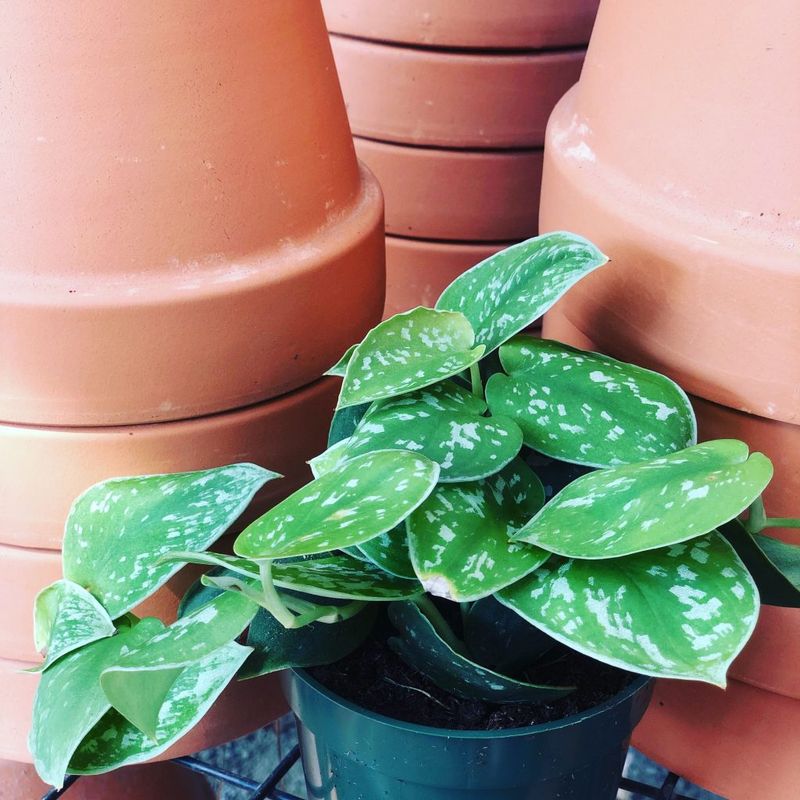
Philodendrons are the kind of plants that reward you for paying attention. They grow quickly when they are happy and slow down fast when they are not.
If yours has started to look a little sluggish this winter, early spring in Oregon is the right time to give it a fresh start.
One great thing about Philodendrons is that they adapt well to lower light conditions, which makes them popular in Oregon’s cloudier months. But once spring arrives and the light picks up, growth can take off quickly.
A cramped pot will hold that progress back.
Repot when the plant has clearly outgrown its current container. You might notice roots circling the bottom or water running straight through without soaking in.
Both are signs the soil is packed too tight and the roots need more room.
Choose a pot one to two inches larger and fill it with fresh, well-draining potting mix. After repotting, water thoroughly and place the plant in a bright spot away from harsh direct sun.
Oregon’s soft spring light is actually ideal for helping a freshly repotted Philodendron settle in without stress.
4. Peace Lily
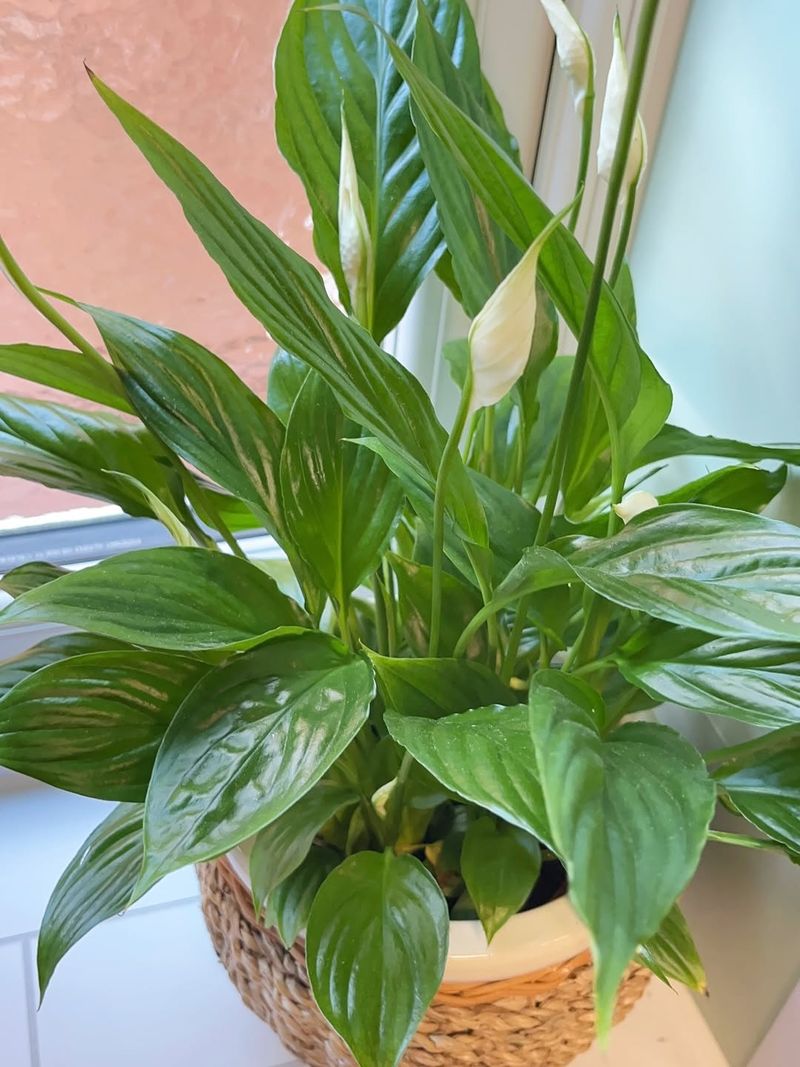
There is something quietly elegant about a Peace Lily in full bloom. Those white flowers and deep green leaves look stunning in any room, and Oregon homeowners have long been fans of this low-maintenance beauty.
But even low-maintenance plants need some attention come spring.
Peace Lilies like consistently moist soil, and when they become root-bound, moisture distribution becomes uneven. You might notice the plant wilting faster than usual even after watering.
That is a clear sign the roots have run out of room and the soil quality has dropped.
Spring is the ideal time to repot in Oregon, right as the plant starts pushing out new growth. Gently remove it from its old pot, shake off the old soil, and check the roots.
Trim any that look brown or mushy before placing the plant in its new home.
A pot one to two inches larger works perfectly. Fill it with fresh, moisture-retaining potting mix to keep that soil consistency the Peace Lily loves.
Water it well after repotting and keep it in a spot with indirect light. Within a few weeks, you should see fresh leaves and possibly even new blooms.
5. Boston Fern
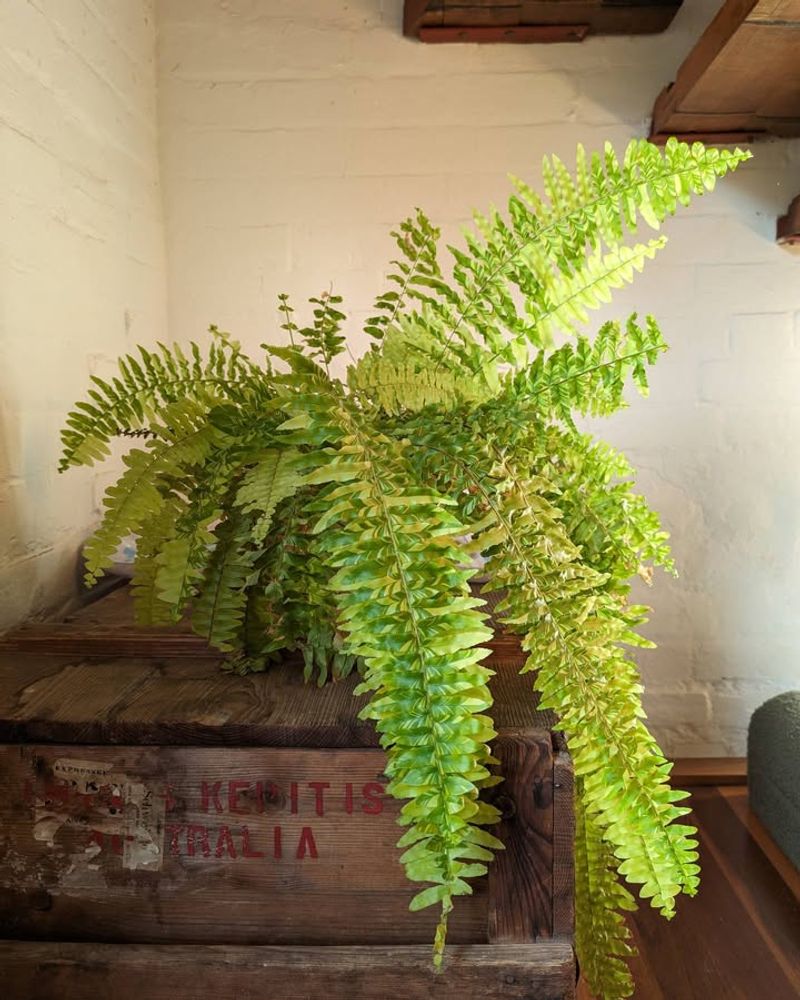
These ferns have a wild, cascading look that feels right at home in the lush, green landscape of Oregon. They love moisture and humidity, making them a natural fit for the Pacific Northwest.
Come spring, though, they are often the first to show signs of being cramped.
If your Boston Fern’s fronds are turning yellow or it seems to dry out faster than usual, root-bound conditions are likely the cause. These ferns grow quickly and can fill a pot surprisingly fast over a single season.
Repotting every one to two years is a good rule to follow.
Oregon’s spring humidity actually works in your favor here. The naturally moist air helps ferns recover quickly after repotting.
Choose a pot one to two inches larger and use a rich, well-draining potting mix that holds moisture without becoming waterlogged.
After repotting, mist the fronds lightly and place the plant in a spot with bright, indirect light. Avoid harsh direct sun, which can scorch those delicate leaves.
Keeping the soil evenly moist during the first few weeks helps the roots establish well, setting your Boston Fern up for a full and lush Oregon growing season.
6. Snake Plant
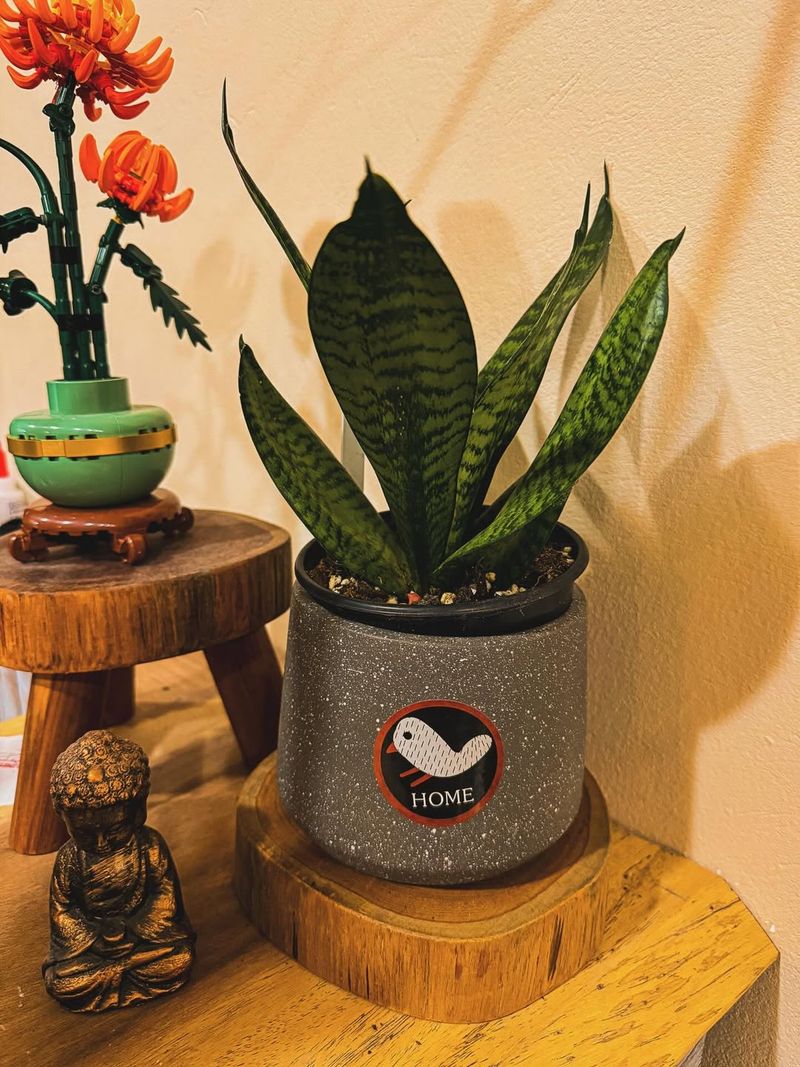
Snake Plants have earned a loyal following among Oregon plant owners for one simple reason: they are incredibly forgiving. Low light, irregular watering, and dry indoor air do not bother them much.
But even this resilient plant has its limits, and a too-tight pot is one of them.
Over time, Snake Plants become root-bound in a way that can actually crack plastic pots. If you notice the sides of the container bulging or roots escaping through drainage holes, it is past time to repot.
Early spring in Oregon is the best window to tackle this task.
Use a well-draining potting mix, ideally one designed for succulents or cacti. Snake Plants hate sitting in wet soil, so drainage is everything.
A pot that is one to two inches wider than the current one gives roots room to spread without holding too much excess moisture.
After repotting, hold off on watering for about a week. This might feel counterintuitive, but it encourages the roots to reach outward into the fresh soil.
Once you resume watering, do so sparingly. With the right setup, your Snake Plant will reward you with steady, upright growth all through Oregon’s spring and beyond.
7. ZZ Plant
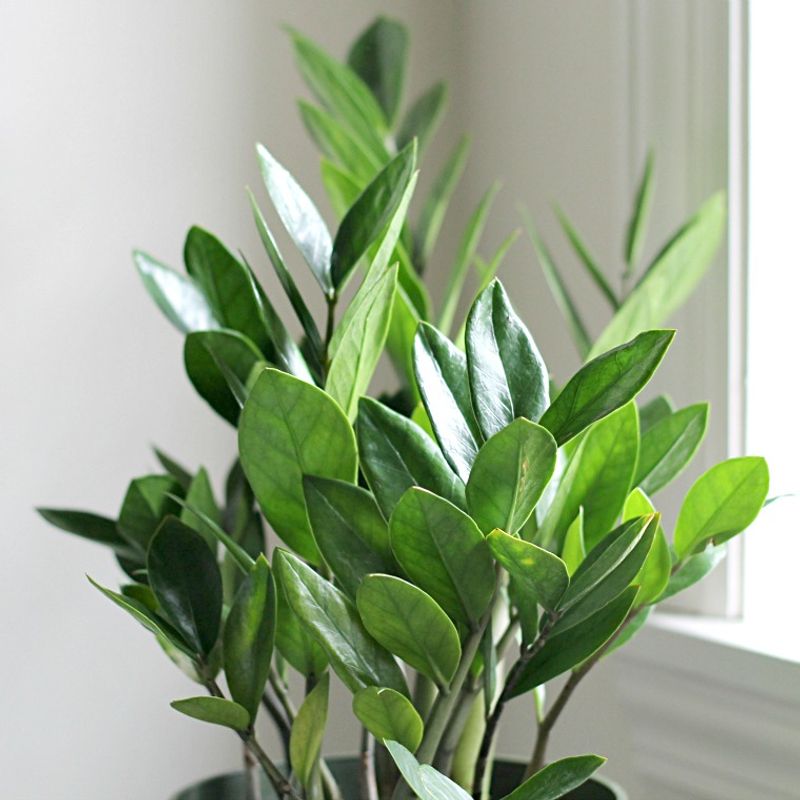
If you have ever forgotten to water a plant for weeks and come back to find it perfectly fine, there is a good chance it was a ZZ Plant. This species stores water in its thick rhizomes, making it one of the most drought-tolerant houseplants around.
Oregon plant owners love it for exactly that reason.
Still, even the low-maintenance ZZ Plant needs a fresh pot from time to time. When the soil becomes compacted or the rhizomes start pushing up against the sides of the container, growth slows noticeably.
Spring is the right time to address this before the active growing season kicks in.
Repotting a ZZ Plant is straightforward. Gently tip it out of the old pot and check the rhizomes.
They should look firm and healthy. If any feel soft or smell off, remove them before potting up.
Use a well-draining mix to prevent moisture from sitting around those roots.
Choose a pot one to two inches larger and settle the plant in at the same depth it was before. Water lightly and then leave it alone for about a week.
ZZ Plants in Oregon do well in indirect light, and spring’s gentle increase in daylight gives them a natural boost after repotting.
8. Pothos
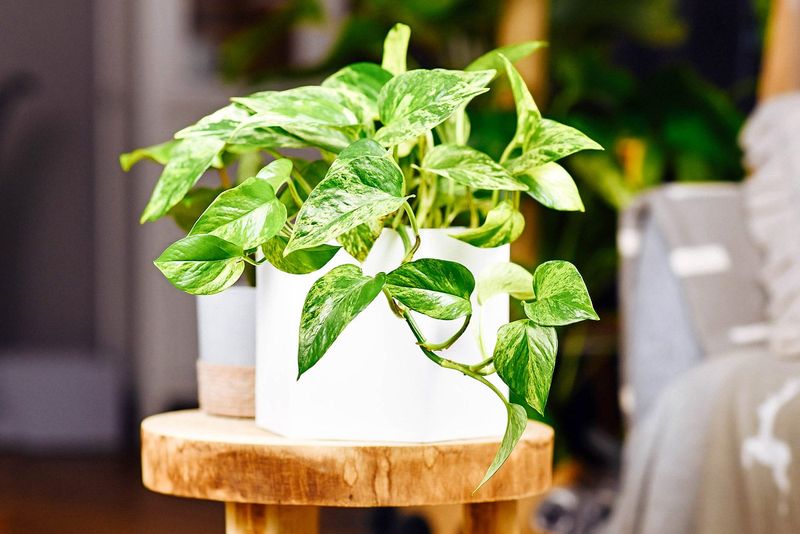
Bright light, low light, a forgotten corner of an Oregon apartment, it does not matter much, it just grows. But that fast growth means it also fills up a pot faster than most other houseplants on this list.
By the time spring arrives in Oregon, your Pothos has likely been growing slowly through the dim winter months. Once the days get longer and brighter, growth picks up fast.
A root-bound plant will struggle to keep pace, so getting ahead of it in late February or March is smart planning.
Look for roots coming out of the drainage holes or water that passes straight through the pot. Both are signs the plant needs more room.
A pot one to two inches larger with fresh potting mix is all it takes to get things moving again.
Pothos are also easy to divide during repotting if the plant has become very full. Splitting it into two pots gives each section more room and doubles your plant collection.
After repotting, water well and place in a spot with indirect light. Oregon’s spring conditions are just right for helping a freshly repotted Pothos bounce back fast.
9. Aloe Vera
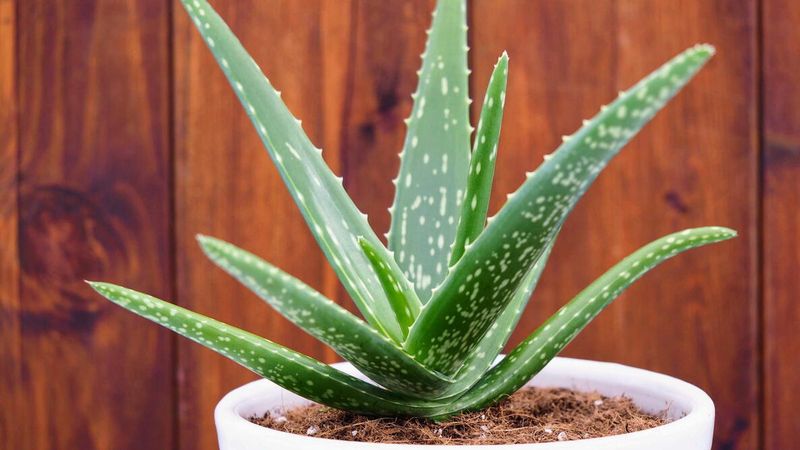
Aloe Vera is one of those plants that pulls double duty. It looks great on a sunny windowsill, and it also comes in handy when you get a minor burn in the kitchen.
Oregon households keep Aloe Vera around for both reasons, but not everyone realizes how quickly it can outgrow its pot.
Aloe produces small offshoots called pups around its base. Over time, these pups crowd the container and compete for nutrients.
Spring is the perfect moment to repot the main plant and separate those pups into their own containers, giving everyone more room to grow.
Aloe Vera needs bright light and very well-draining soil. A cactus or succulent mix works best.
Make sure the new pot has drainage holes, because standing water around Aloe roots causes serious problems fast. A terracotta pot is an especially good choice because it allows moisture to evaporate through the sides.
After repotting, wait about a week before watering. This rest period helps the roots recover from any minor damage during the move.
Oregon’s spring sunshine, especially in sunnier areas like Medford or Bend, gives Aloe Vera the bright light it craves. With the right pot and fresh soil, it will thrive all season long.