The 5 Oregon Native Plants You’re Pruning Wrong This February
Pruning native plants can seem simple, but even experienced gardeners in Oregon make mistakes. Many of our local favorites respond best to specific timing and techniques, and doing it wrong can reduce blooms, slow growth, or even harm the plant.
February is a key month for pruning. Plants are still dormant, which means careful cuts now set them up for a stronger, healthier season.
The wrong approach, though, can leave them vulnerable to disease or uneven growth.
Oregon’s climate, cool winters, wet soil, and early spring warmth, makes timing and technique especially important. A few missteps now can create extra work later in the season.
Learn how to prune correctly and ensure native plants stay healthy, vibrant, and attractive all year. The right method makes your garden easier to maintain and more rewarding to enjoy.
1. Pacific Ninebark (Physocarpus capitatus)
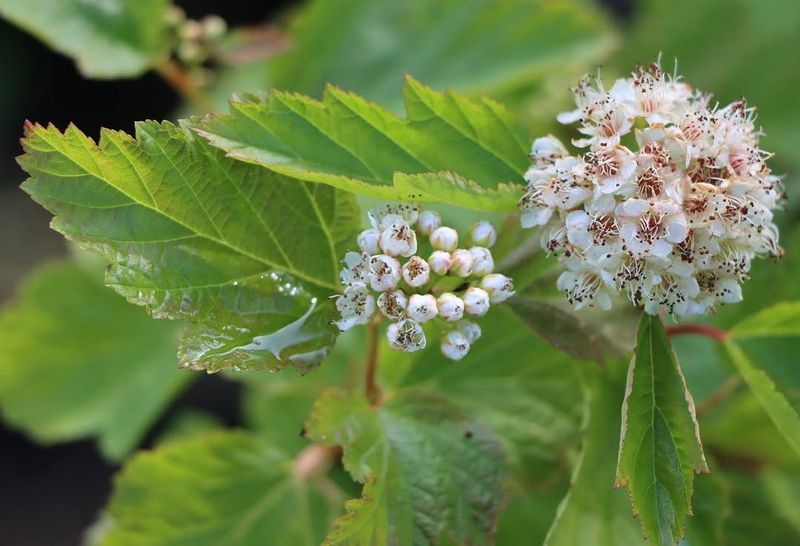
Pacific Ninebark grows wild along Oregon stream banks and moist forest edges, where its arching branches create shelter for birds and small mammals.
In home gardens, this adaptable shrub can reach eight to ten feet tall, with peeling cinnamon-colored bark that adds winter interest.
Many gardeners make the mistake of pruning ninebark too heavily in February, treating it like a formal hedge rather than respecting its natural fountain-like shape.
The most common error is cutting back all stems to the same height, which destroys the plant’s graceful form and reduces flowering. Ninebark blooms on old wood, meaning the flower buds for spring are already set on branches from last year.
When you shear the entire shrub down, you’re removing those future flowers before they have a chance to open.
Instead of aggressive shearing, focus on selective thinning during late February. Remove about one-third of the oldest stems at ground level, choosing the thickest, woodiest branches that show less vigor.
This approach opens up the center for better air circulation while maintaining the natural arching habit that makes ninebark so attractive.
Use sharp bypass pruners or a small pruning saw for stems thicker than your thumb. Make clean cuts close to the base without leaving stubs, which can become entry points for disease.
This method encourages new growth from the roots while preserving the flowering wood on younger stems.
Oregon’s wet winter soil makes February ideal for this type of pruning, as the plant is dormant but not frozen.
The shrub responds well to renewal pruning, sending up vigorous new shoots that will develop their own flower buds for the following year.
Proper thinning also improves light penetration, which benefits the lower branches and any understory plants growing nearby.
Avoid fertilizing immediately after pruning, as ninebark thrives in average Oregon soil without heavy feeding. The natural cycle of growth and renewal works best when you work with the plant’s tendencies rather than forcing it into an unnatural shape.
2. Western Serviceberry (Amelanchier alnifolia)
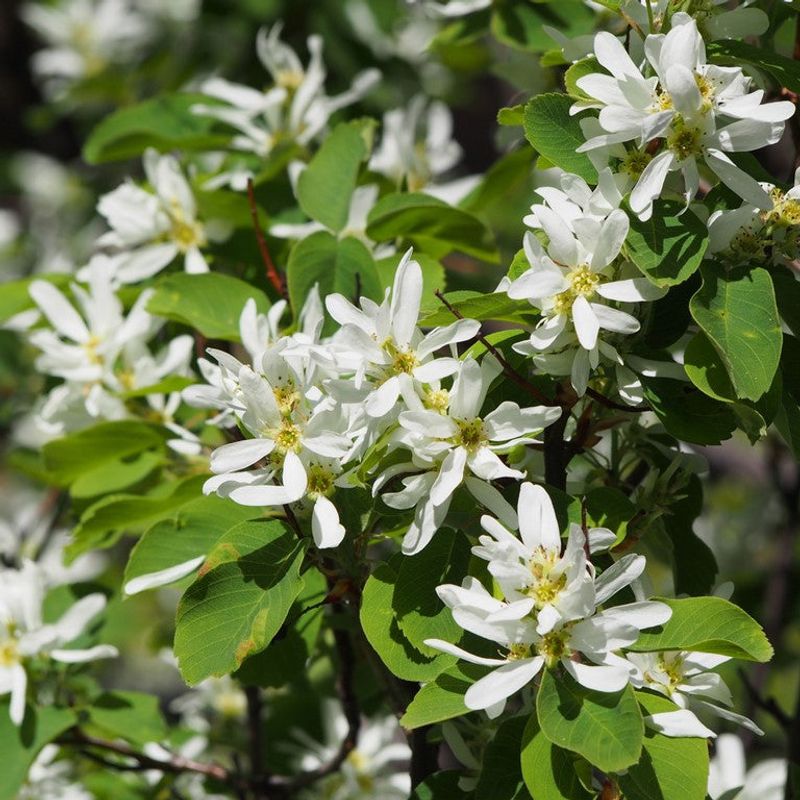
This multi-stemmed shrub or small tree grows naturally in Oregon’s foothills and can adapt to various garden conditions, from full sun to partial shade. The biggest pruning mistake gardeners make is removing too many flowering spurs in an attempt to shape the plant.
Serviceberry blooms on short side branches called spurs, which develop on two- to three-year-old wood. When you cut back branch tips aggressively in February, you’re eliminating the very structures that produce flowers and fruit.
Some gardeners also try to force serviceberry into a single-trunk tree form, cutting away the natural suckering habit that gives the plant its attractive multi-stemmed character.
February pruning should focus on removing dead, damaged, or crossing branches rather than reshaping the entire plant. Look for branches that rub against each other, as these create wounds where disease can enter.
Cut these back to a main stem or the ground, depending on their origin point.
If your serviceberry has become overgrown, resist the urge to prune more than twenty percent of the total canopy in one year. Gradual renewal over three years produces healthier results than severe cutting.
Remove the oldest, least productive stems at ground level, allowing younger shoots to take their place.
Timing matters because serviceberry breaks dormancy early in Oregon’s mild climate. Pruning too late in February or into March can stress the plant just as it’s mobilizing energy for flowering.
Watch for swelling buds as your signal to finish pruning work.
Clean tools between cuts if you’re working on multiple plants, as serviceberry can be susceptible to fire blight in some Oregon locations. Sterilizing pruners with rubbing alcohol takes only seconds and prevents spreading problems.
The payoff for careful, minimal pruning is a shrub that flowers abundantly and produces fruit for both wildlife and your kitchen.
3. Red Twig Dogwood (Cornus sericea)
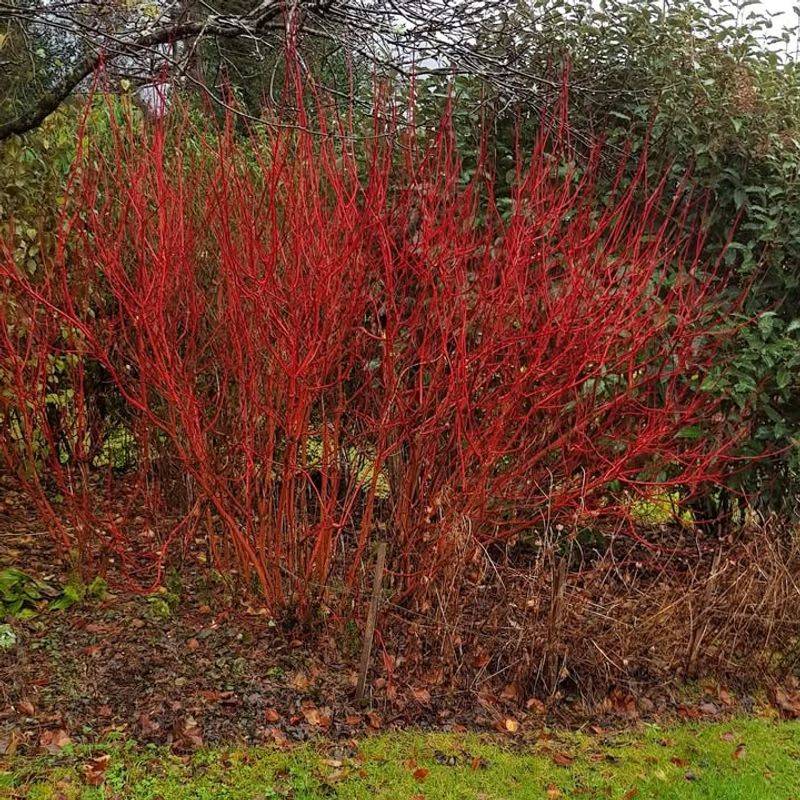
This shrub earns its name from the brilliant crimson stems that light up winter gardens, especially when backlit by low February sun.
This moisture-loving shrub thrives in Oregon’s wet spots, spreading by underground runners to form large colonies along streams and in rain gardens.
The most widespread pruning mistake is cutting back only the tips of branches, which produces a tangled mess of weak growth and diminishes the vibrant stem color.
The brightest red color appears on young stems, typically one to two years old. As branches age, they fade to dull brown or gray and produce less visual impact.
Many gardeners don’t realize they need to remove old wood entirely to maintain that signature red glow throughout winter.
For the best color display, cut about one-third of the oldest stems all the way to ground level each February. Choose the thickest, dullest-colored branches and remove them with sharp loppers or a pruning saw.
This aggressive approach might seem extreme, but red twig dogwood responds with vigorous new growth that will show the brightest color by next winter.
Some gardeners practice coppicing, cutting the entire shrub down to six inches above ground every two to three years. This technique works well in larger landscapes where you want to maintain dense, uniformly colored stems.
However, it eliminates flowers and berries for that season, which can impact wildlife that depends on this native plant for food.
A middle approach balances color with ecology by rotating which stems you cut each year. This way, you maintain some older growth for flowering while continuously renewing the most visible stems.
Red twig dogwood flowers on old wood, so preserving some mature branches ensures you’ll still see the white blooms that appear in late spring.
Oregon’s wet February weather suits this pruning work perfectly, as the soggy soil conditions match the plant’s natural wetland habitat. After cutting, leave the pruned stems on the ground as habitat for beneficial insects, or chip them for mulch.
The shrub’s aggressive growth means it recovers quickly from even heavy pruning, making it forgiving for beginners learning proper technique.
4. Snowberry (Symphoricarpos albus)
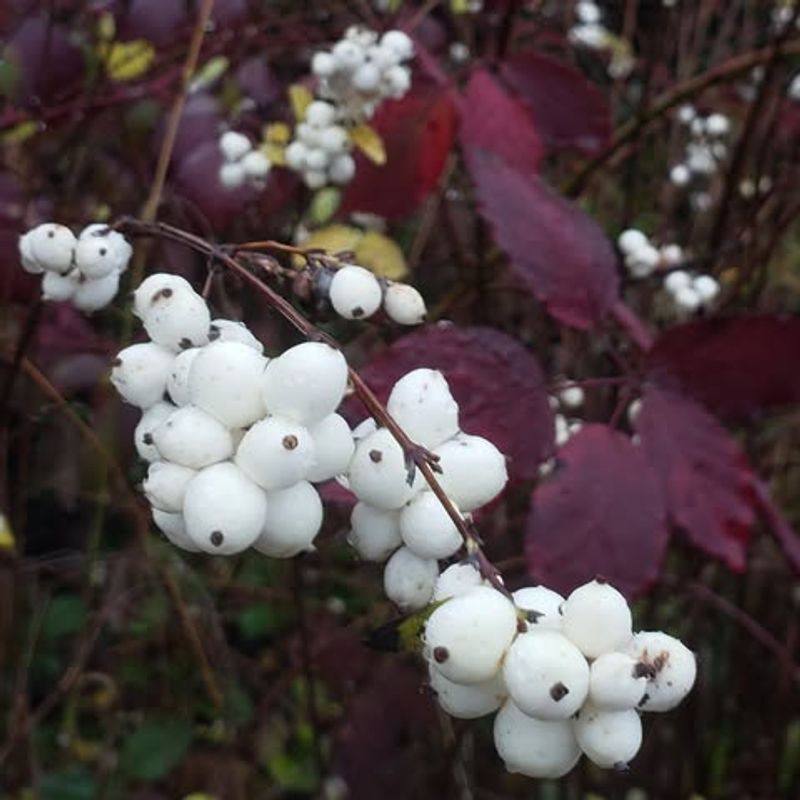
This low-growing shrub spreads by rhizomes to form colonies in Oregon’s forests and can serve as excellent erosion control on slopes.
Gardeners often prune snowberry too early or too heavily, not understanding that this plant benefits from a light touch and specific timing considerations.
The white berries that give snowberry its name often last through January and into February, depending on how hungry the local bird population is.
Pruning before the berries are consumed removes an important food source and one of the plant’s main ornamental features.
Wait until the berries have been eaten or have shriveled before beginning pruning work.
Another common mistake is treating snowberry like a formal shrub that needs annual shaping. In reality, this native plant thrives with minimal intervention.
It naturally forms a rounded, somewhat irregular shape that looks appropriate in woodland gardens and naturalized areas. Over-pruning creates an artificial appearance that clashes with the plant’s wild character.
When pruning is necessary, focus on removing dead stems and thinning overcrowded areas where branches cross or rub. Snowberry produces flowers on new growth, so you won’t eliminate blooms by cutting back in February.
However, excessive pruning stimulates vigorous suckering, which can become invasive in some garden settings.
If your snowberry has spread beyond its intended area, February is a good time to dig out unwanted suckers while the ground is soft. Use a sharp spade to sever the underground runners, then pull or dig out the connected stems.
This approach controls spread more effectively than simply cutting back above-ground growth.
For older snowberry plantings that have become woody and unproductive, rejuvenation pruning can restore vigor. Cut one-third to one-half of the oldest stems to ground level, selecting the thickest, least flexible branches.
The plant responds by producing fresh growth from the base, which flowers more abundantly than old wood.
Oregon’s native pollinators appreciate snowberry’s small pink flowers, which appear in late spring and early summer. By pruning thoughtfully in February, you support both the plant’s health and the broader ecosystem that depends on native species for survival.
5. Vine Maple (Acer circinatum)
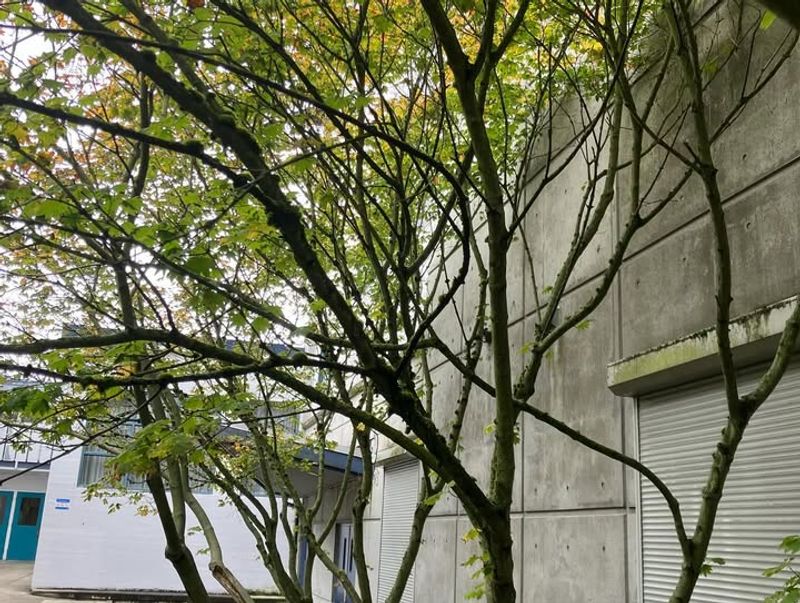
Vine Maple grows as an understory tree in Oregon’s coastal and Cascade forests, with sinuous trunks that twist and arch in response to available light.
In gardens, this small maple provides year-round interest with delicate leaves, red-purple spring flowers, and spectacular fall color.
The most damaging pruning mistake is trying to force vine maple into a traditional tree shape by removing lower branches and creating a single trunk.
Vine maple’s natural growth habit is multi-stemmed and often asymmetrical, with branches that layer and root where they touch the ground. This spreading form is part of the plant’s charm and ecological function, providing cover for ground-nesting birds and small mammals.
When you remove the characteristic low branches, you’re fighting against the tree’s genetics and creating a specimen that looks awkward rather than graceful.
February pruning should emphasize selective thinning rather than structural changes. Remove branches that are truly dead or damaged by winter storms, but leave the overall form intact.
If two branches are growing directly parallel or crossing in a way that causes bark damage, choose the weaker of the two to remove.
Many gardeners also make the mistake of pruning vine maple too heavily in an attempt to control size. This native tree grows slowly in nature and responds poorly to aggressive cutting.
Hard pruning stimulates water sprouts, which are vigorous vertical shoots that disrupt the tree’s natural layered appearance. These shoots rarely develop the same graceful branching pattern as the original structure.
If your vine maple has outgrown its space, consider transplanting it rather than trying to prune it smaller. February’s cool, moist weather provides good conditions for moving smaller specimens.
For trees too large to move, accept their size and work with their natural form rather than against it.
When pruning is necessary, use sharp bypass pruners and make clean cuts just outside the branch collar. Vine maple bark is thin and damages easily, so avoid tearing or leaving ragged edges.
The tree compartmentalizes wounds slowly compared to some species, making clean cuts especially important for long-term health.
Oregon gardeners who embrace vine maple’s natural character are rewarded with a tree that fits seamlessly into native plant gardens and provides habitat value that formal specimens cannot match.
Minimal February pruning maintains health while respecting the form that makes this maple a Pacific Northwest icon.