The Oregon Vegetable Planting Calendar Every Gardener Needs
Ready to grow a garden full of fresh veggies in Oregon? Timing is the secret ingredient to a successful harvest.
The weather here can be a bit unpredictable, but with the right planting schedule, you’ll have your crops thriving no matter what.
Some vegetables love the cool early spring, while others are all about the summer heat. Plus, a lot of crops need a little head start indoors before they’re ready to brave the garden. But don’t worry, once you get the timing down, you’ll be harvesting like a pro.
With the right veggie planting calendar, you can stretch your harvest all season long and enjoy fresh, homegrown goodness. It’s like turning your backyard into a veggie wonderland, minus the stress, just the veggies!
1. Start Seeds Indoors (January–February)
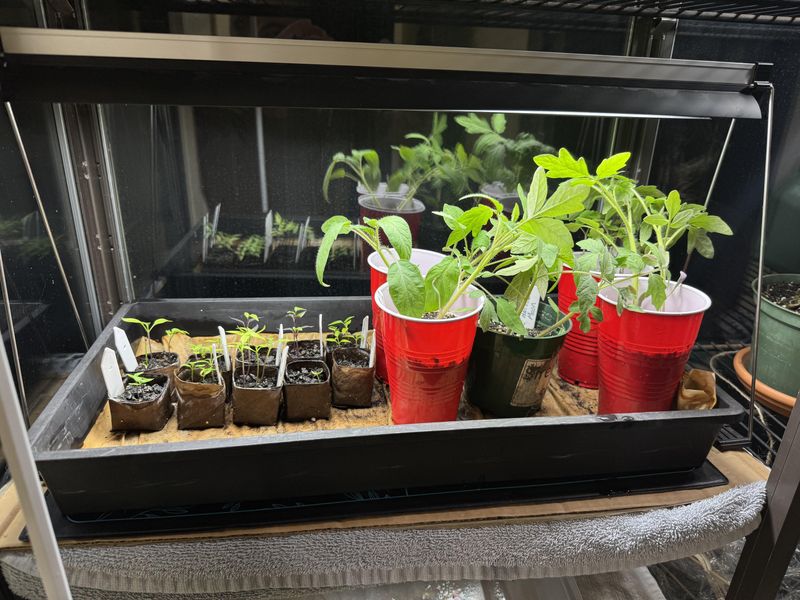
January and February might feel like the slowest months in the garden, but inside your home, the growing season is already beginning. Starting seeds indoors during these months gives your plants a serious head start before the last frost even arrives.
In Oregon, this is especially helpful for slow-growing crops like tomatoes, peppers, celery, and onions.
You do not need a fancy setup to get started. A sunny south-facing window or an inexpensive grow light works perfectly well.
Use a good seed-starting mix, not regular garden soil, because it drains better and keeps young roots happy. Plant your seeds in small trays or pots and keep them warm, ideally between 65 and 75 degrees Fahrenheit.
Oregon gardeners in western valleys like Portland and Salem should count back six to eight weeks from their last frost date, which is around April 20. Coastal growers near the Oregon coast can start a bit earlier since their last frost falls around March 20.
Keep the soil moist but not soggy. Label every tray so you do not mix up your plants later.
Once seedlings develop their second set of true leaves, they are ready to be moved into slightly larger containers before heading outside.
2. Plant Cool-Season Crops (March–April)
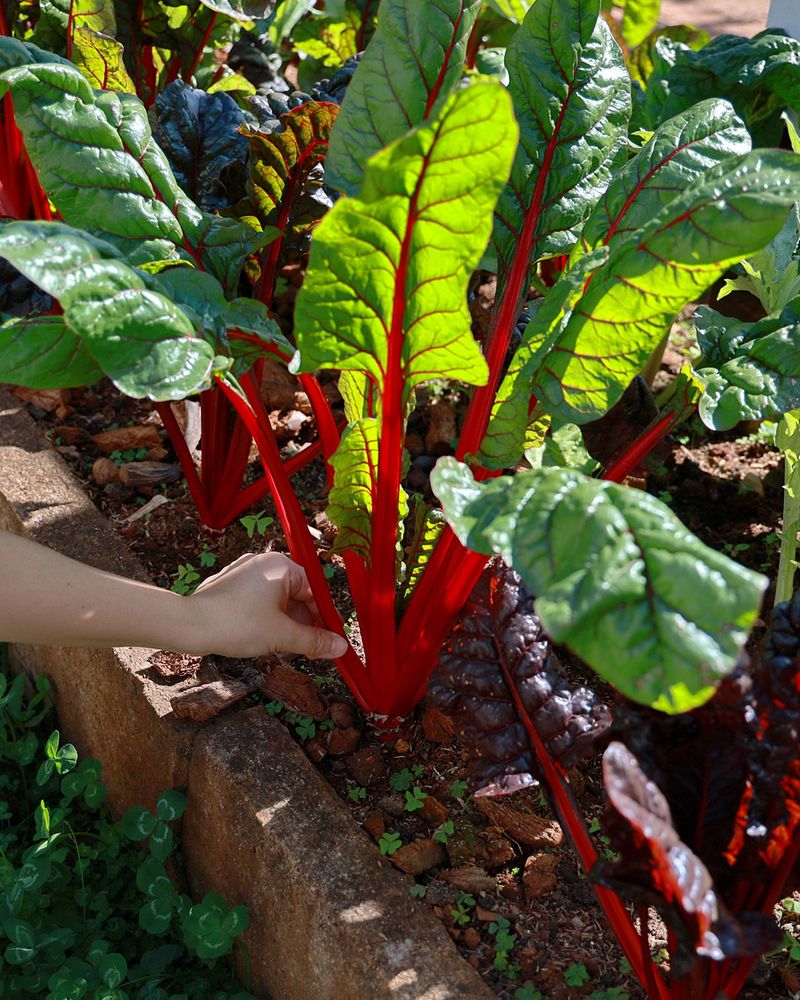
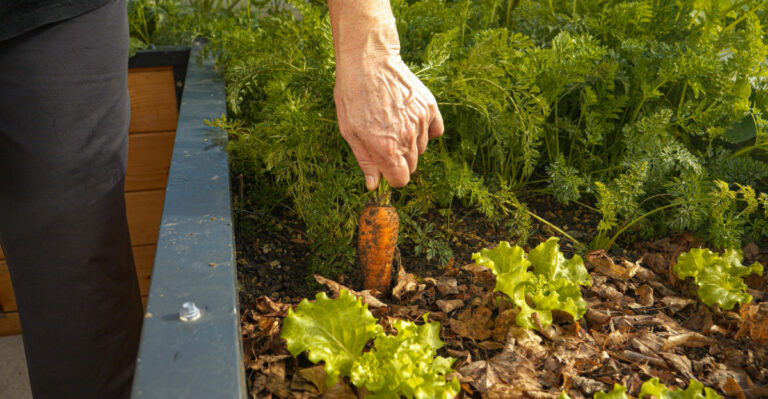
Cool-season vegetables are built for Oregon’s chilly spring weather, and March and April are their prime time to shine. Crops like spinach, lettuce, kale, peas, broccoli, carrots, and radishes all thrive in temperatures between 45 and 65 degrees Fahrenheit.
They can even handle a light frost without much trouble.
In the western valleys around Portland and Salem, gardeners can safely direct sow many of these crops by late March. On the Oregon coast, where the last frost comes earlier, you might even get a jump on things in late February.
However, gardeners in higher elevation areas like Bend should wait until mid-April or even May before planting outside, since late frosts are common there.
Prepare your beds by mixing in compost to boost soil fertility. Loose, well-drained soil helps root vegetables like carrots and beets grow straight and strong.
Sow seeds at the depth listed on the packet and water gently. Peas love a trellis, so set one up before you plant to avoid disturbing roots later.
Succession planting every two weeks keeps your harvest going strong. Cool-season crops bolt, meaning they go to seed, when summer heat arrives, so enjoy them while the weather stays mild across Oregon.
3. Switch To Warm-Season Planting (May–June)
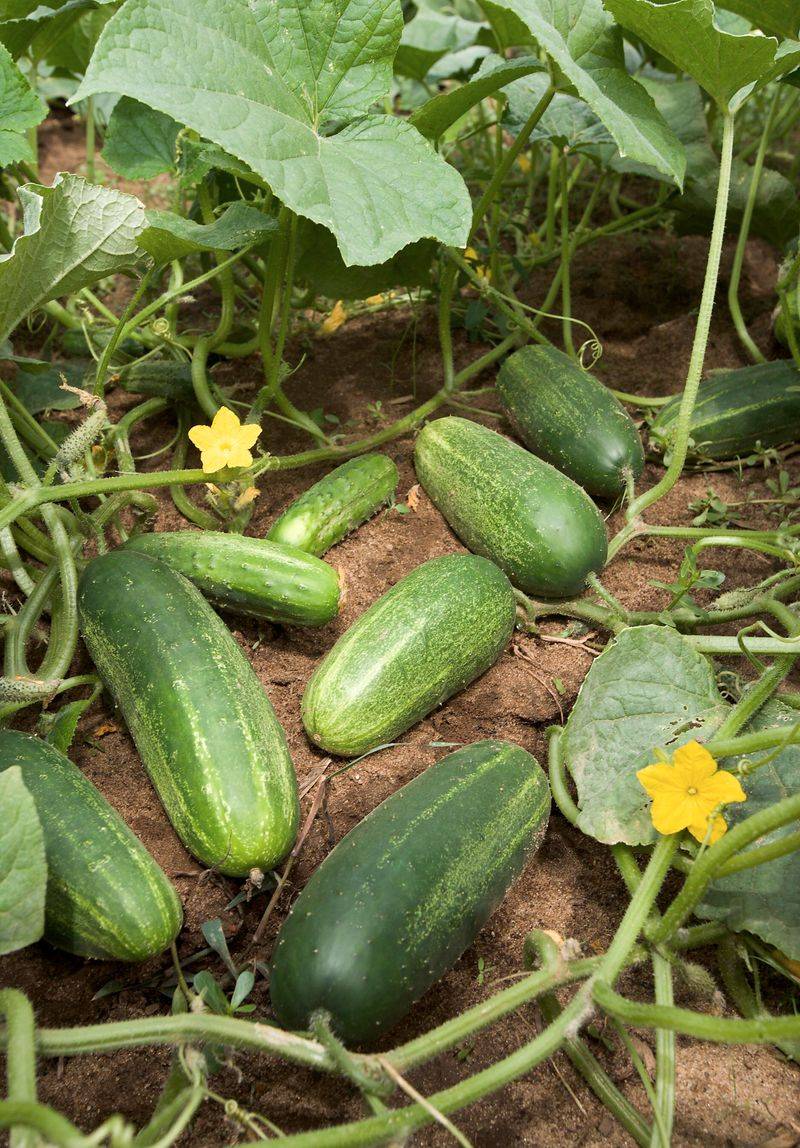
Once the soil warms up and the risk of frost has passed, it is time to shift gears and focus on warm-season crops. May and June are exciting months for Oregon gardeners because the growing season really picks up speed.
Crops like beans, cucumbers, squash, corn, and melons all need warm soil, ideally above 60 degrees Fahrenheit, before they will germinate and grow well.
In the Portland and Salem area, the last frost typically falls around April 20, so planting outside in early May is usually safe. Coastal Oregon gardeners can often plant a little earlier thanks to the milder climate.
High desert areas like Bend should wait until late May or even early June since frost can still sneak in.
Direct sowing works great for beans, squash, and corn because these plants do not like having their roots disturbed during transplanting. Press seeds into warm, moist soil at the correct depth and spacing listed on the seed packet.
Adding a layer of compost before planting gives your crops a nutrient boost right from the start. Water consistently during dry spells, which are common in Oregon summers east of the Cascades.
Mulching around your plants keeps moisture in the soil and reduces how often you need to water throughout the warm months.
4. Transplant Heat-Loving Vegetables (May–June)
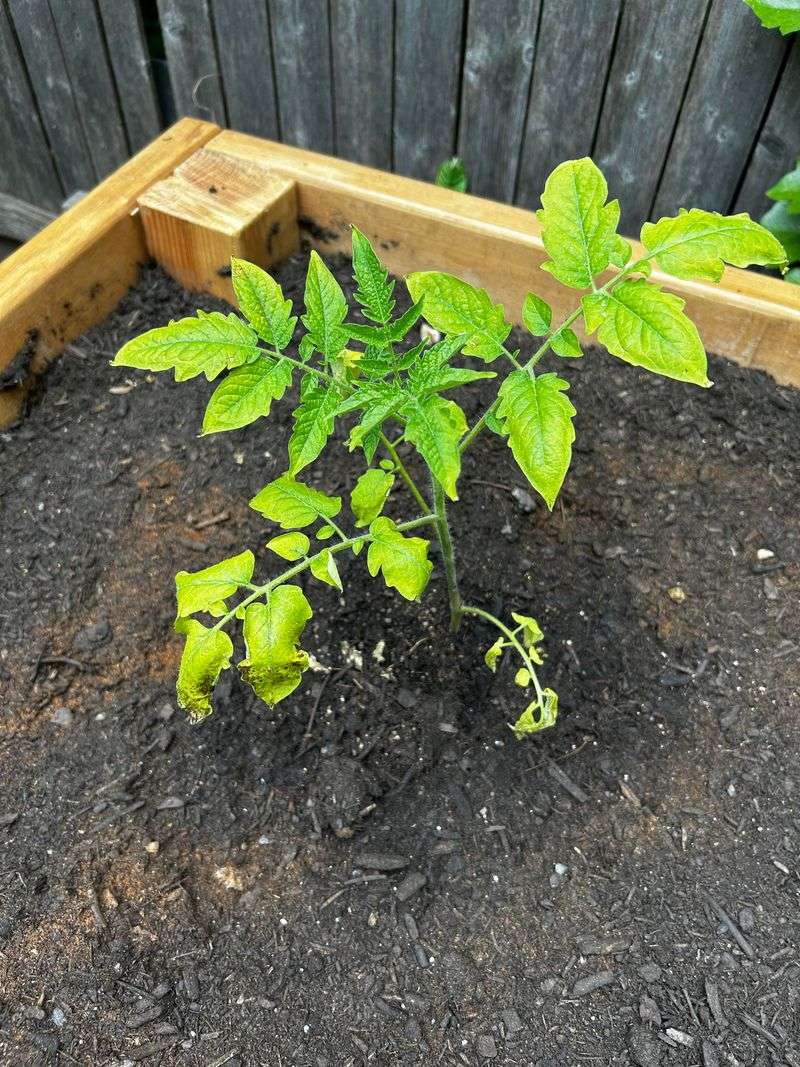
Tomatoes and peppers are probably the most beloved vegetables in any Oregon garden, but they need a bit of extra care to get established.
These heat-loving plants were started indoors back in January or February, and now in May and June, they are finally ready to move outside.
Rushing this step is one of the most common mistakes gardeners make.
Before transplanting, harden off your seedlings by setting them outside for a few hours each day over one to two weeks. This gets them used to wind, direct sunlight, and cooler nighttime temperatures.
Skipping this step can cause transplant shock, which slows growth significantly. In Oregon’s western valleys, aim to transplant after May 1.
Coastal gardeners can try as early as April, while Bend-area growers should wait until late May or June.
Tomatoes love deep planting. Bury them up to their lowest set of leaves, since roots will form all along the buried stem.
Peppers prefer warm roots, so black plastic mulch over the soil can help heat things up faster. Choose a spot that gets at least six to eight hours of direct sunlight daily.
Water deeply after transplanting and add a tomato cage or stake right away. Oregon summers can be short in some regions, so giving these plants every advantage early on pays off big at harvest time.
5. Plant A Second Round For Fall (July–August)
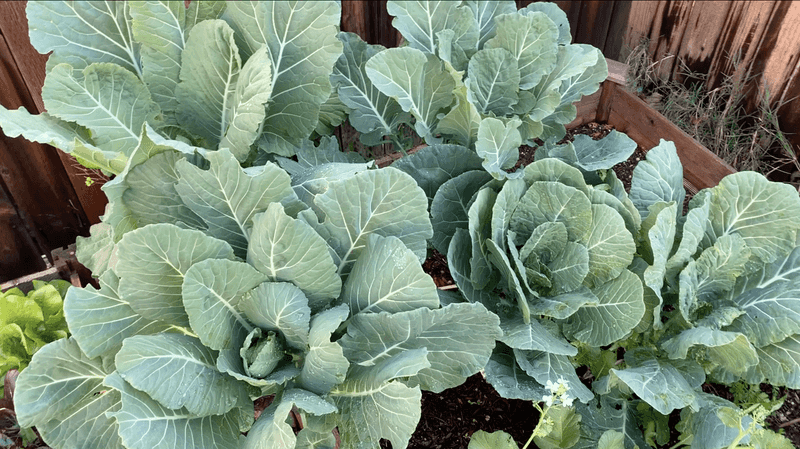
Many Oregon gardeners do not realize they can squeeze in a whole second harvest before winter arrives. July and August are the perfect months to plant a fresh round of cool-season crops that will mature in the cooler days of September and October.
Think of it as your garden getting a second wind just as summer starts to wind down.
Count backward from your first expected fall frost to figure out your planting window. In Portland and Salem, the first frost usually arrives around October 25, giving fall crops plenty of time to grow.
Coastal Oregon gardeners have even more time, with frost not arriving until late November in many spots. Bend gardeners need to move fast since frost can arrive as early as late September.
Great crops for this second round include kale, lettuce, spinach, arugula, radishes, beets, broccoli, and cauliflower. These vegetables actually taste sweeter after a light frost hits them, which is a fun bonus.
Start broccoli and cauliflower seeds indoors in early July, then transplant outside in August. Direct sow faster-growing crops like radishes and spinach straight into the garden bed.
Keep the soil consistently moist during Oregon’s dry summer months to help seeds germinate. A light layer of shade cloth can protect young seedlings from the intense summer heat while they get established.
6. Sow Overwintering Crops (September–October)
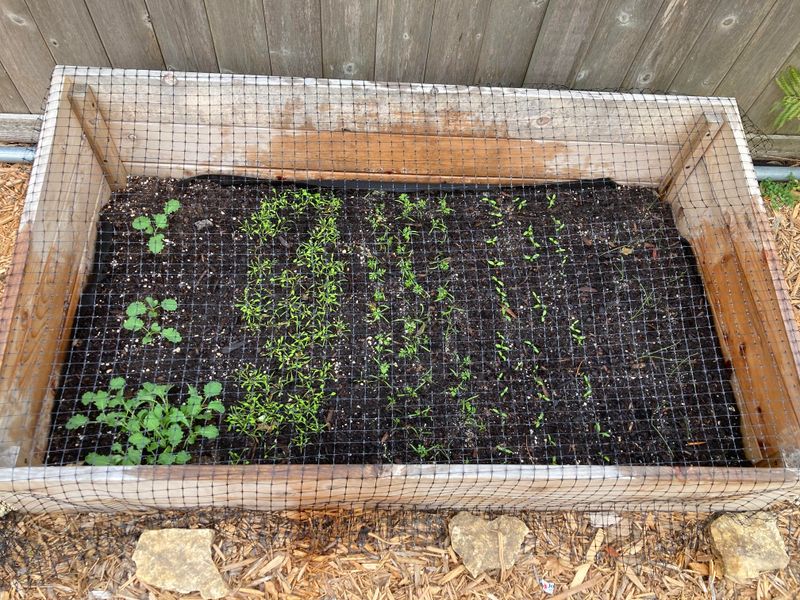
Oregon’s mild winters, especially west of the Cascades, make it possible to grow food even when most people have packed away their garden tools.
September and October are the months to plant crops that will slowly grow through winter and be ready to harvest in early spring.
This is one of the most underused tricks in the Oregon gardening world.
Garlic is the superstar of overwintering crops. Plant individual cloves in October, about two inches deep and six inches apart.
They will quietly grow roots through winter and send up green shoots by spring. Harvest comes the following summer, and the flavor of homegrown garlic is truly something special.
Fava beans and winter rye are other excellent choices that fix nitrogen back into the soil while they grow.
Hardy greens like kale, chard, mache, and certain Asian greens can also survive Oregon winters with minimal protection. Covering them with a cold frame or row cover keeps them growing through hard freezes.
In the Portland area and along the coast, many of these crops need no protection at all during mild winters. High elevation gardeners in places like Bend should focus on cold-hardy varieties and use heavy mulch or low tunnels for protection.
Overwintering crops are a smart way to use your garden space year-round and get a jump on next spring’s harvest.
7. Adjust Timing To Oregon’s Weather
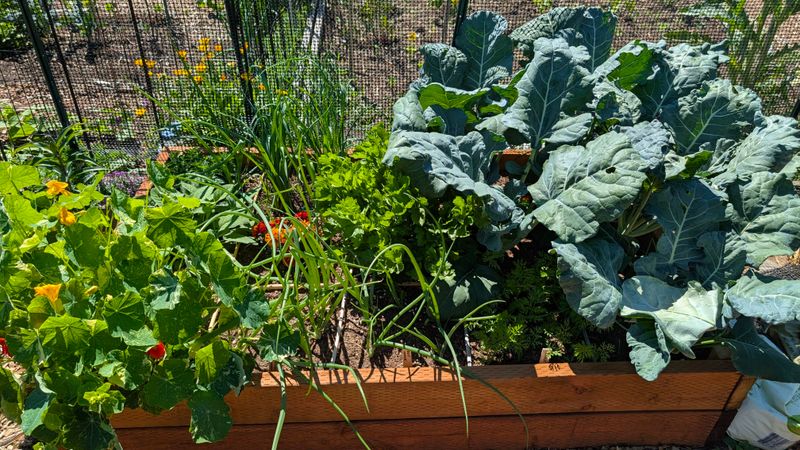
No planting calendar works perfectly unless you pay attention to what is actually happening outside your window. Oregon’s weather can surprise even experienced gardeners.
A late cold snap in May or an unusually warm March can completely change when it is safe to plant. Learning to read the signs around you is just as important as following any calendar.
Soil temperature is one of the best guides you can use. A simple soil thermometer costs just a few dollars and tells you exactly when conditions are right for each crop.
Tomatoes want soil above 60 degrees. Beans need at least 55 degrees.
Cool-season crops like spinach can germinate in soil as cool as 40 degrees. Checking soil temperature removes the guesswork that comes with relying only on the calendar date.
Oregon gardeners should also sign up for local frost alerts or follow the Oregon State University Extension Service, which offers free region-specific planting guides. Microclimates matter a lot here.
A raised bed against a south-facing wall in Portland can be weeks ahead of a garden bed in an open field just a mile away. Low spots collect cold air and frost, while hillside gardens drain cold air away.
Knowing your specific spot in Oregon, whether it is the coast, the valley, the high desert, or the mountains, helps you fine-tune your timing every single season.