The Outdoor Plants North Carolina Homeowners Are Bringing Indoors For Holiday Decorating
In North Carolina, holiday decorating doesn’t stop at store-bought greenery.
Homeowners are stepping into their own gardens, bringing outdoor plants inside to create natural, one-of-a-kind holiday displays.
From evergreen branches to potted favorites, these plants add texture, fragrance, and authenticity that artificial décor can’t match.
They blur the line between indoor and outdoor living, making homes feel warmer and more connected to the season.
Choosing the right plants—and knowing how to transition them indoors—makes all the difference.
Done right, these garden-to-home decorations stay fresh throughout the holidays and return outside when winter loosens its grip.
It’s a tradition rooted in practicality and beauty, and it’s gaining new life in North Carolina homes.
Pine Branches
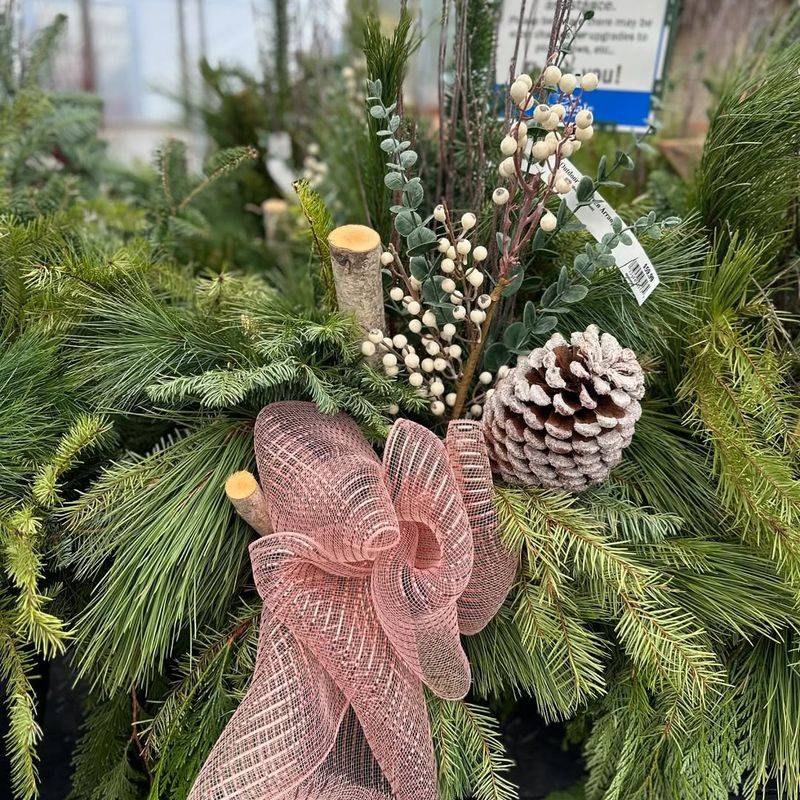
Walking into a home filled with the scent of fresh pine instantly signals the arrival of the holiday season.
North Carolina homeowners take full advantage of the pine trees growing in their yards by cutting branches to bring indoors.
These evergreen cuttings work beautifully draped across mantels, woven into garlands, or arranged in tall vases as natural centerpieces.
The fragrance alone makes pine branches worth gathering.
That crisp, woodsy aroma fills entire rooms and lasts for weeks when the branches stay fresh.
Longevity stands out as another major benefit since pine holds its needles well indoors.
Unlike some greenery that drops and makes a mess, properly cut pine branches maintain their appearance throughout the entire holiday season.
Traditional Southern Christmas style embraces this natural element wholeheartedly.
Families pass down techniques for selecting the best branches, cutting at the right angle, and keeping them hydrated in water or floral foam.
The versatility of pine branches allows homeowners to use them in countless ways.
They pair wonderfully with ribbons, ornaments, berries, and candles.
Many North Carolina residents make branch-cutting a family tradition, heading outdoors together on crisp December mornings.
This simple act connects modern celebrations to generations of Southern holiday customs while bringing the beauty of the outdoors inside where everyone can enjoy it daily.
Cedar Boughs
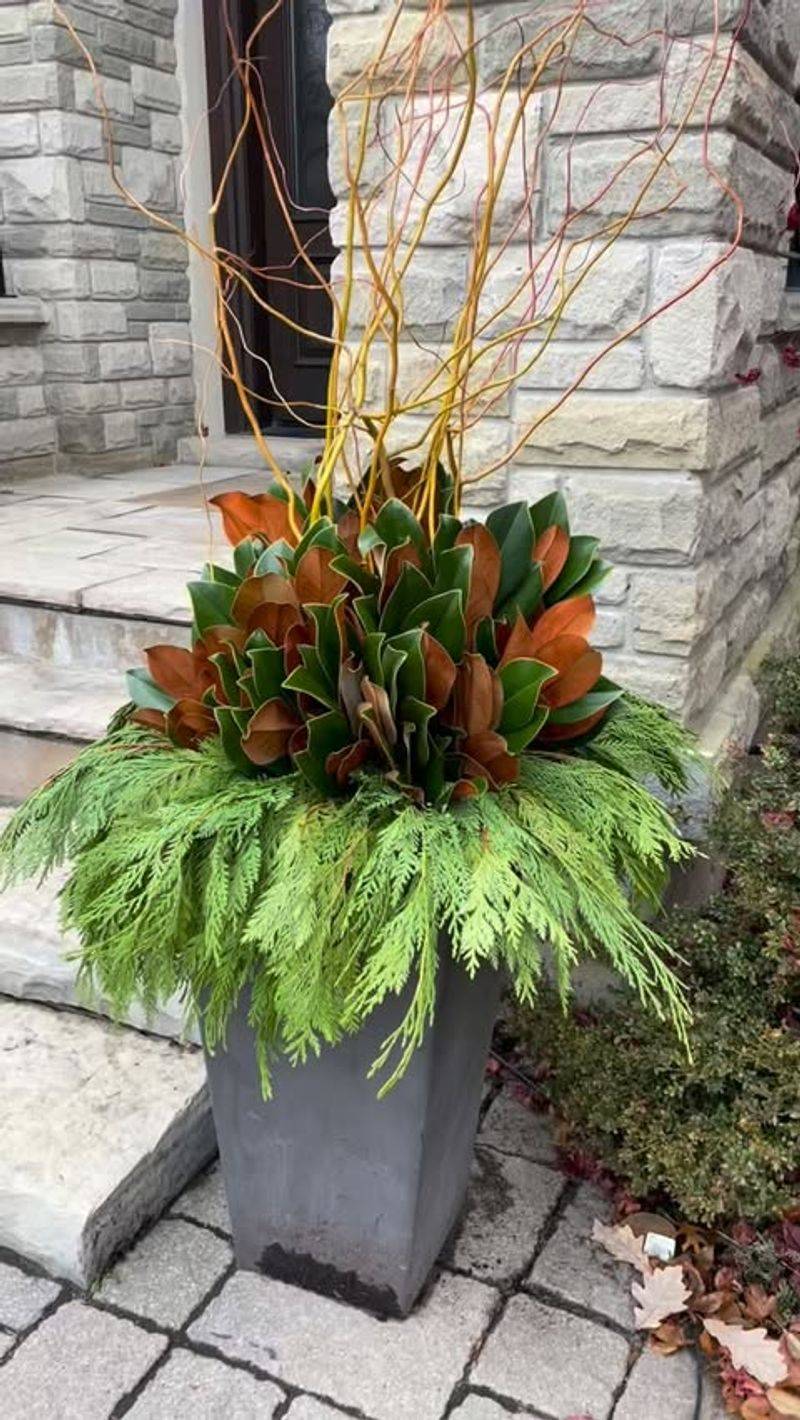
Cedar brings a softer texture to holiday arrangements compared to other evergreens.
Homeowners across North Carolina appreciate how cedar boughs feel gentle to the touch while still providing that full, lush look desired in seasonal decorating.
The feathery foliage creates visual interest without the sharp needles found on many other plants.
Natural pest resistance makes cedar particularly appealing for indoor use.
The aromatic oils that give cedar its distinctive scent also help keep unwanted insects away from holiday displays.
This built-in protection means homeowners can enjoy their decorations without worrying about bugs appearing in their living spaces.
The subtle, woodsy fragrance adds another layer of seasonal ambiance without overwhelming the senses.
Cedar’s ability to dry well over time sets it apart from other greenery options.
While fresh cedar looks beautiful, it transitions gracefully as it dries, maintaining its shape and color for extended periods.
This quality makes it perfect for wreaths and swags that homeowners want to display throughout the entire winter season.
The bronze tones that develop as cedar ages add warmth to any room.
Cutting cedar from backyard trees provides an economical decorating solution.
North Carolina’s climate supports healthy cedar growth, making it readily available for those who have it on their property or know neighbors willing to share clippings from their own yards.
Magnolia Leaves
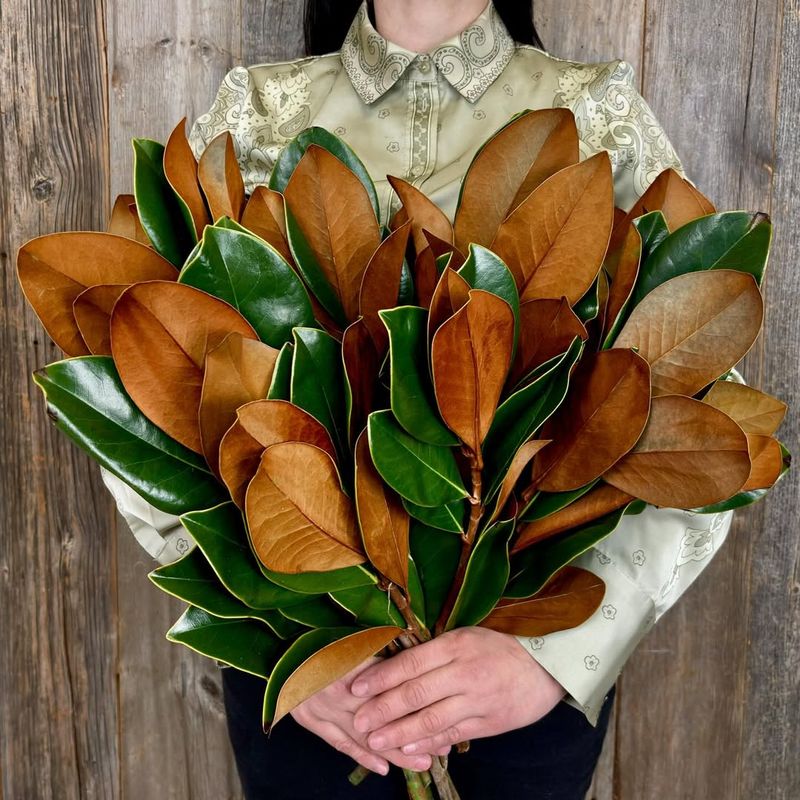
Glossy magnolia leaves have become synonymous with elegant Southern holiday décor.
The large, leathery leaves feature a stunning deep green surface on top with a rusty brown underside that adds unexpected visual depth.
North Carolina homeowners treasure magnolia trees for their year-round beauty and the decorating opportunities they provide during the holidays.
Wreaths made from magnolia leaves grace front doors throughout the state each December.
The substantial size of each leaf means fewer are needed to create a full, impressive display.
Their natural shine catches light beautifully, whether placed near windows or illuminated by candlelight on dining tables.
Many people spray them with a clear sealant to enhance and preserve that glossy appearance.
Mantel decorations gain sophistication when magnolia leaves are incorporated.
Layering them horizontally creates a lush base for candles, figurines, or other holiday accents.
Some homeowners flip certain leaves to show the brown underside, creating an appealing two-tone effect.
This technique adds dimension and prevents arrangements from looking flat or monotonous.
Table runners and centerpieces benefit from magnolia’s bold presence.
The leaves hold up remarkably well indoors, lasting throughout the season without wilting or losing their structure.
Their durability and classic appearance make them a favorite among North Carolina decorators who appreciate timeless style rooted in regional plant life and traditional Southern aesthetics.
Holly Branches (With Berries)
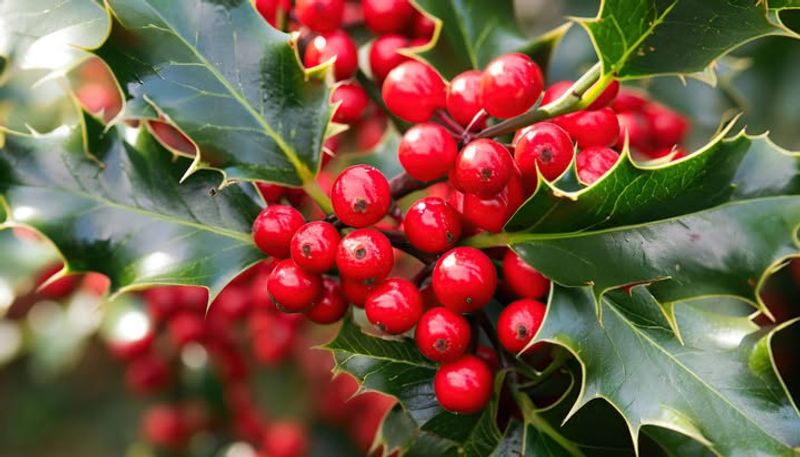
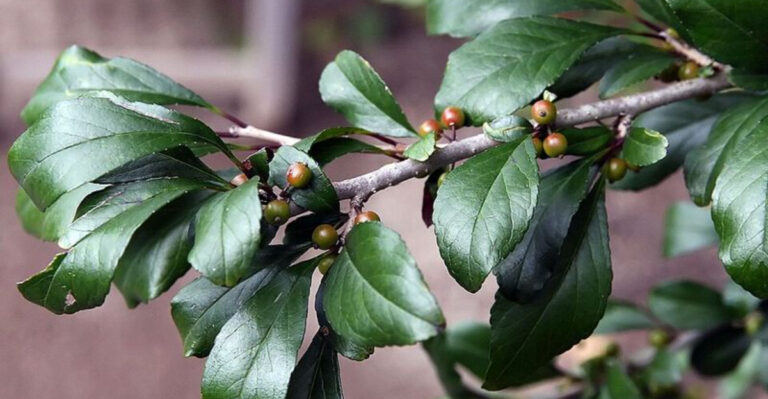
Nothing says Christmas quite like the bright red berries nestled among glossy green holly leaves.
This classic combination has decorated homes for generations, and North Carolina homeowners continue the tradition by cutting branches from their own holly bushes.
The vibrant color contrast creates instant holiday cheer in any room.
Understanding holly plants helps ensure successful decorating.
Only female holly plants produce those coveted red berries, and they need a male plant nearby for pollination.
Homeowners who want berry-laden branches for indoor displays make sure to plant both types or identify which bushes in their yard are female.
This knowledge proves essential when planning cuts for holiday arrangements.
Fresh holly branches look stunning in simple glass vases placed on entryway tables or kitchen counters.
The berries provide natural color without needing additional embellishments.
Many people combine holly with other greenery for mixed arrangements that showcase different textures and shades of green.
The prickly leaves add interesting dimension while the smooth berries offer visual relief.
Traditional symbolism adds meaning to holly decorations beyond their beauty.
The evergreen leaves represent eternal life while the red berries remind many of joy and celebration.
Whether displayed alone or mixed with other foraged materials, holly branches bring authentic Christmas character to North Carolina homes while connecting modern celebrations to centuries of decorating traditions.
Juniper Cuttings
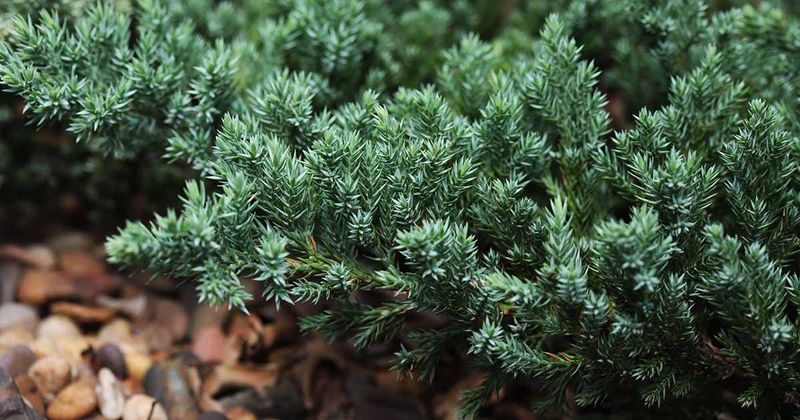
Juniper offers a unique blue-green hue that stands out among typical holiday greenery.
North Carolina homeowners value juniper cuttings for their distinctive color that adds cool tones to arrangements dominated by warmer greens.
This variation creates visual interest and prevents holiday displays from looking too uniform or predictable.
The texture of juniper differs noticeably from pine or cedar.
Some varieties feature scale-like foliage while others have short, needle-like leaves that grow in whorls.
This textural diversity allows decorators to create arrangements with depth and complexity.
Mixing juniper with broader-leafed plants like magnolia or boxwood produces appealing contrasts that catch the eye.
A subtle, fresh scent accompanies juniper branches indoors.
The aroma is less intense than pine but still pleasant and recognizable.
This gentle fragrance contributes to the overall sensory experience of holiday decorating without overwhelming other scents in the home.
Many people appreciate this more understated aromatic quality.
Juniper’s durability makes it practical for long-lasting displays.
The branches hold up well indoors, maintaining their color and structure throughout the season.
Some varieties even produce small blue berries that add another decorative element.
North Carolina’s climate supports several juniper species, making them accessible to homeowners across different regions of the state who want to incorporate this distinctive plant into their seasonal decorating schemes.
Pinecones Gathered From The Yard
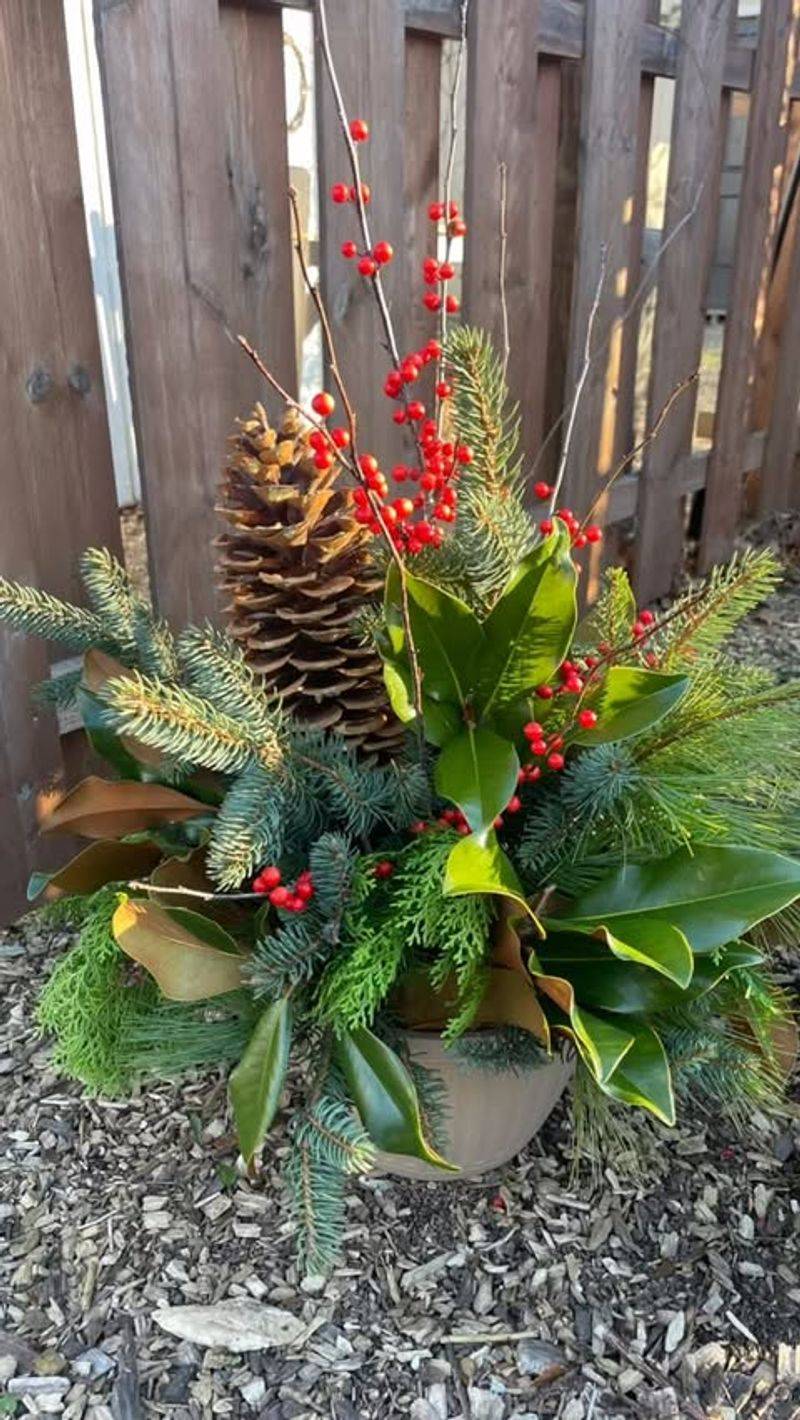
Collecting pinecones from the yard turns into a fun outdoor activity for the whole family.
Children especially enjoy hunting for the perfect specimens under trees, examining their different sizes and shapes.
North Carolina’s abundant pine trees provide plenty of cones each fall, making them one of the most accessible natural decorating materials available.
Proper preparation ensures pinecones look their best indoors.
Homeowners typically brush off loose debris and dirt, then bake the cones on low heat to eliminate any hidden insects or sap.
This cleaning process also helps the cones open fully, revealing their beautiful spiral patterns.
Some people leave them natural while others paint, glitter, or lightly spray them with artificial snow for added visual appeal.
Display options for pinecones are nearly endless.
Filling a rustic wooden bowl creates a simple centerpiece that works on dining tables or coffee tables.
Placing them in glass hurricane vases alongside candles adds warmth and texture.
Stringing them together makes natural garlands, while individual cones can become ornaments or place card holders for holiday dinners.
The earthy, woodland aesthetic pinecones bring complements many decorating styles.
They work equally well in farmhouse kitchens, traditional living rooms, or modern spaces needing organic elements.
Their neutral brown tones coordinate with any color scheme, making pinecones remarkably versatile for homeowners who change their holiday décor themes from year to year.
Dried Hydrangea Blooms
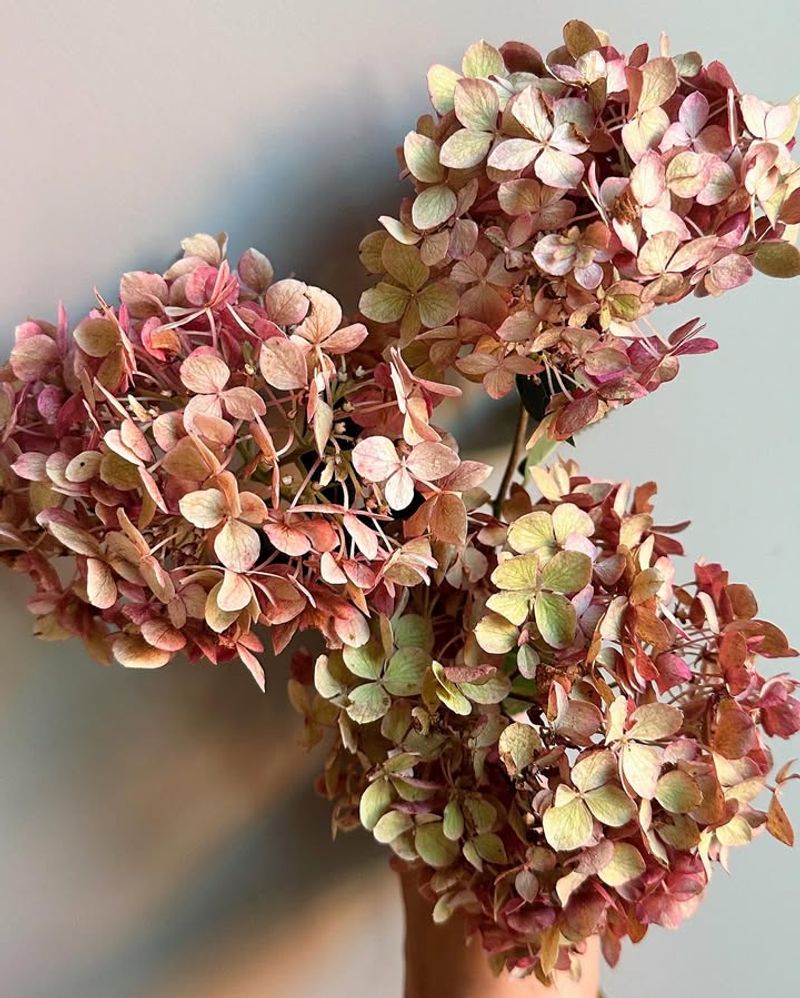
Forward-thinking North Carolina homeowners begin their holiday decorating plans months in advance by drying hydrangea blooms.
These large, showy flowers that grace summer gardens transform into delicate, papery decorations perfect for winter displays.
The faded colors—soft blues, muted pinks, antique greens, and creamy whites—add romantic, vintage charm to holiday arrangements.
The drying process happens naturally on the plant for best results.
Homeowners leave select blooms on the shrub through late summer and early fall, allowing them to gradually change color and texture.
Once properly dried, they’re cut and brought indoors where they’ll last indefinitely.
This sustainable approach to decorating costs nothing and reduces waste compared to buying new materials each year.
Dried hydrangeas bring softness to arrangements dominated by rigid evergreen branches.
Their rounded, clustered form creates visual balance and prevents displays from looking too stiff or formal.
Many decorators tuck them into garlands, wreaths, or table centerpieces where they provide gentle contrast against glossy leaves and sharp needles.
The neutral tones coordinate beautifully with traditional red and green or more contemporary color schemes.
These preserved blooms work wonderfully in vases on their own or mixed with bare branches and berries.
Their delicate appearance belies their durability.
Properly dried hydrangeas maintain their shape and color for years.
This longevity makes them valuable for homeowners who enjoy building a collection of natural decorations they can reuse season after season.
Red Twig Dogwood Stems
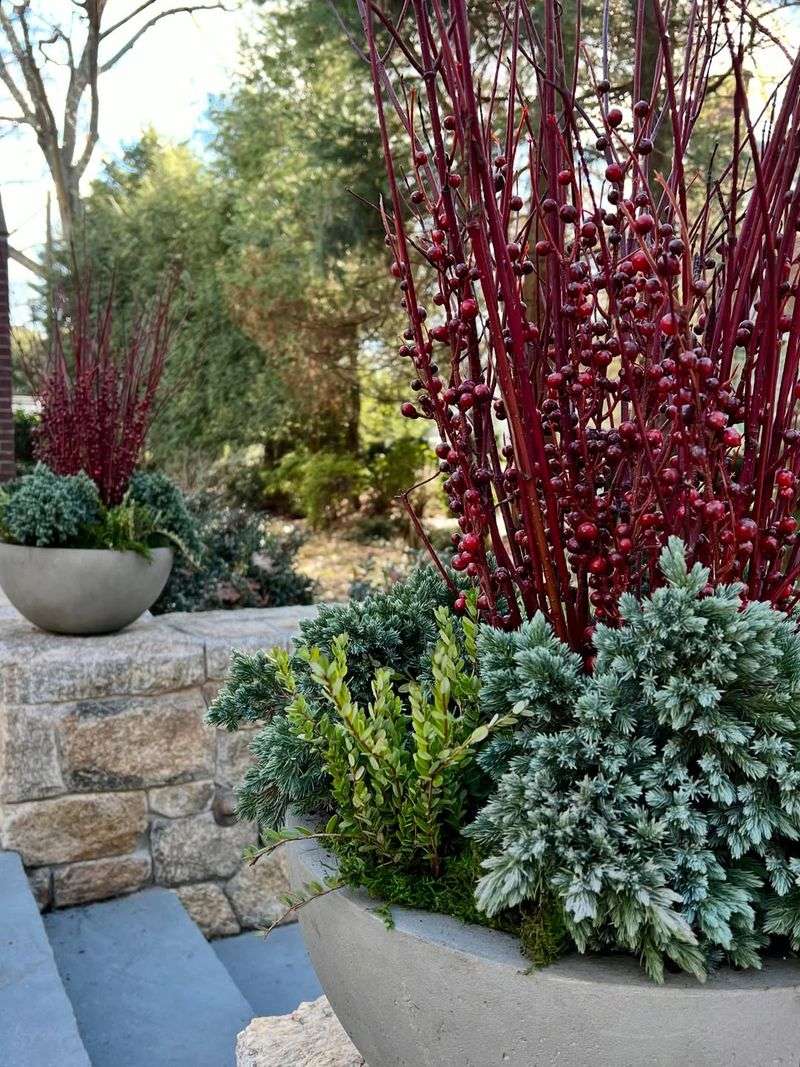
Bright crimson stems rising from a tall vase create dramatic impact with minimal effort.
Red twig dogwood provides exactly this effect, making it a favorite among North Carolina homeowners who appreciate bold, modern holiday décor.
The vibrant red bark looks especially striking against white walls or displayed near windows where natural light enhances the color.
Winter actually represents the best time to cut dogwood stems for decorating.
Once the leaves drop, the brilliant bark color becomes fully visible.
The smooth, straight stems range from deep burgundy to bright scarlet depending on the variety and growing conditions.
This natural color variation adds depth when multiple stems are grouped together in arrangements.
Height makes red twig dogwood particularly valuable in decorating.
The long stems fill vertical space beautifully, drawing the eye upward and making rooms feel more spacious.
Placing a bundle in a floor vase near an entryway creates an impressive welcome for holiday guests.
Shorter cuts work well in arrangements on mantels or dining tables where they add pops of color without blocking conversation.
The stems require no additional embellishment to look festive.
Their brilliant color stands out on its own, though some people add a few evergreen branches or berries for variety.
This simplicity appeals to homeowners who prefer clean, contemporary style.
The stems last for weeks indoors, and their color actually intensifies as they dry, providing long-lasting beauty throughout the entire holiday season.
Boxwood Clippings
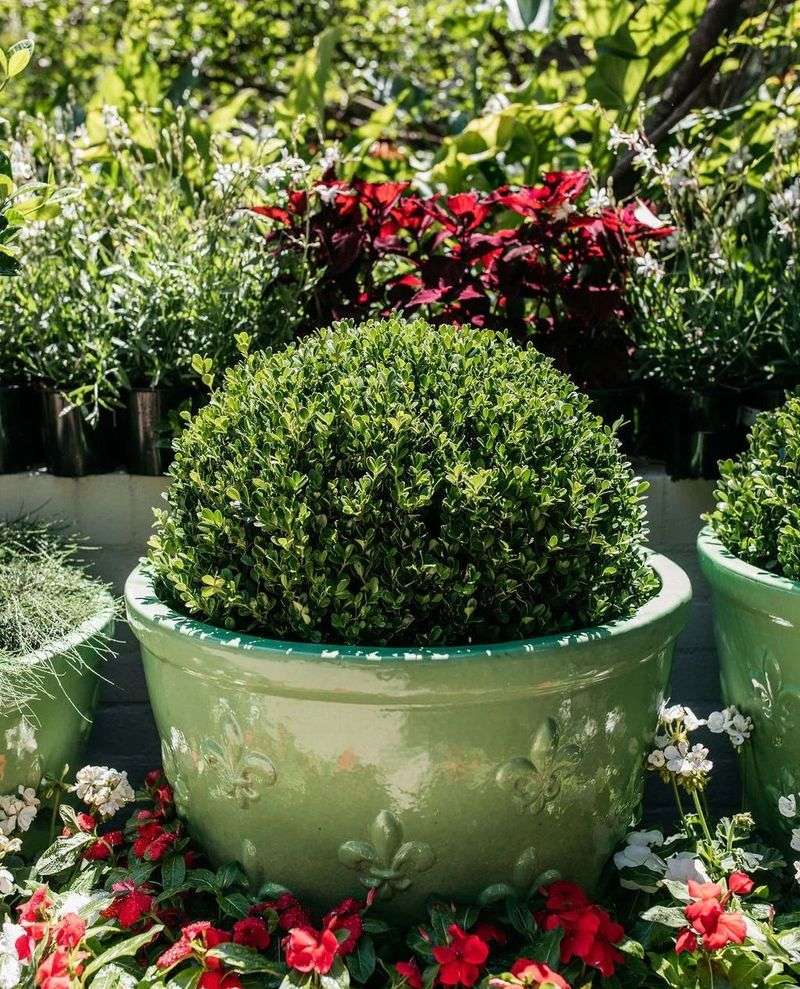
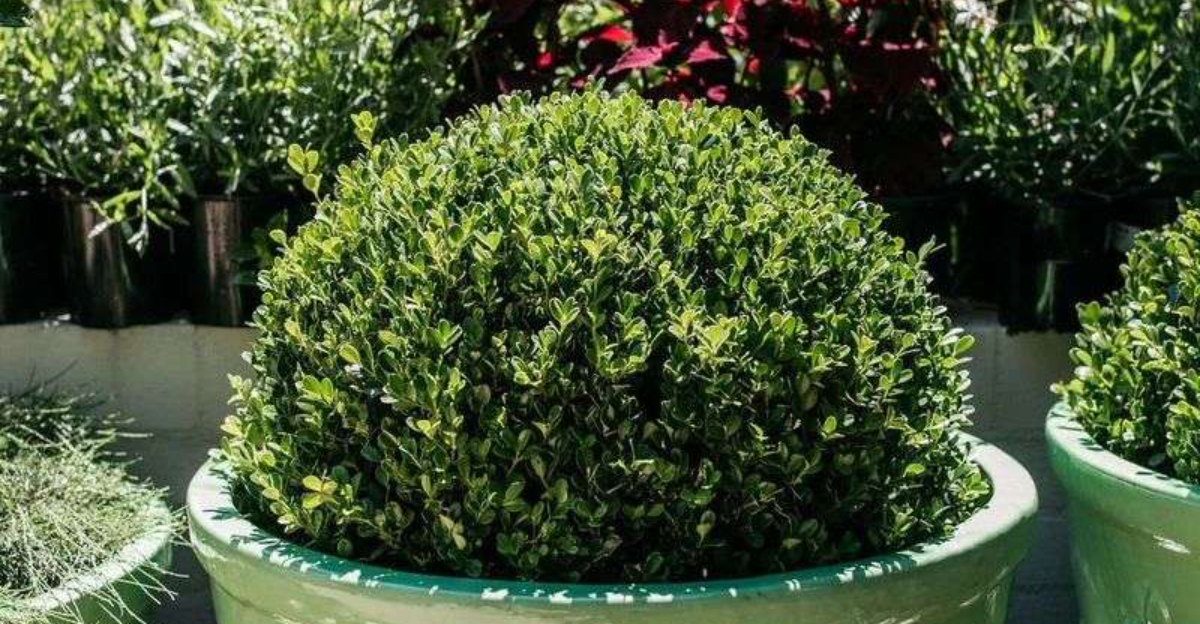
Boxwood’s small, densely-packed leaves create a refined look that suits formal holiday decorating.
North Carolina homeowners who maintain boxwood hedges or topiaries find these plants perfect for indoor use.
The compact foliage and sturdy branches hold their shape beautifully, making boxwood ideal for structured arrangements that need to maintain a specific form.
Small wreaths made entirely from boxwood bring classic elegance to any space.
Their uniform green color and tidy appearance suit traditional décor styles perfectly.
Many people hang these wreaths on interior doors, above beds, or in kitchen windows.
The subtle, fresh scent of boxwood adds a pleasant aromatic element without overwhelming other holiday fragrances in the home.
Swags created from boxwood clippings dress up mantels with sophisticated style.
The branches can be wired together to drape naturally or shaped into more formal garlands.
Adding simple white ribbons or minimal berries enhances the look without detracting from boxwood’s inherent beauty.
This restrained approach appeals to homeowners who favor understated elegance over elaborate decorations.
Tabletop arrangements benefit from boxwood’s versatility.
Small clippings inserted into floral foam create miniature topiaries or can surround candles as living wreaths.
The fine texture contrasts nicely with larger-leafed plants like magnolia.
Boxwood also holds up exceptionally well indoors, staying fresh and green for weeks when properly hydrated, making it reliable for displays that need to last through multiple holiday gatherings and celebrations.
Evergreen Grass Seed Heads And Native Grasses
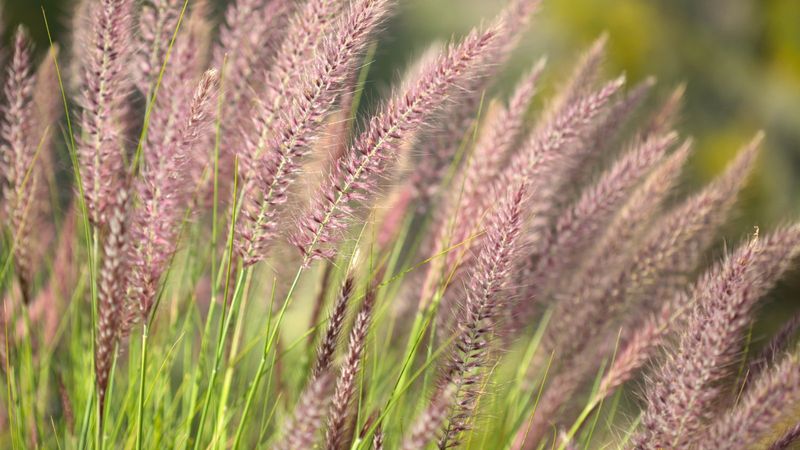
Ornamental grasses bring unexpected texture and movement to holiday arrangements.
North Carolina homeowners who grow native grasses or decorative varieties in their landscapes discover these plants offer excellent material for indoor decorating.
The dried plumes and seed heads that remain after the growing season provide airy, graceful elements that soften more structured arrangements.
Height stands out as a primary advantage of incorporating grass stems.
The tall, slender stalks add vertical interest to displays, creating dimension and drawing attention upward.
This quality makes them perfect for large floor vases in entryways or corners that need filling.
Mixed with bare branches or colorful stems, grasses create dynamic arrangements that feel both natural and intentional.
The neutral, earthy tones of dried grasses coordinate with any color palette.
Wheat-colored plumes, silvery seed heads, and tawny brown stems all blend seamlessly with traditional holiday colors or more contemporary schemes.
This versatility allows homeowners to use the same materials year after year regardless of changing décor trends or color preferences.
The organic quality brings warmth and authenticity to indoor spaces.
Native grasses connect holiday decorating to the local landscape in meaningful ways.
Using plants that grow naturally in North Carolina creates arrangements that feel rooted in place.
This approach celebrates regional biodiversity while providing free, sustainable decorating materials.
The delicate, wispy nature of grass seed heads adds lightness and movement that contrasts beautifully with the solid, dense appearance of evergreen branches and leaves.