The 10 Overlooked Perennials That Deserve A Spot In Your Oregon Garden
Ever notice how the same few perennials keep showing up in Oregon gardens like they own the place? Meanwhile, some truly great plants are stuck in the background, quietly being beautiful, reliable, and weirdly underappreciated.
That is part of the fun, though. The best garden is not always packed with the usual crowd. Sometimes it comes alive with the plants nobody talks about enough.
Oregon is full of spots where overlooked perennials can really prove themselves. A shady corner, a dry stretch, a border that needs more texture, a bed that feels like it is missing something.
The right lesser-known plant can step in and completely change the mood. Some bring airy flowers, some offer bold foliage, and some just keep showing up year after year looking far better than anyone expected.
Once you start paying attention to the underrated ones, it gets very hard to go back to a garden made up of only the obvious choices.
1. Pacific Bleeding Heart
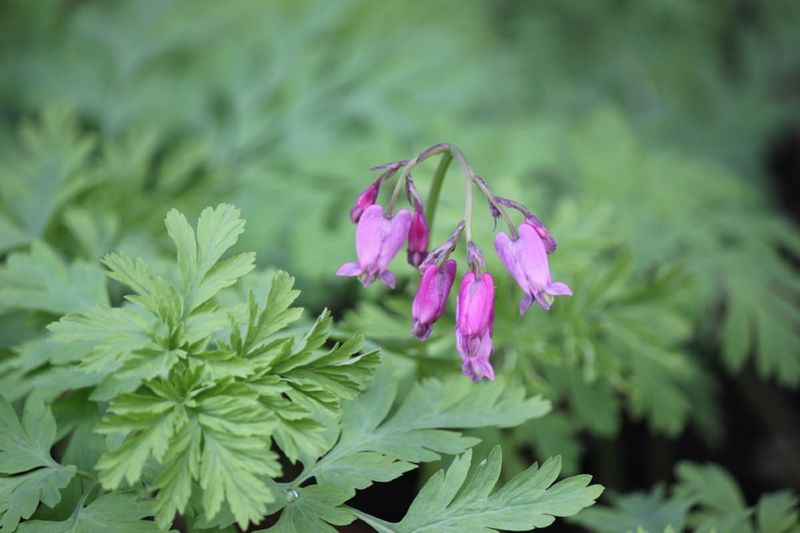
Few plants have a name as poetic as this one. Pacific Bleeding Heart is a native Oregon perennial that produces clusters of rosy-pink, heart-shaped flowers dangling from graceful arching stems.
It blooms in spring and sometimes again in fall, making it one of the most charming choices for shaded garden spots.
Found naturally in the forests of the Pacific Northwest, this plant feels right at home in an Oregon garden. It thrives in moist, well-draining soil and prefers partial to full shade.
Plant it beneath deciduous trees or alongside ferns for a woodland-inspired look that feels effortless and natural.
One fun fact: hummingbirds and bumblebees absolutely love the tubular flowers. So not only do you get beautiful blooms, but you also attract some wonderful wildlife.
Pacific Bleeding Heart spreads slowly over time, filling in shady corners where other plants struggle. It grows about one to two feet tall and works beautifully as a ground cover.
Once established in your Oregon garden, it practically takes care of itself, returning reliably every single year with minimal fuss from you.
2. Fringecup
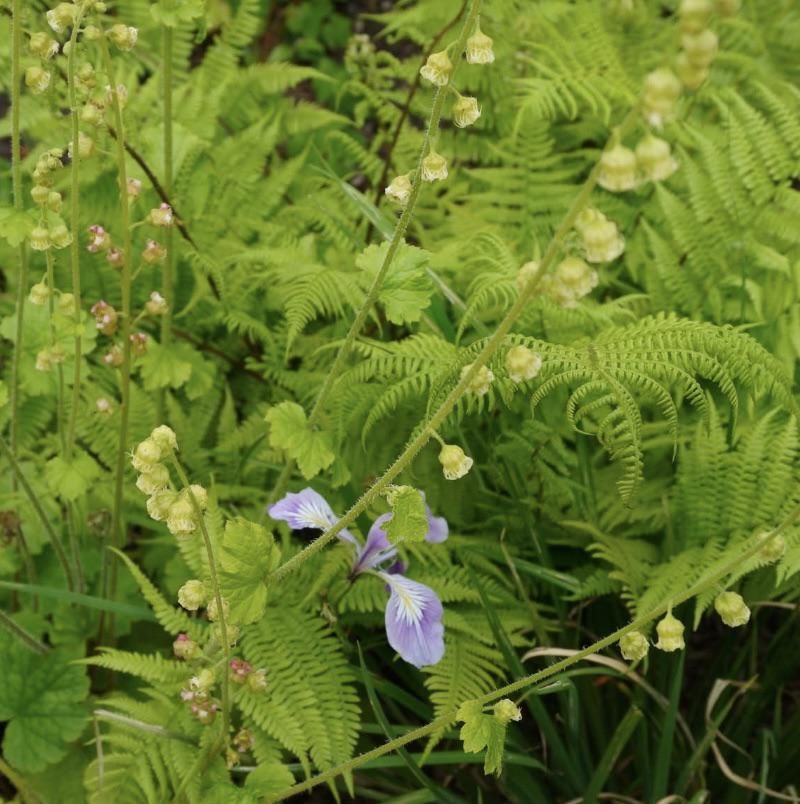
Tucked beneath towering Douglas firs and big-leaf maples, fringecup quietly does its thing without asking for much attention. This native Oregon perennial is one of the most underrated shade plants around.
Its tiny, fringed flowers open creamy white and slowly fade to pink as the season progresses, creating a lovely two-toned effect along each flower stalk.
Fringecup thrives in the moist, rich soil that is common in many Oregon gardens, especially in the western part of the state. It forms a low rosette of heart-shaped, scallop-edged leaves that make great ground cover even when the plant is not blooming.
The flower stalks can reach up to two feet tall, adding a delicate vertical element to shady beds.
What makes fringecup especially valuable is its ability to fill in difficult spots. Got a dark corner where nothing seems to grow?
Fringecup is your answer. It self-seeds gently without becoming invasive, so you get natural spreading without the headache.
Pollinators like small bees and flies are drawn to its flowers. For Oregon gardeners who want low-effort beauty in shaded areas, fringecup is a truly rewarding native perennial.
Your Oregon Garden Changes Every Week. Your Plan Should Too.
Gardening in Oregon changes quickly throughout the season. Every Friday you’ll receive a simple weekly plan showing exactly what to plant, prune, fertilize, harvest, and protect so you never miss the right timing.
3. Small-Flowered Alumroot
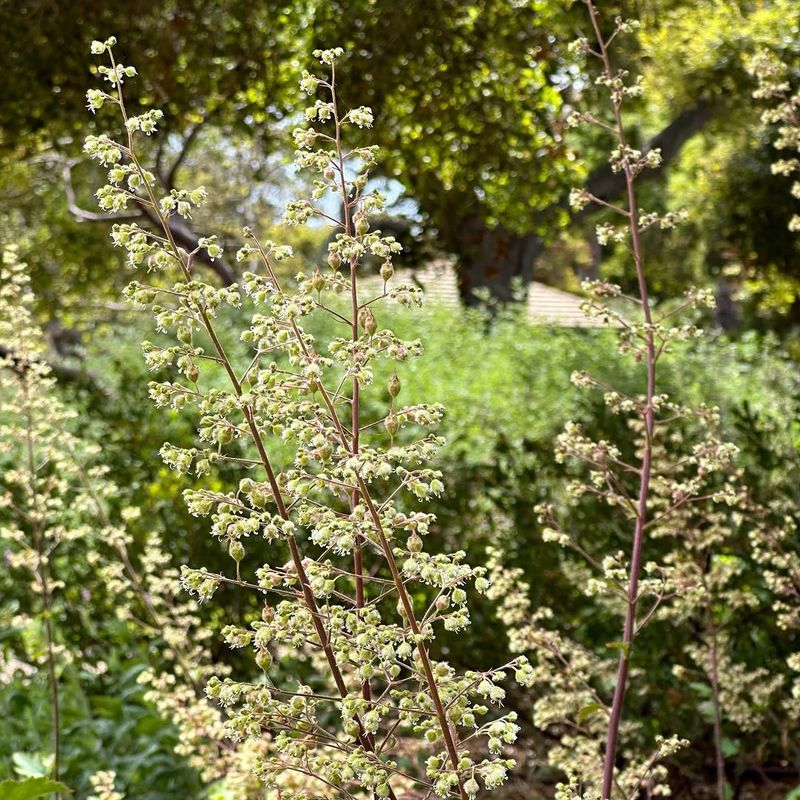
Do not let the modest name fool you. Small-Flowered Alumroot is a native Oregon perennial with serious style.
Its deeply lobed, maple-like leaves come in shades of green, bronze, and burgundy depending on the season and light conditions. The foliage alone makes it worth growing, but the wiry stems topped with tiny cream-colored flowers add a wispy, airy quality to any garden bed.
This plant is incredibly adaptable. It grows naturally on rocky slopes, cliff edges, and forest margins throughout the Pacific Northwest.
In your Oregon garden, it performs well in rocky soil, dry shade, and spots with poor fertility where most plants would struggle. That resilience makes it a fantastic choice for low-maintenance landscapes.
Alumroot is also a host plant for certain native insects, adding ecological value beyond its looks. It stays relatively compact, usually reaching about one foot in height, which makes it ideal for edging paths or filling gaps between larger plants.
Plant it near boulders or along a dry stone wall for a naturalistic effect. Once settled in, Small-Flowered Alumroot asks for very little while giving your Oregon garden a quiet, understated elegance that builds character over time.
4. Goatsbeard
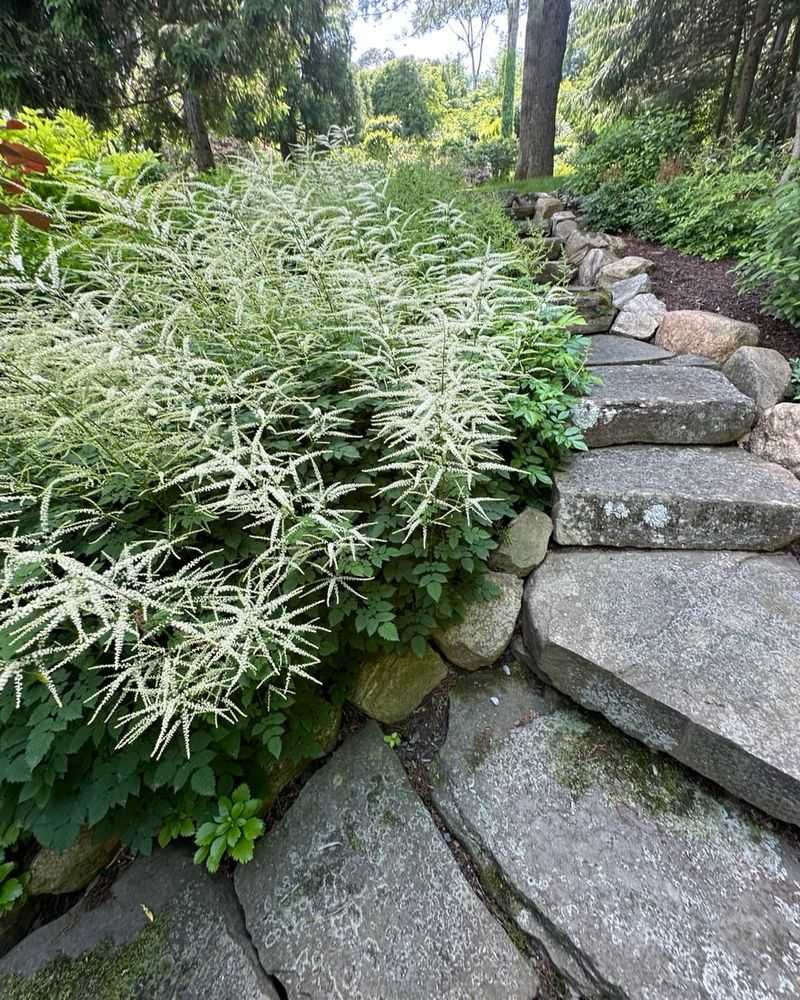
If you have ever wanted a plant that makes people stop and say, “What is that?”, goatsbeard is it. This bold, dramatic native perennial produces enormous, feathery plumes of creamy white flowers that look almost like an astilbe on a grand scale.
In full bloom, it can reach four to six feet tall, making it a true showstopper in any Oregon garden.
Goatsbeard loves moist, rich soil and partial to full shade, conditions that are easy to find in many parts of Oregon. It is especially stunning planted near a water feature, along a shaded fence line, or at the back of a woodland garden bed.
The large, fern-like compound leaves stay attractive even after the blooms fade, providing lush texture through the rest of the season.
One thing gardeners appreciate about goatsbeard is how low-maintenance it really is. Once planted, it comes back strong year after year with almost no intervention needed.
It is also deer-resistant, which is a big bonus for Oregon gardeners dealing with browsing wildlife. Pollinators flock to its flowers during bloom time.
For anyone looking to add height, drama, and native value to a shady Oregon garden space, goatsbeard absolutely delivers.
5. Inside-Out Flower
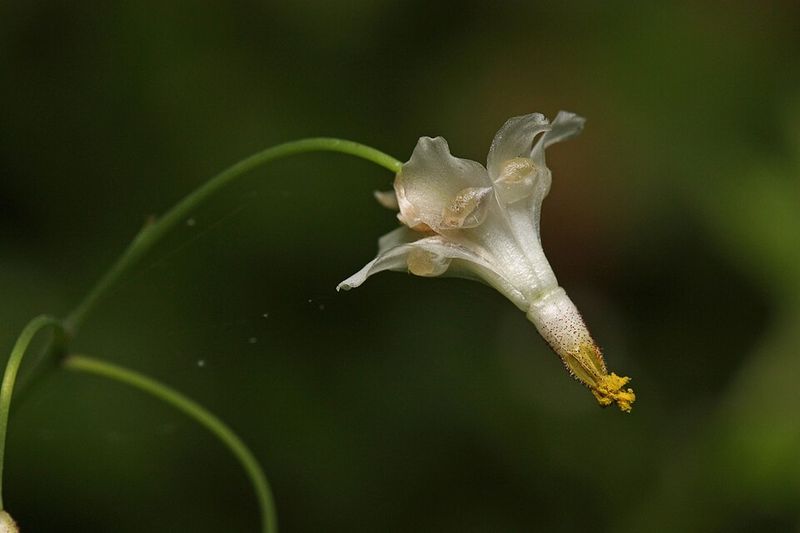
Named for its quirky, reflexed petals that appear to be turned inside out, this charming native perennial is one of Oregon’s best-kept gardening secrets. Inside-Out Flower, known botanically as Vancouveria hexandra, produces clouds of tiny white flowers on thin, wiry stems above a carpet of fresh green, compound leaves.
It blooms in late spring and creates a magical, fairy-tale effect in shaded spaces.
Growing naturally in the forests of the Pacific Northwest, this plant is built for life under the Oregon tree canopy. It spreads gradually by rhizomes to form a dense, weed-suppressing ground cover in shaded beds.
The foliage stays attractive all season long, and in milder Oregon winters, it can remain semi-evergreen, keeping your garden looking tidy even in the colder months.
Inside-Out Flower is a wonderful companion for ferns, trilliums, and other woodland natives. It tolerates dry shade once established, which is a rare and valuable quality in a ground cover plant.
Deer tend to leave it alone, and it requires no fertilizing or special soil preparation. For Oregon gardeners who want a unique, conversation-starting plant that practically takes care of itself, the Inside-Out Flower is an absolute must-have for shaded garden areas.
6. Oregon Wood Sorrel
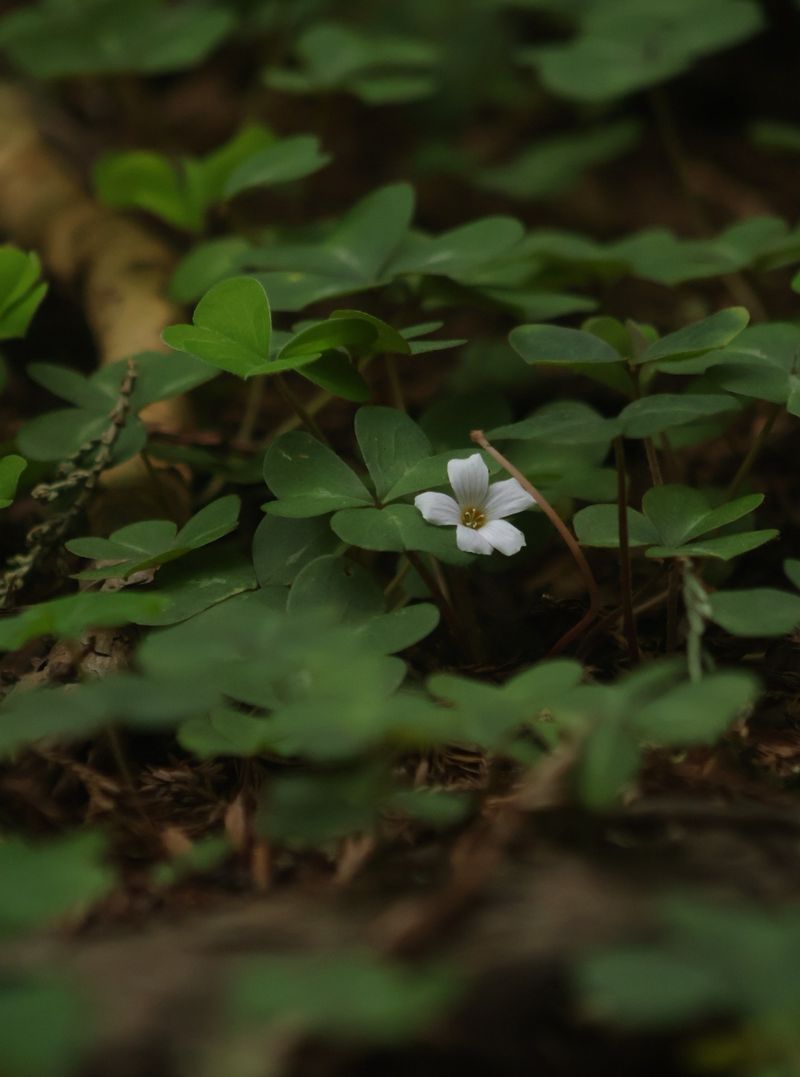
There is something wonderfully cheerful about Oregon Wood Sorrel. Its bright green, clover-like leaves and delicate white flowers with pink veins bring a fresh, lively energy to shaded garden corners.
This native perennial is incredibly common in Oregon’s forests, yet it remains underused in home gardens, which is a shame because it is one of the easiest plants to grow.
Oregon Wood Sorrel thrives in moist, shaded conditions and spreads gently to create a soft, lush ground cover. It works beautifully beneath trees, along shaded pathways, or mixed in with ferns and mosses for a true Pacific Northwest woodland aesthetic.
The leaves fold up at night and in bright light, which gives the plant a fun, almost animated quality that kids especially enjoy.
Did you know the leaves are edible and have a pleasant, lemony flavor? Historically, indigenous peoples of the Pacific Northwest used Oregon Wood Sorrel as a food source.
While you probably will not be harvesting it by the basketful, it is a fun fact that adds extra interest to this humble plant. It is also a favorite resting spot for small insects and beneficial ground beetles.
For a carefree, native ground cover in your Oregon garden, this little plant punches well above its weight.
7. Western White Trillium
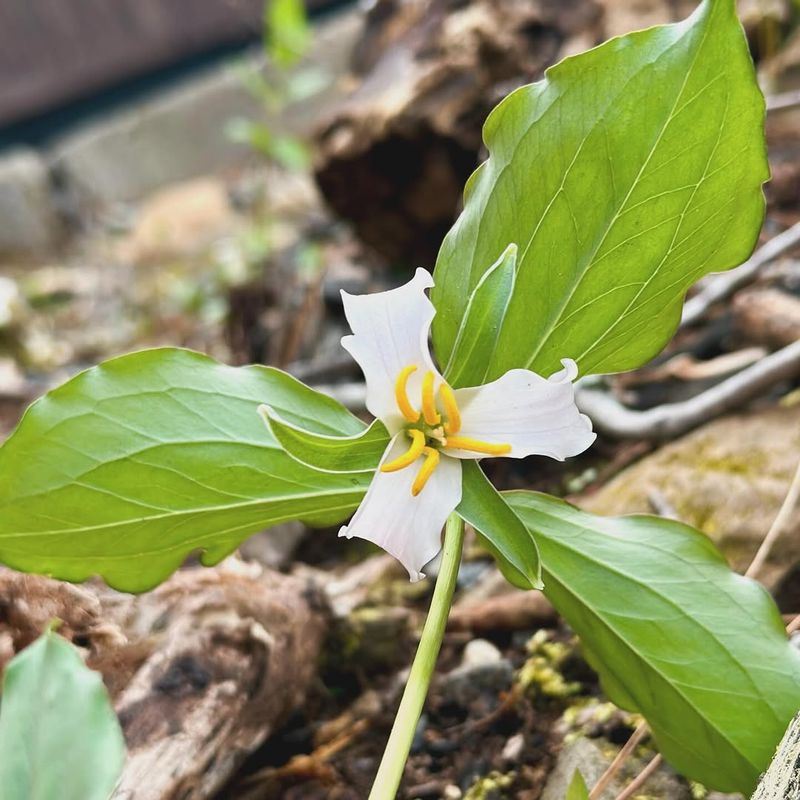
Spotting a Western White Trillium in bloom is one of those pure springtime joys that Oregon gardeners treasure. This iconic native perennial emerges in early spring with three broad, mottled leaves cradling a single, elegant white flower.
Over time, the flower ages to a soft pink, giving you a beautiful color transition without any effort on your part.
Trilliums are slow growers, and that is part of what makes them special. A plant grown from seed can take several years to reach blooming size, so purchasing established plants from a reputable native plant nursery is the best approach.
Once settled in your Oregon garden, though, trilliums are remarkably long-lived and reliable, returning faithfully every spring for decades.
Western White Trillium needs moist, humus-rich, well-draining soil and partial to full shade. It pairs naturally with sword ferns, bleeding heart, and other woodland natives.
Because it is a protected plant in the wild across much of Oregon, growing it in your garden is a meaningful act of conservation. Never collect trilliums from the wild.
Instead, support native plant nurseries and enjoy the quiet satisfaction of nurturing one of the Pacific Northwest’s most beloved wildflowers right in your own backyard.
8. Oregon Iris
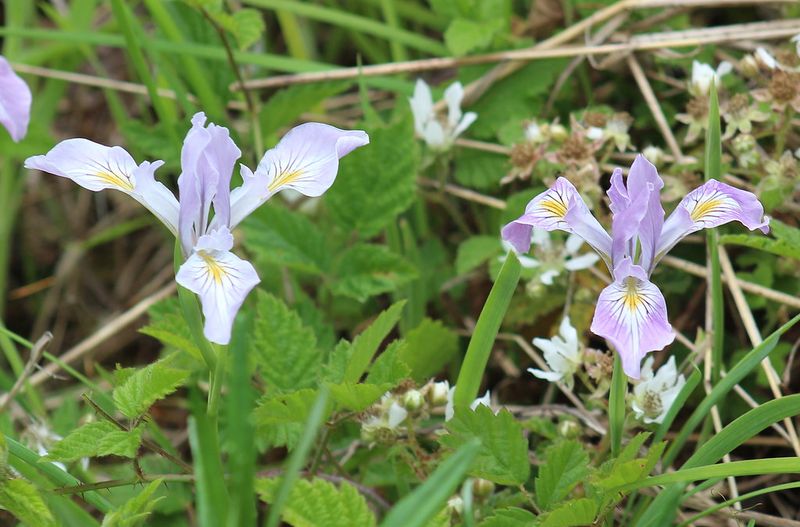
Oregon Iris is proof that native plants can be just as showy as anything you would find at a big-box garden center. This compact, elegant perennial produces gorgeous purple and yellow flowers on slender stems above narrow, grass-like foliage.
It blooms in mid-spring and brings a sophisticated, refined look to garden beds without requiring much care at all.
Unlike many ornamental irises, the Oregon Iris is perfectly adapted to the Pacific Northwest climate. It handles both wet winters and dry summers with ease, making it especially well-suited to western Oregon’s seasonal patterns.
Plant it in full sun to partial shade in well-draining soil, and it will reward you with reliable blooms year after year.
Oregon Iris looks stunning planted in drifts along pathways, in rock gardens, or at the edge of a mixed perennial border. It also works well in containers.
Pollinators, particularly native bees, are strongly attracted to its flowers, making it a great ecological addition to any Oregon garden. The foliage stays tidy and attractive even after blooming.
For gardeners who want the classic beauty of an iris with the toughness of a true native plant, Oregon Iris is the perfect choice and one that far too few people are growing right now.
9. Pearly Everlasting
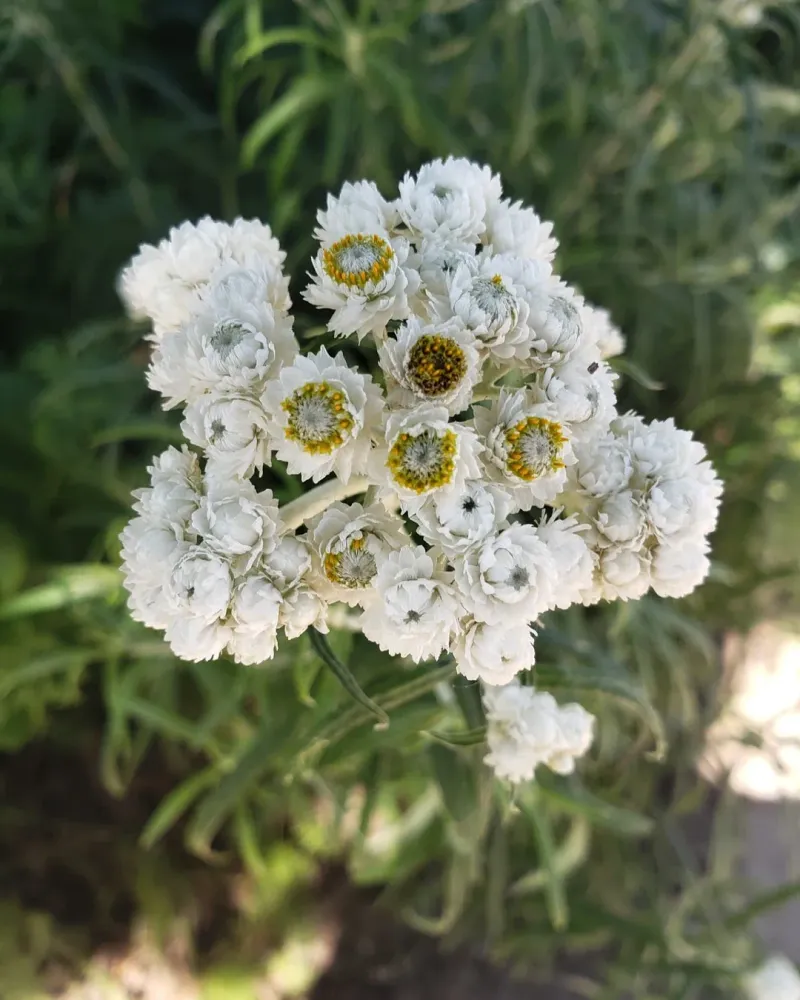
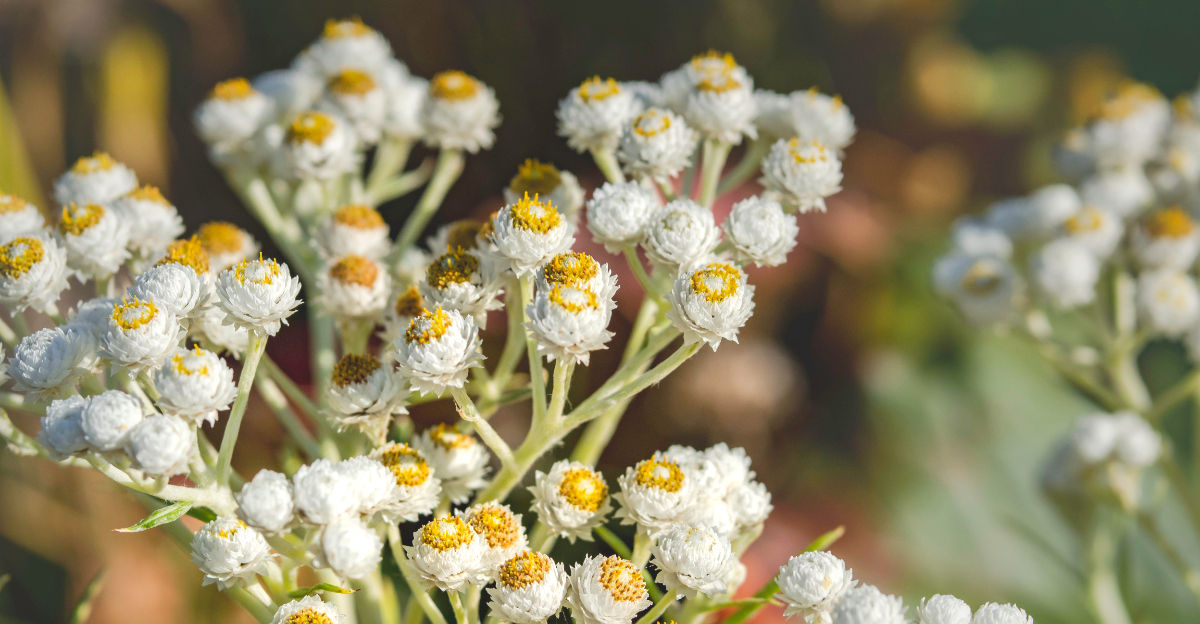
Walk through an Oregon meadow in late summer and you will almost certainly spot the silvery-white clusters of Pearly Everlasting nodding in the breeze. This native perennial has a timeless, cottagecore appeal that works beautifully in sunny garden borders.
Its small, papery white flowers with yellow centers hold their shape and color long after they are cut, making them a favorite for dried floral arrangements.
Pearly Everlasting thrives in full sun and tolerates poor, dry, well-draining soil. That makes it an excellent option for Oregon gardeners dealing with challenging spots where more demanding plants struggle.
It grows one to three feet tall and spreads moderately by rhizomes, filling in sunny areas with silvery, woolly foliage that looks attractive even when the plant is not in bloom.
Beyond its visual appeal, Pearly Everlasting is an important host plant for American Painted Lady butterfly caterpillars. Planting it in your Oregon garden directly supports local butterfly populations, which is a genuinely exciting bonus.
The flowers also attract a wide variety of native bees and other pollinators. If you enjoy cutting flowers for indoor displays, this plant will keep giving long after the growing season ends.
Its combination of ecological value and lasting beauty makes it one of Oregon’s most underappreciated native perennials.
10. Oregon Geranium
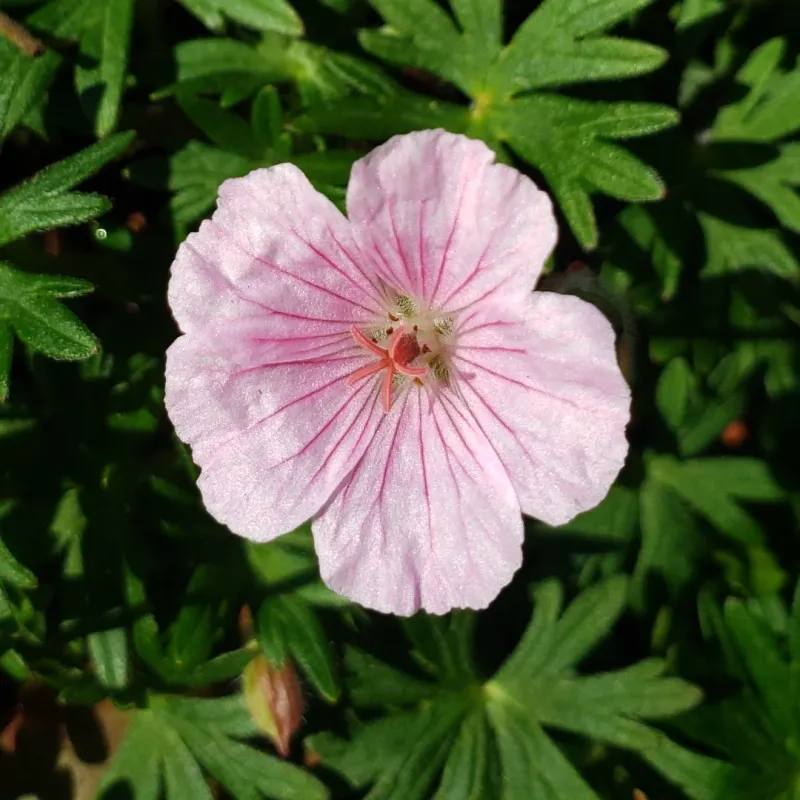
Not to be confused with the potted geraniums sold at garden centers, Oregon Geranium is a true native perennial with a wild, natural charm all its own.
Also known as Geranium oreganum, this plant produces cheerful, bright pink to magenta flowers above deeply lobed, palmate leaves from late spring into early summer.
It has a loose, open growth habit that feels relaxed and natural rather than stiff or formal.
Oregon Geranium adapts well to a range of conditions, including full sun and partial shade, and it tolerates a variety of soil types as long as drainage is decent. In the Willamette Valley and other western Oregon regions, it fits right in with the local ecology and supports native bees, which rely on its pollen-rich flowers during the blooming season.
What makes this plant especially appealing for home gardeners is its easygoing nature. It does not need heavy fertilizing, frequent watering once established, or complicated pruning.
Cut it back lightly after blooming to encourage fresh foliage through the rest of the season. Oregon Geranium combines well with ornamental grasses, Oregon Iris, and Pearly Everlasting in a mixed native border.
For anyone wanting to celebrate the natural beauty of the Pacific Northwest right in their own yard, this cheerful, resilient perennial is a fantastic place to start.