The Pennsylvania Garden Event Master Gardeners Want You To Visit This August
Late summer in Pennsylvania has a rhythm every gardener recognizes: cicadas humming through the heat, tomatoes ripening faster than anyone can keep up with picking them.
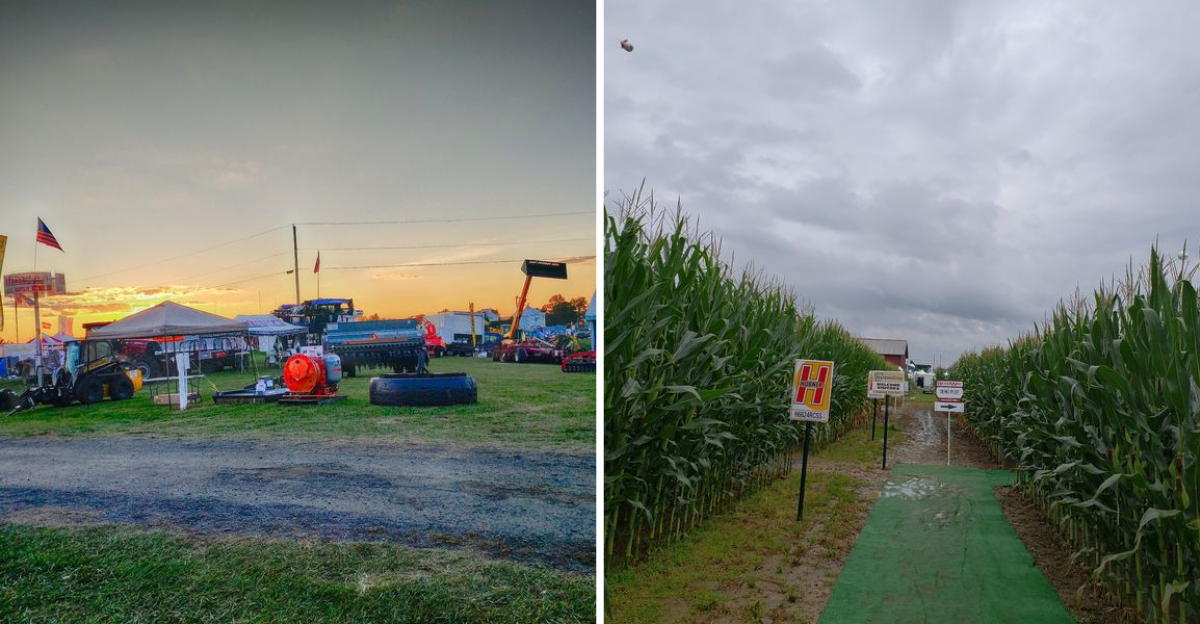
That same rhythm quietly builds toward one weekend at Penn State’s Russell E. Larson Agricultural Research Center, somewhere between a field day and an open-air classroom.
Vendors and Master Gardeners wander the rows treating every visitor like someone worth teaching, whether the question involves raised beds back home or a pollinator patch that’s still just a sketch in a notebook.
Spend an afternoon wandering here, and something in your gardening instincts shifts without you quite noticing, no placards or lectures required.
A Statewide Gathering Worth Marking On Your Calendar

Every August, something special happens in Centre County. Thousands of gardeners, farmers, and curious neighbors gather for one of the biggest outdoor agricultural events on the East Coast.
The show takes place at the Russell E. Larson Agricultural Research Center, 2710 W. Pine Grove Road, Pennsylvania Furnace, PA 16865.
Ag Progress Days is Penn State’s flagship farm and garden showcase. It runs for three days each August, with exact dates announced annually by Penn State Extension.
The event draws well over 40,000 visitors across those three days. That number alone tells you how much people care about growing things in this region.
What makes this three-day showcase stand out is the sheer variety. You get research plots, live demonstrations, educational booths, and hands-on learning all in one place.
Families come with kids who have never seen a real vegetable garden up close. Experienced growers come looking for the latest research on soil health and pest management.
The grounds cover hundreds of acres of active farmland. Walking the paths feels less like a county fair and more like a living classroom.
Local Master Gardener volunteers staff many of the booths. They bring decades of combined knowledge and a genuine love for helping people grow better plants.
This is not a passive experience where you read signs and move on. Conversations here can completely shift how you approach your garden back home.
Penn State Extension organizes the whole event with impressive attention to detail. If you have never been, this August is the right time to change that.
What Ag Progress Days Actually Offers Home Gardeners

Most people assume Ag Progress Days is just for farmers. That assumption leaves a lot of home gardeners missing out on something genuinely useful.
The event has dedicated sections built specifically for backyard growers. You will find booths covering raised beds, container gardening, composting, and water-wise planting strategies.
Vendors and educators set up displays on everything from heirloom seed saving to organic pest control. The range of topics covers everything from beginner basics to advanced growing techniques.
One popular area focuses on edible landscaping. Attendees learn how to blend food plants into ornamental beds without sacrificing curb appeal.
There are also sections covering native plants and pollinators. If you want to support bees and butterflies while growing beautiful plants, this part of the event speaks directly to you.
Cooking demonstrations often appear near the garden sections. Watching someone turn fresh-picked produce into a meal right in front of you makes the whole gardening mission feel more rewarding.
Educational handouts are plentiful and free. You can walk away with research-backed guides on topics that would normally cost you hours of online searching.
Many exhibitors offer free samples of products they stand behind. That means you get to try before you buy, which saves money and reduces guesswork.
The home garden sections tend to get busy by mid-morning. Arriving early gives you more time with the experts before the afternoon crowds settle in.
Where And When To Find The Demonstration Gardens
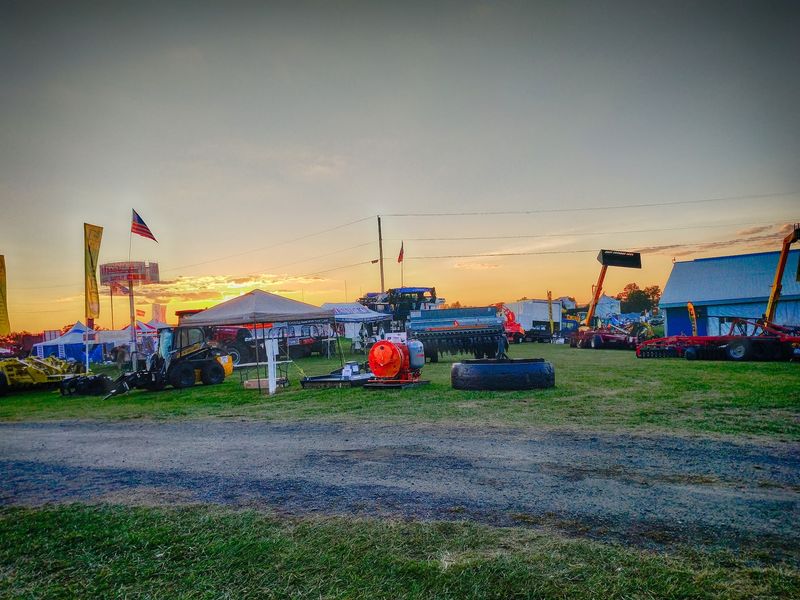
Knowing where to walk when you arrive saves a lot of time. The demonstration gardens are located within the main exhibit grounds, clearly marked on the site map.
Signs throughout the site point visitors in the right direction. Still, picking up a printed map at the entrance gate makes navigation much easier, especially on your first visit.
The gardens themselves are laid out in clearly labeled plots. Each bed focuses on a specific theme, such as drought-tolerant plants, shade gardening, or season extension techniques.
Timing your visit to the demonstration areas matters. Live planting and pruning demonstrations are scheduled throughout each event day.
Afternoon sessions often cover topics like soil testing and composting. Checking the printed schedule when you arrive helps you catch the talks that match your interests best.
The pollinator garden is one of the most photographed spots on the grounds. August is peak bloom time, so the display of native flowers and buzzing insects is genuinely impressive.
Raised bed demonstration areas show off different construction styles and soil mixes. Seeing them side by side helps you decide which approach fits your yard and budget.
Children tend to gravitate toward the sensory garden section. It features plants with interesting textures, scents, and colors that engage kids in a hands-on way.
Plan to spend at least ninety minutes in the garden demonstration area alone. There is more to absorb here than most people expect on their first walk-through.
Talking Directly With Pennsylvania Master Gardeners
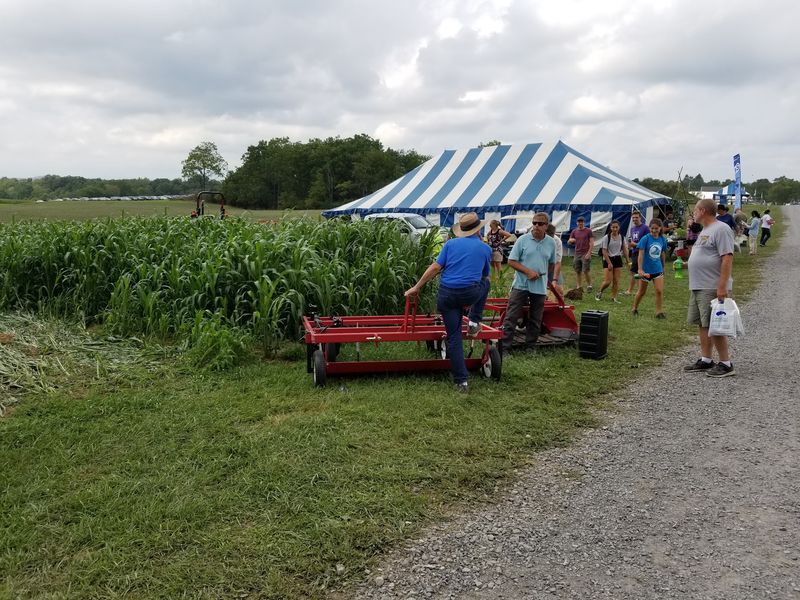
There is something different about talking to a Master Gardener face to face. You get answers tailored to your specific situation, not a generic internet search result.
Pennsylvania Master Gardeners complete rigorous training through Penn State Extension. They log hundreds of hours of coursework and volunteer service before they ever staff a public booth.
At Ag Progress Days, these volunteers are stationed throughout the garden areas. They welcome questions ranging from basic plant ID to complex soil chemistry issues.
Bring a photo of your problem plant on your phone. Master Gardeners can often diagnose issues on the spot when they can see what you are dealing with.
Many volunteers specialize in specific areas like fruit trees, native plants, or vegetable production. Asking at the information tent who covers your topic of interest can connect you with exactly the right person.
The conversations here tend to run longer than expected. Gardeners love to talk, and Master Gardeners are no exception when someone shows genuine curiosity.
You can also ask about local resources you might not know exist. Many counties have Master Gardener help desks, plant clinics, and free soil testing programs that go underused simply because people do not know about them.
Writing down what you learn is worth the effort. A small notebook tucked in your bag lets you capture advice that would otherwise fade by the time you get home.
These conversations can genuinely change your gardening season, and sometimes your whole approach to growing things.
Free Admission Makes This Accessible For Everyone
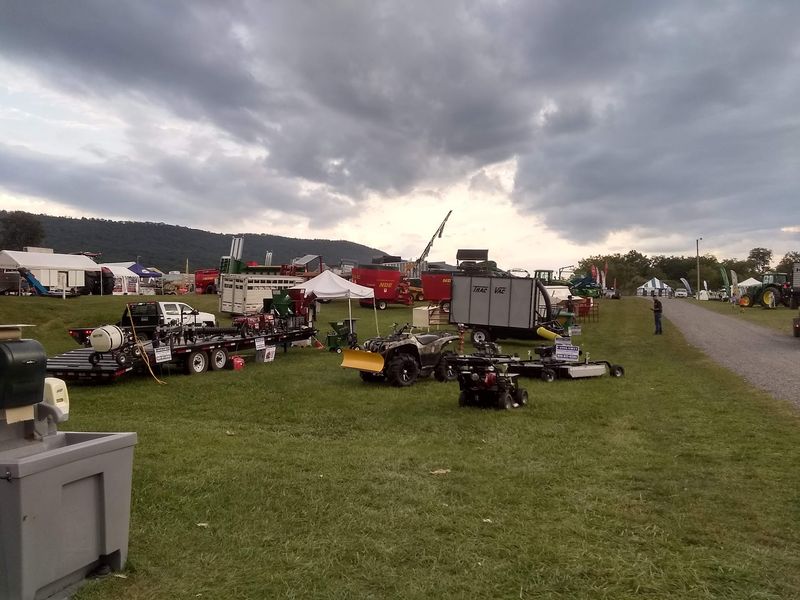
Free admission is not something you see often at events this size. Ag Progress Days charges nothing at the gate, which makes it one of the best deals in the region all summer.
Parking is also free on the grounds. That removes one more barrier for families who want to attend but are watching their budget carefully.
The no-cost entry means you can visit more than once across the three-day run. Many regulars come on different days to catch different demonstrations and speakers.
For families with kids, free admission changes the math entirely. You can spend a full day exploring without worrying about the cost adding up with each hour.
Community groups, garden clubs, and school programs take advantage of the free access too. The event functions as a public educational resource, not a ticketed attraction.
Sponsors and exhibitors make the free model possible. Their presence also means you get exposure to products and services you might not discover through regular shopping.
Some vendors do sell products on-site, but browsing is always welcome without pressure. You’re not obligated to buy anything to justify your time there.
Food vendors operate throughout the grounds for reasonable prices. Packing a snack and a water bottle helps you stay comfortable without relying entirely on concession stands.
Few free events offer this level of educational depth. Taking advantage of this Pennsylvania garden event while it exists in this format is a genuinely smart move for any grower.
Tips For Getting The Most Out Of Your Visit
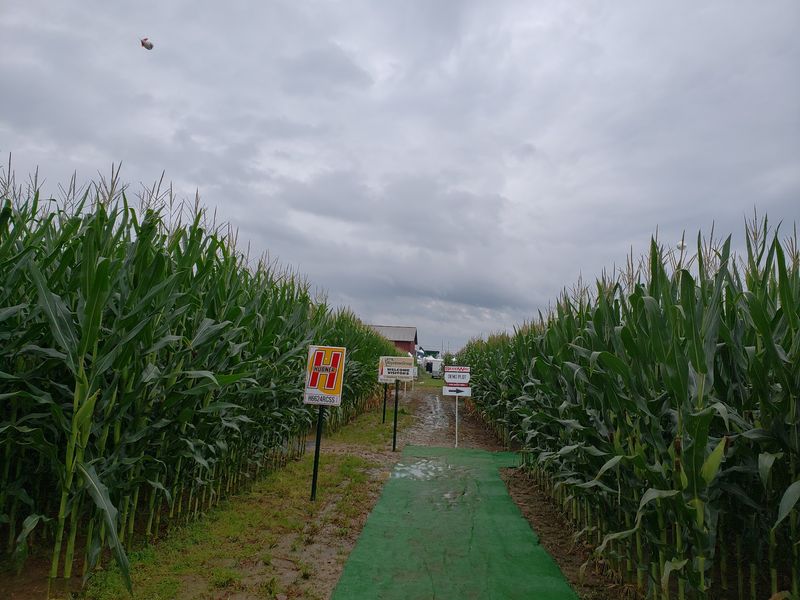
Wear comfortable shoes with closed toes. The grounds are mostly grass and gravel, and you will easily walk two to four miles across a full visit.
Sun protection matters a lot in August. A hat, sunscreen, and light breathable clothing keep you comfortable through the hottest part of the afternoon.
Bring a reusable tote bag. You will collect handouts, seed packets, and product samples, and a bag keeps everything organized without wearing out your arms.
Arrive when the gates open at 9 a.m. The crowds build quickly after 10:30, and early arrivals get first access to the most popular demonstrations.
Check the Penn State Extension website before you go. The event schedule is posted in advance, and pre-planning helps you prioritize what matters most to you.
Bring a list of your top three gardening questions. Having specific questions ready makes your conversations with Master Gardeners more focused and productive.
Snap photos of plant labels, informational signs, and booth displays. Your phone camera becomes a portable notebook that captures details you might otherwise forget.
If you have children, locate the kids activity areas early in your visit. Giving them something engaging to do keeps the whole group happy and moving at a good pace.
Before you leave, swing back through the Pennsylvania garden event highlights one more time. A second pass often reveals things you missed on the first walk-through, and that is where the best discoveries tend to happen.