The Pennsylvania May Vegetable Planting Calendar Every Gardener Needs
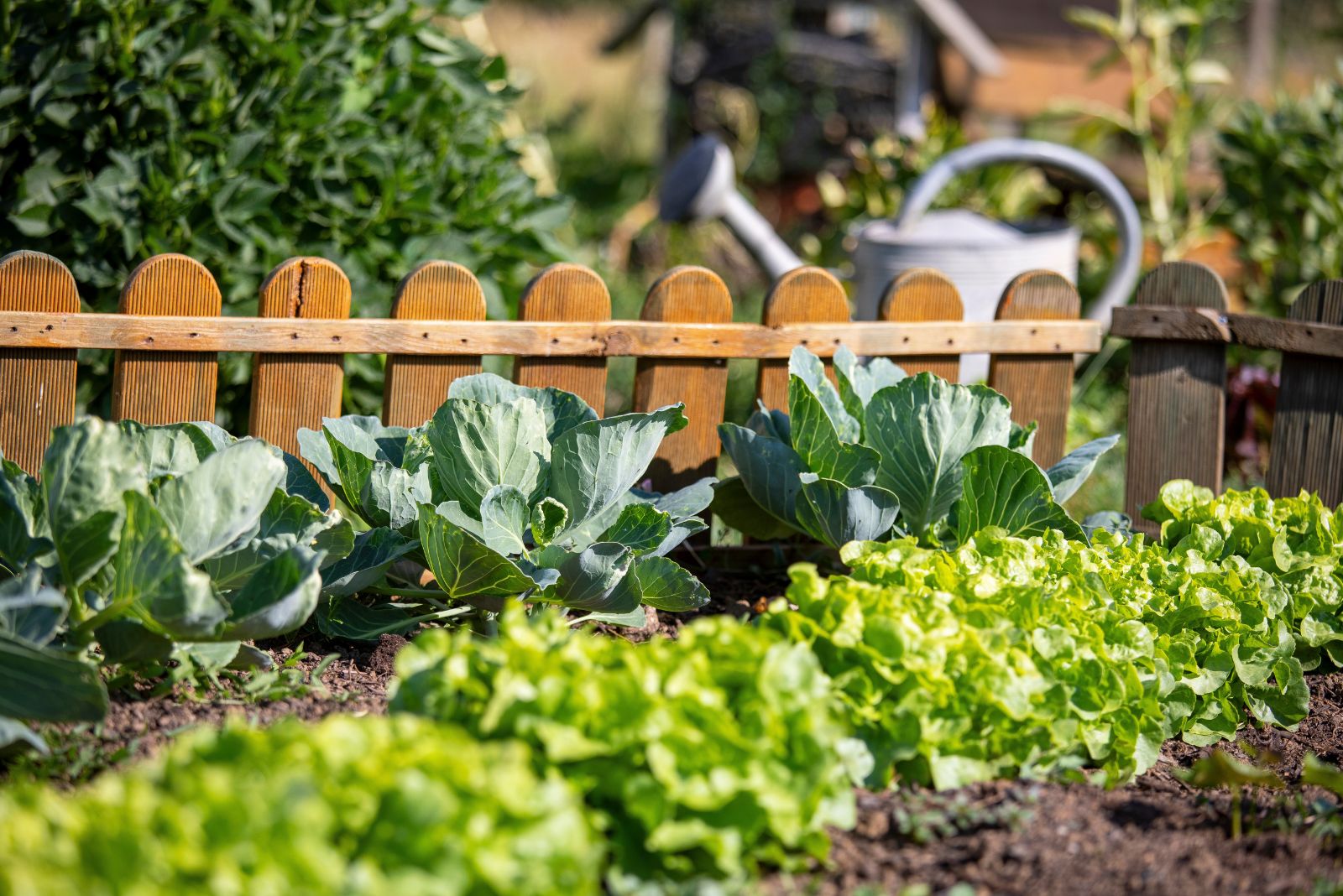
May is the month Pennsylvania vegetable gardeners have been waiting for since the last frost shut everything down.
The soil temperature has finally climbed to where it needs to be, the days are longer, and that nervous energy of wanting to plant everything immediately is completely justified for once.
This is genuinely the window the whole season builds toward. The catch is that May in Pennsylvania isn’t a free-for-all.
There’s still a right order and a right timing to getting vegetables in the ground, and jumping ahead without a plan can mean lost seedlings, stunted growth, or a harvest that never quite reaches its potential.
What goes in the ground in early May versus late May actually matters more than most people realize.
A solid planting calendar takes all the guesswork out of it. Know what to plant and when, and your vegetable garden hits the ground running from the very first week of the month.
1. Why May Is A Critical Planting Month In Pennsylvania
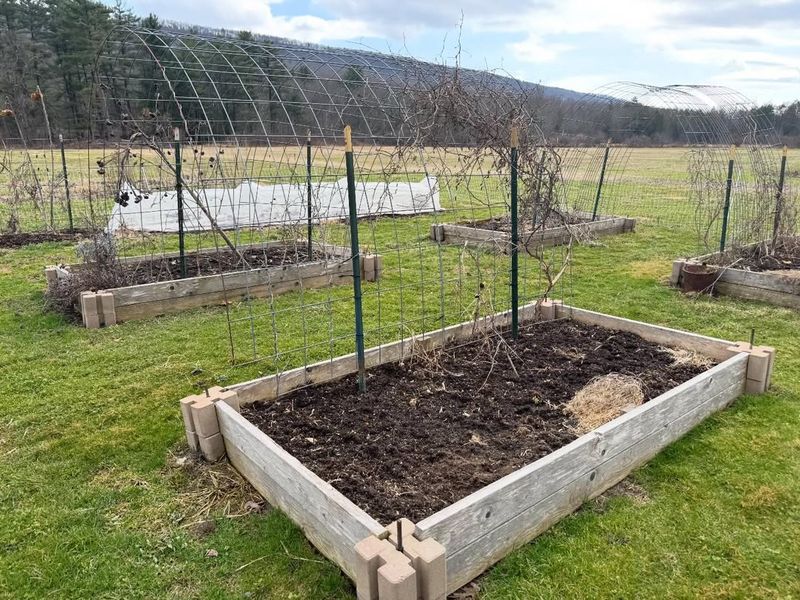
Something almost magical happens in Pennsylvania gardens every May. The long, cold winter is finally behind you, the ground has thawed completely, and the air carries that unmistakable warmth that tells every gardener it is time to get to work.
May sits right at the crossroads between the cool spring season and the warm summer growing season, making it one of the most productive and important months on the planting calendar.
Frost risk drops significantly across most of Pennsylvania as May moves along. Southern parts of the state, including areas around Philadelphia and Lancaster, typically see their last frost in late April or very early May.
That means by the first week of May, many gardeners in those regions are already in full planting mode. In central and northern Pennsylvania, frost risk lingers a little longer, but it still fades as the month progresses.
May also gives Pennsylvania gardeners a rare opportunity to do double duty in the garden. Early in the month, you can still get cool-season crops like lettuce, spinach, and carrots into the ground before the summer heat arrives.
Later in May, once the soil has warmed and frost is no longer a threat, you can start planting warm-season favorites like tomatoes, peppers, and cucumbers. Not many months offer that kind of flexibility.
Taking full advantage of May means planning ahead, paying attention to your local conditions, and being ready to act when the timing is right. A well-timed May garden in Pennsylvania sets you up for harvests that last well into fall.
2. Understanding Pennsylvania’s Planting Zones (Timing Matters)
Pennsylvania is a bigger and more diverse state than many people realize. Drive from Philadelphia in the southeast to Erie in the northwest, and you will pass through valleys, mountains, and plains that each have their own unique climate.
That diversity is great for scenery, but it also means that planting timing is not one-size-fits-all across the state.
Southern Pennsylvania, which includes areas like Philadelphia, Lancaster, and York, sits in USDA Hardiness Zone 6b and even Zone 7 in some spots.
Your Pennsylvania Garden Changes Every Week. Your Plan Should Too.
Gardening in Pennsylvania changes quickly throughout the season. Every Friday you’ll receive a simple weekly plan showing exactly what to plant, prune, fertilize, harvest, and protect so you never miss the right timing.
Gardeners in these areas enjoy warmer springs and can often start planting warm-season vegetables in early to mid-May without much worry.
The last frost in southern Pennsylvania typically falls between April 15 and May 1, giving these gardeners a head start on the season.
Central Pennsylvania, covering places like State College and Harrisburg, falls mostly in Zone 6a. Gardeners here should plan for a last frost date around May 1 to May 10.
It is wise to wait until at least mid-May before putting warm-season crops like tomatoes or peppers in the ground, just to be safe.
Northern Pennsylvania, including areas near Erie and the Pocono Mountains, runs cooler and sits in Zones 5b and 6a. Last frost dates here can stretch to May 15 or even later in some higher elevations.
Rushing the planting calendar in northern Pennsylvania is one of the most common mistakes gardeners make. Watching local frost forecasts closely and waiting for mid to late May is the smarter and safer approach for anyone gardening in the northern half of the state.
3. What You Can Still Plant In Early May
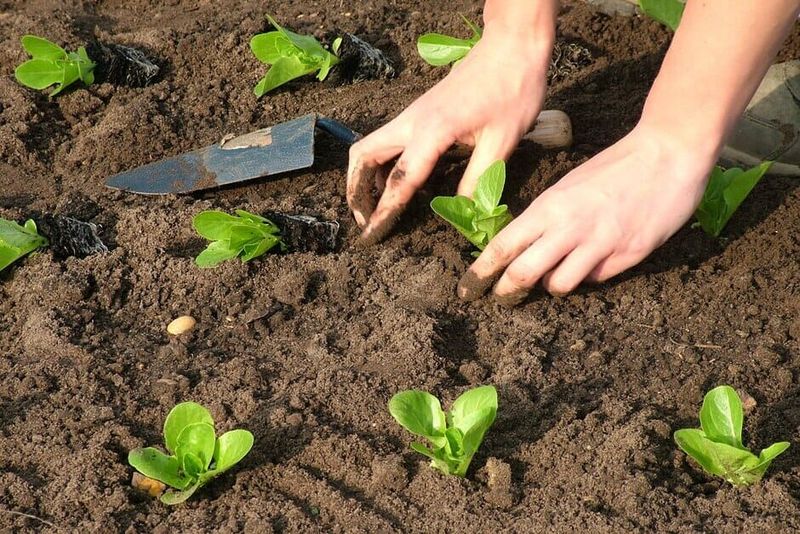
Early May is like a second chance for cool-season vegetables. If you missed getting these crops in the ground during March or April, do not worry.
You still have time, and the conditions in early May across most of Pennsylvania are still very friendly to cool-weather lovers like lettuce, spinach, radishes, carrots, and beets.
Lettuce and spinach are fast growers, which makes them perfect for early May planting. They can go from seed to harvest in as little as 30 to 45 days, meaning you could be picking fresh salad greens by the time June rolls around.
Radishes are even faster and can be ready in as little as three weeks. Planting a short row of radishes between your slower crops is a great way to use your garden space wisely.
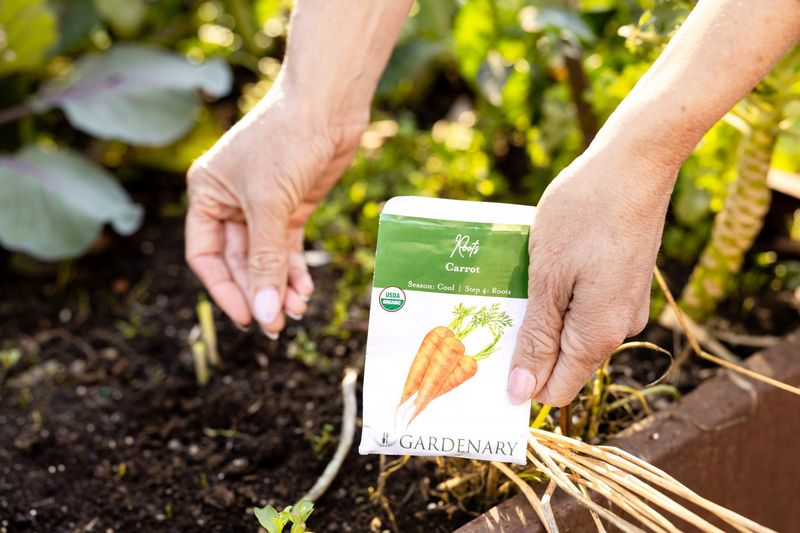
Carrots and beets do best when direct-sown into the soil rather than transplanted. Sow them in loose, well-draining soil and keep them consistently moist until germination.
Early May temperatures are still cool enough that the soil holds moisture well, which helps these root vegetables get established.
Transplants of cool-season crops like broccoli, cabbage, and kale are also a great early May choice for Pennsylvania gardeners. These vegetables were likely started indoors back in February or March and are now ready to go outside.
They can handle a light frost if one sneaks through, which makes them reliable picks for the unpredictable early May weather.
Filling your garden with these crops now means you get a harvest before the real summer heat arrives and warm-season planting takes over completely.
4. What To Plant After Frost Risk Passes (Mid To Late May)
Once the frost threat fades, the real fun begins for Pennsylvania gardeners. Mid to late May is prime time for warm-season vegetables, and this is the moment most gardeners have been waiting for all winter long.
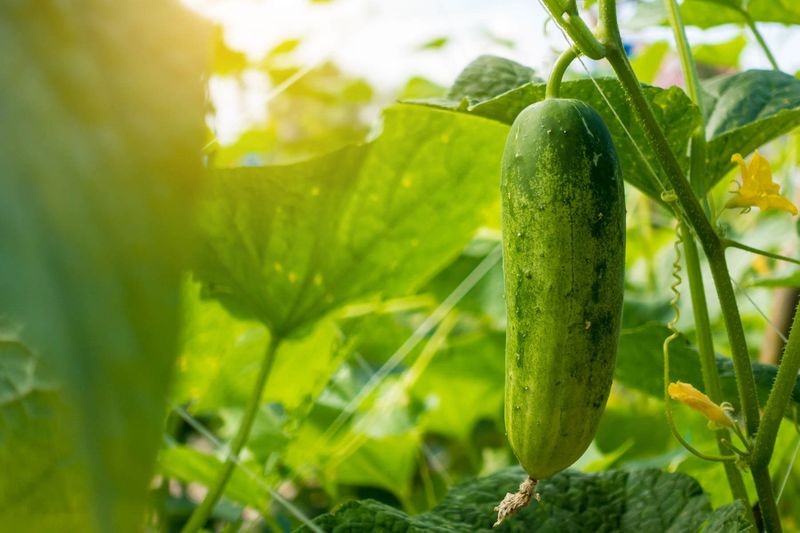
Tomatoes, peppers, cucumbers, squash, and beans are the stars of this planting window, and getting them in the ground at the right time makes a huge difference in how well they perform.
Tomatoes and peppers are typically started from transplants rather than direct seed. Most Pennsylvania gardeners start them indoors 6 to 8 weeks before their planned outdoor planting date, which puts the indoor start around late February or early March.
By mid to late May, these seedlings should be sturdy, hardened off, and ready for the garden. Choose a sunny spot with at least 6 to 8 hours of direct sunlight each day for the best results.
Cucumbers, squash, and beans are excellent candidates for direct sowing right into the garden soil. These crops grow quickly and do not love having their roots disturbed, so skipping the transplant step works well for them.
Wait until the soil temperature reaches at least 60 degrees Fahrenheit before sowing these seeds. Air temperature alone is not enough of a guide. Cold soil slows germination and stresses young plants even when the air feels warm.
Soil temperature is one of the most overlooked tools in any Pennsylvania gardener’s toolkit. An inexpensive soil thermometer can tell you exactly when conditions are right.
Planting warm-season vegetables into warm soil means faster germination, stronger roots, and healthier plants from the very start of the season.
5. Common May Planting Mistakes To Avoid
Even experienced gardeners make mistakes in May, and Pennsylvania’s unpredictable spring weather is partly to blame.
The excitement of warm days can make it tempting to rush things, but planting too early is one of the most common and costly errors in the spring garden. A single late frost can set back weeks of work in just one cold night.
Planting warm-season crops like tomatoes, peppers, and cucumbers before the frost risk has truly passed is the number one mistake Pennsylvania gardeners make in May.
Even if daytime temperatures feel warm and pleasant, nights in early May can still drop below freezing, especially in central and northern parts of the state.
Always check your local last frost date and keep an eye on the forecast before committing your warm-season transplants to the ground.
Ignoring soil temperature is another trap that catches a lot of gardeners off guard. Seeds and roots respond to soil warmth, not air warmth.
Planting beans or cucumbers into soil that is still 50 degrees Fahrenheit will result in slow germination and weak seedlings. A simple soil thermometer is a small investment that pays off every single season.
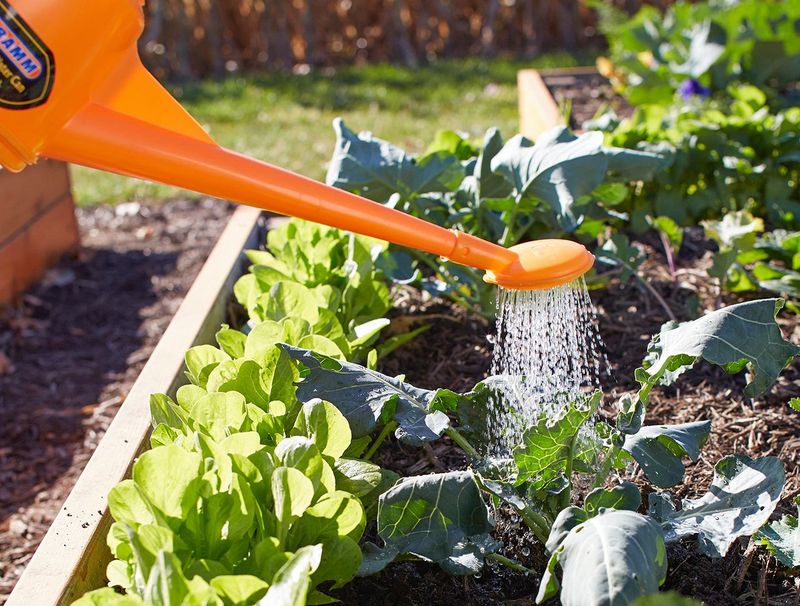
Overwatering cool-season crops as temperatures rise in late May is also a problem worth watching. Lettuce and spinach that were thriving in cool, moist conditions can struggle when warmer weather pushes in.
Ease back on watering and make sure your soil drains well. Finally, skipping the hardening-off process for seedlings started indoors is a big mistake.
Moving plants from a cozy indoor environment directly into the Pennsylvania outdoor elements without a gradual transition causes stress and slows growth significantly.
6. Tips For A Successful May Garden In Pennsylvania
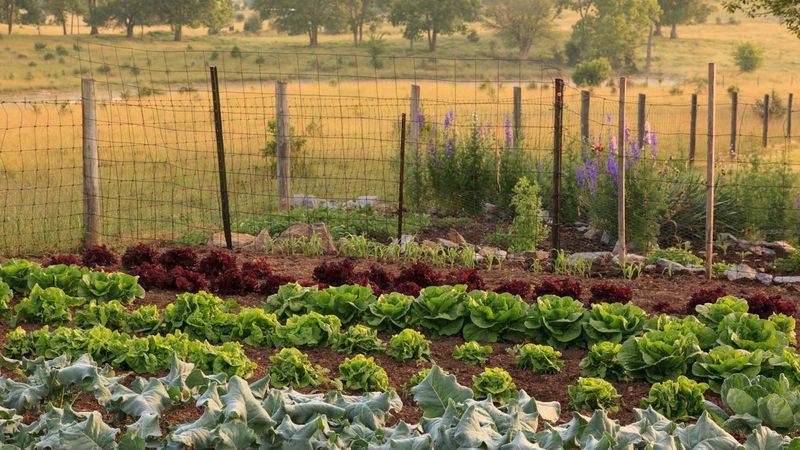
Getting the most out of your May garden in Pennsylvania comes down to a few smart habits that experienced growers swear by.
One of the best strategies is staggered planting, which simply means planting small batches of the same crop every one to two weeks instead of all at once.
Staggering your lettuce, radish, or bean plantings means you get a steady supply of fresh vegetables instead of one giant harvest that overwhelms you all at once.
Mulching is another habit that pays off big in Pennsylvania gardens, especially as May temperatures start climbing. A two to three inch layer of straw, shredded leaves, or wood chips spread around your plants does several helpful things at once.
It holds moisture in the soil so you water less, it keeps soil temperatures more stable, and it reduces weed growth, which means less time pulling weeds and more time enjoying your garden.
Pest pressure picks up noticeably as temperatures rise in May. Aphids, cabbage worms, and cucumber beetles all become more active during this time of year.
Walk through your Pennsylvania garden every few days and check the undersides of leaves where pests like to hide. Catching problems early makes them much easier to manage without needing harsh treatments.
Planning ahead for your summer crops while your spring garden is still growing is a habit that separates good gardeners from great ones. Think about where your tomatoes, peppers, and squash will go once the cool-season crops are finished.
Having that plan ready means you can transition quickly and keep your Pennsylvania garden productive from May all the way through the end of the growing season.