The Pennsylvania Native Plants That Are Perfect For Fall Planting
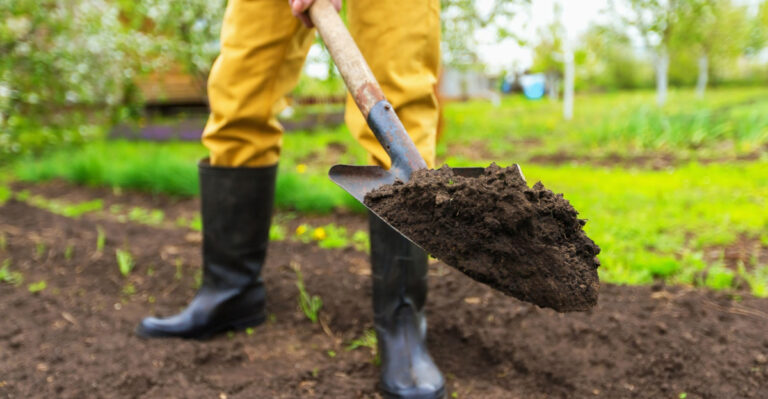
Fall isn’t the end of their year. In many ways, it’s the beginning. Planting natives this time of year works with nature instead of against it.
The soil is still warm, and cooler air puts less stress on young plants. Roots keep growing well after the leaves change color, giving plants a solid foundation before spring arrives.
When warm weather returns, they’re ready to grow instead of struggling to catch up. Natives also bring a bonus.
They support bees, butterflies, and birds that depend on local plants to survive. A little digging now can lead to a fuller, healthier garden next year.
1. Serviceberry, A Small Tree With Four Seasons Of Charm
Few trees work as hard as the serviceberry. It blooms, fruits, and glows in fall, all on one tidy trunk. Some people call it shadbush because it flowered when shad fish swam up Pennsylvania rivers.
Early fall is the sweet spot for planting one. The soil still holds summer warmth, so roots keep growing even as the air cools. Pick a container-grown tree from a local nursery for the best start.
Dig a hole two or three times wider than the pot, but no deeper. Set the tree so the top of the root ball sits level with the ground. Fill in with the soil you removed, then water slowly and deeply.
Spread a ring of mulch about two to three inches thick. Keep it a few inches away from the trunk so the bark stays dry. Water once a week until the ground freezes if rain is scarce.
Come spring, you will see clouds of white flowers before most trees leaf out. Early bees love them. By June, small purple-red berries appear, and they taste a bit like blueberries with a hint of almond.
You may need to race the birds for them. Cedar waxwings, robins, and catbirds often strip a tree in days. Many gardeners happily share, since watching the birds is half the fun.
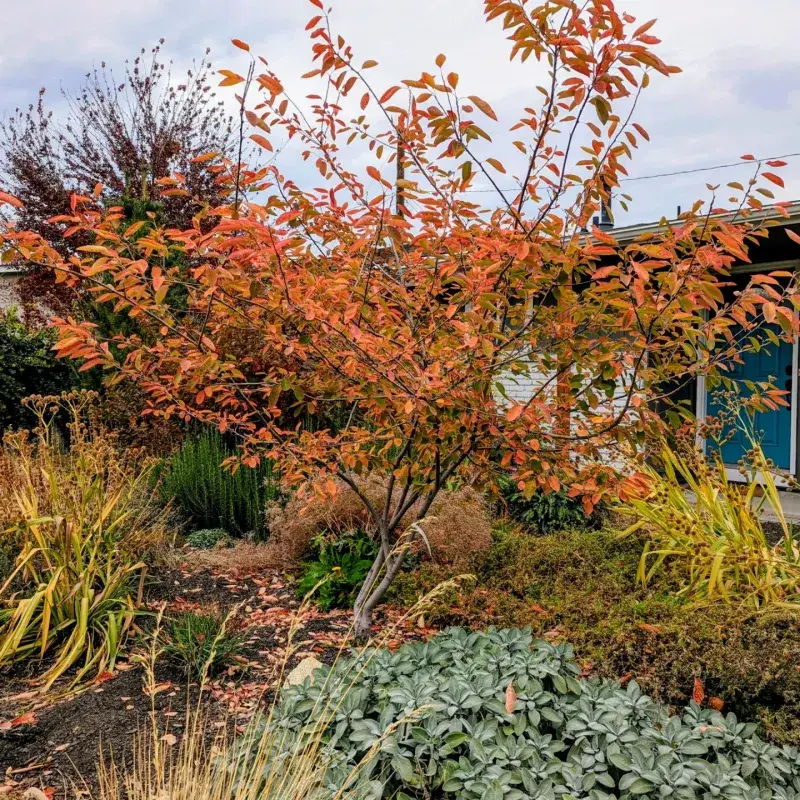
When autumn returns, the leaves turn shades of orange, red, and gold. Serviceberry grows about 15 to 25 feet tall, so it fits small yards nicely.
It handles full sun or part shade and most soil types. Plant one near a window. You will enjoy it in every season.
2. Winterberry Holly, Red Berries For The Coldest Months
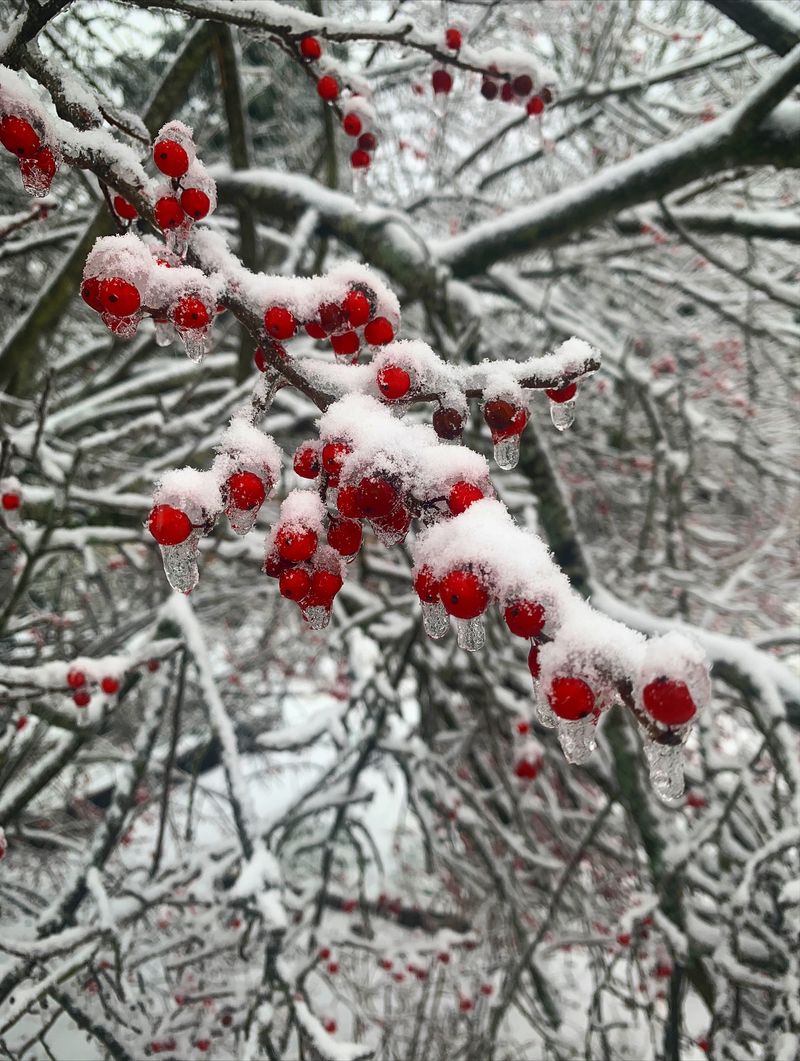
Got a soggy patch of yard that drowns every shrub you try? Winterberry holly might be your new best friend. It actually likes wet feet, which makes it rare among shrubs.
Unlike the holly you see at Christmas, winterberry drops its leaves in fall. That is when the show begins. Bare branches stay loaded with shiny red berries that pop against snow.
Fall planting helps it settle in quickly. Cool weather and steady moisture let the roots spread before winter. Choose a sunny or partly shady spot, and it will reward you for years.
Here is the one trick you cannot skip. Winterberry plants are either male or female, and only females make berries. You need at least one male planted within about 50 feet to pollinate up to ten females.
Your Pennsylvania Garden Changes Every Week. Your Plan Should Too.
Gardening in Pennsylvania changes quickly throughout the season. Every Friday you’ll receive a simple weekly plan showing exactly what to plant, prune, fertilize, harvest, and protect so you never miss the right timing.
Ask your nursery to label them clearly. Popular female types include Red Sprite and Winter Red. Good male partners are Jim Dandy and Southern Gentleman, depending on bloom timing.
Birds treat the berries like a winter snack bar. Robins, bluebirds, mockingbirds, and cedar waxwings often visit in late winter when other food runs low. The berries tend to soften after a few freezes, which may make them tastier to birds.
Most winterberry shrubs reach six to ten feet tall. Smaller kinds stay closer to three or four feet. They prefer slightly acidic soil, which is common across much of Pennsylvania.
Fun fact: cut branches look amazing in holiday pots. Snip a few for your porch and leave plenty for the birds. Everyone wins.
3. Pennsylvania Sedge, A Soft Carpet For Shady Spots
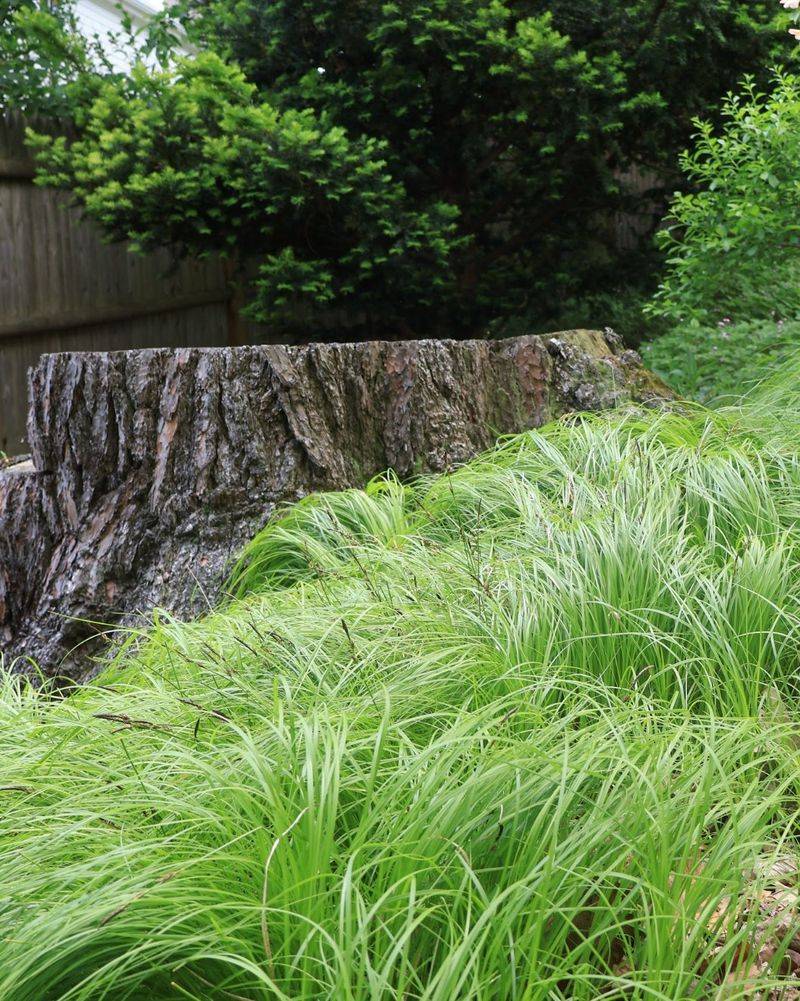
Grass under big trees almost never looks good. It thins out, turns patchy, and begs for water and fertilizer. Pennsylvania sedge offers a smarter answer, and it is named after our own state.
Picture fine, arching blades only six to eight inches tall. Pennsylvania sedge spreads slowly by underground stems, forming a soft green mat. It feels a lot like a shaggy lawn underfoot.
Dry shade is where it shines. You will find it growing wild beneath oaks and maples across Pennsylvania forests. It handles root competition that would starve most plants.
Fall is a great time to plant plugs. Space them about 8 to 12 inches apart in loose soil. Water them in well, and they will keep growing roots until the ground freezes.
By spring, the plugs start knitting together. Within a season or two, you should have a solid green cover. Pull weeds early on so the sedge does not have to fight for space.
Mowing is optional, and that is the best part. Many people never cut it at all. If you like a neater look, mow it high once or twice a year.
It handles light foot traffic, like a path to the garden shed. It will not survive soccer games or heavy dog running, though. Use stepping stones in busy areas.
Wildlife likes it too. Some moth and butterfly caterpillars feed on sedges, and ground birds hide among the blades. You get a shady lawn that helps nature and saves your weekends.
4. Little Bluestem, The Grass That Steals The Fall Show
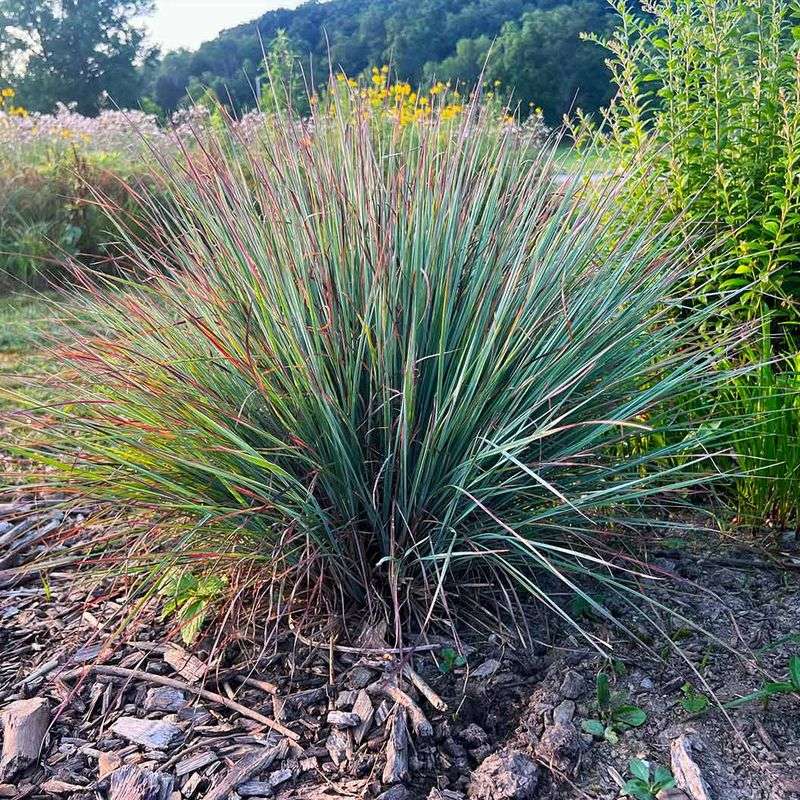
Long ago, prairie grasses dotted open spots in Pennsylvania. Little bluestem is one of those tough survivors. It is also one of the prettiest grasses you can grow.
In summer, it forms neat clumps of blue-green blades about two to three feet tall. Then fall arrives, and everything changes. The leaves turn copper, rusty orange, and even purple.
Fluffy silver seed tufts catch the light on cool mornings. The color holds all winter, which is a big deal when most gardens look brown and flat. Snow on the clumps looks like a holiday card.
Give it full sun and soil that drains well. Poor, rocky, or sandy ground suits it perfectly. Rich soil and too much water can make it flop over.
Fall planting is smart for this grass. Its roots can dig down several feet, and cool months give them a head start. When summer heat hits, the plant is already able to find water deep below.
Plant small pots about 18 inches apart. Water every week or so until frost. After that, nature mostly takes over.
Care is simple. Leave the stems standing through winter for birds and beauty. Cut them back to a few inches tall in late winter before new growth appears.
Sparrows and juncos eat the seeds. Skipper butterflies lay eggs on the leaves. Try planting little bluestem with black-eyed Susans or asters for a mini prairie that looks great from summer through winter.
5. Wild Columbine, A Hummingbird Magnet In Red And Yellow
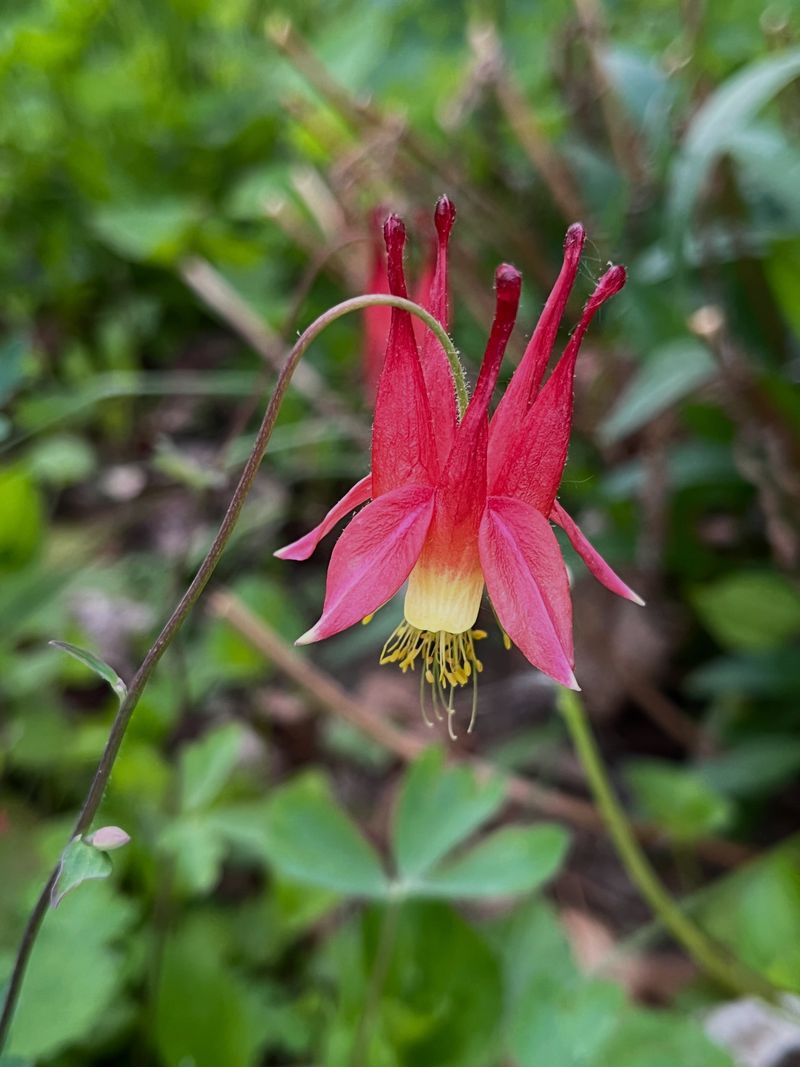
Hummingbirds have a clock in their heads. They return to Pennsylvania in late April, and wild columbine blooms right on cue to greet them. It is like nature planned the perfect welcome party.
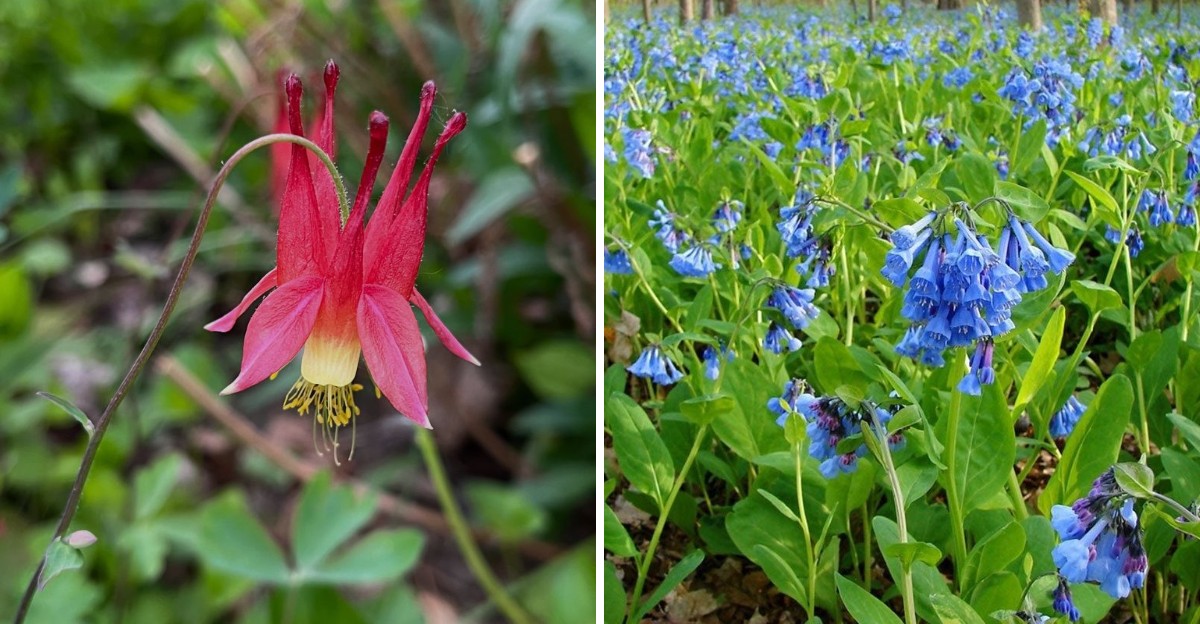
The flowers look like little lanterns. They hang upside down with red outer petals and yellow centers. Long spurs on top hold sweet nectar that hummingbird tongues can easily reach.
Planting in fall gives columbine time to anchor its roots. It rests over winter, then wakes up ready to flower. You will usually see blooms the very first spring.
Choose a spot with part shade. Morning sun and afternoon shade work great. It also grows in rocky soil and cracks between stones, much like it does on cliffs in the wild.
Plants stay about one to two feet tall. The leaves are lacy and blue-green, almost like a fern. They look nice even after the flowers fade.
Columbine does not live a very long time, often only a few years. Luckily, it drops lots of tiny black seeds. New baby plants pop up nearby, so your patch keeps going on its own.
Want more? Let the seed pods dry on the stems in early summer. Shake them where you want new plants. You can also scatter purchased seed in fall since the cold helps it sprout.
Bumblebees visit the flowers too. Some even chew holes in the spurs to steal nectar. Watching them is a fun springtime show for kids and adults alike.
6. Virginia Bluebells, Sky-Blue Bells For Shady Woods
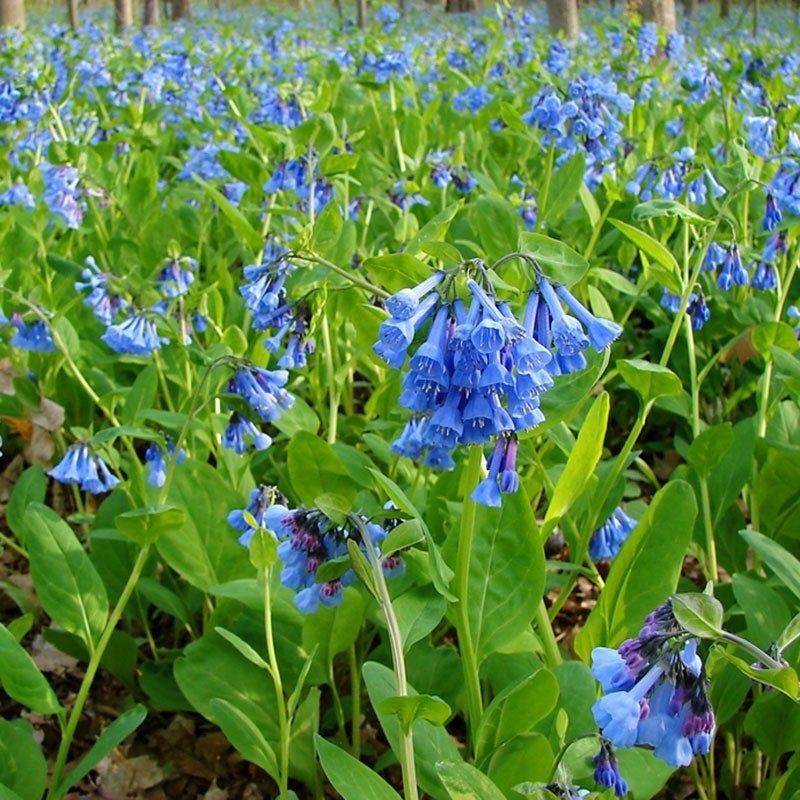
Walk along a Pennsylvania creek in April, and you may spot whole hillsides washed in blue. Those are Virginia bluebells. Seeing them in your own yard feels like a small miracle each spring.
The buds start out pink. As they open, they turn a soft sky blue. Clusters of bell-shaped flowers dangle from stems about one to two feet tall.
Most gardeners plant them in fall as dormant roots. They look like plain brown chunks, so do not worry. Plant them about two inches deep with the buds pointing up.
Moist, rich soil and shade make them happiest. Spots under trees or near a stream are ideal. Add some leaf compost when planting to copy their forest home.
Here is something to know before you plant. Bluebells grow, bloom, and disappear by early summer. The leaves turn yellow and fade back into the ground until next year.
Some new gardeners panic and think they lost their plants. Nope, they are just resting. Mark the spot with a stake so you do not dig them up by mistake.
A smart move is pairing them with plants that fill in later. Ferns, wild ginger, and hostas grow up as bluebells fade. That way, your shady bed stays green all season.
Early bees, especially bumblebees, visit the flowers for nectar. Over time, bluebells spread by seed into lovely drifts. Be patient, because a small start can turn into a blue carpet within a few years.
7. Black-Eyed Susan, Sunshine That Keeps On Blooming
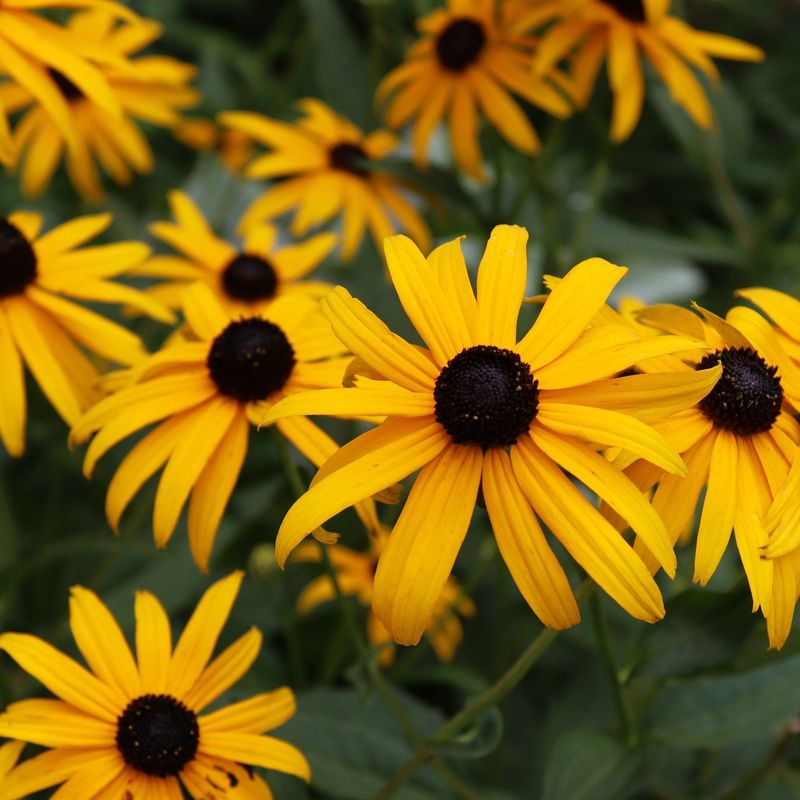
Some flowers just make you smile. Black-eyed Susan is one of them, with golden petals circling a dark brown button center. It is cheerful, tough, and nearly impossible to mess up.
Blooms usually start in midsummer and keep going into fall. That long season fills the gap when spring flowers are long gone. Bees and butterflies flock to them on hot afternoons.
Fall is a great time to add them. You can plant potted ones while the soil is warm. You can also scatter seeds on bare ground in late fall.
Why sow seeds in fall? Many native seeds need a cold, wet winter to wake up. Freezing and thawing press them into the soil, so they sprout right on time in spring.
Give them full sun and average soil. They handle dry spells, clay, and poor ground with ease. Plants grow two to three feet tall and spread over time.
Some kinds live only a couple of years. They reseed freely, though, so new plants keep showing up. Others, like orange coneflower, come back from the roots every year.
After blooming, resist the urge to cut everything down. Leave the dark seed heads standing into winter. Goldfinches love them and will cling to the stems as they pick out seeds.
Fun fact: black-eyed Susan is the state flower of Maryland, our southern neighbor. It grows wild in Pennsylvania fields and roadsides too. Plant a patch, and you will have bright color and busy birds for months.