The Picture-Perfect Herb Gardens Popping Up Across Massachusetts
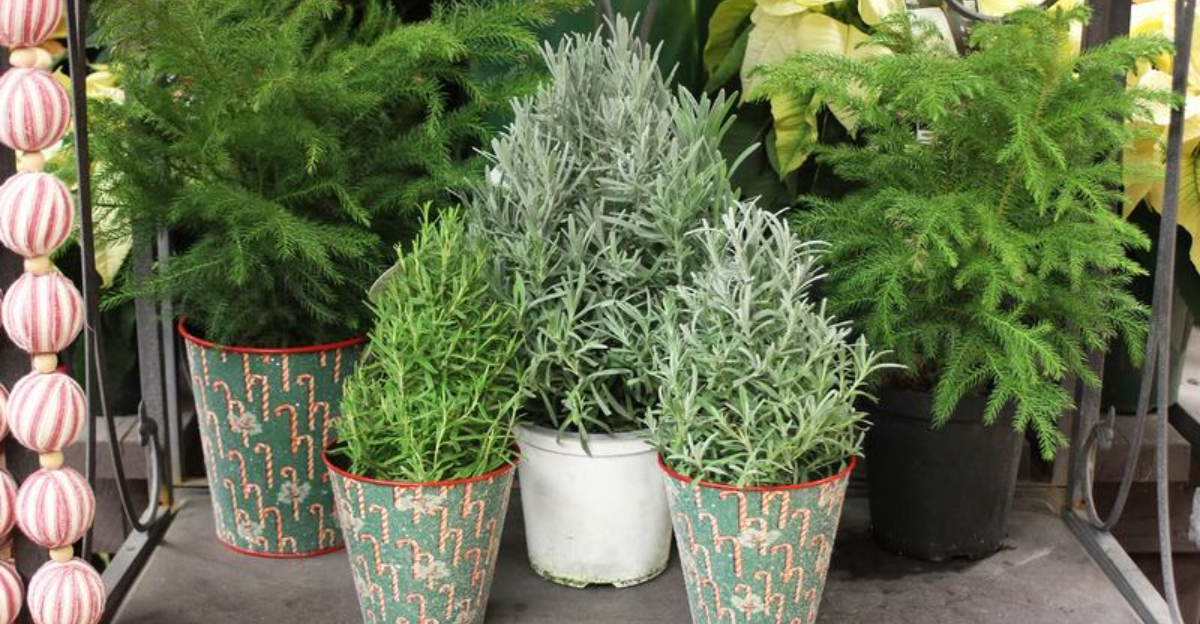
Herb gardens in Massachusetts are having a moment right now, and it’s sweet how many of them look like they were made for photos without anyone even trying.
You notice the soft colors, tidy borders, and little personality touches homeowners add, and suddenly you start imagining how charming your own herb corner could be.
It’s a trend that feels warm and effortless, and you might catch yourself wanting to grow a few pretty herbs just for the joy of seeing them each day.
1. Boston Common Herb Haven
Right in the heart of downtown Boston, near Berkeley Community Garden at 500 Tremont Street, sits a remarkable herb garden that transforms a small corner of America’s oldest public park into something magical.
Volunteers from nearby neighborhoods gather weekly to plant rosemary, thyme, and oregano in carefully maintained beds that smell absolutely wonderful during summer months.
Massachusetts residents love visiting this spot because it offers a peaceful escape from the busy city streets and honking traffic all around.
Children often stop by after school to learn about different herb varieties and how each one tastes when added to family meals.
The garden features educational signs explaining which herbs grow best in New England’s climate and when to harvest them for maximum flavor.
Local chefs sometimes visit to pick fresh ingredients for their restaurant dishes, creating a wonderful connection between urban farming and city dining.
Families bring picnic blankets and sit nearby while enjoying the fragrant air that drifts across the pathways on warm afternoons here.
This Boston garden proves that even in Massachusetts’ busiest city, people can create green spaces that benefit everyone who passes by daily.
2. Cape Cod Seaside Herb Sanctuary
Out on Cape Cod, near Heritage Museums & Gardens at 67 Grove Street in Sandwich, ocean breezes carry the scent of lavender and sage from a stunning herb garden perched near the shoreline.
Salty air and sandy soil create unique growing conditions that make herbs here taste different from those grown anywhere else in Massachusetts.
Gardeners have learned to choose varieties that can handle the coastal wind and occasional salt spray that blows in from the Atlantic.
Tourists visiting the Cape often stumble upon this hidden gem while exploring the area’s famous beaches and quaint seaside villages nearby.
The garden includes both traditional culinary herbs and some unusual varieties that thrive specifically in this beachy Massachusetts environment and nowhere else.
Wooden signs carved with herb names add rustic charm while helping visitors identify plants they might want to grow at home.
Photography enthusiasts adore capturing images of purple lavender blooms against the backdrop of blue ocean waters stretching toward the horizon beyond.
Local bed-and-breakfast owners purchase fresh herbs here to garnish breakfast plates and flavor their homemade jams and baked goods perfectly.
3. Pioneer Valley Community Plot
Western Massachusetts boasts some of the state’s most fertile farmland, and this Pioneer Valley herb garden near Northampton Community Garden at 51 Riverside Drive in Northampton takes full advantage of the region’s rich soil.
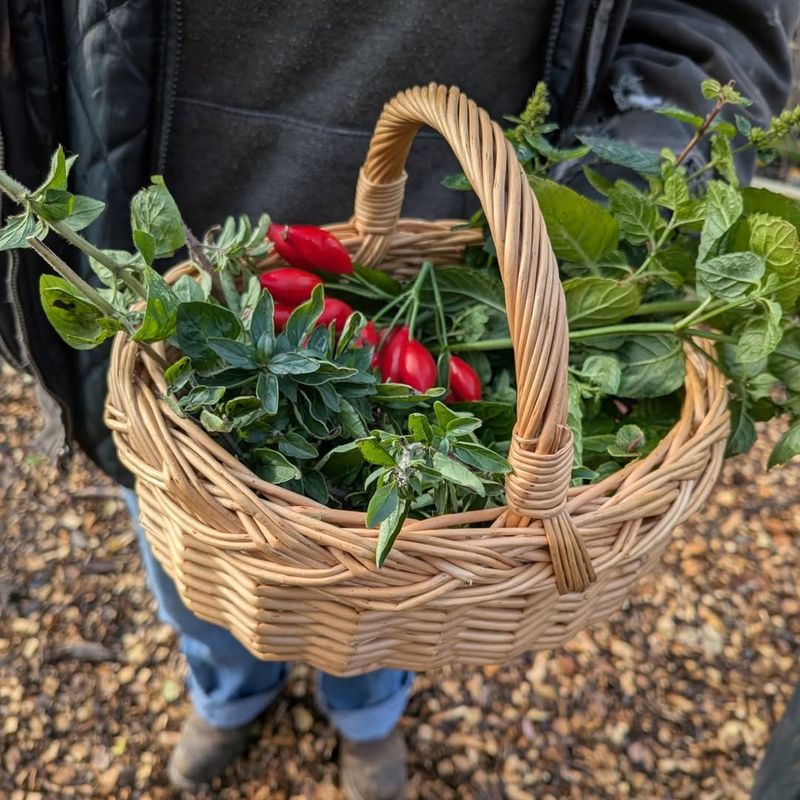
Rows of basil stretch alongside patches of mint, creating a patchwork quilt of green that changes color as different varieties bloom throughout growing season.
The garden operates as a cooperative where members share responsibilities, harvests, and the joy of watching tiny seeds transform into lush plants.
College students from nearby universities volunteer here to learn sustainable agriculture practices while getting their hands dirty in Massachusetts’ beautiful countryside.
The plot includes experimental sections where gardeners test new herb varieties to see which ones perform best in the valley’s particular climate.
Harvest festivals held each autumn bring hundreds of people together to celebrate the season’s bounty with herb-infused foods and homemade teas.
Mountains visible in the distance provide a stunning backdrop for morning gardening sessions when mist still clings to the valley floor below.
This Massachusetts garden demonstrates how rural communities can come together to create spaces that feed both bodies and souls beautifully.
4. Salem Witch City Herb Corner
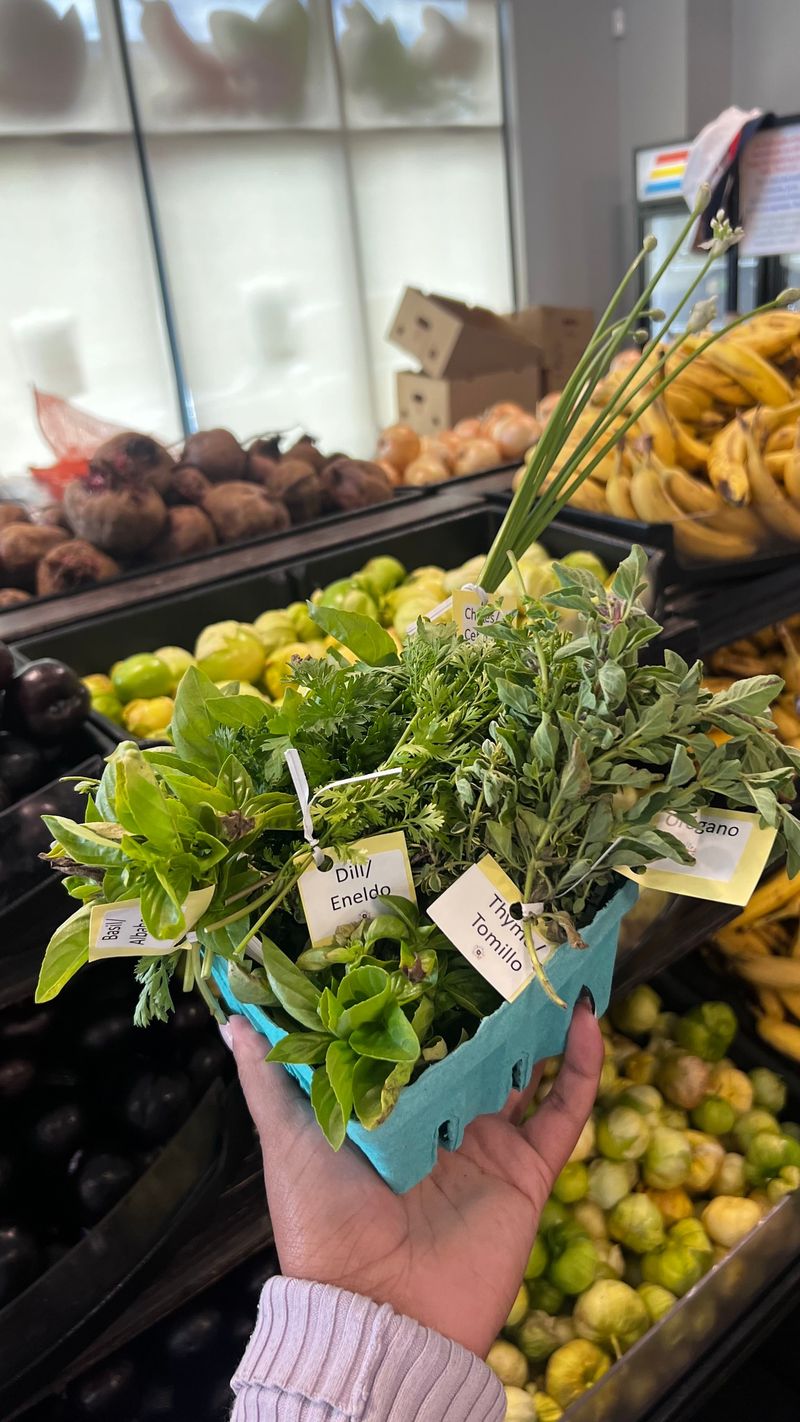
Salem’s fascinating history comes alive in this carefully recreated colonial-era herb garden at Pioneer Village in Salem 1630, located at 98 West Avenue, showcasing plants people used centuries ago for medicine and cooking.
Visitors walking through narrow pathways encounter herbs that early Massachusetts settlers relied upon for treating ailments, flavoring preserved foods, and creating household remedies.
The garden’s design mirrors what would have existed during Salem’s most famous historical periods, giving tourists an authentic glimpse into the past.
Guided tours explain how colonists identified helpful plants versus harmful ones and why certain herbs held special significance in different cultural traditions.
Massachusetts schoolchildren frequently visit on field trips to learn about botany, history, and how people survived before modern grocery stores existed.
The garden includes sections dedicated to dye plants, culinary herbs, and medicinal varieties that doctors once prescribed for common health complaints.
Autumn brings special evening events where lanterns illuminate the pathways and storytellers share tales about herbs’ roles in Salem’s complex history.
This unique Massachusetts attraction combines education with beauty, creating an experience that appeals to history buffs and plant enthusiasts equally well.
5. Berkshire Hills Mountaintop Garden
High in the Berkshire Hills, near Naumkeag Gardens at 5 Prospect Hill Road in Stockbridge, a terraced herb garden clings to a mountainside, offering spectacular views alongside incredible growing conditions for hardy plants.
Cooler temperatures at this elevation mean herbs develop intense flavors that chefs throughout Massachusetts seek out for their restaurant kitchens and menus.
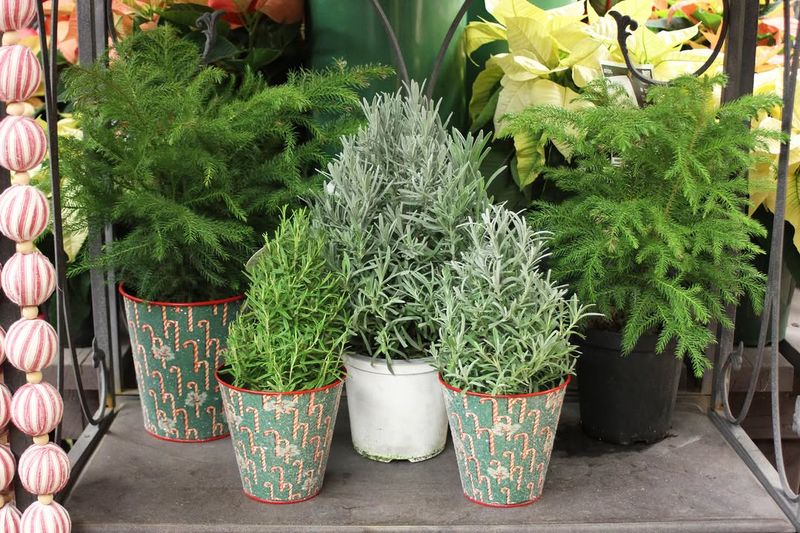
Stone walls built by farmers generations ago now support raised beds where oregano, thyme, and winter savory flourish despite the challenging terrain.
The garden’s creator spent years amending rocky soil and selecting herb varieties tough enough to survive the Berkshires’ harsh winter weather conditions.
Visitors climbing the pathways between terraces get exercise while enjoying increasingly impressive vistas of rolling hills stretching across western Massachusetts below.
Local artists often set up easels here to paint the landscape while breathing in the refreshing scent of mountain-grown herbs.
Fall transforms this Massachusetts garden into a spectacular display when surrounding trees burst into brilliant reds, oranges, and yellows behind the herbs.
Weekend workshops teach people how to grow herbs in difficult conditions, preserve their harvests, and create useful products from homegrown plants.
6. Worcester Urban Rooftop Oasis
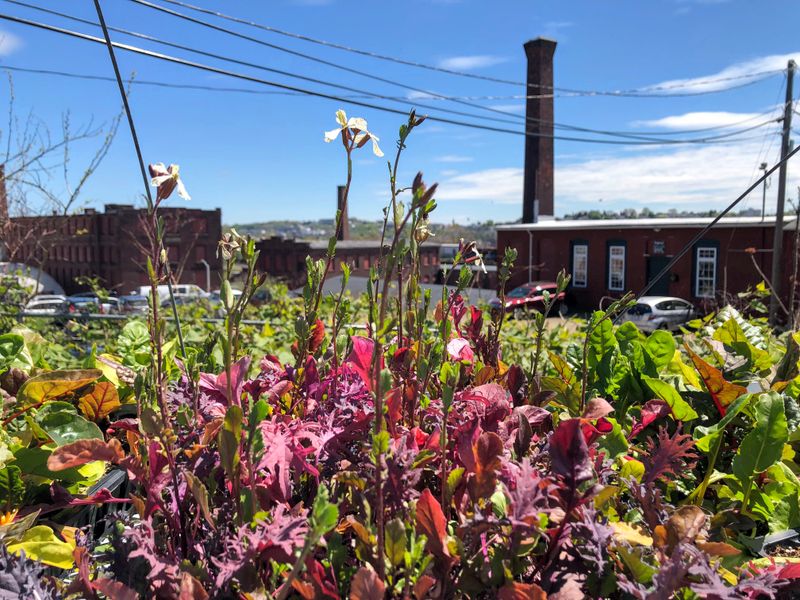
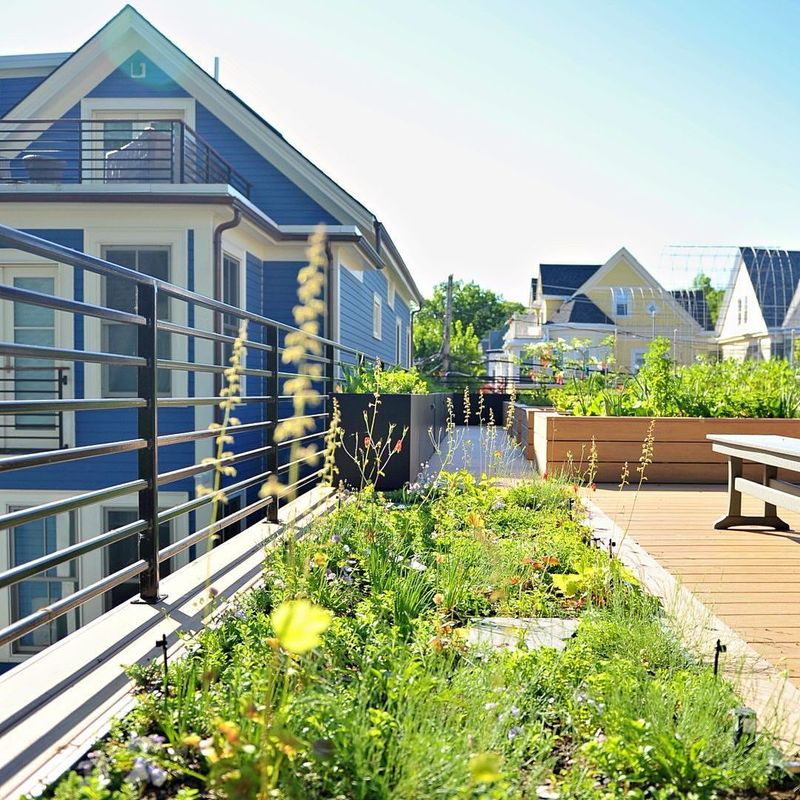
Atop a renovated factory building in Worcester, near the REC Urban Rooftop Garden at 65 Piedmont Street, an innovative rooftop garden proves that herbs can thrive anywhere with enough creativity and determination.
Container gardens filled with cilantro, parsley, and dill line the edges of the roof, creating a green border around a space once covered only with tar and gravel.
This Massachusetts project started when local residents wanted fresh herbs but lacked ground-level space in the densely populated urban neighborhood.
Rainwater collection systems provide irrigation while keeping the garden sustainable and reducing the building’s overall water consumption significantly each month.
The elevated location protects plants from many ground-dwelling pests while giving them plenty of sunlight throughout the long Massachusetts summer growing season.
Apartment dwellers from surrounding buildings can purchase membership shares that give them gardening space and a portion of the seasonal harvest.
Evening gatherings on the rooftop let members socialize while watching the sunset paint Worcester’s skyline in shades of pink and gold.
This creative Massachusetts garden shows how cities can transform unused spaces into productive, beautiful areas that strengthen communities and provide fresh food.
7. Martha’s Vineyard Island Herb Retreat
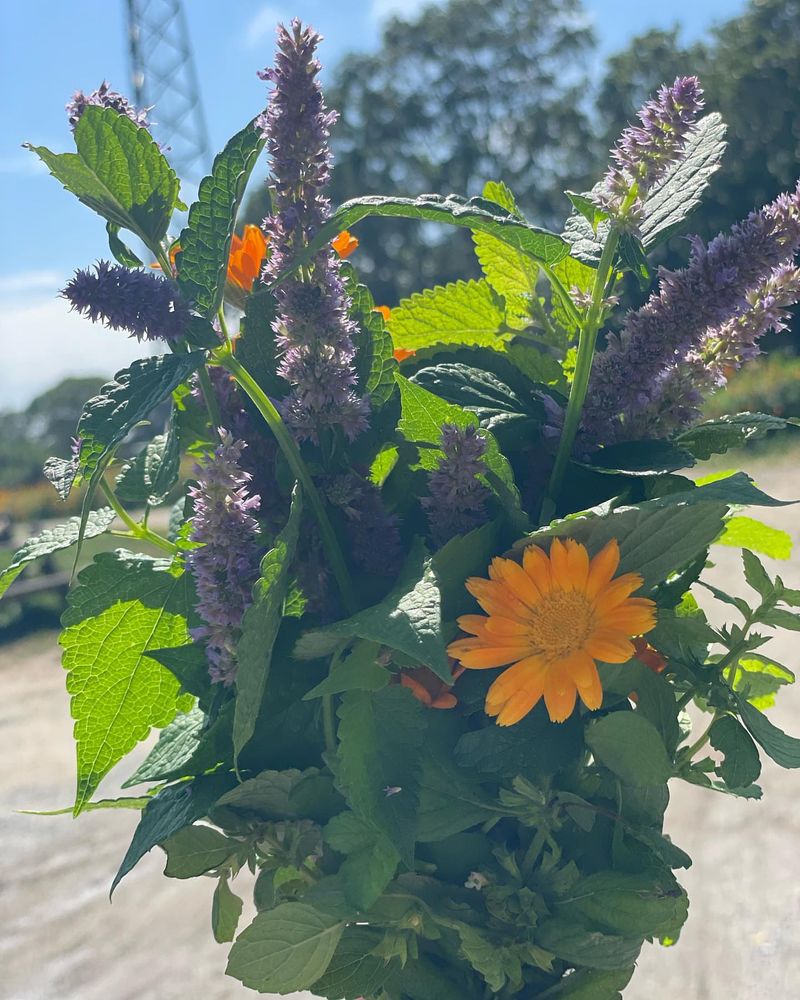
Martha’s Vineyard’s gentle climate creates perfect conditions for an herb garden near The FARM Institute at Katama Farm, located at 14 Aero Avenue in Edgartown, that looks like something from a European countryside photograph or magazine.
Formal pathways divide the space into geometric sections where different herb families grow together according to their water and sunlight needs precisely.
The island’s wealthy summer residents and year-round locals alike volunteer here, creating an unusual mix of people united by their love of plants.
Culinary students from mainland Massachusetts ferry over during summer months to intern at the garden and learn about growing ingredients seasonally.
The garden supplies several of the island’s finest restaurants with fresh herbs that add distinctive flavors to their seafood dishes and salads.
White picket fences surrounding the property give it a quintessentially New England appearance that photographers absolutely adore capturing on film or digitally.
Workshops on herb crafts, cooking, and natural remedies fill up quickly because the setting itself makes learning feel like a vacation experience.
This Massachusetts island garden combines beauty with purpose, creating a destination that enhances the Vineyard’s reputation as a special place worth visiting.
8. Cambridge University District Plot
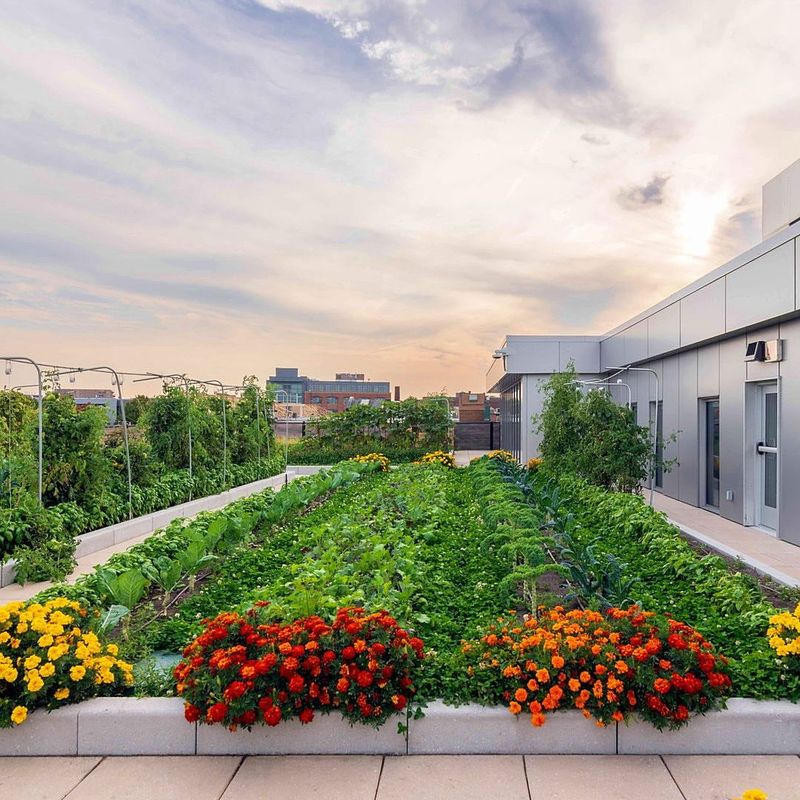
Near several prestigious universities in Cambridge, a research-oriented herb garden at the Harvard Community Garden on 27 Holyoke Street serves as an outdoor classroom where students study botany, ecology, and sustainable agriculture.
International herb varieties from dozens of countries grow side by side, allowing researchers to compare how different species adapt to Massachusetts’ temperate climate.
Graduate students conduct experiments testing organic growing methods, pest management strategies, and ways to extend the growing season using simple techniques.
The garden includes sections representing different global regions, from Mediterranean herbs to Asian varieties rarely seen growing in New England gardens elsewhere.
Undergraduate volunteers earn academic credit while learning practical skills that complement their classroom studies at Massachusetts’ world-renowned educational institutions nearby.
Public tours explain the scientific work happening here and how research findings help home gardeners grow healthier, more productive herb gardens.
Collaborations with local schools bring younger students to learn about plant science through hands-on activities that make complex concepts understandable and fun.
This Cambridge garden demonstrates how Massachusetts institutions combine academic excellence with community engagement to benefit everyone interested in plants and their possibilities.
9. North Shore Coastal Cottage Garden
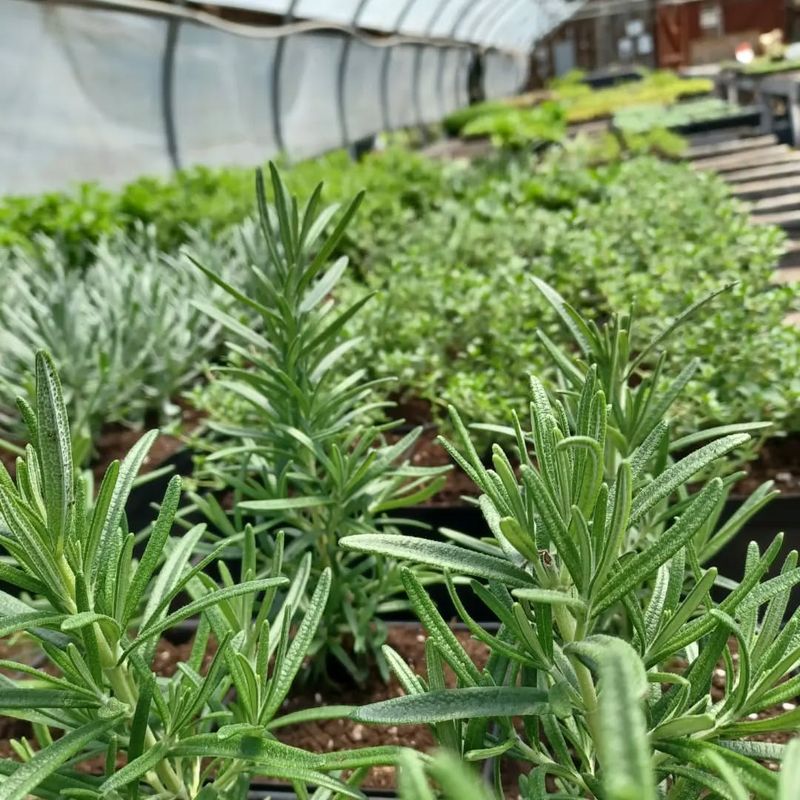
Along Massachusetts’ scenic North Shore, a cottage-style herb garden near the Stevens-Coolidge House & Gardens at 153 Chickering Road in North Andover spills over stone walls and wooden arbors in a deliberately unstructured, romantic design.
Mixing herbs with flowering plants creates a tapestry of colors, textures, and fragrances that change dramatically as seasons progress through the year.
The garden’s owner welcomes visitors who want to wander the meandering paths while discovering hidden benches perfect for quiet contemplation or reading.
Local garden clubs organize tours here to showcase how informal planting styles can be just as productive as rigidly organized rows and beds.
Herbs self-seed throughout the space, creating happy accidents where unexpected combinations of plants grow together in surprisingly attractive and functional ways.
The North Shore’s moderate coastal climate allows some herbs to survive mild winters, returning year after year in this Massachusetts garden.
Honeybees from nearby hives buzz constantly among the blooms, pollinating plants while producing honey with complex flavors reflecting the diverse herb varieties.
This garden proves that beautiful spaces don’t require perfect organization, just passion, patience, and appreciation for how nature creates its own harmony.
10. Springfield Riverfront Community Space
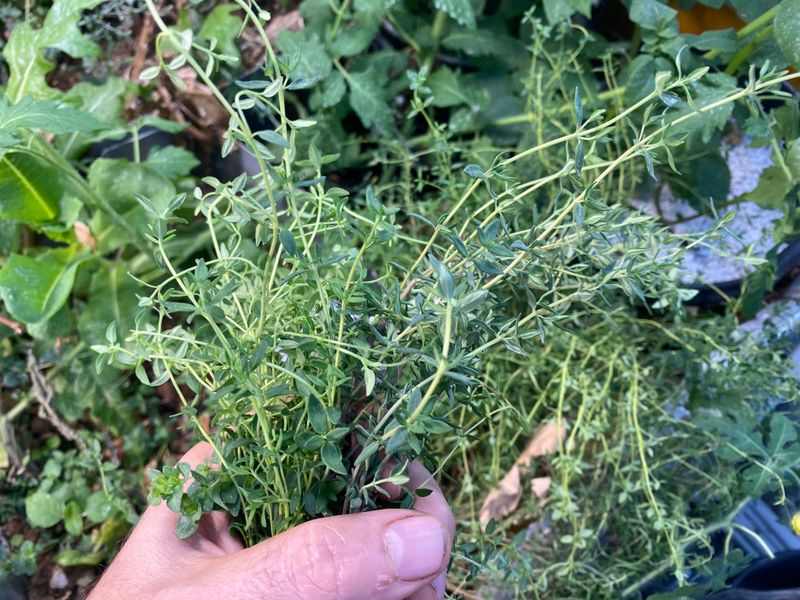
Near Springfield’s scenic riverfront along the Connecticut River Walk and Bikeway, a thriving community herb garden at Gardening the Community (200 Walnut Street) brings together residents from the city’s diverse neighborhoods and cultural backgrounds.
Each plot reflects the gardener’s heritage, with Puerto Rican families growing cilantro and recao alongside Polish immigrants cultivating dill and caraway seeds.
This Massachusetts garden celebrates how different cultures use herbs in their traditional cuisines, creating opportunities for neighbors to share recipes and stories.
The riverside location provides easy access to water while offering pleasant breezes that keep gardeners comfortable during hot summer afternoons in the city.
Children’s programs teach youngsters about plant biology, healthy eating habits, and the importance of green spaces in urban Massachusetts communities like Springfield.
Annual potluck dinners feature dishes made with herbs from the garden, turning harvests into delicious meals that strengthen bonds between participants.
The garden’s success has inspired similar projects in other Springfield neighborhoods, spreading the benefits of community gardening throughout the city gradually.
This inclusive Massachusetts space demonstrates how gardens can bridge cultural differences while providing fresh food, outdoor recreation, and friendship to everyone involved.