The Pine Cedar And Juniper Decor Trends Filling North Carolina Gardens This Christmas
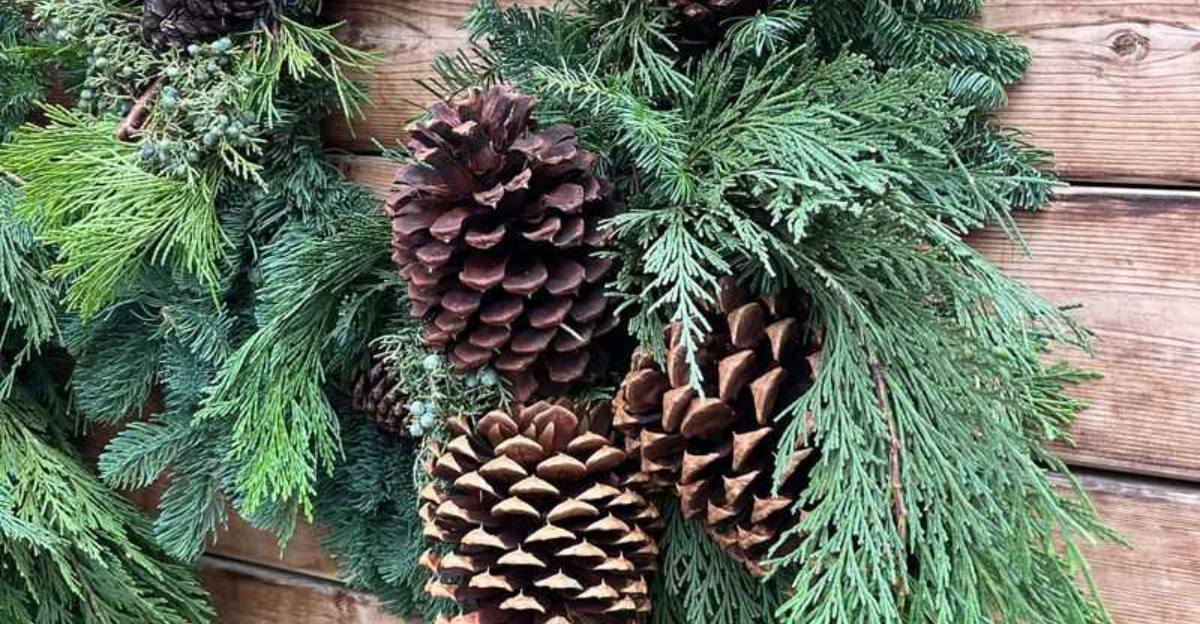
This Christmas, North Carolina gardens are smelling like the holidays—and that’s no accident.
Pine, cedar, and juniper are taking center stage, filling outdoor spaces with evergreen texture and old-fashioned charm.
It’s a trend rooted in tradition, but refreshed with modern flair.
Homeowners are weaving these greens into planters, wreaths, and pathway accents, creating displays that feel both festive and grounded.
Unlike flashy décor that fades fast, evergreens hold their own all season long, aging gracefully as winter unfolds.
Their scent alone is enough to spark memories.
What’s driving the trend is simplicity.
These natural materials are easy to source, easy to arrange, and tough enough to handle winter weather.
In a season that can feel overdone, North Carolina gardeners are choosing décor that feels honest, welcoming, and connected to the land—proof that sometimes the classics really do know best.
Fresh Pine Garlands Along Fences And Railings
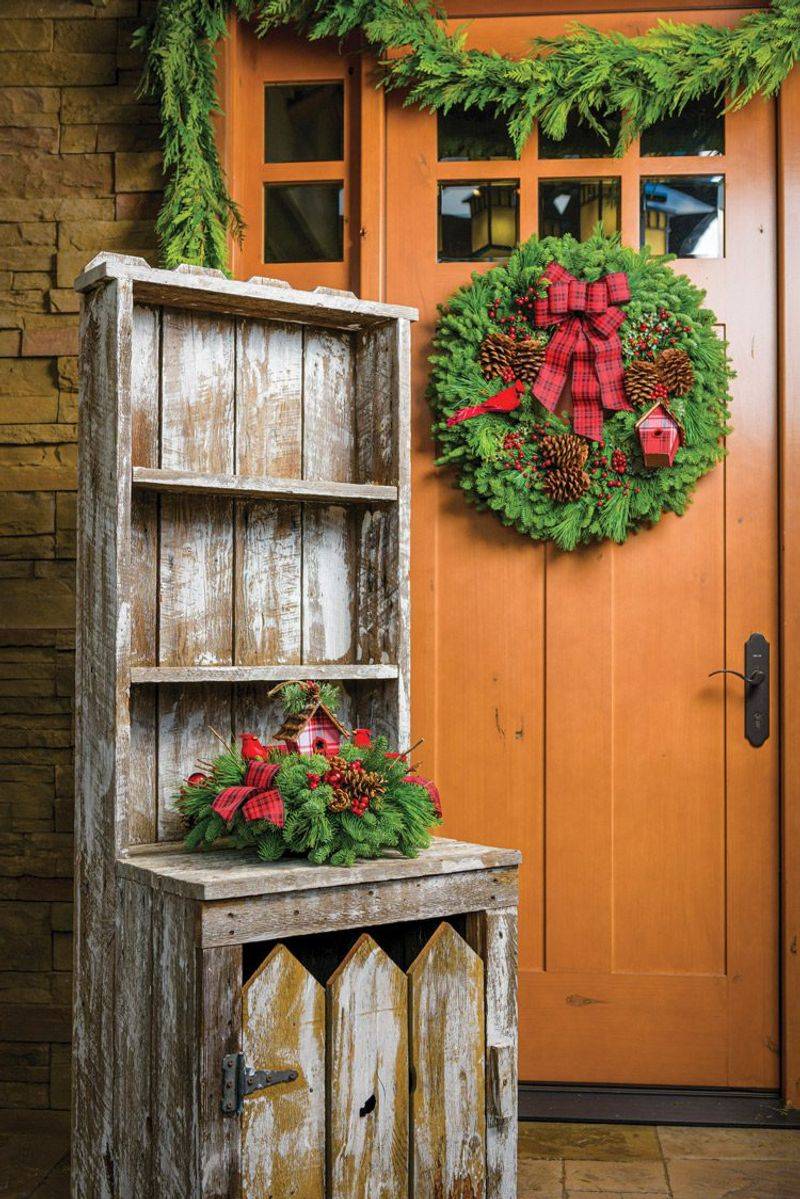
Nothing says Christmas quite like the sight and scent of fresh pine garlands draped across your garden’s edges.
North Carolina homeowners are rediscovering this classic decoration, wrapping their fences, porch railings, and walkway borders in lush green boughs that stay beautiful for weeks.
The state’s abundant pine forests make sourcing these garlands easy and affordable, whether you cut your own or buy from local tree farms.
What makes pine garlands especially appealing in North Carolina is their remarkable durability during the region’s mild winter months.
Unlike harsher northern climates where extreme cold can damage delicate decorations, the Tar Heel State’s moderate temperatures allow pine to maintain its vibrant color and soft needles throughout December and often into January.
Morning dew keeps the branches naturally hydrated, reducing the need for constant maintenance.
Homeowners are getting creative with their garland displays, weaving them through picket fences, draping them along split-rail borders, and cascading them down stairway railings.
Some add simple red bows at intervals, while others prefer the natural green beauty to speak for itself.
The versatility of pine garlands means they complement both traditional and modern garden styles.
Best of all, when the season ends, these biodegradable decorations can be composted or used as mulch, making them an environmentally friendly choice for eco-conscious gardeners.
Cedar Swags On Gates And Garden Entrances

Cedar swags have become the signature welcome sign for North Carolina gardens this holiday season.
These carefully bundled arrangements hang proudly on gates, arbors, and garden entrances, greeting visitors with their distinctive woody fragrance that instantly evokes Christmas memories.
The Southern tradition of cedar decorating runs deep, passed down through generations who valued this tree for both its beauty and practical benefits.
What sets cedar apart from other evergreens is its natural pest-repelling properties.
The aromatic oils in cedar branches discourage insects and small pests, making these swags functional as well as decorative.
This characteristic matters especially in North Carolina’s relatively mild winters, when bugs don’t completely disappear like they do in colder states.
Homeowners appreciate knowing their holiday decorations are actually protecting their garden spaces.
The texture of cedar branches adds visual interest that plain pine cannot match.
Their flat, scale-like foliage creates a feathery appearance that catches light beautifully, whether under bright afternoon sun or soft evening illumination.
Many gardeners enhance their cedar swags with simple additions like burlap ribbons, dried orange slices, or small pinecones.
The swags typically last four to six weeks outdoors, maintaining their shape and scent far longer than many other natural decorations.
Garden centers across North Carolina report that cedar swags sell out quickly each December, confirming their status as a beloved regional favorite.
Juniper Wreaths With Natural Berries

Juniper wreaths are stealing the spotlight in North Carolina gardens, offering something wonderfully different from traditional pine circles.
The real showstoppers are the natural blue-gray berries that dot these wreaths, adding unexpected pops of color against the silvery-green foliage.
These aren’t your grandmother’s Christmas wreaths—they bring a modern, sophisticated look that appeals to gardeners seeking fresh holiday style.
The texture of juniper foliage creates dimension that flat needles simply cannot achieve.
Each tiny scale-covered branch catches shadows and light differently throughout the day, making the wreath appear to change as the sun moves across the sky.
North Carolina’s native juniper species adapt perfectly to wreath-making, with varieties like Eastern Red Cedar providing readily available materials for crafters and decorators.
Those distinctive berries serve purposes beyond mere decoration.
Birds adore juniper berries, meaning your wreath might attract feathered visitors to your garden entrance—a delightful bonus for nature lovers.
The berries typically ripen to their beautiful blue color in late fall, making them perfect for Christmas displays.
Juniper wreaths hold up remarkably well in outdoor conditions, resisting both rain and occasional warm spells that characterize North Carolina Decembers.
Many homeowners report their juniper wreaths lasting well into February, gradually fading to silvery tones that remain attractive even as winter transitions toward spring.
This longevity makes juniper an economical choice for budget-conscious decorators.
Mixed Pine, Cedar, And Juniper Planters
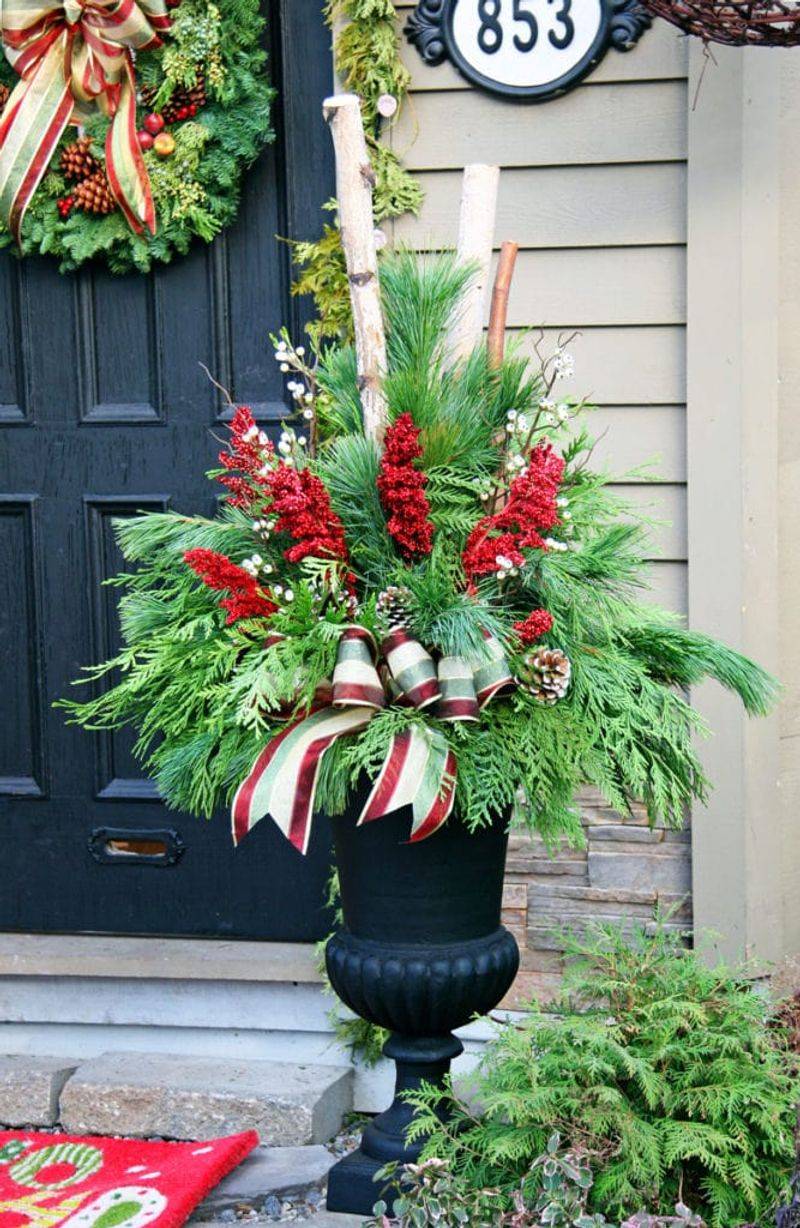
Large planters overflowing with mixed evergreen cuttings have become the statement pieces of North Carolina Christmas gardens.
Rather than choosing just one type of greenery, savvy homeowners are combining pine, cedar, and juniper in generous containers that flank doorways, line pathways, or anchor garden beds.
This mixing approach creates visual richness that single-variety arrangements cannot match.
The secret to successful mixed planters lies in understanding how each evergreen contributes differently.
Pine provides the classic Christmas shape with its long needles and full branches that create volume and height.
Cedar adds feathery texture and aromatic depth, filling in gaps with its softer appearance.
Juniper contributes color variation with its blue-green tones and interesting berry accents, plus its naturally irregular growth pattern adds movement to the arrangement.
North Carolina’s variable winter weather makes these planters especially practical.
Unlike delicate flowering plants that might struggle with temperature swings, evergreen cuttings tolerate everything from frosty mornings to unseasonably warm afternoons.
The cuttings don’t require roots to stay fresh-looking for weeks, especially when stems are kept slightly moist.
Many gardeners add other natural elements like birch branches, magnolia leaves, or dried hydrangeas to their evergreen bases.
These planters work beautifully in both traditional urns and modern containers, adapting to any garden style.
When positioned strategically near entries or along frequently traveled paths, they spread their delightful evergreen fragrance exactly where people will appreciate it most.
Rustic Cedar Posts Wrapped In Evergreens
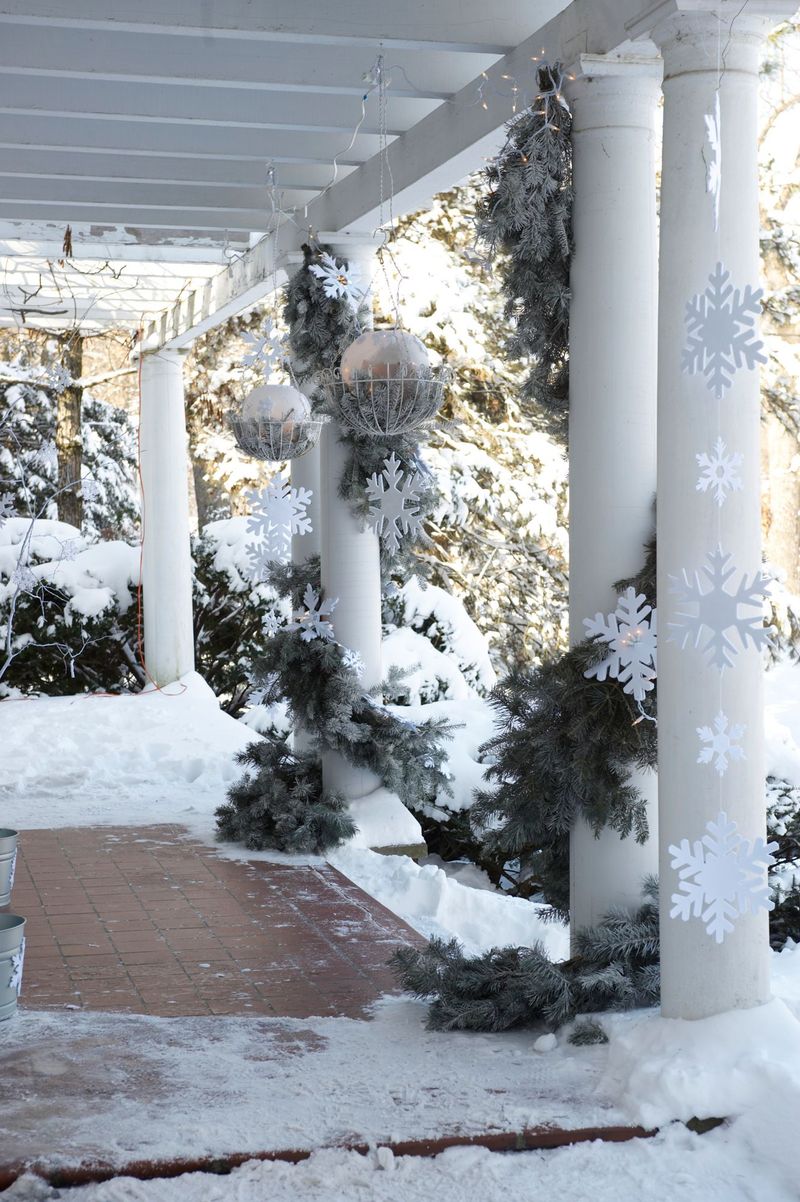
Garden structures are getting the evergreen treatment as North Carolina homeowners wrap cedar posts and trellises in lush holiday greenery.
This trend transforms functional garden elements into festive focal points that blend seamlessly with the natural landscape.
The rustic appeal suits the Southern aesthetic perfectly, creating decorations that feel authentic rather than artificial or overly elaborate.
Cedar posts themselves bring inherent beauty to gardens, prized for their natural resistance to rot and insects.
When wrapped with additional evergreen boughs, these posts become living columns of texture and fragrance.
The wrapping process is surprisingly simple—gardeners use natural twine or wire to secure branches in overlapping layers that spiral up the post.
This creates a candy-cane effect without needing actual stripes or paint.
Trellises receive similar treatment, with evergreen branches woven through their lattice structures.
This works especially well in vegetable gardens or cutting gardens where summer plants have finished their season, leaving bare frameworks that welcome holiday enhancement.
The evergreen covering provides winter interest in spaces that might otherwise look empty during December.
Many North Carolina gardeners report that this decoration method actually helps protect wooden structures from winter moisture, as the evergreen layer sheds rain away from the wood beneath.
The wrapped posts and trellises typically last throughout the holiday season without needing replacement.
Come January, the dried greenery can be removed and composted, leaving the cedar structures ready for spring planting season with no damage or residue.
Juniper Branches In Natural Winter Arrangements
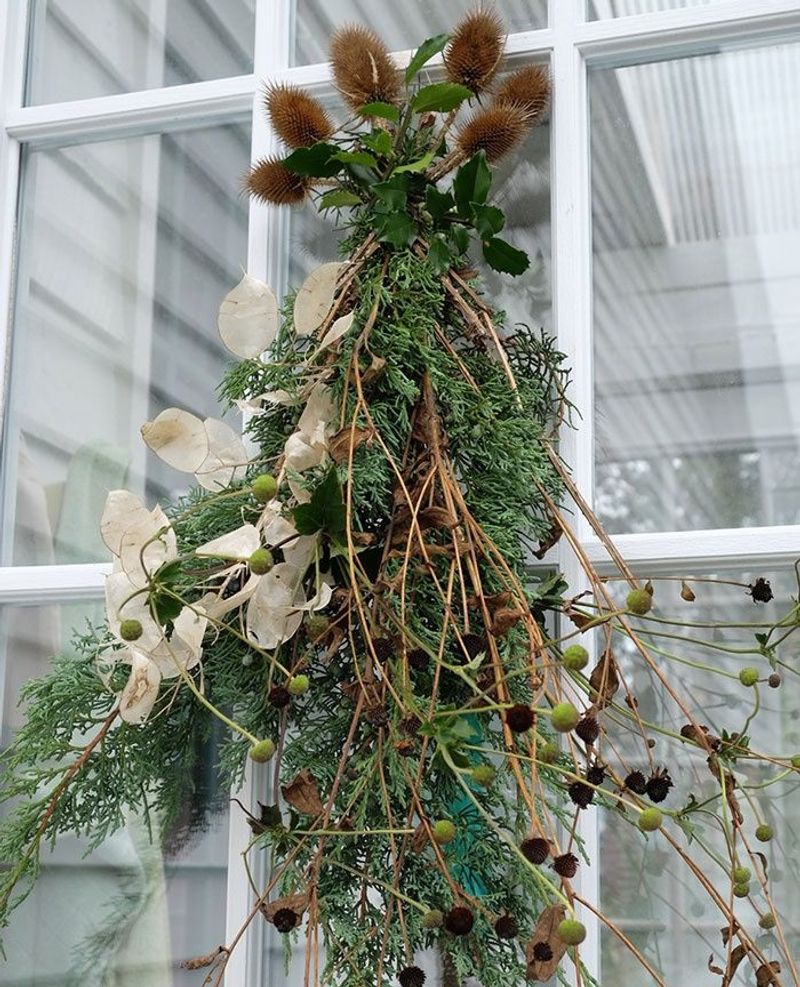
Casual, woodland-inspired arrangements featuring loose juniper branches are popping up in North Carolina gardens everywhere this Christmas.
These relaxed displays appear in ground-level urns, woven baskets, and weathered containers, bringing holiday cheer without the formality of structured wreaths or garlands.
The approach feels effortlessly stylish, as if the branches were just gathered from a winter walk and casually placed.
Juniper works particularly well for this informal style because its naturally irregular growth pattern resists looking too perfect or contrived.
The branches twist and curve organically, creating movement even when standing still in a container.
Those blue-tinted berries scattered throughout add visual interest without requiring additional decorations.
North Carolina gardeners appreciate how these simple arrangements complement rather than compete with their existing landscape design.
The beauty of loose juniper arrangements lies in their flexibility and ease.
There are no rules about symmetry or specific placement—branches can stick out at odd angles, overlap randomly, or lean to one side.
This forgiving nature makes them perfect for beginning decorators who might feel intimidated by more structured holiday projects.
The arrangements work beautifully alone or grouped in clusters of varying heights.
Many homeowners place them along garden paths, beside benches, or flanking outdoor seating areas.
Because the branches aren’t tightly bound, air circulates freely around them, helping them stay fresh longer in North Carolina’s humid winter climate.
When the holidays end, the branches can be scattered as natural mulch around garden beds.
Pinecones And Evergreen Pairings
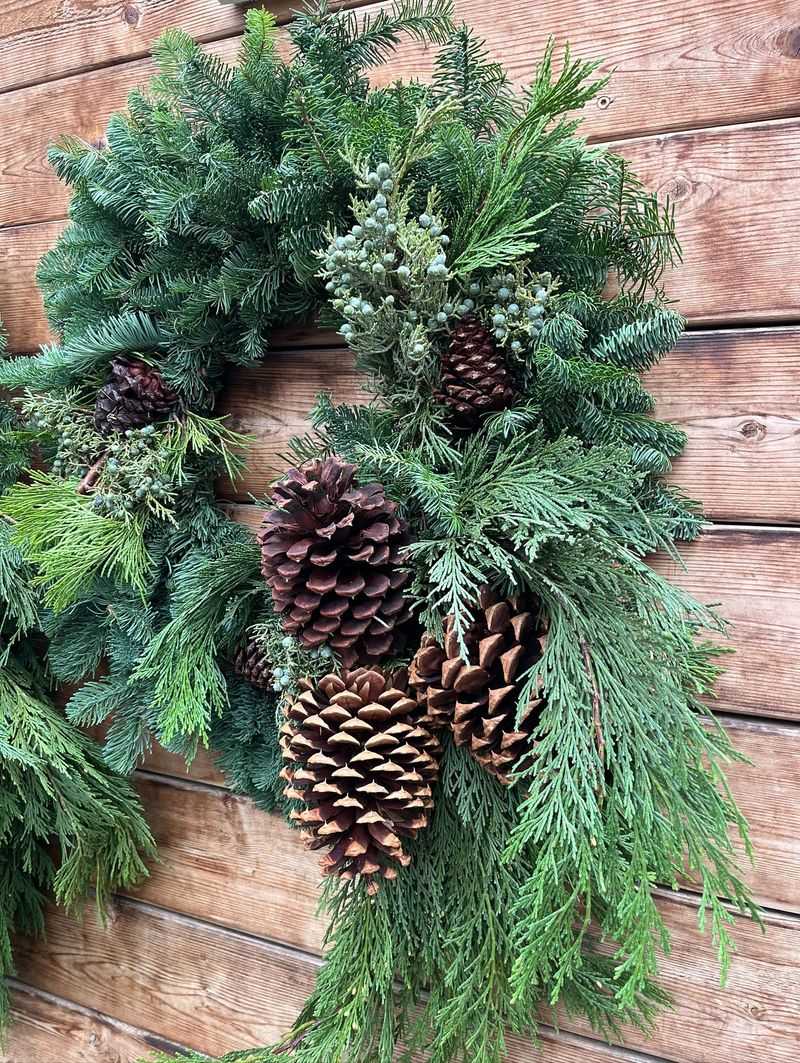
The timeless combination of pinecones and evergreen branches remains a cornerstone of North Carolina Christmas garden decoration, but this year’s approach emphasizes local sourcing and natural presentation.
Rather than buying imported decorations, gardeners are collecting pinecones from their own yards or nearby forests, pairing them with freshly cut pine, cedar, and juniper from regional sources.
This practice connects decorators more deeply to their local environment while reducing their holiday carbon footprint.
North Carolina’s diverse pine species produce pinecones in various sizes and shapes, from the enormous cones of longleaf pines to the smaller, more delicate cones of loblolly and white pines.
This variety allows for creative displays that showcase the state’s natural biodiversity.
Gardeners arrange pinecones in shallow bowls surrounded by evergreen sprigs, wire them onto wreaths, or simply scatter them among potted evergreen displays.
The pairing works aesthetically because pinecones provide solid, sculptural elements that contrast beautifully with the soft, flowing nature of evergreen branches.
Their brown tones complement the various greens, creating a color palette that feels harmonious and natural.
Some decorators leave pinecones in their natural state, while others lightly dust them with artificial snow or metallic paint for added sparkle.
The cones also attract wildlife—squirrels and birds often investigate these displays, adding unexpected entertainment value.
These decorations withstand North Carolina’s winter weather exceptionally well, as both pinecones and evergreens are designed by nature to endure outdoor conditions.
The combination costs almost nothing if sourced locally, making beautiful garden decoration accessible to everyone.
Minimal White Lights Woven Through Evergreens

Subtle illumination is transforming evergreen decorations in North Carolina gardens, as homeowners weave delicate white string lights through their pine, cedar, and juniper displays.
The trend favors restraint over excess—just enough light to highlight the natural beauty of the greenery without overwhelming it.
This minimalist approach creates magical evening gardens that glow softly rather than blazing with overwhelming brightness.
The key to this trend is choosing warm white LED lights that complement rather than compete with the evergreens’ natural tones.
Cool blue-white lights can make greenery appear washed out or artificial, while warm white enhances the rich greens and brings out the golden undertones in dried pine needles.
North Carolina gardeners are threading these lights through garlands, tucking them into mixed planters, and wrapping them loosely around evergreen-covered posts.
The effect is particularly stunning at dusk, when the lights begin to twinkle against the deepening sky.
Energy-efficient LED technology makes this decoration practical for extended use throughout the holiday season.
The lights generate minimal heat, which matters when they’re nestled among potentially flammable dried plant material.
Battery-operated options allow for lighting in areas without electrical outlets, expanding decorating possibilities throughout the garden.
Many homeowners set their lights on timers, ensuring their gardens glow welcomingly each evening without requiring daily attention.
The subtle lighting extends the enjoyment of outdoor spaces into the evening hours, making gardens inviting even on chilly December nights when North Carolinians still venture outside to appreciate their holiday handiwork.
Foraged Evergreens From Local Landscapes
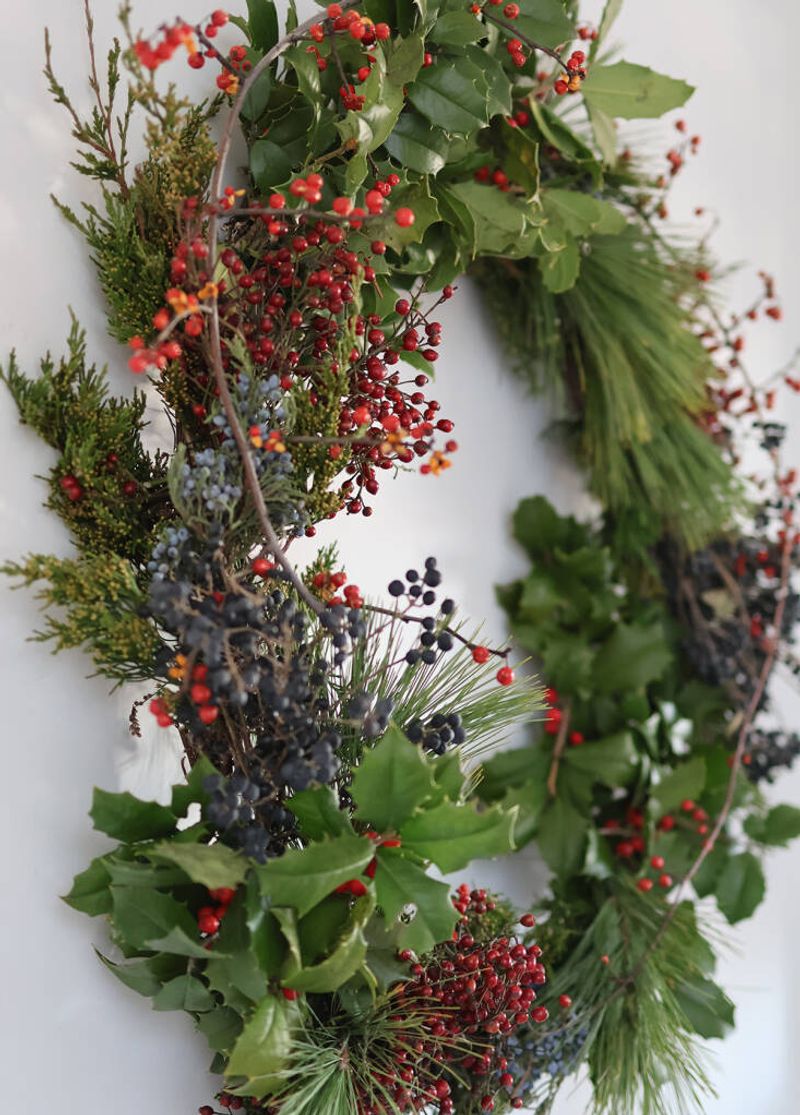
A meaningful shift toward sustainable decorating is happening across North Carolina, with gardeners responsibly foraging pine, cedar, and juniper from their own properties or permitted areas.
This practice represents more than just cost savings—it reflects growing environmental awareness and desire for authentic connections to the local landscape.
Rather than purchasing commercially harvested greenery, families are making afternoon excursions into their woodlots or neighborhood wild spaces part of their holiday traditions.
Responsible foraging requires knowledge and care.
North Carolina gardeners are learning to take only small amounts from each tree, cutting branches in ways that promote healthy growth rather than harming plants.
They avoid protected species and always obtain permission before harvesting from any property they don’t own.
This ethical approach ensures evergreen populations remain healthy for future seasons while providing beautiful, free decorating materials.
The foraging process itself has become a cherished holiday activity for many families.
Children learn to identify different evergreen species, understand seasonal cycles, and appreciate how gardens connect to larger ecosystems.
The harvested branches carry special meaning because they come from familiar, beloved places rather than anonymous commercial sources.
Gardeners report that their foraged decorations smell more potent and stay fresh longer than store-bought alternatives, likely because they’re cut at peak freshness and used immediately.
This trend also supports biodiversity awareness, as foragers notice the variety of evergreen species growing wild in North Carolina and learn about their different characteristics and uses.
The practice creates zero packaging waste and no transportation emissions, making it the most environmentally friendly decorating option available.